Tomanivi
Tomanivi, Fiji
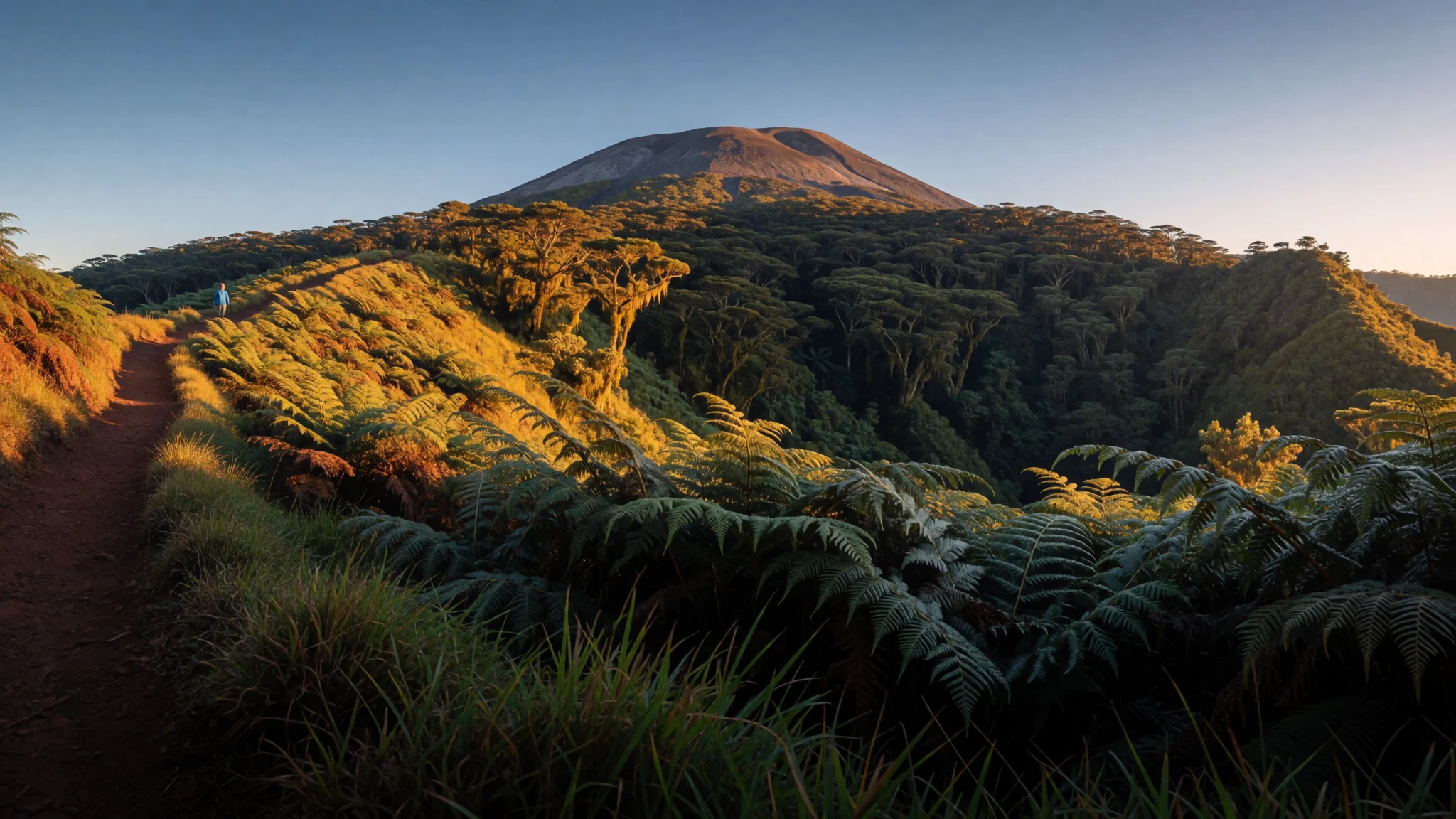
Tomanivi is Fiji's highest summit, a montane-forest climb through village land where rare birds still live.
The place
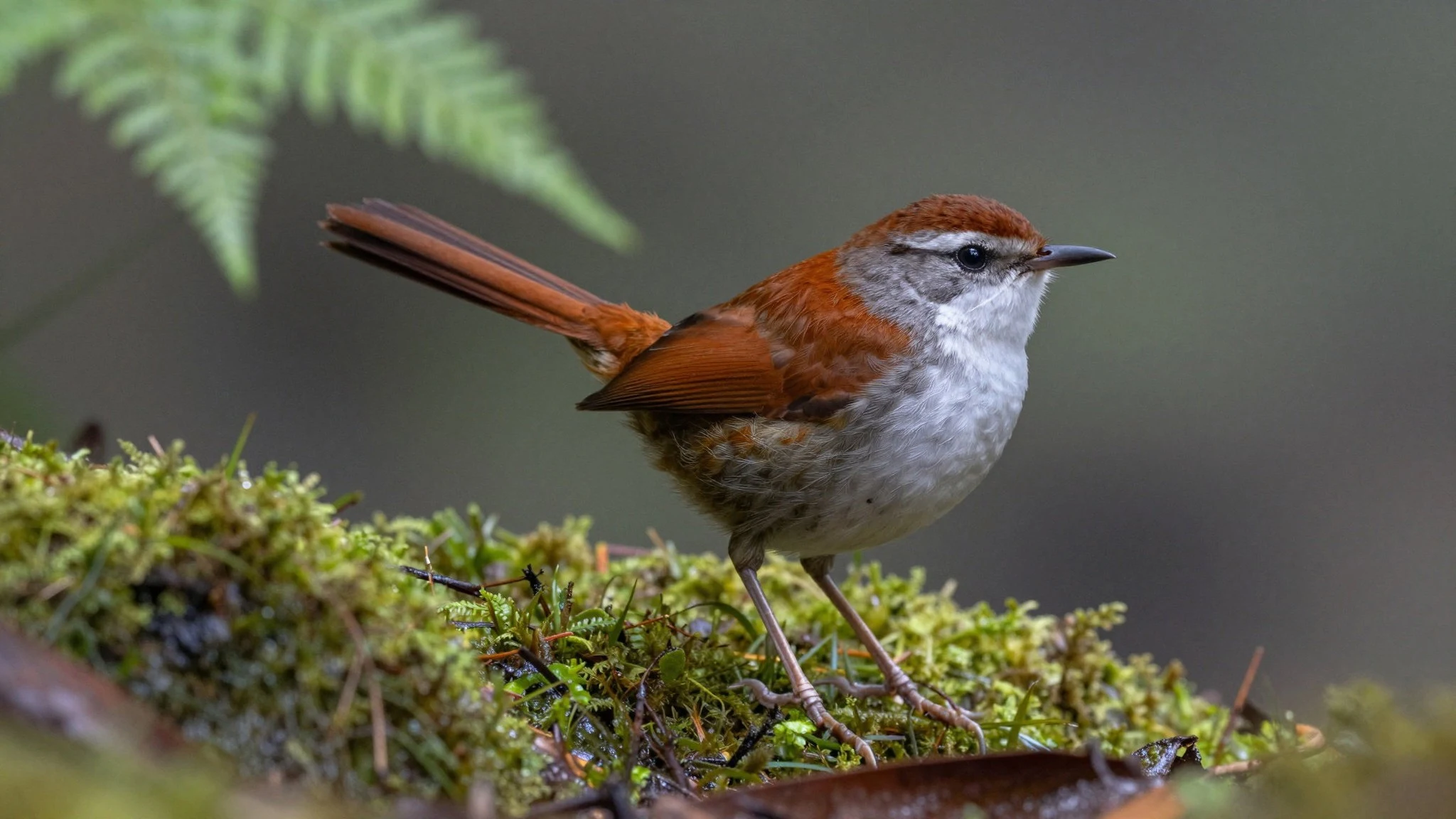
Tomanivi sits in the northern highlands of Viti Levu, Fiji's main island, and at 1,324 metres it is the highest point in the country. It is an extinct volcano, so there is no crater drama at the top. What the mountain offers is height, cool air and a thick cover of forest quite unlike the coconut-and-beach Fiji of the brochures. Older maps and guides call it Mount Victoria, and the spelling Tomaniivi turns up too. The usual approach is a footpath from Navai village, which means the climb crosses land that belongs to a community, and arrangements are best made through the village rather than assumed. Much of the slope is montane forest, some of the highest-altitude forest of its kind in Fiji, and it is damp, mossy and often wrapped in cloud. That matters beyond scenery. The forest shelters birds found in very few other places, including the critically endangered red-throated lorikeet, the endangered long-legged warbler, the vulnerable shy ground-dove and the pink-billed parrotfinch. A nature reserve and a forest reserve are joined with neighbouring woodland into one protected block. The mountain is also a water tower: the Rewa, Navua, Sigatoka and Ba rivers all begin in the central highlands. Expect a walk, not a viewing platform. There will be mud, roots and humidity, and whether the summit shows a view depends on the cloud.
Its story
Tomanivi belongs to the volcanic story that built Fiji: mountains pushed up from the sea floor, then ringed by warm tropical water and reef. Long after the volcano went quiet, the peak became a landmark for highland communities, whose villages sit in the valleys below and who still hold the land around it. The name Mount Victoria came later, a colonial label that has largely given way to the Fijian name on modern maps. Outsiders took their time getting to know Fiji. Reefs wrecked ships, and tales of warfare between chiefdoms made the islands feared among sailors. That reputation helped Fijians keep hold of most of their land, and with it a habit of sharing and extended-family life that visitors still notice in villages. When Britain took over, change arrived in several waves. Christianity spread and older spirit beliefs faded, and indentured labourers were brought from India to work the plantations. Their descendants now make up close to half the population, which is why curry and roti sit beside taro in Fijian kitchens. Kava, the root drink offered in village ceremonies, is remembered locally as a tool of peace, a way of settling quarrels between villages as the fighting ended. Tomanivi stands above all of this, a quiet summit with no monuments, only forest and the rivers it feeds.
What to see
- The summit trail from Navai — Navai village, northern highlands of Viti Levu
The footpath from Navai village climbs through montane forest to the top of Tomanivi, Fiji's highest point at 1,324 metres. Go with a local guide arranged through the village, start early, and carry water and a rain layer. Paths are muddy and slippery, and the summit view depends on how much cloud has settled.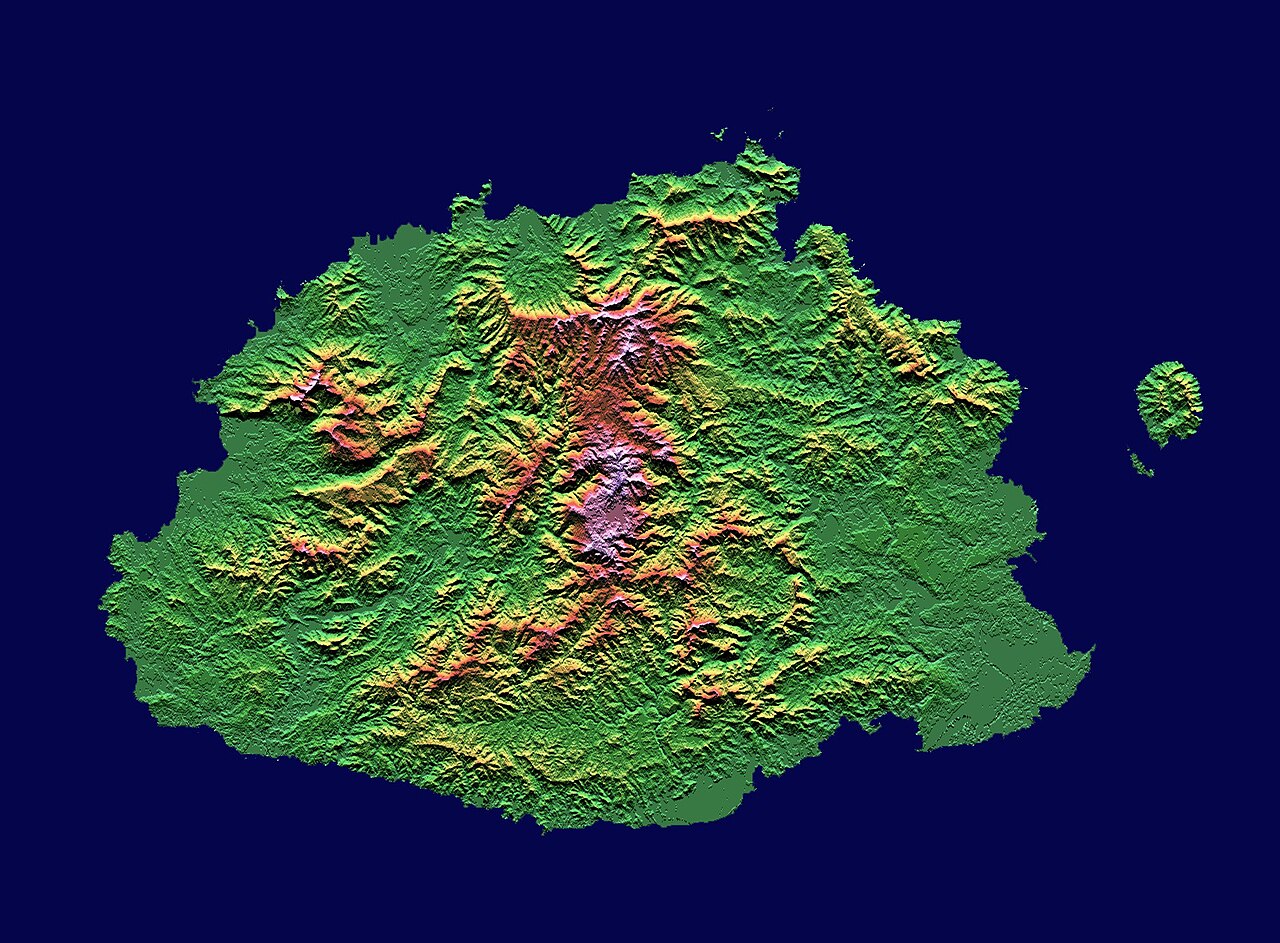
- Birdwatching in the Tomanivi forest — Slopes of Tomanivi, northern highlands
The forest around Tomanivi is protected as a nature reserve and a forest reserve, joined with neighbouring woodland. Birders come for the red-throated lorikeet, long-legged warbler, shy ground-dove and pink-billed parrotfinch. Sightings are never guaranteed, so walk slowly, listen at dawn, and ask village guides which stretches of trail are quietest. - Navala village — Highlands of Viti Levu
Navala, on Viti Levu, still keeps its houses as traditional bures, with thatched roofs and woven walls, rather than rebuilding in concrete and iron. Visits normally go through a guide or tour, and a kava ceremony can be part of the welcome. Ask permission before photographing people or homes. - Garden of the Sleeping Giant — Near Nadi, western Viti Levu
This garden near Nadi grows orchids native to Fiji alongside cultivated and exotic plants, with a lily pond at its centre. It was once owned by the actor Raymond Burr. It suits a gentle half day at the start or end of a trip, close to the main airport. Check opening details before going. - Fiji Museum — Suva, south-east Viti Levu
The Fiji Museum in Suva is a good place to get background on the country's history and culture before or after heading into the highlands. It helps explain the chiefdoms, the colonial period and the Indo-Fijian story that shape the villages around Tomanivi. Check the museum's own listings for current opening arrangements.
Culture
Tomanivi is surrounded by highland villages where custom shapes how visitors are received. Land belongs to communities, so a walk to the summit is a favour as much as a service, and it normally begins with a village welcome, often built around kava, called yaqona locally. The drink is made from the root of a pepper plant, tastes earthy and peppery, and numbs the lips and tongue for a few minutes. Accepting a bowl is a courtesy. It is mildly intoxicating in quantity and should not be mixed with alcohol. Fiji is a strongly Christian society, shaped by missionaries, and Sunday is quiet: expect shops closed and church at the centre of village life, with some communities keeping the Sabbath on Saturday instead. Many Indo-Fijians are Hindu or Muslim, so a drive across the island can pass a church, a temple and a mosque in a single day. Sharing is a value rooted in extended families, which is why hospitality tends to be generous and why a small contribution to the village is welcome. Rugby is the shared passion, played by children in any open field with whatever ball they can find, and a question about the national team is an easy way into conversation. In any village, cover your shoulders, wear a sulu or shorts below the knee, and let your guide tell you when to enter, when to take photographs and when to accept the kava bowl.
What to wear
Traditional dress in Fiji centres on the sulu, a wrapped length of cloth worn at the waist by both men and women, plain for everyday wear and tailored for formal occasions, including a skirt-like style with a hemmed edge that men wear to church. Masi, a bark cloth made from the inner bark of the paper mulberry and printed in geometric patterns, appears at weddings, funerals and other ceremonies, alongside woven pandanus mats. Indo-Fijian families wear saris and shalwar kameez for festivals and weddings. Day to day, people in the highlands wear shorts or sulus, T-shirts, rubber sandals and bright floral shirts, with smarter versions for Sunday services. For Tomanivi, pack light, quick-drying layers and a proper rain jacket, because the forest is wet and the cloud can bring a chill at the top. Shoes with real grip matter more than anything, as the trail is muddy and root-tangled; leave the beach sandals for the coast. In villages, cover your shoulders and wear a sulu or shorts that reach the knee, men and women alike, and carry a spare sulu in case you are lent or asked to wear one for a church visit. Keep swimwear for the beach, where topless bathing is not accepted. A hat, insect repellent and a dry bag for your phone complete the kit.
What to eat
- Palusami — Village feasts and small local eateries
Taro leaves baked in coconut milk and lemon juice, often wrapped around a filling of fish or meat with onion or garlic. The result is soft, rich and mild. Look for it at village feasts and at home-style eateries rather than formal menus. - Kokoda — Coastal eateries and market stalls in any town
Raw fish cured in lemon juice and mixed with coconut milk, close in spirit to ceviche. It is cool, sharp and creamy, and best eaten where the fish came in that morning. Order it on the coast or in town eateries. - Lovo — Village celebrations and resort feast nights
Food cooked in a pit oven, with parcels of meat, fish and root crops steamed slowly underground. It is a feast dish and rarely on ordinary menus. Look for it at village celebrations or at arranged evenings run by resorts. - Root crops with relish — Village meals and farmers' markets in any town
Everyday Fijian meals lean on tubers such as taro, yam, kumala (sweet potato), tavioka (manioc) and breadfruit (uto), served with a relish of fish, meat or vegetables. Plain, filling and welcome after a long trail day. - Indo-Fijian curry and roti — Small curry eateries in Nadi, Suva and other towns
Indian migrants brought their cooking, and it has blended with Fijian and Western influences into local curry variants. Thali platters of rice, roti and spiced dishes are filling and good value. Small curry eateries in Nadi and Suva are a reliable choice.
Plan it
Best time. May to October is the drier, cooler part of the year, which keeps the Tomanivi trail less treacherous; November to April is hotter and wetter, with cyclone risk, and highland paths turn to deep mud.
How long. 1–2
Getting there. Fly into Nadi International Airport (NAN), Fiji's main international airport, or Suva, which has some international flights. From there, travel by road into the northern highlands to Navai village. The last stretch is rough, so arrange a driver or guide in advance and ask locally about road conditions.
Budget. mid
Tips
- Arrange a local guide through Navai village before you set out, since the trail crosses community land
- Start early to give yourself the best chance of a clear summit before the cloud settles
- Carry plenty of water, a rain jacket and shoes with good grip for mud and roots
- Bring cash for guides and village contributions, as card payment is unlikely in the highlands
- Avoid arranging village visits on Sundays, when community life centres on church
Etiquette
- Cover your shoulders and knees in villages, and wear a sulu if offered one
- Ask your guide before taking photographs of people or homes
- Accept the kava bowl politely if offered, and do not mix it with alcohol
Nearby
Sources
- Wikidata Q1513944 (CC0)
- Wikipedia: Mount Tomanivi (rev 1369585437) (CC BY-SA 4.0)
- Wikivoyage: Fiji (rev 5401391) (CC BY-SA 4.0)
- Vitilevu topo.jpg, Wikimedia Commons (Public domain)

Wildlife
- Red-throated lorikeet (animal)
Picture a tiny green parrot with a red throat: that is the red-throated lorikeet, a bird found nowhere else but Fiji. It is critically endangered, so every sighting is precious, and Tomanivi's forest is among the rare places that shelters it. The notes do not say which season or hour is best, so a local guide is your surest help. Watch from a respectful distance, keep your voice low, move slowly, and never offer it food.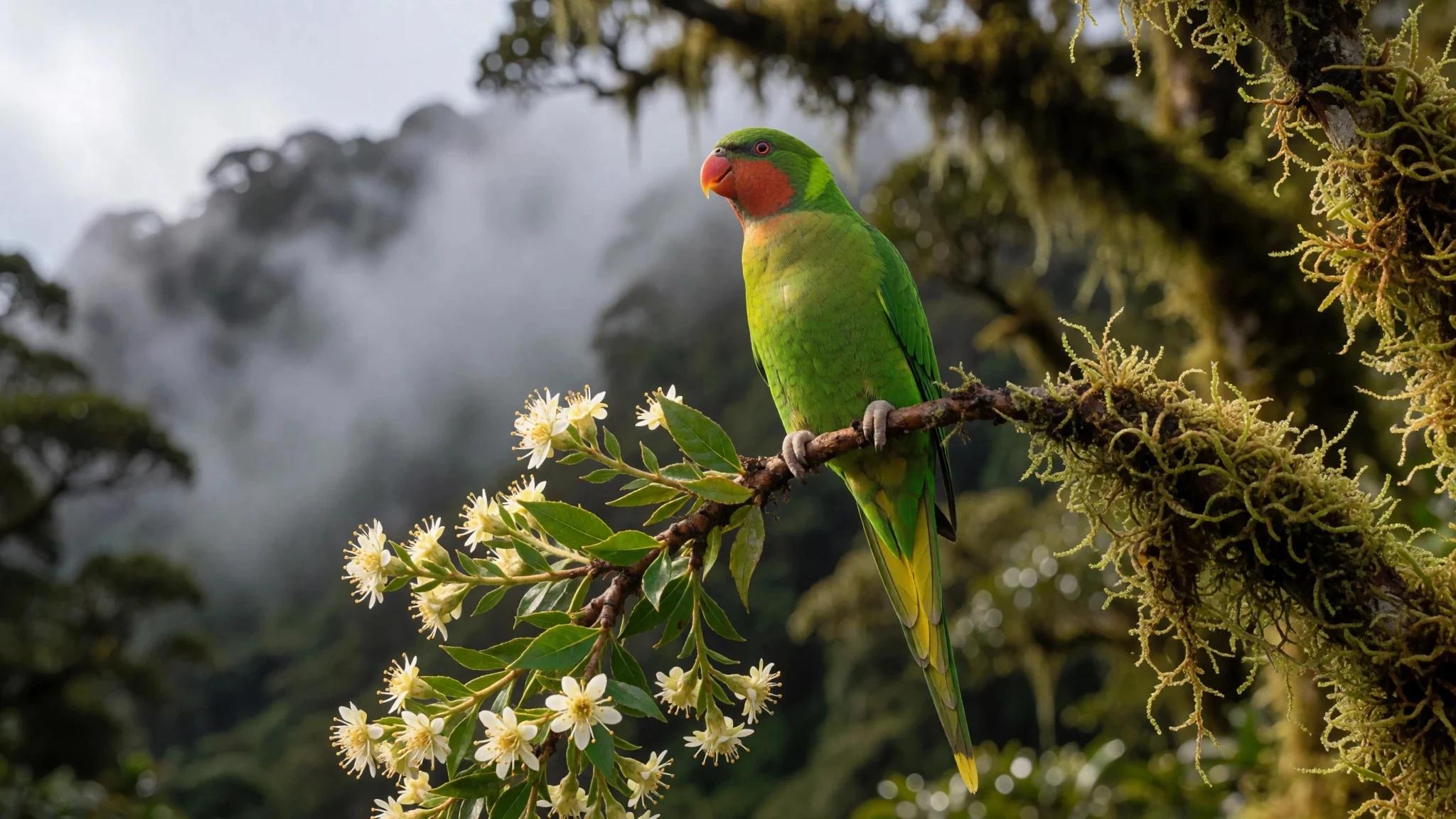
- Pink-billed parrotfinch (animal)
The pink-billed parrotfinch is a small finch with a pink beak, and it lives on the island of Viti Levu. The forest of Tomanivi shelters it, and it likes mature, undisturbed woodland. Look for it at mid-height on tree trunks and branches, alone or in pairs, sometimes among mixed flocks of birds, hunting insects, buds and fruit. The notes give no season or hour. Go with a guide, stand quietly at a distance, and never feed it.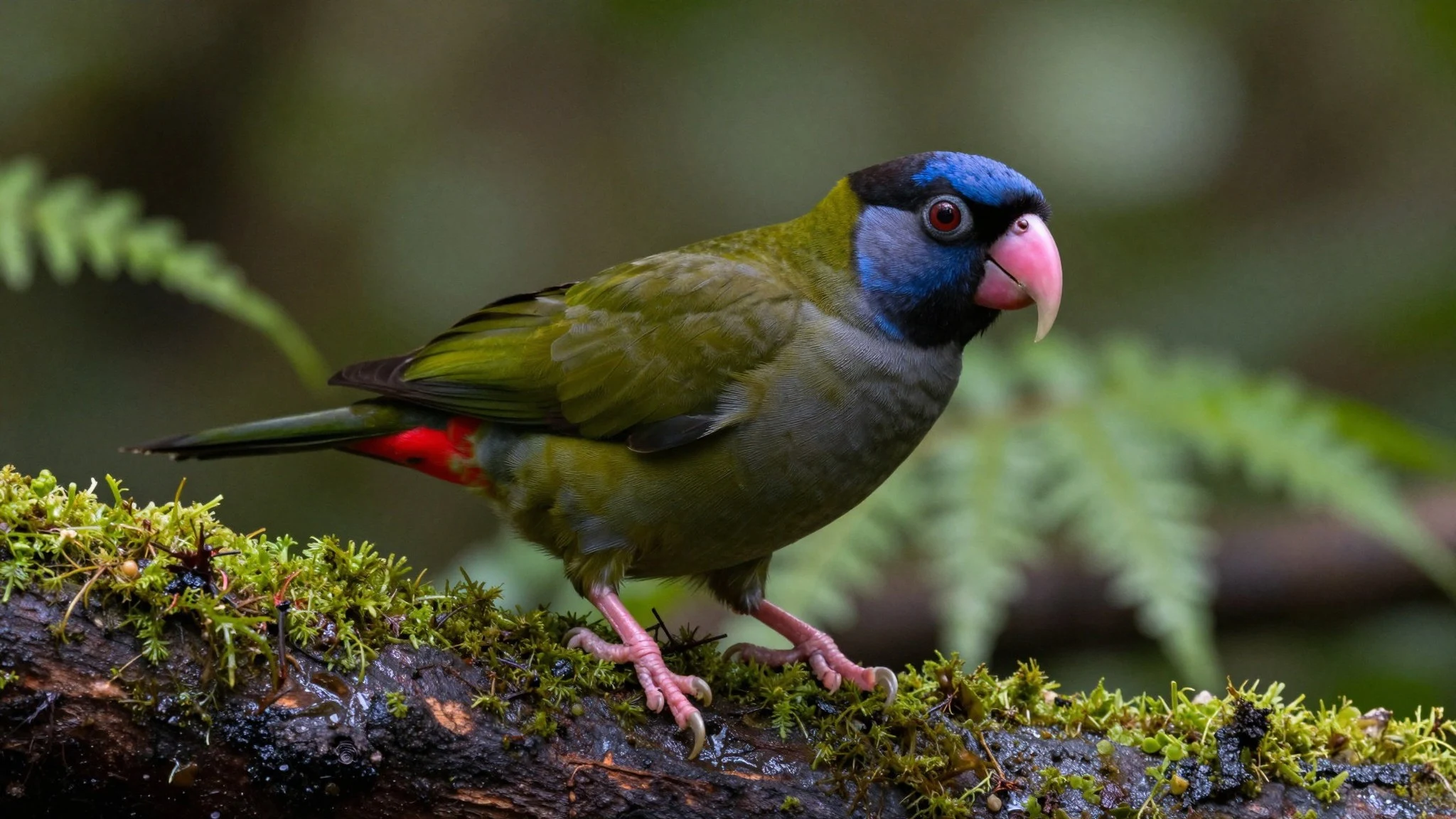
- Red-throated lorikeet (bird)
Picture a tiny green parrot with a red throat: that is the red-throated lorikeet, a bird found nowhere else but Fiji. It is critically endangered, so every sighting is precious, and Tomanivi's forest is among the rare places that shelters it. The notes do not say which season or hour is best, so a local guide is your surest help. Watch from a respectful distance, keep your voice low, move slowly, and never offer it food. - Long-legged warbler (bird)
The long-legged warbler, also called the long-legged thicketbird, is a small bird that lives nowhere in the world except Fiji. It is endangered, and the forest of Tomanivi is one of the few places that shelters it. The notes do not say when or exactly where in the forest it appears, so I will not guess. Ask a guide to lead you, keep a good distance, stay quiet and patient, and never feed it.