Viti Levu
Viti Levu, Fiji

Viti Levu is the beating heart of Fiji, offering volcanic peaks, vibrant coral coasts, and the energetic capital city of Suva.
The place
Viti Levu is the grand landmass that anchors the Fiji archipelago, holding the vast majority of the nation's people and its primary administrative hubs. The terrain is dramatically varied, forged by ancient volcanic episodes and tectonic forces operating along complex regional boundaries between major lithospheric plates. The interior is a rugged expanse of steep ridges and dense river valleys, where rivers like the Navua and Nadi carve through layered sandstones, marls, and older volcanic groups. Along the margins, coastal plains and sheltered bays give way to white sands and fringing reefs.
The climate is tropical and maritime, tempered by southeast trade winds that bring welcome relief during the cooler months, though heavy tropical downpours remain a frequent feature across the windward slopes. Suva, situated in the southeast, acts as the political and cultural capital, characterised by colonial-era architecture, leafy parks, and a humid, rainy atmosphere. On the western side, the sun-drenched drier coast around Nadi serves as the primary gateway for international visitors, featuring open plains, sugarcane fields, and easy access to offshore island chains. Across the island, village life remains anchored in traditional communal structures, where generations of families live and work side by side, tending gardens and fishing the coastal waters just as their ancestors did centuries ago.
Its story
Long before European vessels charted these waters, Viti Levu was settled by voyagers navigating the vast Pacific. Oral history and local tradition maintain that the very first Melanesian canoes landed at Vuda Point on the western coast, establishing Viseisei as the oldest recorded settlement on the island. While modern archaeological findings present a more complex picture of early migration and overlapping settlements across the archipelago, the ancestral significance of these western landing sites remains deeply revered by local communities.
The geological narrative of the island is equally ancient and dynamic. Eons of volcanic activity built the core foundations, leaving behind distinct rock layers that trace the shifting of the earth's crust. As centuries passed, indigenous societies developed sophisticated social structures, hierarchical chiefdoms, and intricate agricultural practices suited to the fertile river valleys and coastal mangroves. European contact in the late eighteenth and nineteenth centuries introduced trading posts, missionary stations, and colonial administration, which eventually led to Suva becoming the capital. Despite profound shifts brought by colonial rule and modern globalisation, the cultural memory of Viti Levu survives through hereditary titles, traditional storytelling, and customary protocols that continue to govern village life across the island today.
What to see
- Viseisei Village — Near Lautoka, western Viti Levu
Viseisei village near Lautoka is widely celebrated in oral tradition as the very first settlement established by the original Melanesian voyagers when their canoes reached nearby Vuda Point. Visitors can walk through the historic community grounds, view the traditional church, and learn about the enduring ancestral heritage that shapes local life here.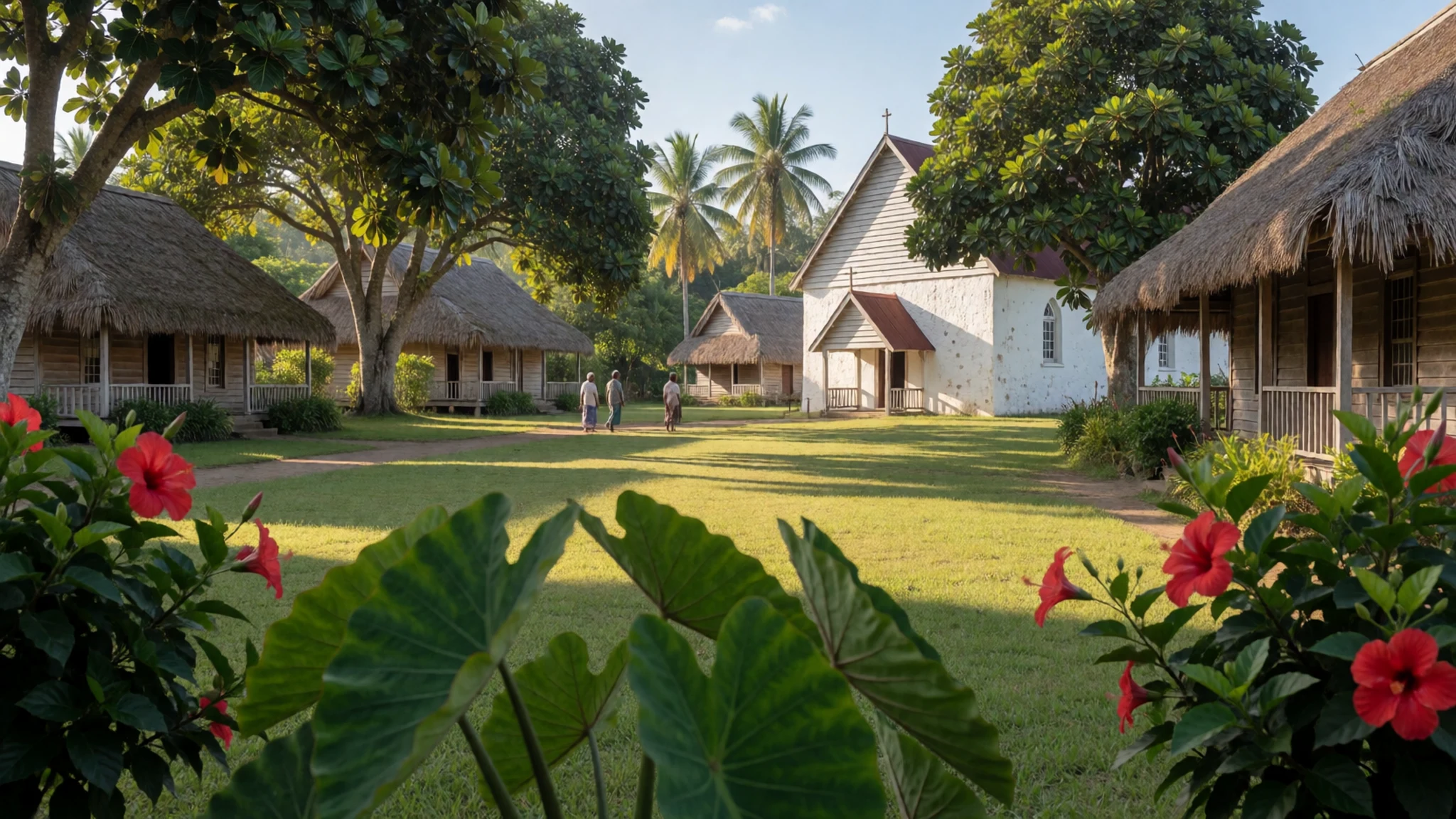
- Natadola Beach — Coral Coast, southwest Viti Levu
Natadola Beach, situated west of Sigatoka, is widely praised as one of the finest stretches of sand on the entire island. It features wide arcs of pristine white shore and gentle, rolling surf, shaded by coastal trees and offering an ideal setting for relaxed horseback rides along the water's edge.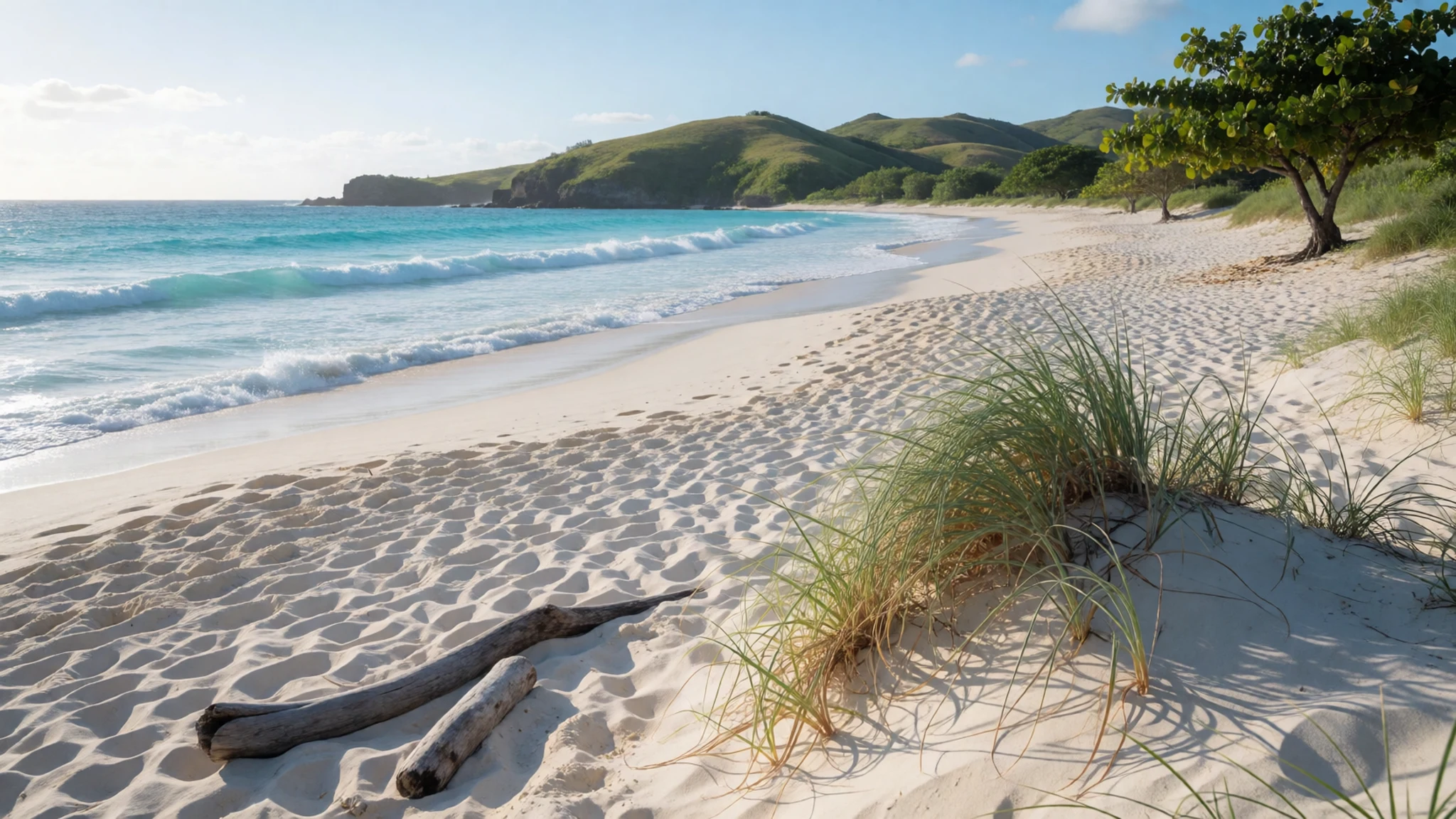
- Sigatoka Sand Dunes — Sigatoka River mouth, southern coast
The Sigatoka Sand Dunes protect a vast and dramatic expanse of wind-swept coastal sand hills rising above the river mouth. Archaeological excavations here have uncovered ancient Lapita pottery shards and early burial sites, providing a fascinating window into the prehistoric migration eras of the early Pacific islanders.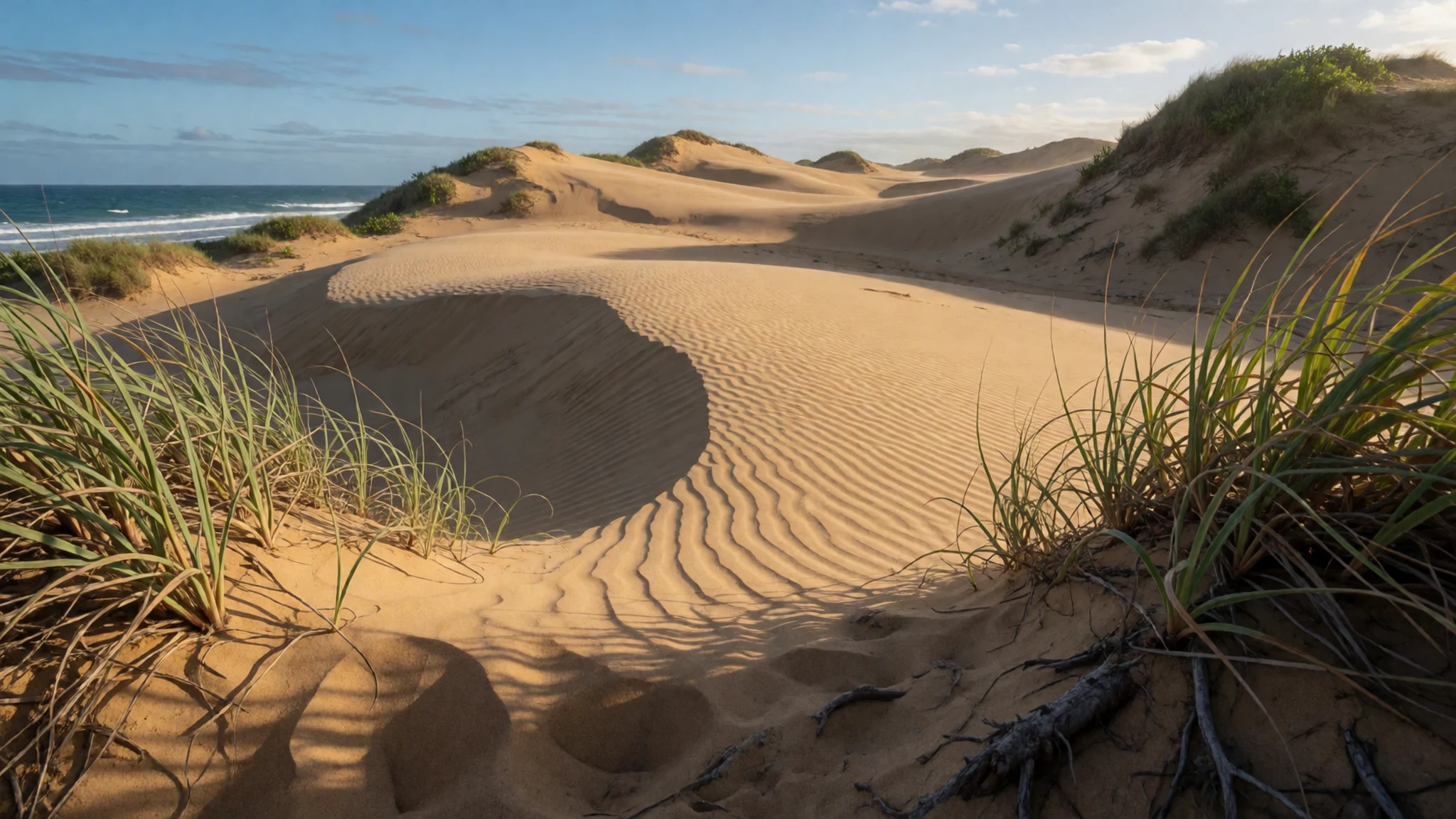
- Navua River Gorge — Interior south-central Viti Levu
The Navua River Gorge cuts deeply through the island's interior volcanic rock formations, creating steep jungle canyons wrapped in cascading waterfalls. Traditional longboat excursions take travellers upriver through narrow gorges, offering an immersive look at the dramatic scenery and isolated river settlements tucked away in the highlands.
- Suva Municipal Market — Downtown Suva, southeast Viti Levu
The Suva Municipal Market is a sprawling, vibrant hub where farmers from across the region bring fresh produce, root vegetables, and fragrant bundles of herbs. It provides an authentic glimpse into everyday urban life, overflowing with colourful displays of tropical fruits, river fish, and stalls selling woven handicrafts.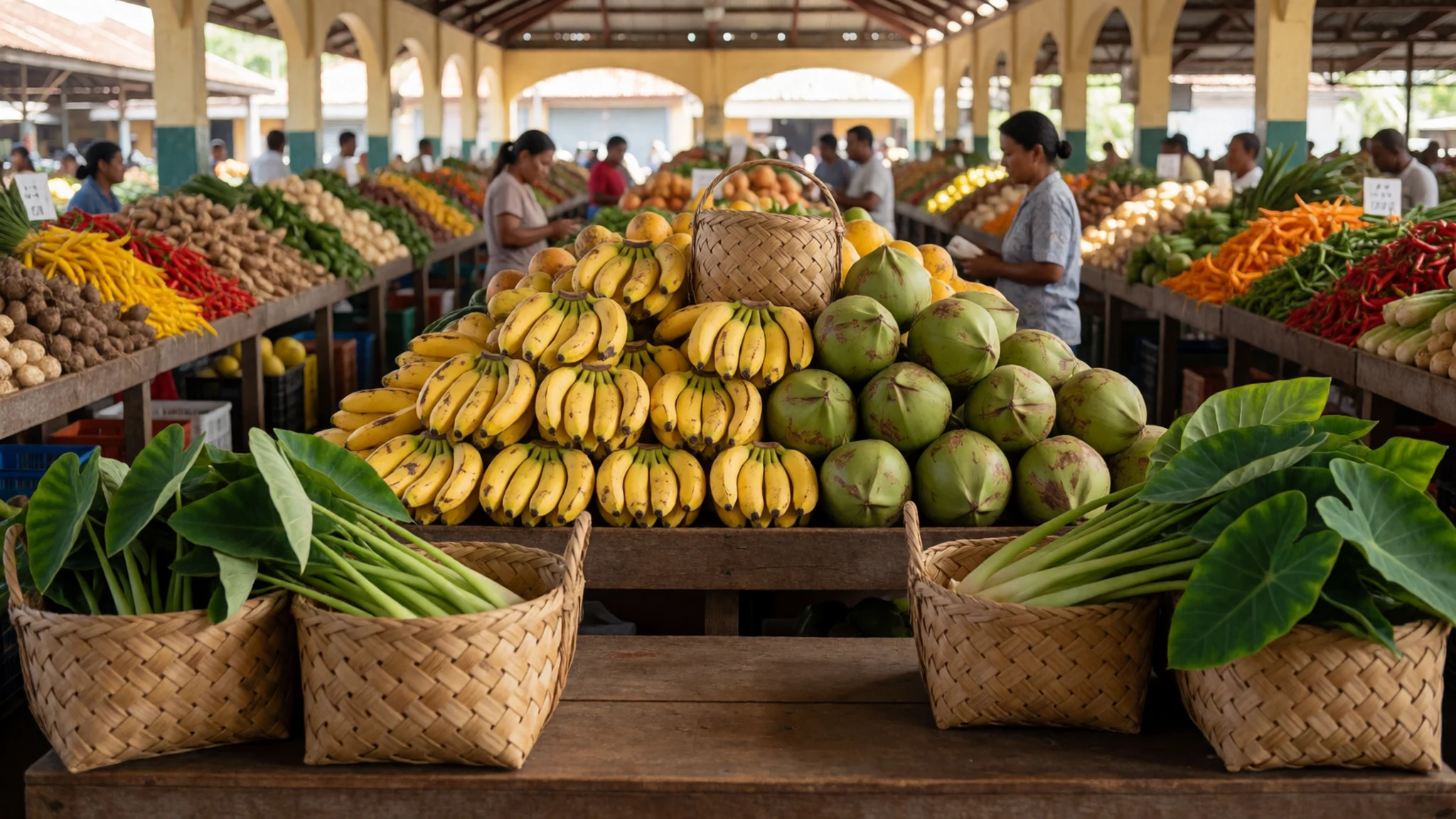
Culture
Community life on Viti Levu is anchored by strong communal traditions and deep-rooted respect for village elders and traditional chiefs. Social interactions are guided by elaborate protocols, particularly during formal gatherings where the ceremonial sharing of kava holds profound cultural significance. Visitors are often invited to participate in these rituals, which foster hospitality and mutual respect between hosts and guests. Communal obligations, church participation, and shared agricultural labor remain central to daily routines in rural settlements.
Traditional arts such as masi cloth making, wood carving, and intricate mat weaving are practiced across the island, preserving skills passed down through generations. Music and dance are integral expressions of storytelling, with powerful choral singing echoing through villages on Sundays. Always remove your hat and sunglasses when entering a traditional Fijian village, as wearing them is considered disrespectful to the local inhabitants.
What to wear
Traditional attire across Viti Levu combines practical adaptation to the tropical climate with deep cultural symbolism. The most prominent traditional garment is the 'sulu', a wrapped skirt worn by both men and women, often paired with tailored shirts or woven tops during formal occasions. Hand-stencilled bark cloth, known as masi, is historically significant and reserved for weddings, ceremonies, and chiefly presentations, featuring intricate geometric patterns dyed in earthy tones of brown, black, and cream.
In contemporary urban centres like Suva and Nadi, everyday dress is casual and practical, leaning towards light cotton shirts, shorts, and sandals to cope with the high heat and humidity. For visitors, lightweight, breathable fabrics are essential. Modesty is important away from resort beaches; shoulders and knees should be covered when visiting villages, towns, or religious sites. A lightweight sarong or sulu is a versatile travel companion, serving as a modest wrap for temple visits or village walks, alongside sturdy footwear for exploring uneven jungle paths and coastal trails.
What to eat
- Kokoda ni Viti — Coastal restaurants and markets
Kokoda ni Viti features fresh reef fish marinated in sharp citrus lime juice until tender, then tossed in rich coconut cream with diced chillies, onions, and crisp tomatoes. It is commonly served fresh in local cafes and seaside eateries across the island.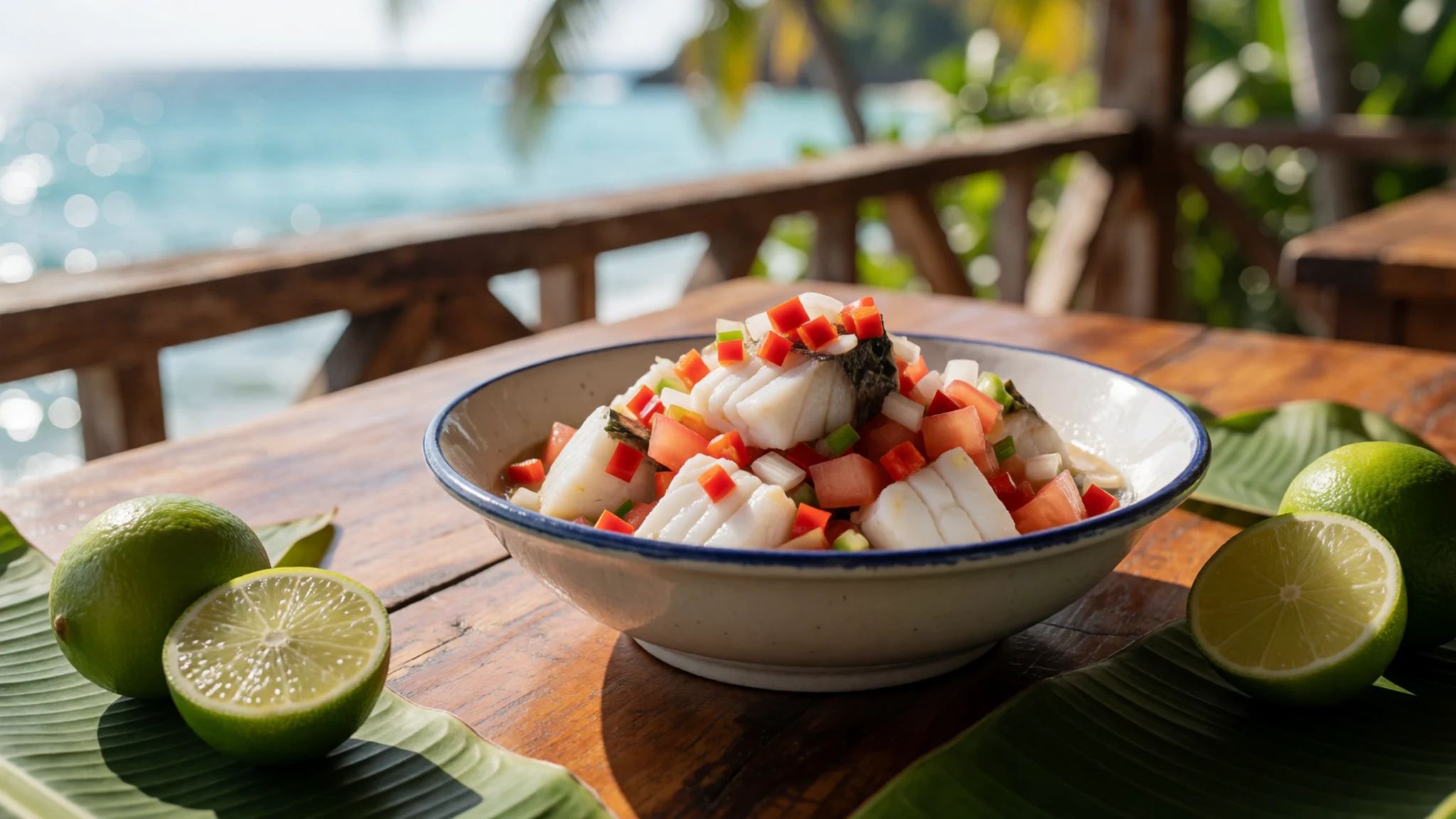
- Lovo Feast — Village cultural nights and resorts
A lovo feast is a traditional method of earth-oven cooking where meats, fish, and root vegetables are wrapped in banana leaves and placed over hot stones buried underground. This slow-cooking technique imparts a distinct, smoky flavour to chicken, pork, and taro.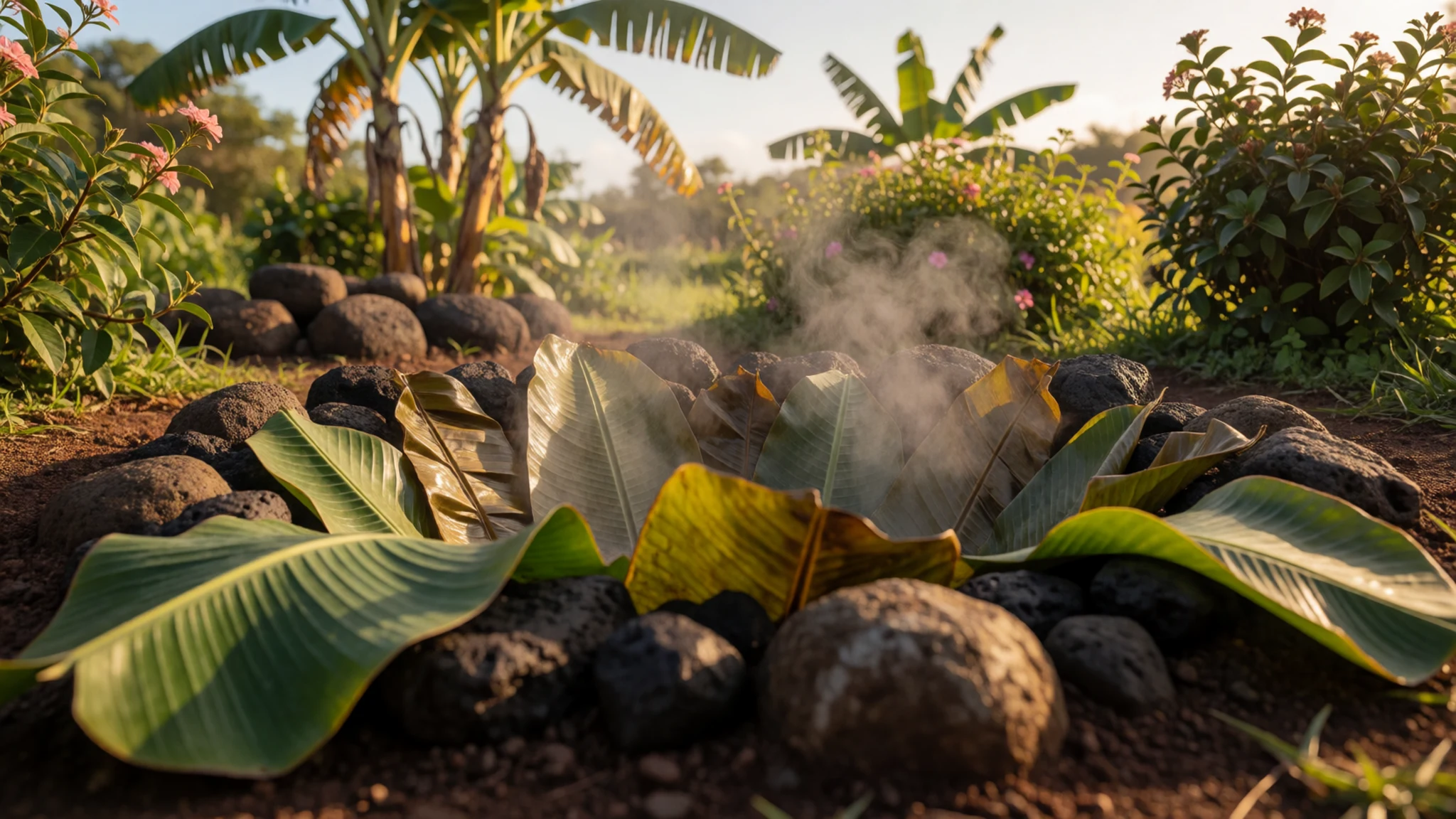
- Cassava Cake — Local bakeries and roadside stalls
Cassava cake is a comforting baked dessert made from grated root vegetables combined with coconut milk, sugar, and butter until it forms a dense, sweet treat. It is frequently found at local bakeries and afternoon tea gatherings across the towns. - Duruka Curry — Traditional eateries and food stalls
Duruka curry highlights the unopened flower bud of a local cane-like plant, often referred to as Fijian asparagus, simmered in a fragrant spiced coconut sauce. It is a seasonal delicacy enjoyed warmly with rice or root crops. - Rourou Soup — Local markets and family-run eateries
Rourou soup is a rich, savory dish prepared by boiling tender taro leaves in seasoned coconut milk until smooth and creamy. It is a staple comfort food served alongside boiled cassava or taro at family tables throughout the island.
Plan it
Best time. May to October offers the most comfortable weather, with cooler temperatures, lower humidity, and reduced rainfall during the dry winter season.
How long. 4–6
Getting there. Arrive internationally at Nadi International Airport on the western coast, then connect onward by bus, taxi, or domestic flight to Suva.
Budget. mid
Tips
- Pack lightweight, breathable cotton clothing suitable for high humidity
- Carry cash for village markets and small rural shops where cards are not accepted
- Book guided interior river tours and village visits in advance
- Drink bottled or treated water when exploring outside major hotels
- Protect yourself from strong tropical sun with high-factor sunscreen and a hat
Etiquette
- Always ask permission from a village elder before entering a traditional community
- Remove hats and sunglasses within village boundaries as a sign of respect
- Dress modestly with covered shoulders and knees when visiting towns or villages
Nearby
Sources
- Wikidata Q208198 (CC0)
- Wikipedia (rev 1364342612) (CC BY-SA 4.0)
- Wikivoyage (rev 5268070) (CC BY-SA 4.0)