Great Barrier Reef
Great Barrier Reef, Australia
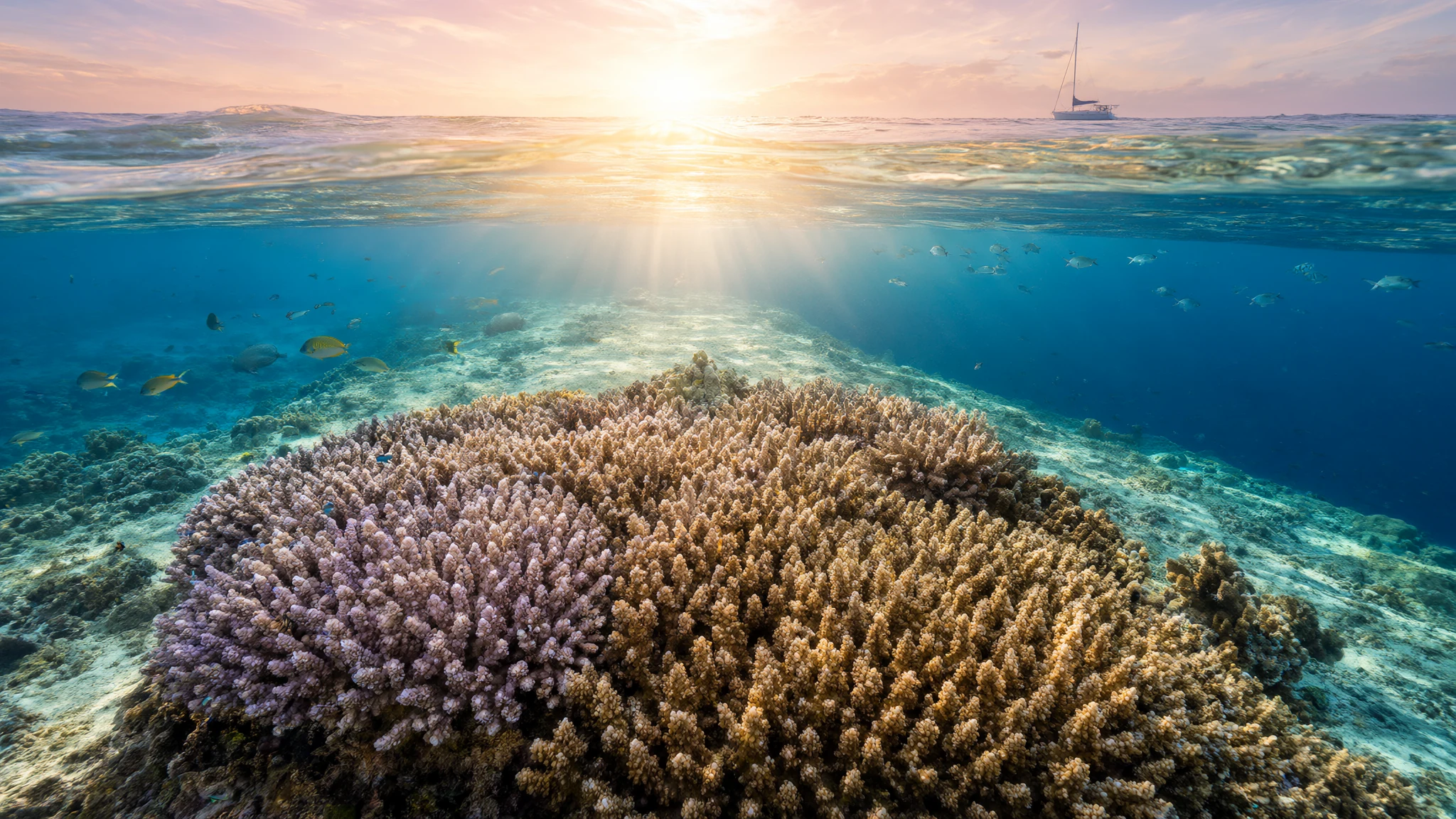
The Great Barrier Reef is the planet's largest living structure, offering extraordinary marine diversity across thousands of individual coral formations.
The place
The Great Barrier Reef spans thousands of individual reefs and hundreds of islands across an immense area within the ocean waters adjacent to the Queensland mainland. Built entirely by microscopic coral polyps, this monumental expanse forms the biggest single construction created by living organisms on Earth, visible even from outer space. A protective marine park encompasses much of the zone to safeguard its fragile marine ecosystems from heavy human pressures. The environment features a complex underwater topography of shallow lagoons, outer drop-offs, and sandy cays that shelter an astonishing abundance of marine life, from microscopic plankton to large pelagic species. Visitors arrive primarily via coastal hubs such as Cairns, Port Douglas, and Airlie Beach to access the outer coral gardens and island resorts. Despite facing contemporary ecological challenges including climate pressures and storms, the ecosystem remains a magnificent natural realm of turquoise waters, vivid coral structures, and vibrant aquatic populations that draw travellers from across the globe.
Its story
For countless generations before European maritime exploration, the waters and islands of the Great Barrier Reef sustained the rich cultural and spiritual lives of Aboriginal Australian and Torres Strait Islander traditional owners. These custodians maintained intricate connections to the marine estate through songlines, fishing traditions, and custodial laws that kept the ecosystem in balance. In modern times, the region transformed into a major global destination, sparking vital conversations about conservation and marine management. As environmental awareness grew during the late twentieth century, authorities established extensive zoning regulations to balance commercial tourism, fishing, and ecological preservation. Today, the enduring heritage of the Indigenous custodians intertwines with contemporary scientific research and sustainable tourism initiatives, ensuring that the ancient stories of the reef continue to inform how modern visitors experience and protect this vast natural wonder.
What to see
- Pumpkin Island Eco Retreat — Capricorn Coast
Located off the Capricorn Coast near Yeppoon within the marine park, this quiet island sanctuary offers low-impact solar-powered accommodation surrounded by clear turquoise waters, sandy shores, and abundant coastal birdlife.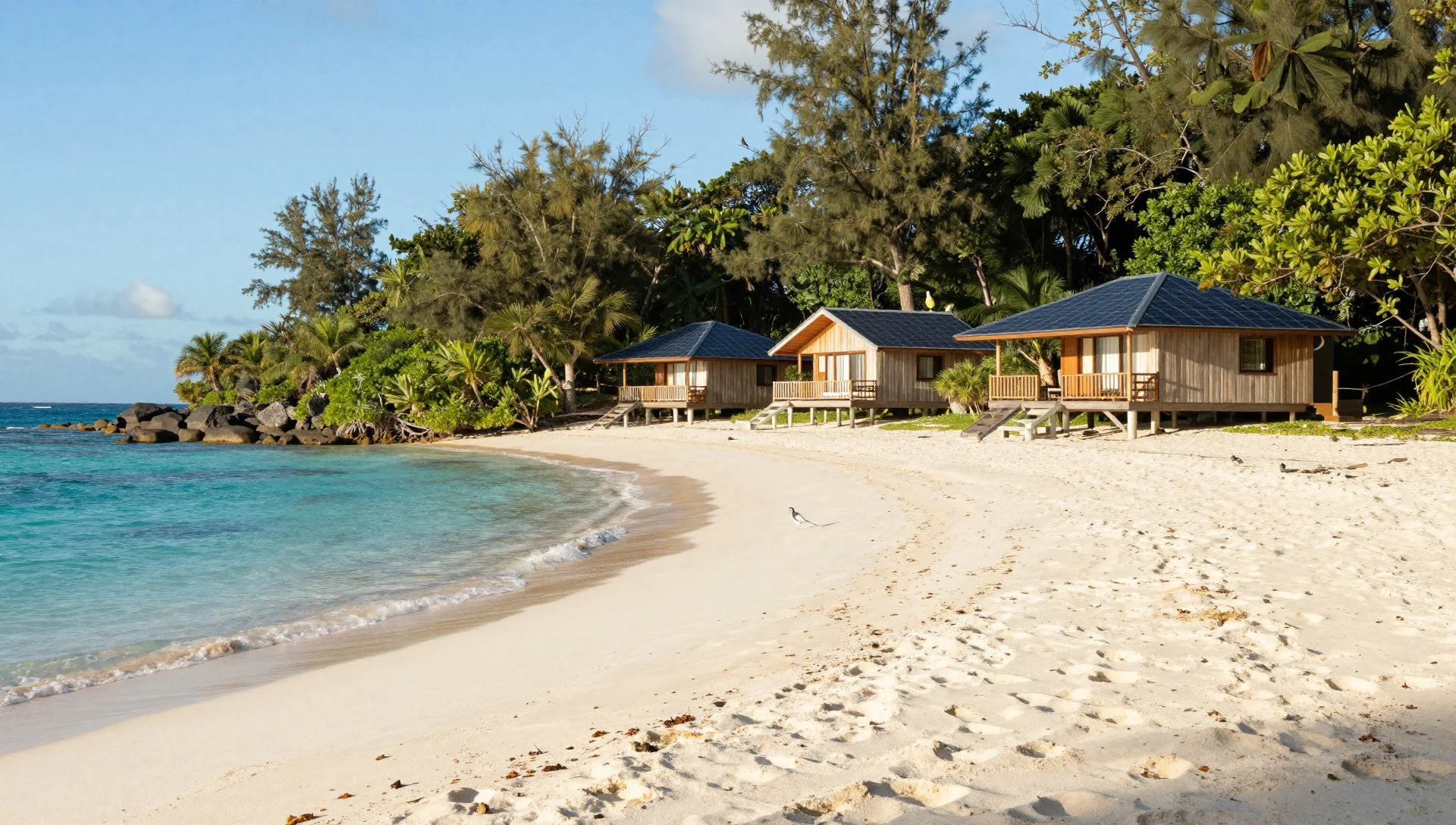
- Flynn Reef — Near Cairns
Situated near Cairns, this popular outer reef site features remarkable coral outcrops, clear visibility, and diverse marine life including reef sharks, turtles, and colourful surgeonfish darting among the staghorn coral formations.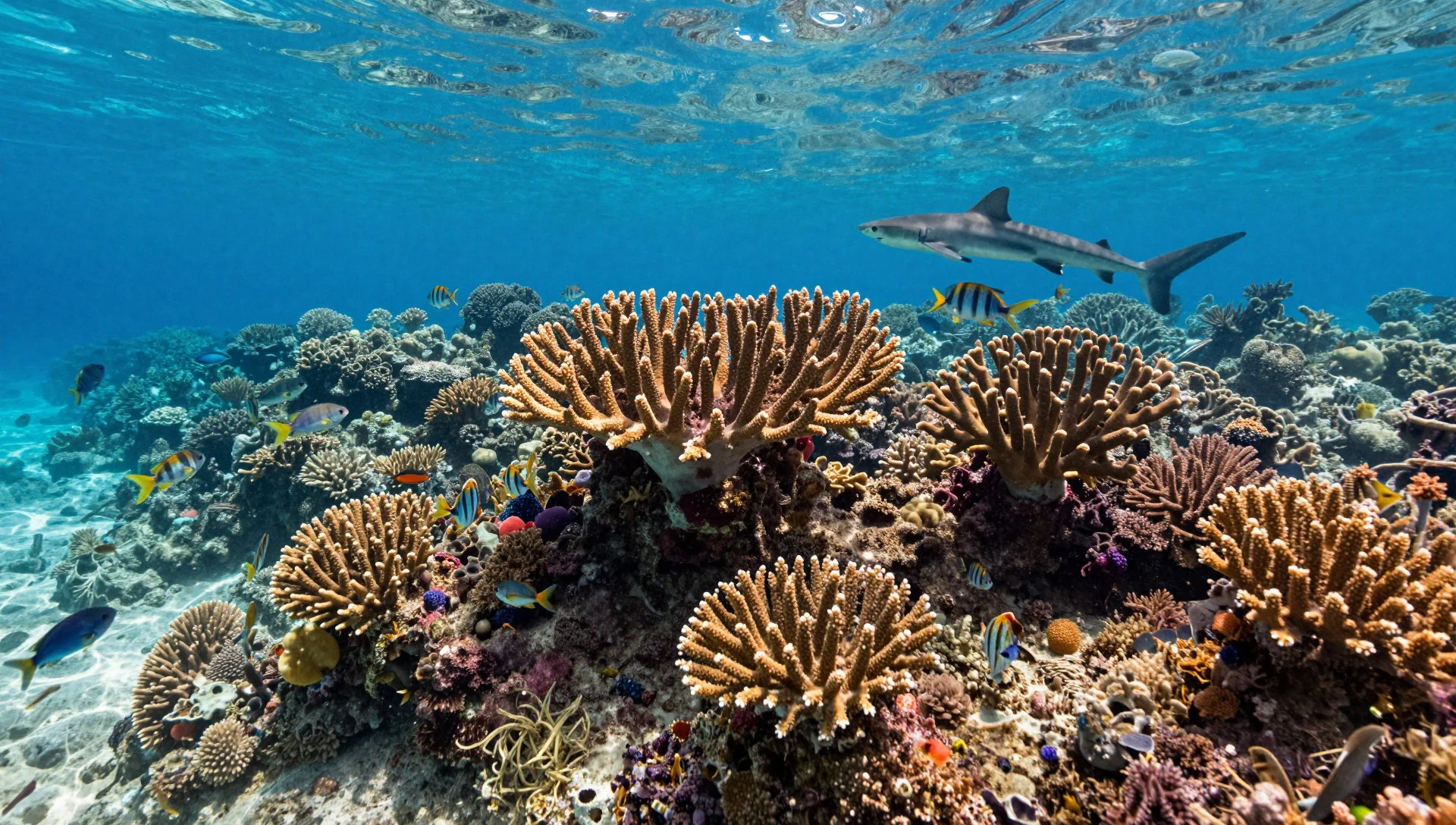
- Knuckle Reef Pontoon — Whitsunday Islands
Located in the Whitsunday Islands region, this permanent offshore pontoon operated by Cruise Whitsundays provides an underwater viewing chamber, a giant waterslide, and accessible snorkelling platforms for visitors of all swimming abilities.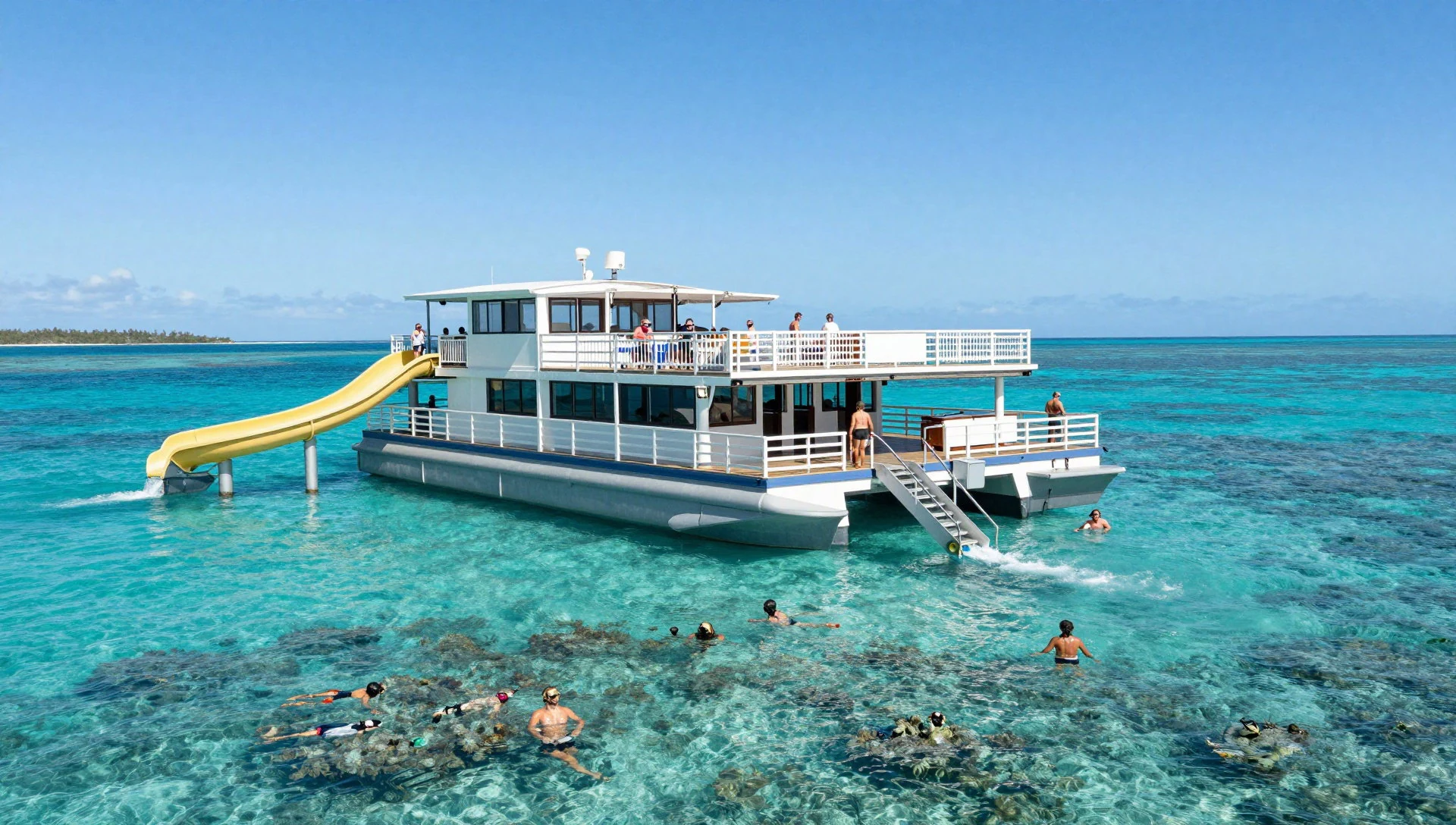
- Michaelmas Cay — Northeast of Cairns
A protected coral cay located northeast of Cairns, providing a sanctuary for thousands of migratory seabirds alongside calm surrounding lagoon waters that make it an ideal destination for catamaran sailing and snorkelling excursions.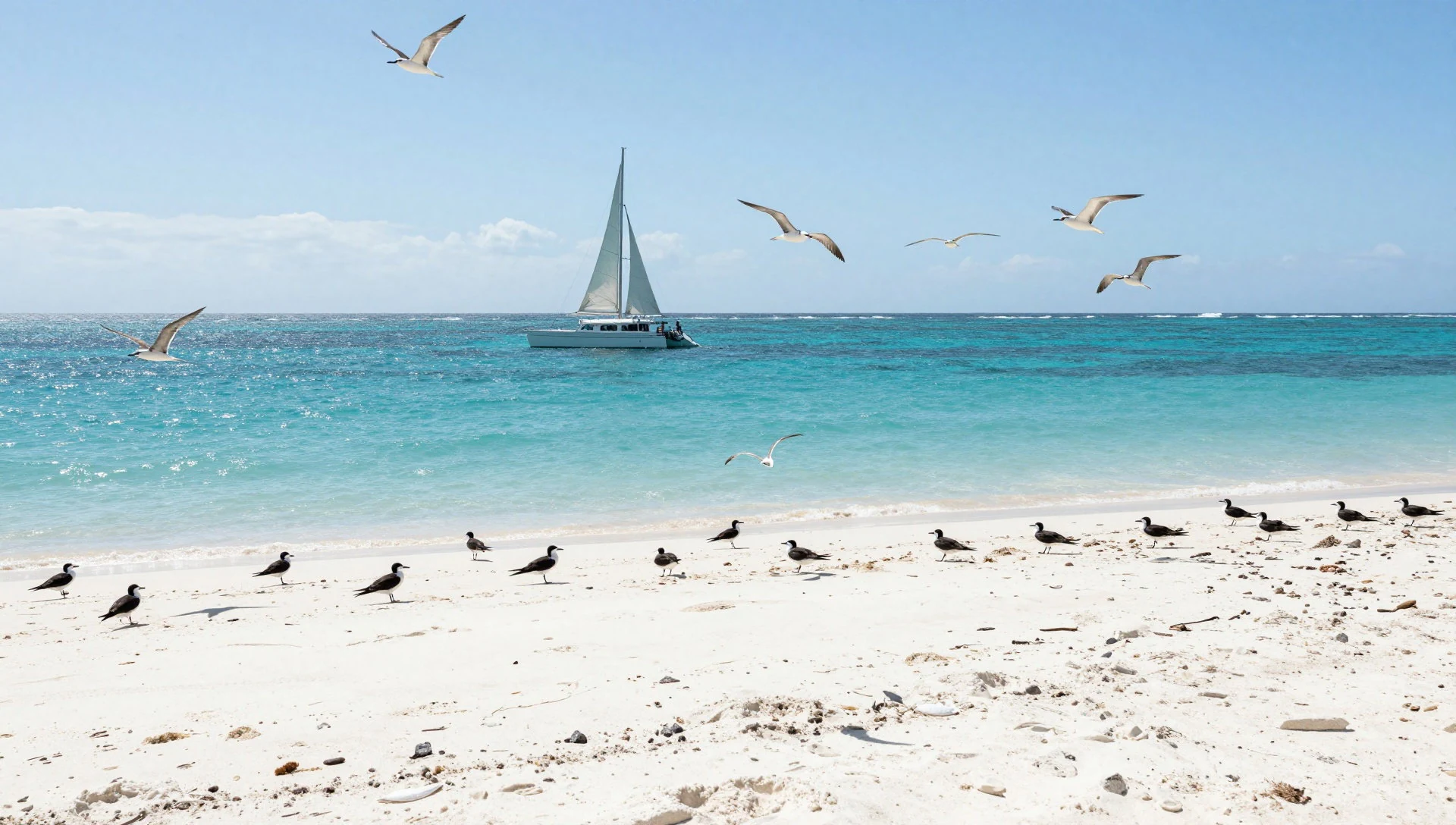
- Ribbon Reefs — North of Port Douglas
A dramatic string of outer barrier reefs running north of Port Douglas, favoured by liveaboard dive expeditions for their sheer walls, pelagic fish action, and pristine coral gardens untouched by high-volume day traffic.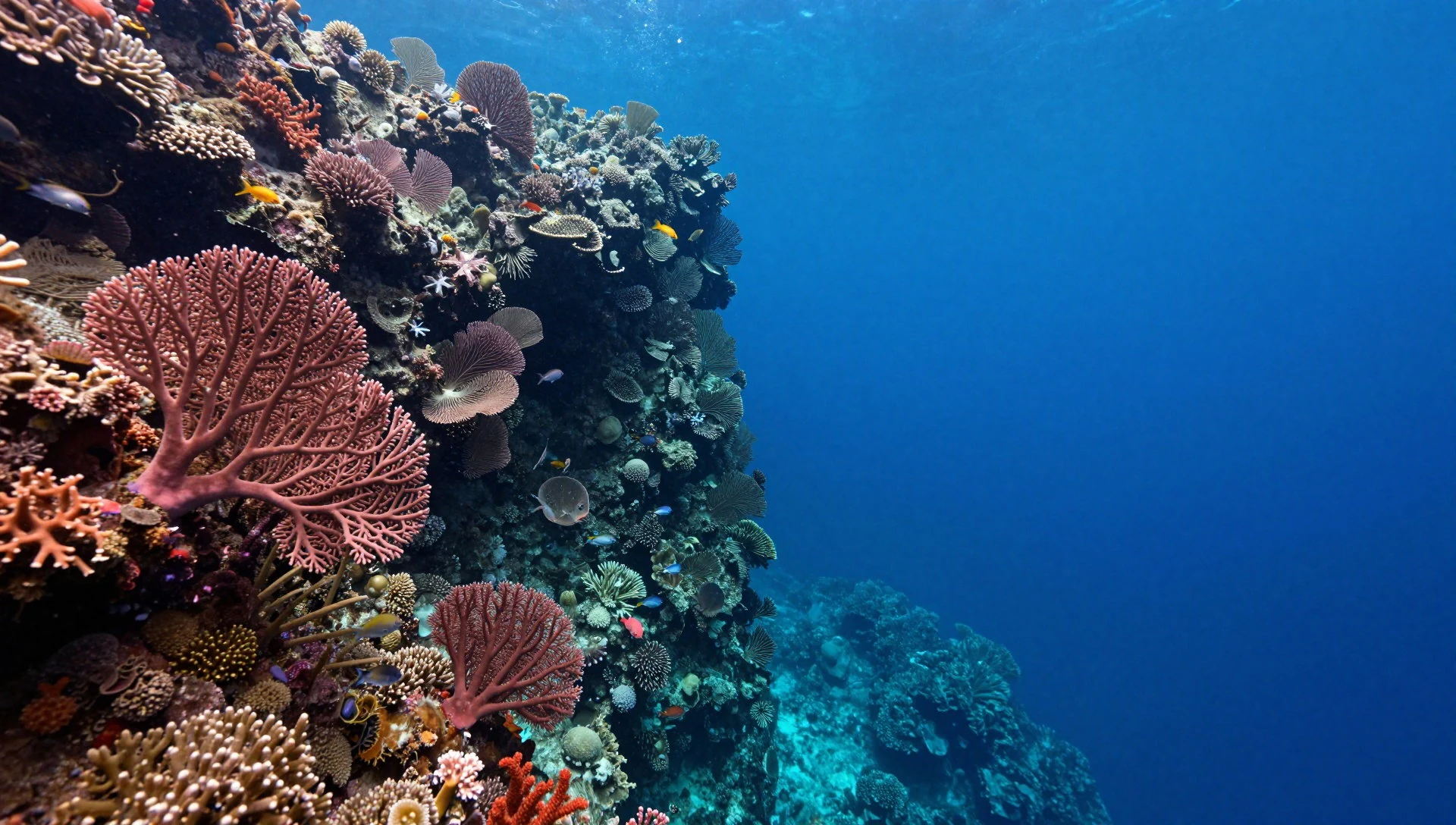
Culture
The cultural fabric of the Great Barrier Reef is deeply intertwined with the ancient traditions of Aboriginal Australian and Torres Strait Islander communities who hold traditional ownership over sea country. Local Indigenous groups maintain a spiritual connection to the marine environment through storytelling, art, and customary management practices that have endured for millennia. Contemporary coastal life in Queensland embraces an outdoor, relaxed lifestyle where maritime activities, sailing, and environmental conservation shape daily routines. Visitors to the Great Barrier Reef should respect Indigenous cultural heritage sites and marine park regulations by never touching living coral or disturbing marine wildlife during snorkelling and diving excursions.
What to wear
Fashion around the Great Barrier Reef reflects a relaxed tropical coastal lifestyle suited to warm weather and outdoor water adventures. Traditional attire historically featured minimal plant-fibre garments and body ornamentation used in coastal ceremonies by Indigenous custodians. Today, locals and residents in mainland hubs like Cairns wear casual, lightweight clothing including cotton shorts, tank tops, and sandals suited to the tropical humidity. For visitors exploring the Great Barrier Reef, practical sun protection and water-ready gear are essential. Pack lightweight UV-protective long-sleeve rash vests, polarised sunglasses, wide-brimmed hats, breathable linen shirts, and comfortable swimwear for boat trips and island walks. Sturdy sandals or reef shoes are helpful for walking across coral cays and boarding small vessels.
What to eat
- Local Reef Fish and Chips — Coastal mainland towns
Available in traditional fish and chip shops across coastal towns such as Cairns and Port Douglas, featuring freshly caught local reef fish served hot with crisp potato chips and lemon.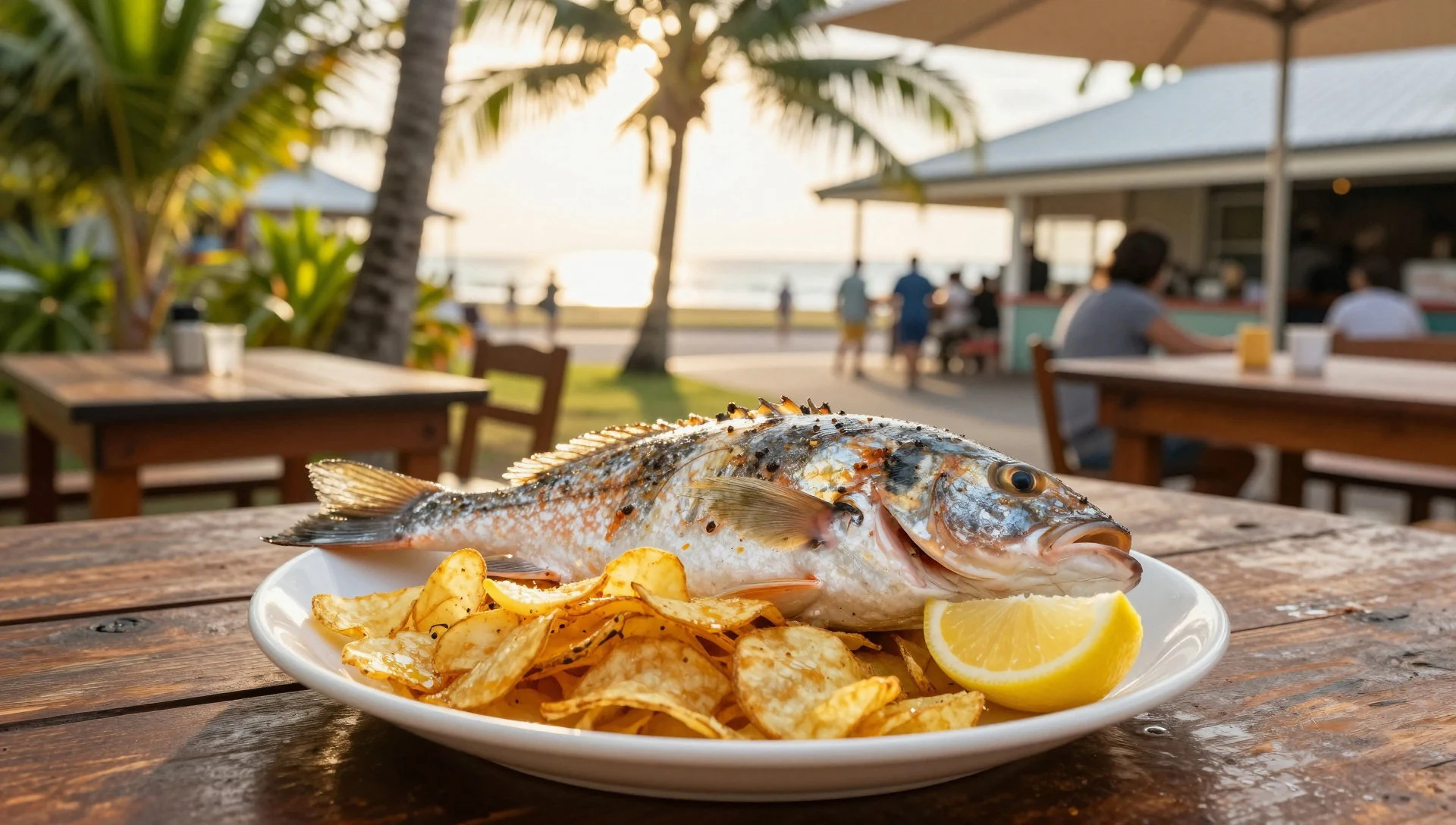
- Island Resort Cocktails — Island resort bars
Served at open-air island bars across the Whitsunday cays and resort islands, offering refreshing tropical fruit blends and chilled drinks to enjoy while watching the evening sunset over the coral sea.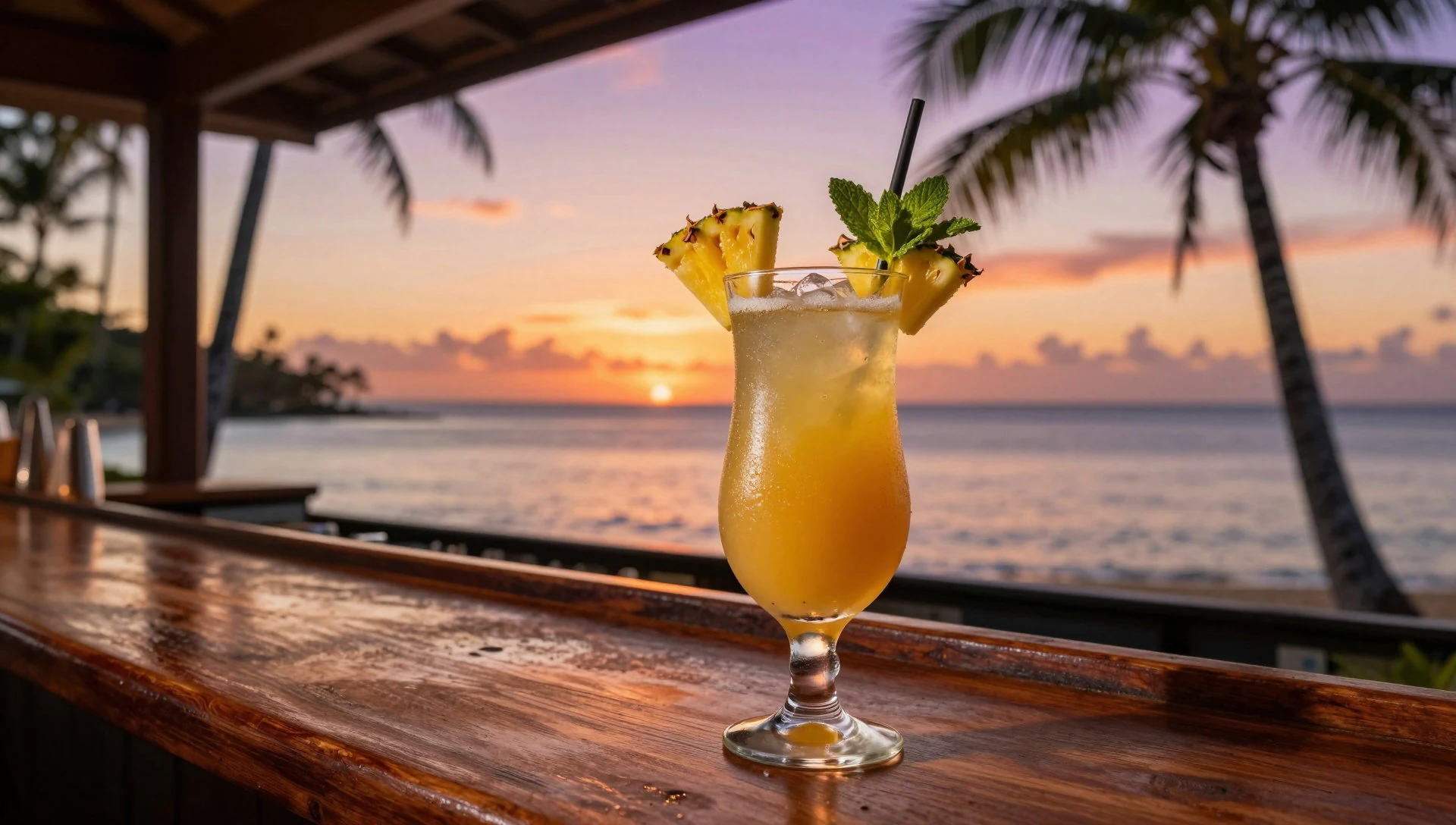
- Onboard Catamaran Lunch — Day-trip sailing boats
Provided on daily sailing catamarans departing for Michaelmas Cay or outer reefs, featuring fresh tropical fruit platters, cold meats, and local salads prepared for hungry snorkelers after morning swims. - Fresh Queensland Seafood — Mainland seafood restaurants
Found in mainland seafood restaurants and island dining rooms along the Queensland coast, showcasing locally harvested prawns, mud crabs, and tropical finfish prepared simply to highlight fresh ocean flavours. - Esplanade Café Breakfast — Cairns esplanade cafes
Served in morning eateries along the Cairns esplanade, offering fresh tropical fruit bowls, artisan coffee, and light pastries before guests board their early morning reef vessels.
Plan it
Best time. June to September offers dry weather, lower humidity, and good underwater visibility while avoiding the peak stinger season.
How long. 3–5
Getting there. Fly into Cairns Airport or local coastal airstrips, then take a shuttle or taxi to the marina for boat connections to the reef and islands.
Budget. high
Tips
- Book outer reef day tours and liveaboard trips well in advance during peak dry season months.
- Arrive at departure marinas early in the morning before boat check-ins close for the day.
- Wear a full-length stinger suit or wetsuit when swimming between October and April.
- Bring reusable water bottles and high-SPF reef-safe sunscreen to protect both yourself and the coral.
Etiquette
- Never touch, stand on, or break off pieces of living coral while snorkelling or diving.
- Obey all marine park zoning rules and safety signs regarding wildlife protection.
- Respect Indigenous traditional ownership and cultural heritage sites along the coast and islands.
Nearby
Sources
- Wikidata Q7343 (CC0)
- Wikipedia (rev 1381928932) (CC-BY-SA 4.0)
- Wikivoyage (rev 5403147) (CC-BY-SA 4.0)