Mamanuca Islands
Mamanuca Islands, Fiji
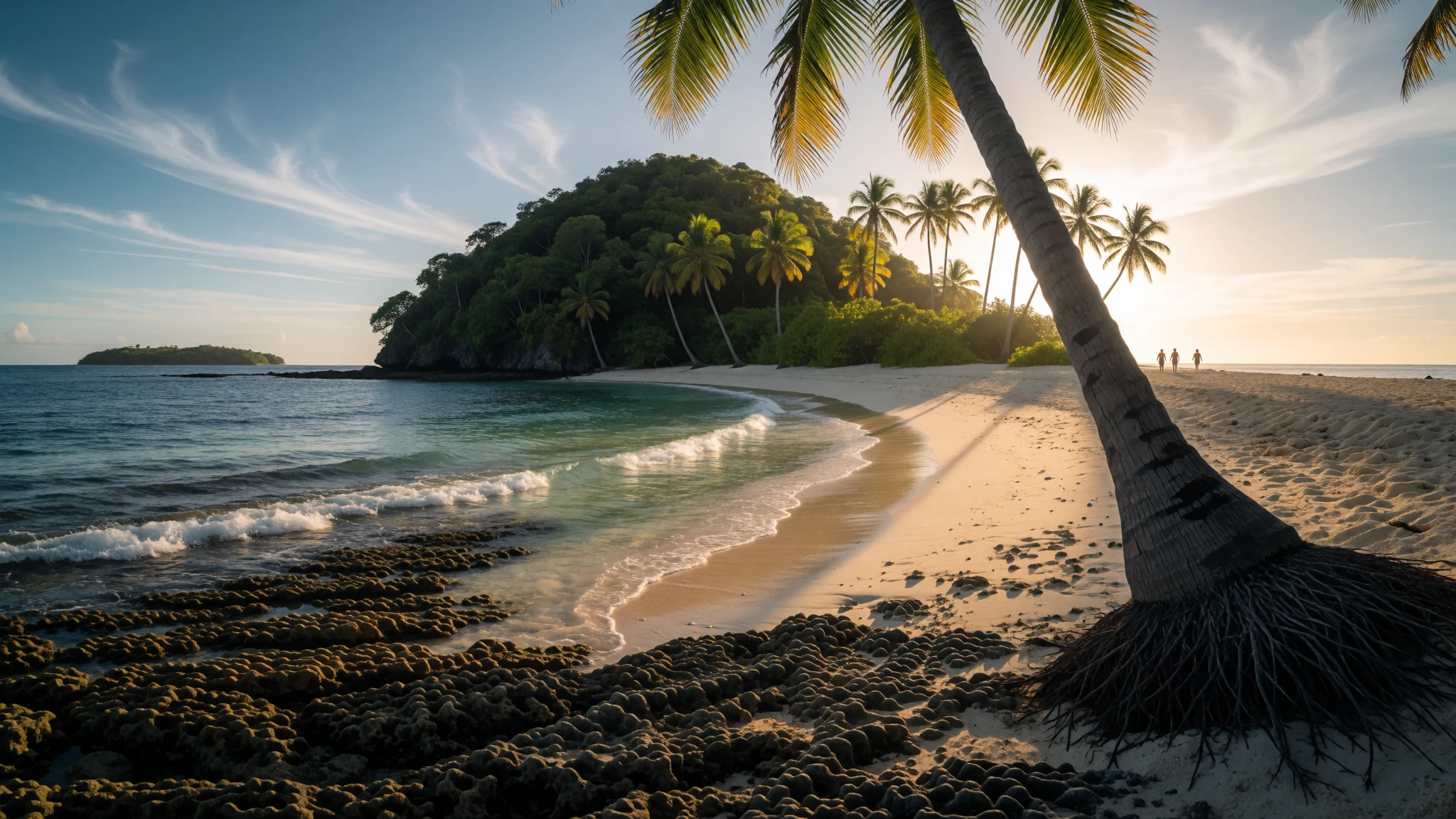
Mamanuca Islands are Fiji's easy reef-and-lagoon escape, close enough to Nadi for a day trip and calm enough to settle into for days.
The place
The Mamanuca Islands are a scatter of volcanic islands and sandbars off Fiji's west coast, west of Nadi and south of the Yasawa group. The archipelago holds about 20 islands, though around seven slip under the sea at high tide, so the map shifts with the water. Most visitors arrive by catamaran, water taxi or small aircraft from Nadi, and the short crossing is much of the appeal: a morning at the mainland's markets can end with sunset beside a reef. Some islands carry a single resort, some a village, and a few are bare and uninhabited, visited only by day boats. The land is low and dry compared with the main island, with palms, scrub and pale beaches around lagoons that shade from milky green to deep blue. Reefs often sit close to shore, so snorkelling frequently starts from the sand. Activities include sailing, kayaking, diving, windsurfing, village visits, short walks on the higher islands and organised reef-shark swims. Accommodation runs from backpacker dormitories to expensive private-island resorts, so a stay can be cheap or lavish. Some honest caveats: the sun is fierce, shade is limited on the smallest islands, resort islands can feel enclosed, and swells and undertows are possible on exposed beaches. Nadi is the base for almost everything, and Denarau Marina is where most boats leave from.
Its story
The Mamanuca Islands began as volcanoes, and what stays above the water today is the worn remnant of that activity, ringed by coral. Fijian communities have fished and sailed these waters for generations, and a few islands still hold villages whose lives are tied to the lagoon rather than to visitors. Colonial rule brought a second strand to Fiji's story: workers recruited from India to labour on plantations settled and stayed, and their descendants are part of the national fabric, which is why curry and roti sit beside seafood on island menus. Tourism followed later, as boat services from Denarau made day trips and short stays practical. Cinema and television then put the group on screens. Monuriki, a tiny uninhabited island, served as the setting for the 2000 film Cast Away, and since 2016 the islands have hosted the television series Survivor. Those associations draw a steady trickle of curious boat passengers to a place that is otherwise quiet. Beneath the glamour sits a more serious point. Fiji's national biodiversity strategy recognises the archipelago's coastal and marine ecosystems, along with their recreational value, as nationally significant. Reefs here are both the attraction and the asset at risk from careless anchoring, trampling and sunscreen-heavy swimming, so how visitors behave on the water matters.
What to see
- Monuriki — Southern Mamanucas
Monuriki is a tiny uninhabited island, well off the usual resort circuit, and the place where the film Cast Away was shot. Day boats and sailing trips call in, though landing arrangements vary, so ask the operator first. Treat it as a short, scenic stop rather than a place to spend a day.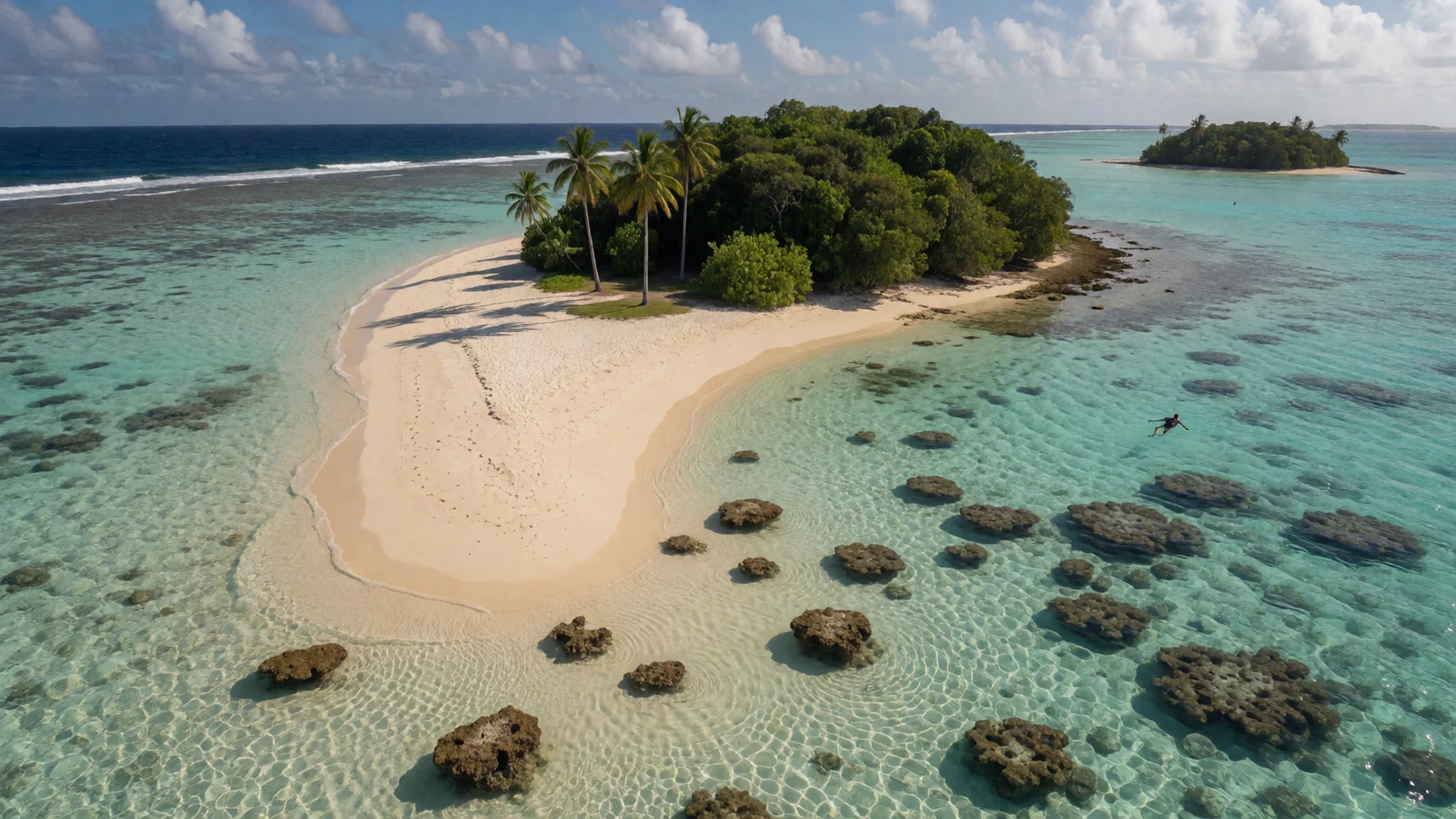
- Castaway Island — Central Mamanucas
Castaway Island is known for snorkelling straight off the beach, with lively coral close to shore. Non-motorised watersports such as kayaks, catamarans, windsurfers and spyboards are on offer, which keeps the lagoon peaceful. It suits families and anyone who prefers paddling to engines.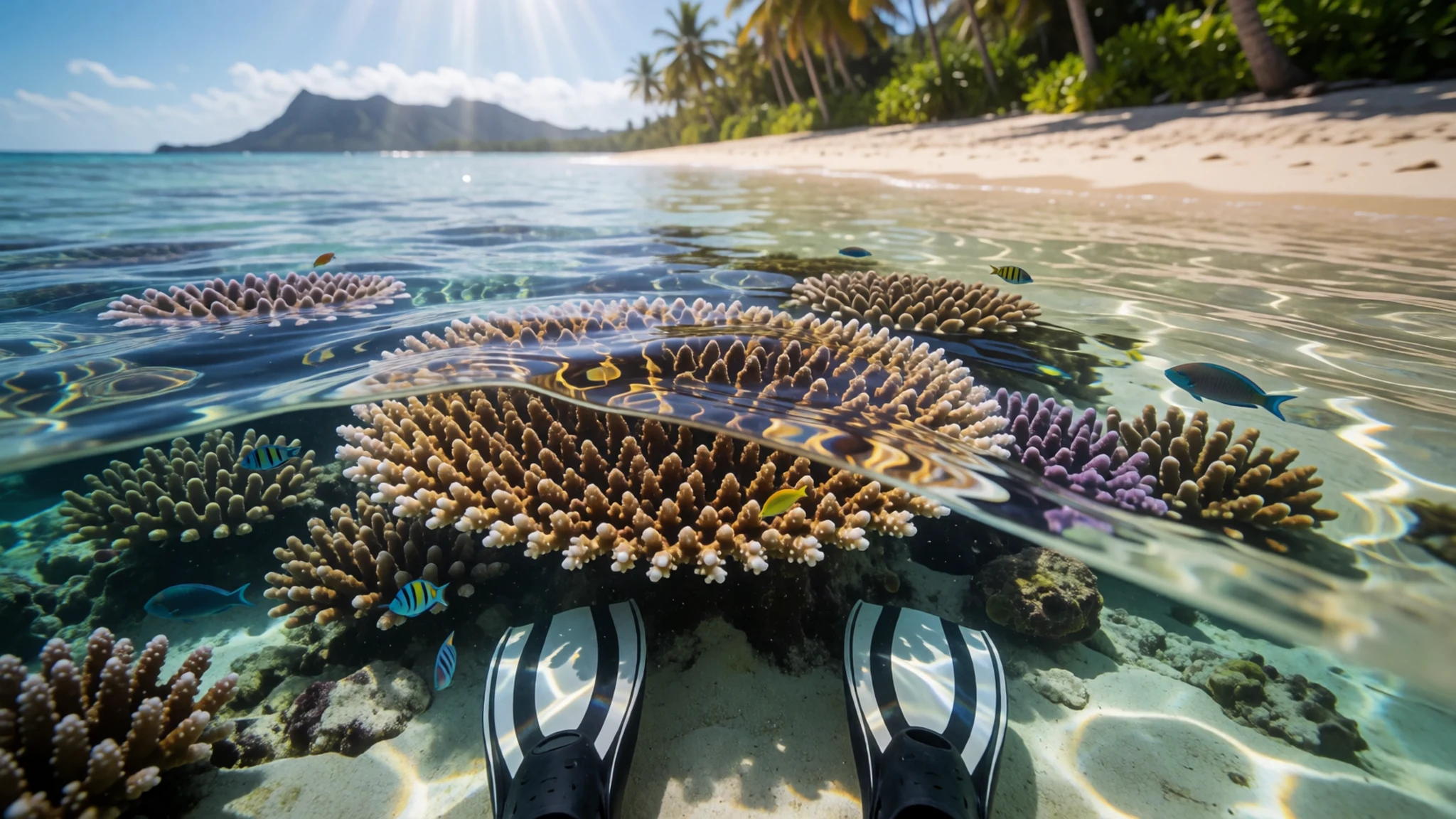
- Malolo Island — Southern Mamanucas
Malolo Island is volcanic, with scenic walks that climb for views back across the rest of the group. It is a good choice for those who want some exercise between snorkelling sessions. Start early, carry water and wear proper footwear, because the slopes are dry and sun-baked.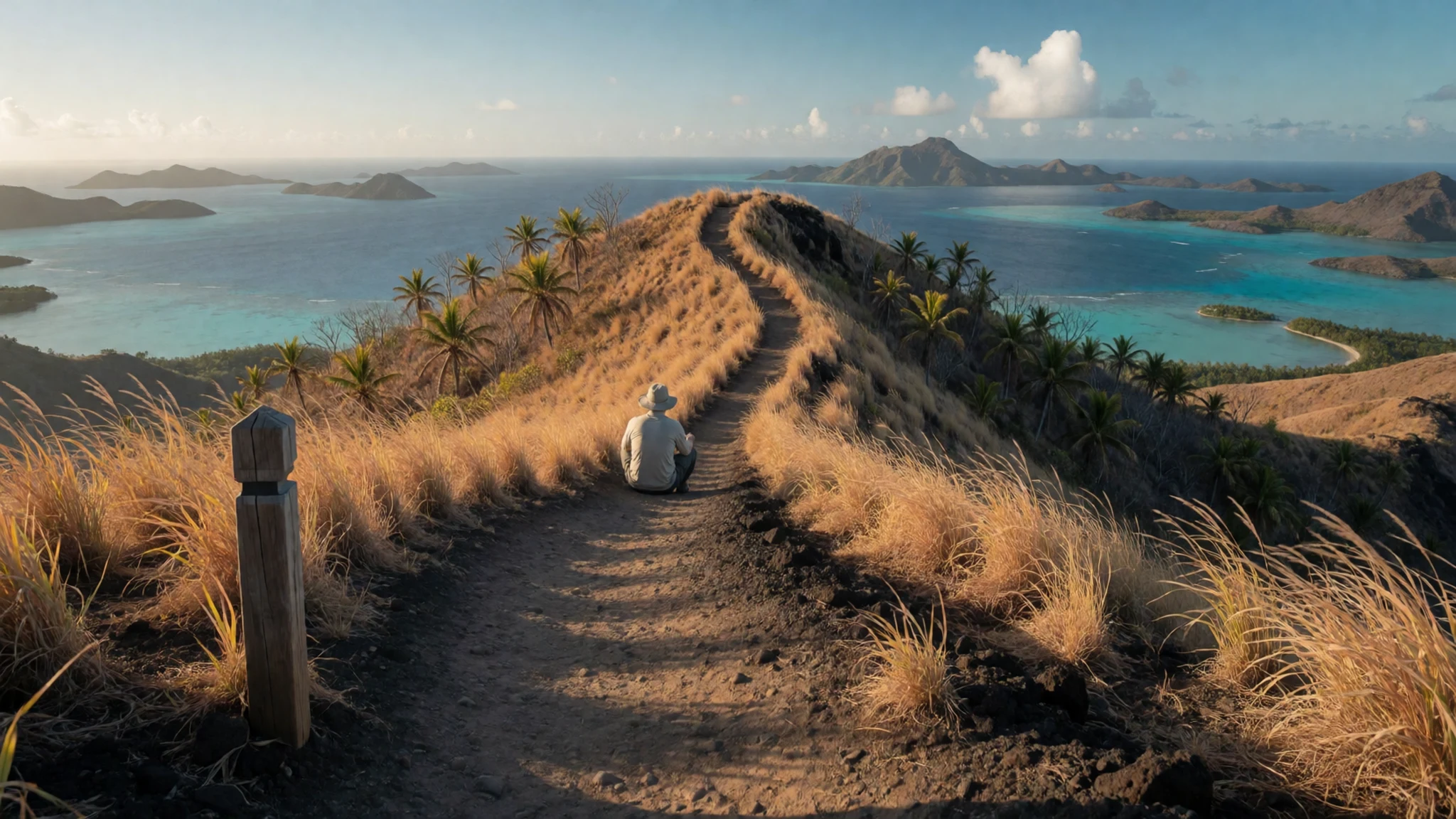
- Mana Island — Western Mamanucas
Mana Island has three separate beach areas, shady palms, poolside bars and loungers. Snorkelling and watersports are on the lagoon side, while the quieter north beach suits those who want to do very little. It is more social than its neighbours, so expect some company.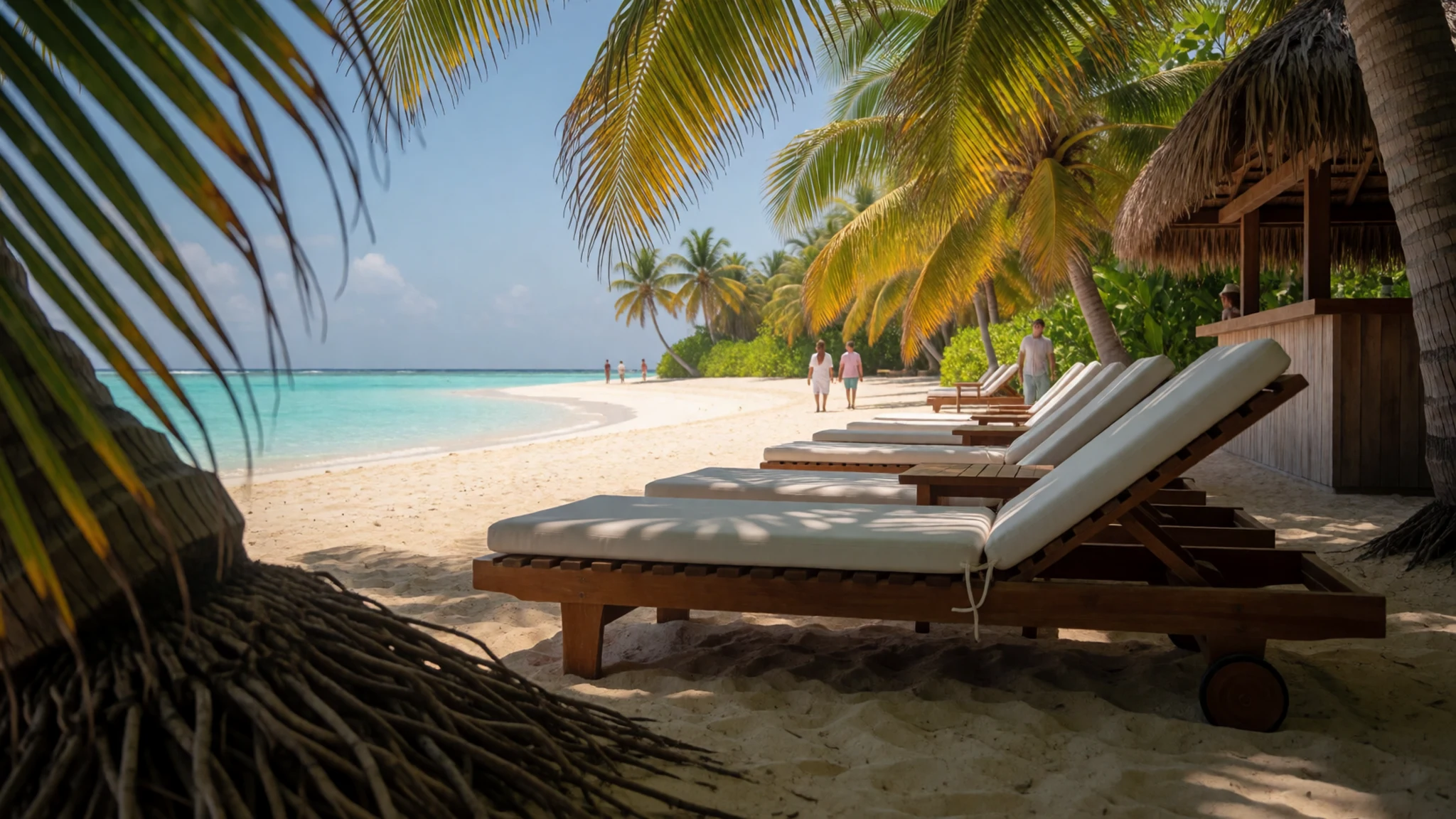
- Treasure Island — Eastern Mamanucas
Treasure Island is surrounded by a marine reserve, which makes it a sensible pick for swimming and snorkelling over healthy reef. A palm-fringed beach offers a place to settle between swims. Being small, it is easy to cross on foot and busy only when boats arrive together.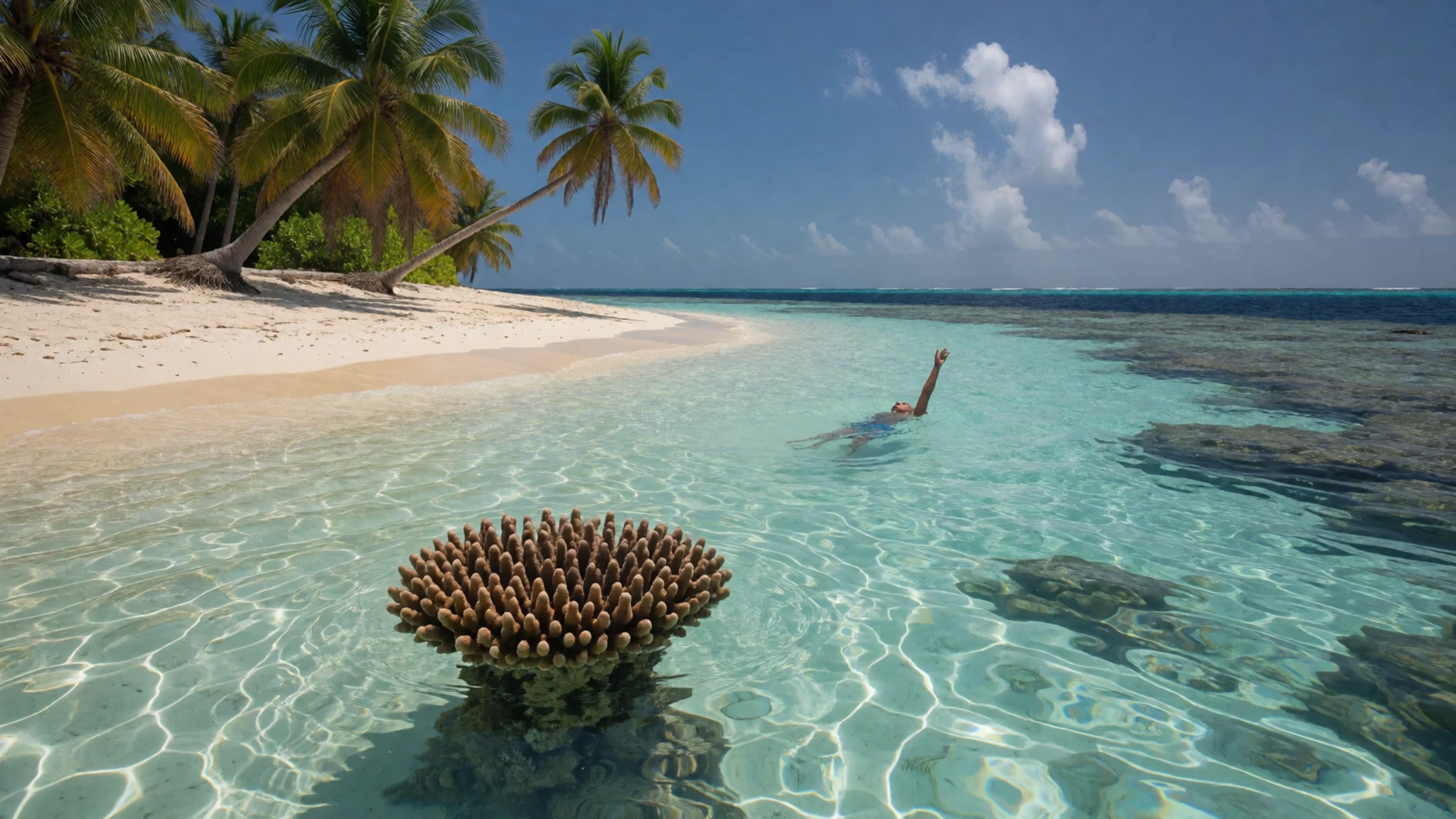
- Bounty Island (Kadavulailai) — Northern Mamanucas
Bounty Island, also called Kadavulailai, is largely undeveloped, with a small resort and white sand all around its shore. It has a freshwater pool for days when the sea is rough. A day visit works well for those wanting a quiet beach rather than organised activities.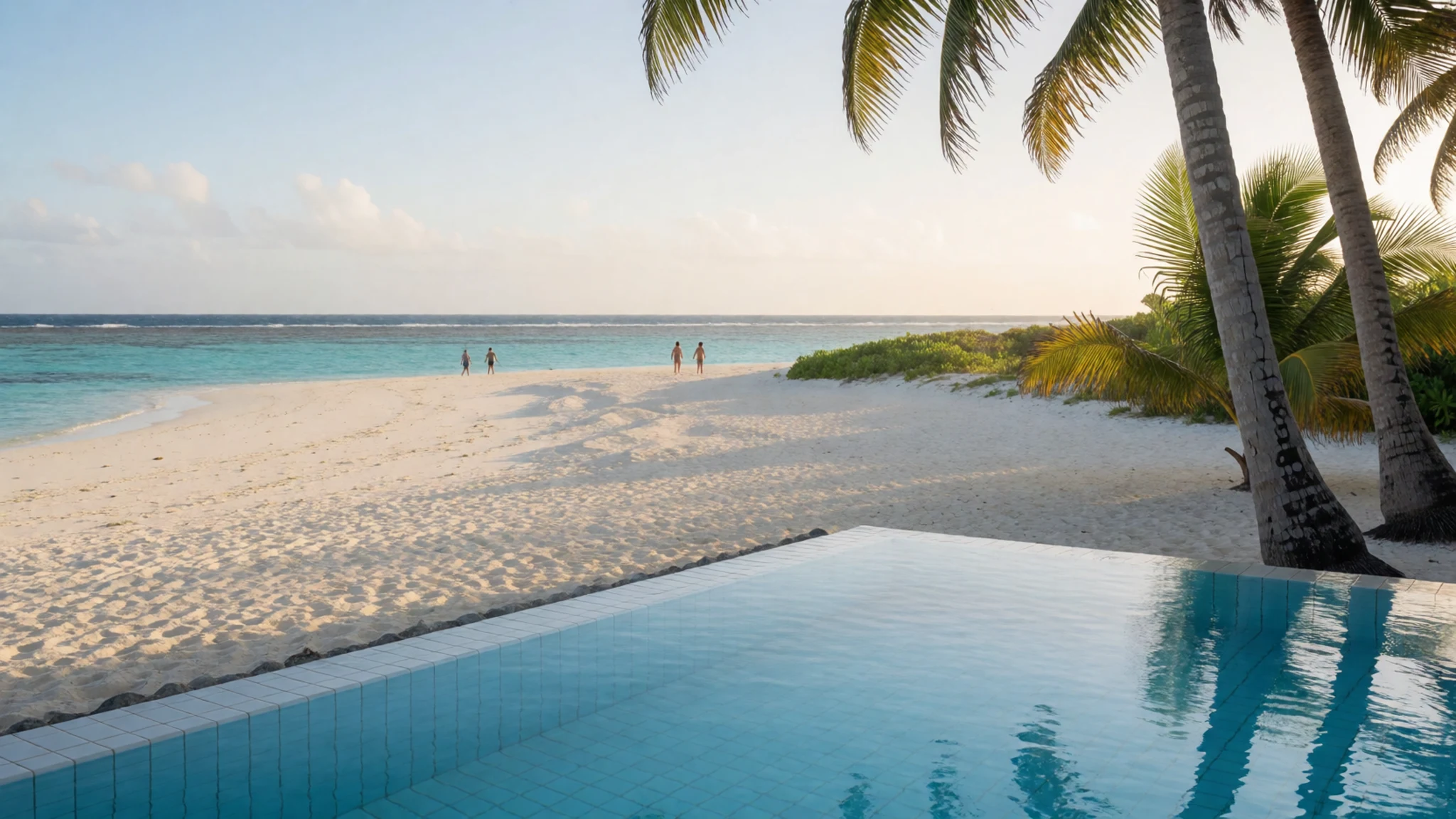
Culture
Mamanuca Islands life sits between two worlds: the polished hospitality of the resorts and the older rhythms of Fijian village communities. The greeting "bula" is used constantly, and staff and villagers alike will return a smile and a few words with real warmth. Village life is organised around family, church and the chief, and many customs follow from respect for rank and hospitality. Kava, a mildly numbing drink pounded from a pepper plant root, is shared in ceremony, and accepting a bowl with a clap and a quiet "bula" is how guests show appreciation. Sunday is generally a day for church and rest, and singing carries across the water from some villages. Fiji's Indian-descended communities add another layer, visible in cooking, festivals and shopkeeping on the mainland. Resorts often stage dance and music evenings, and these are worth attending with an open mind: they are cultural performances shaped for visitors, so ask staff what is traditional and what is entertainment. The islands are small, and local people depend on the reefs for food as much as visitors depend on them for pleasure, so conservation is a shared concern rather than a tourist slogan. Visitors invited into a village should ask the resort or guide about local arrangements, cover shoulders and knees, remove hats and sunglasses, and bring a small gift such as kava root if advised.
What to wear
Traditional dress in Fiji centres on the sulu, a wrapped cloth worn at the waist by men and women. Formal versions, often tailored with a neat edge, appear at church, official events and funerals. Masi, a bark cloth made from the paper mulberry and decorated with stencilled or stamped geometric patterns, is gifted and displayed at weddings and ceremonies, and woven pandanus mats are used for sitting and presenting. Indian-descended families wear saris and salwar kameez at festivals and weddings. Day to day, island staff often wear floral Bula shirts or matching resort prints, while village residents choose practical shorts, sulus and T-shirts. Evenings at resorts are relaxed rather than dressy. Visitors should pack light, quick-drying cotton or linen, a wide-brimmed hat, polarised sunglasses and plenty of high-protection sunscreen, ideally reef-friendly. A rash vest protects shoulders while snorkelling, and reef shoes or sturdy sandals help on coral rubble and rocky paths, since walking on live reef harms it and cuts easily. Carry a sarong or sulu that can cover knees, and a shirt with sleeves, for village visits. Beachwear is fine on resort sand but not in villages, in the mainland towns or at a church service. Evenings can be breezy on a boat crossing, so a light jacket is worth packing.
What to eat
- Kokoda — Resort restaurants and beach bars
Kokoda is Fiji's answer to ceviche: raw fish cured in lemon or lime juice and coconut milk, usually with onion, tomato and chilli. It is cool, sharp and creamy. Look for it as a starter at island resort restaurants and beach bars.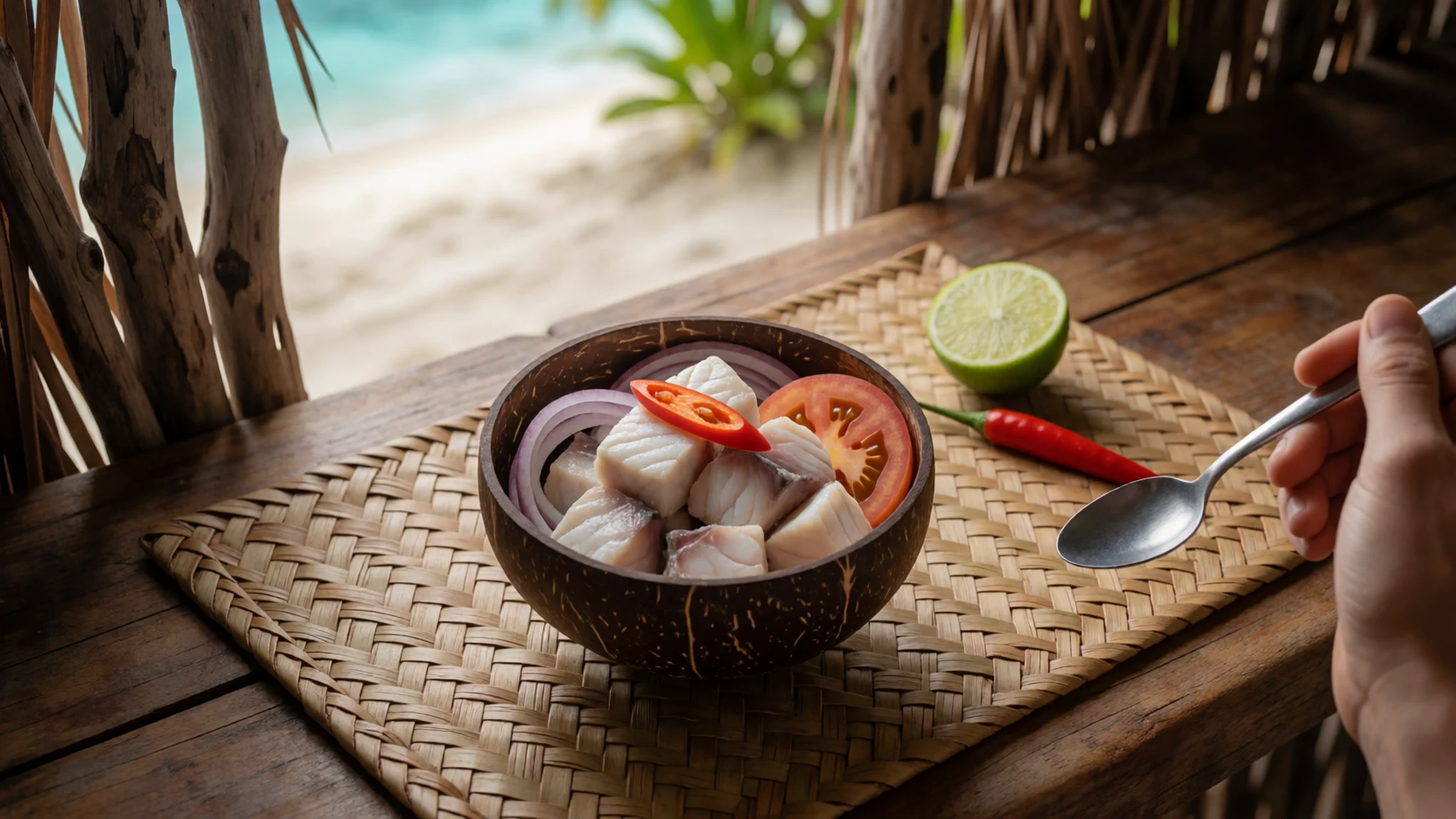
- Rourou soup — Village meals and resort feast nights
Rourou is a smooth, creamy blend of coconut milk and taro leaves, mild and earthy. It sits on village-style menus and appears at feast nights. Vegetarians should check whether the base includes fish or meat.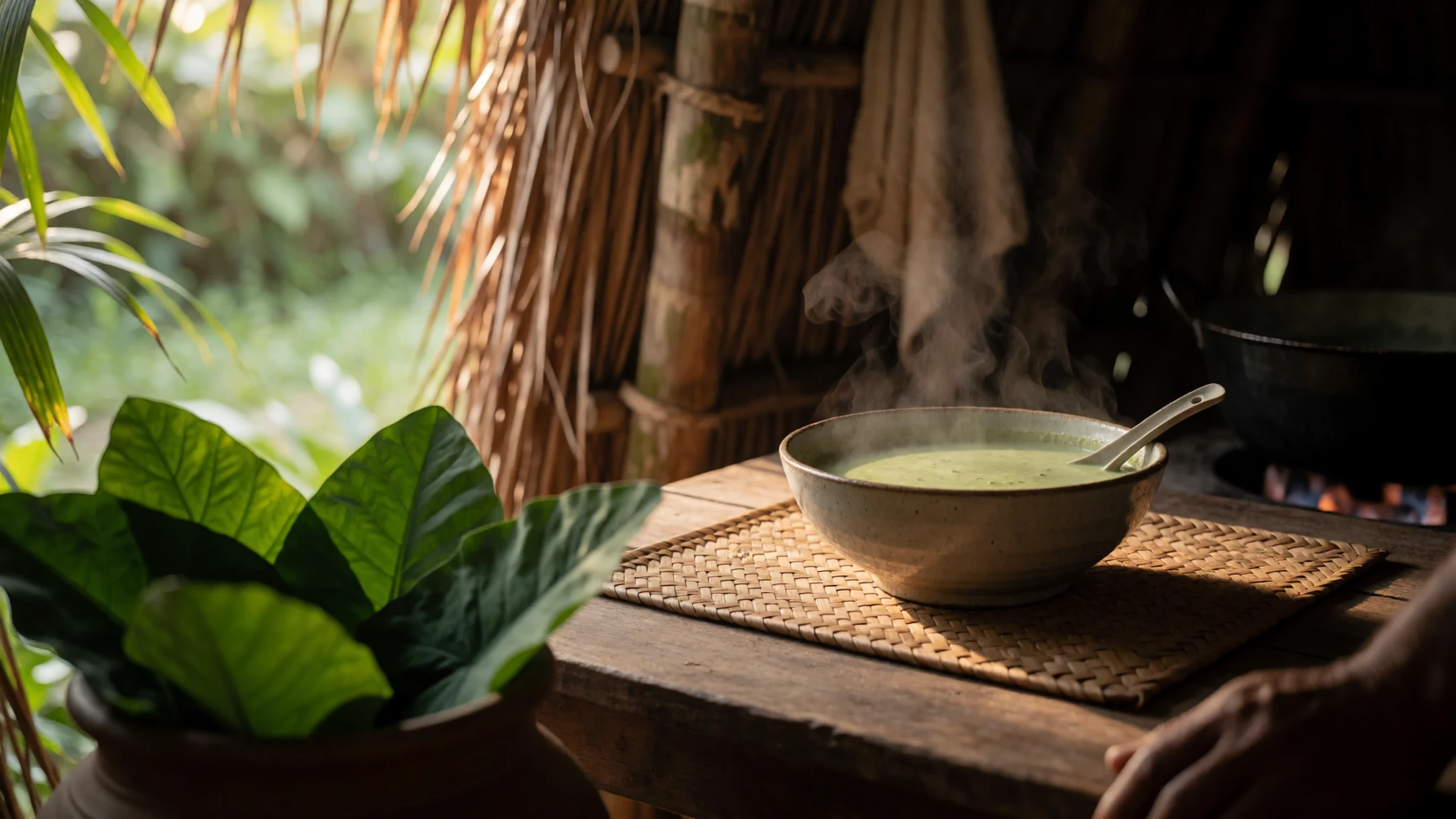
- Curry and roti — Nadi eateries and island resort kitchens
Indian cooking has become part of Fijian eating, so fish, goat and vegetable curries with roti or rice are common. Spice levels vary, so ask. The mainland around Nadi has eateries for a quick lunch before boarding a boat. - Lovo — Village visits and resort feast nights
A lovo is a feast cooked in an earth oven, with food wrapped in leaves and buried over hot stones. It usually includes root crops, fish and meat, and tastes smoky and tender. Some island resorts and villages stage lovo meals on special evenings. - Fresh coconut and tropical fruit — Beach stalls, breakfast buffets and Nadi market
Coconut water, papaya, mango, pawpaw and plantain are everywhere on the islands. A chilled coconut on the beach is the simplest refreshment, and breakfast fruit plates are usually very good. Ask staff what is in season.
Plan it
Best time. May to October is the drier, cooler part of the year and the most comfortable for beaches, snorkelling and boat crossings. November to April is hotter and wetter, with a higher chance of storms and rougher seas, so allow flexibility if travelling then.
How long. 3–5
Getting there. Fly into Nadi International Airport, then travel to Denarau Marina, about a 20-minute drive; many resorts near Nadi run a free bus, so ask the front desk. From there, a large catamaran takes several hours depending on the island, while smaller water taxis suit groups heading to the same place. Helicopter or floatplane from Nadi is the fastest and most expensive option.
Budget. mid
Tips
- Book transfers and island stays ahead, because boats and rooms fill in the dry season
- Wear sun protection all day, since the reflection off water and sand burns quickly
- Do not stand on or touch coral or sea creatures, and watch for waves and undertows
- Bring any special medicines and snacks with you, because small islands have limited shops
- Ask whether a day trip from Denarau suits your budget before committing to a stay
Etiquette
- Cover shoulders and knees and remove hats in a village
- Accept a kava bowl with a clap and a quiet bula if invited
- Respect church time on Sundays and keep noise down near villages
Nearby
Sources
- Wikidata Q1754342 (CC0)
- Wikipedia: Mamanuca Islands (rev 1380368835) (CC BY-SA 4.0)
- Wikivoyage: Mamanuca Islands (rev 5410315) (CC BY-SA 4.0)
- Photo: Mamanuca Islands — ogwen (CC BY 3.0)
- Photo: Aerial view of Mamanuca Islands, Fiji — American at German Wikipedia (CC BY 3.0)
- Photo: The beach of Bounty Island Resort — JaredWiltshire (CC BY 3.0)
- Photo: Beach on Kadavulailai — Jaejay77 (CC BY-SA 4.0)
- Photo: Mana, Beachcomber, Treasure and Tokoriki Islands — Jaejay77 (CC BY-SA 4.0)
- Photo: Tivua Island, Mamanucas, February 2011 — amazing-fiji-vacations.com (CC BY 3.0)
- Photo: panoramio — svenimartini (CC BY 3.0)
- Photo: Levuka Fidschi — American (Diskussion) (CC BY 3.0)


Wildlife
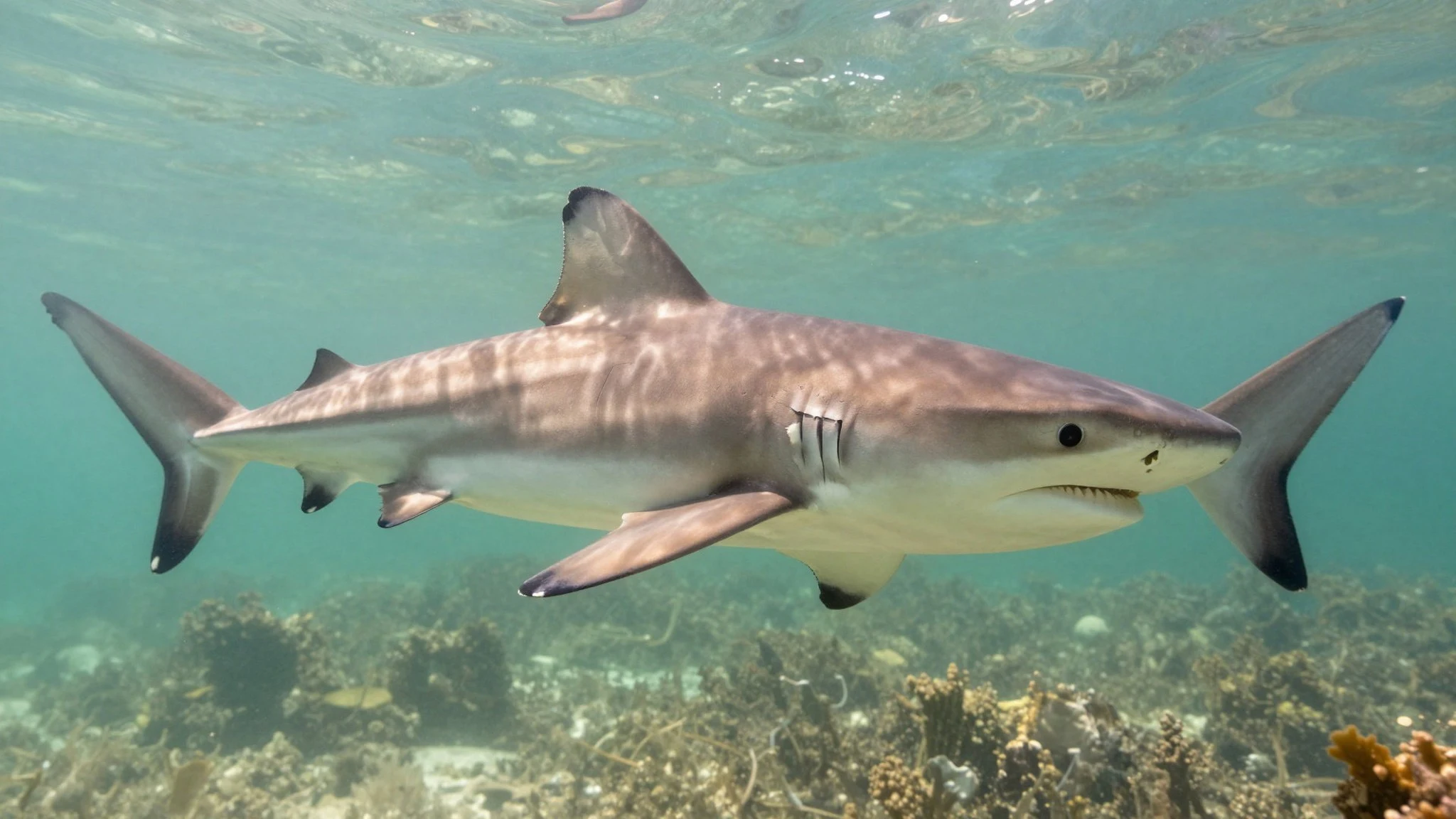
- Reef shark (animal)
The blacktip reef shark is a sleek reef shark whose fins look as though they have been dipped in black ink, which makes it easy to recognise. It likes shallow waters near the shore, over reef ledges and sandy flats, and its fin often shows above the surface. In the Mamanuca Islands, organised reef-shark swims let you meet it. Go with a guide, stay calm and quiet, keep a respectful distance, and never feed it.