Beqa Island
Beqa Island, Fiji
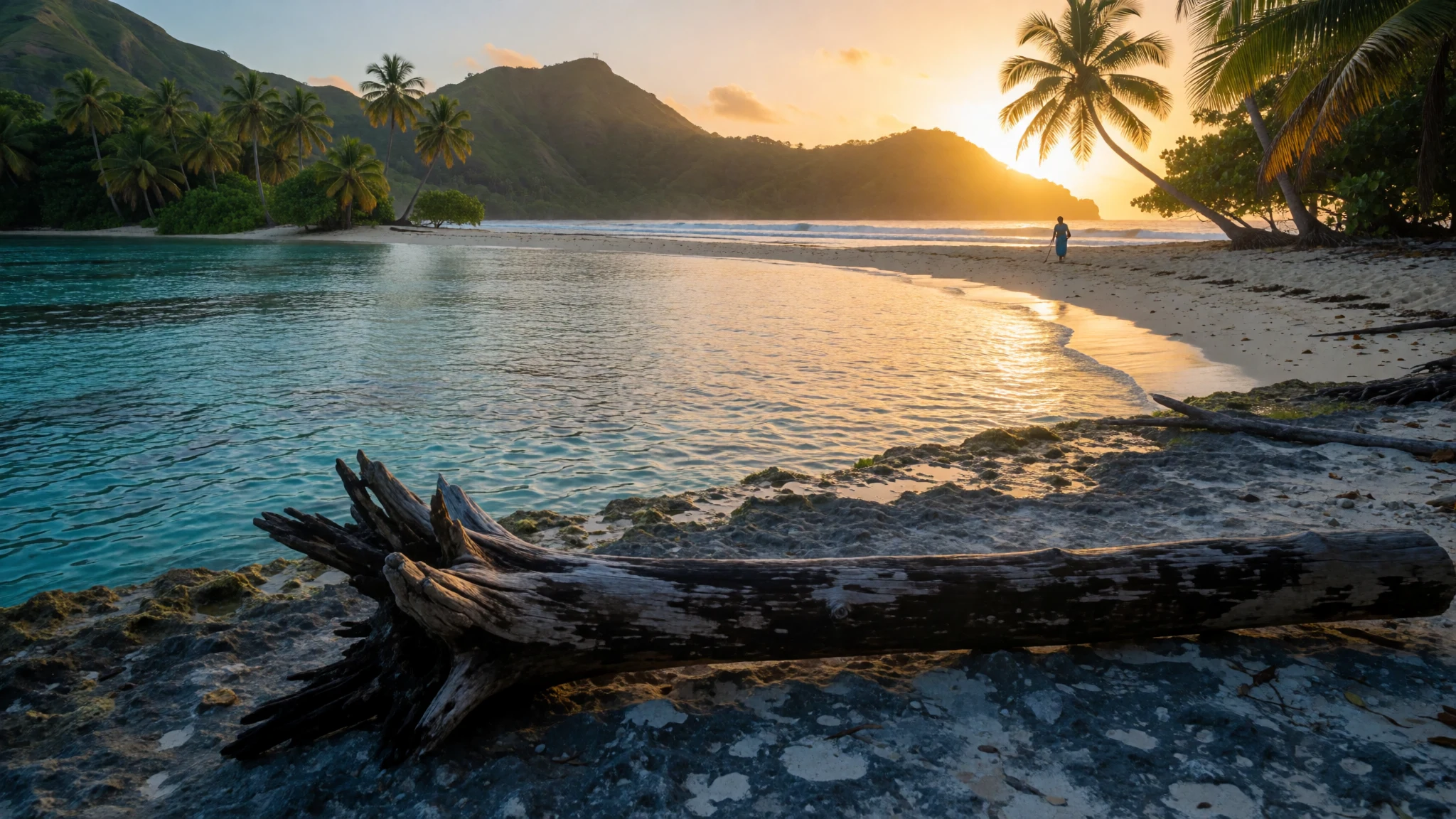
Beqa Island is a green, village-dotted outlier south of Viti Levu, known for its reef-ringed lagoon, diving and the Sawau fire-walking tradition.
The place
Beqa Island lies off the southern coast of Viti Levu, Fiji's main island, across a channel of about 10 kilometres. Older English sources sometimes spell the name Mbengga. The land area is 36.3 square kilometres and the interior rises to 440 metres, so the island is more hill than flat beach, with settlements strung along the shore. Nine villages share it, grouped into two districts, called tikina in Fijian. Sawau takes in Dakuibeqa, Dakuni, Soliyaga, Naceva and Naiseuseu, while Raviravi takes in Nawaisomo, Raviravi, Lalati and Rukua. Dakuibeqa is the chiefly village of the Sawau people. The separate island of Yanuca lies to the west. Tourism is the main source of income. Four resorts operate on Beqa itself: Lawaki Beach House, Beqa Lagoon Resort, Kulu Bay Resort and Lalati Resort. Royal Davui Resort occupies Steward Island, a small islet just off the coast. No further resorts are planned, which keeps the island's scale modest. Farming is small and local, though the climate allows tomatoes to be planted all year, and Beqa has gained a name for off-season tomatoes. The result is an island where village life and a handful of lodges sit side by side, with a pace set largely by boats and the weather rather than by timetables.
Its story
The story of Beqa Island is told mainly through its people rather than through monuments. The Sawau district, whose chiefly seat is Dakuibeqa, is the community widely associated with vilavilairevo, the walk across heated stones. Sawau tradition holds that an ancestor spared a captured spirit and was rewarded with the gift of walking unburnt over a hot earth oven. Tellers differ on the details, and the account belongs to the families who keep it. For a long time the practice stayed within the community. Today it is performed for visitors at some of the resorts, a change that has brought income and also questions about what is shown and what is kept private. Tourism now shapes the island's economy, with four resorts on Beqa and another on Steward Island, and no more planned. Farming remains small in scale, and the year-round tomato crop is the clearest case of growers using the local climate to find a niche. Reef and lagoon matter to both livelihoods. In Fiji, customary rights over fishing grounds generally rest with the villages, so decisions about diving and fishing involve village councils as well as operators. Beqa's recent history is therefore still being written by those who live there.
What to see
- Beqa Lagoon — Lagoon around the island
Beqa Lagoon wraps around the island inside a ring of reef and is the main reason most visitors come. Resort boats run reef dives and, with licensed operators, supervised shark dives. Snorkelling is possible from some beaches when the tide allows. Wind and swell change conditions quickly, so plans need slack. Reef access involves the villages that hold fishing rights, so go through a resort or operator.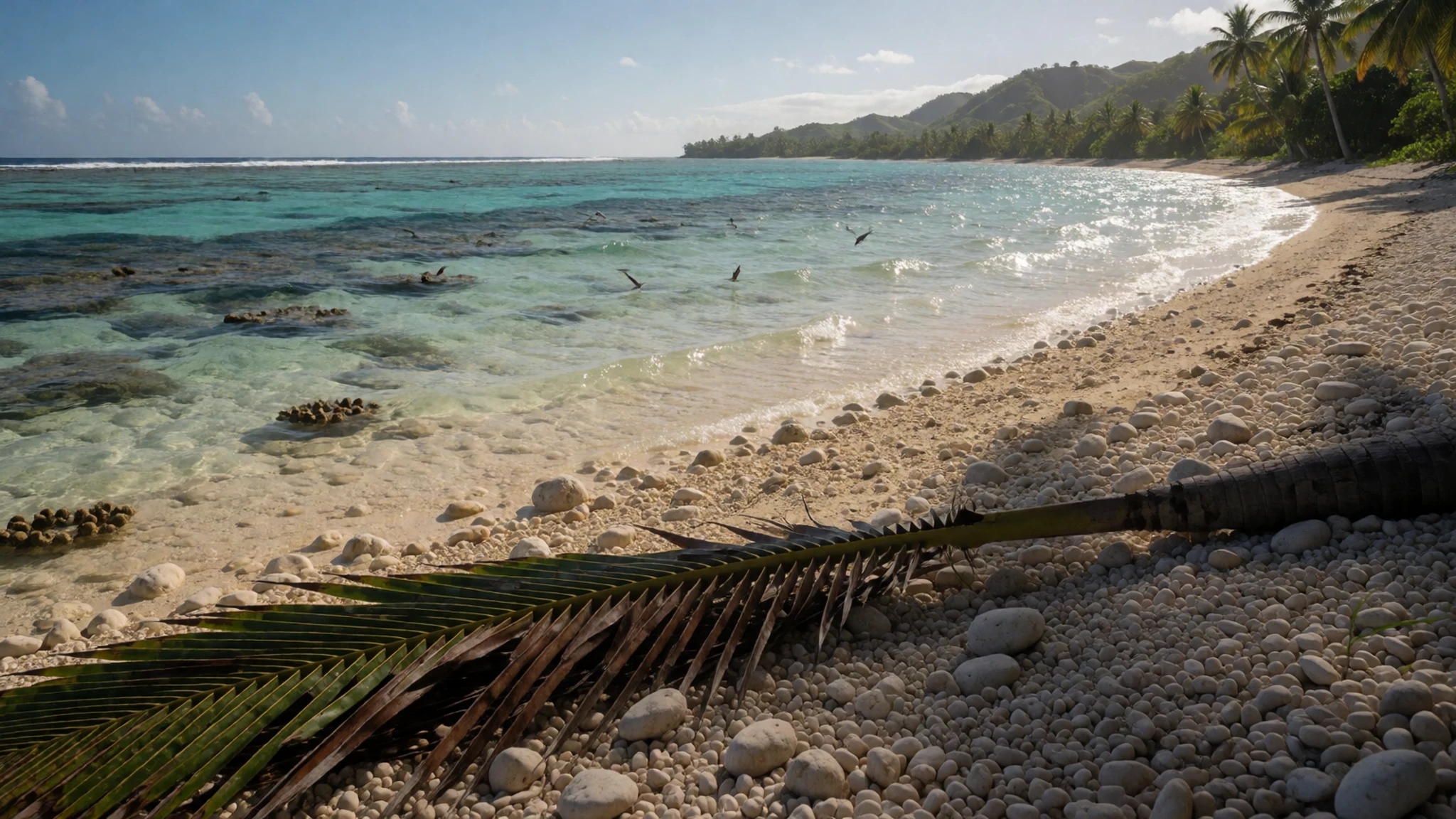
- Sawau fire-walking — Sawau district, via resorts
Vilavilairevo, the Sawau fire-walking ceremony, is the island's signature cultural event. Men from the district walk across a bed of heated stones, dressed in leaf skirts and garlands. Performances are usually arranged through resorts rather than staged daily, so ask your host whether one is planned. Follow the performers' guidance on photography and where to stand.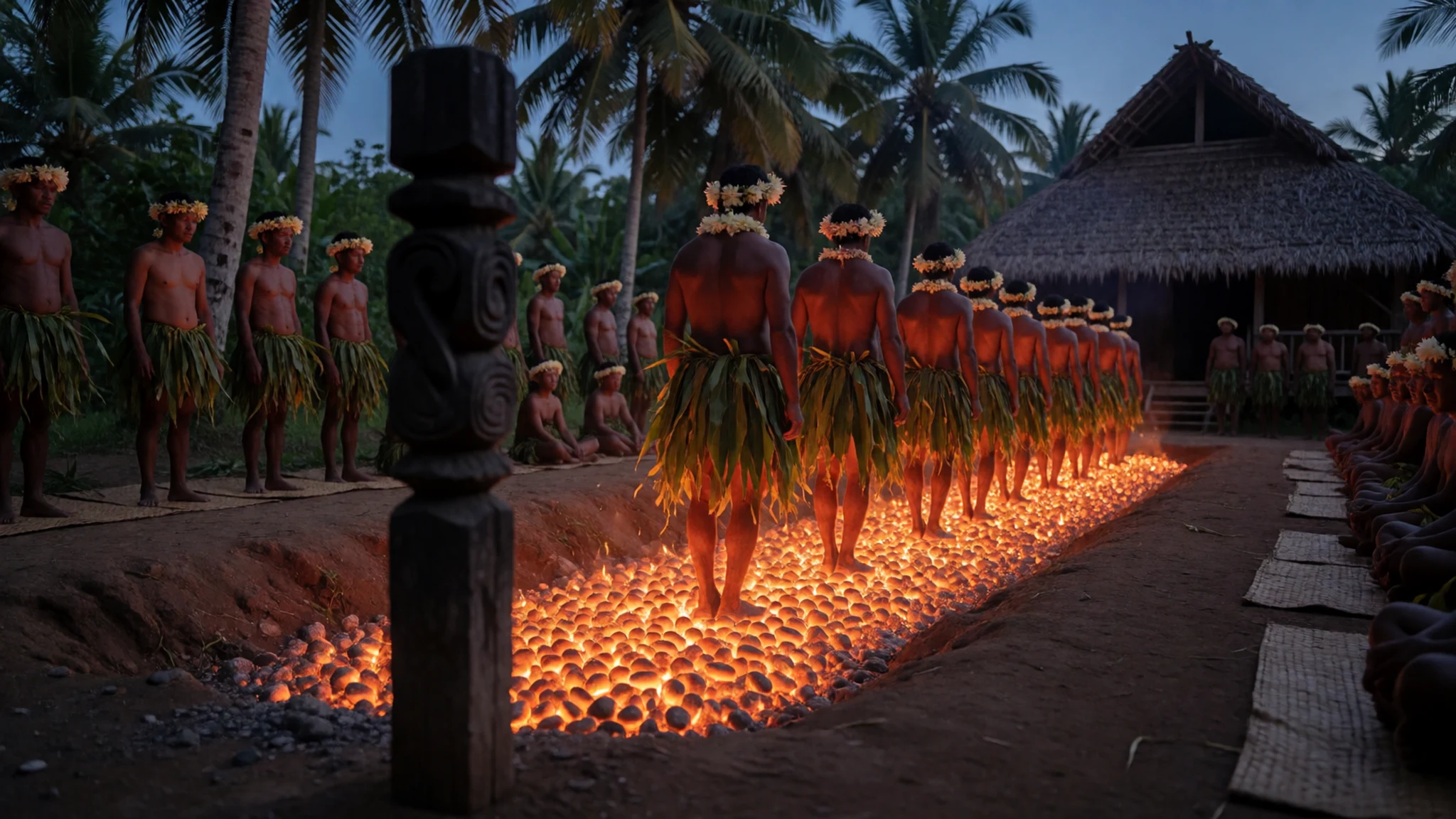
- Dakuibeqa village — Sawau district
Dakuibeqa is the chiefly village of the Sawau people. Visits are made by arrangement, normally through a resort or guide who can present the customary kava gift on a visitor's behalf. The visit shows a working village, with church, meeting house, gardens and boats, rather than a staged attraction. Short, respectful stays tend to be welcomed.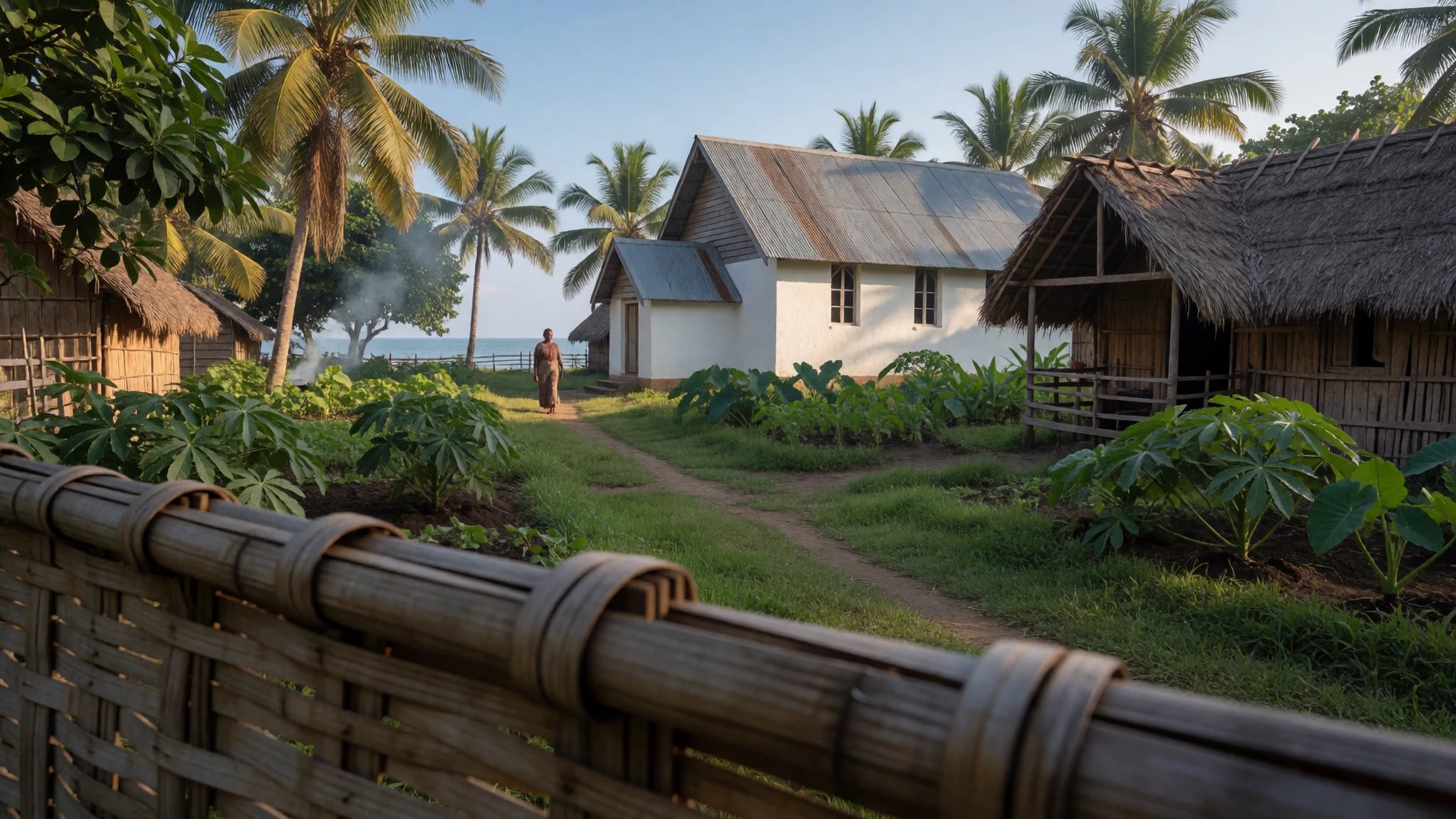
- The island's hills — Interior hills
Beqa's interior rises to 440 metres, with forest and garden plots reached by village paths. A guided walk gives views back over the lagoon and, on clear days, across the channel to Viti Levu. Heat and humidity make early starts sensible. The paths cross village land, so a local guide is the proper way in.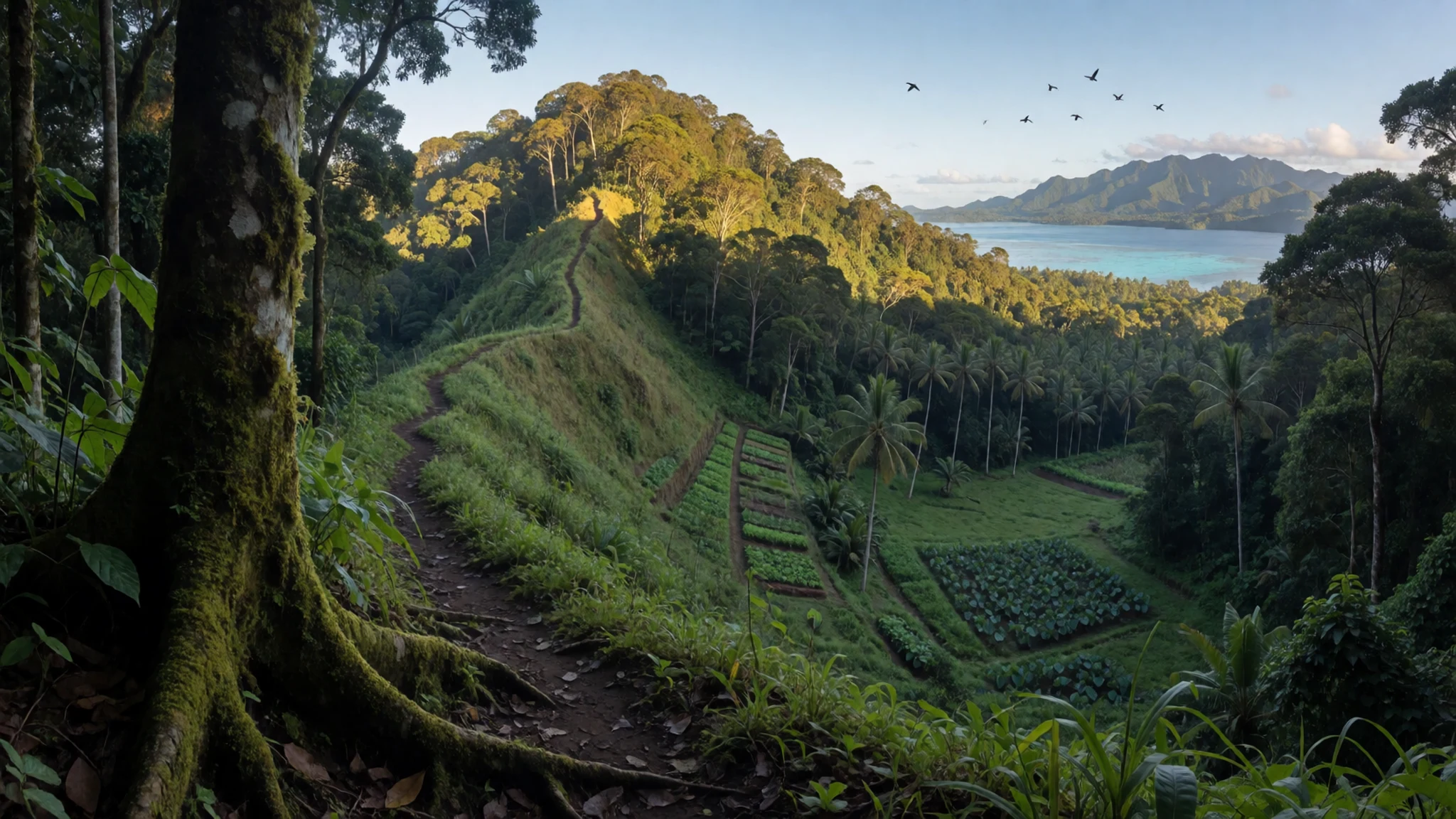
- Steward Island — Islet off Beqa
Steward Island is a small islet just off Beqa and the site of Royal Davui Resort. Visitors mostly meet it from the water, as part of the same lagoon system used for diving and snorkelling. The resort's own beaches are for its guests, so any day visit depends on the resort and needs to be asked about first.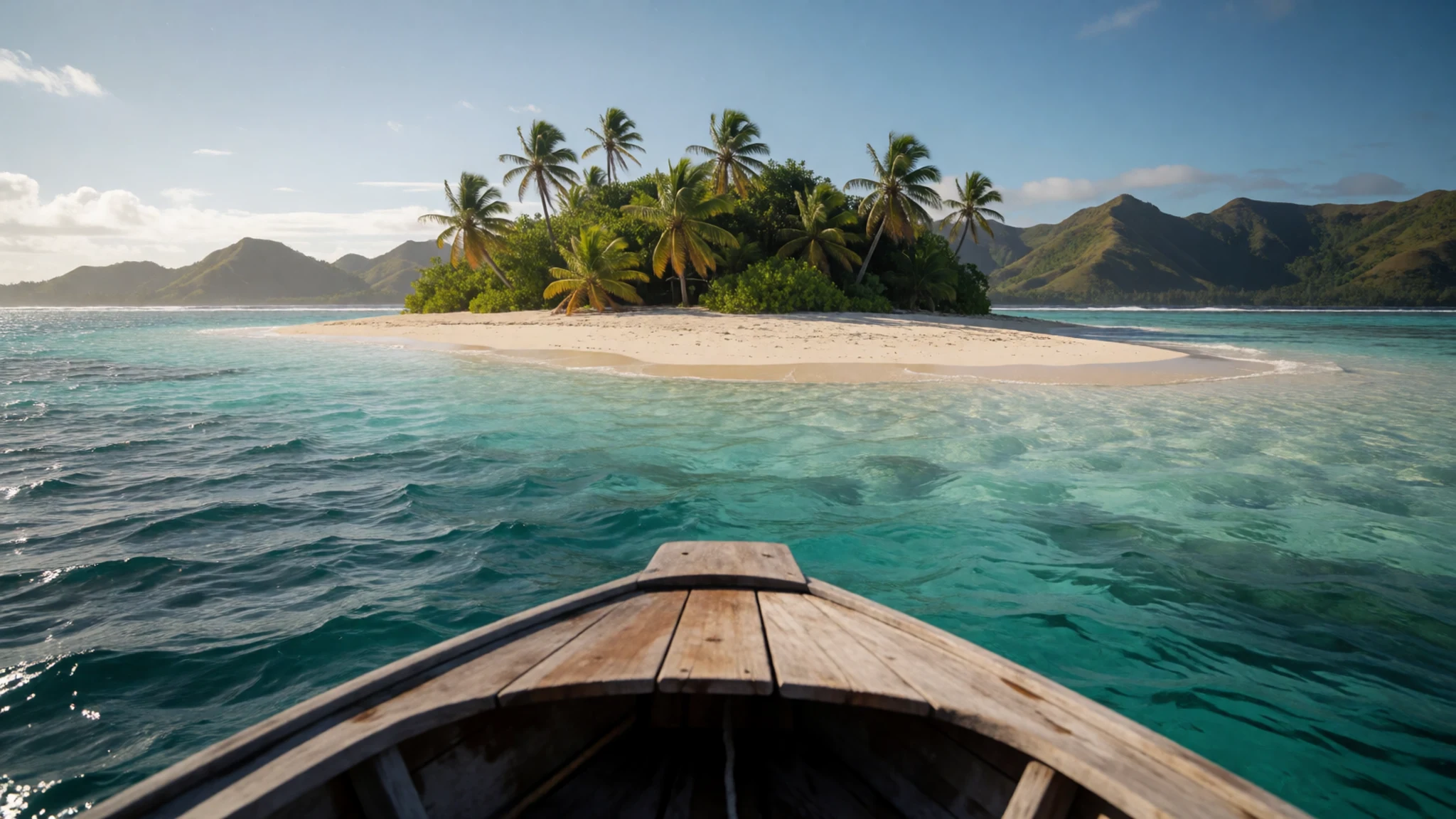
Culture
Beqa Island's social life runs on village and chiefly structures that are still very much alive. Each of the nine villages has its own headman and meeting house, and the two districts, Sawau and Raviravi, give the island its wider order, with Dakuibeqa as the Sawau chiefly seat. Visitors arriving at a village are expected to be introduced formally, usually with a gift of kava roots, called sevusevu, presented to the chief or his spokesman through a host. A bowl of kava, drunk from a half coconut shell, often follows: clap once before taking it, drink it in one go, and clap three times afterwards. Church plays a large part in village life, and Sundays are usually quiet, with services, family meals and rest taking precedence over activities and boat trips. Hospitality is warm and unhurried, and the relaxed sense of time is something to plan around rather than fight. Resort staff often come from the villages and are the easiest route to a respectful introduction. Fire-walking and other ceremonies belong to particular families and districts, and are performed on their terms. Before entering a village, ask your host to arrange the sevusevu, take off your hat and sunglasses, cover your shoulders and knees, and do not photograph people or houses without asking first.
What to wear
On Beqa Island, traditional dress is built around the sulu, a length of cloth wrapped at the waist and worn by both men and women, with extra formality on Sundays and ceremonial days. Men's formal sulu are often tailored with a cut hem and worn with a shirt and jacket, while women wear a sulu with a blouse or a long dress. Older ceremonial dress uses masi, a bark cloth made from the paper mulberry and stamped with geometric patterns in brown and black, and woven pandanus mats serve as wraps and gifts. For the Sawau fire-walking, performers wear leaf skirts and garlands made from local plants. Day to day, people wear what suits heat, gardens and boats: shorts, t-shirts, cotton dresses and floral shirts, with rubber sandals or bare feet. Dress is tidier for church. Visitors should pack light cotton and quick-dry clothing, a sulu or long wrap for village visits, and a hat and sunglasses that can be taken off on entering a village. A rash vest and reef shoes help in the water, and sturdy sandals or trainers suit the hill paths. Shoulders and knees should be covered in villages, and swimwear kept for the beach and boat.
What to eat
- Kokoda — Resort dining rooms and village meals
Raw fish cured in lime juice and mixed with coconut cream, tomato, onion and chilli. It is served chilled, often as a starter, and Beqa's tomatoes suit it well. The fish is usually caught locally and prepared the same day.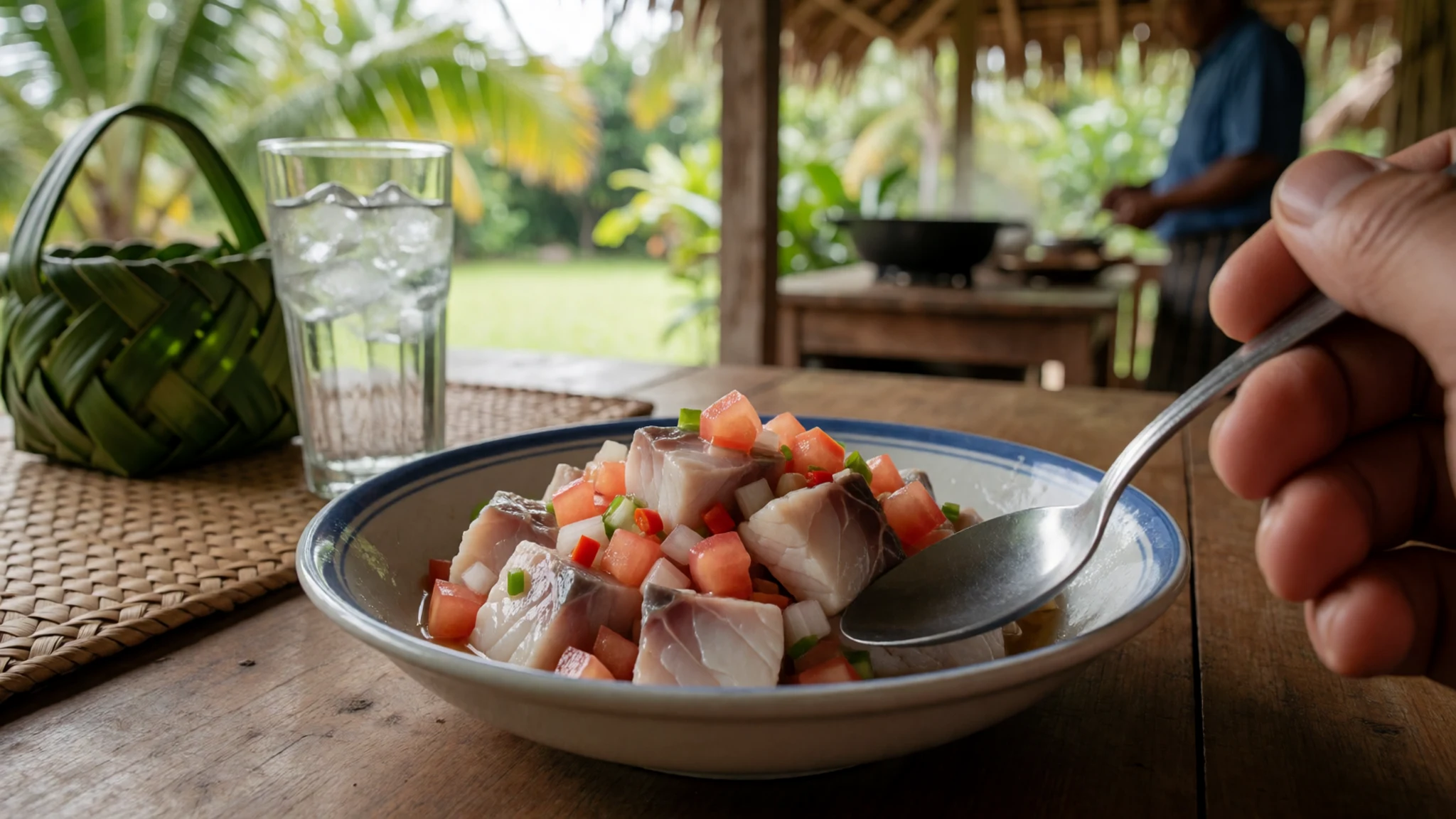
- Lovo — Village feasts and resort lovo nights
Fiji's earth-oven feast. Fish, pork, cassava and taro are wrapped in leaves and cooked slowly over hot stones under the ground. The smoky flavour is distinctive, and a lovo is usually prepared for celebrations and special meals.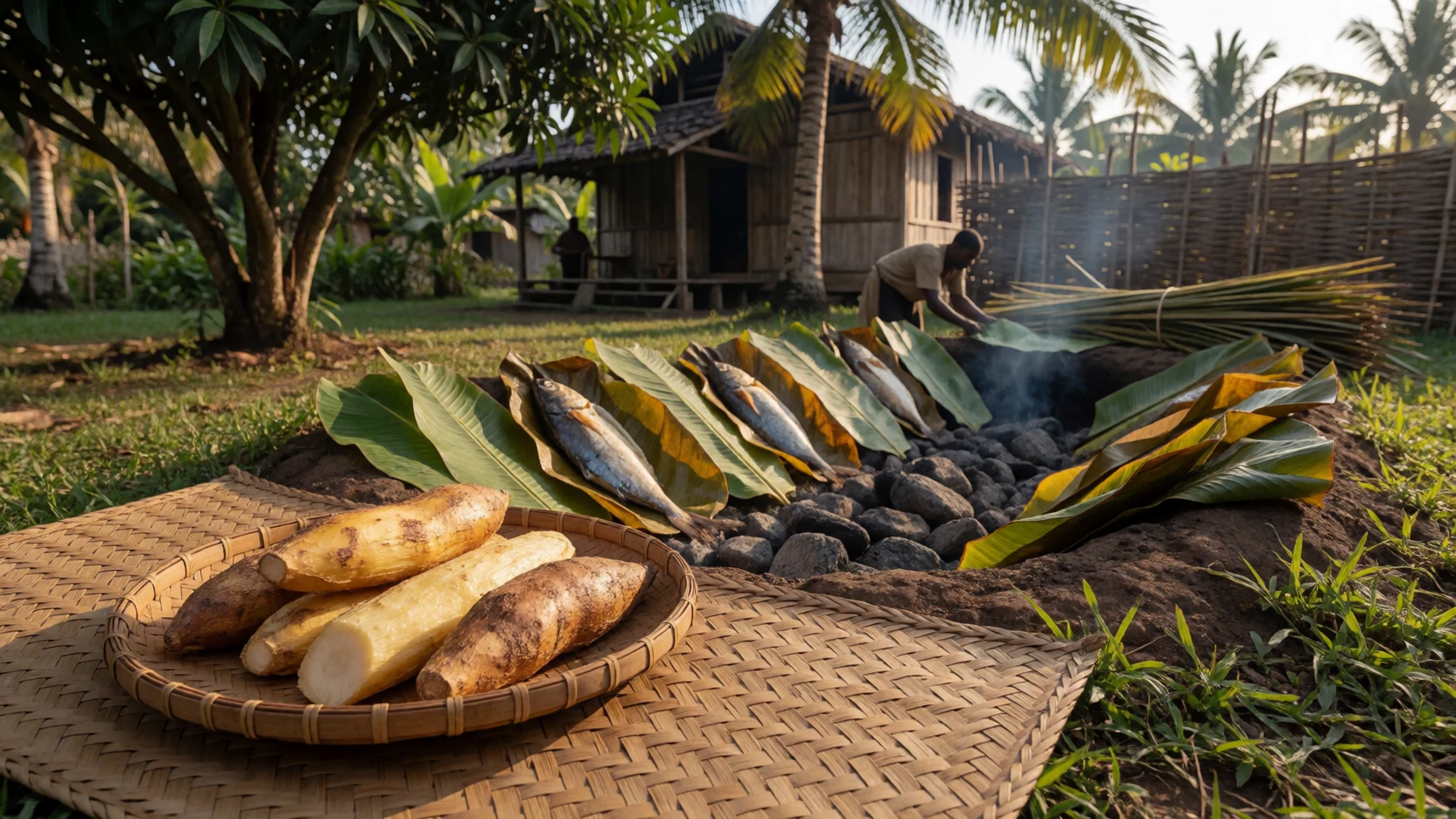
- Rourou — Village meals and family tables
Young taro leaves simmered in coconut milk until soft and creamy, a gentle, savoury side dish. It is commonly eaten with boiled root vegetables and fish, and is a regular part of family meals across Fiji. - Dalo and cassava — Village kitchens and garden plots
Taro (dalo) and cassava are the staple starches, boiled, roasted or baked in the lovo. Plain and filling, they are eaten with fish, greens or a coconut-based sauce, and are grown in the gardens behind the villages. - Beqa tomatoes — Farm plots, village stalls and resort salads
Beqa has a name for tomatoes grown outside the usual season, thanks to a climate that allows planting year-round. They are eaten fresh in salads and with fish dishes, and are a small but real part of the island's farming.
Plan it
Best time. May to October is the drier, cooler part of the year and the safer window for boat transfers and diving. November to April is hotter, more humid and wetter, with a risk of cyclones and rough seas.
How long. 2–3
Getting there. Fly to Nadi International Airport or Nausori on Viti Levu, then travel to the island's southern coast. Resorts normally arrange the final boat transfer across the channel, so confirm the pick-up point with your host.
Budget. mid
Tips
- Book lodging and boat transfers in advance through the resort, as there is little to arrange on arrival
- Allow slack in the schedule, since wind and swell can delay or cancel boats
- Carry some cash for village purchases and small tips, as card machines are unlikely outside the resorts
- Bring drinking water, sun protection and reef shoes, and start hill walks early to avoid the heat
Etiquette
- Present sevusevu through your host before entering a village
- Cover shoulders and knees in villages and remove hats and sunglasses
- Ask before photographing people, houses or ceremonies
Nearby
Sources
- Wikidata Q24570927 (CC0)
- Wikipedia: Beqa Island (rev 1378929820) (CC BY-SA 4.0, grounding only)
- Wikivoyage: Beqa Island (CC BY-SA 4.0, grounding only)
Wildlife
- Bull shark (animal)
The bull shark is the bold shark that swims in the sea and up into rivers too, so think of it as a traveller between salt and fresh water. It likes warm, shallow coasts around the world, and its fierce reputation has led to culling near beaches, which is one reason it is now listed as vulnerable. Resort boats take divers out to the reefs, and shark encounters are led by licensed operators who supervise each dive. Watch with them, stay calm, and never feed it.