Savusavu
Savusavu, Fiji
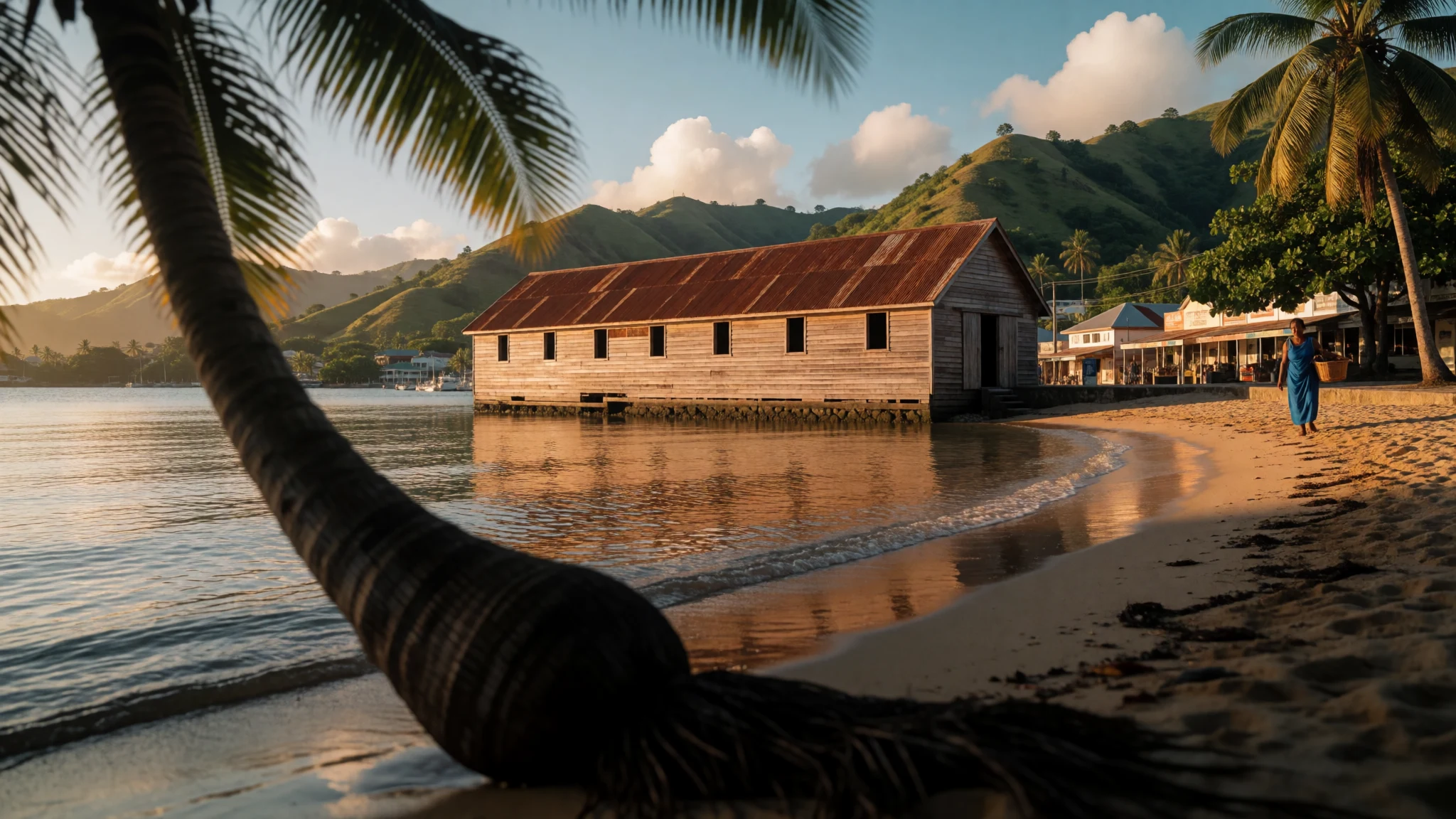
Savusavu is a working harbour town in northern Fiji, where steaming shorelines, yachts, reefs and village life sit within easy reach of each other.
The place
Savusavu sits on the south coast of Vanua Levu, Fiji's northern big island, in the province of Cakaudrove, and has a population of about 5,000. The town hugs a sheltered bay, with steep hills behind it, so the main street is essentially one curve of shopfronts facing a harbour full of moored yachts. It is small enough to cross on foot in a few minutes, yet it serves a wide area of coconut land, farms, villages and dive resorts. Vanua Levu is the quieter sibling of Viti Levu, which lies about 64 km to the south, and Savusavu feels correspondingly slower than Nadi or Suva. Mornings belong to the market and the bus station, where villagers arrive with produce and leave with groceries. By afternoon the waterfront cafés fill with sailors waiting for weather and divers back from the reef. Steam rises from vents along the shore, a reminder that the ground here is volcanically warm. The climate is tropical: warm all year and humid, with a wetter season of heavy downpours and a drier stretch that suits boats, snorkelling and walking. Savusavu is not a beach resort in the usual sense. The foreshore is working harbour, and the better swimming and snorkelling lies out along the coast and on nearby reefs. Anyone expecting a postcard strip of sand tends to be surprised, while those who like a real town with a sea view often stay longer than planned.
Its story
Savusavu's story is tied to its harbour. The bay is deep and sheltered, which made it a natural anchorage long before the town existed, and Royal Navy surveyors later charted it carefully, publishing a chart that was revised some years afterwards. Methodist missionaries also sketched and wrote about the area, and a Catholic chapel went up on the coast north of town in the colonial period; it is still in use. Coconuts shaped the economy. Copra, the dried flesh of the coconut pressed for oil, was shipped from sheds along the waterfront, and the old copra shed is now a marina building. The hot springs add a stranger chapter: in the colonial era they briefly turned into tall geysers for a couple of months before settling back into the gentle steaming seen today. In more recent years the town has leaned on yachting, diving and small-scale tourism, and sailors treat it as a safe place to leave a boat during the cyclone season. Visiting military engineers have worked here with local volunteers on community buildings such as classrooms, a sign of how much of the region still depends on shared effort. Vanua Levu has also been in the news because Kiribati, whose low islands are threatened by rising seas, has explored buying land on the island for its people. Savusavu itself remains modest, chiefly a place of ships, trade and neighbours.
What to see
- Savusavu waterfront and bay — Town centre
The curved main street and harbour are the best introduction to Savusavu. Walk the foreshore in the early morning, when the light is soft, boats swing on their moorings and the market and bus station are busy. Cafés along the front make easy stops while waiting for the heat to ease.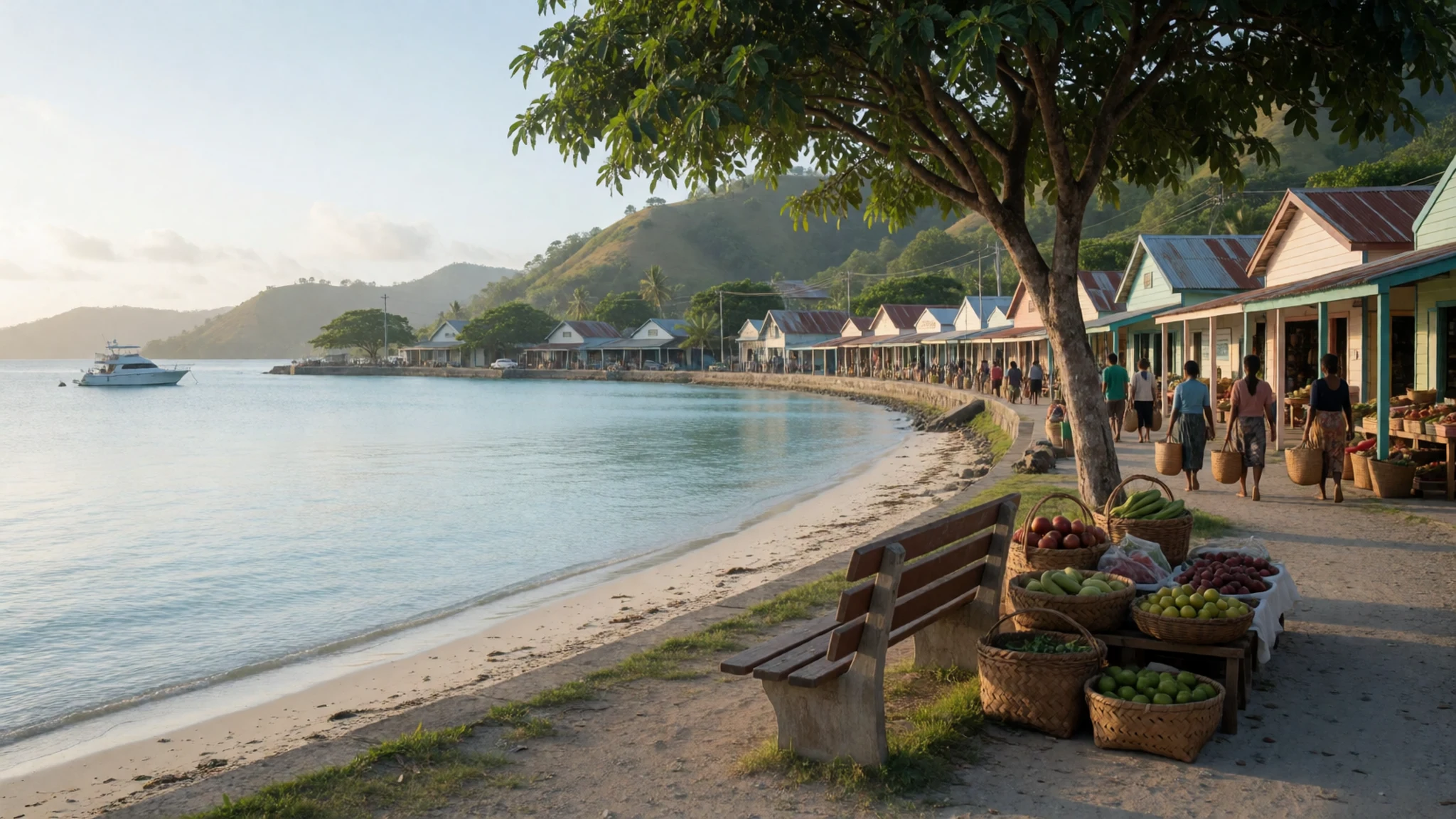
- Hot springs along the foreshore — Near the town centre
Steam rises from vents near the shore, most obviously close to the main springs opposite the old hotel, and at low tide from smaller outlets along the water's edge. They are best seen as a curiosity rather than a spa. The water is dangerously hot, so keep to the paths and do not touch it.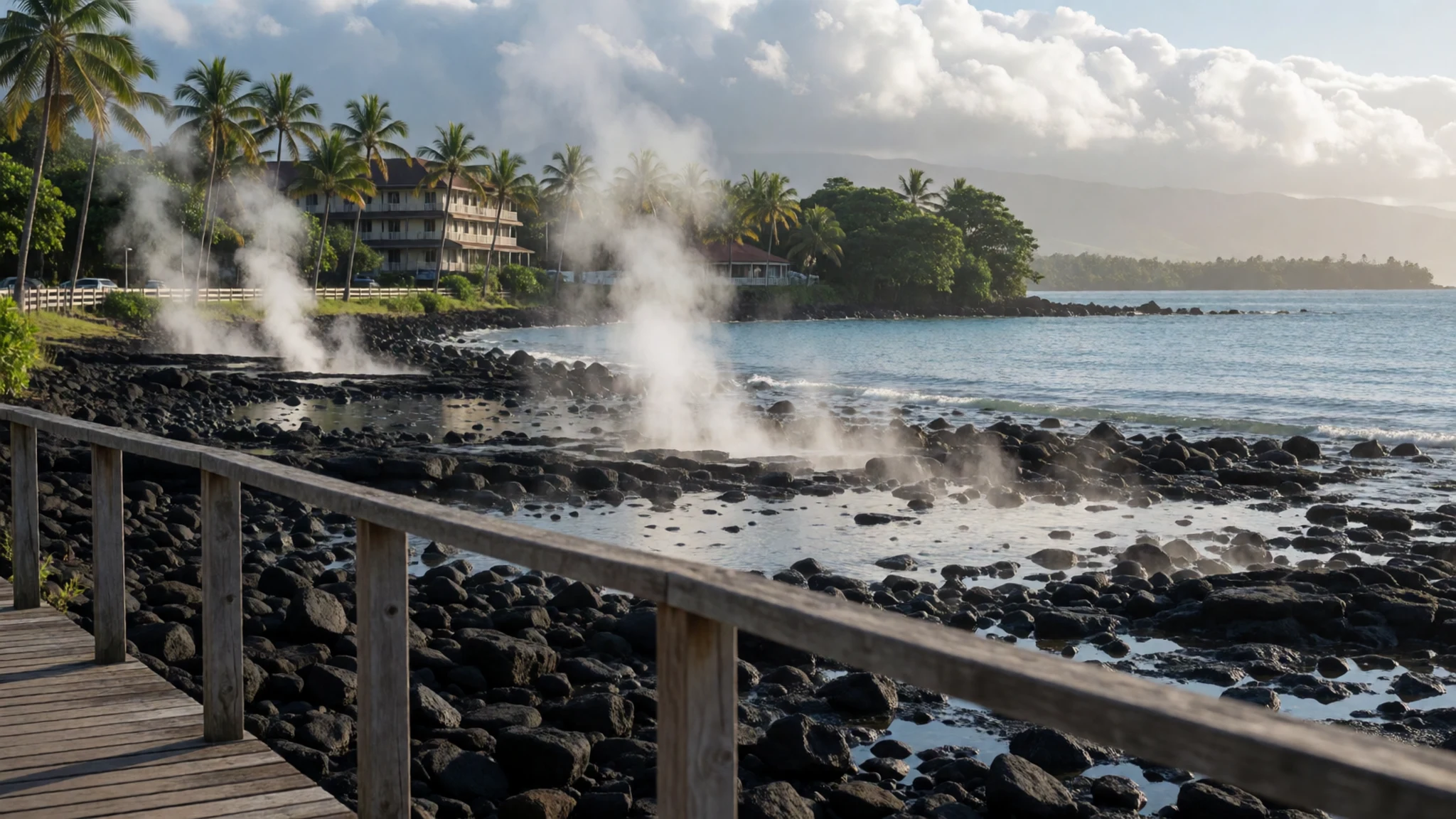
- Copra Shed Marina — Harbour front
This old waterfront building from the copra trade has been renovated and now houses the yacht club, airline offices, a chandlery, shops and a few apartments. Moorings sit just offshore. It is a good place to watch the harbour, meet sailors and see how the town's working past has been reused.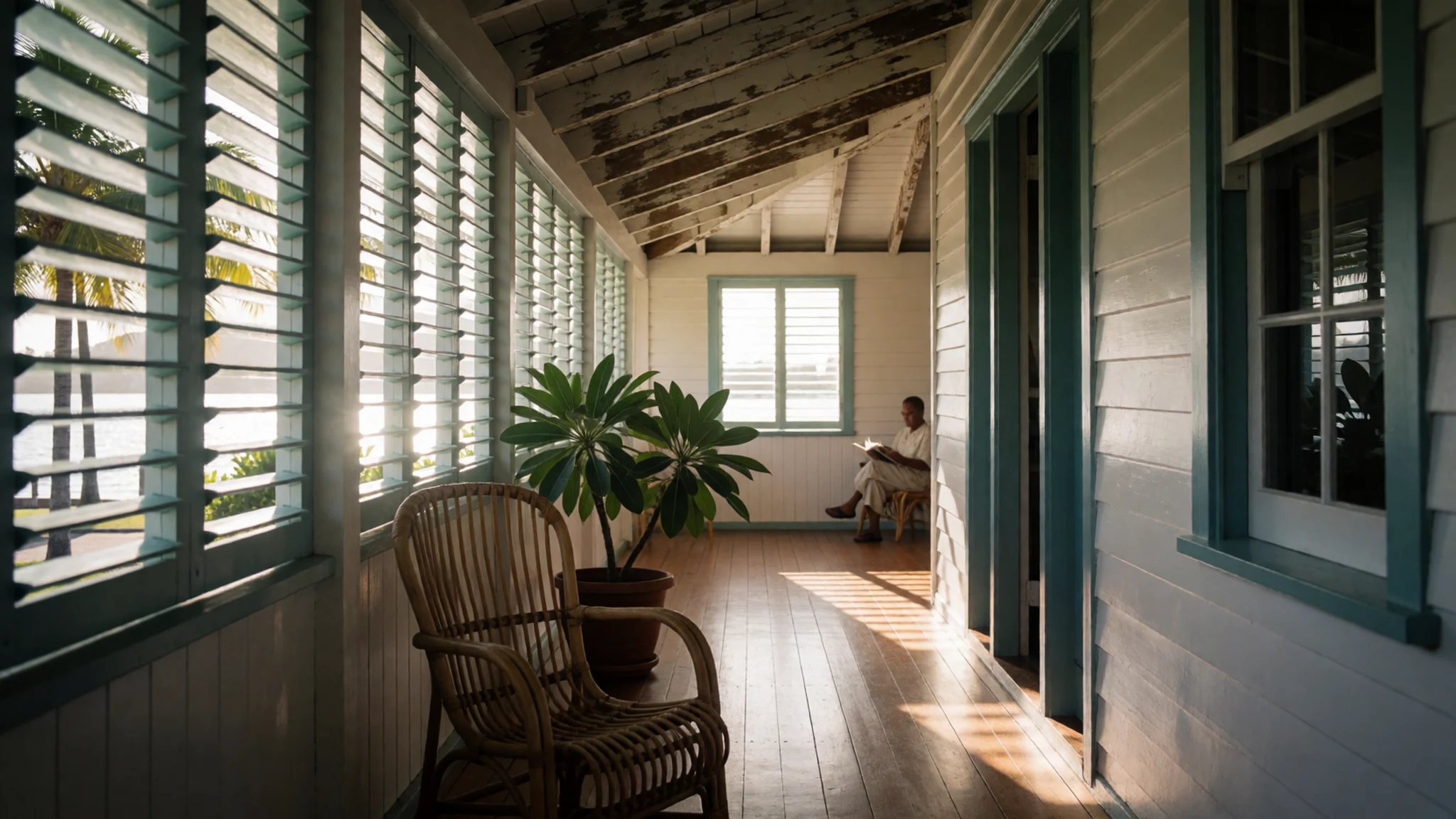
- Savarekareka Mission chapel — North of town along the coast
About 10 km north of Savusavu, this Catholic chapel dates from the colonial period and is still used for worship. It is a quiet, simple stop on a drive along the coast. Visit outside service times, dress modestly, and ask before taking photographs of people or inside the building.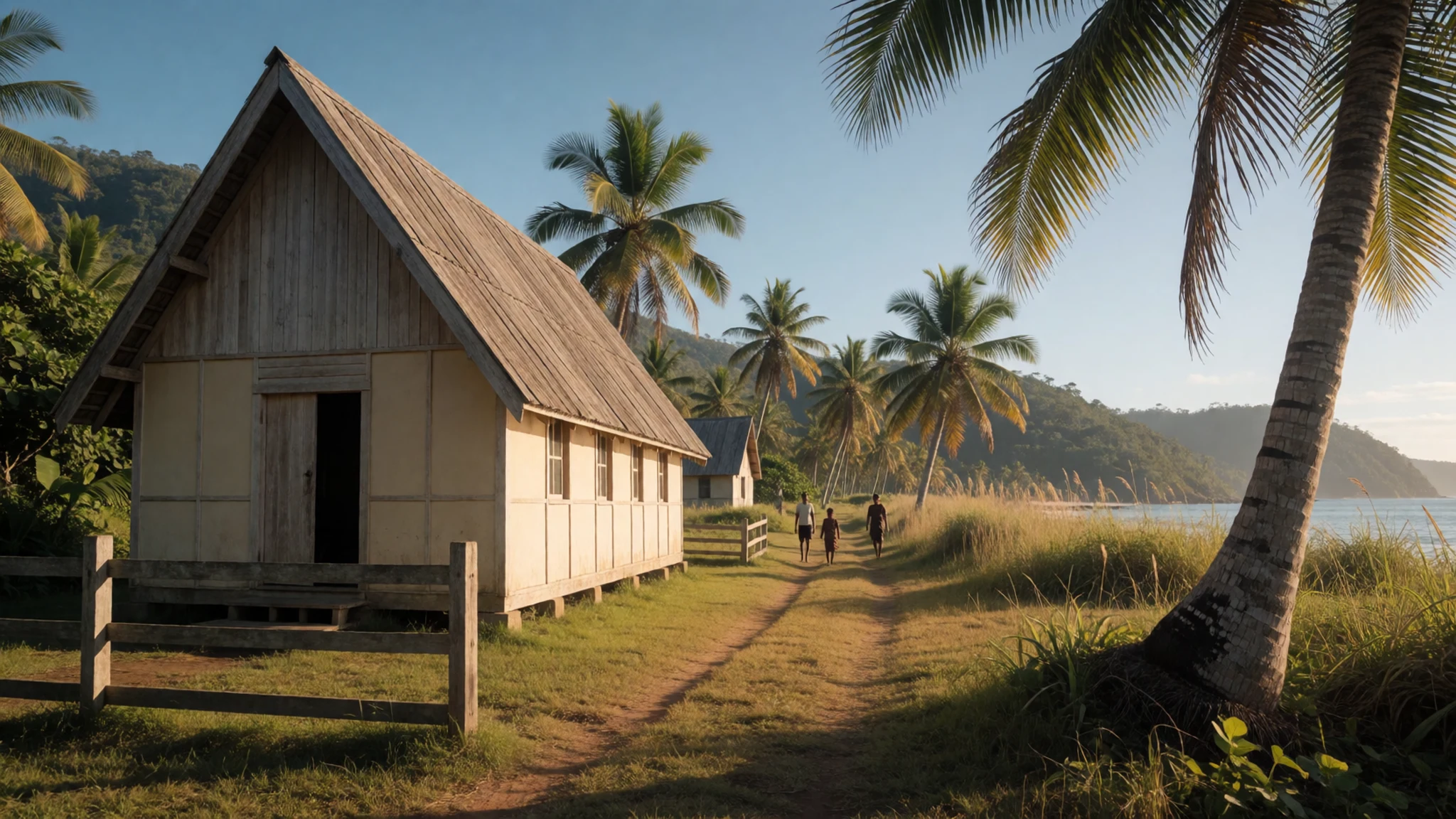
- Natewa/Tunuloa Peninsula bird area — Peninsula interior, south Vanua Levu
Much of the peninsula's interior is an Important Bird Area, with some of the old-growth forest that remains on the peninsula. It supports the vulnerable shy ground dove, and the Fiji parrotfinch has been photographed around Savusavu. Go with a local guide, as trails are rough and birds are easy to miss.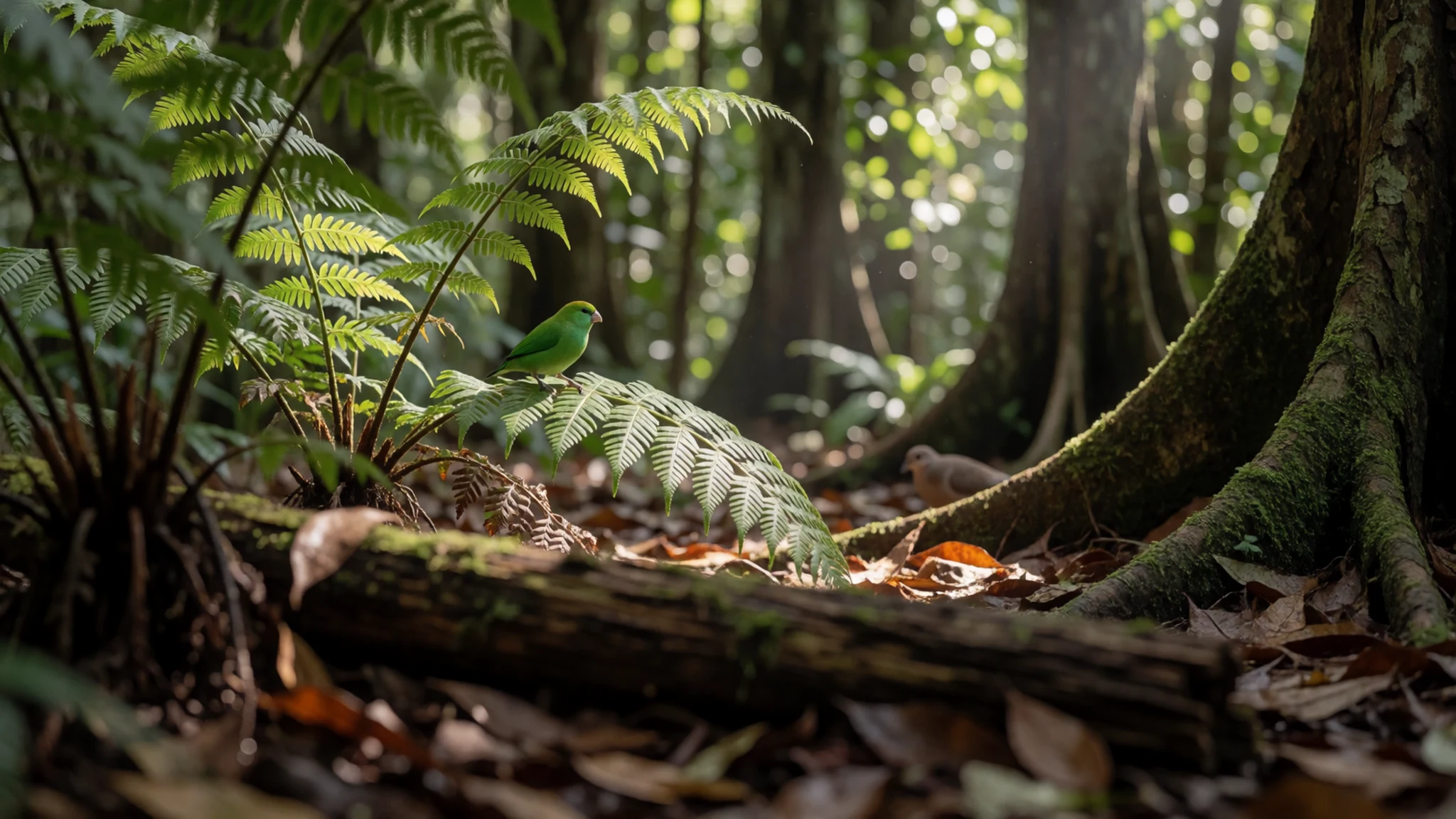
Culture
Savusavu is a town where Fijian village customs and everyday modern life run side by side. Most people in the surrounding villages belong to the traditional chiefly structure of Cakaudrove, and respect for chiefs, elders and land is part of daily manners. Church is central: Sundays are quiet, shops often close or keep short hours, and singing from village churches carries across the water. Kava, a mildly numbing drink made from the root of the yaqona plant, is the social centrepiece. It is shared in a bowl in a circle, with a clap before and after drinking, and it marks welcomes, ceremonies and long evenings. A visitor invited into a village is usually expected to bring a bundle of kava root as a gift, presented to the chief or a spokesperson in a short welcome ceremony called sevusevu. Fiji-Indian families also live and trade in the region, so temples, curries and festivals such as Diwali are part of the wider picture, though Vanua Levu's biggest Indian community is around Labasa. Greetings of 'bula' are used constantly and answered in kind. Fiji time is real: schedules slip, ferries wait for cargo, and patience is better than irritation. When visiting a village, dress modestly with shoulders and knees covered, take off your hat and sunglasses, ask before taking photographs of people, and let your host guide you on when to sit and what to do.
What to wear
In Savusavu, traditional Fijian dress centres on the sulu, a wrap of cloth worn at the waist by men and women, in plain colours for everyday use and in more formal cuts for church, offices and ceremony. Masi, a bark cloth made from the mulberry plant and decorated with stencilled or hand-painted patterns in brown and black, is worn and displayed at weddings, funerals and chiefly occasions. Women may wear fibre skirts called liku for dance and ceremony, and woven mats and flower garlands add colour to celebrations. Day to day, people dress for heat and rain. Men wear shirts, often loose floral bula shirts, with a sulu or shorts, and women wear long skirts, light dresses or blouses with a wrap; school uniforms and church clothes are neat and quite formal. Rubber flip-flops are normal. A visitor should pack light, quick-drying cotton or linen, plus a rain jacket for sudden downpours. Swimwear is fine on resort beaches and boats, but in town and villages shoulders and knees should be covered, and sleeveless tops or short shorts are better left for the water. Bring reef shoes for snorkelling and rocky shores, sturdy sandals or trainers for forest paths, sun protection, a hat, and a sarong that can double as a cover-up, a towel and a respectful wrap for a village visit.
What to eat
- Kokoda — Restaurants and cafés along the waterfront, and village homes
Raw fish cured in lime juice and mixed with coconut cream, tomato, onion and chilli. It resembles ceviche but is richer and gentler. Served chilled, usually as a starter, it is best where the catch has come in that morning.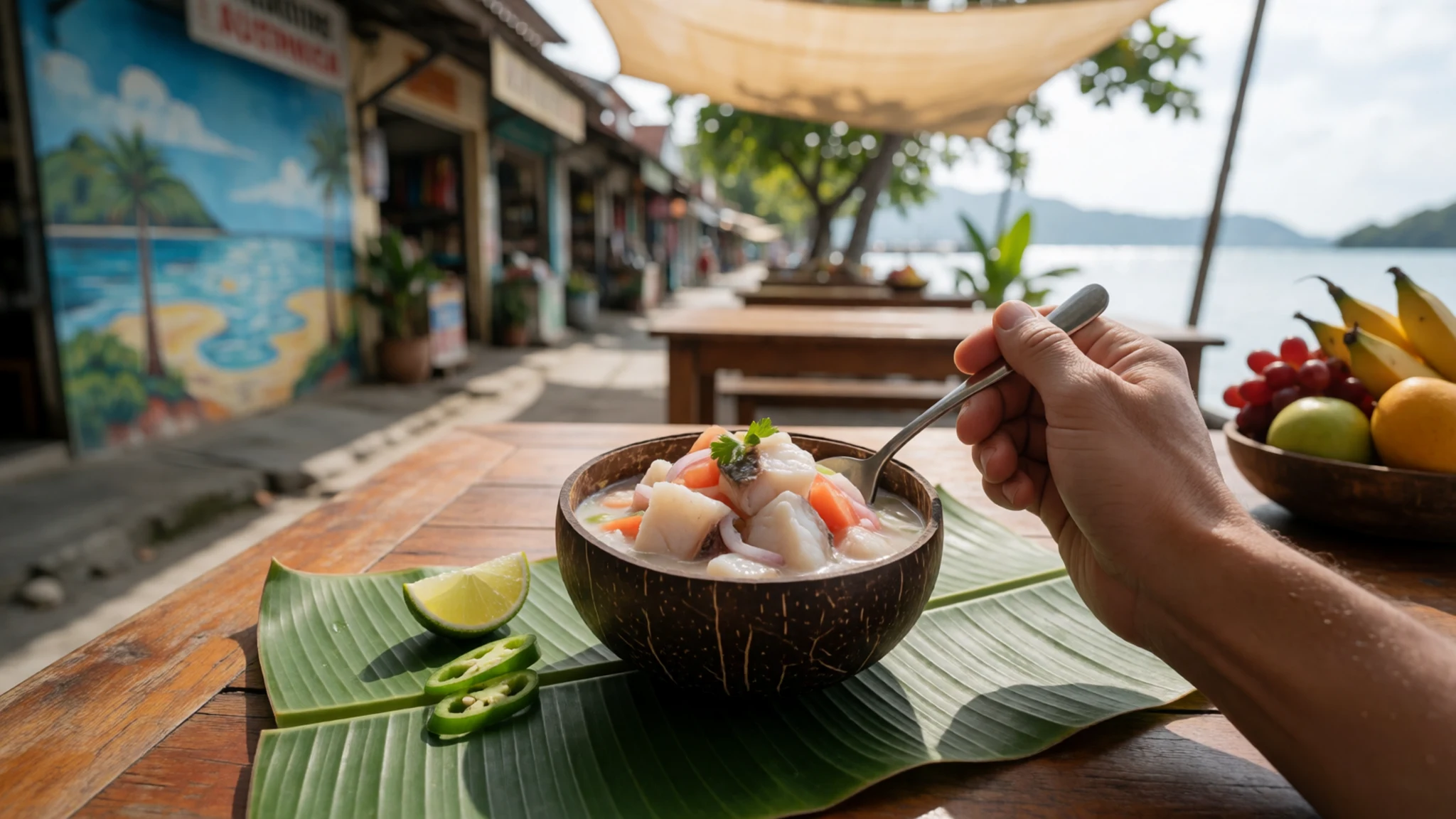
- Lovo — Village feasts and some resort nights
Food cooked in an earth oven: parcels of root crops, meat and fish wrapped in leaves and buried over heated stones. The result is smoky and soft. Lovo is usually served at celebrations, so an invitation or a resort lovo night is the usual way to try it.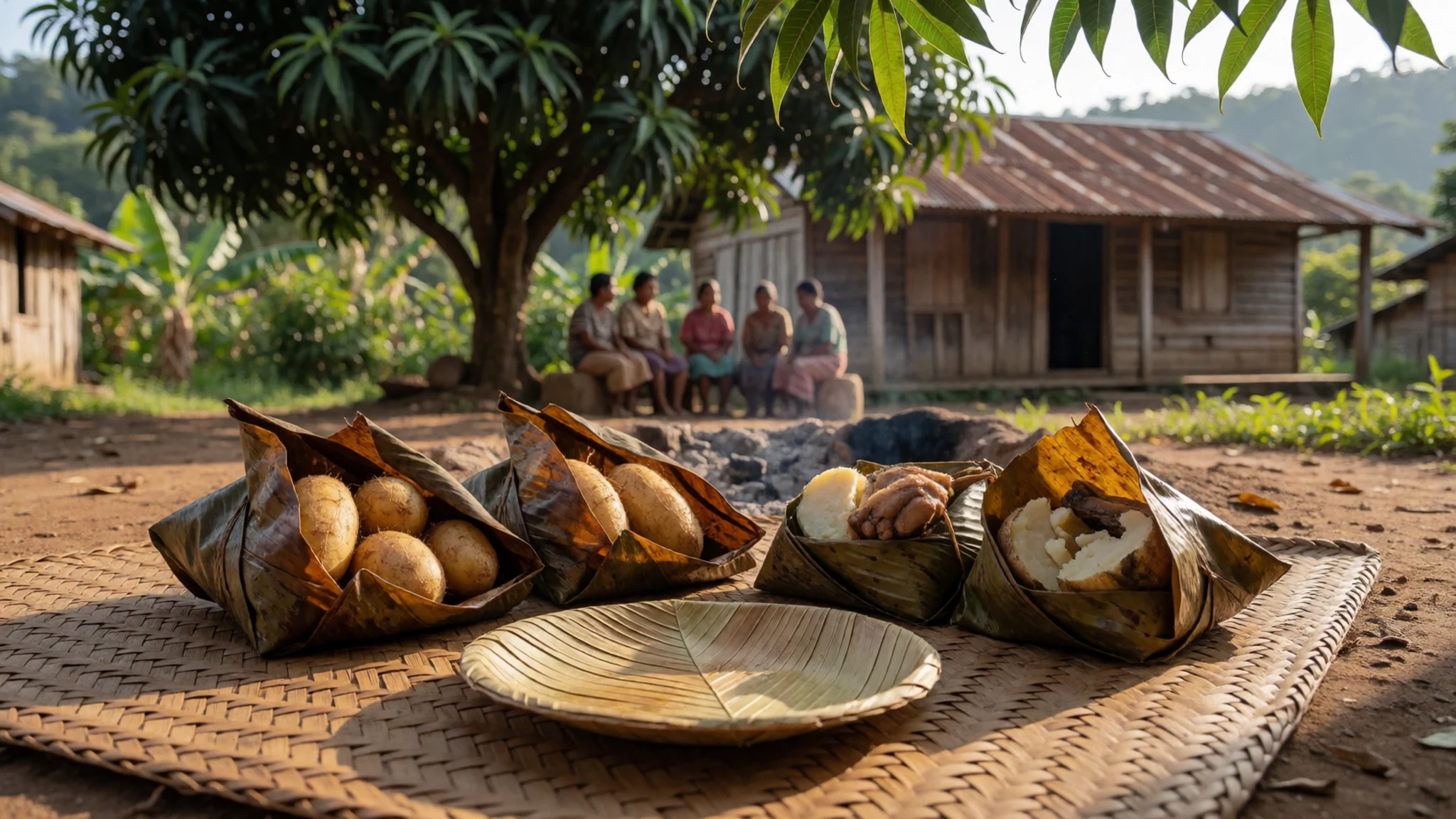
- Rourou and taro — The town market and village meals
Rourou is made from young taro leaves, often simmered in coconut milk until soft. It is served with boiled taro, cassava or sweet potato. The dish is mild, earthy and filling, and fresh leaves and root crops are easy to find at the market. - Fiji-Indian curries and roti — Small eateries in the town centre
Curries made with goat, chicken, fish or vegetables and served with roti or rice reflect the region's Indian community. Local versions are often milder than in India and use coconut. Look for busy lunchtime eateries near the bus station. - Fresh coconut and tropical fruit — Market stalls and roadside stands
Green coconuts are cut open on the spot for water and soft flesh, and stalls sell papaya, pineapple, bananas and other seasonal fruit. These are simple, cheap, refreshing stops in the heat, and a good way to eat well while moving between sights.
Plan it
Best time. May to October is generally the drier and slightly cooler season, with better conditions for diving, sailing and walking. November to April is hotter, wetter and more humid, and storms and cyclones are a possibility, so check forecasts and keep plans flexible.
How long. 3–5
Getting there. Fly from Nadi to Savusavu, a flight of about one hour; the airstrip is a short taxi or local bus ride from town. Ferries from Suva or Lautoka take about 12 hours, and Patterson Brothers Shipping connects Vanua Levu with Viti Levu and Ovalau, so check the operator's website for current timetables.
Budget. mid
Tips
- Book flights and any ferry cabin early in school holidays and the dry season, as capacity is limited.
- Carry some cash for the market, buses, taxis and village visits; card use can be patchy outside the main town.
- Drink bottled or filtered water, and use sun protection, insect repellent and a rain jacket.
- Go to the market early, when stalls are busiest and the heat is gentler.
- Hire a local guide for birdwatching or forest walks, as trails can be rough and unmarked.
Etiquette
- Bring kava as a gift and follow your host's lead when visiting a village.
- Cover shoulders and knees in villages and churches, and remove hats before entering.
- Ask permission before photographing people, and keep quiet on Sundays.
Nearby
Sources
- Wikidata Q619440 (CC0)
- Wikipedia: Savusavu (rev 1379554575) (CC BY-SA 4.0)
- Wikivoyage: Savusavu (rev 5244709) (CC BY-SA 4.0)
- Photo: Savusavu, Fiji (Paul Dashwood) (Public domain)
- Photo: Vanua Levu map (Kelisi) (CC BY-SA 4.0)
- Photo: Na Savu, Feejee, with the Na Savu at Anchor (Wesleyan Methodist Missionary Society) (Public domain)
- Photo: Admiralty Chart No 727, Savu Savu Bay (UK Hydrographic Office) (Public domain)
- Photo: Engineers building a classroom, Pacific Partnership 2015 (Sgt. Valerie Eppler) (Public domain)
- Photo: Ficus elastica (PseudoscienceFTL) (CC BY 3.0)
- Photo: Fiji Parrotfinch, cropped (Aviceda) (CC BY 3.0)
- Photo: Fiji Parrotfinch (Aviceda) (CC BY 3.0)


Wildlife
- Shy ground dove (animal)
The shy ground dove is a pigeon-family bird that lives on islands across the South Pacific and, as its name hints, prefers to keep out of sight. It is listed as vulnerable, and the old forest in the interior of the Natewa/Tunuloa Peninsula, near Savusavu, helps to protect it. Go with a local guide, walk softly and speak quietly. Keep a respectful distance from any bird you find, and never feed it.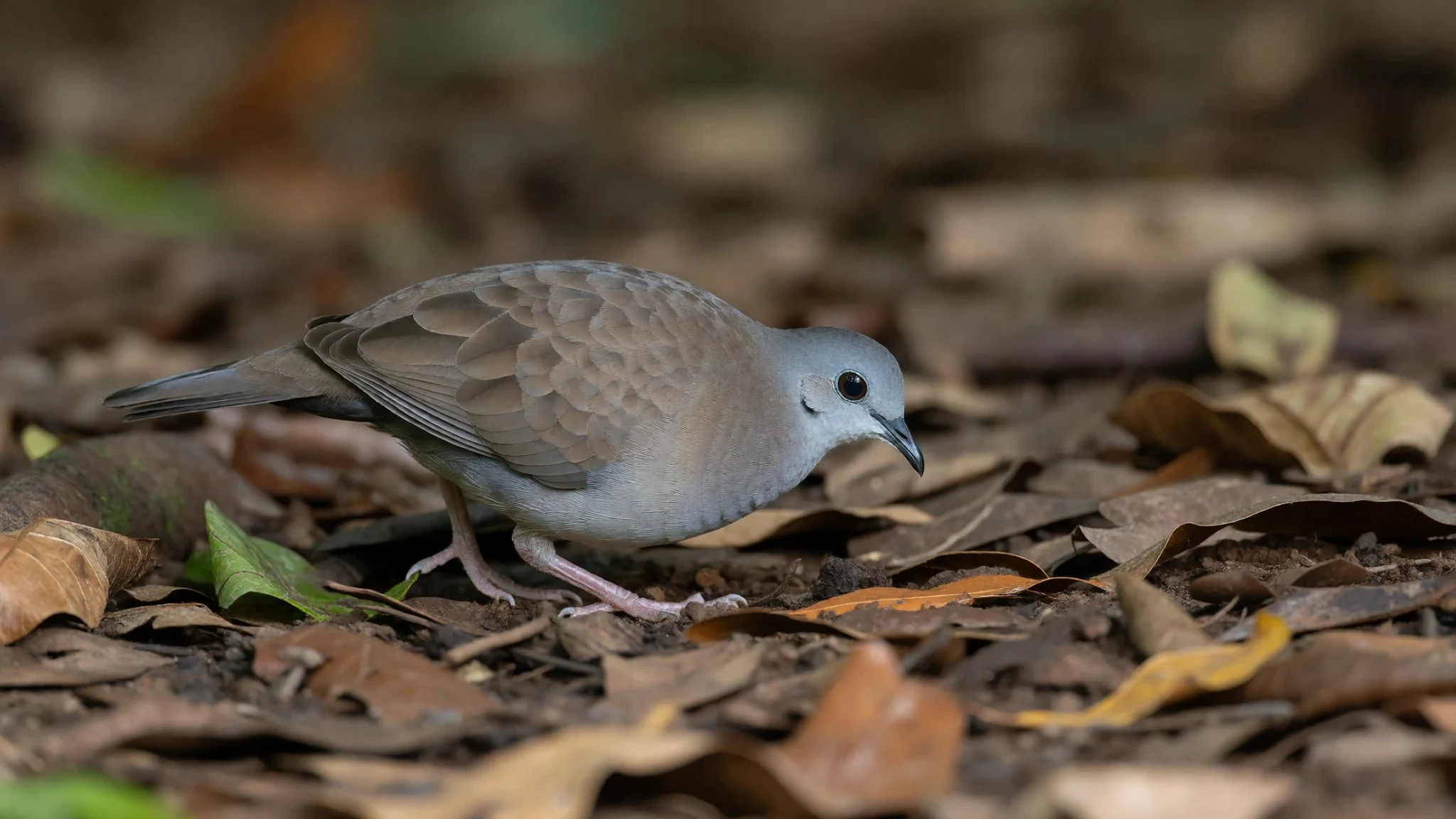
- Shy ground dove (bird)
The shy ground dove is a pigeon-family bird that lives on islands across the South Pacific and, as its name hints, prefers to keep out of sight. It is listed as vulnerable, and the old forest in the interior of the Natewa/Tunuloa Peninsula, near Savusavu, helps to protect it. Go with a local guide, walk softly and speak quietly. Keep a respectful distance from any bird you find, and never feed it. - Fiji parrotfinch (animal)
Picture a tiny green bird wearing a bright red head and tail, with a short slate-grey beak: that is the Fiji parrotfinch, found nowhere else in the world. It has been photographed around Savusavu, and it is happy in forest, grassy pasture and even gardens, so keep your eyes open wherever you wander. Watch from a polite distance, stay quiet and still, and ask a local guide where to look. Never offer food; it finds its own seeds, insects and nectar. - Fiji parrotfinch (bird)
Picture a tiny green bird wearing a bright red head and tail, with a short slate-grey beak: that is the Fiji parrotfinch, found nowhere else in the world. It has been photographed around Savusavu, and it is happy in forest, grassy pasture and even gardens, so keep your eyes open wherever you wander. Watch from a polite distance, stay quiet and still, and ask a local guide where to look. Never offer food; it finds its own seeds, insects and nectar.