Fiji
Fiji, Fiji

Fiji offers volcanic island peaks, ancient river valleys, and a multicultural Pacific heritage across hundreds of tropical shores.
The place
Fiji stands as an archipelagic nation in the Melanesia region of Oceania, positioned in the South Pacific Ocean. The country comprises an extensive collection of islands and islets, with a fraction of them supporting permanent settlements. The vast majority of the population inhabits the two main landmasses, Viti Levu and Vanua Levu, where coastal plains meet dramatic interior terrain. On Viti Levu, residents cluster near the capital city of Suva, alongside urban centres such as Nadi and Lautoka, leaving the rugged mountain interior sparsely populated due to its challenging topography. Volcanic activity forged the majority of these islands over millions of years, leaving behind fertile soils and occasional geothermal features on the outer islands. Surrounding waters teem with marine life, supporting coastal communities that have looked to the ocean for generations. Trade routes and historical migrations have shaped the social fabric, blending indigenous traditions with influences from across the Pacific and beyond. Visitors arrive to find dense rainforests, winding river systems, and communities that maintain deep connections to their ancestral lands while welcoming travellers from around the world.
Its story
Fiji holds a deep archaeological record stretching back thousands of years through early maritime migrations. Pottery fragments recovered from early settlements indicate that Austronesian peoples reached the islands long before European contact, bringing maritime skills and material culture. Melanesian populations followed centuries later, creating a complex cultural synthesis that blended elements from western Pacific traditions with older Polynesian practices. Archaeological excavations across various sites demonstrate early human presence, with artifacts pointing to established trade networks connecting Fiji to neighbouring archipelagos long before written records began. During later centuries, regional political structures expanded, and the islands came within the sphere of influence of the Tu'i Tonga Empire. European explorers mapped parts of the archipelago in subsequent eras, bringing missionaries, traders, and eventual colonial administration that altered traditional governance. Despite these profound shifts, indigenous kinship systems, communal land ownership, and traditional leadership roles persevered, forming the bedrock of modern Fijian identity and ensuring that ancient customs continue to inform daily life across the island group.
What to see
- Garden of the Sleeping Giant — Nadi foothills, Viti Levu
Located near Nadi on Viti Levu, this botanical reserve was once owned by actor Raymond Burr. Today, the expansive grounds hold extensive collections of native orchids, cultivated tropical plants, shaded walkways, and a tranquil central lily pond beneath the mountain foothills.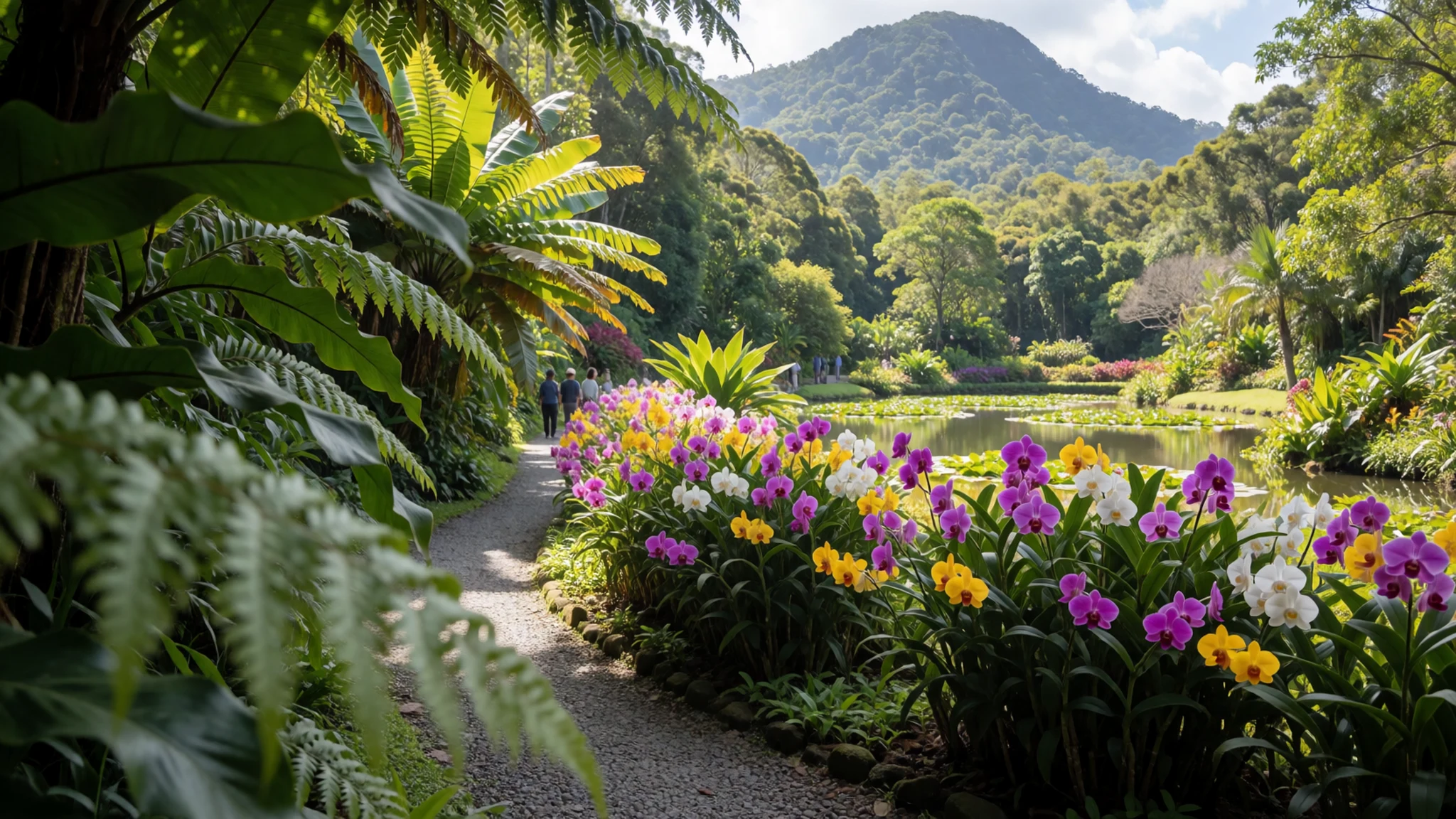
- Navala Village — Highlands, Viti Levu
Tucked away in the interior highlands of Viti Levu, Navala is renowned as one of the last remaining settlements that preserves a traditional architectural style. Dozens of thatched roof bures line the terraced river valley, maintaining historical building methods passed down through generations.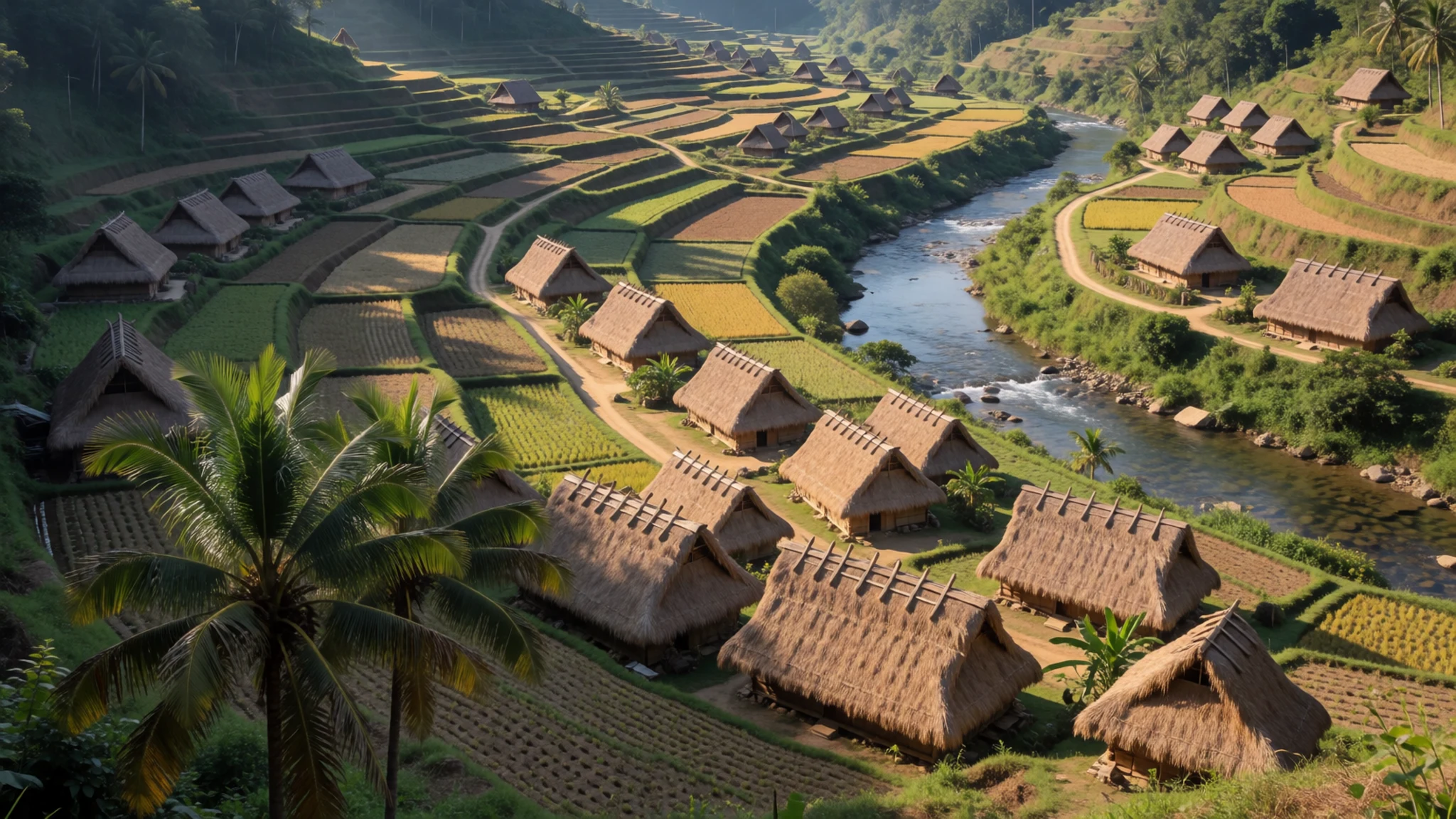
- Rivers Fiji Whitewater Rapids — Interior river systems, Viti Levu
Navigating the interior river networks reveals deep jungle gorges and clear upland streams. Local outfitters run regular kayaking and rafting excursions through remote valleys, offering travellers an immersive perspective of the rugged volcanic landscape away from the coastal resorts.
- The Pearl Championship Golf Course — Pacific Harbour, Viti Levu
Situated in Pacific Harbour on the southern coast of Viti Levu, this established course winds through dense tropical forests and waterways. It provides a sporting challenge framed by mature palms and native vegetation characteristic of the southern coastal lowlands.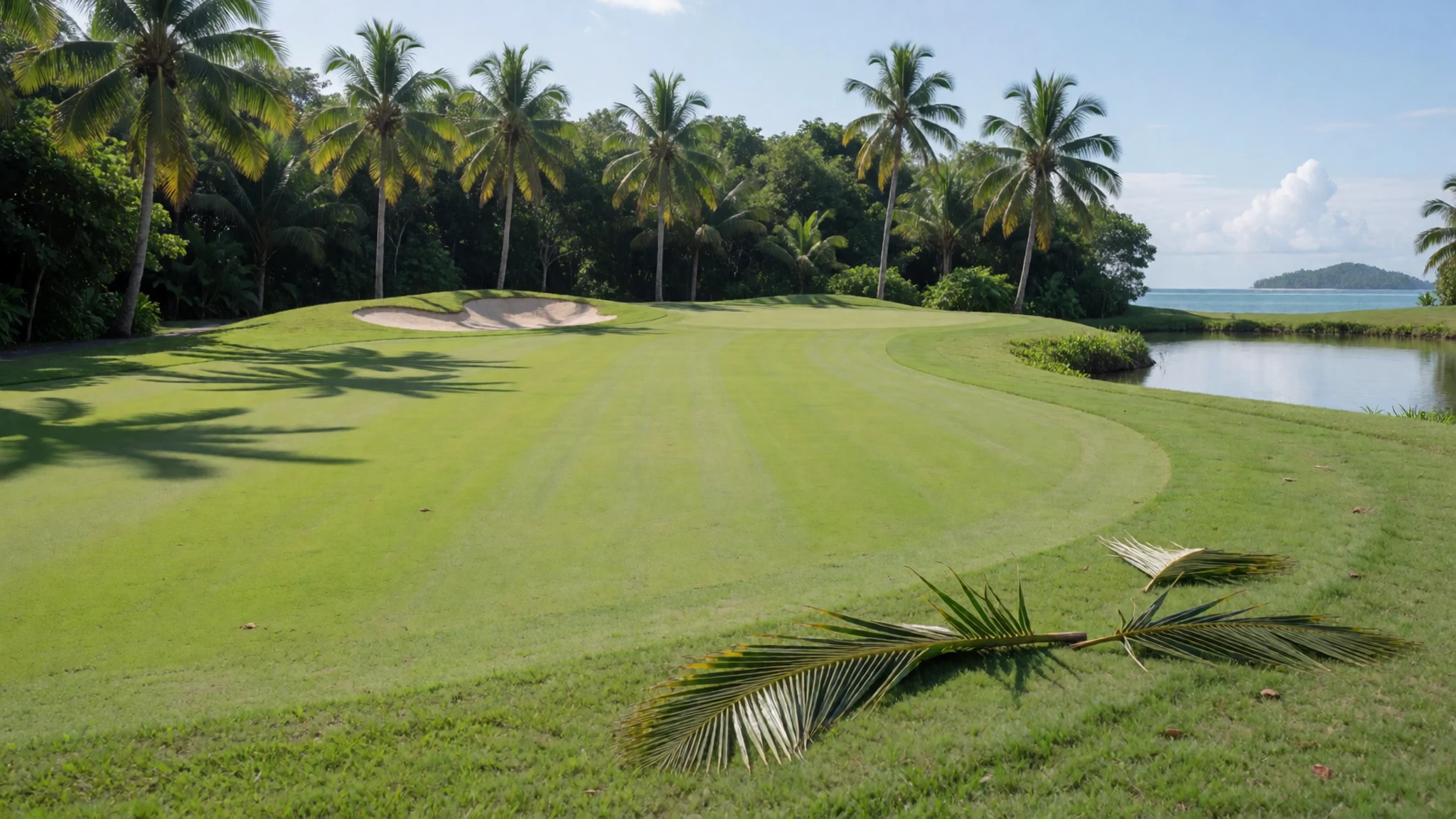
- Suva Municipal Market — Downtown Suva
The lively indoor and outdoor market in the capital brings together farmers and fishermen from across the region. Stalls overflow with root vegetables, fresh seafood, and seasonal tropical fruits, offering an authentic glimpse into the daily commerce and culinary staples of the country.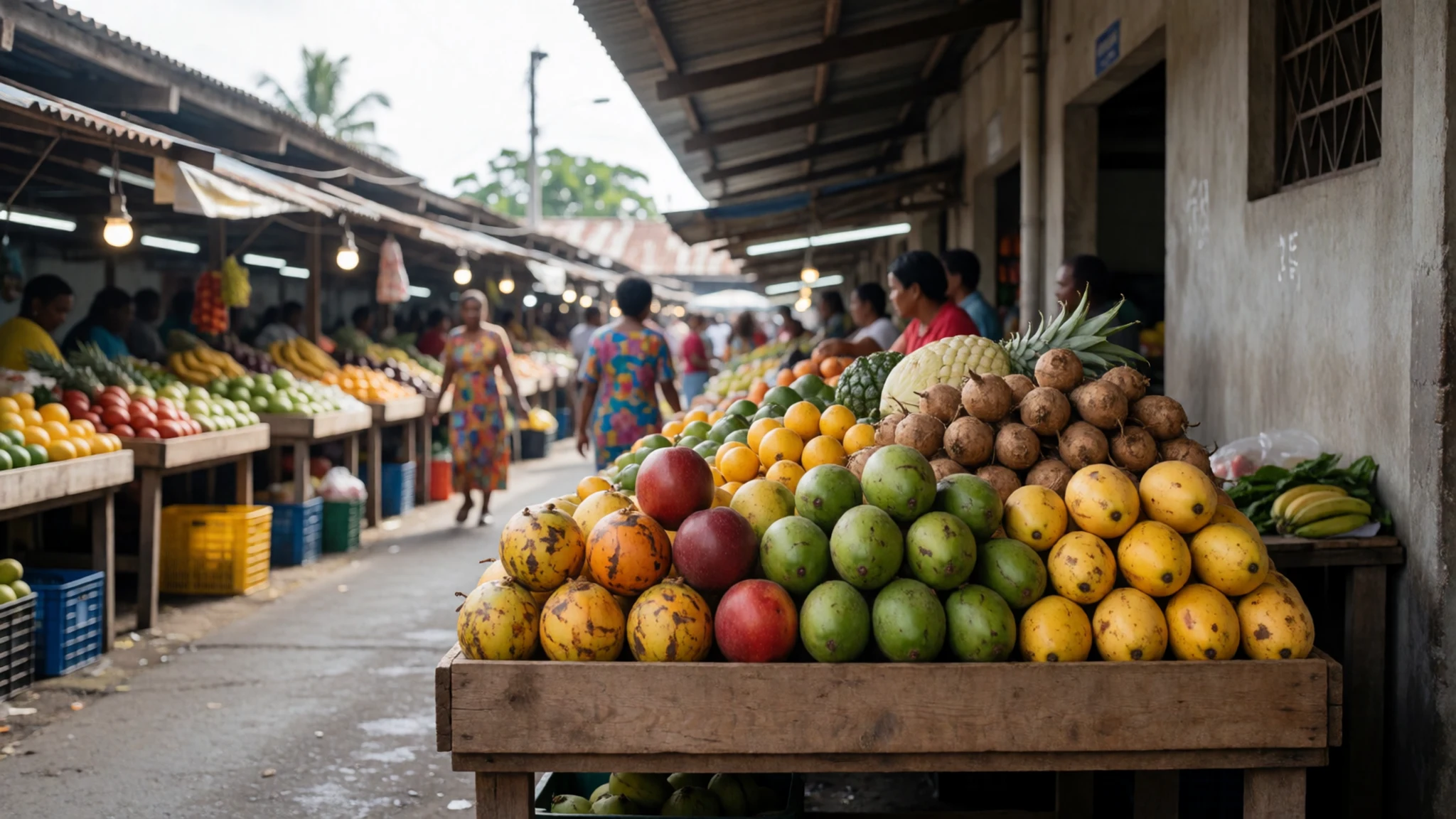
Culture
Fiji maintains a vibrant multicultural society where indigenous traditions blend harmoniously with customs brought by Indian, Chinese, and other Pacific communities over the past century. Communal life remains central, anchored by extended family networks, village councils, and traditional protocols that govern social interactions. Rugby sevens commands immense national passion, uniting communities across urban and rural areas alike during matches and tournaments. Cultural expressions are visible in traditional dance, intricate craftwork, and ceremonial gatherings where etiquette is observed with great care. Visitors entering traditional villages are expected to respect local customs, particularly when meeting village elders or participating in communal ceremonies. Always remove your hat and sunglasses within a Fijian village, and carry a modest gift of kava root for the formal welcoming ceremony.
What to wear
Fiji balances traditional garments with contemporary tropical attire suited to the warm island climate. Traditional textiles historically included bark cloth, known locally as masi, which features intricate hand-painted geometric patterns and is reserved for significant cultural events, weddings, and formal ceremonies. Everyday wear across towns and villages is casual and practical, typically consisting of lightweight cotton shirts, shorts, and light dresses designed to handle high humidity and coastal breezes. Men and women alike frequently wear the sula, a traditional wrap-around skirt that remains a standard part of professional and formal attire across the islands. Visitors should pack lightweight, breathable fabrics and ensure they bring modest clothing that covers shoulders and knees when visiting inland villages, religious sites, or urban markets. Sturdy sandals or reef shoes are essential footwear for exploring rocky shores and shallow coral waters.
What to eat
- Kokoda — Local cafes and restaurants throughout the islands
A refreshing dish of raw fish marinated in fresh lemon juice and rich coconut milk, combined with diced onions, chillies, and tomatoes. It is similar to ceviche and can be found in eateries and local restaurants across the islands.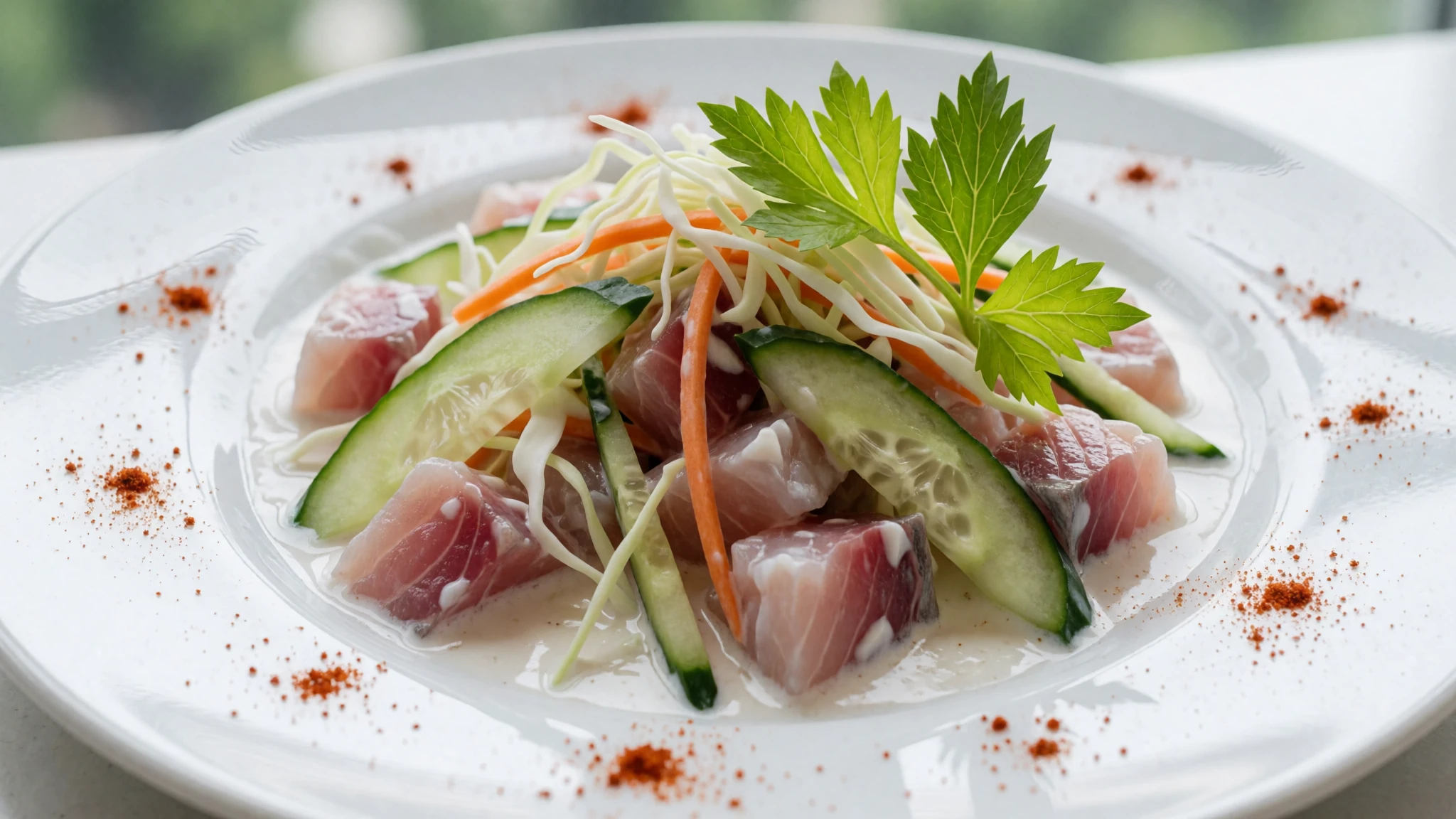
- Palusami — Traditional eateries and local markets
Tender taro leaves layered with coconut milk, onions, and lemon juice, often wrapped around pieces of meat or fish and baked until rich and creamy. It is a staple comfort dish available at traditional eateries.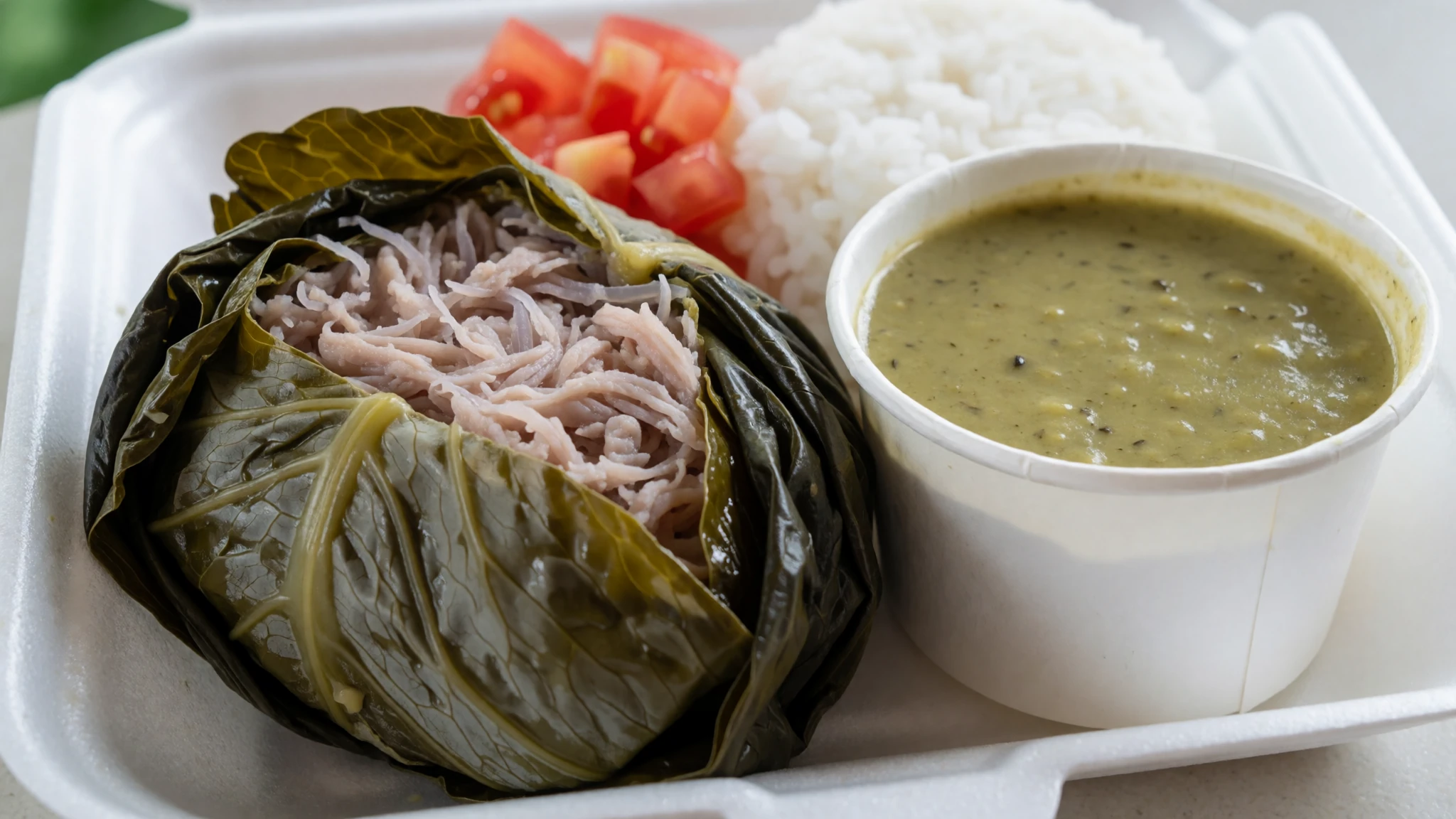
- Lovo Feast — Resort dining events and village celebrations
A traditional method of cooking food in an underground earth oven heated by hot stones, resulting in tender meats, root vegetables, and fish infused with smoky flavours. While not served in standard restaurants, many resorts host evening lovo feasts. - Cassava and Taro — Town farmers' markets and local food stalls
Starchy root vegetables that form the foundation of Fijian agriculture and daily meals, typically boiled, roasted, or mashed as an accompaniment to fish and coconut dishes. They are stocked in abundance at every regional market. - Fresh Tropical Fruits — Farmer's markets in any town
A rotating selection of seasonal island produce, including sweet papayas, pineapples, mangoes, and bananas, harvested at peak ripeness. They are sold directly by growers at every town farmer's market.
Plan it
Best time. May to October offers the coolest, driest weather with lower humidity, making it ideal for coastal exploration and outdoor activities.
How long. 5–7
Getting there. Fly into Nadi International Airport on Viti Levu, which serves as the primary international aviation hub for the Pacific region.
Budget. mid
Tips
- Check visa requirements and entry permits well in advance of travel
- Carry cash for purchases in rural villages and small town markets
- Drink bottled or boiled water when exploring away from major resorts
- Respect village protocols by dressing modestly and removing hats indoors
Etiquette
- Remove your hat and sunglasses when entering any traditional Fijian village
- Seek permission from village elders before photographing local residents
Nearby
Sources
- Wikidata Q712 (CC0)
- Wikipedia (CC BY-SA 4.0)
- Wikivoyage (CC BY-SA 4.0)