Levuka
Levuka, Fiji
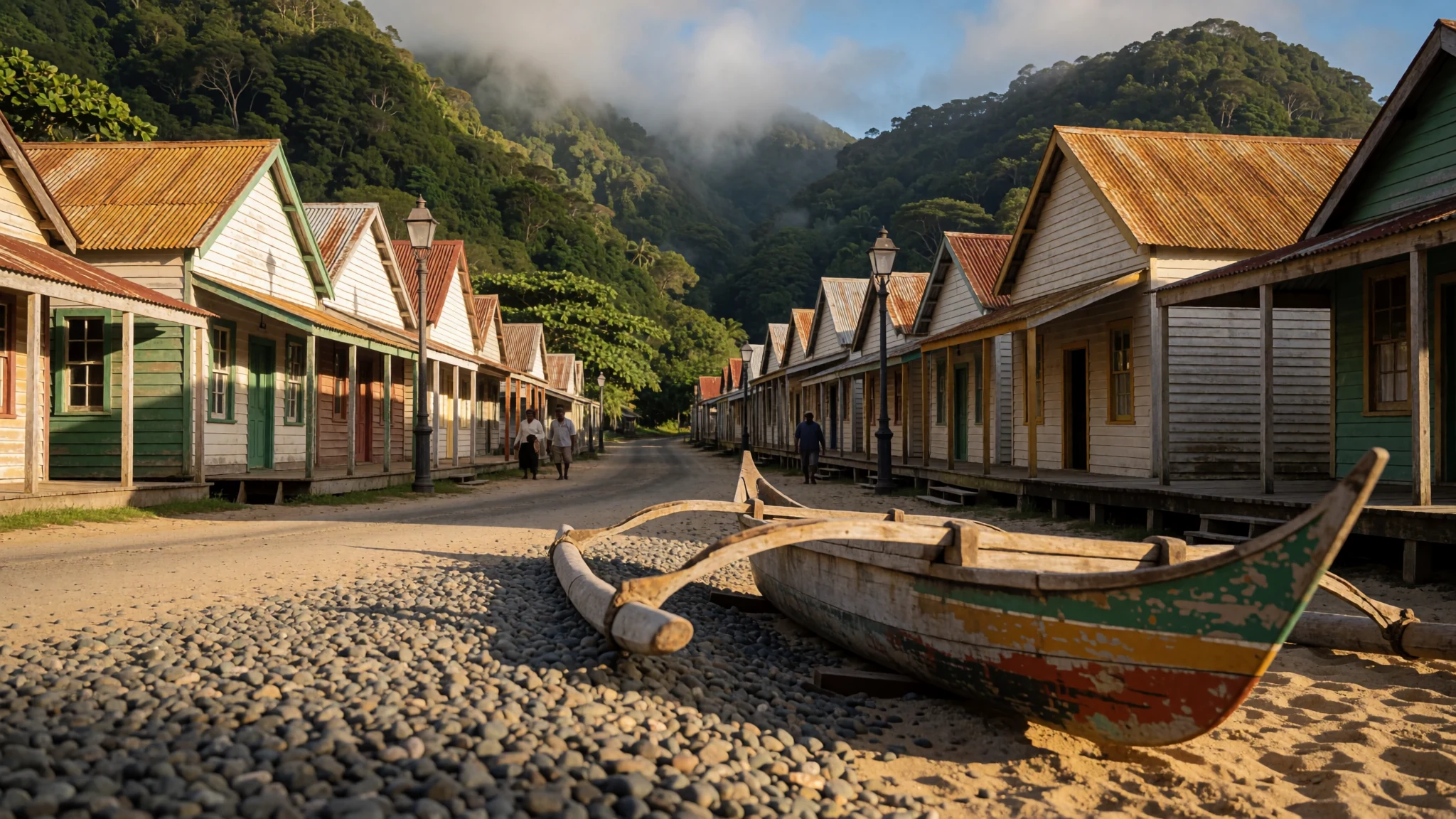
Levuka is a small colonial-era port on Ovalau, where a UNESCO-listed waterfront still feels like a frontier town from an earlier age.
The place
Levuka is a town on the eastern coast of Ovalau, the main island of the Lomaiviti group in Fiji's Eastern Division. Its streets run in a narrow strip between steep green hills and the sea, and most of the older buildings sit along one main waterfront road, many with wooden verandas and corrugated iron roofs. Levuka was designated a UNESCO World Heritage Site in 2013, recognised for what it shows of the late colonial port towns of the Pacific rather than for any single monument.
The island itself is volcanic and lush, ringed by coral reefs. Its peaks rose from the deep ocean long ago and have since gone quiet, leaving a landscape of ridges, rainforest and small villages. Levuka is the largest settlement on the island and its commercial centre, though it is small enough to walk end to end in a short morning. Much of the activity now clusters around the harbour, the market area and the few shops along the main street.
Tourism here is modest. Flights are limited, and most visitors arrive by sea or by a long bus-and-ferry journey from Suva, which keeps numbers low and the pace slow. The historic fabric matters more than attractions in the usual sense: the churches, a mission hill, old commercial buildings and the view across the reef are the main draws, along with the walking and the boat trips that leave from the waterfront.
Expect heat and humidity for much of the year, afternoon showers and quiet evenings. Services are basic, so plan meals and cash in advance, and treat the town as a base for exploring the island rather than a place to tick off in an afternoon.
Its story
Levuka grew up around European traders and missionaries who settled on this coast in the early nineteenth century, drawn by its harbour and its place on the shipping routes of the Pacific. The people who came were a mixed crowd: traders and shipwrights, missionaries, speculators and drifters, alongside more settled businessmen. For a while the settlement was a busy commercial hub, especially for the sea cucumber trade that linked the islands to Asian markets.
In 1858, Marist priests established a mission, and Wesleyan missions were put up at about that same point in time. Levuka still has the Sacred Heart Church, a convent school run by the Marist order, and two Methodist churches from that era. When the Kingdom of Fiji was founded in 1871, its king was crowned at Levuka, so the town briefly held the centre of national life.
British annexation in 1874 made Levuka the colonial capital, but the arrangement did not last. Steep hills rising behind the town left little room to expand, and the administration eventually moved to Suva. The town also collected a remarkable list of firsts: a bank, a post office, a school, a hospital, a town hall and a newspaper were all established here, and the Fiji Times began in the town in 1869 and still publishes today.
The twentieth century brought a slow decline. Ships stopped calling as the Pacific routes changed in the 1950s, and the port lost much of its trade. A Japanese-backed tuna firm, PAFCO, was founded in 1964, and a joint cannery opened in 1976. It is now the largest private employer on Ovalau, and it shapes the town's economy far more than tourism does.
What to see
- Mission Hill steps — Above the town
Climb the 199 steps to Mission Hill for a wide panorama over the town and the offshore islands. From the top the view takes in the Lekaleka Reef and the water beyond it. Go in the cooler morning or late afternoon, when the climb is easier and the light on the reef is good. Bring water and wear shoes with grip, since the steps can be slippery after rain.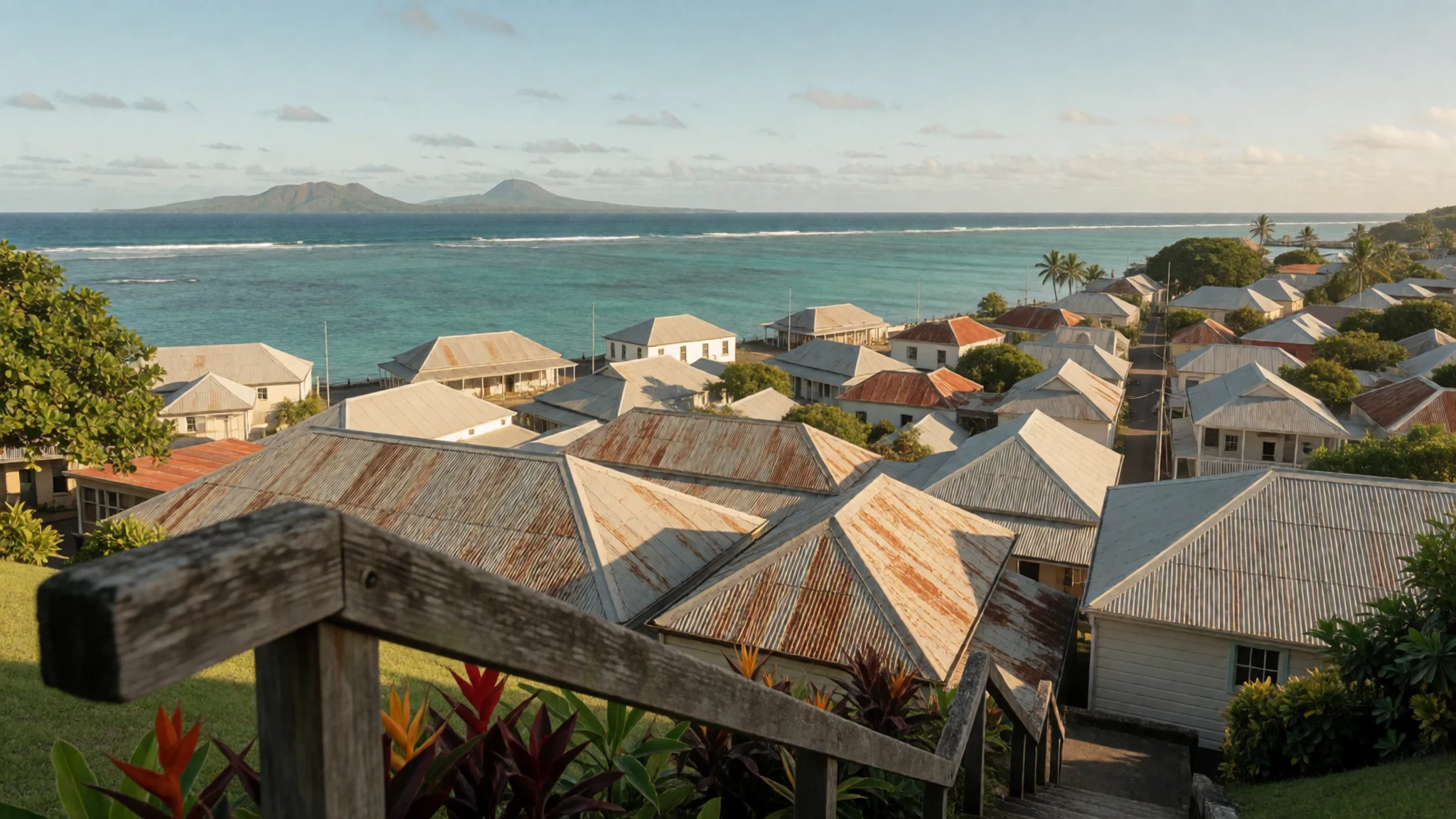
- Sacred Heart Church — Town centre
The Sacred Heart Church is one of the Marist mission buildings that survive from the 1858 mission. Its frontage and setting reflect the early years of the mission in the town. It stands among the historic streets and rewards a quiet visit, with modest dress and low voices. Check locally for opening times, since they are not reliably published.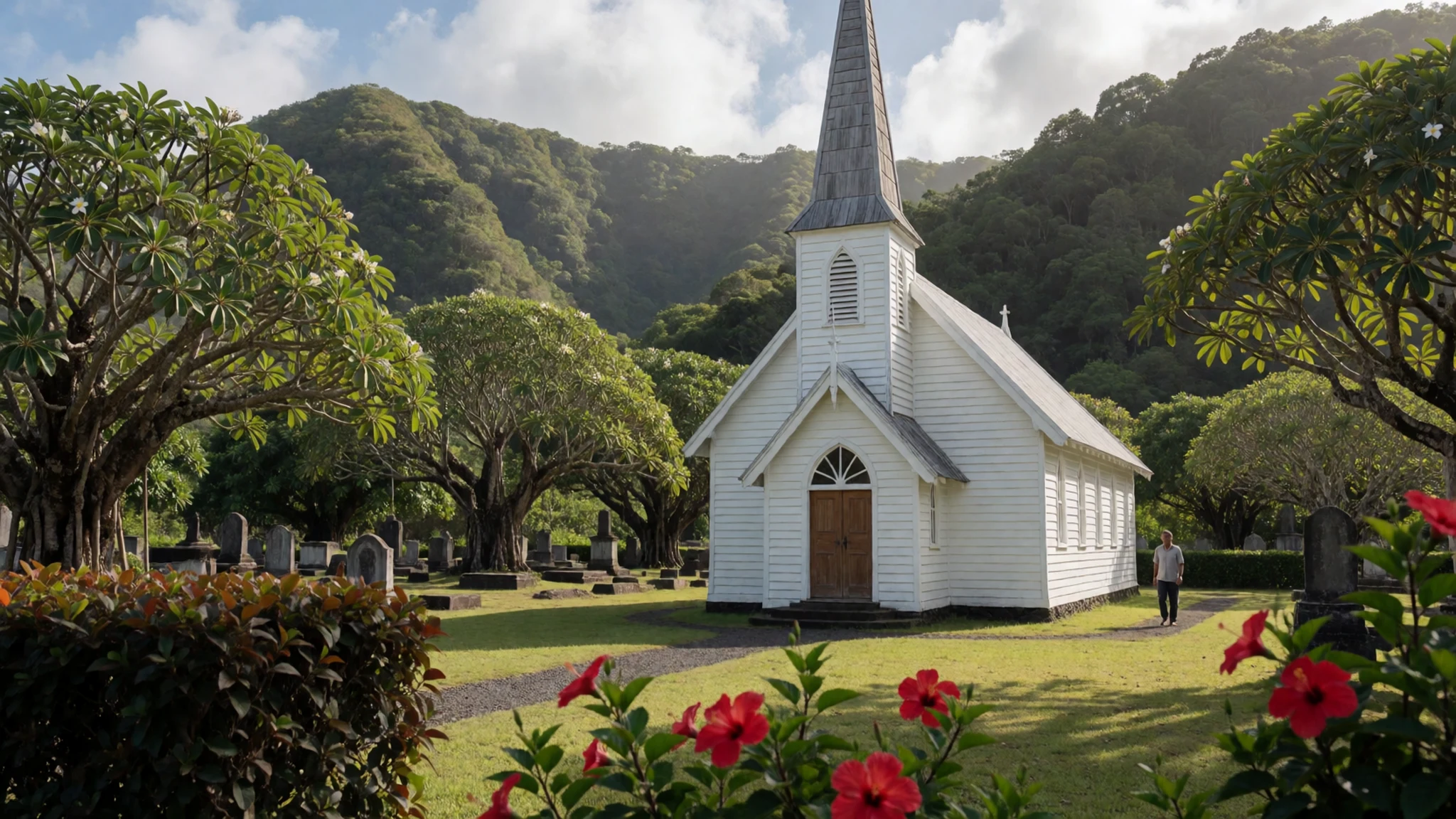
- Levuka Community Centre museum — Town centre
The Levuka Community Centre houses the town's small museum, a good first stop for the history. Displays cover the town's period as a trading port and as Fiji's capital, along with its missions and the trade that built the waterfront. It is small, so allow a short visit before walking the historic streets. Ask staff about opening hours, as these vary.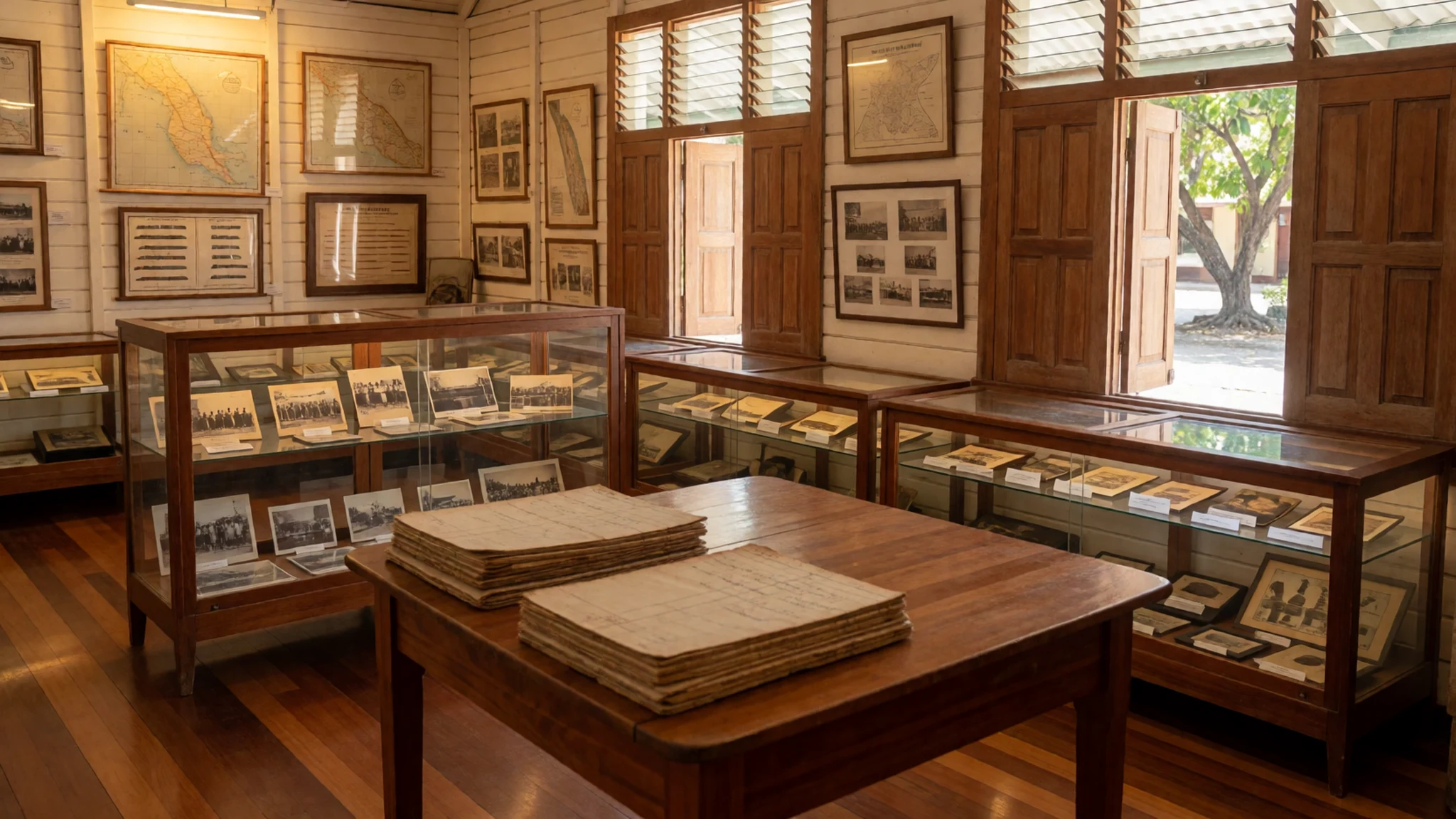
- The Ovalau Club — Town centre
The Ovalau Club is the place to stop for a cold beer after a day of walking. It is a social spot rather than a showpiece, and a good place to start conversations with locals about the island and its history. The atmosphere is relaxed and community-minded, so keep the mood easy and unhurried.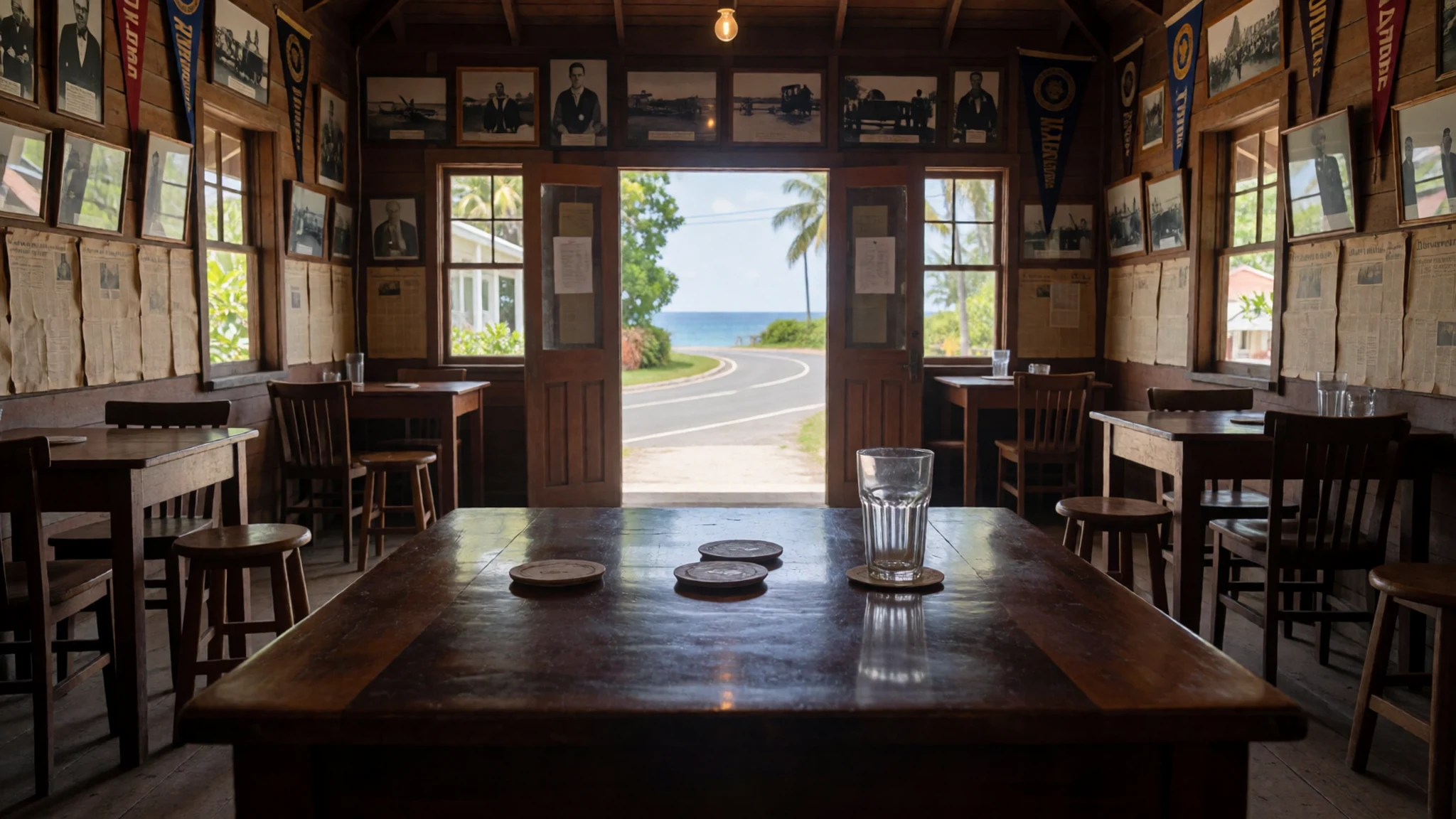
- Lovoni and the crater walk — Ovalau interior
Epi's midland tour climbs over the island and down into a volcanic crater to reach Lovoni, a small village. Ask for Epi in Levuka, as he is well known locally. The walk shows the island's interior, its rainforest and the way villages sit within the old volcanic landscape. Set off early, carry water and a light rain layer, and ask before photographing anyone in the village.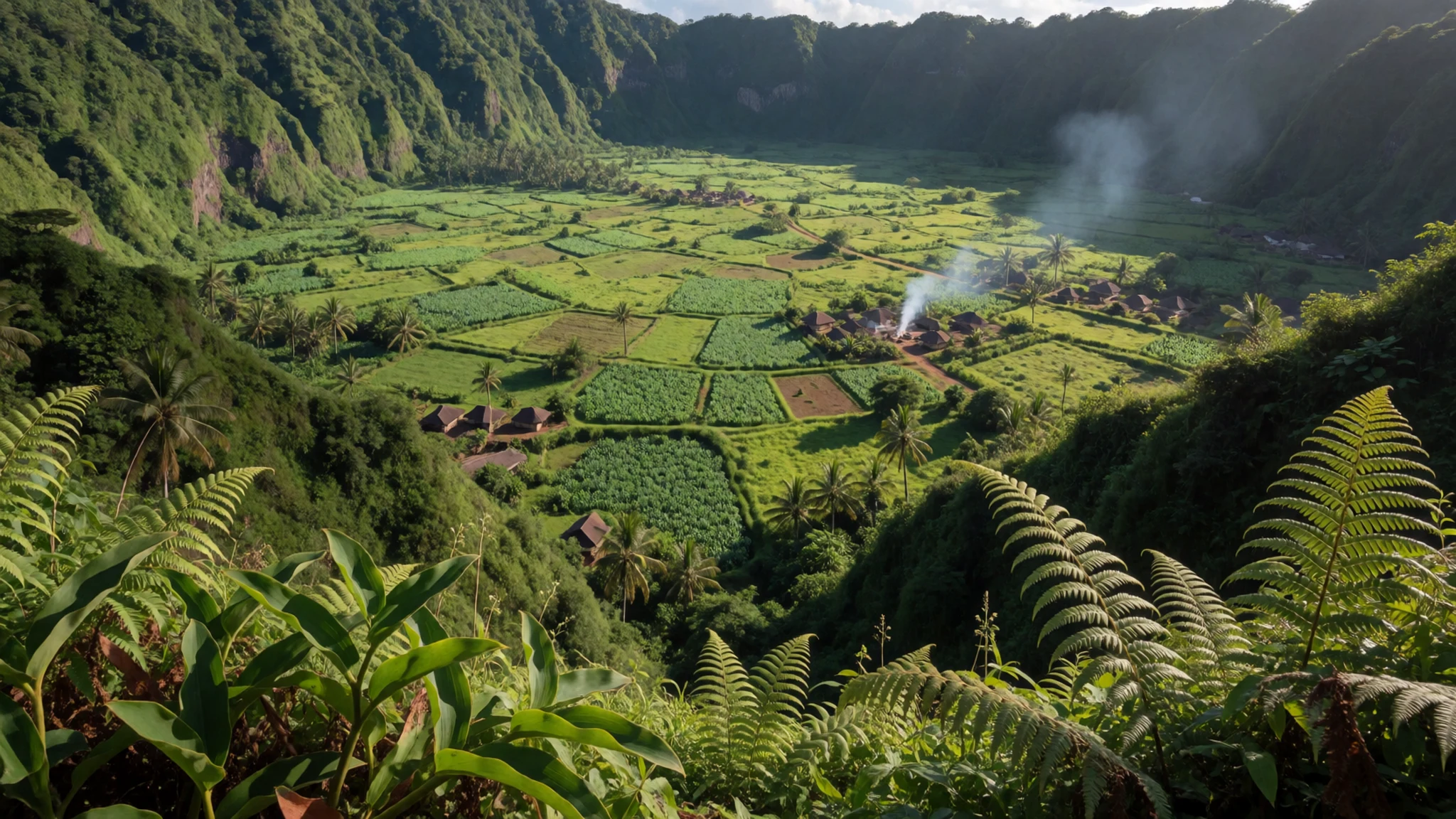
Culture
Levuka is a small town where people know one another, and the manners of daily life matter more than they would in a city. Greetings are unhurried, and a friendly word on the street is the normal start to any conversation. The Methodist and Catholic churches are active places of worship, so keep voices low when passing and avoid walking through a service.
Fijian village life runs on respect for elders and for communal decisions. Visitors who go out to the villages on the island are generally received well when they arrive politely, accept an invitation to sit, and follow their host's lead on where to go and when to leave. Sunday is a quiet day in many households, and shops may close or keep limited hours, so plan shopping around it.
Social life in town is relaxed. Clubs and eateries serve visitors and locals side by side, and staff are used to foreigners. A simple thank-you is usually enough at the counter. Ask before taking pictures of people, especially children and older residents, and do not fly drones over villages without permission.
When you visit a church or village, dress modestly, cover shoulders and knees, and ask before photographing people.
What to wear
Traditional dress in Fiji centres on the sulu, a wraparound cloth worn by women and men, sometimes in bold printed cotton and sometimes plain. Formal and ceremonial dress builds on it, and older forms of Fijian dress drew on woven pandanus mats and tapa, a bark cloth made by beating mulberry-family bark, which was once central to ceremonies and gift exchange.
What people wear now is practical and relaxed. Many men wear shorts or trousers with a shirt, and many women wear skirts, dresses or a sulu, especially for church and formal events. Shoes are common in town, while bare feet are normal on beaches and in village areas.
What to wear: the climate is warm and humid, so breathable cotton and linen work best. For churches and villages, cover shoulders and knees, and carry a light sarong or wrap to tie over shorts or a short skirt. Closed shoes or sturdy sandals suit the steep steps and muddy trails, and a light waterproof layer helps with showers. Swimwear belongs on the beach rather than in town.
What to eat
- Seafood at Koro Makawa — Restaurant in the town centre
Koro Makawa serves seafood such as grilled tuna steak, alongside local Fijian dishes and pizza. The menu changes with daily specials, so ask what came in that day. It is a good place for lunch or dinner after a morning on the water.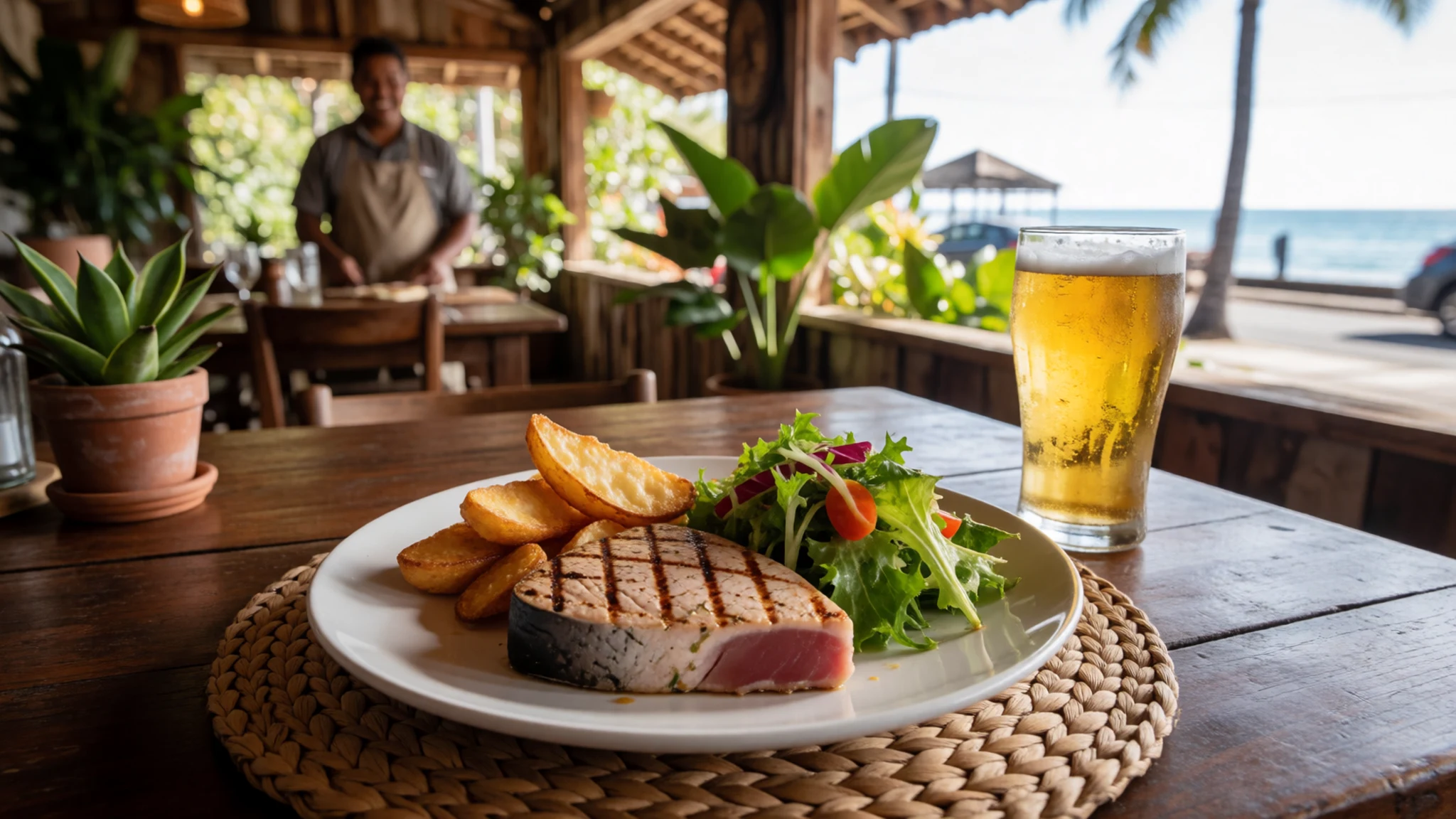
- Chinese and Indian dishes at Paak Kum Loong — Restaurant in the town centre
This restaurant offers a broad Chinese menu, and it also serves a good range of Indian dishes. It suits a group wanting variety, with plenty of plates to share around the table.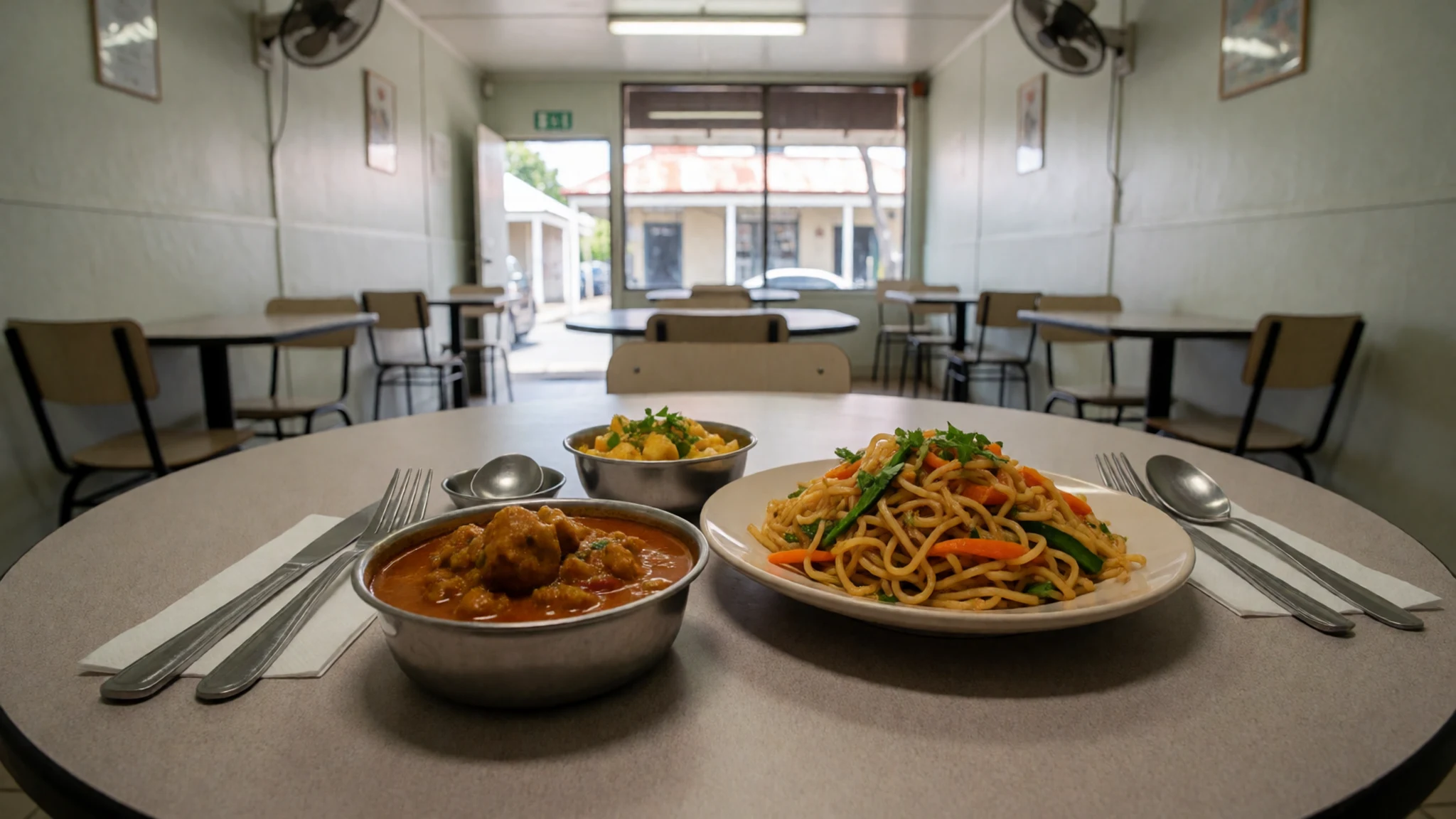
- Coffee and bakery at Emilies Cafe — Bakery cafe in town
Emilies Cafe is the place for coffee with fresh bread, vegetarian roti or a slice of pie. Take a slow morning break in the open backyard of the bakery shop.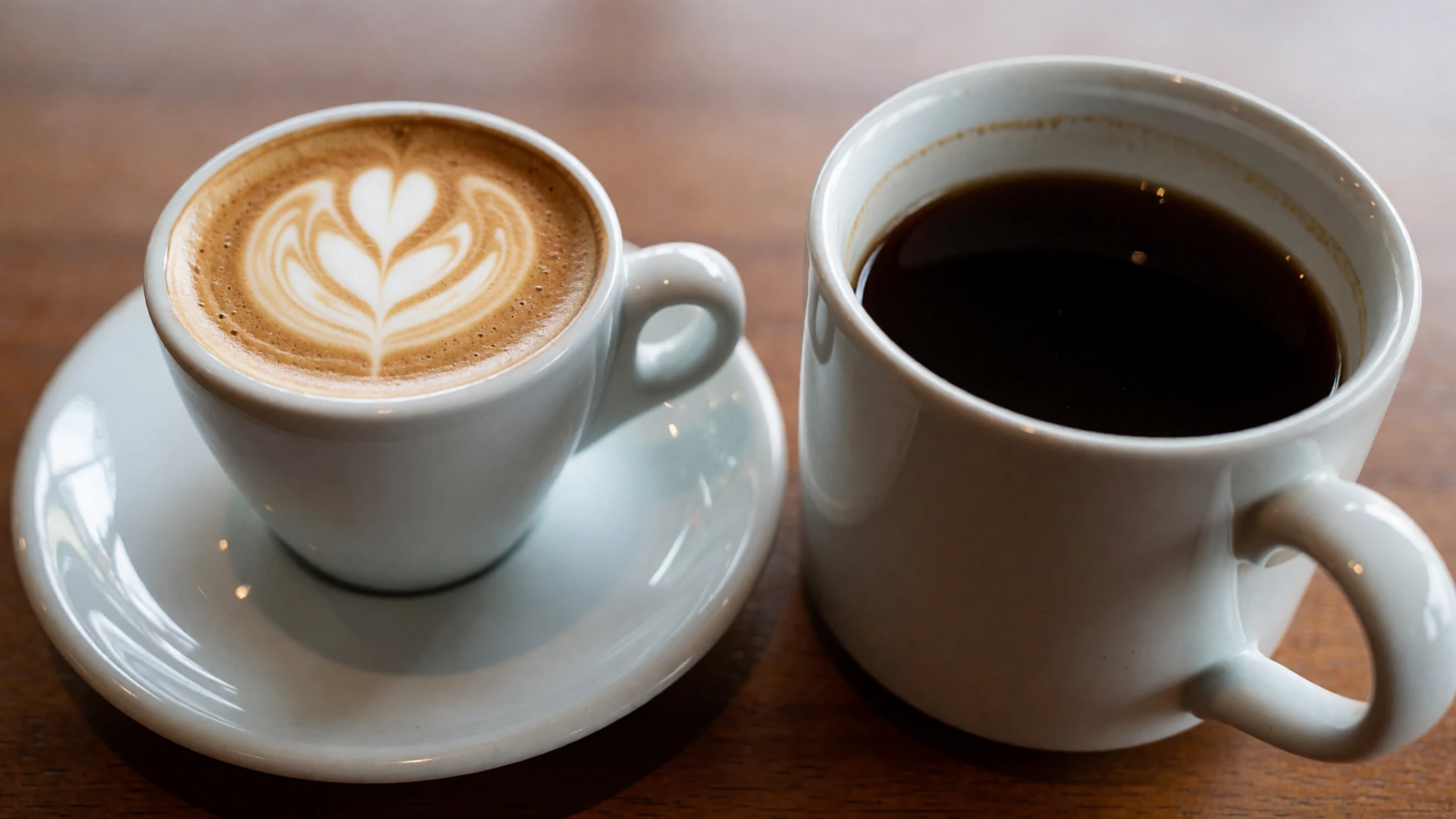
- Curries and fish and chips at a town lunch counter — Quick lunch counter in the town centre
A restaurant right in town provides a fast lunch selection, featuring fish and chips as well as curries. Food can be eaten in or taken away, which suits a walk around the historic streets. It is a dependable choice when a long meal is not needed. - A drink at the Koro Makawa Club — Nightclub behind Koro Makawa
Behind the Koro Makawa restaurant is a nightclub that draws locals and visitors alike. The staff are friendly to foreigners, and drinks are described as well priced. Go later in the evening, when the crowd builds.
Plan it
Best time. May to October is the drier, cooler season, with steadier breezes and better conditions for walking the hills. November to April is hotter and wetter, with more rain and a higher chance of storms.
How long. 2–3
Getting there. A short scenic flight from Nausori (Suva) Airport runs Monday to Saturday in the morning. The island airstrip is on the western side, and a local bus covers the last leg into town. The alternative is a bus and ferry from Suva, a long half-day crossing that is memorable in its own right.
Budget. low
Tips
- Book the Northern Air Services flight early and confirm the timing the day before
- Expect slow service, and plan lunch around the midday lull
- Carry cash, since small outlets may not take cards
- Carry water on island walks and drink bottled or boiled water in town
- Start the Mission Hill climb early to avoid the strongest heat
Etiquette
- Dress modestly in churches and villages
- Ask before photographing people, especially in villages
- Ask permission before entering a village and follow your host's guidance
Nearby
Sources
- Wikidata Q26692 (CC0)
- Wikipedia: Levuka (rev 1382641337) (CC BY-SA 4.0)
- Wikivoyage: Levuka (rev 5352964) (CC BY-SA 4.0)
- Photo: Beach Street Levuka (CC BY-SA 1.0)
- Photo: Pafco Fire Cold Storage Plant (CC BY-SA 4.0)
- Photo: Church Levuka (CC BY-SA 2.5)
- Photo: Admiralty Chart No 905 (1882) (Public domain)
- Photo: Admiralty Chart No 905 (1960) (Public domain)
- Photo: Atlas pittoresque planche 89 (Public domain)
- Photo: FMIB 41413 Levuka (Public domain)
- Photo: General Store Levuka (CC BY-SA 4.0)


