Thimlich Ohinga
Thimlich Ohinga, Kenya
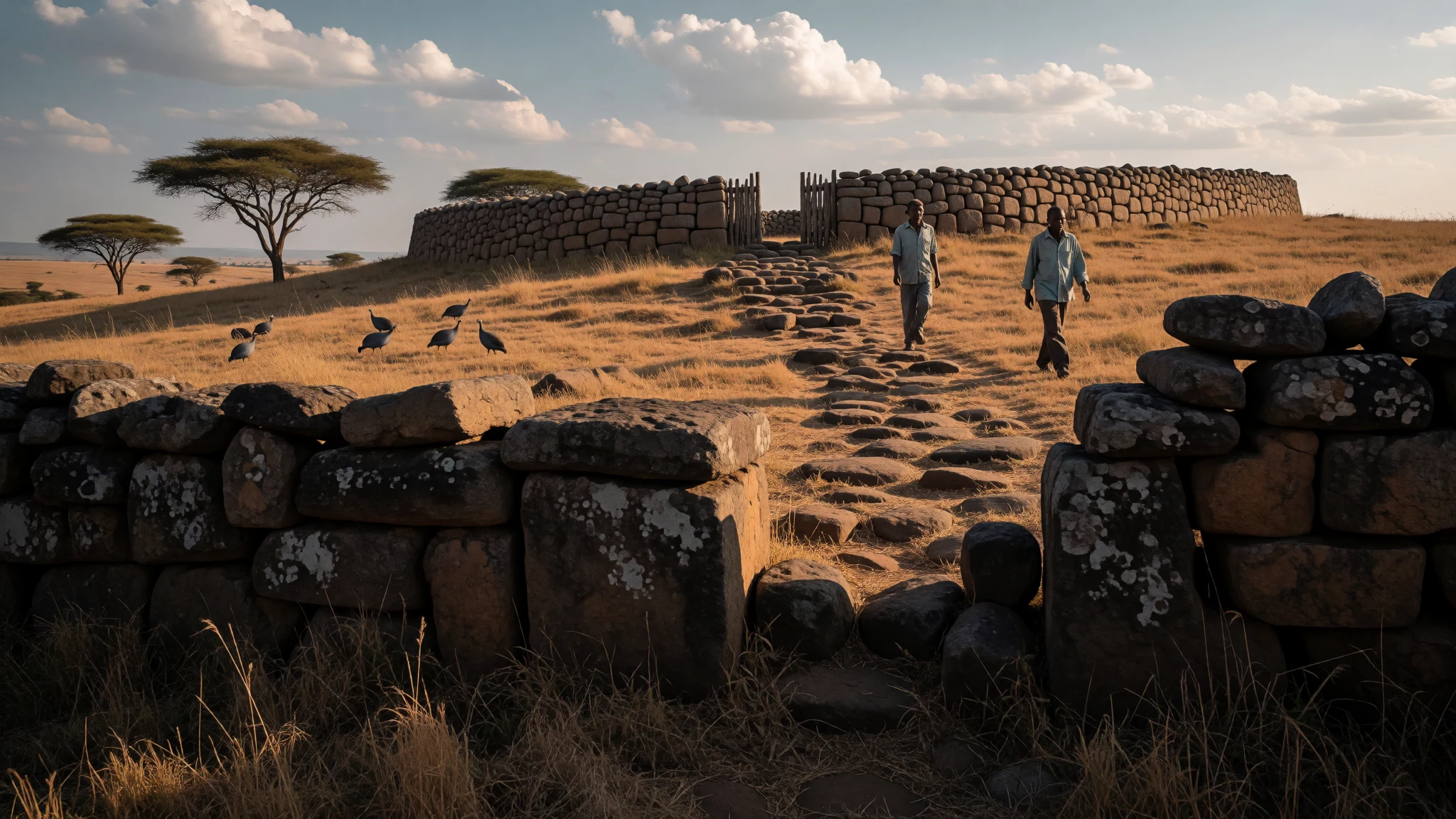
A 15th-century stone city hidden in the Kenyan countryside, offering a quiet, archaeological escape away from crowded safari routes.
The place
Thimlich Ohinga sits on a gentle, sloping hill in Migori County, Kenya, roughly 46 km north-west of Migori town. The site is a complex of dry-stone ruins, built from undressed blocks and rocks set together without mortar. The walls are densely packed and interlock with each other, creating structures that range from 1–3 m in thickness and 1–4.2 m in height. The main enclosure, thought to be from the 15th century or before, sits within a broader network of 138 similar sites across the area. The landscape is semi-arid, with scattered acacia trees and grasses. The surrounding forest is home to wildlife, including guinea fowl, monkeys, various birds, and antelope. Designated a conservation site by the Kenya Wildlife Service and National Museums of Kenya, Thimlich Ohinga became a World Heritage Site in 2018. The area is remote, and the ruins were documented through archaeological research, allowing visitors to explore the stone enclosures in relative solitude.
Its story
The history of Thimlich Ohinga remains largely a mystery, which is part of its appeal. Archaeologists debate the enclosures’ builders and purpose, but the exact purpose of the enclosures is debated. Some suggest they were defensive fortifications against raids, while others propose they served as residential villages or centres for trade and administration. The construction technique—dry-stone walling without mortar—is a testament to the skill of the builders, who managed to create durable structures that have survived for centuries in a challenging environment. The site was largely unknown to the outside world until it was documented in the 20th century, and it took many years of research and advocacy to secure its protection. Today, Thimlich Ohinga represents a significant archaeological discovery, challenging preconceptions about pre-colonial urbanisation in East Africa. It stands as a reminder that complex societies, with advanced building techniques and organised communities, existed in this region long before European contact. The uncertainty surrounding its origins adds a layer of intrigue, inviting visitors to contemplate the lives of the people who built and inhabited these walls.
What to see
- Main Dry-Stone Enclosures — Hilltop center
The core of the site consists of interconnected stone walls forming houses, pathways, and defensive structures. Walking through these enclosures gives a sense of the original layout and scale of the settlement. The walls are robust, showcasing精湛的 (brilliant) masonry without the use of mortar. It is a quiet, uncluttered experience, free from the crowds typical of larger tourist sites in Kenya.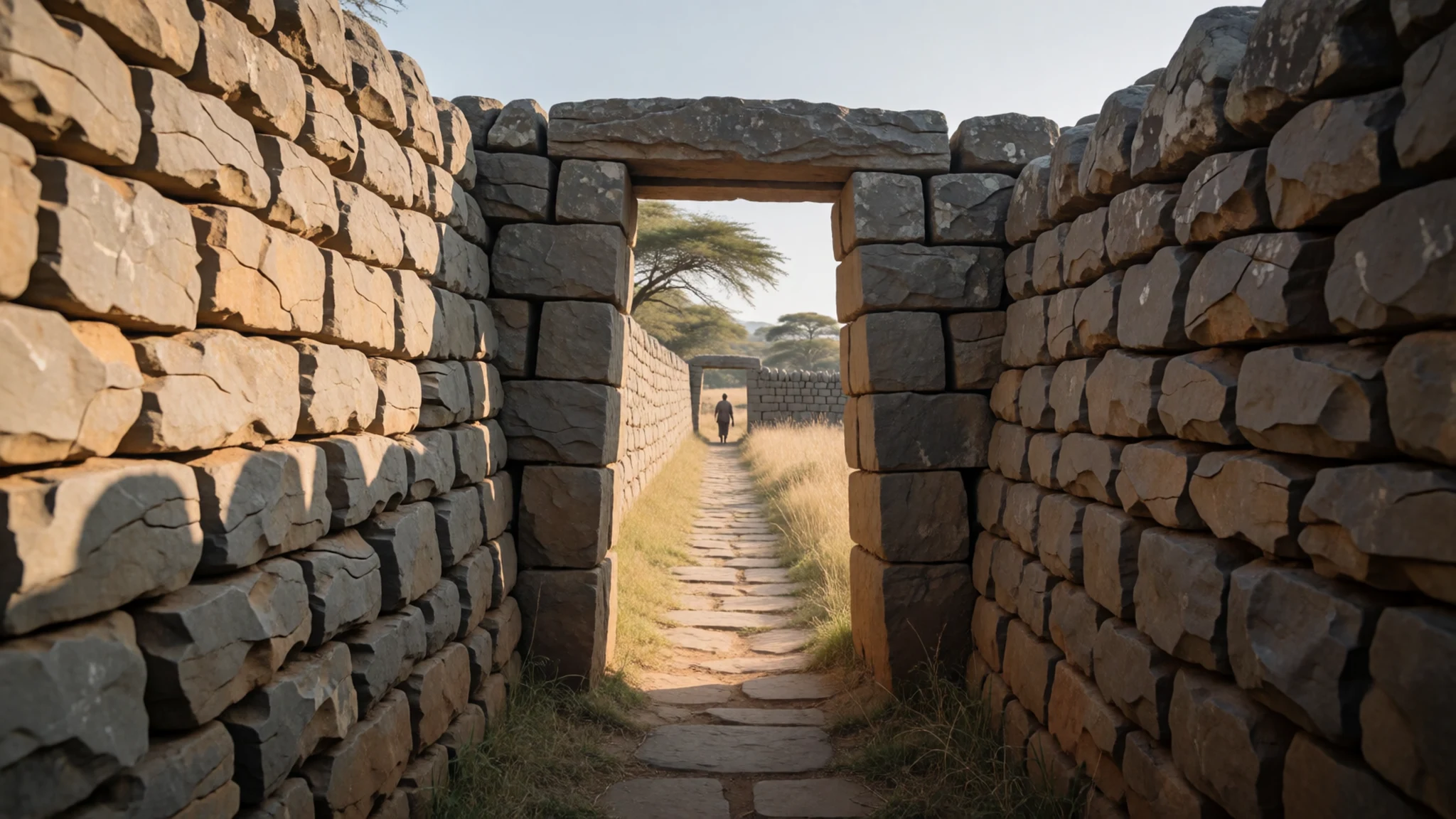
- Surrounding Acacia Forest — Hillside periphery
The ruins are interspersed with native acacia trees and dry woodland. This natural setting provides shade on sunny days and is home to local wildlife. Keep an eye out for guinea fowl foraging in the undergrowth, monkeys swinging between branches, and various bird species. The forest offers a peaceful backdrop to the archaeological site, blending natural and human history.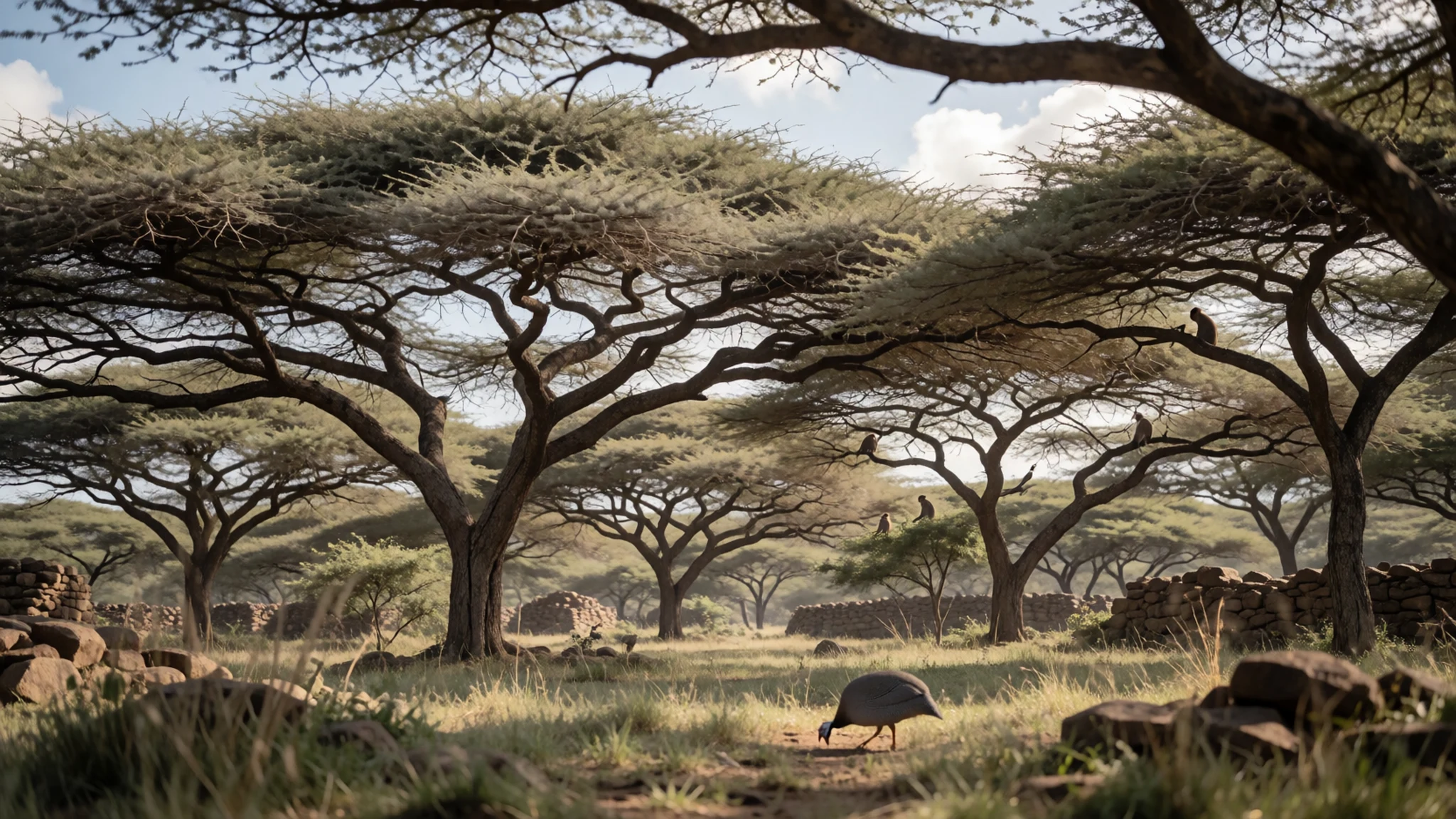
- Macalder's Mines Area — South-eastern base
Located near the base of the hill, this area is sometimes marked as a point of interest due to its proximity to the site. While the primary focus is the stone ruins, the surrounding landscape offers views of the Migori plains. It is a good spot to photograph the ruins in the wider context of the Kenyan countryside, especially during the golden hour when the light enhances the texture of the stones.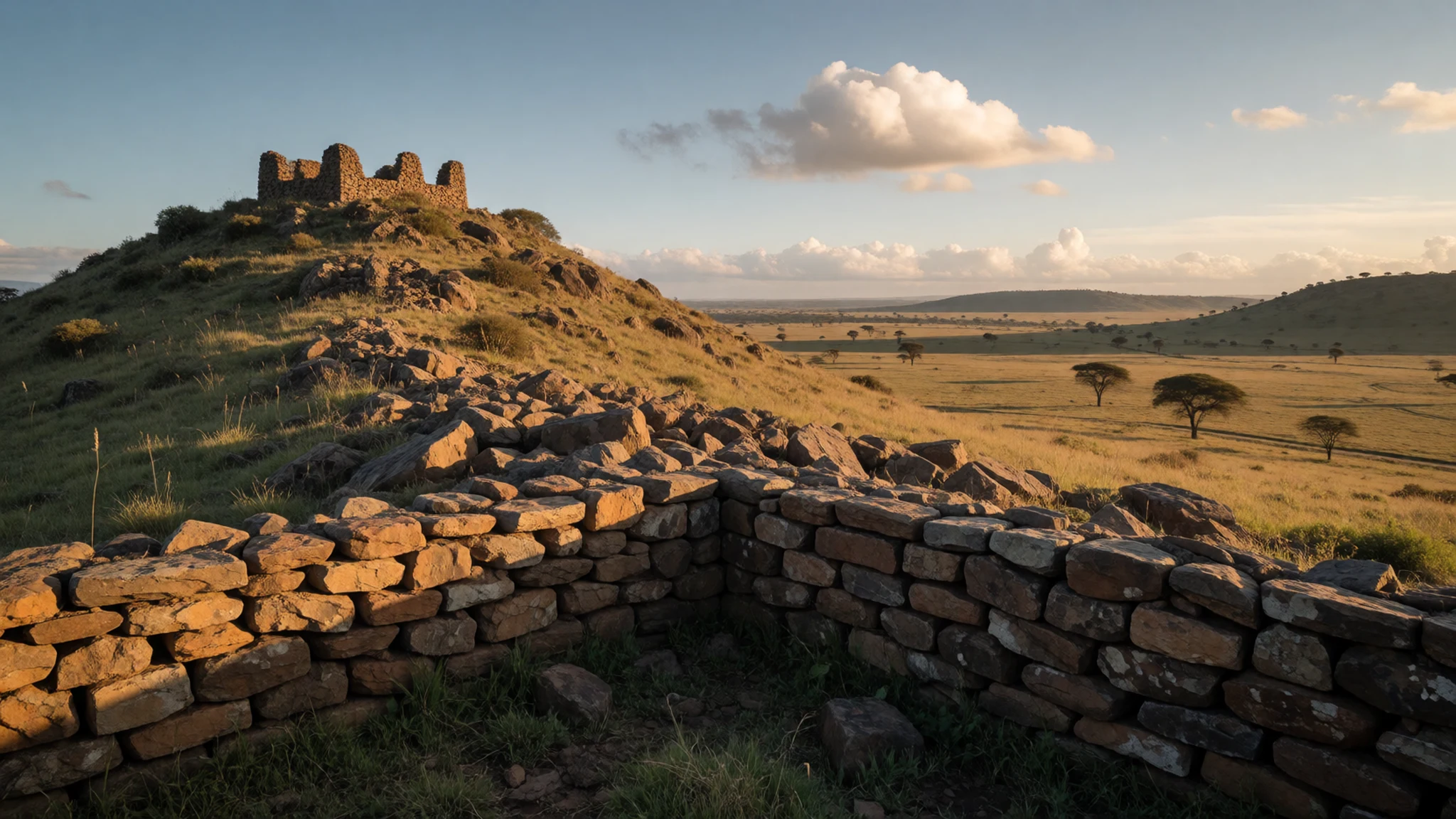
Culture
Thimlich Ohinga is a site of growing cultural significance, tied to the heritage and oral traditions of local communities in the area. Local communities take pride in the site’s recognition as a World Heritage Site. Visiting involves engaging with a living cultural landscape, where oral traditions and historical memory play a key role. It is important to approach the ruins with respect, recognising them as sacred to the local community. The site is best visited with local support, and interactions with nearby communities can be direct and personal. Visitors should be mindful of their impact, avoiding damage to the stones and keeping noise levels low. The site is still under study, and some areas may be restricted to protect ongoing archaeological work. Engaging with local guides, when available, can provide deeper insights into the area’s history and current relevance. Respect for local customs and the integrity of the site should be paramount during your visit. Be considerate of the environment and the community that stewards this unique historical location. Do not remove any stones or plant material from the site; leave nothing but footprints and take only photographs. Be considerate when photographing people, and follow any guidance provided on-site.
What to wear
Traditional local attire in the region has evolved over time but retains elements of woven textiles and simple shawls, often dyed in earthy tones. In contemporary rural Kenya, clothing is a blend of Western and local styles; men often wear shirts and trousers or traditional smocks, while women may wear dresses or wrap cloth (kanga) around their waists. For visitors, the climate in Migori County is generally warm. The warmest months are February, March, and April (with mean highs around 38°C), and the coolest are June and July (around 32–33°C). The wettest months are April (about 186 mm) and November (about 206 mm), while June–September are typically drier (with lower rainfall totals). Sun protection is essential year-round. Wear breathable, lightweight fabrics like cotton or linen in neutral colours to blend with the dusty environment. Footwear is crucial; sturdy, closed-toe walking shoes are recommended as the terrain around the ruins can be uneven and rocky. A wide-brimmed hat and sunglasses will be valuable. Modesty is appreciated in rural areas; avoid overly revealing clothing. During the wetter months (especially March–May and November), bring a lightweight, waterproof jacket and pack a day cover for sudden downpours. Comfort and practicality should guide your wardrobe choices for exploring this semi-arid landscape.
What to eat
- Nyama Choma — Local eateries in Migori town
Roasted meat, typically goat or chicken, is a cornerstone of Kenyan cooking. Served with Ugali, a stiff maize porridge, it is often eaten by hand in a communal setting. In Migori, small roadside shambas or local eateries offer this dish simply and generously. It is a filling, traditional meal that reflects the pastoral roots of the region.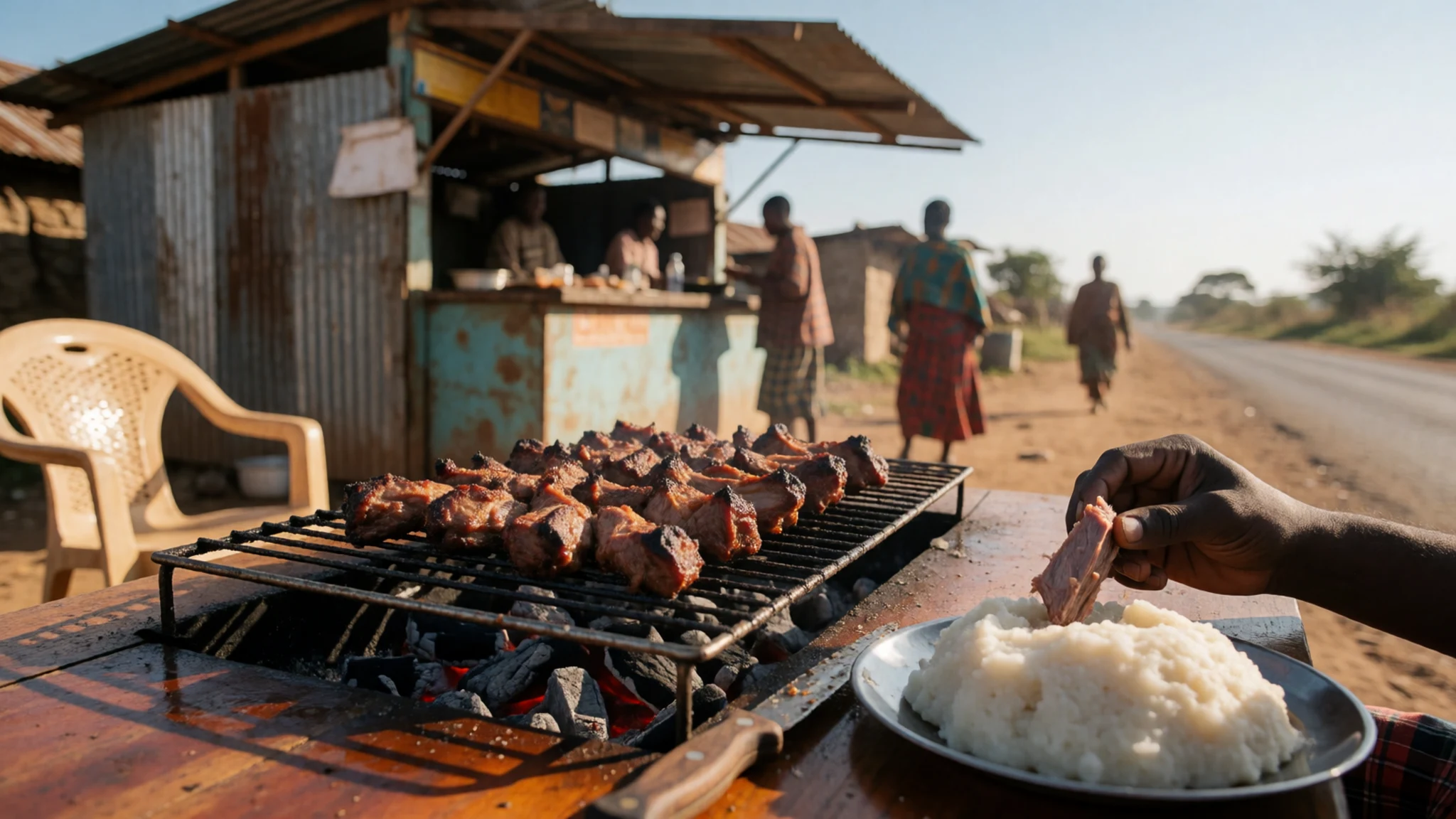
- Ugali — Rural eatery
A dense, white corn porridge that serves as the base for most Kenyan meals. It is not a soup but a solid mass, broken into small pieces to scoop up stews or soppies. In rural areas, it is often a central part of lunch or dinner, providing essential sustenance. Its plain taste allows the accompanying sauces to shine. It is widely available in any rural eatery or homestay.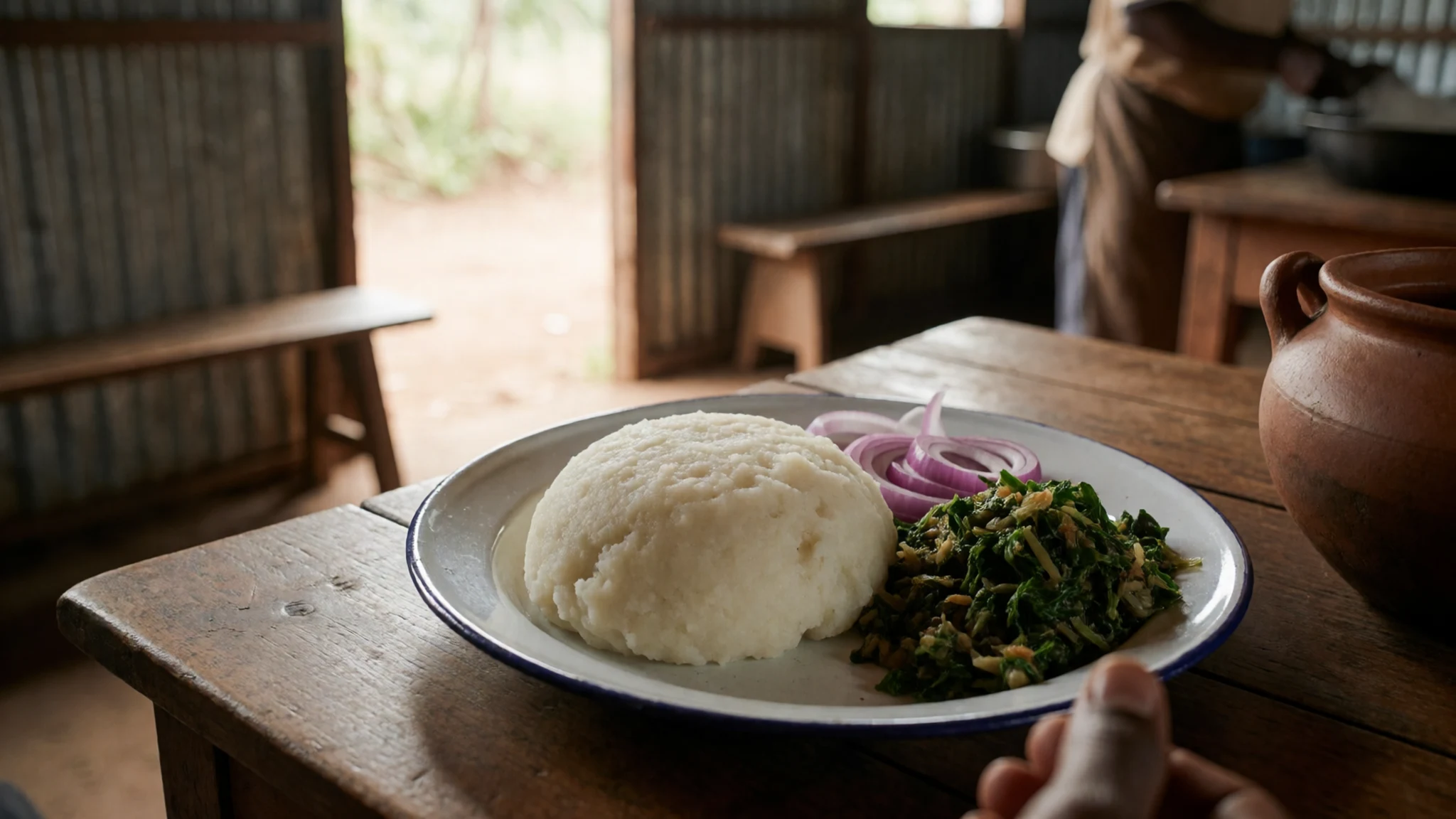
- Managu — Farmhouse or rural eatery
A thick porridge made from sorghum, millet, or maize, cooked with salt and sometimes vegetable fat. It is a staple in western Kenya and is often eaten with tea or as a standalone meal. Its texture is slightly grainy and it is less dense than Ugali. It represents an indigenous crop tradition and is less commonly found in urban tourist areas but is a key part of local daily life. - Local Tea — Local shop or home visit
Kenya is a major producer of black tea, and local varieties are widely available. Tea is often served sweet or with milk, and it is a social ritual as much as a beverage. In rural settings, tea breaks are common, offering a chance for conversation and rest. It is usually made from freshly brewed leaves and is a simple, affordable treat found in any local shop or kitchen.
Plan it
Best time. June–September are typically among the drier months and are often the most comfortable for walking; January–March can be hotter, and March is also one of the wetter months. For consistently higher rainfall, especially April and November, plan extra flexibility.
How long. 1
Getting there. Fly into the region, arrange local transport to Migori County, and then continue by road to the site with a driver familiar with the area. Plan to travel with a local guide or driver.
Budget. low
Tips
- Hire an appropriate vehicle for rural roads; conditions can be affected by rainfall.
- Carry sufficient cash for small purchases, as ATM availability may be limited near the site.
- Bring plenty of drinking water and sun protection (hat, sunscreen).
- Inform your accommodation or local contact of your plans when visiting remote sites.
- Check with the National Museums of Kenya for any site restrictions or guided tour availability.
Etiquette
- Do not remove any stones or artifacts from the site.
- Be considerate when photographing people, and follow any guidance provided on-site.
- Stick to marked paths and avoid climbing on fragile stone structures.
Nearby
Sources
- Wikidata Q3524629 (CC0)
- Wikipedia (rev 1365210933) (CC BY-SA 4.0)
- Photo photos/01-thimlich-ohinga-cultural-landscape-kenya.jpg (CC BY 3.0)
- Wikivoyage (CC BY-SA 4.0)

Wildlife
- Guinea fowl (animal)
The helmeted guinea fowl is the best-known bird of the guinea fowl family, a wild African bird whose home is mostly south of the Sahara. At Thimlich Ohinga, look for it in the forest around the site, where it lives alongside monkeys, antelope and many other birds. Ask your guide when and where to look. Keep a good distance, stay quiet so it is not startled, and never feed it.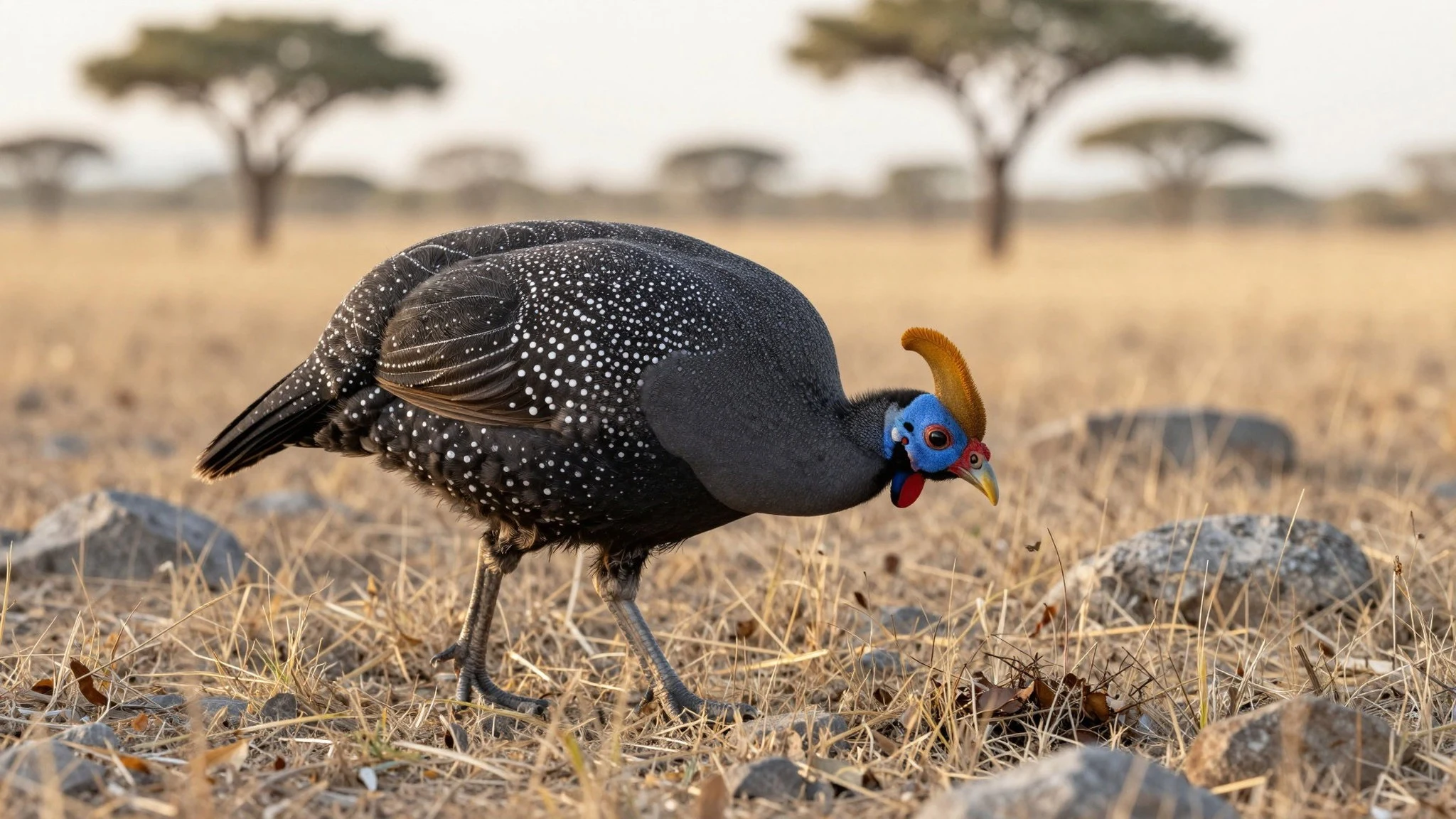
- Monkey (animal)
The vervet is a small grey monkey with a black face that mostly eats plants. In Thimlich Ohinga it lives in the forest surrounding the site, sharing it with guinea fowl, antelope and many birds. Go with a guide who can help you find it, and ask about the best time to look. Stay quiet and keep well back. Never feed it: wild animals should find their own food.