Amboseli National Park
Amboseli National Park, Kenya
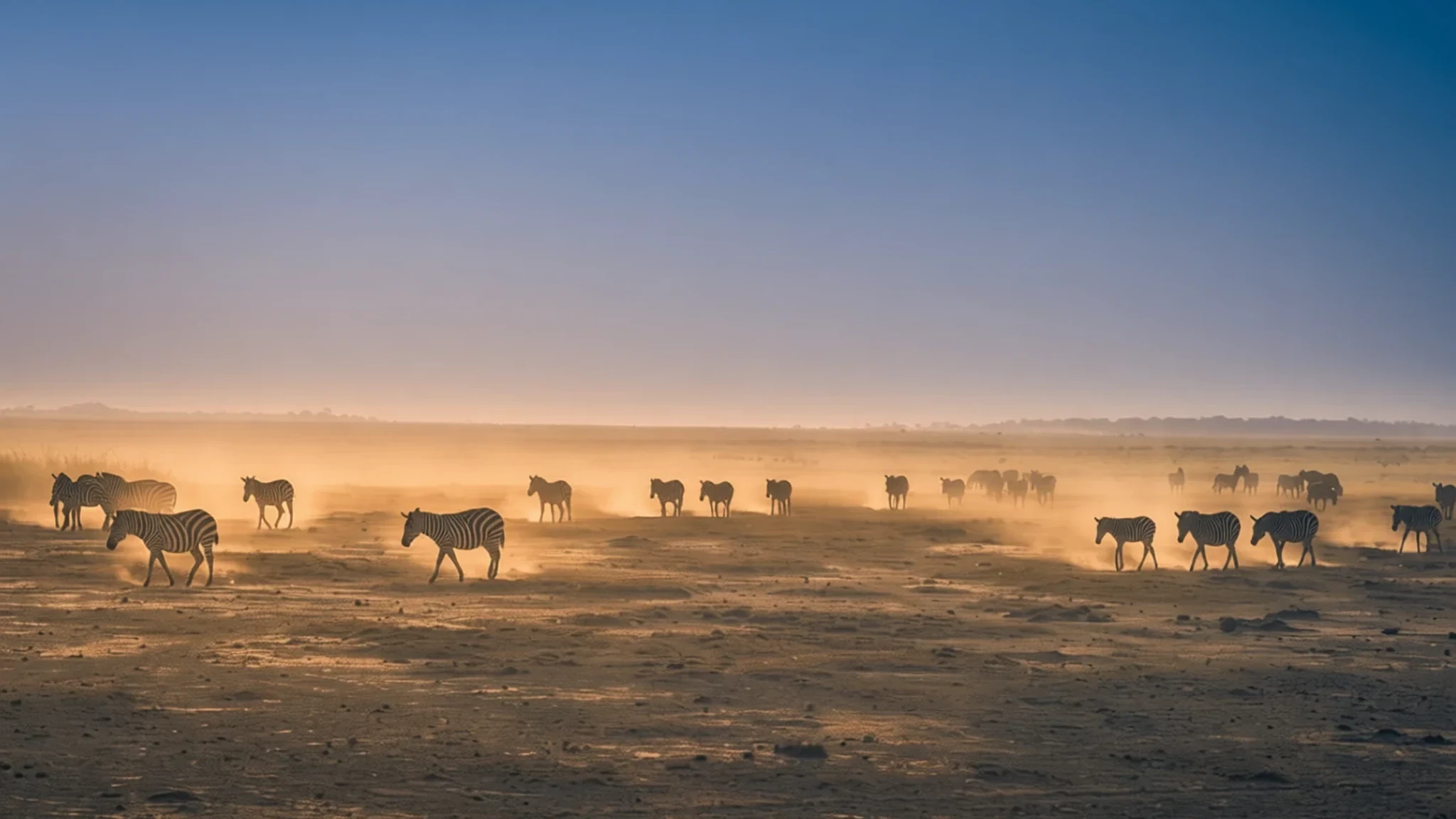
Amboseli is the place to watch large elephant herds cross a salt-dusted plain with Kilimanjaro rising behind them.
The place
Amboseli National Park sits in Kajiado County in southern Kenya, close to the Tanzanian border. The national park itself covers 392 square kilometres, but it forms the core of a much larger ecosystem of about 8,000 km that stretches across the frontier, so wildlife moves freely between the two countries. The name comes from a Maa word that roughly means salty dust, and the description still fits: the ground is pale and fine, and a dry lake bed lies at the heart of the basin.
Around that dry bed are swamps fed by water flowing from Mount Kilimanjaro, the great volcano that dominates the skyline. The swamps are green and reedy, with papyrus, rushes and yellow-barked acacia, while the surrounding plains are semi-arid and dotted with salt-tolerant scrub. Two of the five main swamps lie within the park, and the contrast between parched ground and wet ground is what most visitors remember.
The birdlife is rich, with around 400 species recorded, including pelicans, kingfishers and hamerkop, and 47 kinds of raptor. Mammals draw most people. Roughly 900 African elephants live here, often in large family groups, and the park also holds wildebeest, zebra, several gazelle species, giraffe and buffalo, along with lions, cheetahs and hyenas. Black rhinos are present in small numbers.
The climate is harsh. Daytime temperatures can reach about 40°C, nights can fall to around 5°C, and the park is drier than many other parts of Kenya. Pack layers for early starts and plenty of water for the heat.
Its story
Amboseli's story begins with a name. The Maa word Empusel, roughly meaning salty, dusty place, described a region that outsiders were warned away from. In 1883 the explorer Thompson became the first European known to push into it, and he was struck by the same contrast later visitors still feel: a bare lake bed on one side and a lush oasis of swamp on the other.
For much of the twentieth century the land moved between Maasai control and state management. In 1906 it was set aside as a southern reserve for the Maasai. By 1948 it had returned to local control as a game reserve. In 1974 it was gazetted as a national park, chiefly to protect the core of the wider ecosystem, and in 1991 it was recognised as a UNESCO site.
Management has remained contested. In 2005 the Kenyan president announced that control should pass from the Kenya Wildlife Service to the county council and the Maasai. Some observers saw the move as politically timed ahead of a constitutional vote, and legal challenges followed. The core question is who collects park fees and who shares the benefits, which matters to the communities living beside the park. Check the current arrangement before you travel.
What to see
- Elephant herds on the plains
The park is best known for its elephants, which number in the hundreds of family groups across the open ground. They often walk in a line through the dust, and the best sightings come in the cool early morning and late afternoon, when the animals are most active. Stay in your vehicle and keep a clear distance, because large bulls can turn defensive if approached too closely.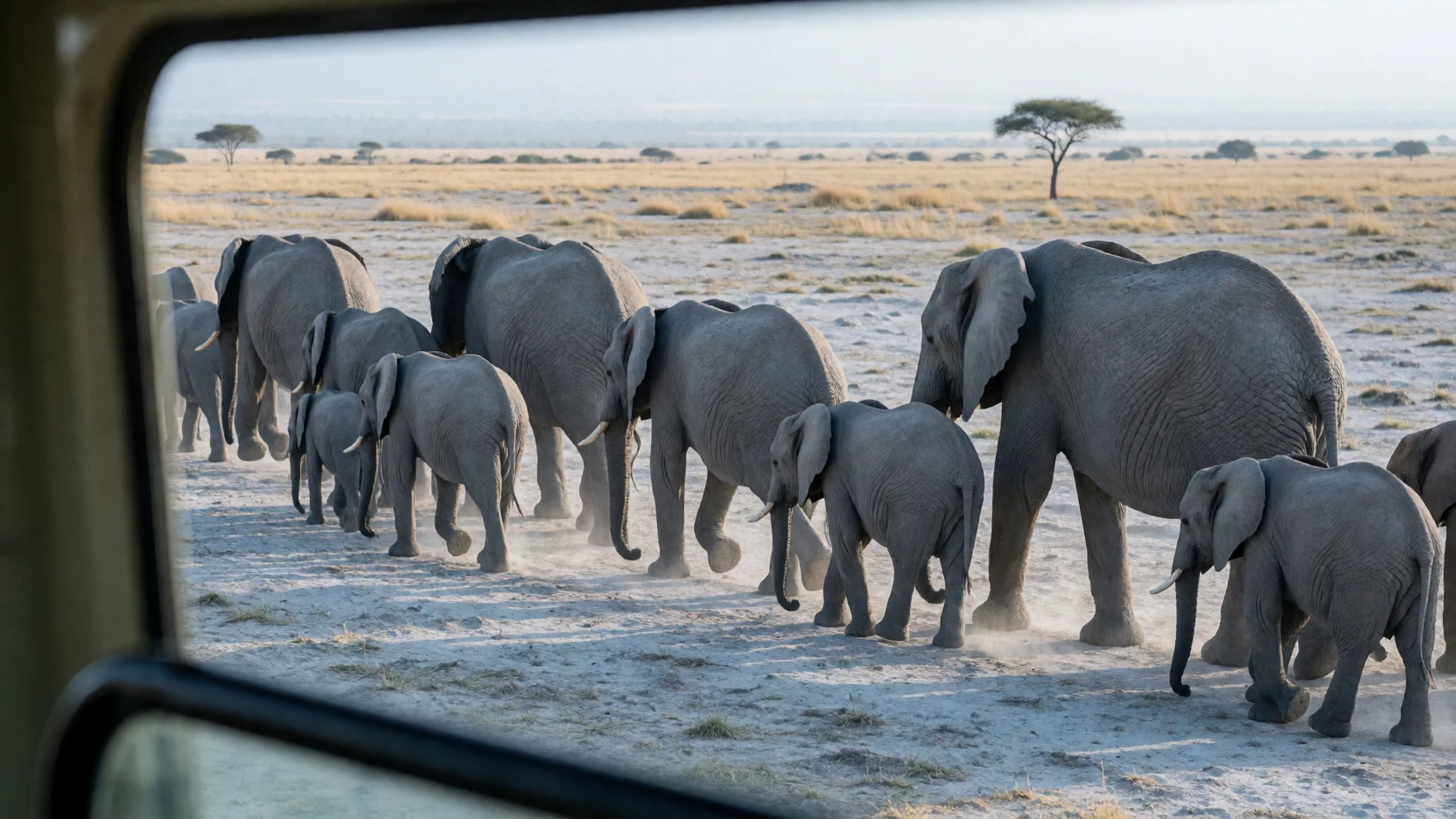
- Kilimanjaro from the plains
The view of Kilimanjaro is the classic image of Amboseli. Clouds often sit on the upper slopes until the morning warms, so an early start gives the best chance of a clear summit. The mountain lies just across the border in Tanzania, and its snowfield and glaciers look especially striking against the flat, pale plain.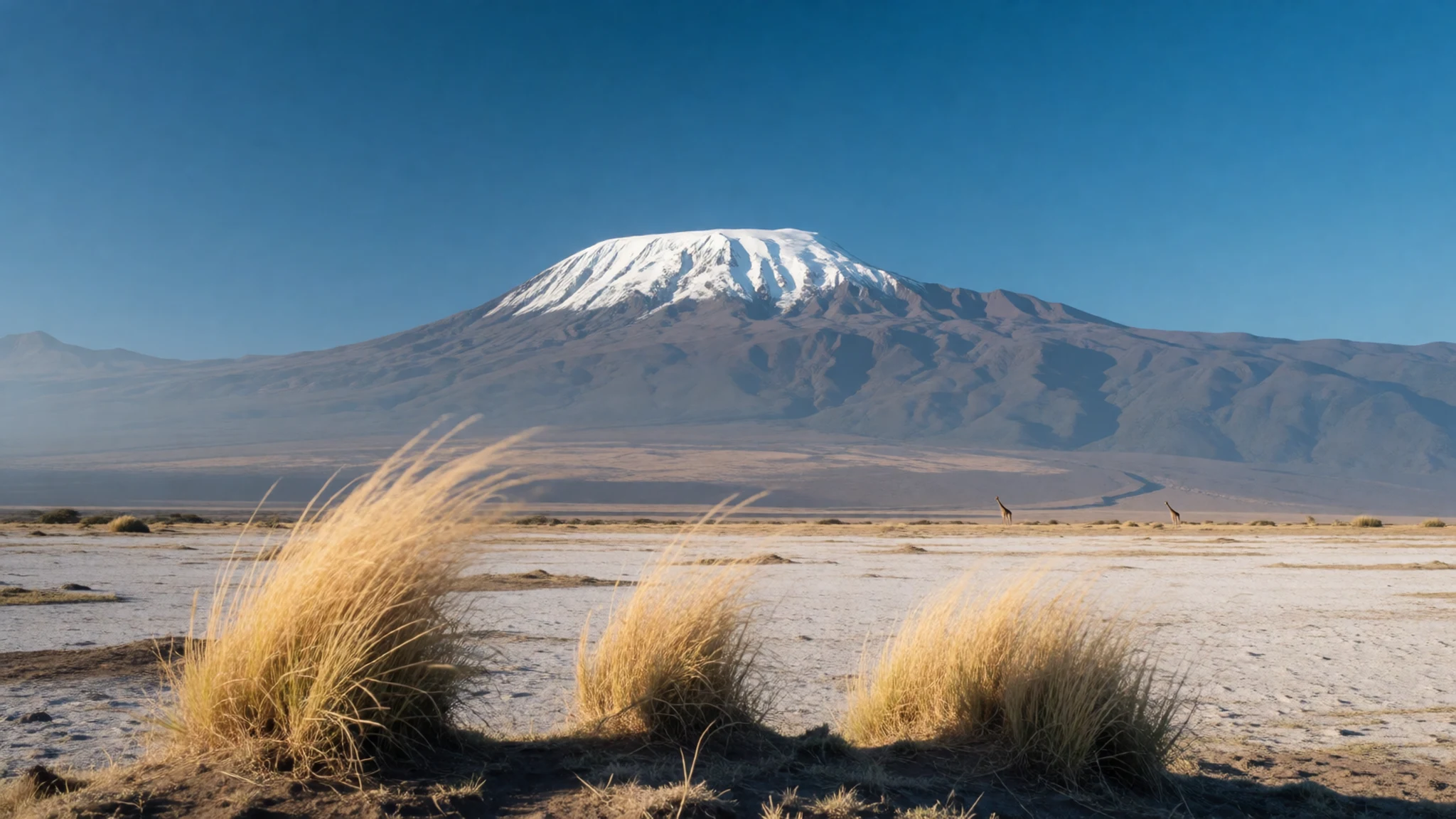
- Observation Hill
Observation Hill gives a 360-degree panorama over the park, with the swamps, the plains and the mountain all visible from one point. It is a good first stop on a morning drive, because it lets you orient yourself before you move among the herds. Arrive early, as the light is softest then and the heat has not yet built up.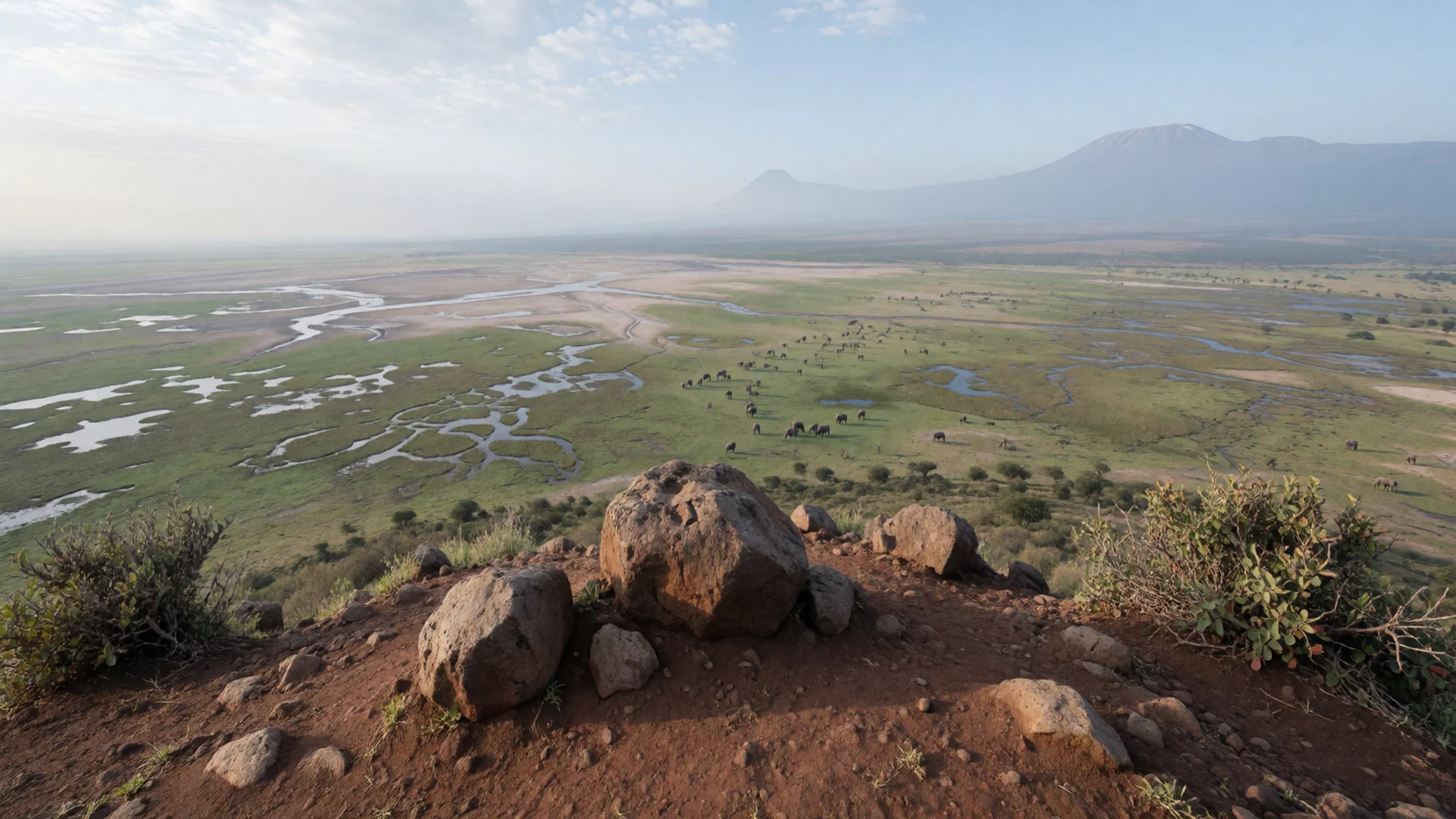
- The swamps and marshlands
The swamps are the reason the park's wildlife concentrates here. Fed by Kilimanjaro's water, they support papyrus, rushes and a dense population of birds and grazing animals, and the surrounding ground is often busy with elephants and buffalo. Water levels change with the seasons and from year to year, so the marshes you find will not always look the same.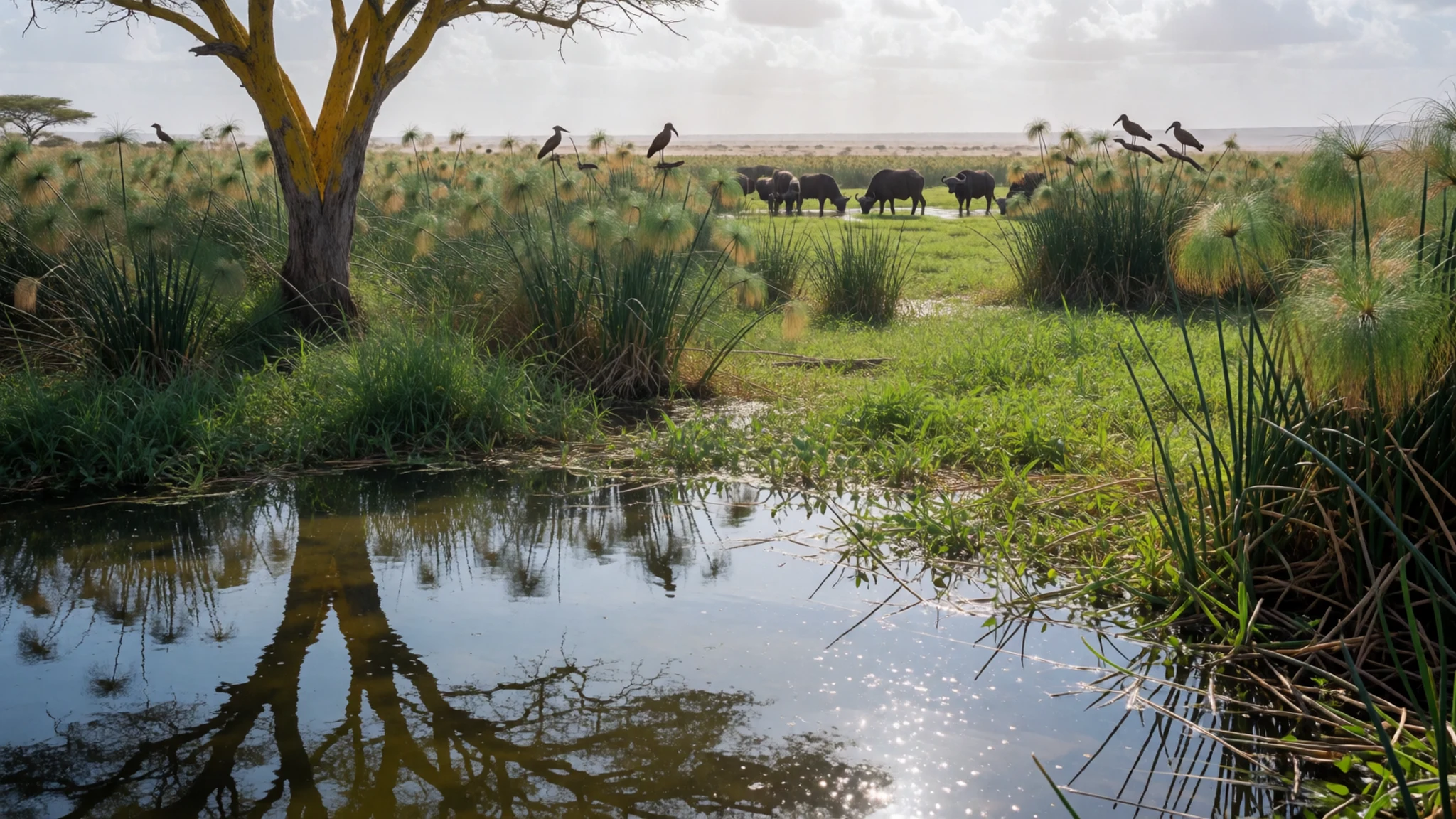
- Dry lake bed and salt pans
The dry lake bed is the stark, almost lunar side of the park. Its salt pans are pale and crusted, and in the heat they shimmer and blur the horizon. Photographers like the flat, open ground, but the dust gets everywhere, so keep cameras covered when the wind picks up.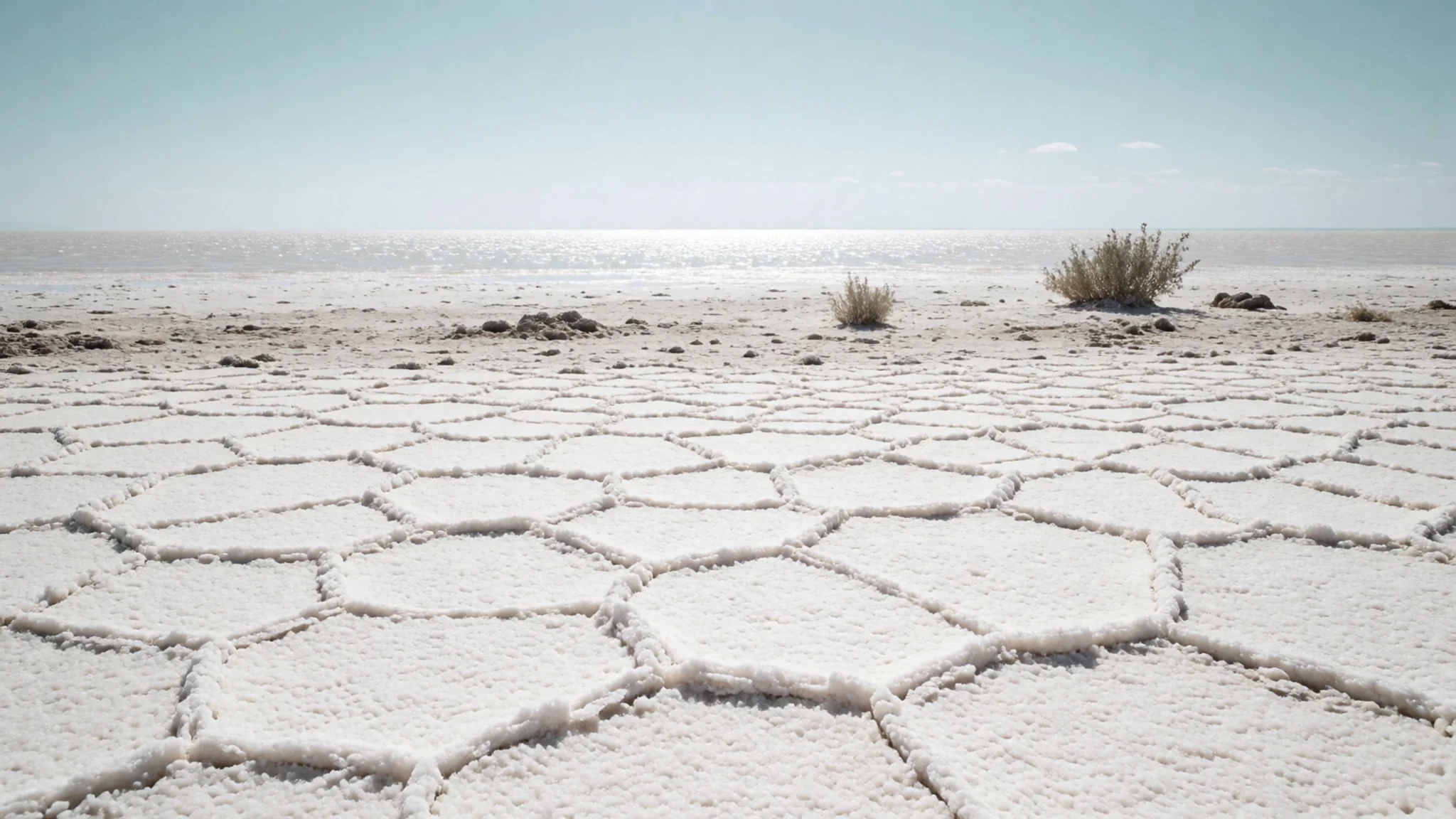
Culture
Amboseli lies on land used by Maasai pastoralists, and their villages and herds are part of the landscape around the park. Many visits include a walk or visit to a Maasai village, which is often arranged through a lodge and may involve a small payment for the community. Visitors should understand that these are working homes, not performances. Ask before photographing people, their homes or their children, and accept a refusal gracefully. Dress modestly in villages, greet elders politely, and avoid pointing or handling items in homes unless invited. If you wish to make a contribution, use the lodge or the community's agreed channel rather than handing out sweets or money on the spot, and never pay someone simply for a photograph without first agreeing the terms. Please ask your guide or lodge before taking any photograph in a village, and keep to the agreed route.
What to wear
Maasai dress is among the best-known traditional styles in East Africa. The shuka, a wrapped cloth most often in red or checked patterns, is the classic garment, worn by men and women in different forms. Beadwork is central to Maasai style: intricate collars, earrings and bracelets are made from coloured glass beads, and the colours and patterns carry meanings linked to age, status and marital stage. Many people still wear traditional beadwork and shuka for ceremonies and daily life in rural areas, while younger people often combine them with modern clothing such as T-shirts, jeans and trainers. Around the park you will see both styles side by side.
For visitors, the priority is climate and terrain. The days can be hot and dusty and the nights cold, so layers work best: light, loose, long-sleeved clothing for sun and insects, a fleece or jacket for early drives, and a hat and sunglasses for the glare. Neutral colours suit the landscape and keep dust less visible. Sturdy closed shoes handle the dry, uneven ground well. In Maasai villages, dress modestly, covering shoulders and knees, and avoid very short shorts or revealing tops.
What to eat
- Nyama choma — lodge dining rooms and grill nights at the camps
Nyama choma means grilled meat, usually goat or beef, cooked over charcoal and served with salt, onions and a little chilli. It is a Kenyan favourite and often appears on lodge menus as a centrepiece, especially at dinners. Eat it with ugali and greens, and expect a generous portion.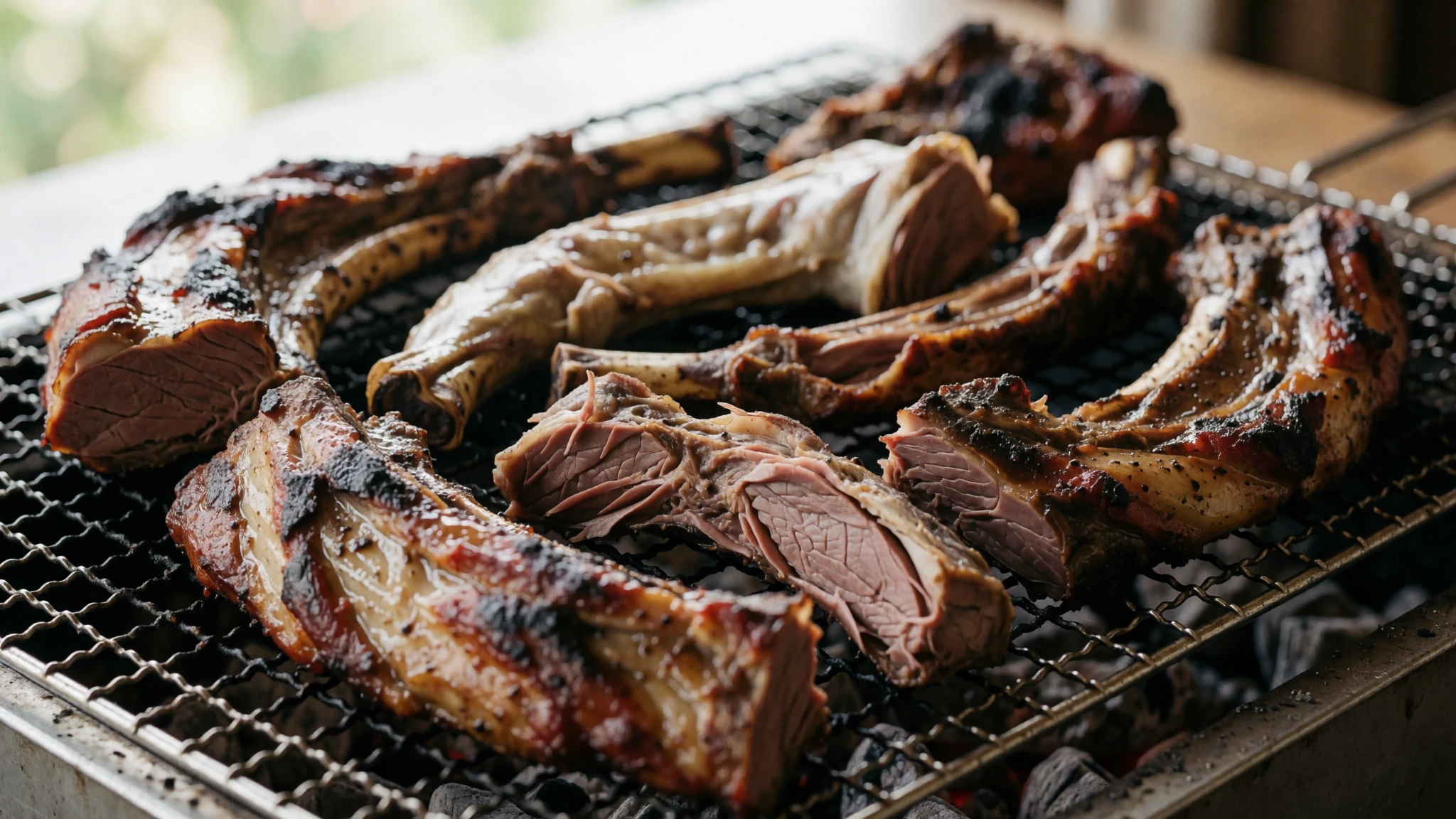
- Ugali with stewed greens — lodge buffets and meals in Kimana town
Ugali is a firm maize porridge that is a staple across Kenya, eaten by hand with a stew or greens. At lodges it is usually served alongside stewed kale or spinach and a meat or vegetable dish. It is simple, filling and a good introduction to everyday Kenyan cooking.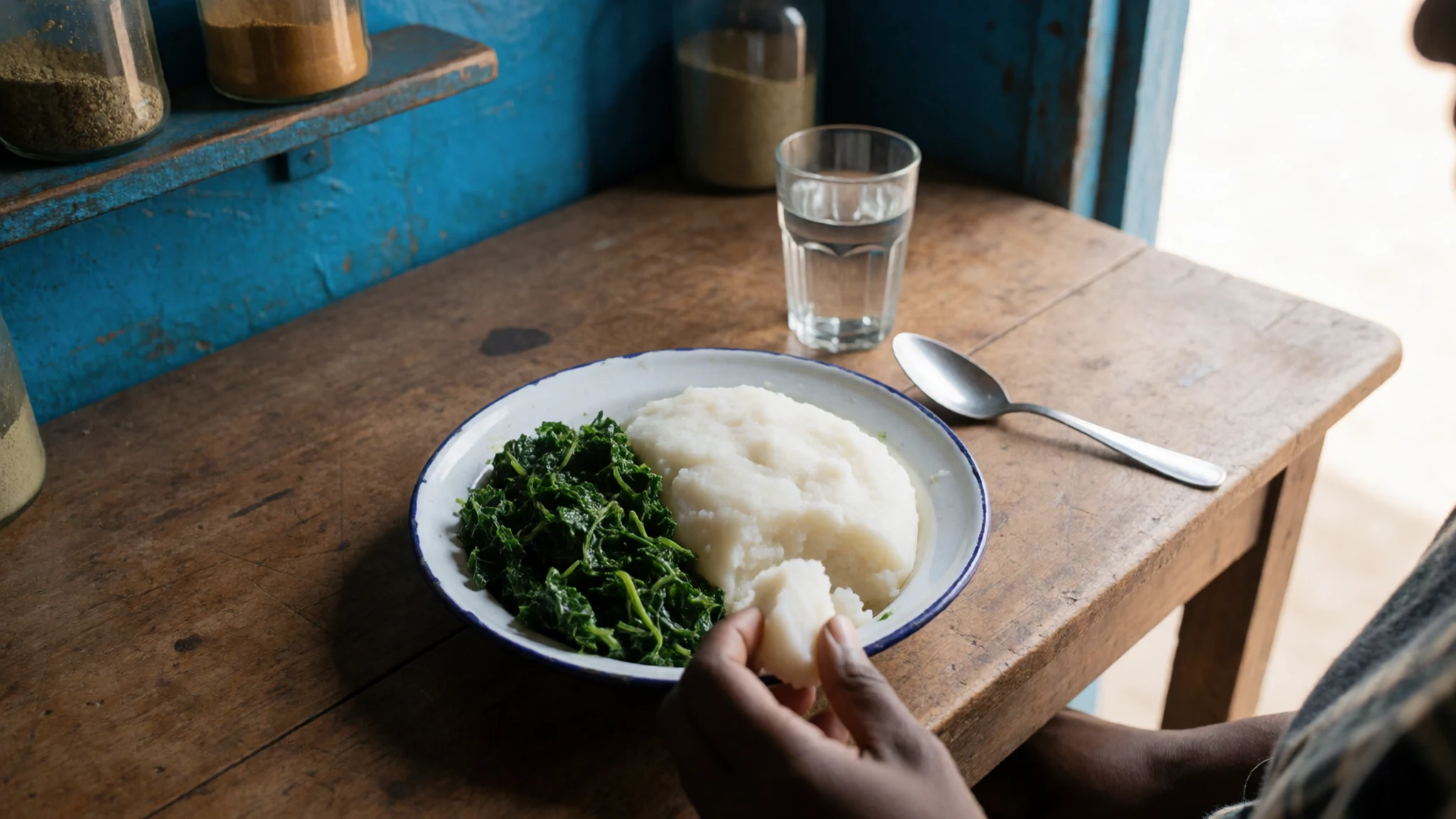
- Chapati — lodge breakfasts and small eateries in Kimana
Chapati are soft, layered flatbreads, a legacy of the region's wider East African trade and cooking traditions. They appear at lodges as part of the buffet and at roadside eateries, often alongside beans or stew. They are good for mopping up sauces and make a simple breakfast on a cold morning.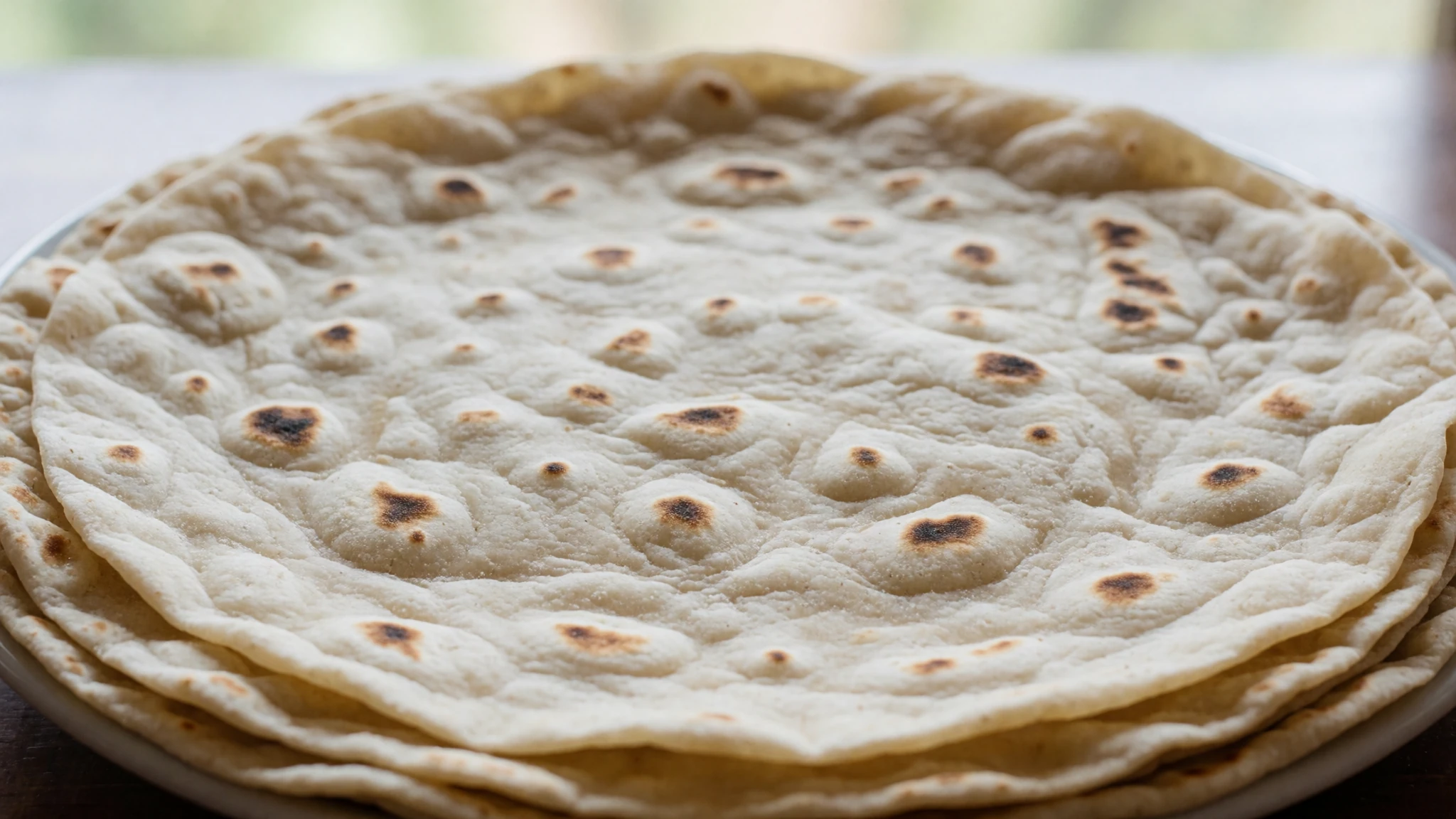
- Beans and rice, or roast goat — small eateries in Kimana town, outside the park
Small eateries in Kimana town serve inexpensive, basic meals such as beans and rice, beef stew and roast goat. These places are simple but filling, and they are useful if you are staying outside the park on a tighter budget. Ask what is ready before ordering, as choices can change through the day. - Packed lunches on the road — packed in your lodge's kitchen before game drives
Most day drives include a packed lunch, usually sandwiches, fruit, hard-boiled eggs, pastries and juice. It is a practical way to eat while you stay out with the animals. Tell your lodge about any dietary needs in advance, as special ingredients can be hard to find in rural areas. - Sundowners and Tusker — lodge bars and sundowner spots at the viewpoints
Lodge bars stock Kenyan beers such as Tusker, along with wine and basic spirits. Sundowner drinks are served at scenic spots as the light fades, which is a popular part of the safari day. Evenings inside the park are quiet, with low-key gatherings by the bar or campfire.
Plan it
Best time. The driest months, roughly June to September, tend to concentrate animals around the swamps, and the vegetation is thinner for easier sighting. Midday is very hot, so mornings and late afternoons are best. The wetter spells bring greener scenery but muddier tracks.
How long. 2–3
Getting there. Most visitors reach Amboseli by road from Nairobi, then head south towards Namanga on the Tanzanian border. If you enter through the Meshanani gate, the road from Namanga is very rough, so check conditions with your operator. Some lodges arrange flights or transfers, so confirm the last leg before you book.
Budget. high
Tips
- Book a lodge or camp well ahead, and ask which gate and road they use
- Plan early morning and late afternoon drives, when animals are active and the light is best
- Carry at least 1–2 litres of water per person for game drives, especially in the hotter months
- Watch for cloud on Kilimanjaro in the morning and be patient for a clear view
- Check current park fees and rules on the official Kenya Wildlife Service site before you travel
Etiquette
- Stay inside your vehicle during game drives and keep a safe distance from elephants
- Stay on marked tracks and do not walk outside designated or guided areas
- Ask before photographing Maasai people and agree any payment in advance
Nearby
Sources
- Wikidata Q458423 (CC0)
- Wikipedia: Amboseli National Park (CC BY-SA 4.0)
- Wikivoyage: Amboseli National Park (CC BY-SA 4.0)
- Photo: African Elephants in Amboseli National Park (M. Disdero) (CC BY-SA 2.5)
- Photo: View of Kilimanjaro from Amboseli National Park (Sergey Pesterev) (CC BY-SA 4.0)
- Photo: Elephants at Amboseli National Park against Mount Kilimanjaro (Amoghavarsha JS) (CC BY 3.0)
- Photo: Tim the Elephant at Amboseli National Park (Fernando Anuang'a) (CC BY-SA 4.0)
- Photo: Proposed 5 km tight buffer zone (H. Croze, Amboseli Trust for Elephants) (CC BY 3.0)
- Photo: Amboseli landscape (Guus Gorter) (CC BY-SA 4.0)
- Photo: Amboseli park entrance (Guus Gorter) (CC BY-SA 4.0)
- Photo: Maasai people at Amboseli National Park (Kandukuru Nagarjun) (CC BY 2.5)


