Lamu
Lamu, Kenya
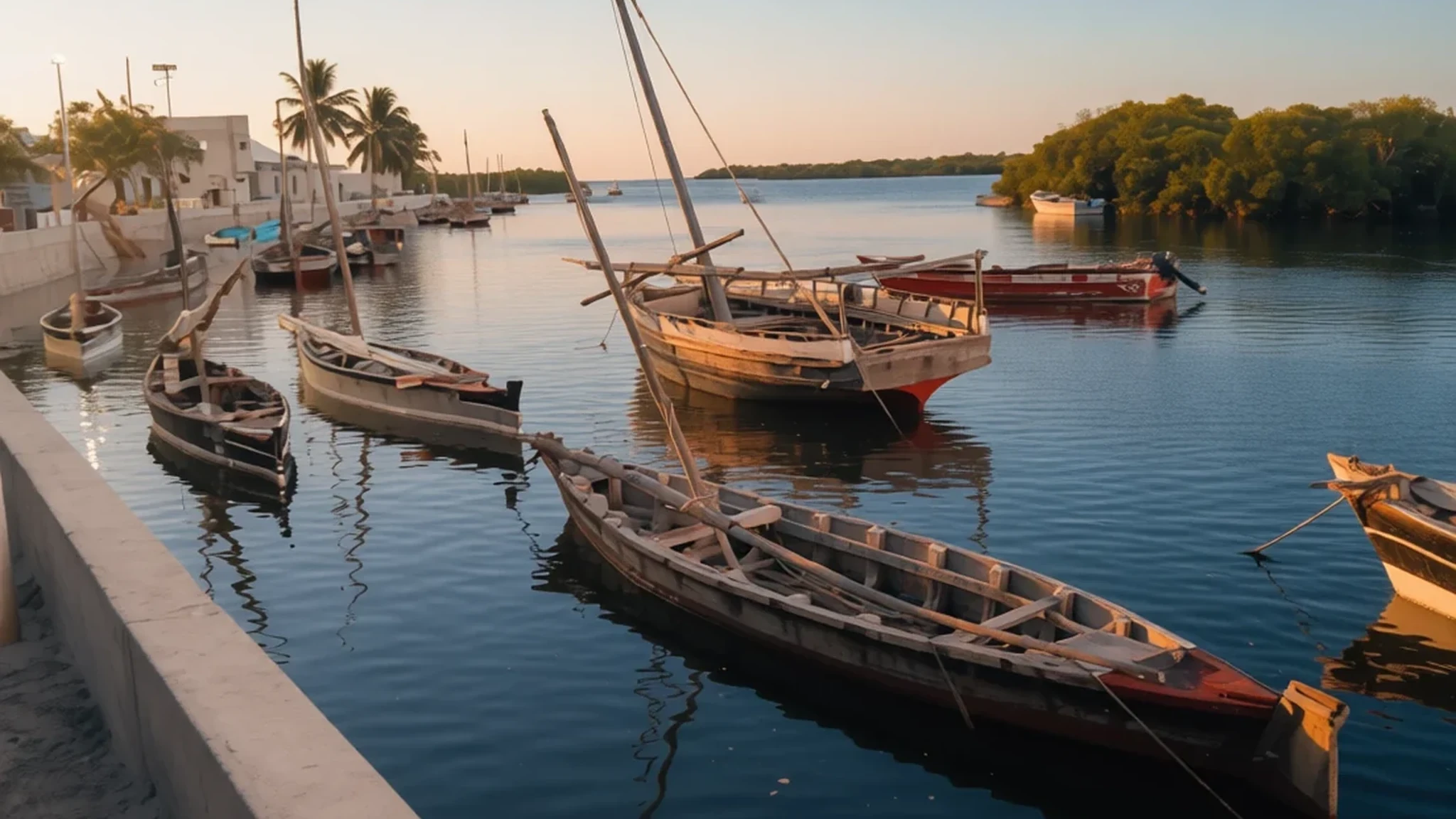
A living Swahili island town of coral-stone houses, carved doors, dhows and donkeys, and a UNESCO World Heritage Site.
The place
Lamu sits on the island of the same name, off Kenya's northern coast, part of an archipelago that has been tied to the Swahili coast for centuries. The town is the administrative seat of Lamu County and home to about 18,000 people, so it feels quiet even by Kenyan standards. Reaching it takes some effort. The road from Mombasa runs about 341 km (212 mi) north-east to Mokowe, where a short sea crossing completes the journey. Many visitors fly into Manda Island instead and take a boat across the channel. Within the old quarter, life moves on foot, on donkey, or by small boat.
The Old Town, on the north-eastern shore, is a maze of coral-stone houses with carved doors, narrow lanes and mosques, some of them more than a century old. The skyline is low and the lanes are shaded, which helps in the heat. Lamu Fort stands on the seafront, a solid block of stone that now houses a museum. Nearby, the Lamu Museum occupies a former colonial residence. Mornings bring fishermen, donkeys carrying water and building materials, and the smell of charcoal smoke from breakfast stalls.
Shela, about 3 km south of the Old Town, is a separate village with its own beach. It has become the base for most foreign visitors, and its cafés and guesthouses reflect that. The beach is a long run of white sand facing the Indian Ocean, and dhows rest on the sand through the afternoon.
The town is a living settlement rather than a museum piece. Its streets still follow the rhythm of prayer, trade and the tides, and its buildings still use the materials and methods of earlier centuries. For many visitors, the slower pace is the attraction.
Its story
Lamu's recorded history starts in the fourteenth century, when the settlement, first called Amu, was already one of the early Swahili trading towns on the East African coast. Tradition dates its founding to 1370, which makes Lamu the oldest continuously inhabited town in Kenya. Its first written mention comes from an Arab traveller who met a judge from Lamu on pilgrimage to Mecca in 1441, a sign of how closely the town was tied to the wider Indian Ocean world.
Portuguese ships arrived in the early sixteenth century, drawn by the growing trade along the coast. In 1506 a Portuguese squadron blockaded the town and forced its ruler to pay an annual tribute, with an immediate sum on top. For a time Portugal controlled much of the East African shipping and taxed existing local trade. Lamu resisted where it could. It rose against the Portuguese in the 1580s, and in 1652 it drew on Omani help to push back their control.
The town's golden age came under Omani protection, from the late seventeenth century into the early nineteenth. Lamu was governed as a republic by a council of elders, who ruled from a palace that has since almost vanished, leaving only a cleared plot. Poets, craftsmen and merchants gathered in the town, and many of its buildings from this period survive in a distinctive classical Swahili style, with carved doors and coral-stone walls.
Colonial rule followed. The fort on the seafront, begun by Fumo Madi before his death in 1809, served as a military fortress and later as a prison. The house now used as a museum was built as a residence for British governors. Through these changes the town kept its Swahili character, and in 1858 the poet Mwana Kupona wrote her long Utendi there.
What to see
- Lamu Fort
Lamu Fort stands on the seafront, built by the sultans of Pate with Omani help in the early nineteenth century. It served as a military fortress and later, under British rule, as a prison. Today it houses a museum, and its thick walls give a clear sense of the long contest over this coast. Go in the cooler part of the day and allow an hour.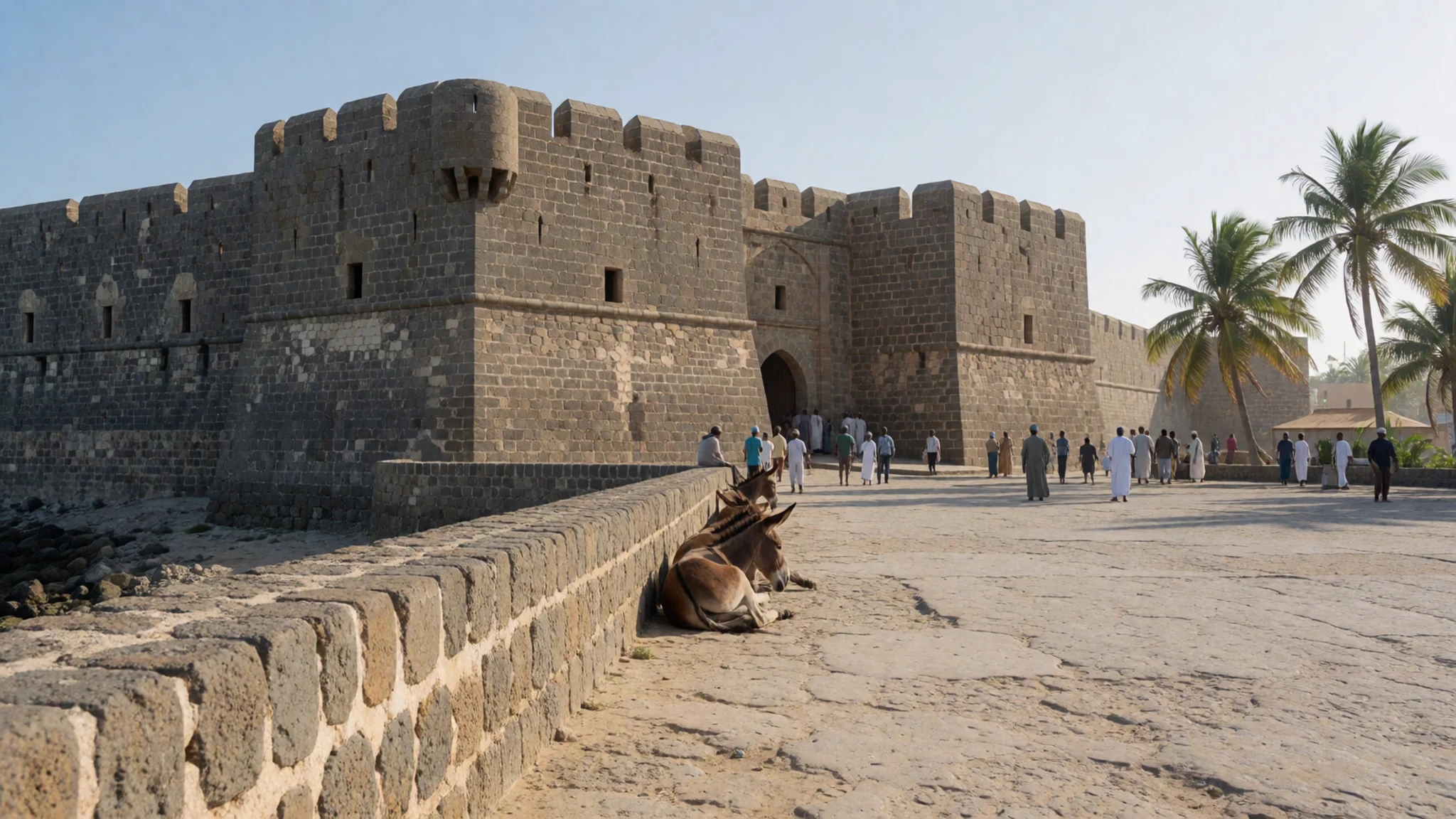
- Lamu Museum
The museum occupies a house built in the late nineteenth century as the residence of British colonial governors. Its displays cover the Swahili culture that shapes the town, from carved doors and coral-stone building to the poetry and trade of earlier centuries. It makes a good first stop before walking the Old Town lanes.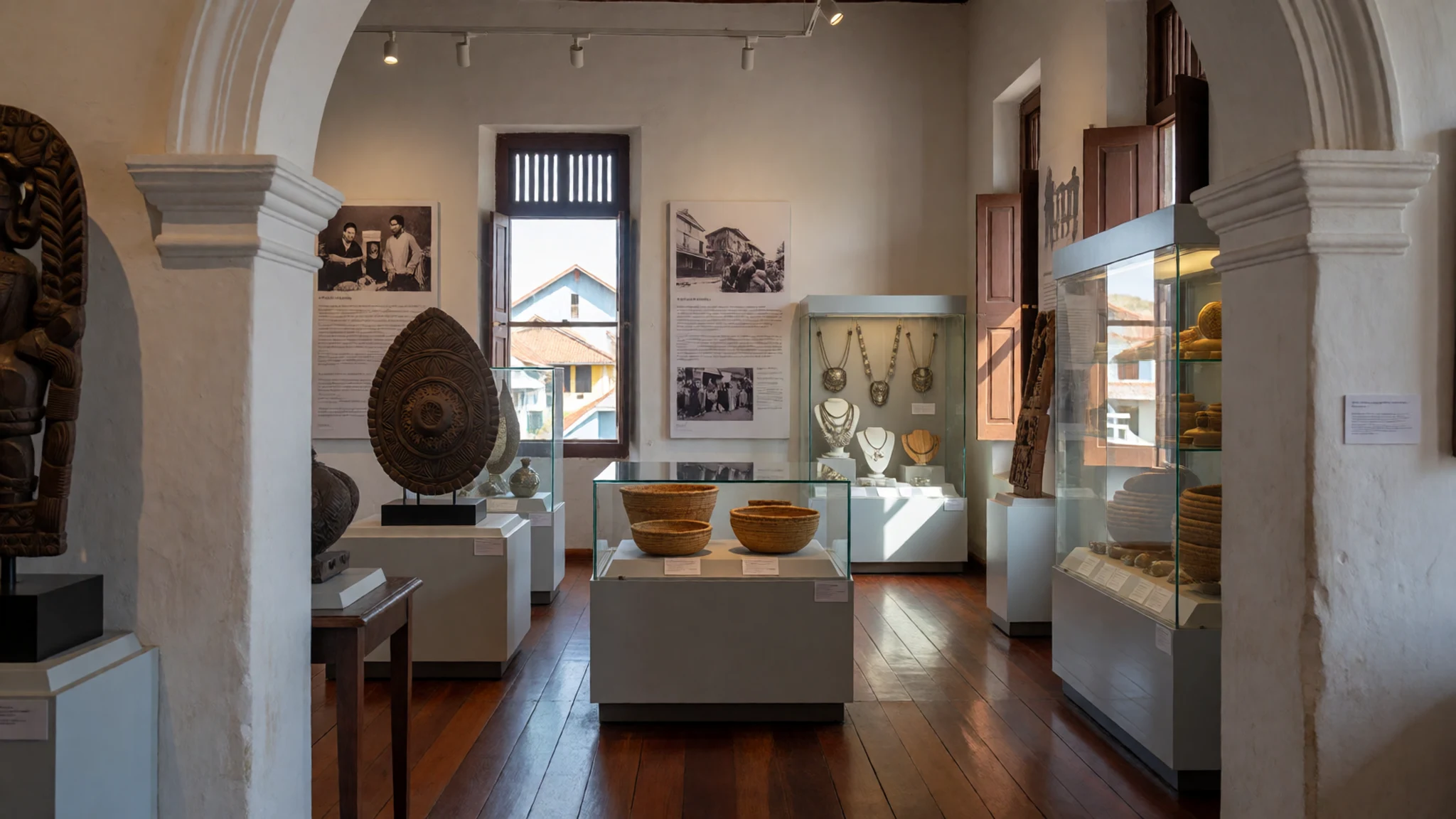
- Riyadha Mosque
The Riyadha Mosque, completed in 1900, is one of the 23 mosques in the town and a working place of prayer. Check with someone at the mosque before going in, and keep to the outer areas during prayer times. Remove your shoes at the entrance, dress modestly, and keep your voice low.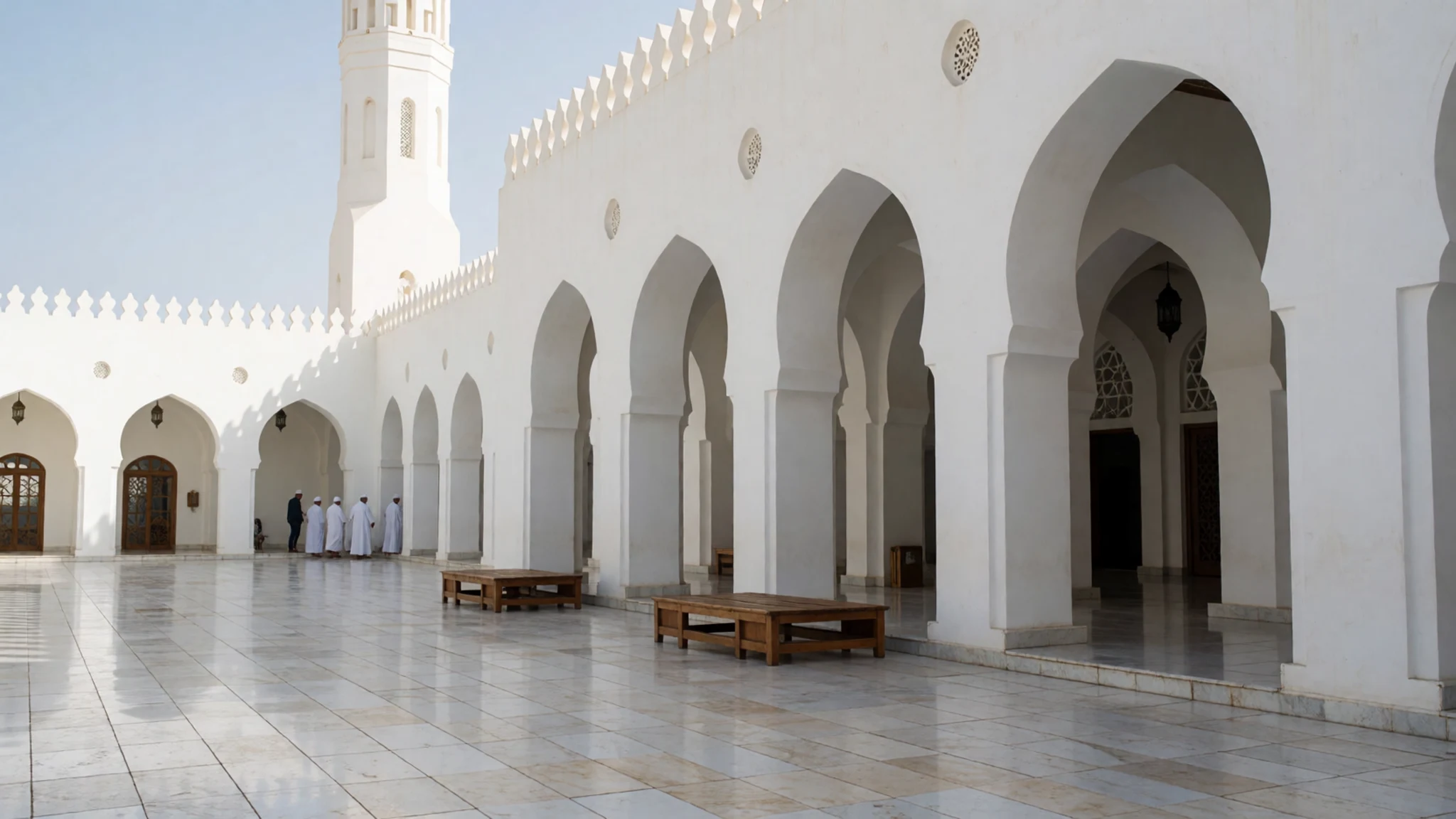
- Takwa Ruins
The ruins of Takwa are an old town reached by dhow, lying quietly among trees and sand. Founded several centuries ago and later abandoned, the site is known for its pillar tomb. Twice a year people from Shela come here to pray for rain. Trips are usually made by dhow, so the outing becomes a half-day on the water.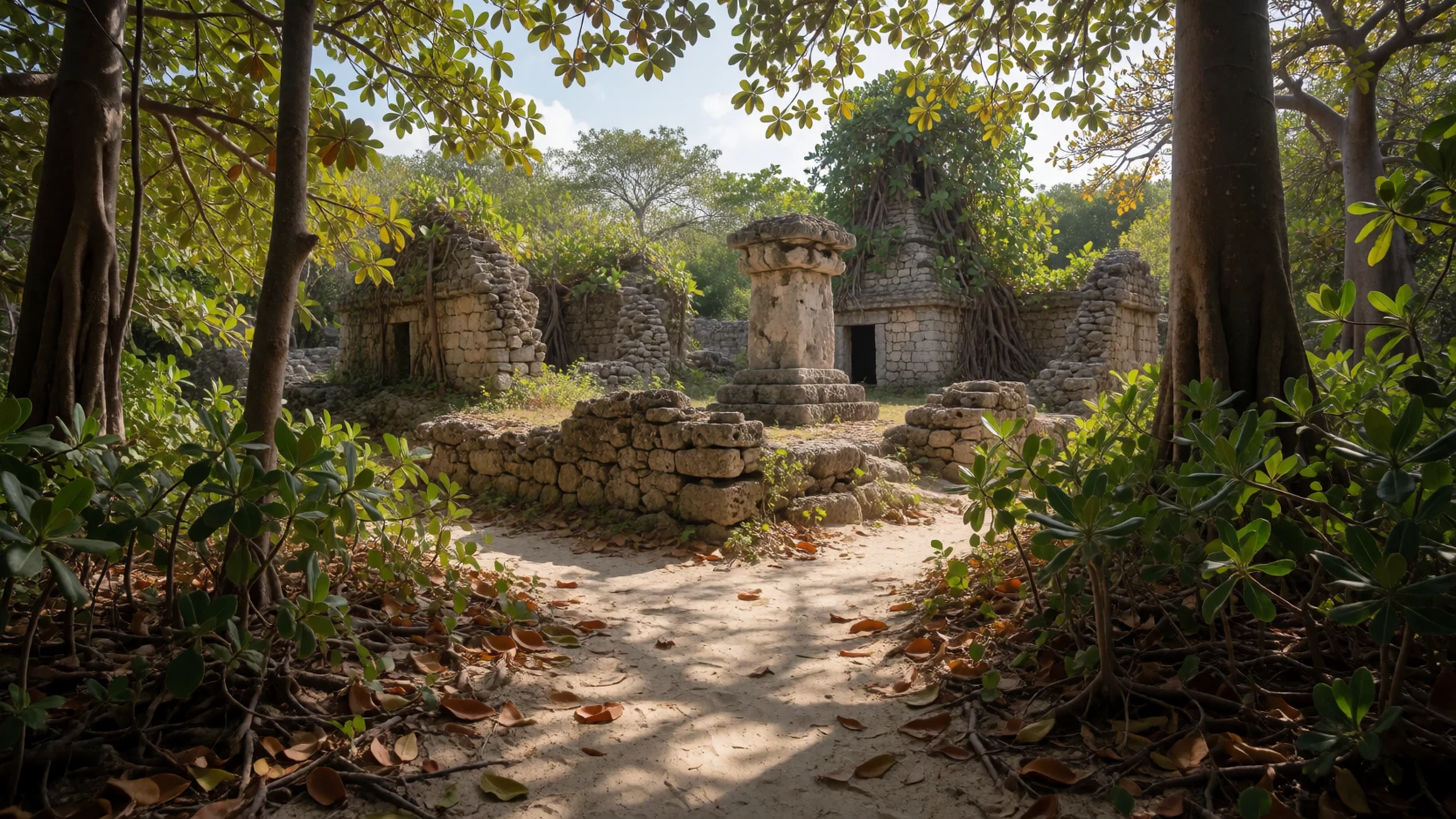
- Shela Beach
Shela Beach runs for kilometres along the southern end of the island, a stretch of white sand strewn with tiny broken shells. The village behind it has more cafés and guesthouses than the town, and it is where most foreign visitors stay. Walk at low tide for the widest sand, and swim where local people do.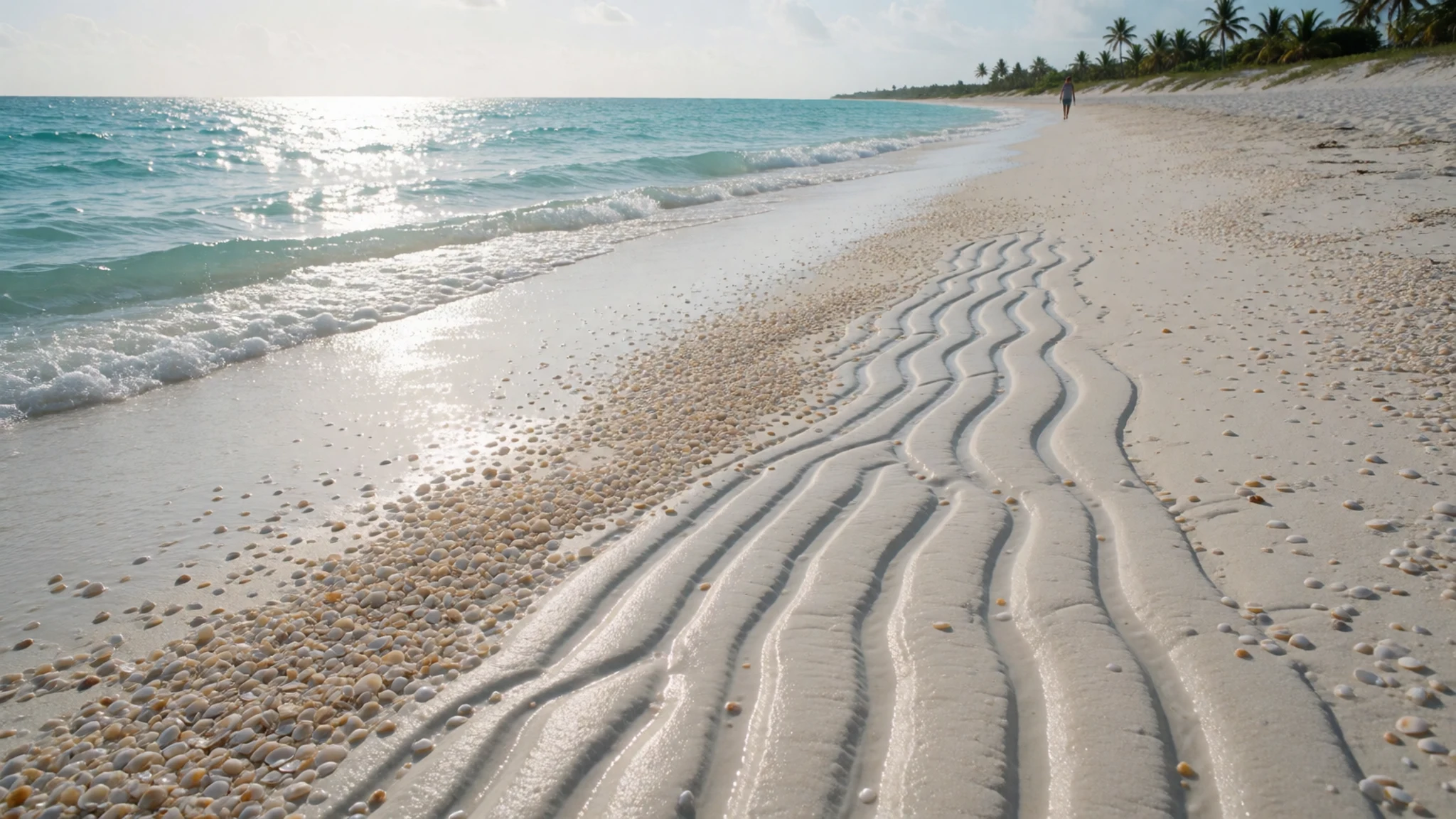
Culture
Lamu is a Muslim-majority town, and its calendar and customs reflect that. The Maulidi Festival, held in January or February, marks the birth of the Prophet Muhammad with donkey races, dhow sailing and swimming contests, which makes it one of the more playful religious occasions on the coast. The Lamu Cultural Festival, a colourful carnival usually held in the last week of August, brings traditional dancing, crafts and dhow races to the waterfront. In March or April, the Donkey Awards honour the finest animals, a reminder of how central donkeys remain to daily life. Women's music is a feature of weddings, and the chakacha is a wedding dance performed by women, while men perform the hanzua, a sword dance, often wearing the kanzu. The town's 23 mosques are places of daily prayer, not sights to be rushed past. Dress modestly in the lanes, and ask before photographing women or anyone at prayer.
What to wear
Traditional dress in Lamu is simple and practical, shaped by the Muslim and Swahili traditions of the coast. Men wear the kanzu, a long white robe, often with an embroidered cap called a kofia. The embroidery on those caps is a local craft and is shown at the Lamu Cultural Festival. Women have traditionally worn long, loose garments in plain or printed cotton, such as the kanga cloths found across the coast, with a headscarf for going out. Cotton suits the heat and allows the modesty that local custom expects.
Day to day, many men still wear the kanzu for prayer and on religious occasions, while the wider mix is ordinary. Men wear shirts and trousers, and women wear long dresses, loose tunics and scarves, with more Western clothing among younger people. Dress is more relaxed in Shela, where many visitors stay, but respect is still expected in the Old Town.
For a visitor, lightweight cotton or linen in long lengths is the sensible choice. Cover your shoulders and knees in town and around mosques, and carry a scarf to cover your hair when entering a religious building. Sandals suit the sand and stone lanes better than heels, and a wide-brimmed hat helps in the sun. Swimwear belongs on the beaches rather than the streets.
What to eat
- Swahili meat stew — a small local Swahili eatery away from the waterfront
Slow-cooked meat in a rich, spiced sauce, tender enough to break apart on a spoon. Look for it at a small local eatery in the streets behind the waterfront, where the menu follows the day's market. It is simple, filling and a good first meal after the boat crossing.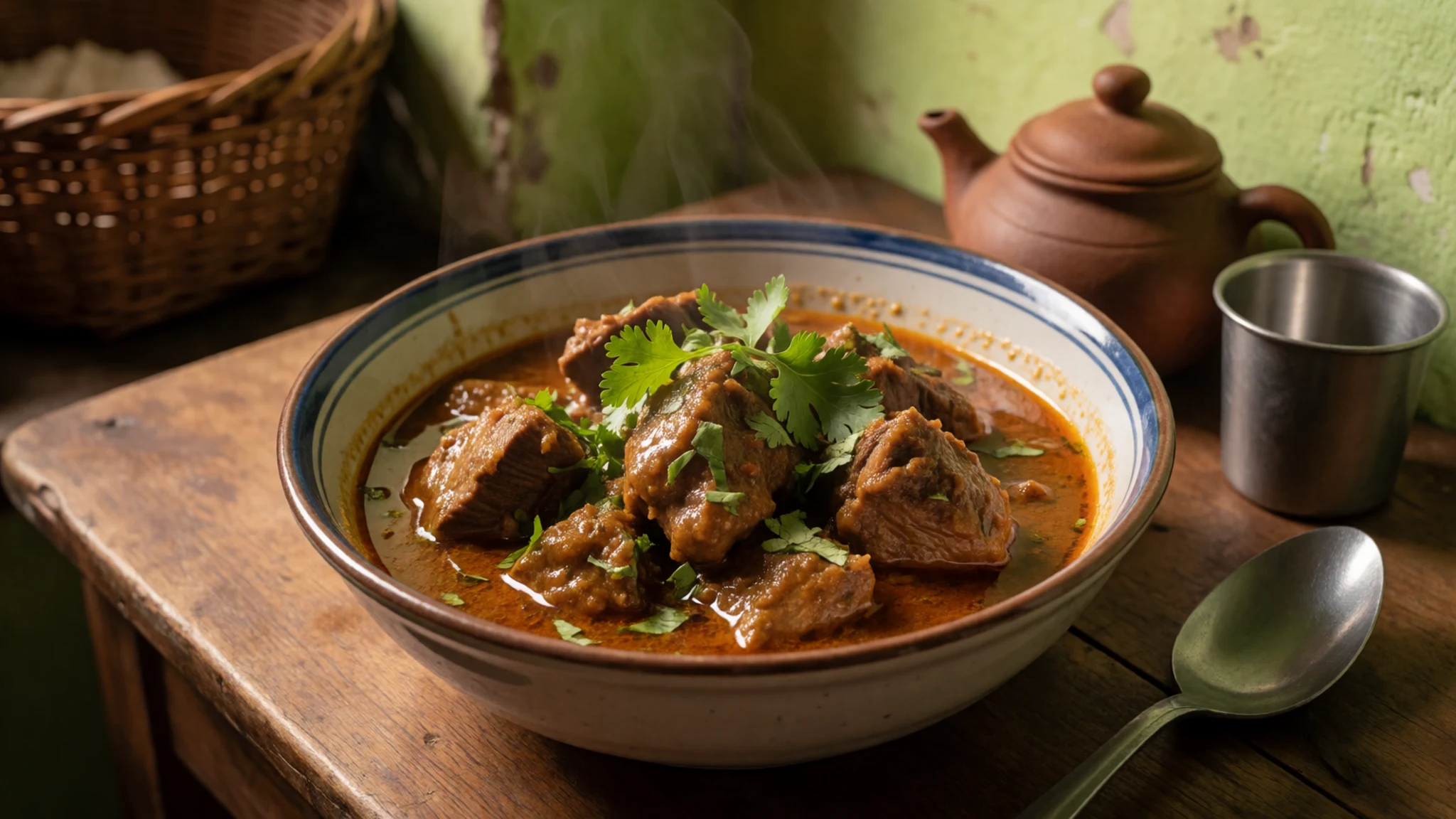
- Chicken biryani and shawarma — the evening food stalls along the seafront near Forodhani
Spiced rice with chicken, plus small shawarma wraps and fries, served from the evening food stalls by the seafront. It is good value and cheerful, with the harbour lit up behind the stalls. Eat standing or on a bench, and watch the dhows come in as the light fades.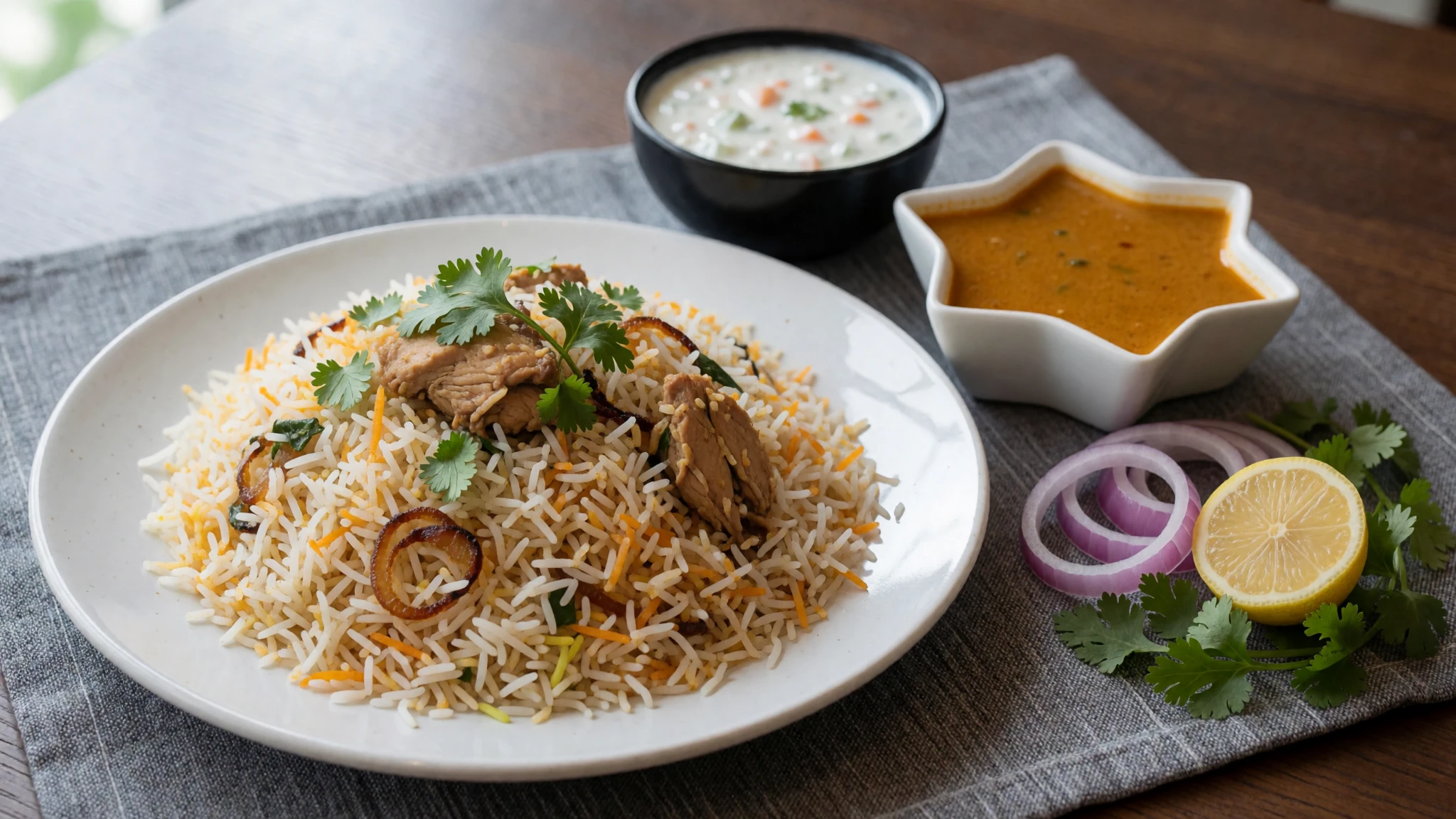
- Garlic crab and crab soup — seafront cafés in Lamu Town facing the harbour
Crab cooked with garlic, or served as a thick, warming soup. Both appear on the menus of the seafront cafés, which face the harbour. Crab is a regular feature of coastal cooking, so ask what came in that day. Order early in the evening, when the kitchen is less busy. - Curry fish — casual cafés near the town's harbour
Fish cooked in a spiced curry sauce, the way many coastal households prepare it. Try it at one of the casual cafés near the town's harbour, where fish is landed daily. It works well for lunch, served with rice or chapati. - Tusker by the water — waterside bars, including the floating bar between Manda and Lamu islands
Kenya's familiar lager, served cold at waterside bars. The floating bar anchored between Manda and Lamu islands makes a memorable spot for a drink at sunset, while the bars along Shela's beach are calmer. Prices and hours vary, so check at the bar before ordering.
Plan it
Best time. July to September, when the steady winds bring kite-surfing conditions and the heat and rain are at their gentlest. Expect heat and humidity at other times of year, and check local forecasts before any long boat crossing.
How long. 2–3
Getting there. Fly into Manda Airport on Manda Island from Nairobi, Mombasa or Malindi, then take a short boat ride of about five minutes to Lamu Town. The overland option is a bus from Mombasa, which takes 5–7 hours to the Mokowe jetty, followed by a boat across the channel.
Budget. mid
Tips
- Book a front seat on a bus from Mombasa in advance, since few services are express
- Arrange a dhow trip to Manda Island or Takwa Ruins through the harbour, and agree the terms before setting off
- Walk the Old Town early, before the heat builds, and rest through the middle of the day
- Carry cash, as small cafés and boatmen may not accept cards
- Drink bottled water and use sun cover, since the glare off sand and water is strong
Etiquette
- Dress modestly in town, covering shoulders and knees
- Ask before photographing people, especially women and worshippers
- Keep swimwear to the beaches and Shela rather than the Old Town lanes
Nearby
Sources
- Wikidata Q272799 (CC0)
- Wikipedia: Lamu (rev 1376656919) (CC BY-SA 4.0)
- Wikivoyage: Lamu (rev 5408158) (CC BY-SA 4.0)
- Lamu harbour, MysteryBee (CC BY-SA 2.0)
- Lamu Old Town, Almaddy2022 (CC BY-SA 4.0)
- Swahili door and coral walls, Elena.laps (CC BY-SA 4.0)
- Lamu, Kenya (45275410485), Nina R (CC BY 2.5)
- Lamu, Kenya (31463413311), Nina R (CC BY 2.5)
- Lamu Fort Museum, Yuma901 (CC BY-SA 4.0)
- Lamu island seashore, FredD (CC BY 3.0)
- Stone House Hotel window, Kevin Borland (CC BY 3.0)


