Lake Turkana National Parks
Lake Turkana National Parks, Kenya
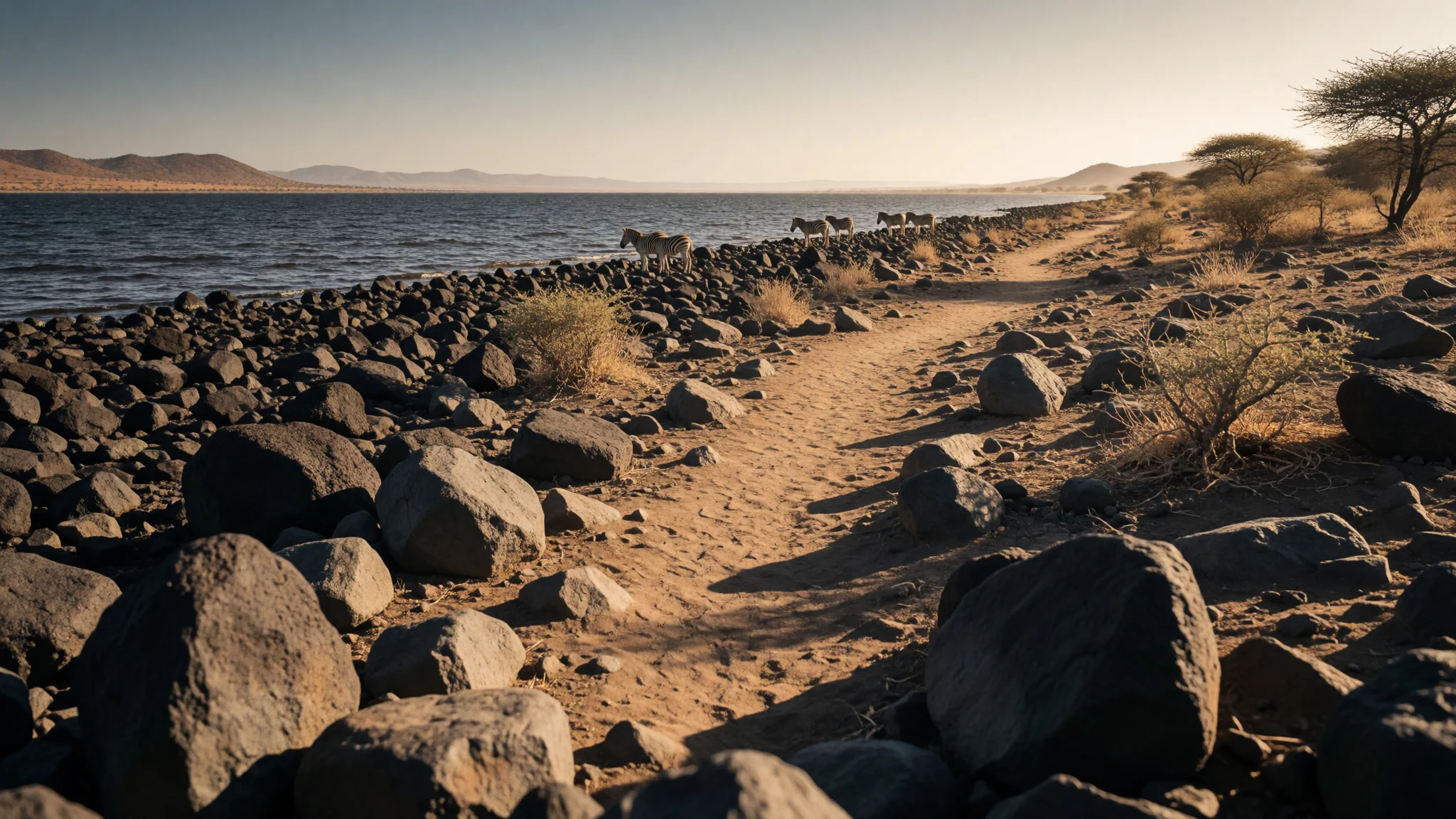
Lake Turkana National Parks pairs huge water and islands with crocodiles, birds, and fossils that reshape what you thought you knew about this corner of Kenya.
The place
Lake Turkana National Parks is a trio of protected areas built around Lake Turkana in northern Kenya—Sibiloi National Park and two island parks in the lake: Central Island and South Island. The landscape is more “raw and remote” than manicured: volcanic-looking ground, open views across shifting water colour, and long horizons that make the sky feel close.
This is a place where the wildlife story is seasonal and ecological rather than just about seeing animals. Birds use the wider lake area during migration, and the parks also matter for breeding, with Nile crocodiles, hippos, and snakes called out as part of what makes the ecosystem click. Even if your days are quiet on the water’s edge, you’re still watching a living system work.
Then there’s the ancient-history angle. Koobi Fora deposits are included in the bigger park story, and they’re described as unusually significant because the fossils found there are unique in the world. That means the park isn’t only about today’s heat shimmer and bird calls; it’s about deep time.
In the background, UNESCO sits on the page: the listing is tied to both the natural importance and the fossil record. In practice, the experience feels like being far from the “normal” safari script—less about luxury lodges and more about taking the days as they come: dusty roads, big distances, and a horizon that never quite stops moving. If you enjoy wildlife, geology, and travel that feels a little off-grid, this one delivers.
Its story
Lake Turkana National Parks has the kind of atmosphere that doesn’t translate well into photos: wind that changes direction, sun that turns the water pale, and stretches of shoreline that look empty until you notice movement in the shallows. Driving into the region, the pace tends to slow—not because there’s nothing to do, but because distances and conditions make you plan differently.
Sibiloi’s name often comes up in conversations about the wider park group, while Central and South Island add a classic “in the middle of nowhere” flavour to the trip. Standing on the lake’s edge, you understand why islands matter here: they’re distinct pockets of habitat, and that separation helps explain why different wildlife uses different spaces.
What makes Lake Turkana feel different from many parks is how the story expands beyond animals you can point to. The mention of migratory birds is a clue that you may arrive in a moment when the ecosystem is in transition. The breeding references—Nile crocodiles, hippos, and snakes—suggest a deeper calendar: not just a “go and see” checklist, but a system that’s doing different things in different seasons.
And then Koobi Fora interrupts the usual travel rhythm. Fossils turn a game drive into something closer to detective work, where landscapes become clues. Even if you’re not reading every report, you feel it: the ground is not just scenery.
Expect practical challenges. It’s a remote lake environment, so travel planning, water and shade, and longer-than-expected routes are part of the deal. If you go with patience and a good attitude toward dust and heat, Lake Turkana can feel strangely rewarding—like discovering a place that’s been waiting for you to look properly.
What to see
- South Island shoreline
South Island is the kind of place where the lake dominates everything—quiet water edges, exposed ground, and long lines of sight. It’s an easy focus for photography and day pacing: step out, watch the light shift, then look closer for signs of wildlife around the waterline.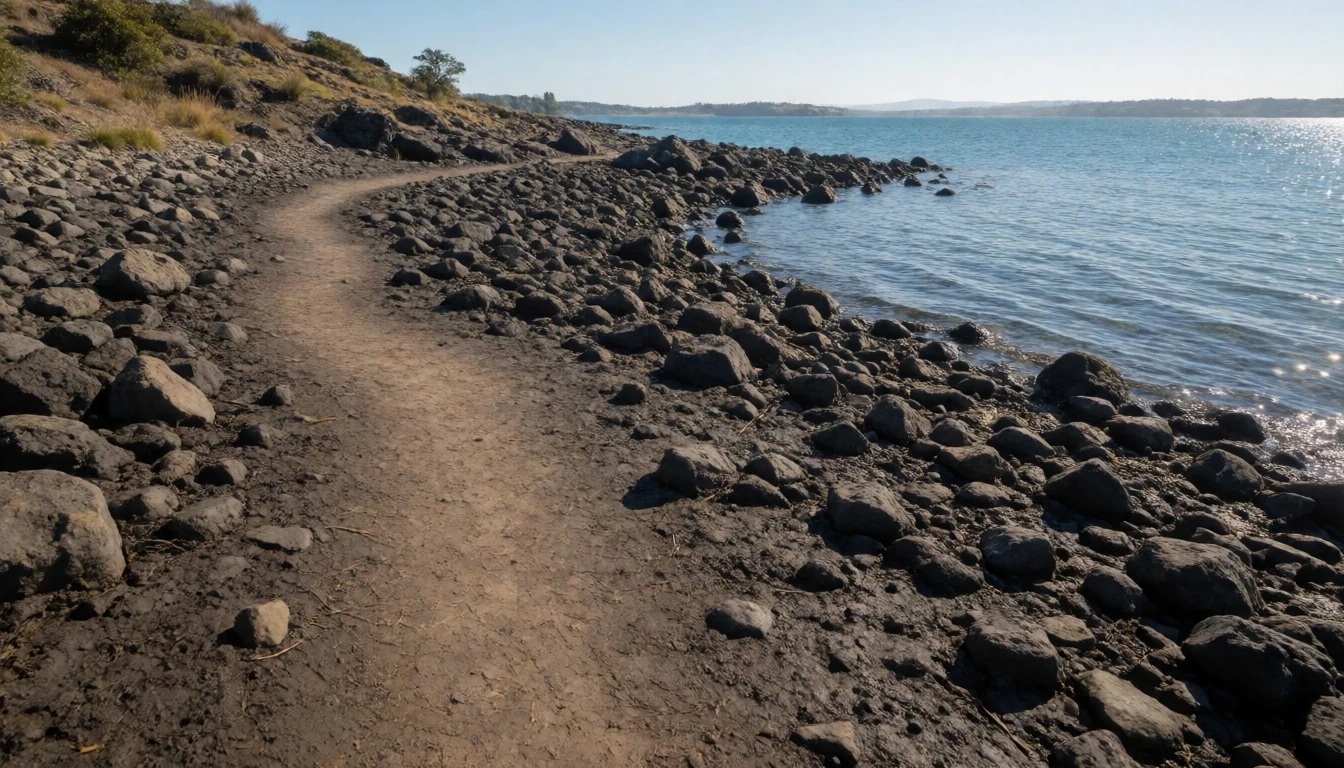
- Central Island and Flamingo Lake
Central Island’s water features are where the lake’s seasonal personality shows up. Flamingo Lake is a good mental anchor: you’re looking for birds and the timing of their presence, rather than only “big animals.” Give it time, and let the birds tell you where the action is.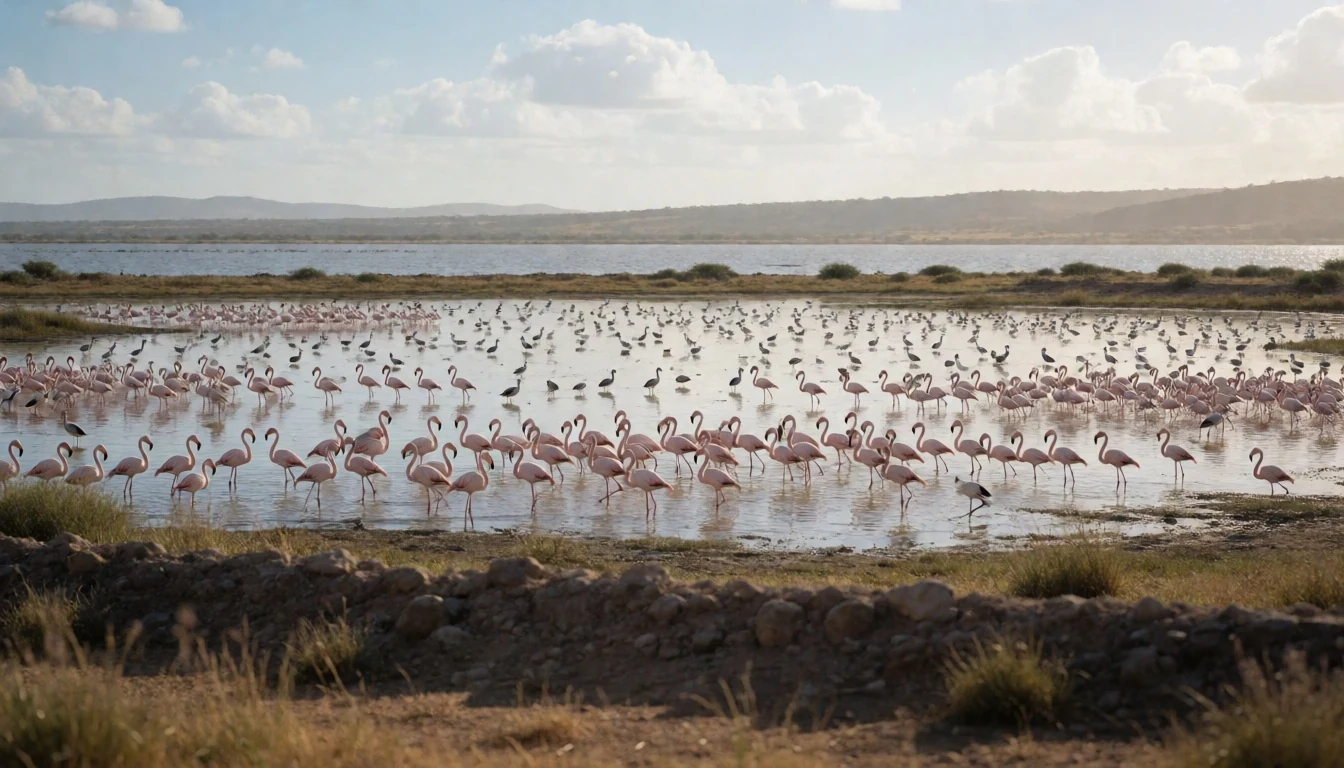
- Lava rock pools near the southern end
Near the southern end, the terrain gets wonderfully specific: clusters of lava-rock pools sit just off the lake’s margin. These make the landscape feel geological and alive at once—small-scale habitats against a massive setting.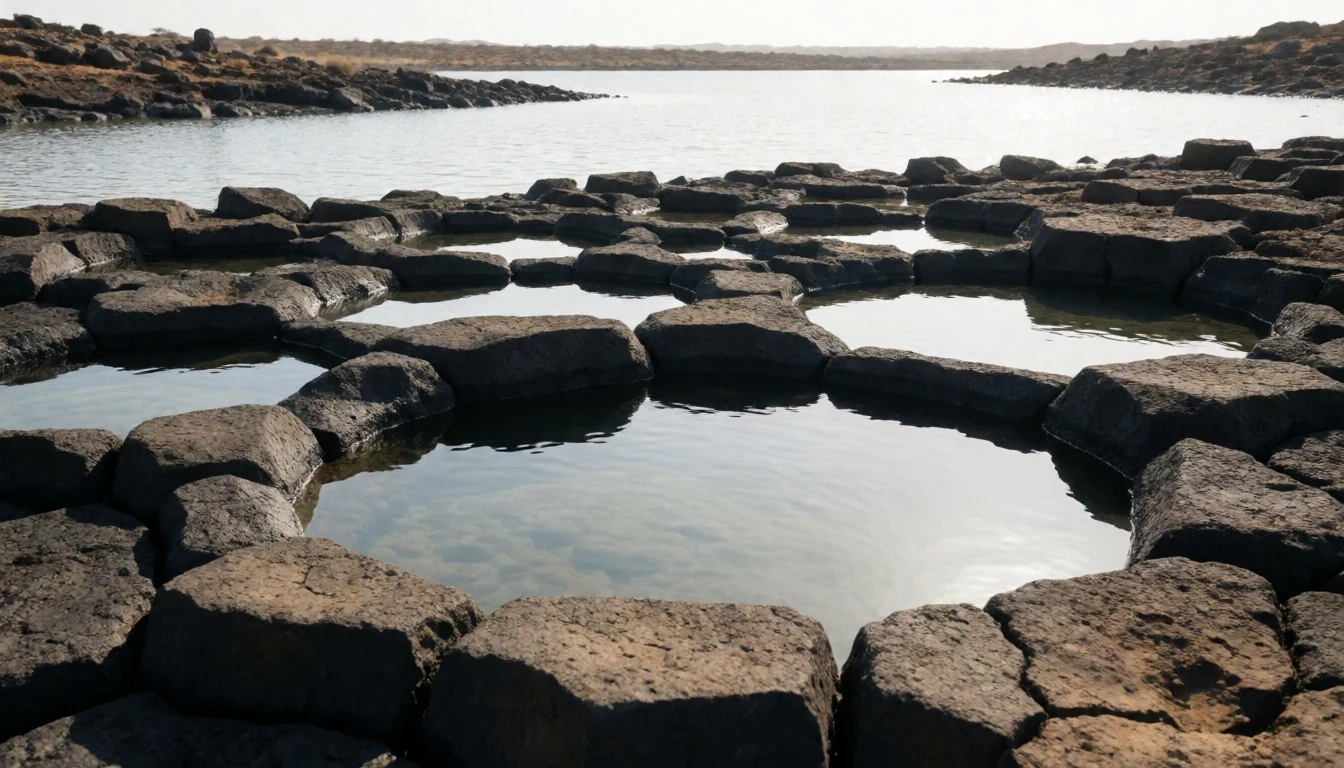
- Lake Turkana views from the road
A simple road stretch can become a highlight because the shoreline runs alongside your route. Look for places where the terrain opens and the water colour changes—those are often the spots where wildlife activity concentrates or where bird activity becomes easier to spot.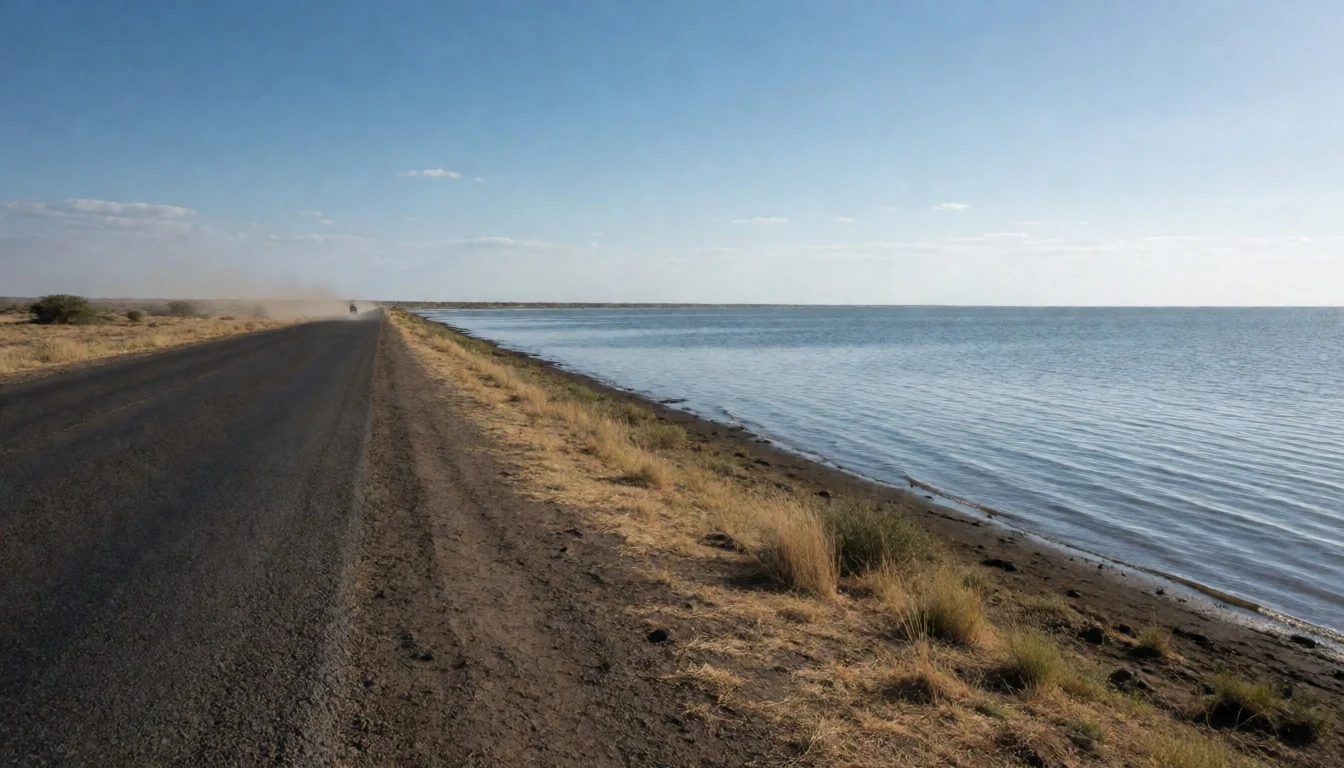
- Shoreline fish markets and local life
The lake isn’t only for conservation; people live with it. Fish stores by the shores show the practical side of Lake Turkana—what’s caught, what’s sorted, and how the lake supports daily routines. It’s a grounded way to balance wildlife time with human time.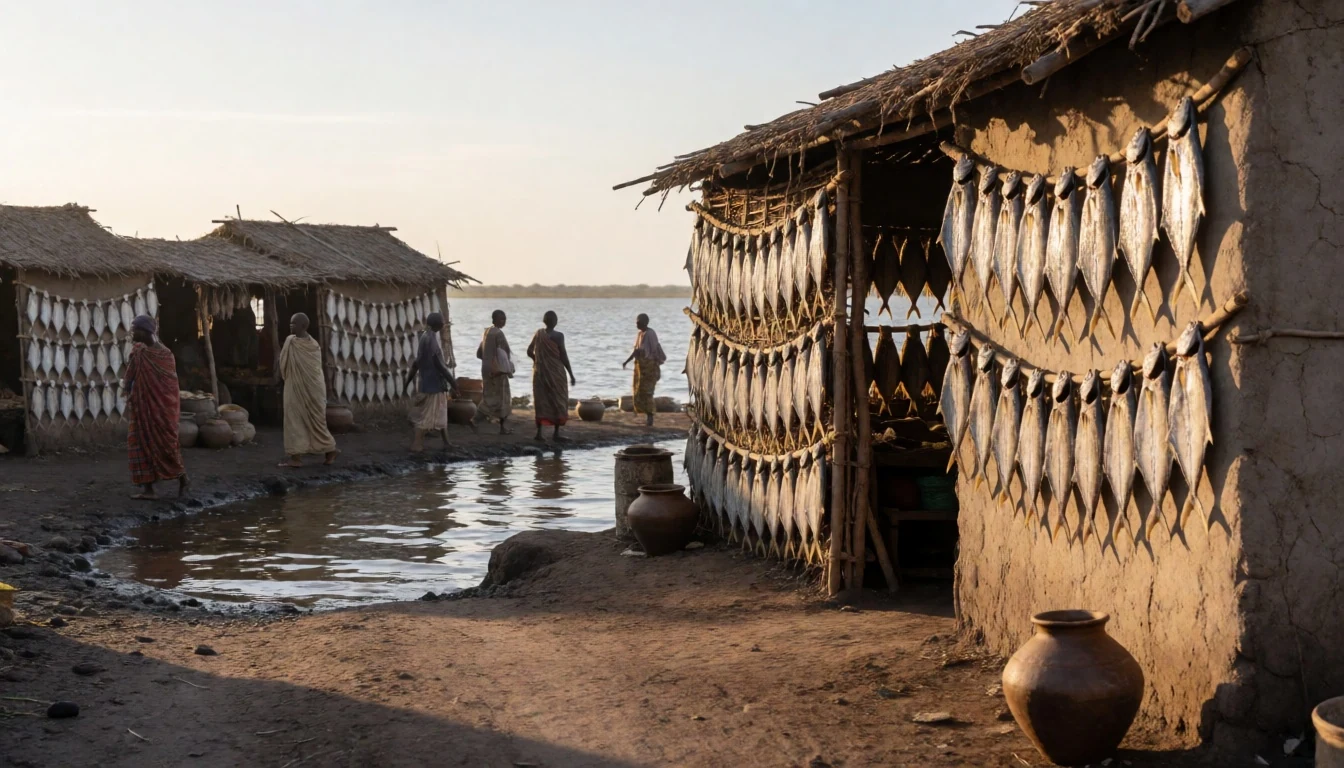
- Koobi Fora fossil country (from the wider park area)
Koobi Fora deposits are part of the park story, and they’re the reason the UNESCO listing talks about more than wildlife. Visiting the wider area gives you context for how geology and deep time are embedded in the landscape—think “history you can walk across.”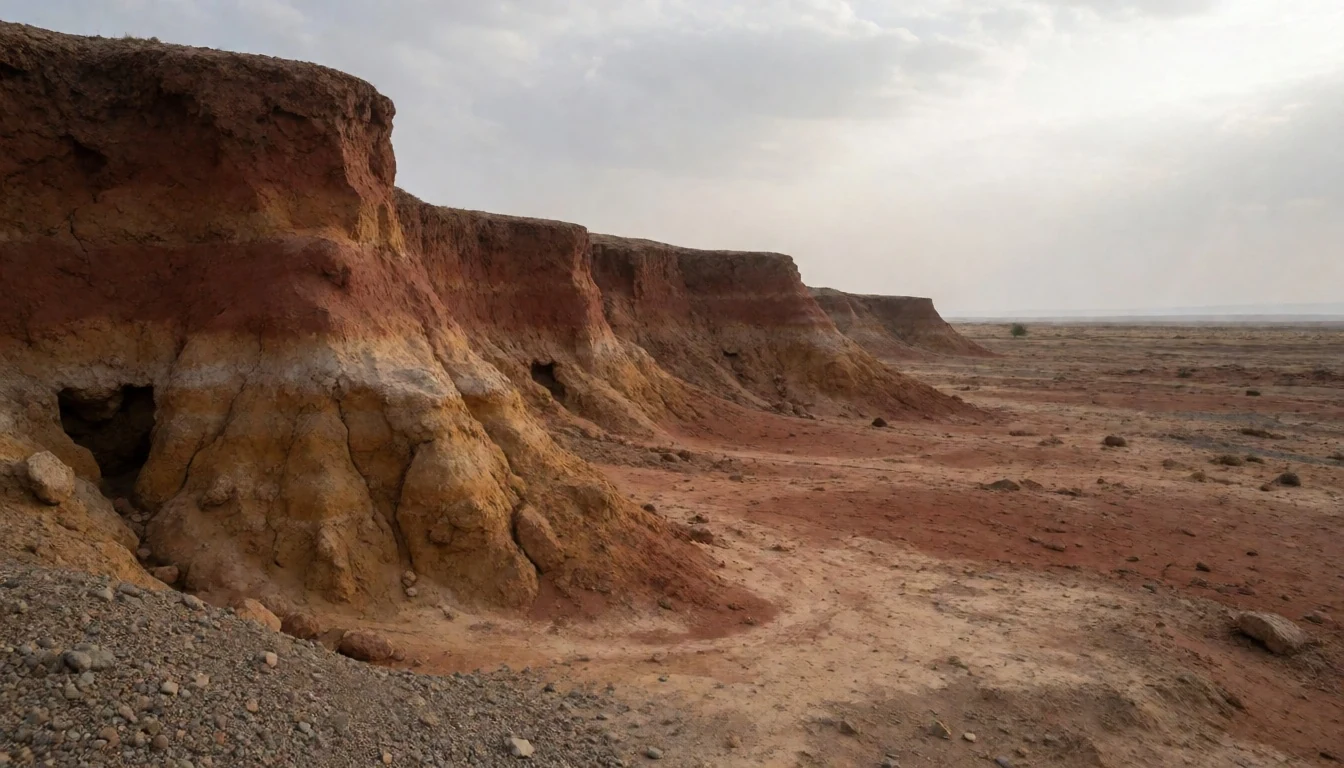
Culture
Lake Turkana National Parks sits inside a broader community-and-conservation landscape. Wildlife and fossils are the headline, but the daily reality for nearby communities is that the lake supports livelihoods—especially through fishing and small-scale trade along the shore. In practice, that means you’ll often pass through spaces where you’re not just “visiting a park,” you’re moving through working areas.
Because this is remote, interactions can feel more immediate than in busier tourist regions. A calm, respectful attitude goes a long way: ask before taking close-up photos of people or activities, and be ready for questions about who you are and where you’re heading. The lake environment also encourages slower communication—hand signals, short conversations, and waiting while someone fetches what you need.
Conservation matters here too. Stay within agreed areas with your guides, avoid trampling fragile ground, and don’t treat wildlife encounters like a staged show. If you’re filming or photographing birds or crocodiles, keep distance and avoid crowding the shoreline.
Visitor etiquette: Ask before photographing people, keep to agreed routes, and give wildlife space—especially near shorelines and small working areas.
What to wear
At Lake Turkana National Parks, clothing is mainly about sun, dust, and comfort around water and islands. Traditional dress varies across communities around northern Kenya, but in this region you often see well-woven textiles and layered garments. Visitors usually won’t encounter “formal” cultural performances daily, so the best approach is to respect what’s normal: if you’re visiting community areas, choose modest clothing that covers shoulders and keeps things loose rather than tight.
What people wear day to day tends to be practical for heat—lightweight fabrics, long or semi-long sleeves for sun protection, and shoes that can handle dusty ground. In the park setting, expect that footwear to matter more than style; sandals can be okay in dry, calm conditions, but closed shoes or sturdy sandals with secure straps are safer when the terrain is uneven.
For visitors, bring breathable layers for sun and evenings, plus a hat, sunglasses, and a buff or scarf for dust. A light rain layer helps only if you’re travelling during unsettled weather. If you’re planning time near water edges, pack quick-dry clothing or a change set so you don’t end up uncomfortable after accidental splashes or boat transfers.
The golden rule: dress to blend in and to move comfortably—this is an environment where heat and ground texture do the deciding.
What to eat
- Lake fish preparations — Fish stores and shore-side stalls around Lake Turkana
Look for simple lake fish dishes sold around the shore—often grilled or cooked with basic seasoning. These stalls and fish stores are a practical way to eat local food without turning the day into a search mission.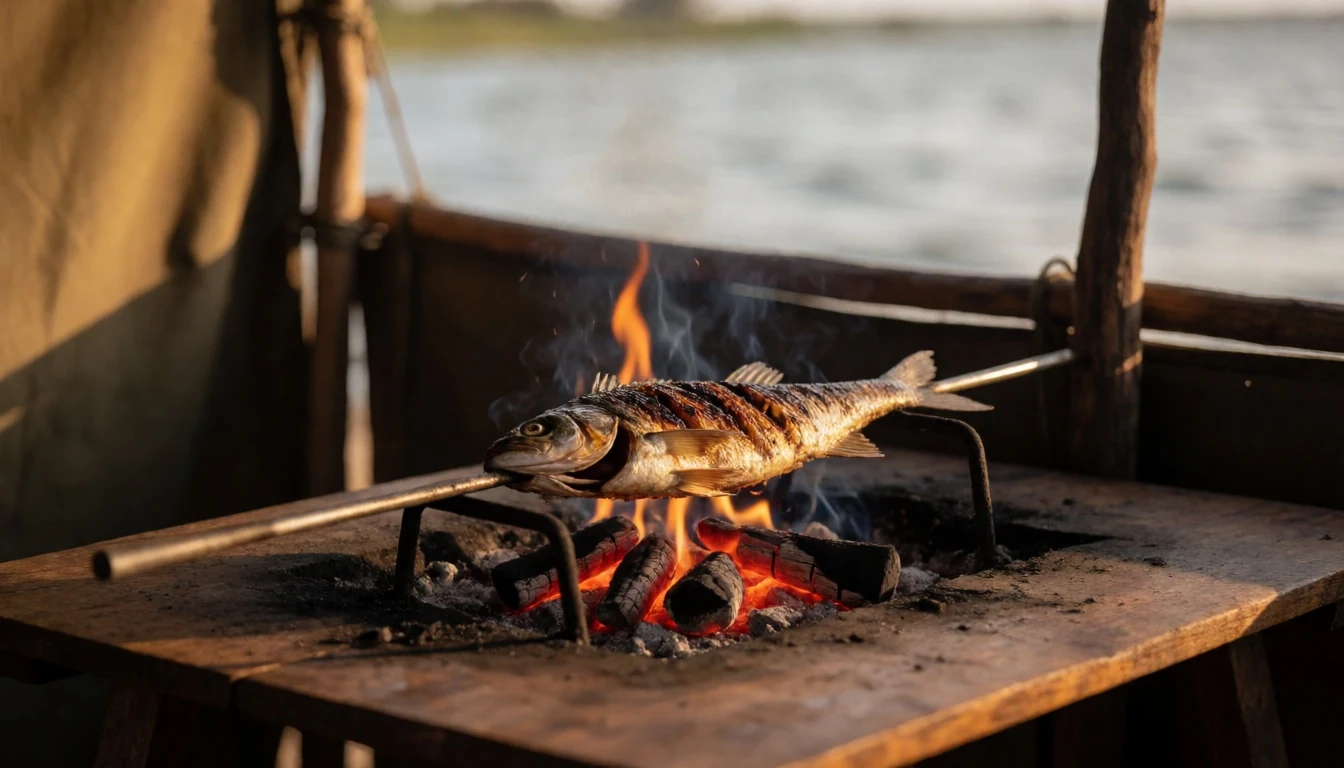
- Staple maize-based meals — Local eateries and community markets near the route to the lake
In many northern Kenyan settings, maize is a common base for hearty meals. Expect filling options that work well for long travel days: something warm, dense, and easy to share with your crew or guide.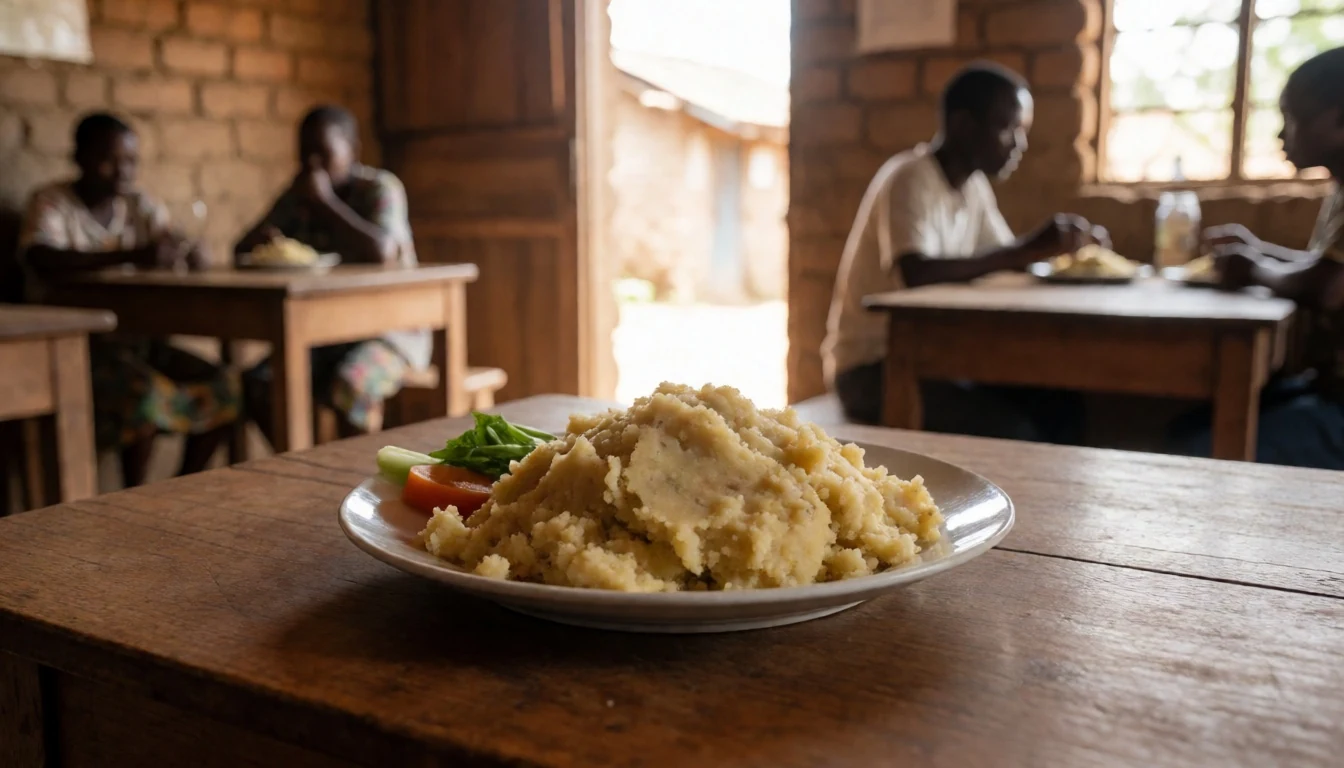
- Beans and lentil stews — Village eateries and meal stops along the approach roads
Legume stews show up frequently because they travel well and keep you satisfied. Pair them with a simple starch when available so you’re fuelled for afternoon light and early starts. - Vegetable and grain sides — Any small local eatery or roadside meal stop around the lake
When the menu is basic, vegetable sides and grain bowls help balance things. They’re also useful if you want something lighter than a full fish meal, especially when the day feels heavy with sun. - Tea and sweet snacks — Market stalls and small community shops
A hot drink and small snacks can make the long stretches feel easier. It’s a good moment to check in with your guide, confirm the next leg, and rest in the shade while things cool down.
Plan it
Best time. March–April and October–November are the best months because the climate is more comfortable for daytime exploring; June is the rainy season and August is hot and humid.
How long. 3–4
Getting there. Fly into Nairobi, then continue onward by the most practical route available to Lake Turkana (often via domestic flights where available), finishing with a road transfer to the parks and lake shores with your guide.
Budget. mid
Tips
- Plan wildlife viewing for early hours when light is best and conditions feel less harsh.
- Build extra time into driving days; distances in this region can take longer than expected.
- Stay hydrated and protect from dust—hat, sunglasses, and a scarf/buff help a lot.
- Use a local guide familiar with lake and shoreline conditions, especially if you’re visiting island areas.
- Carry cash for smaller purchases at markets and shore-side stalls.
Etiquette
- Stay on agreed routes and don’t wander into restricted conservation areas.
- Keep distance from wildlife and avoid blocking paths near the waterline.
- Ask before photographing people during shore-side market moments.
Nearby
Sources
- Wikidata Q1647948 (CC0)
- Wikipedia (Lake Turkana National Parks) (CC BY-SA 4.0)
- Photo photos/01-laketurkanasouthisland.jpg (CC BY 3.0)
- Photo photos/02-flamingo-lake-01.jpg (CC BY-SA 3.0 de)
- Photo photos/03-series-of-lava-rock-pools-at-southern-end-of-lake-turkana.jpg (CC BY-SA 2.0)
- Photo photos/04-1979-lake-turkana-27115984.jpg (CC BY 2.5)
- Photo photos/05-20210108145308-img-0176-01-01-transcpr.jpg (CC BY-SA 4.0)
- Photo photos/06-20210601113611-img-1693-transcpr.jpg (CC BY-SA 4.0)
- Photo photos/07-20210620190616-img-1889.jpg (CC BY-SA 4.0)
- Photo photos/08-bath-panoramio-10.jpg (CC BY 3.0)
- Wikivoyage (CC BY-SA 4.0)


