Lake Naivasha
Lake Naivasha, Kenya
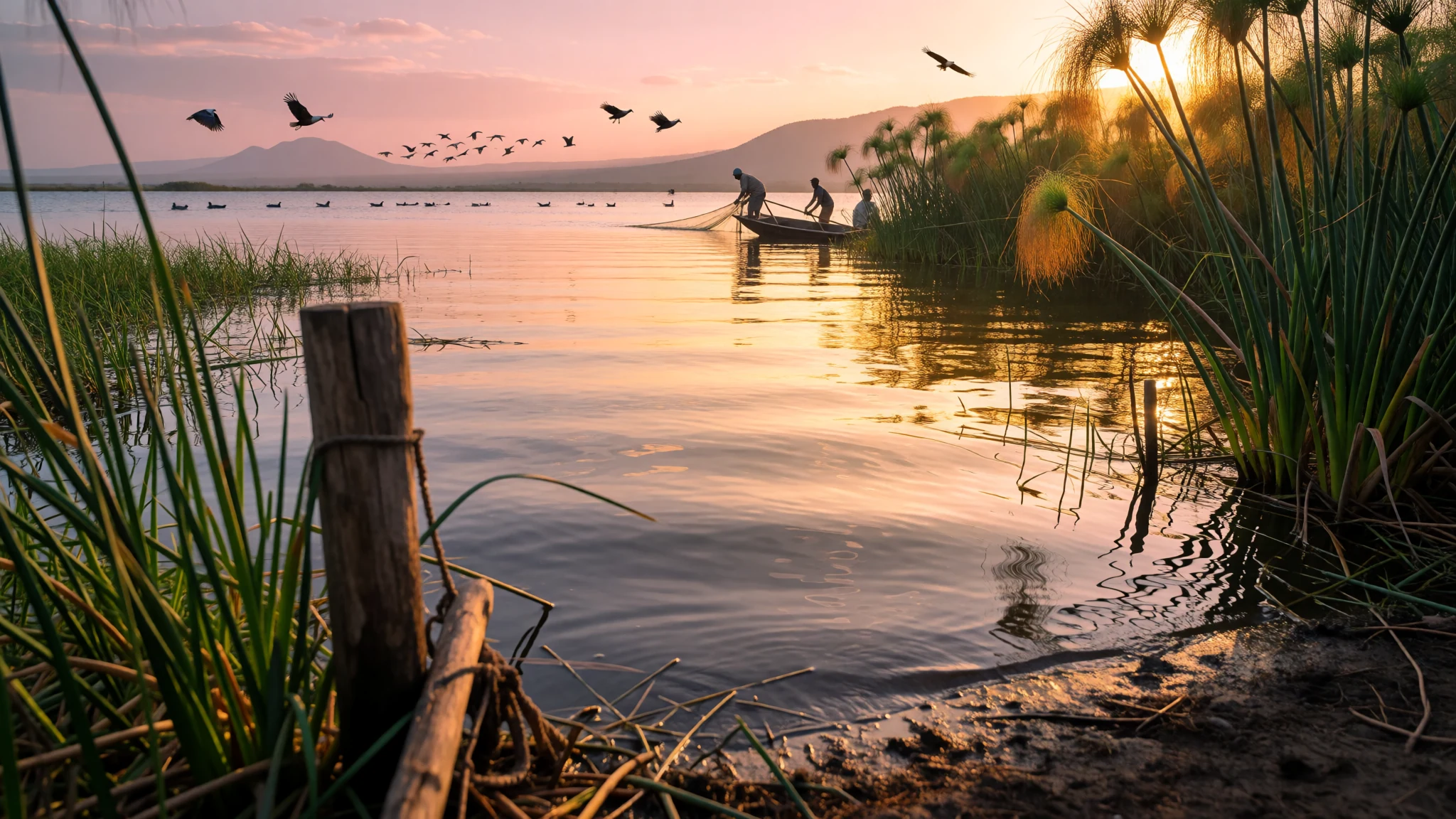
Visit Lake Naivasha to experience a stunning freshwater expanse in the Great Rift Valley, renowned for rich birdlife and dramatic volcanic scenery.
The place
Lake Naivasha sits within the stunning expanse of the Great Rift Valley, positioned north west of Nairobi in Nakuru County. As a freshwater basin resting high above sea level, the destination derives its name from a local Maasai description translating to that which heaves, pointing to the powerful waves whipped up across the water when windy storms sweep through the valley. British settlers later adapted this title into its current form, creating a distinctive geographical name.
The setting is shaped by ancient volcanic activity and layered earth deposits left behind by a much larger prehistoric body of water. Aside from minor seasonal run-off, the basin is replenished chiefly by two perennial waterways flowing down from the surrounding highlands, while subterranean seepage accounts for the lack of any visible surface discharge. Broad papyrus swamps fringe the shoreline, expanding or contracting depending on seasonal precipitation patterns.
Visitors arriving at Lake Naivasha encounter an ecosystem defined by open horizons, fertile agricultural tracts, and gentle shores where wildlife grazes peacefully. The local terrain transitions from lush lakeside vegetation into the rugged rocky gorges and towering cliffs found nearby, making the area a striking contrast of fertile aquatic habitats and arid rift valley landscapes. Whether viewed from a wooden fishing boat gliding past water lilies or from the quiet earthen banks at dusk, the water maintains a serene, timeless atmosphere that draws travellers seeking a slower rhythm away from the capital.
Its story
Lake Naivasha carries a layered history blending aviation milestones, literary associations, and colonial notoriety. During the mid-twentieth century, the shoreline served as a bustling refuelling and landing station for flying boats operated by Imperial Airways. These massive aircraft carried passengers and mail along the long route connecting Southampton in Britain to South Africa, stopping at the waters here to link regional hubs like Kisumu and Nairobi before continuing their journeys across the continent.
In the decades that followed, the area attracted notable residents and writers. Joy Adamson, celebrated for her work chronicling wildlife conservation and author of Born Free, spent significant time living along these shores during the nineteen-sixties. Nearby stands a striking residence known locally as Oserian or the Djinn Palace, which achieved dark fame during the interwar period due to the decadent lifestyles and scandals of the expatriate community associated with the Happy Valley set.
Conservation has also played a crucial role in shaping the modern identity of Lake Naivasha. Local community groups and landowners established protective measures for the delicate wetland habitats, earning international recognition for exemplary ecological stewardship. Today, the basin balances agricultural demands, commercial flower farming, and tourism while striving to preserve the fragile balance of its surrounding papyrus fringe and abundant wildlife populations for future generations.
What to see
- Crescent Island Sanctuary — Lake Naivasha central basin
Crescent Island Sanctuary at Lake Naivasha offers a unique walking safari experience where visitors can stroll among giraffes, zebras, and waterbuck without predators nearby. Surrounded by the deeper waters of the lake, the peninsula provides tranquil paths, panoramic views across the valley, and exceptional opportunities for quiet wildlife photography.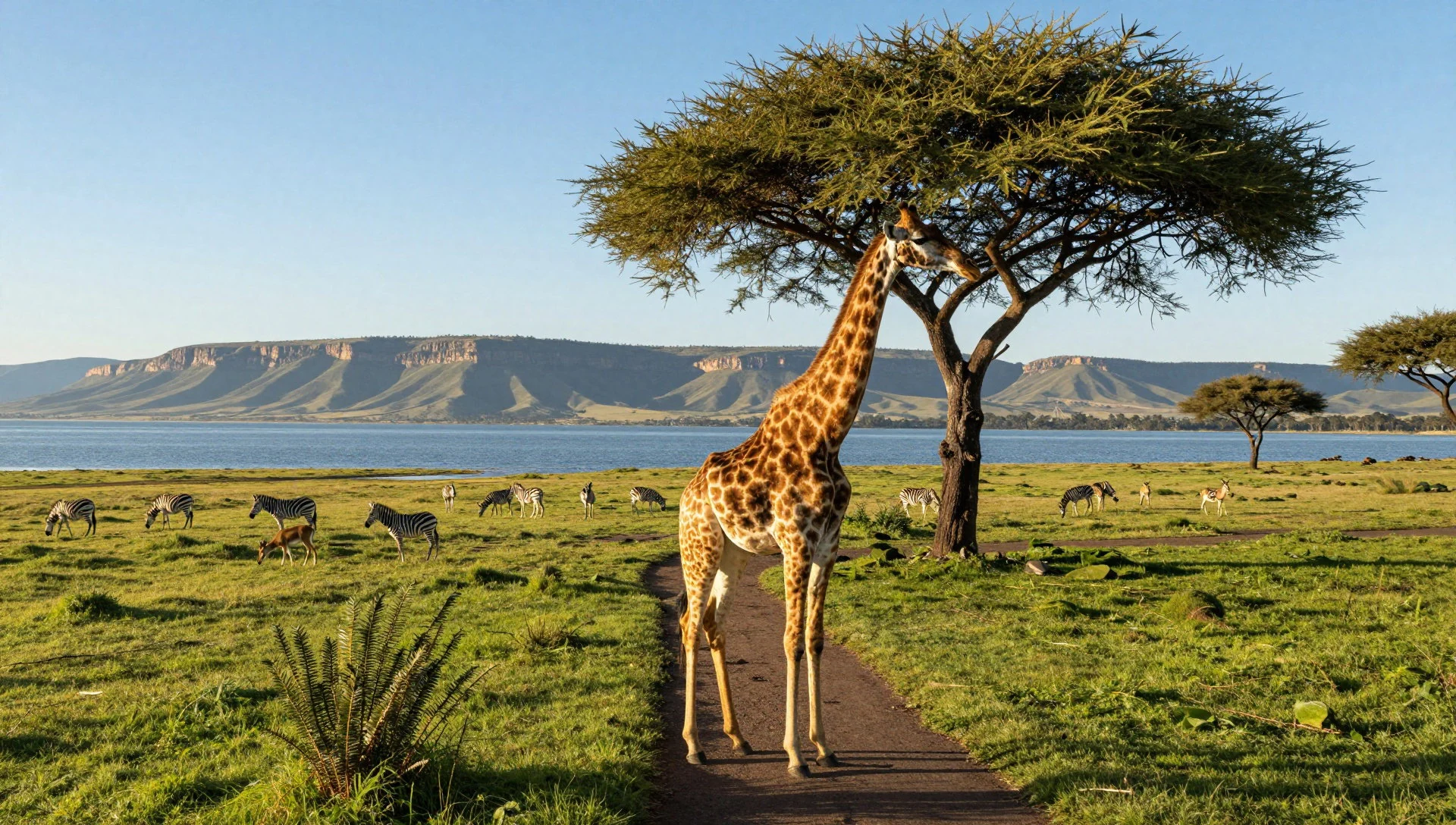
- Hell's Gate National Park — South of Lake Naivasha
Hell's Gate National Park near Lake Naivasha features towering obsidian cliffs, steam vents, and deep gorges that once formed the ancient outlet of the lake. Visitors can explore the dramatic scenery on foot or by bicycle, passing herds of zebras and gazelles beneath sheer rock walls carved by ancient waters.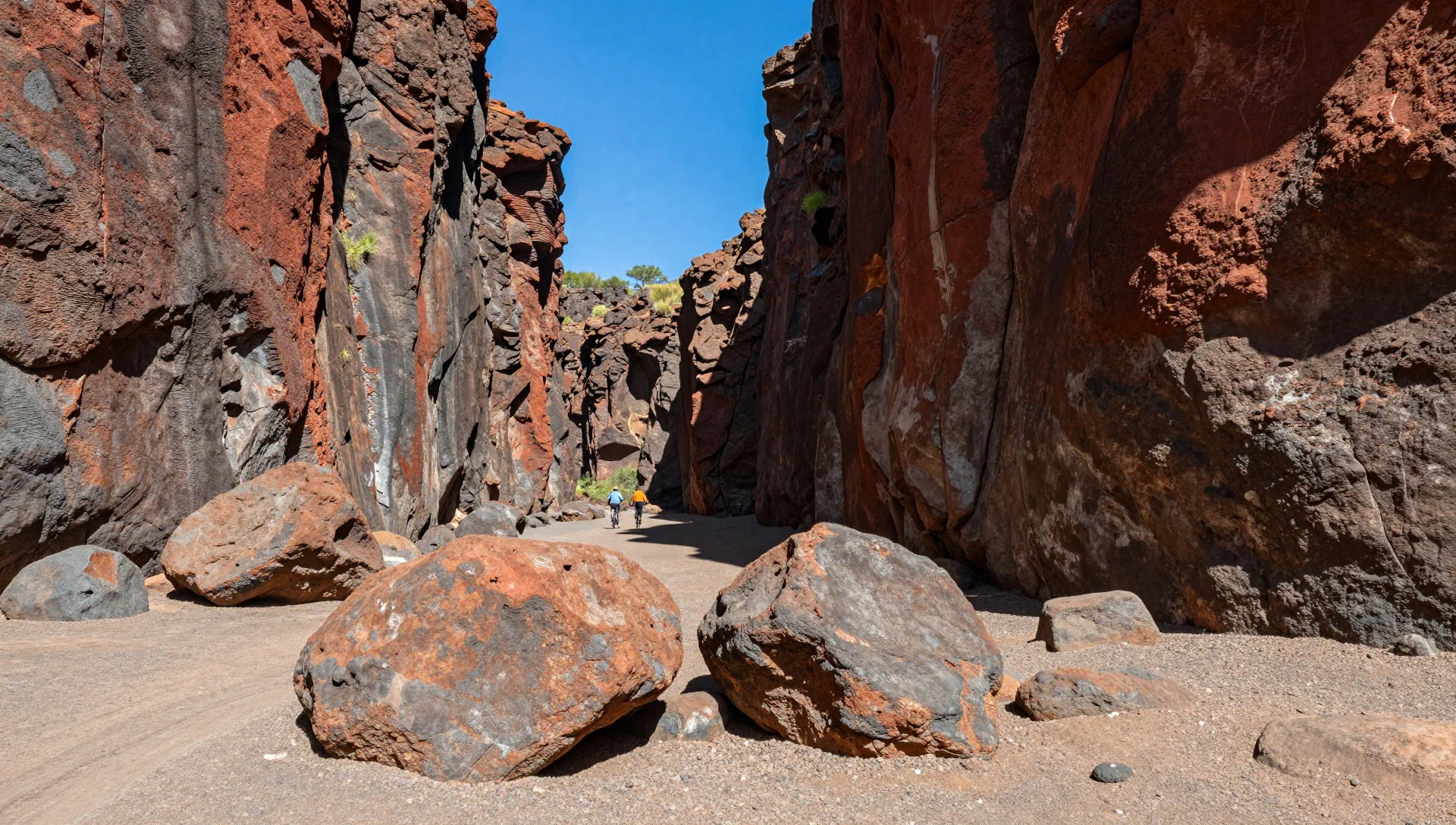
- Lake Shoreline and Fishermen — Northern and eastern lake shores
The Lake Shoreline and Fishermen areas around Lake Naivasha showcase daily local life as wooden skiffs return with the morning catch. Travellers can watch traditional fishing methods from the banks, spot countless water birds among the papyrus reeds, and arrange peaceful boat excursions across the calm, sweeping expanse.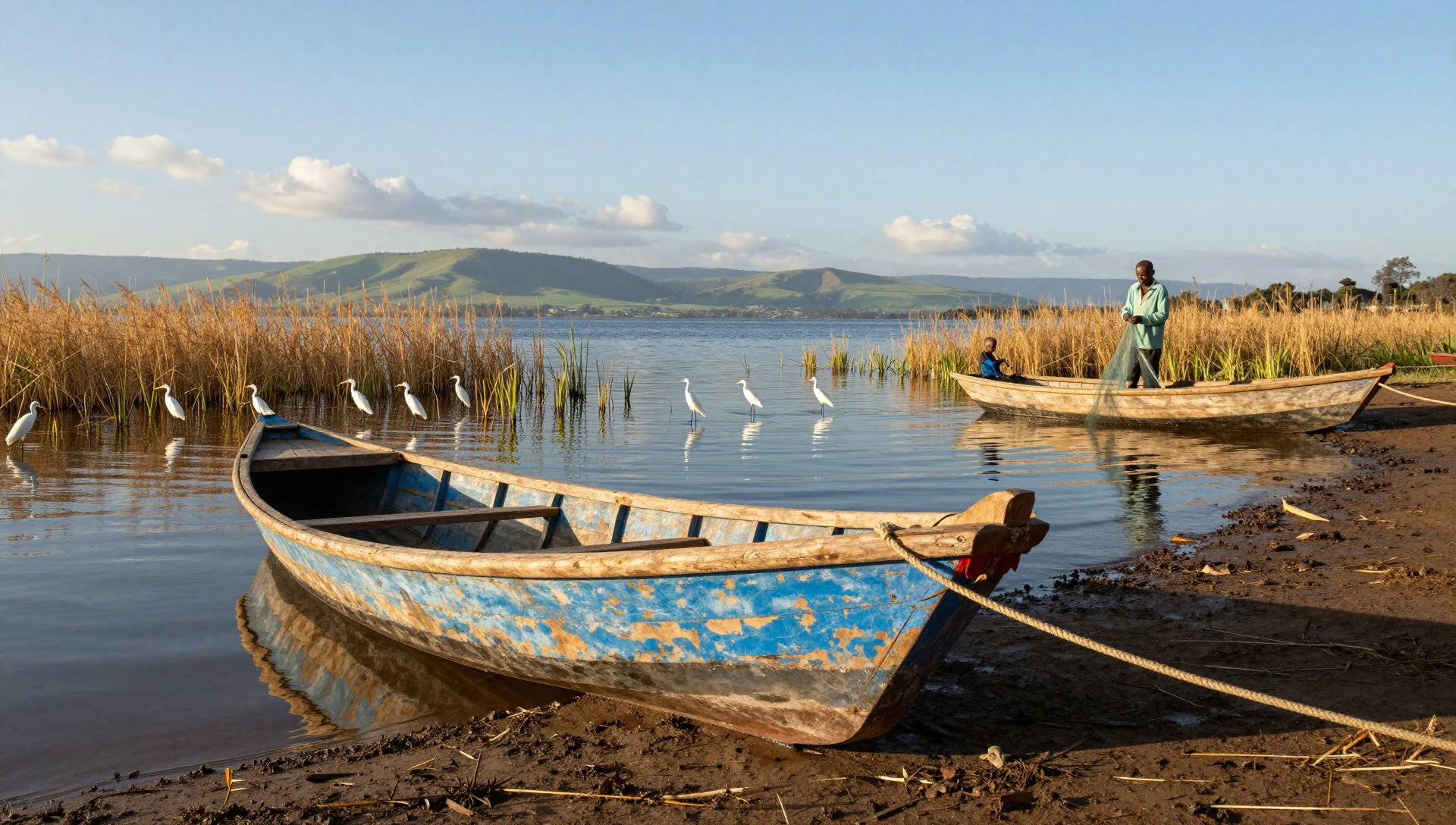
- Great Rift Valley Scenery — Rift Valley escarpment rim
Great Rift Valley Scenery surrounding Lake Naivasha presents breathtaking vistas of towering escarpments, fault lines, and rolling green highlands. Viewpoints along the main routes provide magnificent perspectives of the sprawling floor, volcanic remnants, and the sparkling aquatic expanse nestled far below the rugged horizon.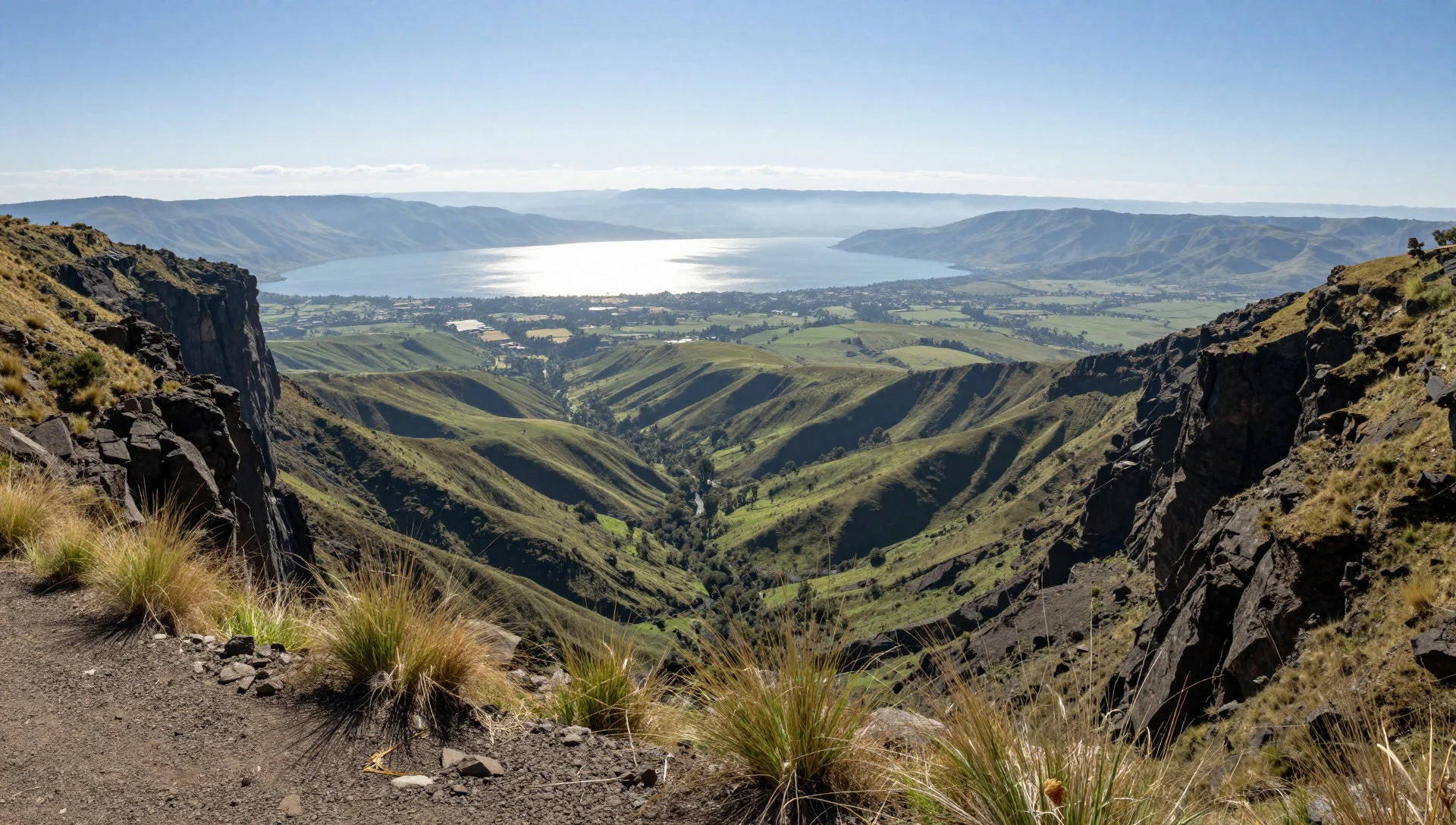
- Local Flower Farms and Estates — Lake Naivasha agricultural zone
Local Flower Farms and Estates around Lake Naivasha represent a major agricultural hub supplying fresh blooms to international markets. Guided tours of sustainable horticultural installations offer insight into modern greenhouse cultivation, water management practices, and the complex logistical networks connecting rural fields to global buyers.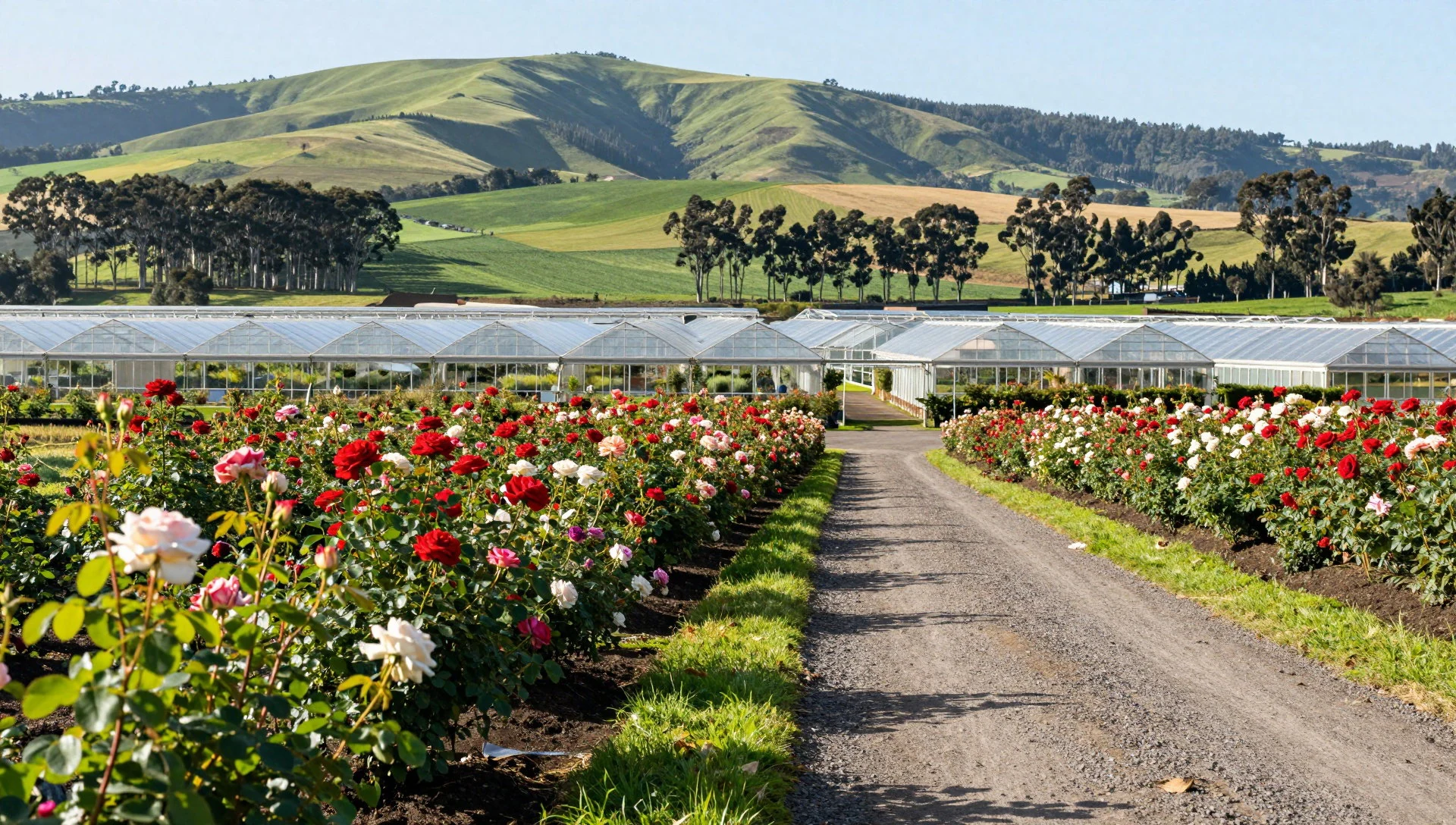
Culture
Culture around Lake Naivasha and throughout Kenya is rooted in deep community ties, warmth, and respectful interpersonal traditions. The population is predominantly Christian with vibrant cultural expressions, though visitors will encounter diverse traditions across different regions and rural communities. Locals are generally extremely friendly, welcoming travellers with genuine hospitality and a readiness to converse. Public displays of affection, such as heavy petting or kissing, are widely frowned upon outside of nightlife venues, and modest attire is expected away from private beach or resort zones. When dining or socialising in mixed company, social expectations often place financial responsibilities on foreign guests. Always ask for permission before photographing local residents, and avoid taking pictures of official buildings, military personnel, or transport infrastructure. Always ask permission before taking portraits of local residents.
What to wear
Fashion around Lake Naivasha and across Kenya reflects a vibrant blend of traditional heritage and contemporary urban style. Traditional textiles include colourful kikois and shúkàs—vividly checked blankets traditionally worn by Maasai communities—crafted from breathable cotton or wool suited to shifting highland temperatures. In everyday urban and semi-rural settings, people dress in a mix of modern western apparel, smart casual wear, and brightly patterned East African prints. For visitors exploring Lake Naivasha and its surrounding parks, practical clothing is essential. Lightweight, neutral-coloured layers work best for daytime warmth, while a warm fleece or windproof jacket is necessary for chilly mornings on the water and cool evening temperatures at higher altitudes. Sturdy walking shoes or boots are recommended for dusty paths and uneven park terrain. Modest clothing that covers shoulders and knees is appreciated when visiting rural towns or local communities outside of tourist lodges.
What to eat
- Ugali — Local eateries and markets around Naivasha town
Ugali is the quintessential Kenyan staple food made from boiled maize flour cooked into a firm, dough-like consistency. It is traditionally shaped by hand and used to scoop up rich stews, braised greens, and meats.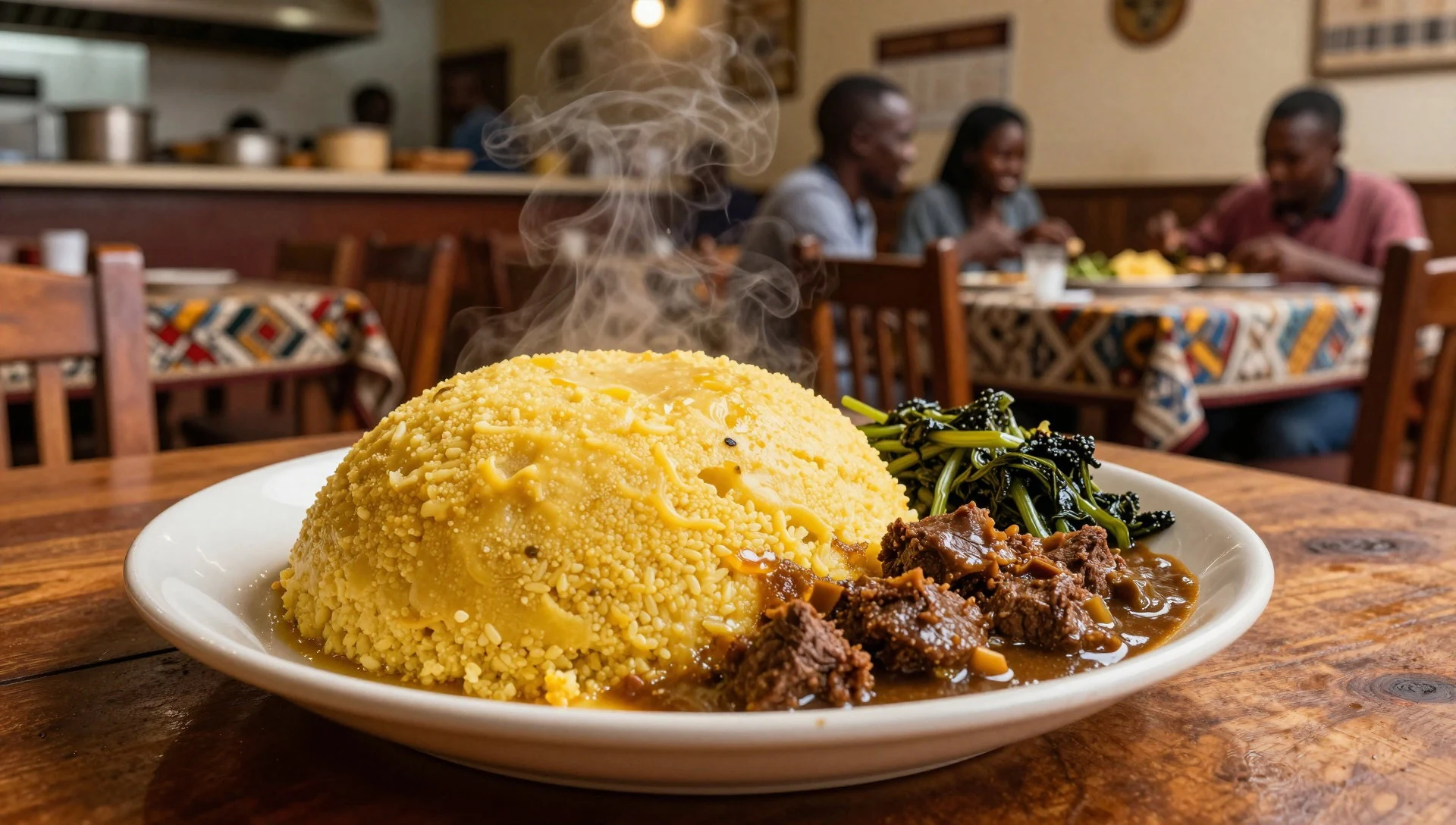
- Nyama Choma — Open-air grills and roadside butcheries near the lake
Nyama Choma translates to roasted meat and is a national culinary favourite featuring charcoal-grilled goat, beef, or chicken seasoned simply with salt. It is typically served hot alongside fresh kachumbari tomato salad and ugali.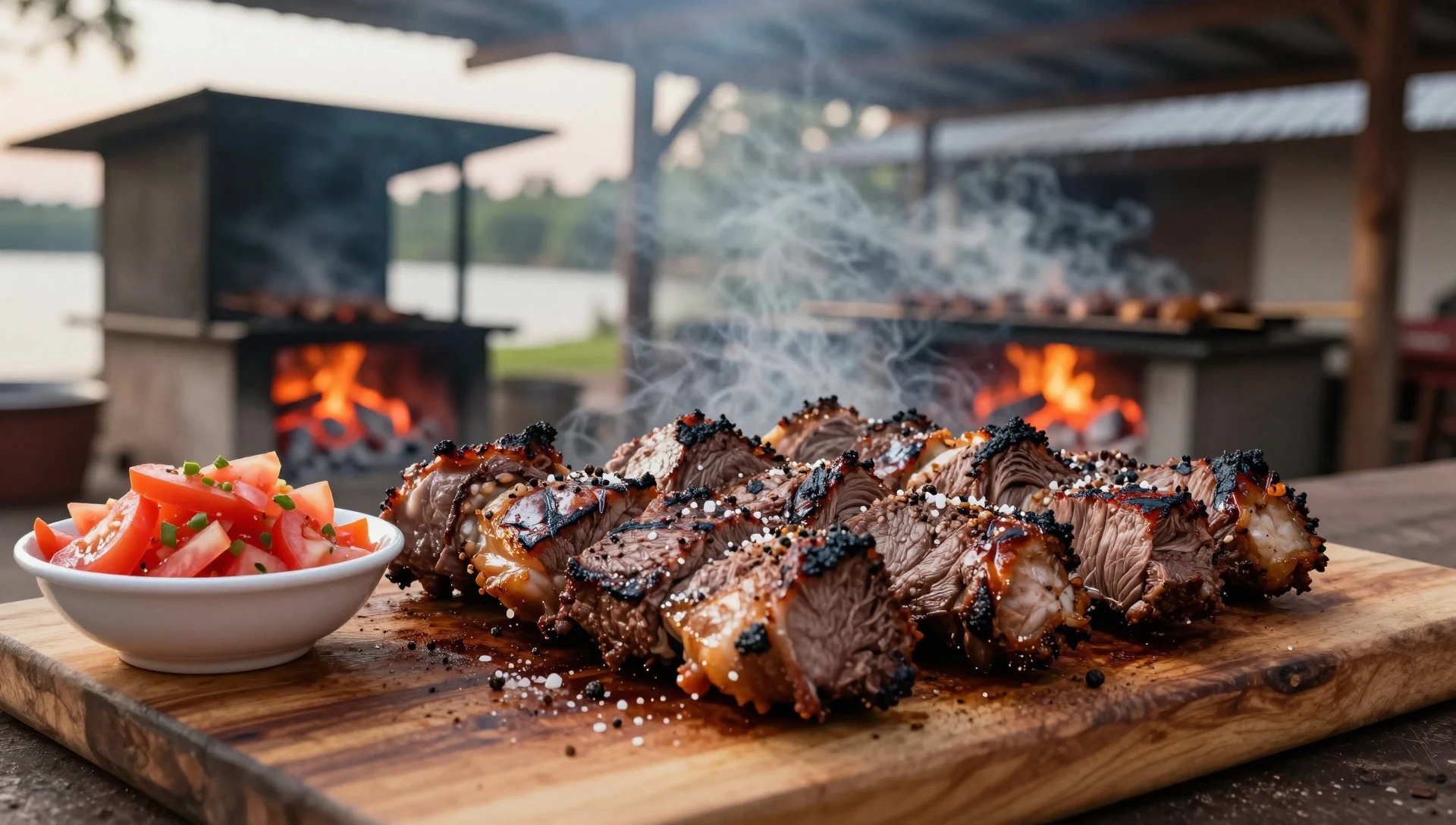
- Sukuma Wiki — Traditional restaurants and home-style diners
Sukuma Wiki consists of finely sliced collard greens or kale gently pan-fried with onions, tomatoes, and simple spices. The name translates playfully to push the week, as it provides an affordable, nourishing accompaniment to daily meals. - Chapati — Bakeries and local cafes in Naivasha
Chapati is a popular flatbread introduced via historical trade routes, featuring soft, spiral layers created by rolling and pan-frying dough with oil or ghee. It pairs wonderfully with bean stews, curries, or morning tea. - Mandazi — Market stalls and bakeries across town
Mandazi are lightly sweetened East African doughnuts shaped into triangles, deep-fried until golden brown, and infused with cardamom or coconut milk. They are commonly enjoyed warm alongside spiced tea during breakfast or afternoon breaks.
Plan it
Best time. January to February and June to October offer the most pleasant weather for visiting Lake Naivasha, combining dry conditions with excellent wildlife viewing and comfortable temperatures.
How long. 2–3
Getting there. Fly into Jomo Kenyatta International Airport in Nairobi, then take a private transfer, taxi, or matatu northwest towards Naivasha town in the Rift Valley.
Budget. mid
Tips
- Book boat safaris and guided park tours in advance during peak dry months
- Carry cash in local currency for small shops, markets, and tipping
- Pack warm clothing for chilly early morning boat trips on the water
- Strictly avoid bringing plastic bags into the country due to heavy penalties
- Drink bottled or treated water throughout your stay
Etiquette
- Always ask permission before photographing local residents
- Dress modestly with covered shoulders and knees outside tourist resorts
- Expect to cover dining bills when socialising with local acquaintances
Nearby
Sources
- Wikidata Q1365115 (CC0)
- Wikipedia (rev 1366234002) (CC BY-SA 4.0)
- Wikivoyage (rev 5408770) (CC BY-SA 4.0)