Mombasa
Mombasa, Kenya
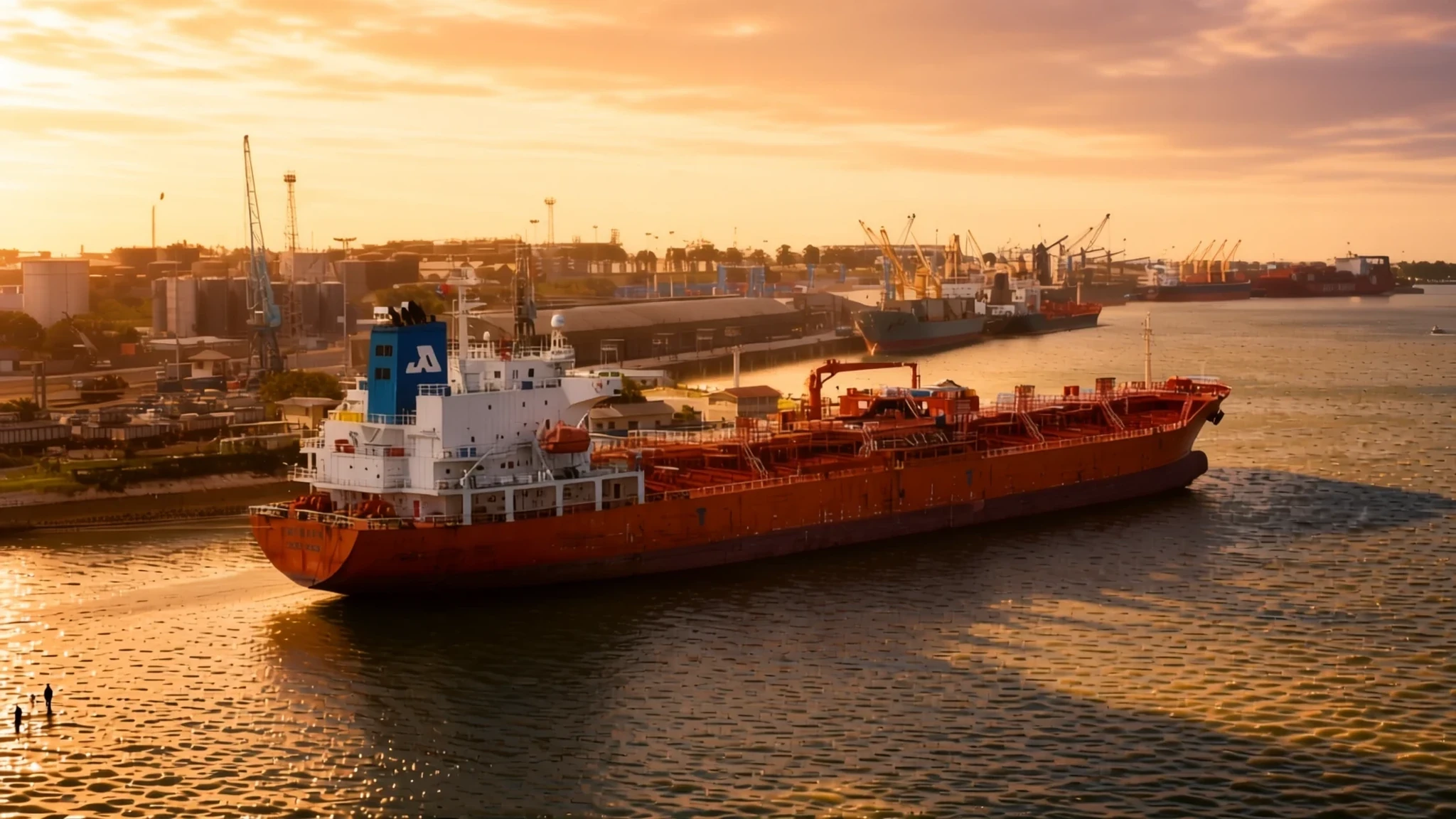
Mombasa is Kenya's coastal port city, where Swahili lanes, Portuguese forts and a busy harbour sit side by side on the Indian Ocean.
The place
Mombasa is a port city on the Indian Ocean coast of southeastern Kenya. The 2019 census counted about 1.2 million people, which makes it the country's second-largest city after Nairobi. The old town and much of the port occupy Mombasa Island, which sits only around 50 metres above sea level, so the land is low and the sea is never far away. The business district has blue and white buildings, a colour scheme meant to echo the ocean beside them.
The city has been a trading town for many centuries. Its harbour drew merchants from Arabia and beyond long before Europeans arrived, and it became a link in a network of coastal settlements that traded in ivory. Today that history shows in the mix of mosques, old fortifications and Swahili houses packed into narrow streets.
Nairobi took over as the capital of British East Africa in 1907, which is why Mombasa now serves as the capital of its own county rather than the national seat. Expect a city that works hard. Traffic in the centre can be slow, and the heat is steady rather than dramatic. Temperatures stay within a narrow band, so the rhythm of the day matters more than the season.
Its story
The founding of Mombasa is traditionally placed around 900 AD, a date taught in Kenyan school history books, although the city's exact origins are debated. An Arab geographer, al-Idrisi, mentions the town in 1151, which shows it was already prosperous by the twelfth century.
Legend gives the first settlement to two rulers. Mwana Mkisi, a queen from the pre-Islamic era, is remembered as the ancestor of the oldest families, who belong to a group called the Twelve Nations and still regard themselves as the city's first residents. She is said to have founded Kongowea, the earliest urban settlement on the island. Later, a ruler named Shehe Mvita replaced her line and built the first permanent stone mosque on the island. Scholars read the names in these stories as links to Central African languages and to the Bantu roots of Swahili society.
From about 1300 until the dissolution of the Kilwa Sultanate in 1513, Mombasa belonged to that sultanate. The stone mosque called Mnara dates to around 1300, and the Mandhry Mosque followed in 1570 with a minaret that uses a regionally specific arch. The city then passed through many hands: Ottoman interest, Portuguese control from the 1590s, and Omani rule from the late seventeenth century.
By the late pre-colonial period, Mombasa had become the centre of a plantation society that depended on enslaved labour and was tied to the ivory trade. The British later used a building on the island, Leven House, as the headquarters of their anti-slavery campaign in the region. The same port was therefore at the centre of both the trade and its suppression. British rule followed from 1887 until independence in 1963.
What to see
- Fort Jesus — Mombasa Island, southern edge of the old town
Fort Jesus is the most popular destination in Mombasa. The Portuguese built it between 1593 and 1596 to protect the harbour against Ottoman threats, and it stayed in military use for several centuries. Its walls and courtyards show the layers of occupation that followed. Go in the morning, when the light is good and the heat has not yet built. Check the official site for current opening times and entry fees.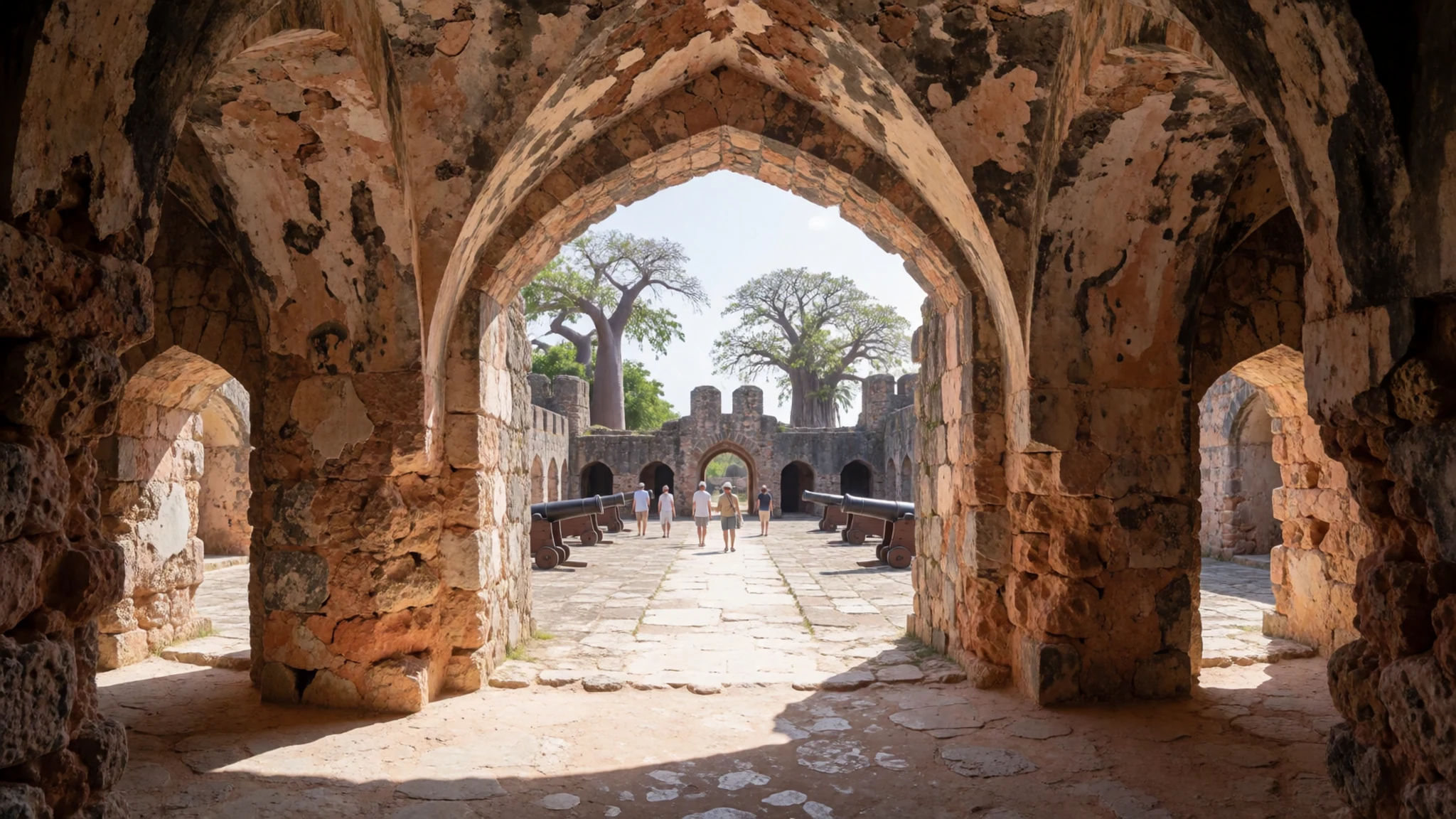
- Old Town along Tudor Creek — Tudor Creek, north of Fort Jesus
North of Fort Jesus, the old town runs along Tudor Creek and forms the original city. Its narrow streets, carved doors and coral stone houses are a clear example of Swahili architecture. It is calmer than the rest of the city, which makes it the best place to walk slowly. Mandhry Mosque, completed in 1570, stands in this quarter. Dress modestly and ask before photographing people.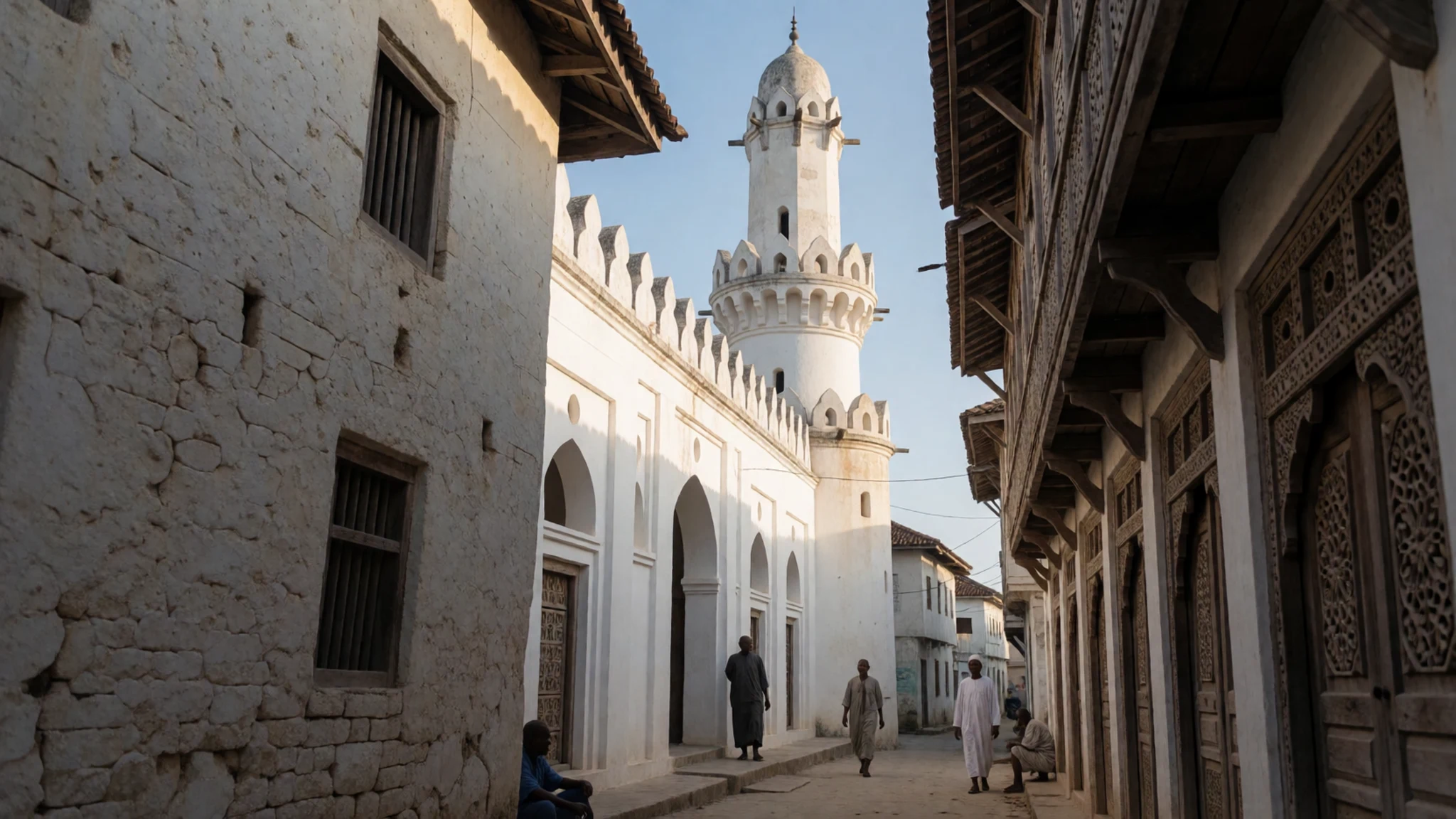
- Fort St Joseph — Near Mama Ngina Drive, Mombasa Island
Fort St Joseph is a ruin close to the golf course near Mama Ngina Drive. It is probably the oldest fortress on the island, and Arab builders are credited with it. It was built in the seventeenth century, well after Vasco da Gama first came to Mombasa in 1498. Visit it on a short walk from the seafront, and bring water, because there is little shade.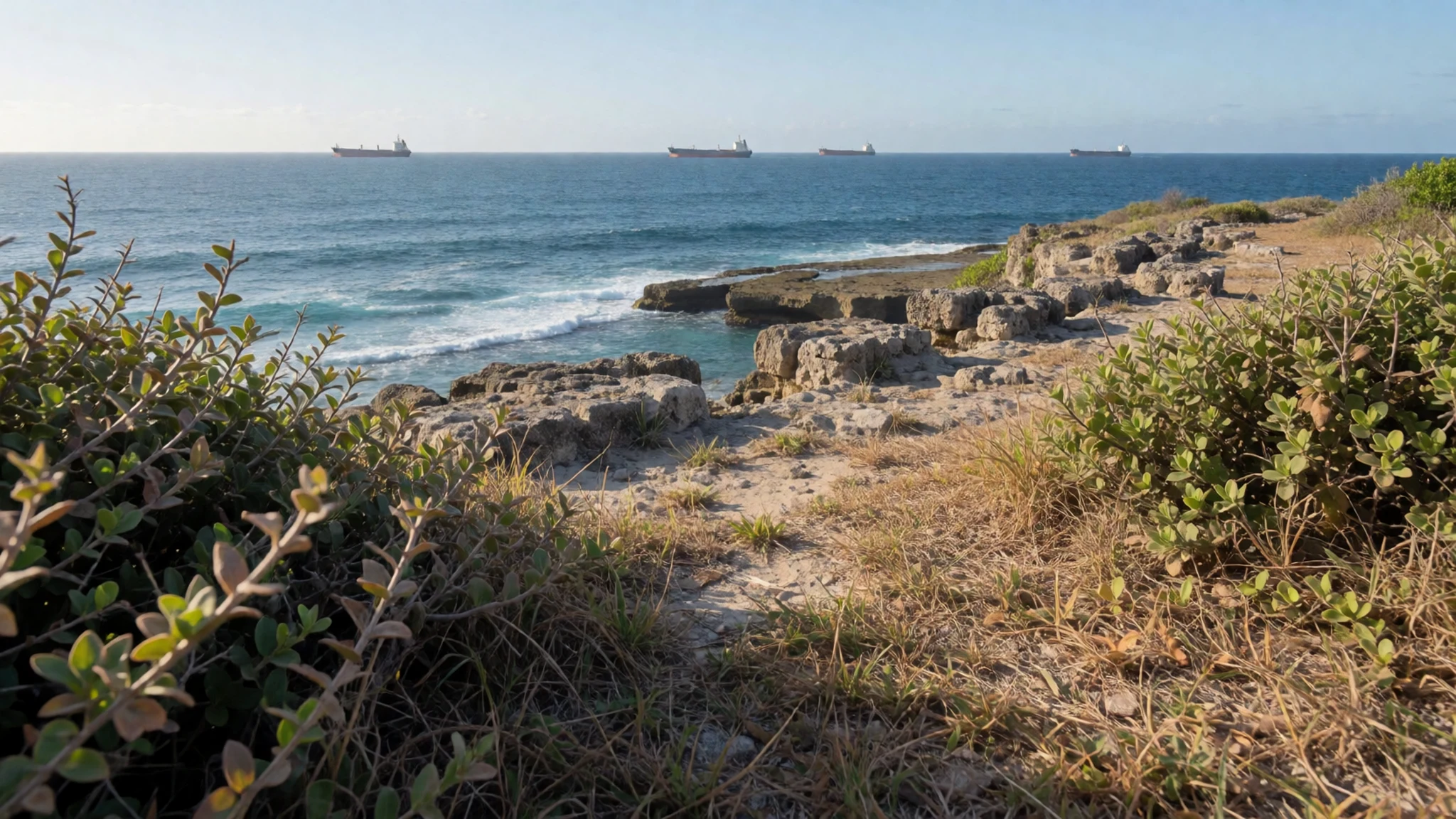
- The tusks on Moi Avenue — Moi Avenue, city centre
The two great tusks on Moi Avenue were built in 1952 by the Kenya Colony administration to commemorate the visit of Queen Elizabeth II to the town. They are now among the most recognisable landmarks in Mombasa, and they make a useful meeting point for anyone exploring the city centre. Photograph them from the pavement, and be careful crossing the busy road around them.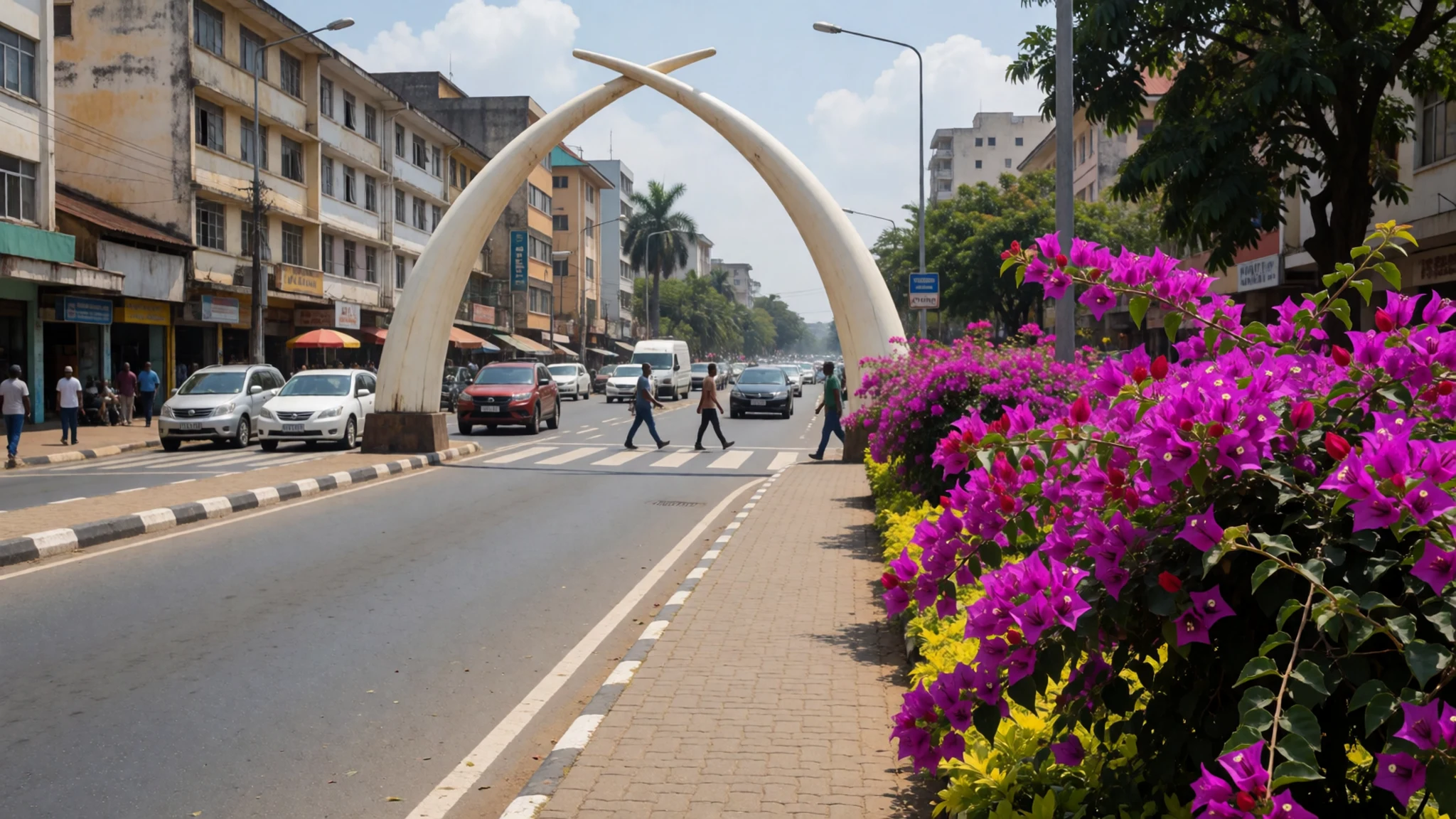
- Leven House — Old town edge, near the harbour
Leven House was once the headquarters of the British Navy's anti-slavery operations in the region during the nineteenth century. Its story links the port's commerce to the campaign against the trade it had long supported. It is a sober stop among the forts and mosques. Look at it from outside, and treat it as a place to reflect on the city's history rather than a photo backdrop.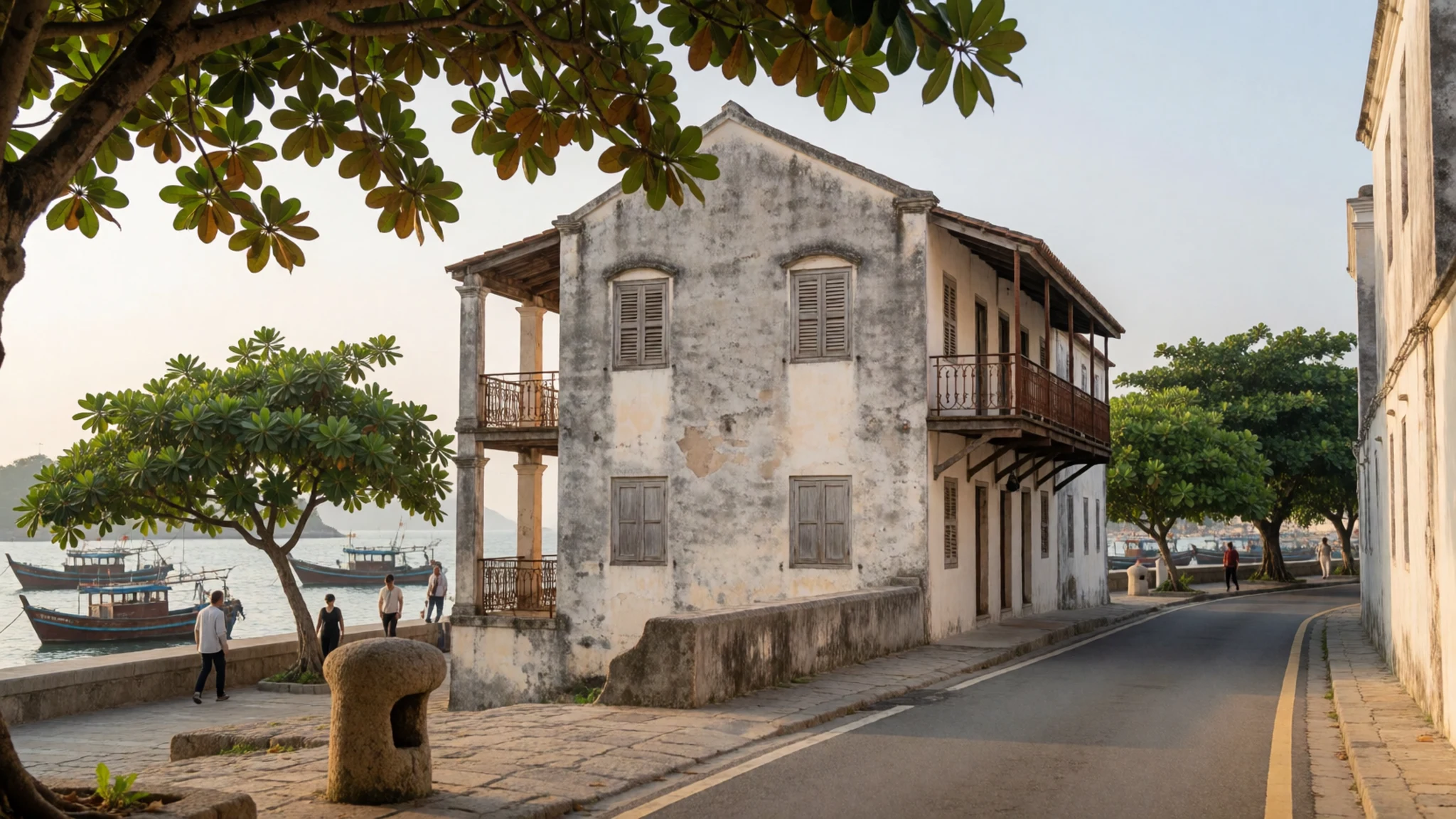
Culture
Mombasa is a major cultural hub on the Kenyan coast. Its closeness to Zanzibar, Nairobi and the Indian subcontinent, together with its large shipping and maritime industries, gives the city a varied mix of traditions. Music sits at the centre of local life, and many mosques in the old town remain active places of worship.
Taarab, which came over from Zanzibar, has a strong local presence. Styles native to Mombasa include the smooth, mellow Bango, the fast-paced Chakacha and the traditional Mwanzele. Local musicians such as Mombasa Roots and Safari Sounds are well known, and the city was once home to Fundi Konde, remembered for his song Tausi. In recent years hip hop, reggae, soul, salsa and bhangra have grown popular, especially among young people, with bhangra strong in the Indian community.
When you visit the mosques and older houses, dress modestly, cover your shoulders and knees, and ask before photographing anyone, especially women.
What to wear
Traditional dress in Mombasa draws on the wider Swahili coast. Men often wear the kanzu, a long white robe, sometimes with a embroidered cap. Women traditionally wear the buibui, a black cloak worn over everyday clothes, which reflects Islamic modesty and coastal custom. Men also wear the kikoi, a striped or checked cotton wrap, at the coast, and women wear the kanga, a printed cotton cloth that often carries a Swahili proverb or message.
Today the city dresses in a mixed way. In the business district and the malls, people wear Western clothes, and young people follow global trends. In the old town, many women still wear the buibui over their clothes, and many men wear the kanzu for Friday prayers and special occasions. Brightly printed kanga cloths remain popular for everyday wear, for gifts and for celebrations.
As a visitor, think about the climate and about modesty. Light cotton or linen in loose cuts keeps you cooler in the heat and humidity. Cover your shoulders and knees for mosques and the old town, and carry a light wrap that can double as a headscarf. Wear closed shoes with good grip for the uneven stone lanes of the old town, and save sandals for the beaches.
What to eat
- Mishkaki — Evening grill stalls and East African barbecue houses in the centre
Mishkaki are skewers of marinated meat, usually beef or goat, grilled over charcoal and served with a spiced sauce or chilli. They are a staple of the coast's evening barbecue culture. Order them fresh from the grill so they arrive hot and smoky, and eat them while they are warm.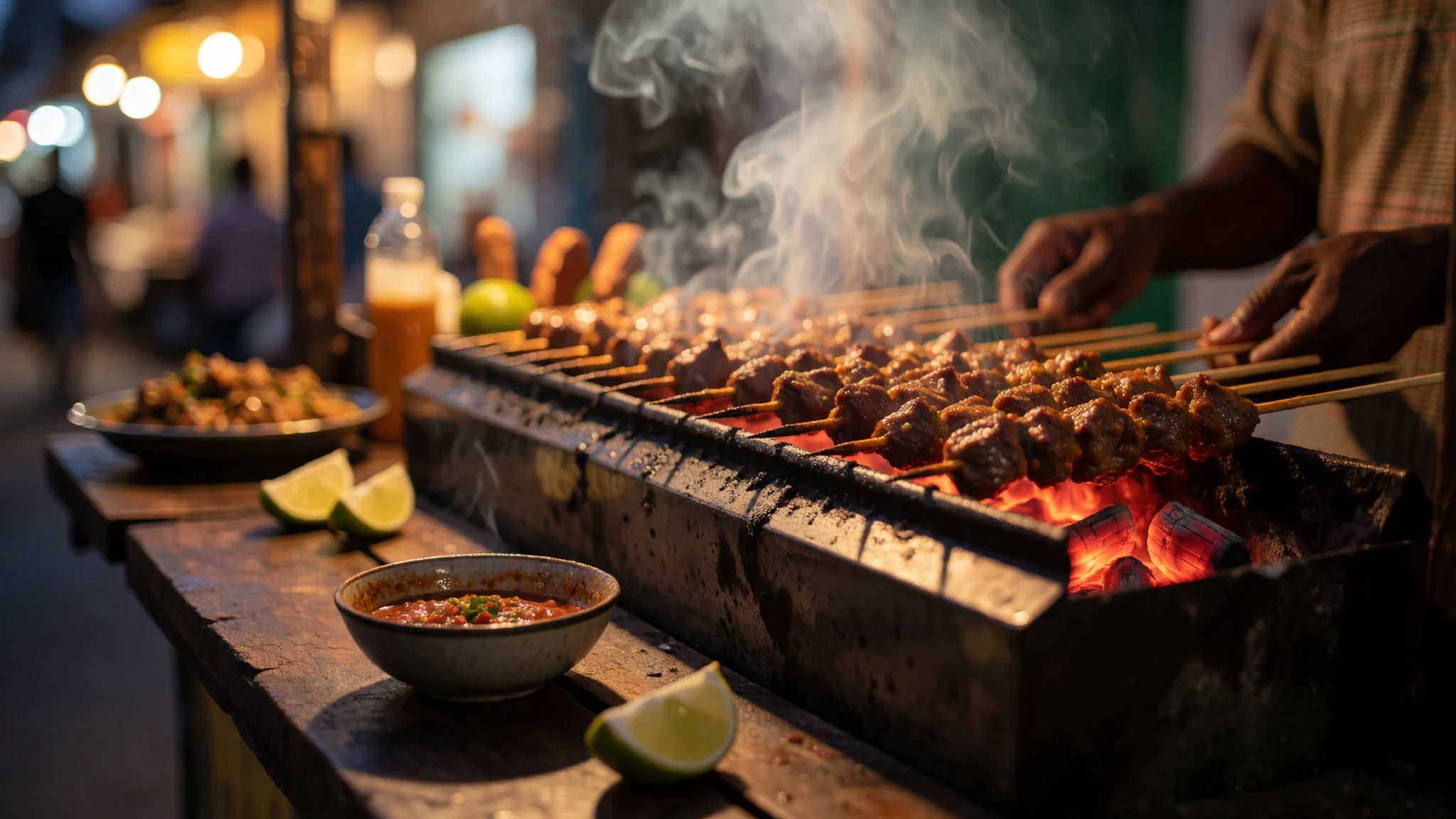
- Pilau — Lunch counters and Swahili eateries in the old town
Pilau is rice cooked with meat and whole spices such as cardamom, cloves and cinnamon. It reflects the centuries of Indian Ocean trade that shaped the coast. Lunch counters serve it with a simple side of kachumbari, a fresh tomato and onion salad.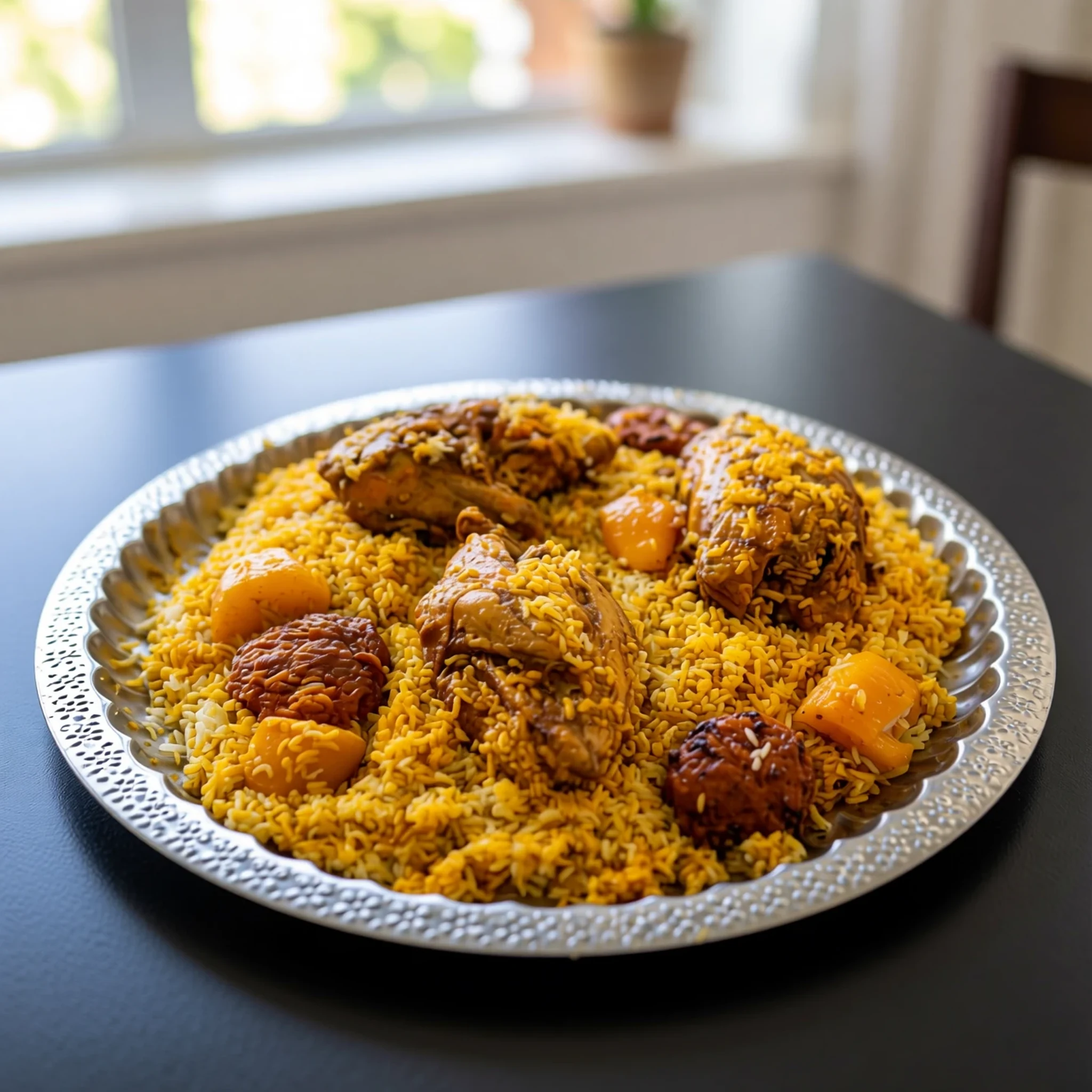
- Mandazi — Morning tea stalls by the market
Mandazi are lightly sweet fried dough triangles, often flavoured with coconut or cardamom. They are a common breakfast and tea-time snack. Eat them warm with a cup of sweet, milky tea, which is the easiest way to start a morning in the city.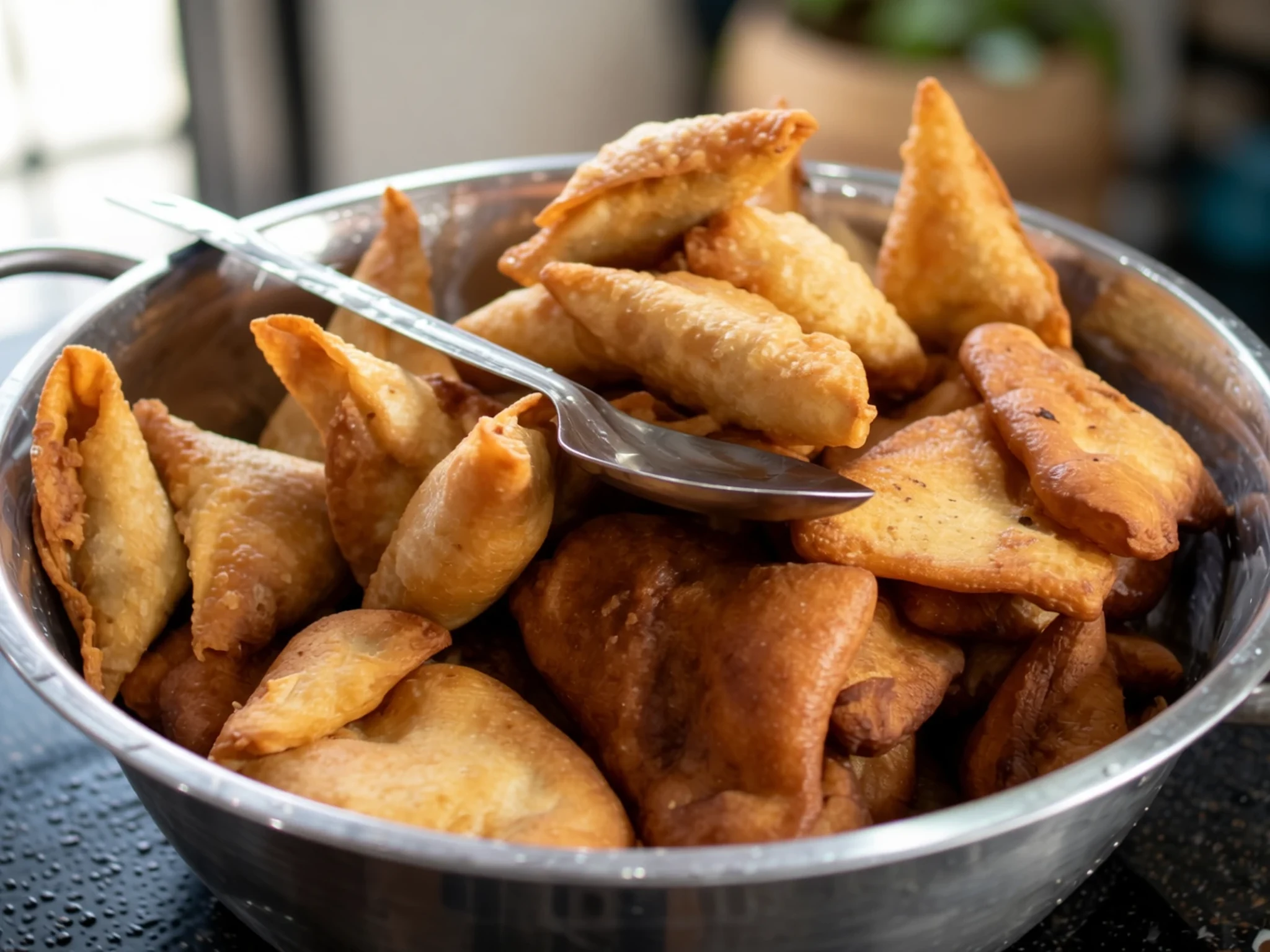
- Coconut fish curry — Coastal eateries and Kenyan restaurants near the seafront
Samaki wa kupaka is fish simmered in a coconut and tomato sauce, a dish associated with the Swahili coast. Fresh fish from the port is often the base for this curry. Ask whether the fish came in that morning, and pair it with rice or chapati. - Coffee and pastries — Tea salons and cafés in the central business district
Mombasa has tea salons that serve pastries, ice cream and coffee, and a few bars that combine a buffet lunch with a coffee counter. These are good for a midday break from the heat. They also offer a calm place to plan the rest of the day.
Plan it
Best time. January and February are the driest months, but they are also the hottest, with highs near 40 C, so keep walks in the old town and the forts to early mornings. April and May are the rainiest, so plan around them. July is the most comfortable month, with the coolest days and nights, so heat matters as much as rain when you choose your dates.
How long. 2–3
Getting there. Moi International Airport serves the city. The short hop from Nairobi lasts roughly 45 minutes, so you have enough room to sip something cold while looking down over Tsavo East National Park. From the airport, use a licensed taxi or a pre-arranged transfer to reach the centre.
Budget. mid
Tips
- Visit Fort Jesus and the old town in the morning, before the heat and the crowds build
- Check the official site for current opening times and fees at the forts and museums
- Carry Kenyan shillings in cash for markets and small eateries, and use cards at larger malls
- Drink bottled water through the day, since humidity hides how much you sweat
- Allow extra time for traffic in the centre at busy hours
Etiquette
- Dress modestly when walking through the old town and near mosques
- Ask before photographing people, especially women and market traders
- Remove your shoes before entering a mosque, and follow the signs at other religious sites
Nearby
Sources
- Wikidata Q225641 (CC0)
- Wikipedia (Mombasa, rev 1382870570) (CC BY-SA 4.0)
- Wikivoyage (Mombasa, rev 5411331) (CC BY-SA 4.0)
- Downtown Mombasa, Victor Ochieng (CC BY-SA 2.0)
- A bird's eye view of Mombasa Island, Kenya, Leo Hempstone (CC0 1.0)
- Sir Mbarak Hinawy Road, Mombasa Old Town, Bahnfrend (CC BY-SA 4.0)
- Mombasa tusks, Bahnfrend (CC BY-SA 4.0)
- Voyager Beach Resort from Nyali Beach, CT Cooper (CC BY 3.0)
- Mandhry Mosque, Mombasa Old Town, Bahnfrend (CC BY-SA 4.0)
- Crocodiles in Haller Park, Ruzam Namor (CC BY-SA 4.0)
- ACK Mombasa Memorial Cathedral, Bahnfrend (CC BY-SA 4.0)


