Serengeti
Serengeti, Tanzania
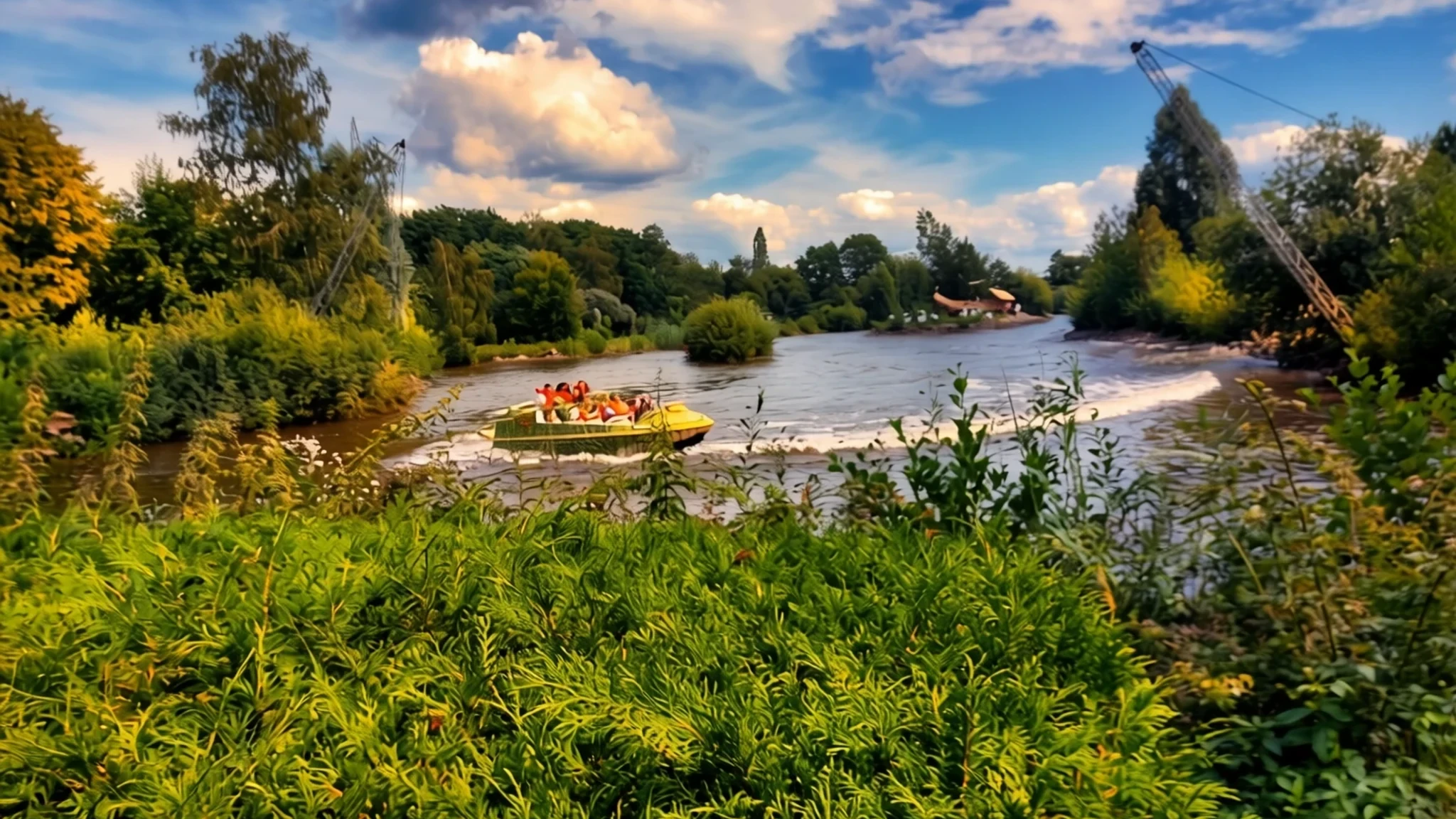
Witness the greatest wildlife migration on Earth across vast African savannas that shelter extraordinary predator populations and ancient landscapes.
The place
The Serengeti National Park is a protected expanse situated in northern Tanzania, characterized by wide rolling grasslands, ancient granite kopjes, and winding river systems. The terrain transitions from the open southern grass steppes through the wooded central plains to the rugged northern hills bordering Kenya. This immense ecosystem supports an astonishing diversity of wildlife, anchored by the legendary annual animal movement involving vast herds of wildebeest, zebras, and gazelles traversing the savanna in search of seasonal grazing and water. Rivers such as the Grumeti and the Mara carve their paths westward toward Lake Victoria, creating vital permanent water sources that sustain crocodiles, hippos, and thirsty herbivores through the dry months. Meanwhile, dramatic granite outcrops rise abruptly from the flatness, providing shaded lookouts where lions, leopards, and cheetahs survey their domain. The park's diverse habitats also include gallery forests and seasonal swamps, each supporting specialized wildlife communities ranging from tiny insectivores to towering elephants. Visitors traversing these expansive horizons encounter a dynamic wilderness shaped by ancient geological activity, including volcanic ash deposits from nearby craters that enrich the alkaline soils of the southern plains. Whether observing endless horizons shimmer under the equatorial sun or watching dusk settle over acacia silhouettes, travellers experience a landscape that remains one of the planet's premier sanctuaries for free-roaming megafauna.
Its story
The Serengeti holds a rich history of conservation struggle, ecological research, and shifting human habitation that shaped its modern boundaries. For generations, the pastoralist Maasai people moved their cattle freely across these grazing grounds, living alongside the native wildlife in a balanced traditional relationship. In the early colonial era, European observers began expressing concern over the decline of game numbers due to hunting and settlement pressures. Major Richard Hingston proposed formal protection for the Serengeti Game Reserve during his 1930 mission, laying the groundwork for its official designation as a national park. Strict administration followed with the formation of a dedicated board of trustees, which unfortunately led to the restriction of indigenous Maasai movements and the finalisation of park boundaries. A major administrative shift occurred when authorities split off an eastern portion to establish a separate conservation area, creating a multi-use zone designed to accommodate traditional pastoralist livelihoods outside the stricter park limits. Scientific curiosity flourished with the establishment of a dedicated research institute to monitor the great migration and predator ecology. Global awareness of the region surged following the release of a famous documentary and book that captured the hearts of international conservationists and alerted the world to the urgent need for habitat preservation against poaching, ranching encroachment, and human population pressures.
What to see
- Southern Grass Plains — Southern Serengeti
During the rainy months, the low-lying grass steppe becomes the primary gathering ground for massive herds of herbivores. Setting up a base near the southern lakes allows travellers to venture cross-country in all directions across open plains, discovering hidden valleys and rocky koppies while searching for rarer wildlife species.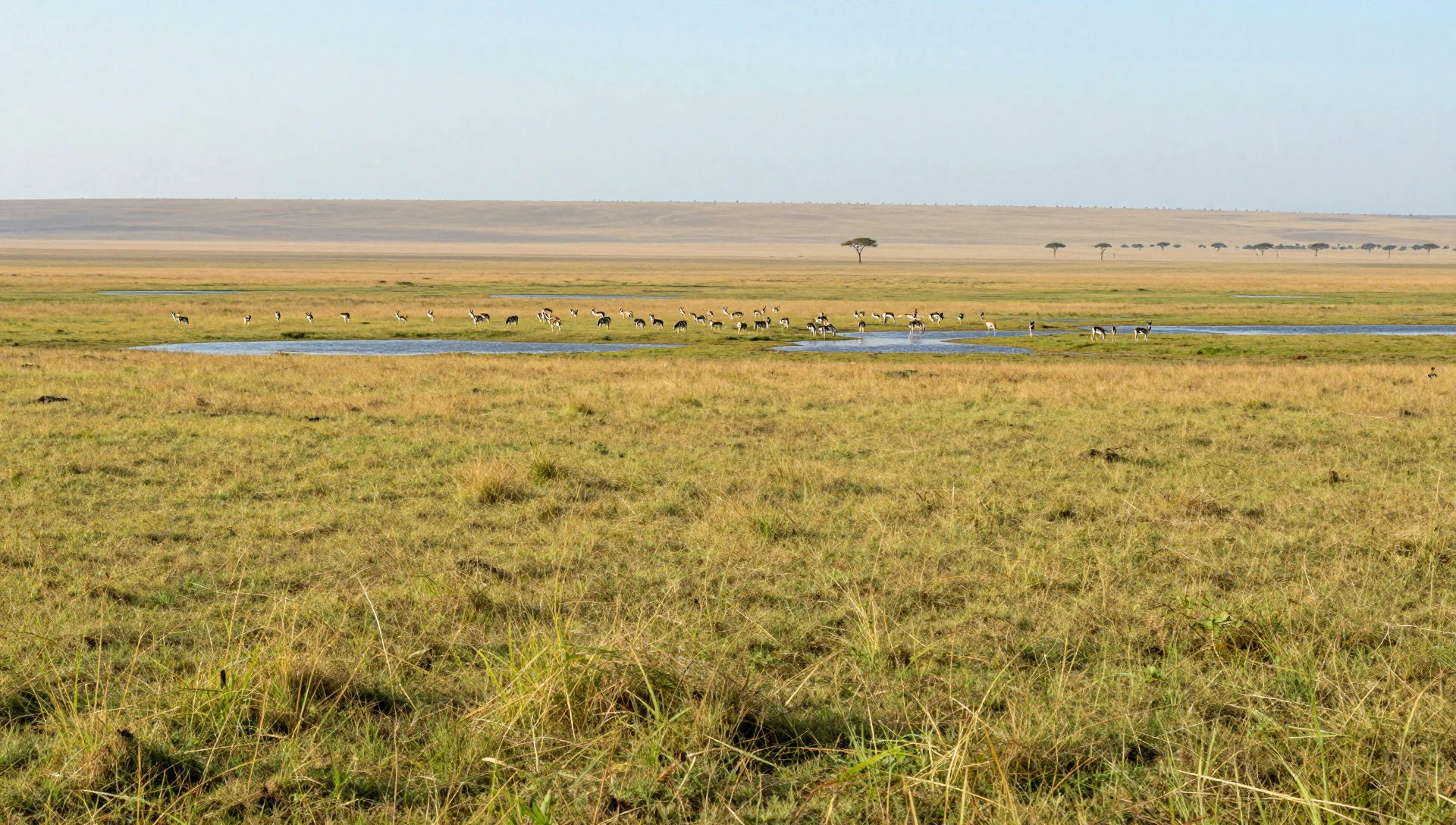
- Seronera Central Valley — Central Serengeti
Positioned in the heart of the park, this central district features a changing landscape of gallery forests, water holes, and granite outcrops. Savannah animals mingle here with specialized rock-dwelling species, and visitors frequently search the surrounding acacia branches and riverbanks for elusive leopards and resting cheetahs.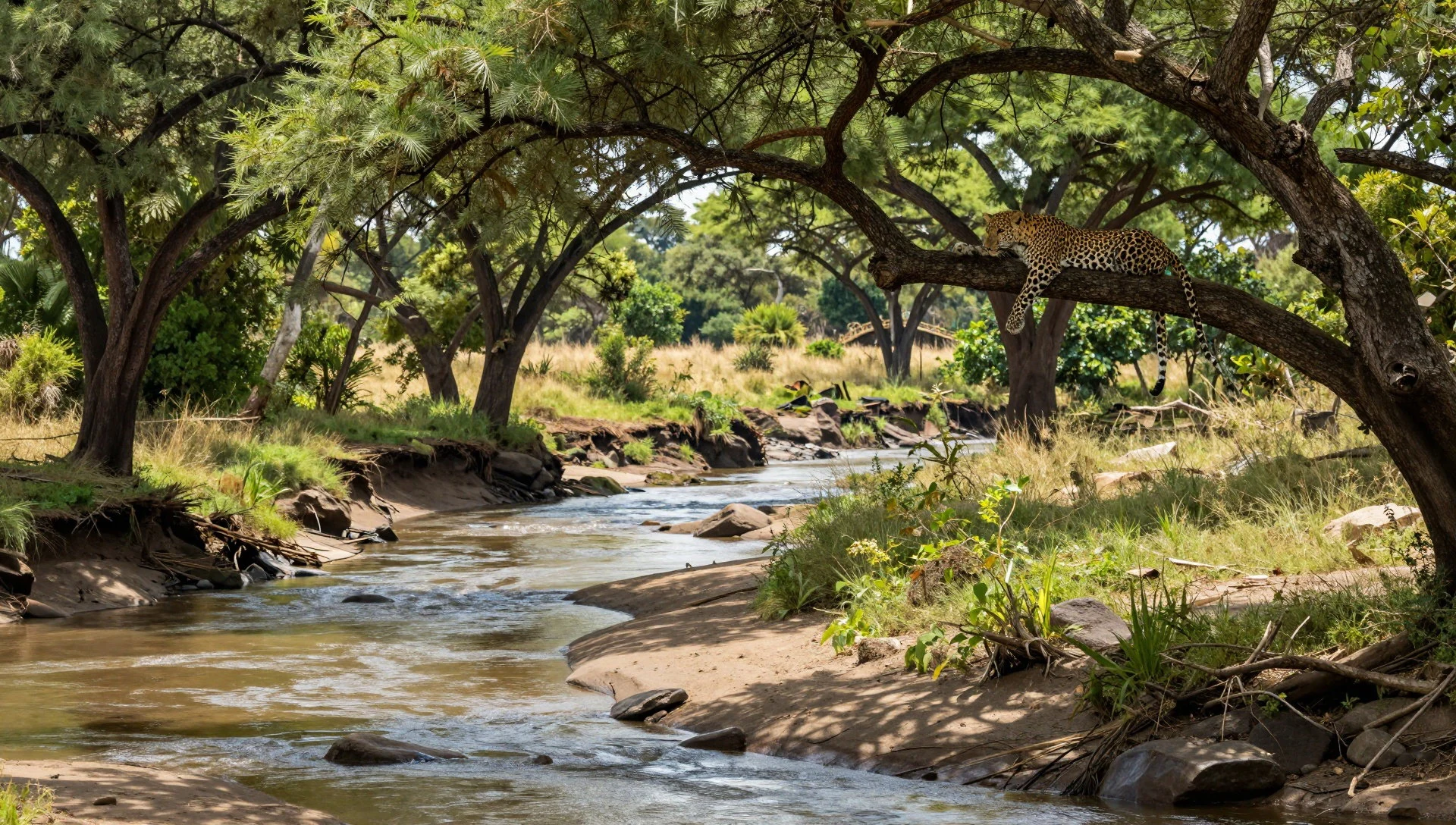
- Northern Lobo Region — Northern Serengeti
Unlike the flat southern grasslands, the northern territory presents a rugged topography featuring permanent water sources, wooded hills, and rocky formations. Large herds retreat into these northern reaches during the dry season, joining resident wildlife populations and frequently bringing travellers face to face with roaming elephant herds.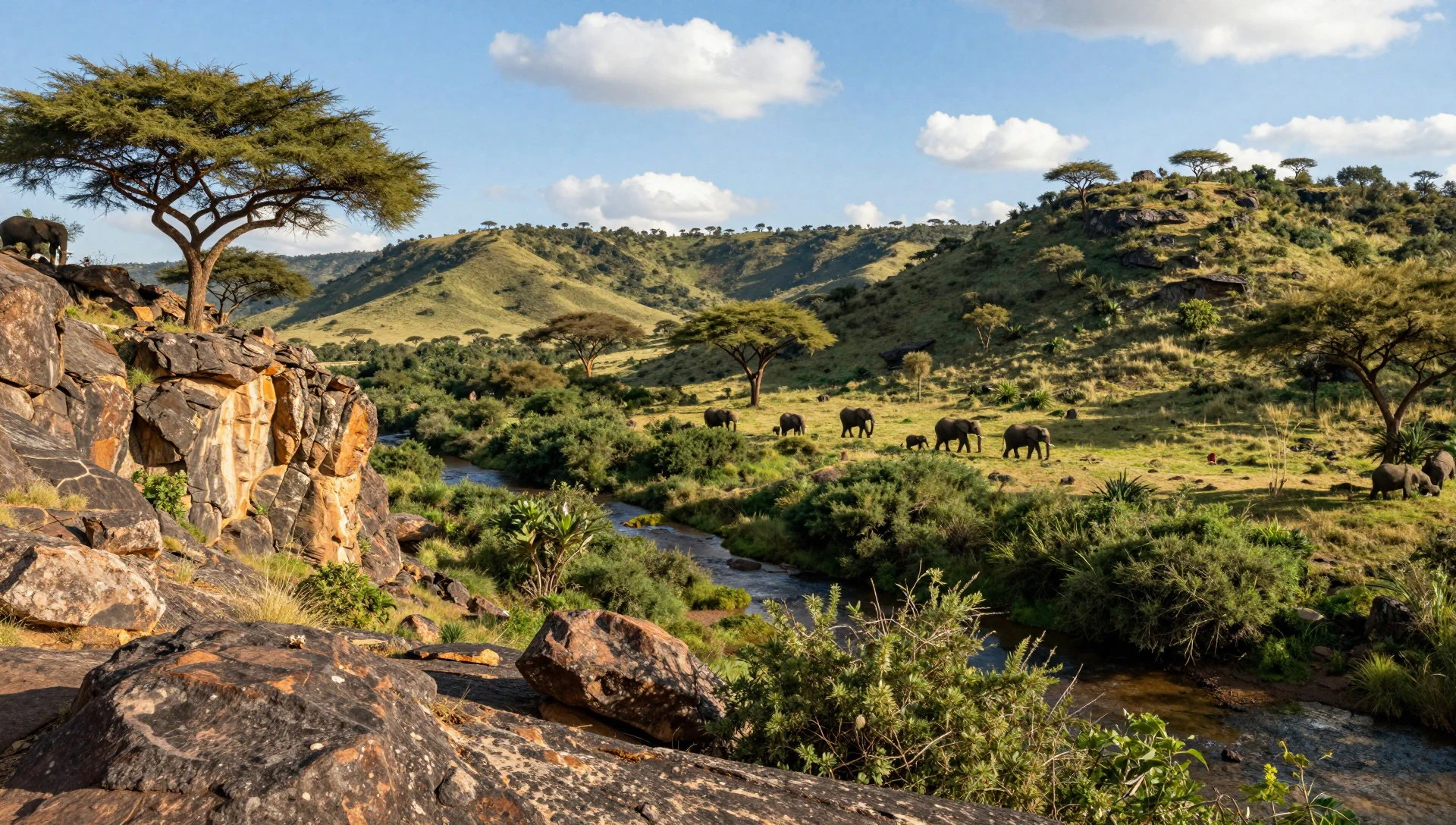
- Western Corridor — Western Corridor
Following the path of the Grumeti River toward Lake Victoria, this narrow western strip offers a distinctive wilderness experience away from the main tourist circuits. Dense riverine vegetation lines the waterway, providing prime habitat for large Nile crocodiles waiting patiently for migrating herds to attempt river crossings.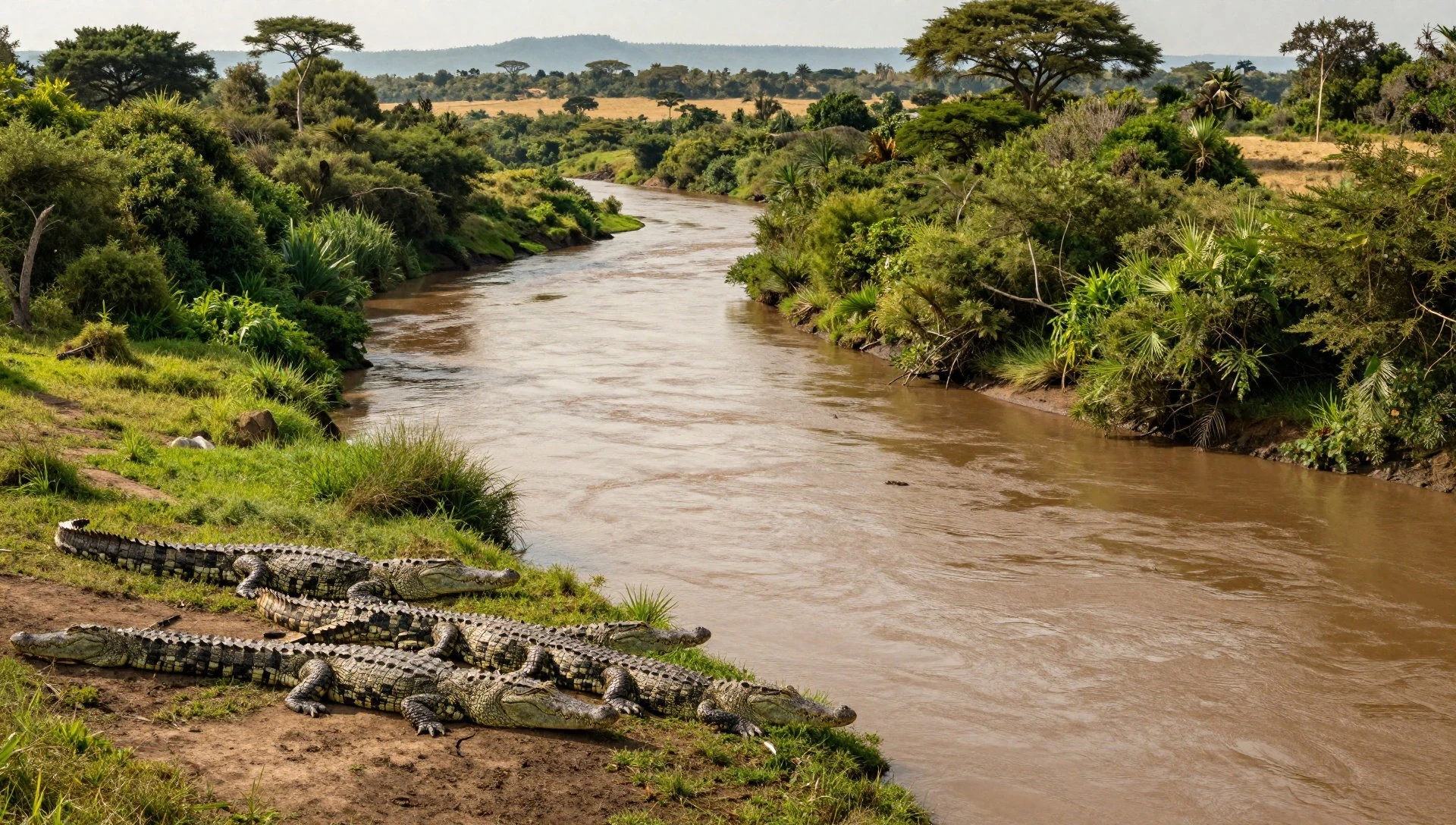
Culture
The cultural heritage of the Serengeti is deeply intertwined with the pastoralist traditions of the local Maasai and neighboring communities, whose vibrant red shúkà garments, intricate beaded jewelry, and deep connection to cattle pastoralism define the human landscape of the region. Traditionally, community life centers around livestock keeping, age-set rituals, and oral storytelling passed down through generations. While traditional homesteads known as bomas still dot the surrounding communal lands, modern community members increasingly engage with conservation initiatives, tourism, and contemporary education, balancing ancestral customs with the realities of twenty-first-century life in rural East Africa. Visitors passing through nearby settlements or interacting with camp staff encounter a warm, welcoming culture rooted in communal hospitality and profound knowledge of the natural environment. Travellers should always ask permission before taking photographs of local residents and their homesteads to show proper respect for privacy and tradition.
What to wear
The Serengeti sees traditional dressing most prominently among local pastoralist groups, who wear bright red and checkered cotton wraps called shúkàs paired with ornate beaded necklaces, bracelets, and ear ornaments that reflect social status and age grade. Modern residents in nearby towns and tourist lodges generally wear practical contemporary clothing, including western-style shirts, trousers, and durable footwear suited for daily activities. For visitors exploring the park, practical safari clothing is essential rather than decorative attire. Practical packing includes lightweight, breathable fabrics in neutral khaki, beige, or olive tones that blend into the natural environment and discourage biting insects. Long sleeves and trousers provide protection against sun exposure, tall grasses, and evening chills, while sturdy walking boots or closed-toe trainers are indispensable for dusty vehicle tracks and uneven terrain. Layering is key for chilly early morning game drives before temperatures rise under the equatorial sun, and a wide-brimmed hat paired with polarized sunglasses ensures comfort throughout long days outdoors.
What to eat
- Fresh Roasted Cashews — Local markets and camp lodges
Locally harvested and roasted until golden and crunchy, these nuts make a satisfying, energy-rich snack while bouncing along dusty safari tracks or relaxing at camp.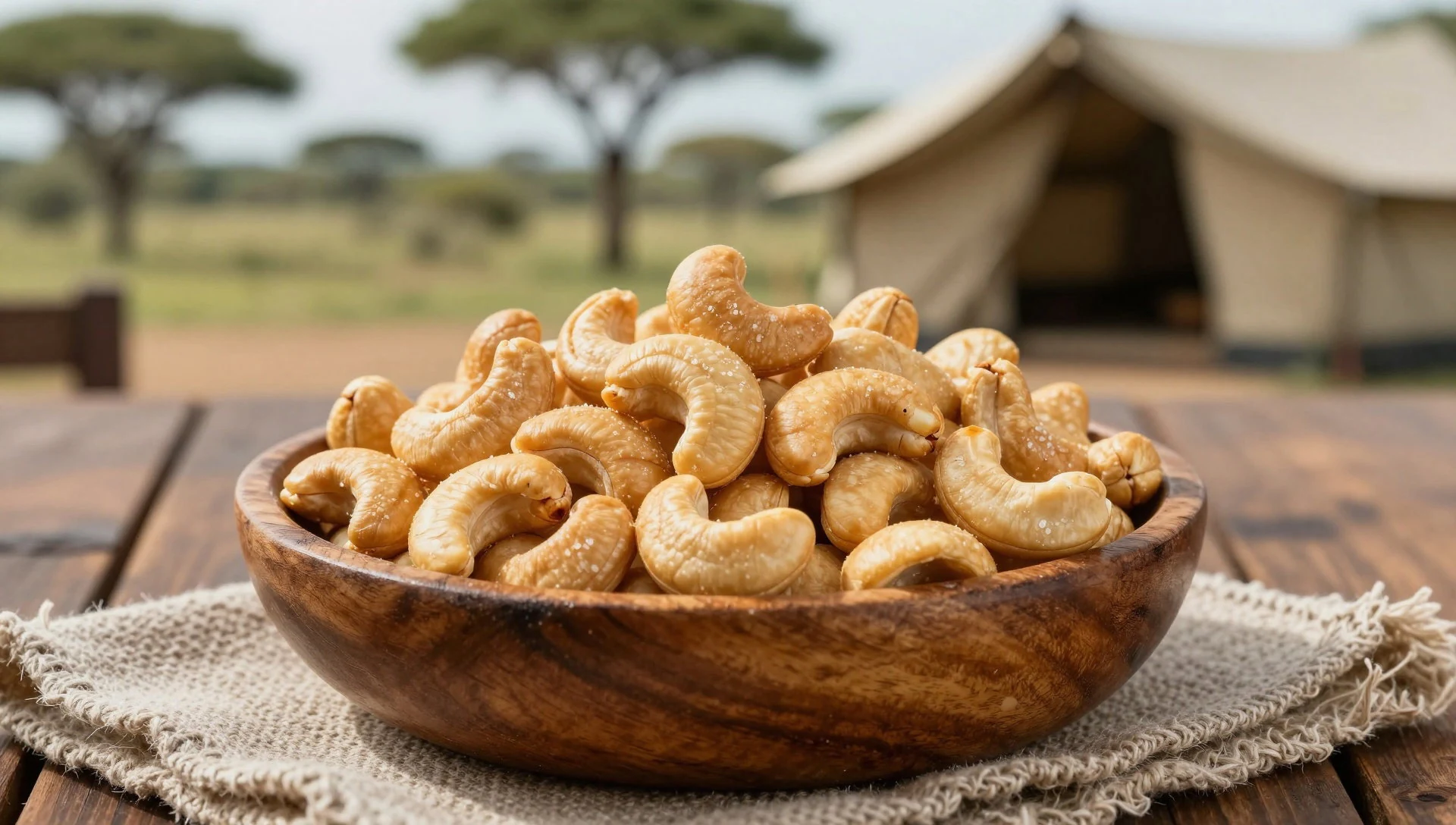
- Sweet Bananas — Roadside stalls and camp breakfast buffets
Small, incredibly sweet yellow bananas or distinctive red bananas grown in the fertile soils surrounding the region, offering a delicious and refreshing burst of natural energy.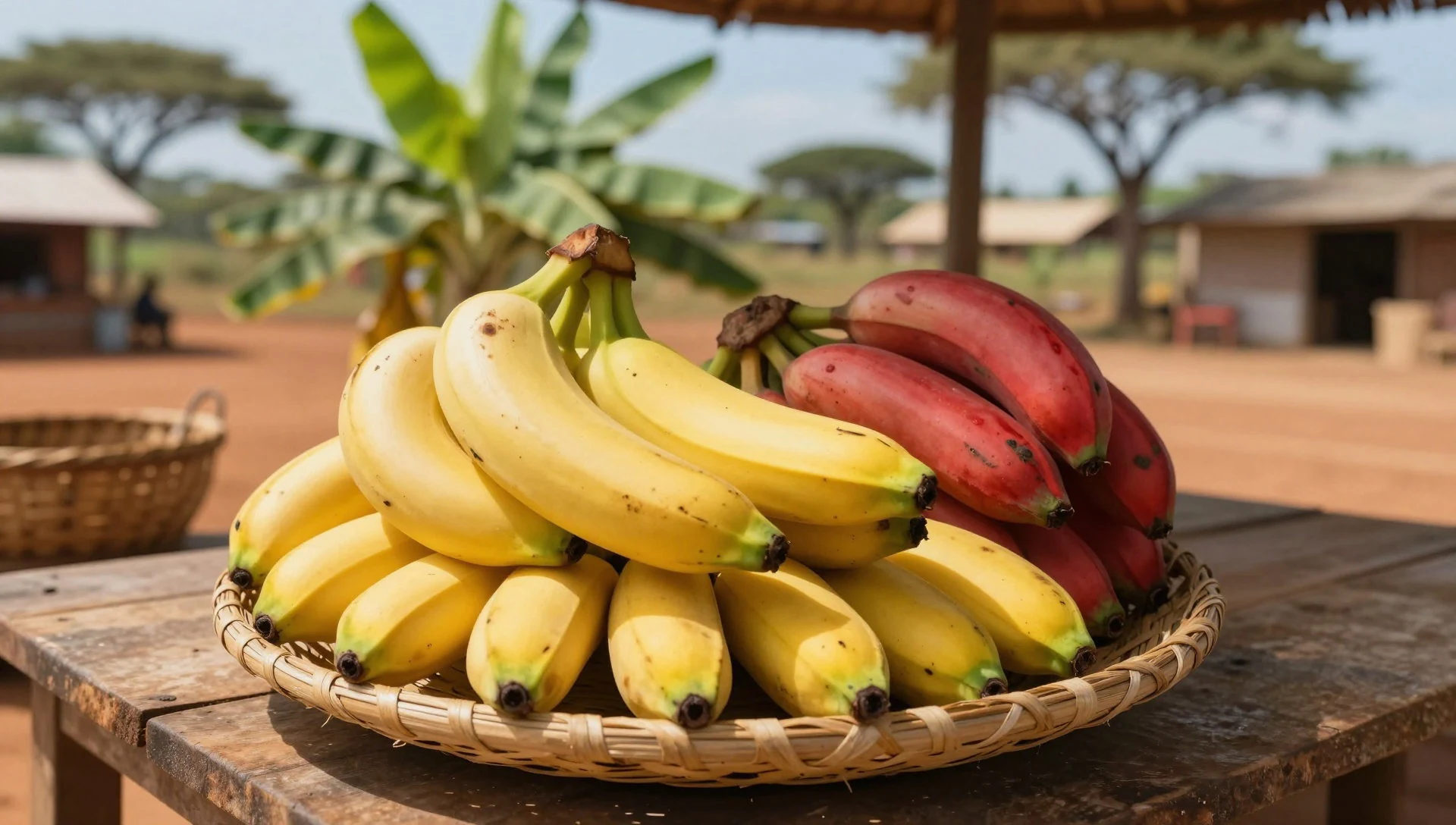
- Mbungo Juice — Lodge dining rooms and tented camp bars
A refreshing, tart tropical fruit juice pressed from indigenous wild fruits found across the park's wooded zones, served chilled to combat the midday heat. - Tusker Lager — Camp bars and park lodges
A popular East African pale beer brewed to crisp, refreshing standards, enjoyed by travellers relaxing around the evening campfire after a long day of wildlife viewing. - Amarula Cream Liqueur — Lodge lounges and camp bars
A rich, sweet liqueur produced from the fermented fruit of the African marula tree, often enjoyed over ice after dinner under the starry night sky.
Plan it
Best time. January to March for the calving season on the southern plains, or April and May for the dramatic Mara River crossings as herds push north toward the Mara.
How long. 4–6
Getting there. Fly into Kilimanjaro International Airport near Arusha, then take a scheduled light aircraft flight directly to Seronera Airstrip in the heart of the park, or arrange an overland safari vehicle transfer taking approximately eight hours.
Budget. high
Tips
- Book safari lodges and mobile camps well in advance, especially during the peak migration months
- Pack luggage in soft-sided bags rather than hard suitcases to fit into small bush aircraft
- Limit baggage weight strictly to airline and charter limits, usually around 10 to 15 kilograms
- Drink only bottled water and avoid fresh salads to prevent travel-related stomach illness
- Wear neutral-coloured clothing and layers for chilly early morning game drives
Etiquette
- Always ask permission before photographing local residents or traditional homesteads
- Maintain a respectful distance from wild animals and keep vehicle noise to a minimum
- Dispose of all litter responsibly or carry it back to your camp
Nearby
Sources
- Wikidata Q11812902 (CC0)
- Wikipedia (CC BY-SA 4.0)
- Wikivoyage (CC BY-SA 4.0)