Zanzibar
Zanzibar, Tanzania
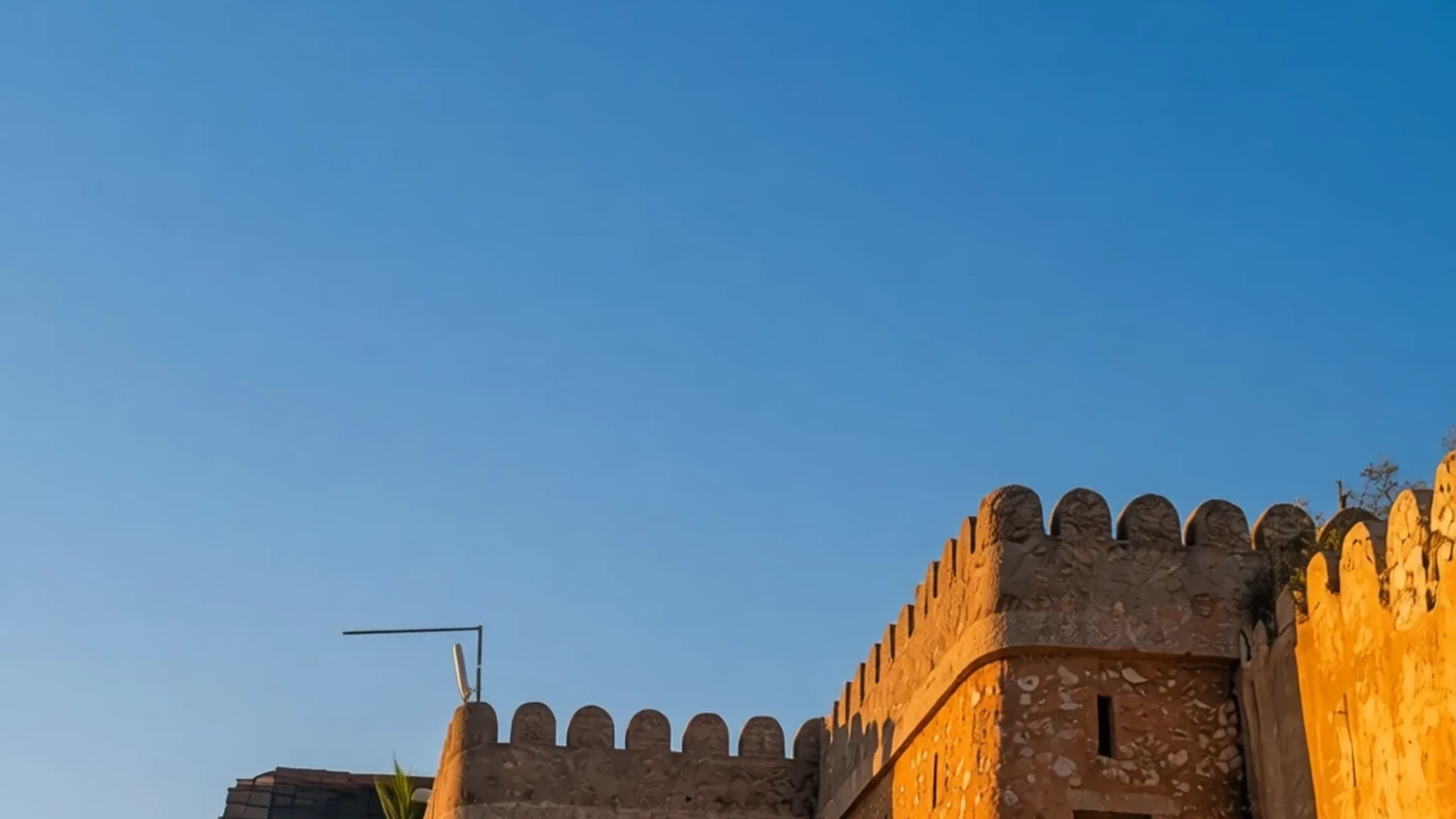
Go for spice-scented alleyways, coral-rag coral houses, and warm Indian Ocean waters off the East African coast.
The place
Zanzibar, known locally as Unguja, sits as the largest and most populous island in the Indian Ocean archipelago that bears its name. Separated from mainland Tanzania by the Zanzibar Channel, the island spans a hilly landscape characterized by limestone ridges, coral rag soils, and shallow coastal fringes. It is home to Zanzibar City, a dense urban settlement containing the ancient core known as Stone Town, where centuries of maritime trade have left a distinct architectural fingerprint of coral stone buildings, carved wooden lintels, and intricate brass-studded doors. Around the main island, a scattering of smaller islets and atolls—some inhabited like Tumbatu and Uzi, others wild and reef-encircled—dot the turquoise shallows. The climate is tropical and humid, shaped by seasonal monsoon winds that historically drove dhows across the western Indian Ocean from the Persian Gulf, India, and the broader Swahili coast. Today, the island supports a vibrant coastal population engaged in fishing, small-scale farming, seaweed cultivation, and maritime trade, all framed by the swaying fronds of coconut palms and the deep blue expanse of the eastern African seaboard.
Its story
The story of Zanzibar is bound to the ancient trade routes of the Indian Ocean, long before European navigators rounded the southern cape of Africa. Zanzibar has drawn traders from the Arabian Peninsula, western India, and the Persian Gulf since the early years of the first millennium, relying on monsoon winds to carry them across the water. Over centuries, these seasonal encounters fostered a distinct Swahili civilization, blending African traditions with Islamic and Asian influences. Stone Town grew as a major mercantile hub, where ivory, spices, and textiles passed through bustling waterfront bazaars. The region later saw European colonial administrations and Omani sultanate rule intersect with indigenous populations, creating a complex social tapestry. Yet beneath the administrative layers lies an older foundation: Tanzania is among the oldest continuously inhabited areas on Earth, with fossil evidence of early human ancestors stretching back millennia. Bantu-speaking migrations later transformed the linguistic and agricultural landscape, followed by centuries of regional migration and coastal exchange. The historic fabric of Stone Town preserves this deep narrative in its coral-rag masonry, narrow labyrinthine streets, and the enduring rhythms of island life.
What to see
- Stone Town Labyrinth
Wander through the historic maze of narrow alleyways lined with coral-stone houses, overhanging balconies, and magnificent wooden doors adorned with brass spikes. The tight grid keeps the streets shaded from the equatorial sun, echoing centuries of maritime commerce and architectural fusion.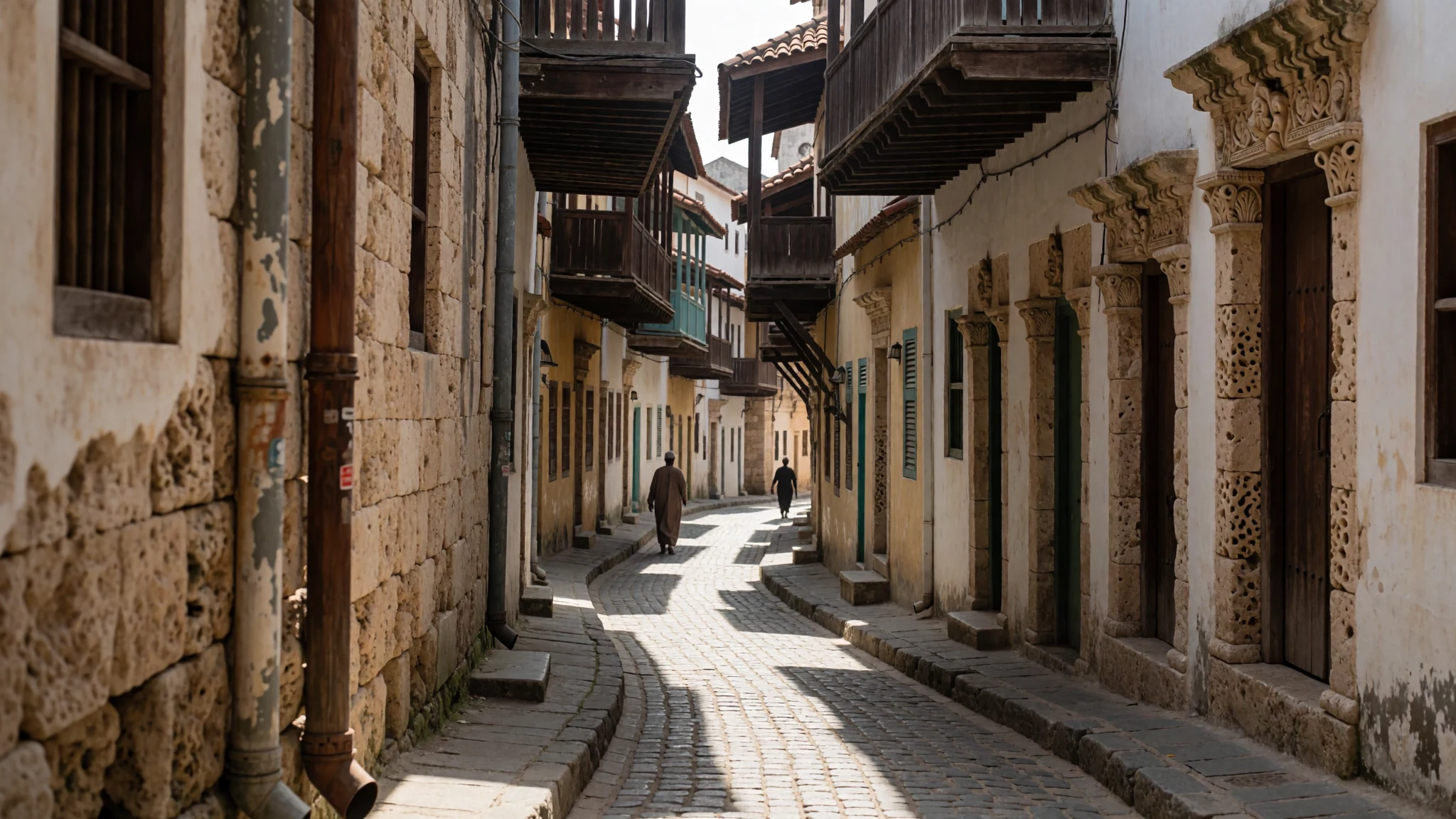
- Zanzibar Coastal Beaches
Explore the powder-white coastal shores where traditional outrigger dhows rest on the sand at low tide. Warm turquoise waters lap against coral fringes, offering a glimpse into local life where communities harvest seaweed in the shallow tidal pools.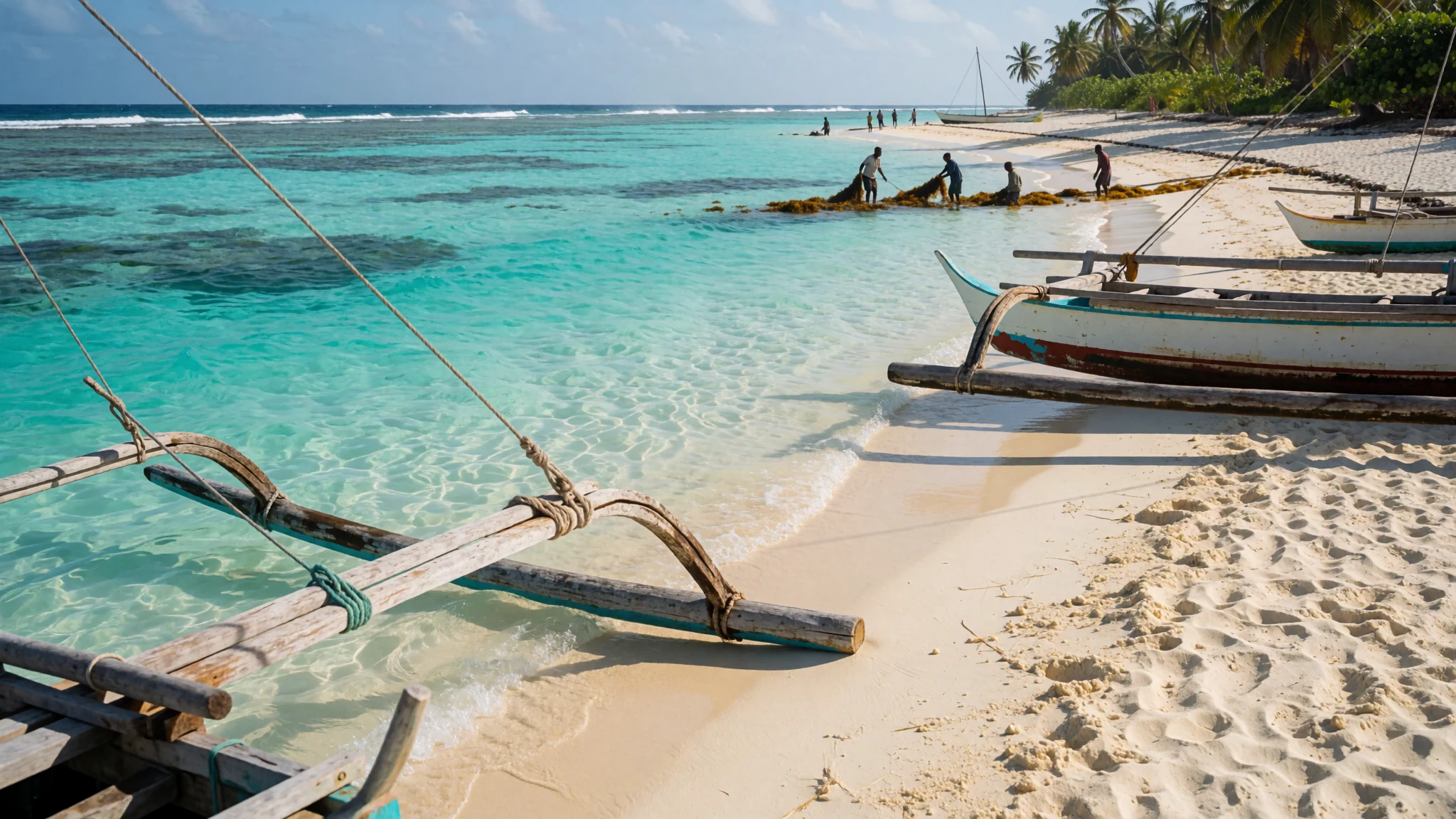
- Historic Tombs and Ruins
Discover weathered pillared tombs and ancient stone masonry hidden among coastal vegetation and quiet village outskirts. These quiet monuments reflect the island's long history of Islamic settlement and maritime heritage spanning many centuries.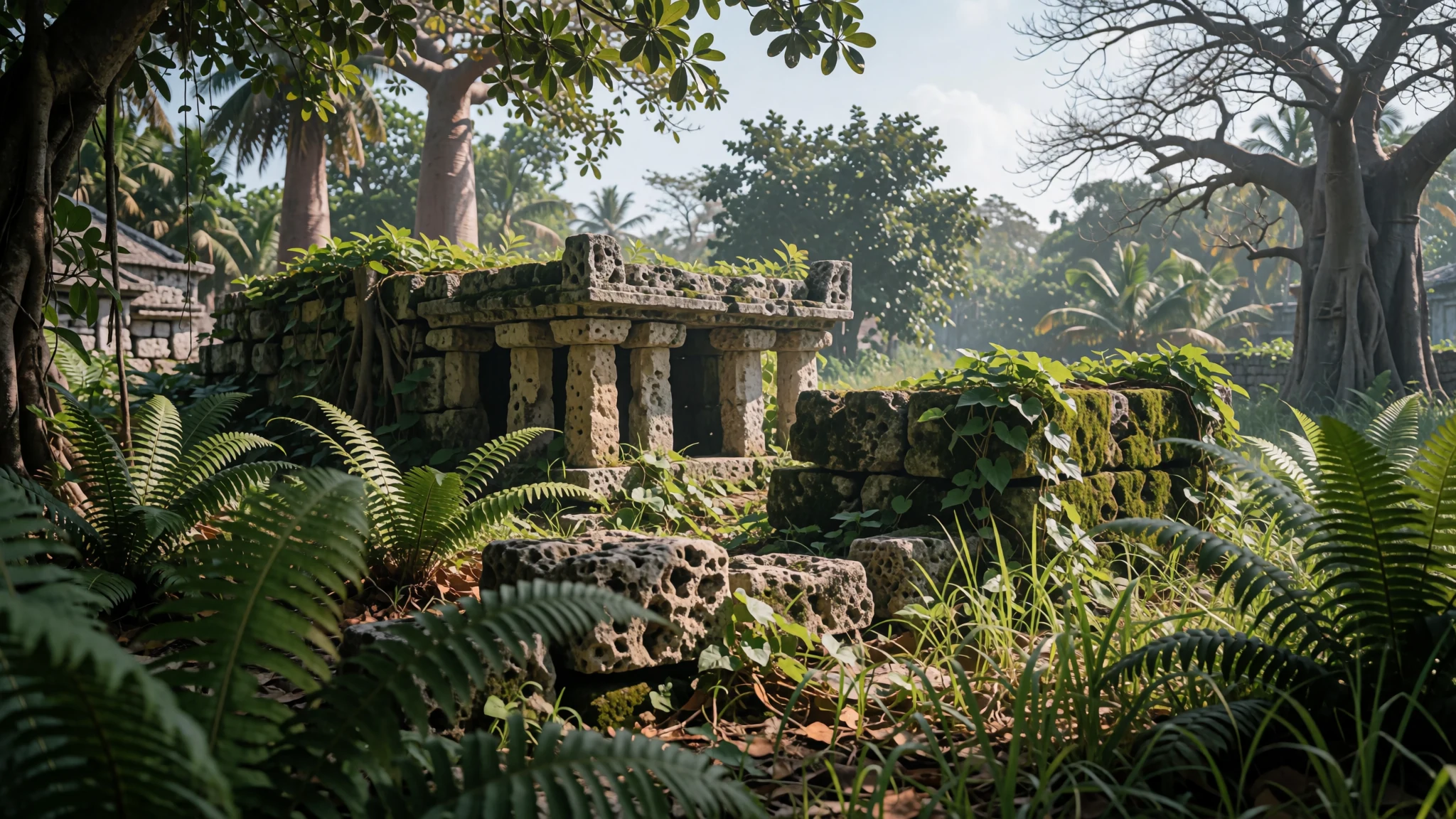
- Traditional Artisanal Crafts
Examine exquisite examples of historical craftsmanship, such as intricately carved ebony and ivory chairs known locally as kiti cha enzi. These masterworks demonstrate the sophisticated woodworking traditions passed down through generations of Swahili artisans.
Culture
Zanzibar is a deeply traditional society rooted in Swahili culture and Islamic heritage, where community ties and respect for elders guide daily interactions. Greetings are an essential social ritual; locals appreciate when visitors use polite Swahili expressions such as 'chei chei' or 'shikamoo' when addressing elders, accompanied by respectful titles like 'bwana' or 'mama'. Daily life moves at a measured pace governed by the tides, prayer times, and the tropical heat. Visitors will notice strong communal bonds where neighbours readily converse across alleyways or share news over small cups of spiced coffee. When greeting residents or walking through residential quarters, a polite demeanor opens many doors. Always ask for permission before photographing local residents or traditional pastoralists who may be visiting from the mainland. Dress modestly out of respect for local religious values, keeping shoulders and knees covered away from the beach. Always remove your shoes when entering someone's home or a sacred space.
What to wear
Traditional attire across coastal Tanzania and Zanzibar reflects both practical adaptation to a warm tropical climate and the enduring influence of Swahili coastal aesthetics. The most ubiquitous textile is the kanga, a brightly coloured, lightweight cotton rectangular cloth stamped with bold borders and often featuring a Swahili proverb printed along the hem. Women wear kangas wrapped gracefully around the waist or draped over the shoulders and head, offering versatile protection from the sun while serving as a vibrant medium of personal expression and communication. Men traditionally wear lightweight tunics or kanzus paired with embroidered caps known as kofia. Modern urban residents in Stone Town now mix contemporary western wear with traditional garments, while younger generations favour casual shirts and trousers. For visitors navigating the island, the climate demands breathable, lightweight natural fibres like cotton or linen. Because Zanzibar is a conservative Muslim community, travellers should avoid revealing clothing outside resort compounds; lightweight trousers, knee-length skirts, and shirts that cover the shoulders are essential for respectful daily wear.
What to eat
- Mtori — Local neighborhood eateries
A comforting, nourishing soup made from slow-cooked beef and green bananas, blending savoury broth with subtle starchy sweetness. It is traditionally enjoyed warm and can be found in local eateries across the region.
- Mchicha — Traditional roadside lunch spots
A popular vegetable stew prepared with locally harvested greens simmered alongside tender pieces of meat or fresh fish, enriched with coconut milk and coastal spices.
- Ugali — Local village canteens and family kitchens
Considered a dietary staple across Tanzania, this firm, polenta-style dish is made from white corn flour and water, cooked until thick and eaten by hand to scoop up rich stews and gravies. - Mandazi — Stone Town morning markets and street stalls
Slightly sweet, triangular fried dough pastries flavoured with cardamom and coconut milk, typically prepared fresh each morning to accompany spiced morning tea or coffee. - Barbecued Street Corn — Evening food stalls and waterfront promenades
Fresh ears of corn roasted over open wood embers until smoky and lightly charred, often brushed with chilli or lime by roadside vendors in evening markets.
Plan it
Best time. January to February and June to October offer drier, sunnier weather ideal for exploring Stone Town and coastal beaches, avoiding the heavy seasonal rains.
How long. 3–4
Getting there. Fly into Abeid Amani Karume International Airport on Unguja island, or take the high-speed passenger ferry from Dar es Salaam on the mainland to Stone Town.
Budget. mid
Tips
- Wear lightweight, conservative clothing that covers shoulders and knees outside beach resorts
- Carry crisp United States dollar bills for visa payments upon arrival
- Explore the narrow alleyways of Stone Town early in the morning before daytime temperatures peak
- Drink bottled or properly filtered water when dining outside major hotels
Etiquette
- Always ask permission before photographing local residents or traditional pastoralists
- Remove your shoes when entering homes or religious spaces
Nearby
Sources
- Wikidata Q7332301 (CC0)
- Wikipedia (rev 1373376684) (CC-BY-SA 4.0)
- Wikivoyage (rev 5408710) (CC-BY-SA 4.0)