Diani Beach
Diani Beach, Kenya
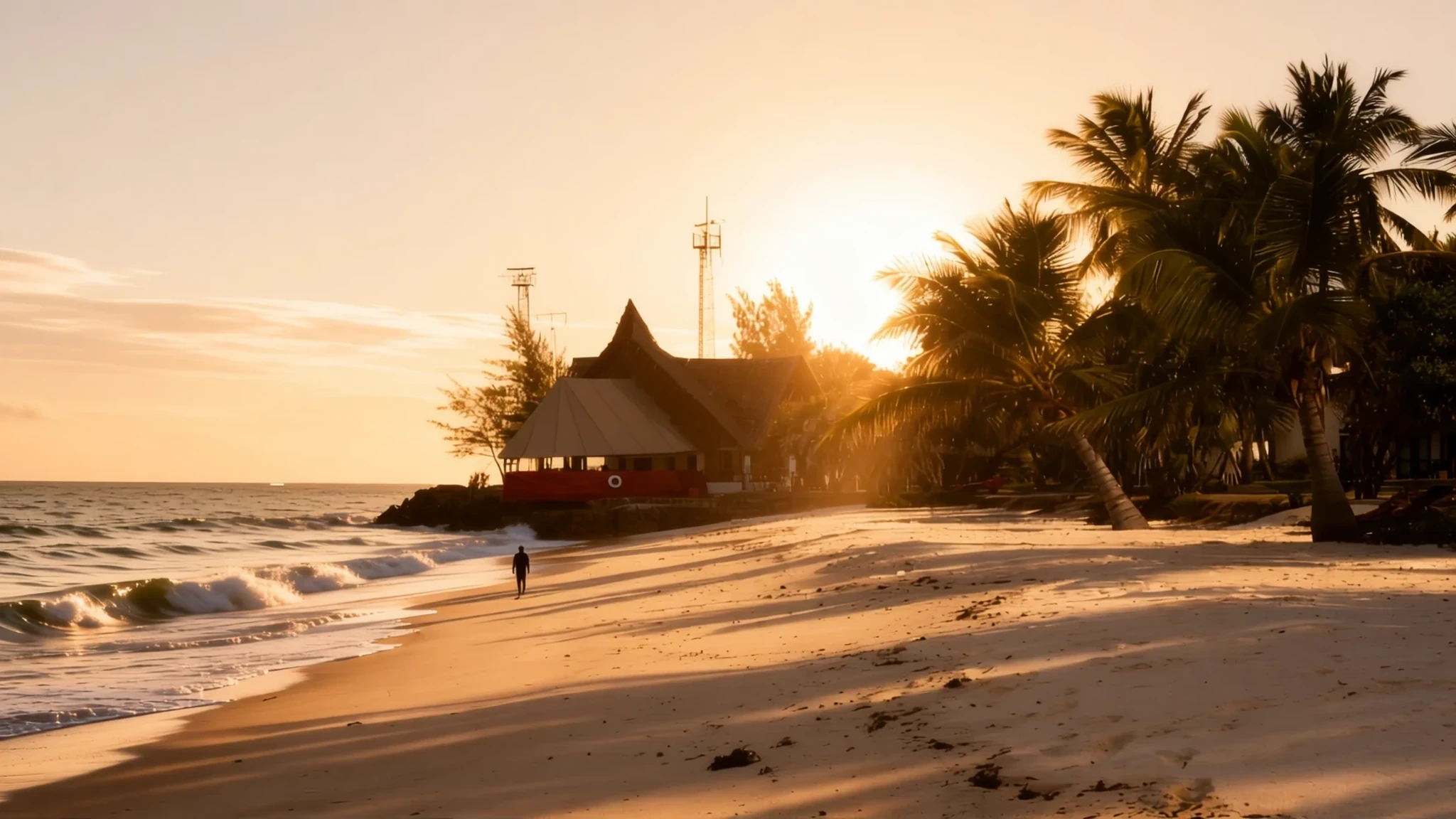
Diani Beach offers Kenya's quieter south coast, with long sand, warm water and nearby forests, reef and caves to explore between swims.
The place
Diani Beach is a long stretch of sand on the Indian Ocean coast of Kenya, in Kwale County, about 30 km (19 mi) south of Mombasa. Most people who travel to Kenya for a beach break pick either the southern or the northern shoreline, and the two are distinguished by where they lie in relation to Mombasa. The south coast is generally considered to have the nicer beaches and a more untouched natural setting, though some of its hotels are isolated enough that a stay can feel slow after a few days. The north coast nearest Mombasa is busier, with more nightlife, shopping, watersports and sightseeing, and its crowded beaches suit people who want activity. Further north, towns such as Kilifi, Watamu and Malindi are also quiet and undeveloped, and their beaches are shorter and narrower than Diani's but are often judged more photogenic. Within Diani itself, resorts, bars and restaurants line the beach road. Some properties are set back in quiet grounds, while others sit close to shops and evening entertainment. The coast has a warm, tropical climate. Rain can arrive as a short downpour followed by sunshine, but it can also settle in for several days, and rainy days are rarely cold, which means pool bars and beach walks remain possible. Touts and people hoping to attach themselves to visitors can approach on the sand and in beach bars, so a friendly but firm refusal is the usual approach.
Its story
The south coast's reputation grew out of a simple contrast. Travellers who wanted calm, long beaches and wild surroundings found them south of Mombasa, while those who wanted busier nights and easier access to town looked north. Diani developed along that divide, and its resorts were built with different kinds of holiday in mind. Some stayed remote, offering seclusion, and others grew around restaurants and bars that were easy to reach on foot or by taxi. This split still shapes how visitors experience the place. The coast's history is also present in its landscape. On the road towards Shimoni, the Slave Caves are coral rock caves where people were held before being sold in Zanzibar, a reminder that this shoreline was part of long-distance trade routes. Nearby, the Three Sister's Caves near Fikirini village are home to thousands of flying foxes and bats. Away from the resorts, villages around Msambweni have kept a quieter rhythm, and visitors may meet few other foreigners on its long beaches. Tourism brought jobs and money to Diani, but it also brought tensions. Local people and visitors often misread one another's expectations about money, time and personal space, and many of the everyday frictions on the coast come from that gap. Understanding the history of trade, and the way the resort economy grew beside local villages, helps explain why the coast feels both welcoming and sometimes uneasy.
What to see
- Colobus Conservation — Diani, Kwale County
A rehabilitation centre and orphanage for Angolan colobus monkeys in Kwale County. Guided walks through the grounds give a good chance to spot these black and white primates up close. It is one of the easiest ways to see the wildlife of the south coast without leaving the area, and the money supports the animals' care.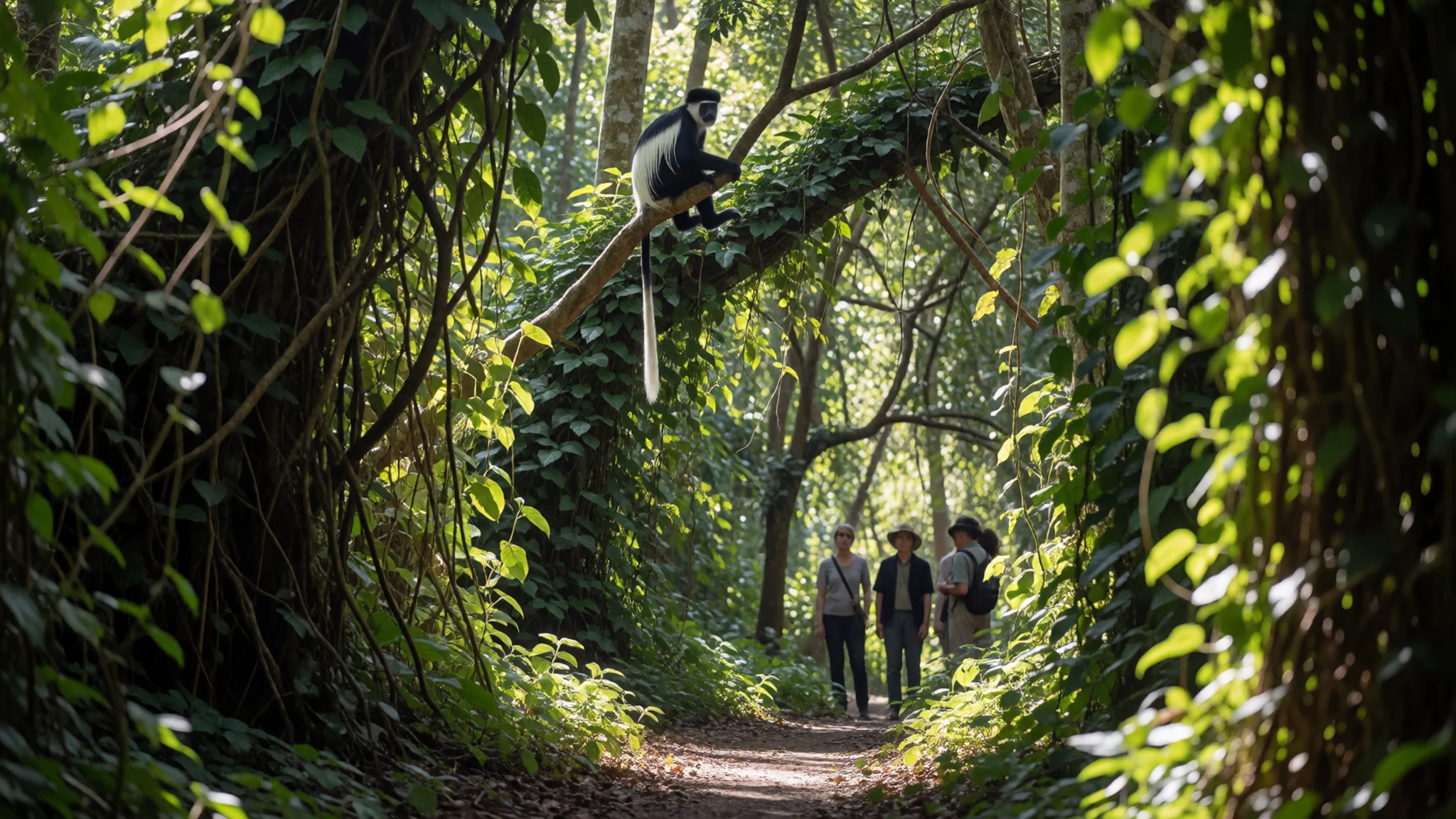
- Kaya Kinondo Sacred Forest — Diani, south of the main beach road
A protected forest that can only be entered with a guide. Visitors should phone ahead to confirm that a guide is available, especially for early morning visits when the forest is cooler. A full tour takes about two hours, and the guides explain the forest's cultural meaning to the local community.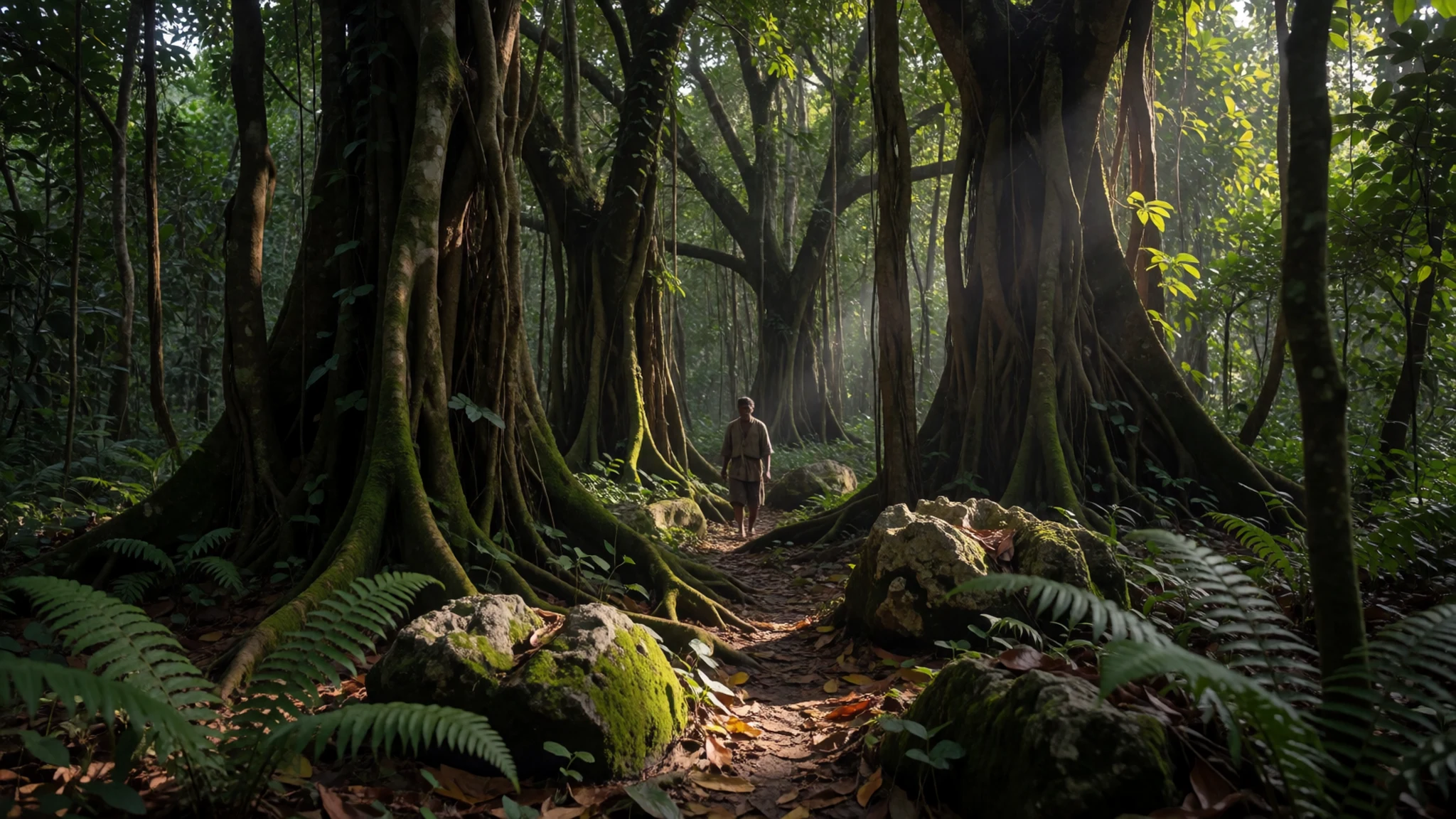
- Shimba Hills National Reserve — Kwale County, inland from Diani
A reserve described as one of the largest coastal forests in East Africa, rich in plants and animals. Animals often keep to cover, so sightings are not guaranteed, but the forest walks and views are worth the trip. It is best reached by private transport or a guided day trip from the coast.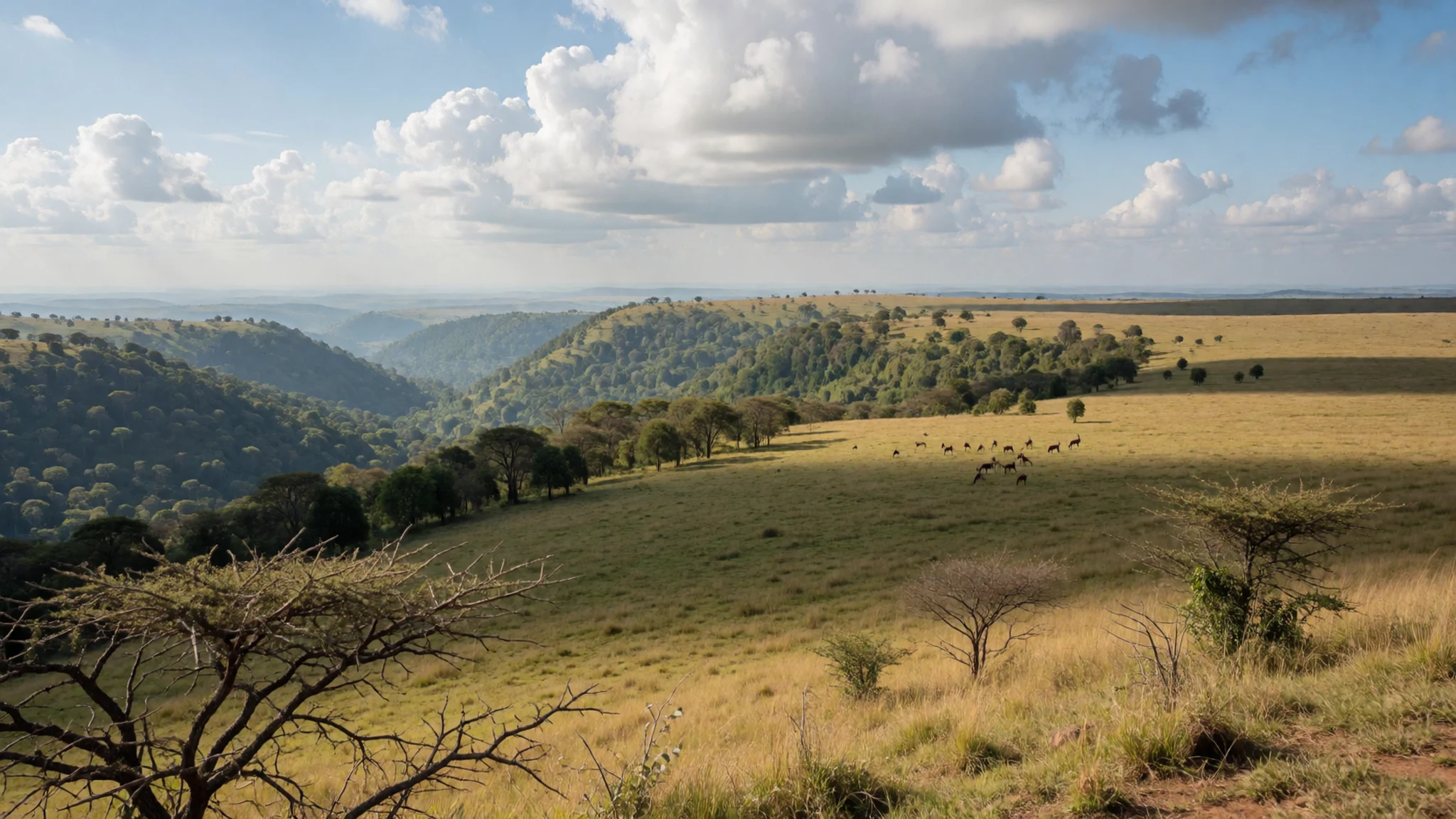
- Kisite Mpunguti Marine Park — Off Wasini Island, south of Shimoni
A marine park covering coral gardens south of Wasini Island, with three small coral rag islands surrounded by fringing reef. Boat trips from Shimoni or Diani are the usual way to visit, and snorkelling over the reef is the highlight. Conditions depend on tide and weather, so book with a reputable operator who can explain the day's plan.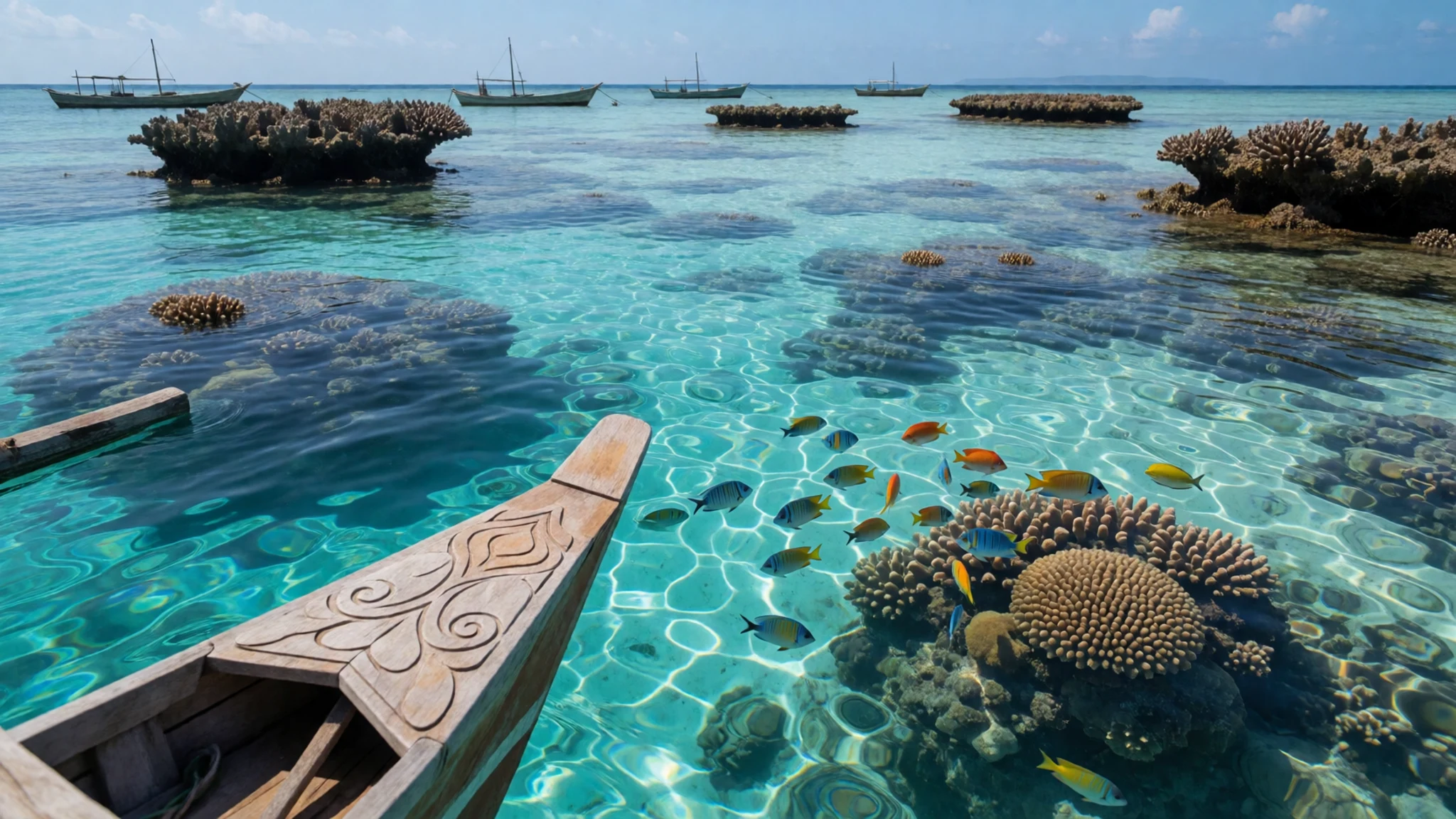
- Slave Caves, Shimoni — Shimoni, south coast
Coral rock caves in Shimoni, the starting and finishing point for trips to Wasini Island. People were held in these caves before being sold in Zanzibar, so the visit is a sober one. Allow time to reflect and take a local guide who can explain the history in detail.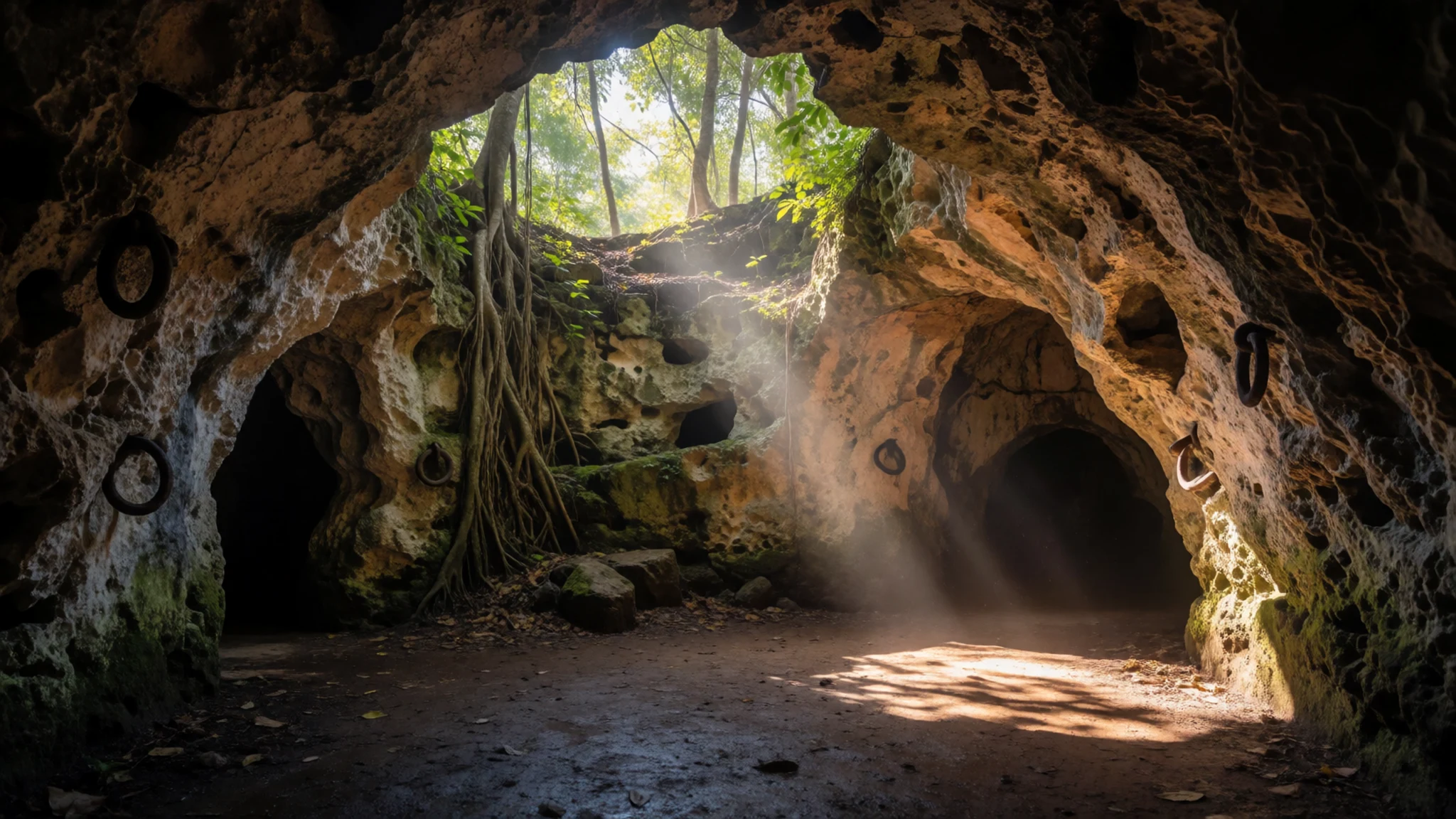
Culture
Diani sits within a wider Kenyan coastal society with its own languages, customs and expectations, and differences in how people greet, dress and negotiate can lead to misunderstandings. Swahili is widely spoken on the coast alongside English, and a few words of greeting are always appreciated. Politeness usually comes through patience and courtesy, so take time over greetings before asking for anything. Dress matters more in towns and villages than on the resort beach, and covering shoulders and knees when leaving the beach shows respect. Many people here are Muslim, and mosques and religious events are part of daily life. Ask before photographing people, especially women, children and anyone working at a market or a shrine, and be ready to accept a refusal. Bargaining is common at craft stalls, but it works best when it is friendly and unhurried. Tipping guides, drivers and waiters is customary and appreciated, so keep small notes ready. Visitors should also understand that some approaches on the beach and in bars are made for money, and declining them politely is perfectly acceptable. Remember to ask permission before entering private homes, village areas or sacred sites such as the Kaya Kinondo forest, and follow the guide's instructions at all times.
What to wear
Traditional dress on the Swahili coast is built around printed cloth. The kanga is a rectangle of printed cotton, usually worn by women as a wrap, skirt or head covering, and its border often carries a Swahili proverb or message. Kanga designs are bright and are sold in markets across the coast. Men traditionally wear the kikoi, a striped or checked cotton wrap, which is light, quick-drying and well suited to the humid climate. Both pieces are still worn today, especially in towns and at home, and you will see kangas used as beach wraps by visitors and locals alike. Everyday dress on the coast is practical and mixes Western and local styles. On the beach, people wear shorts, t-shirts and sundresses, but in Ukunda, Msambweni, Shimoni and other villages, many people dress more modestly, with longer skirts, covered shoulders and loose trousers. Visitors should pack light cotton or linen clothes that dry quickly, a sun hat, sunglasses and a sarong or kanga for covering up away from the sand. For religious places and villages, cover shoulders and knees. Sturdy sandals or reef shoes are useful for rocky shores and coral walks, and closed shoes help on forest trails such as those at Kaya Kinondo and Shimba Hills.
What to eat
- Grilled fresh fish and prawns — Beach restaurants along the Diani road, such as The Edge Beach Restaurant or The Blue Marlin Beach restaurant
Seafood is the coast's most common and reliable dish. Fish and prawns are often grilled whole or in fillets over charcoal and served with lemon, chilli and simple salads or rice. Beach restaurants along the Diani road specialise in the day's catch, and the freshness is the main attraction.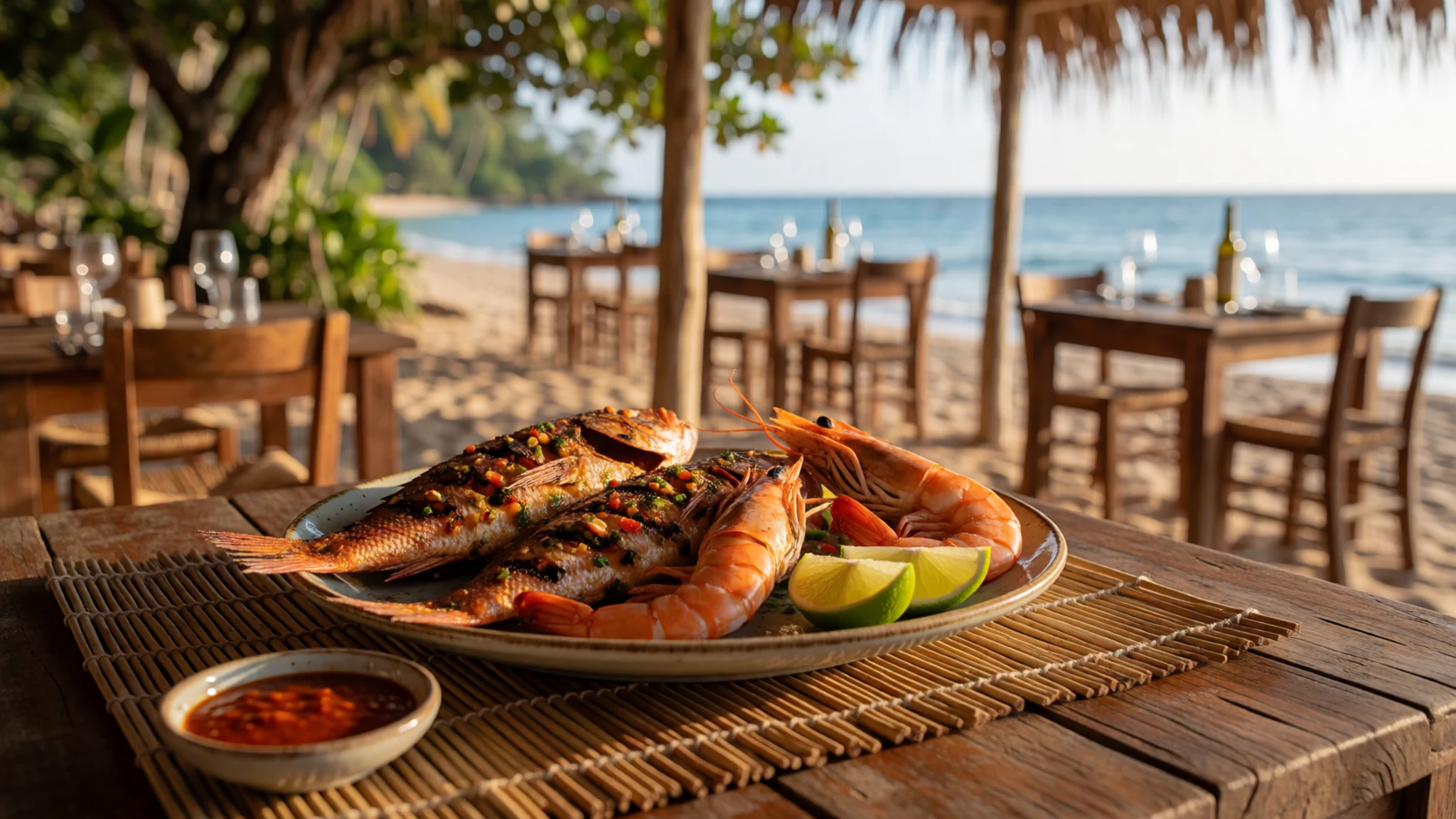
- Coconut fish curry — Local eateries and simple restaurants away from the main resort strip
A traditional coastal dish of fish cooked in a rich, mildly spiced coconut sauce with tomato and onion, served with rice or chapati. It shows the Swahili influence on the coast's cooking and is a good way to try a local flavour rather than the international menus common in resort areas.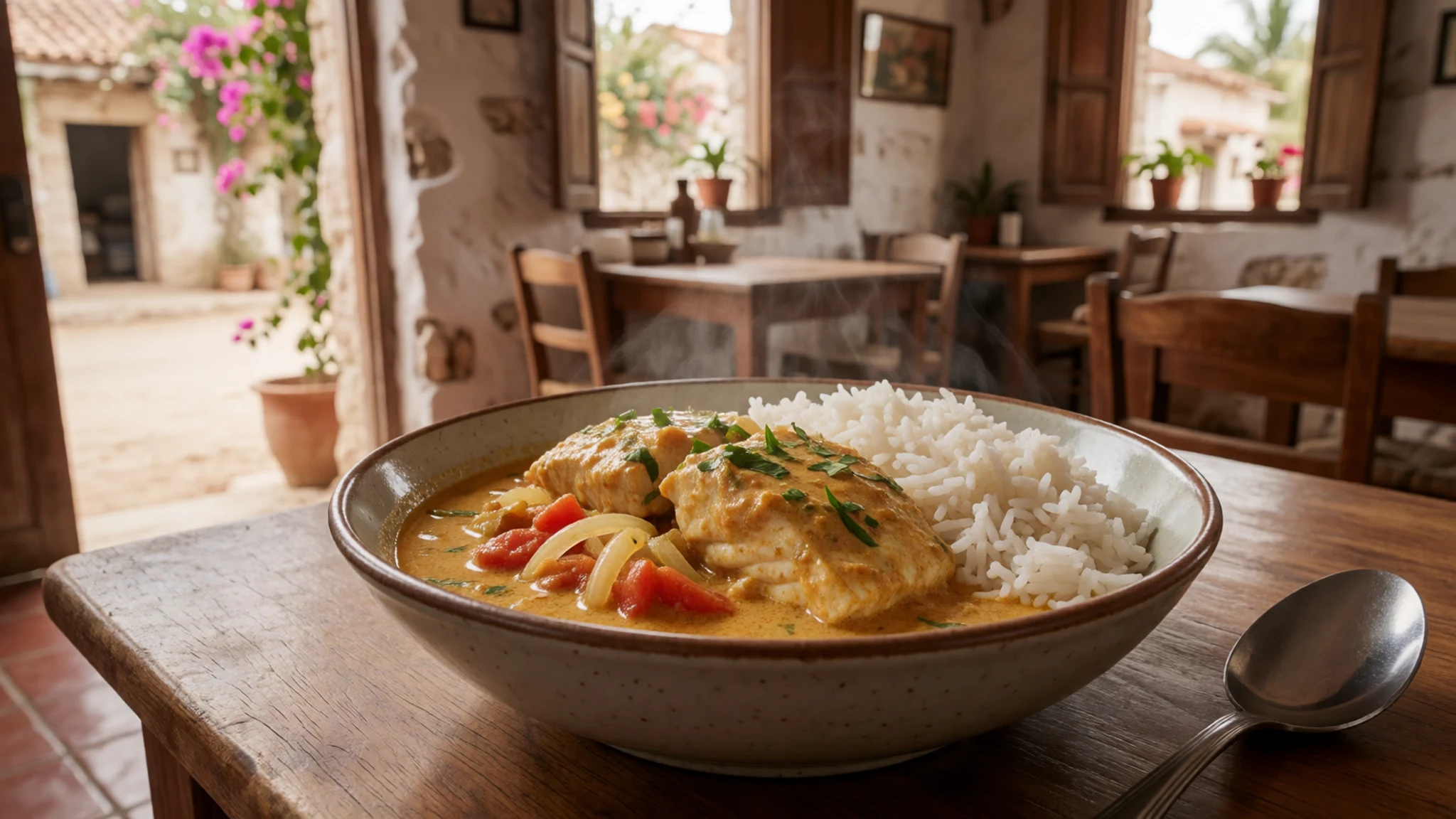
- Pilau — Small local eateries in Ukunda and the villages inland from the beach road
Spiced rice cooked with cumin, cloves, cinnamon and cardamom, often with meat or boiled eggs. It is a staple at celebrations and in everyday eateries, and it is usually served on a platter with a side of kachumbari, a fresh tomato and onion salad.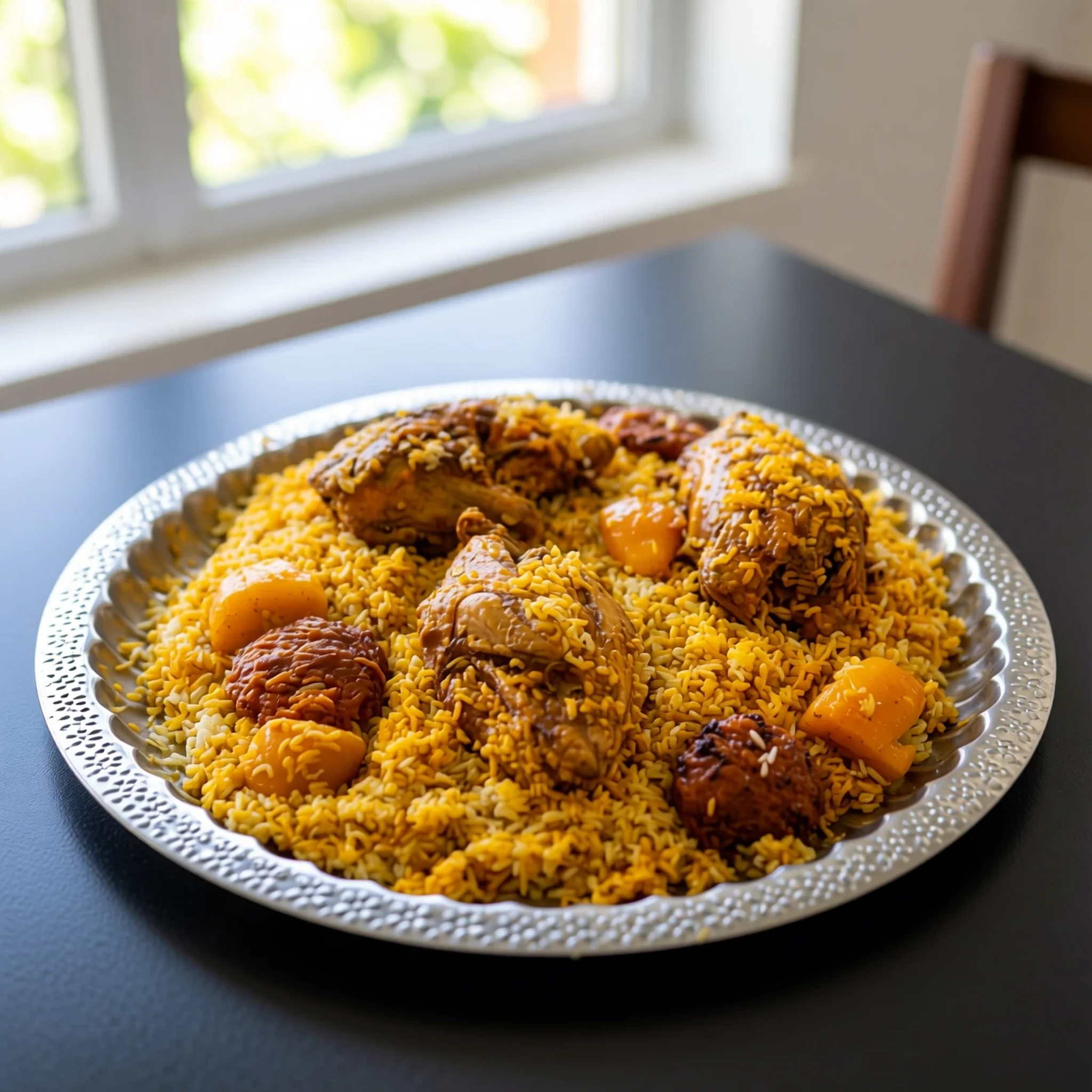
- Nyama choma — Roadside grills and open-air eateries in the evening, typically near the main roads
Grilled meat, usually goat or beef, cooked over charcoal and served with sliced onion, tomato and a sprinkle of salt and chilli. It is popular for sharing and is sold at roadside grills and evening gatherings. - Mandazi and Kenyan cakes — Morning stalls and tea spots, and cafés such as Kokkos Cafe
Mandazi are lightly sweet fried dough triangles, often eaten for breakfast or with tea. Cafés on the coast also serve cakes and sweets influenced by European baking, a legacy of the resort economy. - Sushi and Japanese dishes — Shashin-ka Japanese Restaurant and similar restaurants near the resorts
Fresh fish and sushi are served at a Japanese restaurant in the resort area, with an emphasis on presentation and attentive service. It is an alternative to the local menu for an evening out, and it reflects how varied the eating options around Diani have become.
Plan it
Best time. Late November to mid-March is the best window, when the climate is warm, humid and comparatively drier. From April to June the main rainy season brings the worst of the weather, with spells of continuous rain. October and November bring a second, shorter rainy period, though rain tends to come in short bursts and the sea and sand remain pleasant.
How long. 3–4
Getting there. Fly into Moi International Airport in Mombasa, usually via Nairobi, then take a hotel transfer or taxi for about two hours to Diani. A small airstrip at Ukunda has low-cost domestic flights from Nairobi, which can be a faster option. Check the official site before booking any transfer.
Budget. mid
Tips
- If you are visiting Kenya for the first time, consider a package tour, which takes care of transfers and bookings in one step.
- Book guides for Kaya Kinondo and marine trips in advance, and phone ahead to confirm forest access.
- Take taxis after dark rather than tuk-tuks or motorcycles, and ask your restaurant to call one for you.
- Keep valuables, jewellery and cash in the hotel or room safe, and do not carry them in your back pocket on the beach.
- Visit the reserves and forests early in the morning, when it is cooler and animals are more active, and carry plenty of drinking water.
Etiquette
- Greet people properly before asking for directions, prices or photographs.
- Cover shoulders and knees when you leave the beach, and especially near mosques and shrines.
- Decline unwanted approaches on the sand politely and without argument.
Nearby
Sources
- Wikidata Q1209035 (CC0)
- Wikipedia: Diani Beach (rev 1381959010) (CC BY-SA 4.0)
- Wikivoyage: Diani Beach (rev 5401072) (CC BY-SA 4.0)
- Diani Beach 02, Nicor (CC BY 3.0)
- Diani Beach Ukunda, Lebu Ayiga (CC BY 4.0)
- Diani beach kwale county, Nicholas maina (CC BY-SA 4.0)
- Diani beach kenya, Nicholas maina (CC BY-SA 4.0)
- Diani beaches, Erick Moiro (CC BY-SA 4.0)
- 2011-07-20_09-54-46_7D, Stephen Temple (CC BY-SA 2.0)
- A bicyle delivery guy in diani kenya, Emmaculate jacobine (CC BY-SA 4.0)
- A man selling a mini bar at Robison Island in Kenya, Ichumar (CC BY-SA 4.0)


