Lake Turkana
Lake Turkana, Kenya
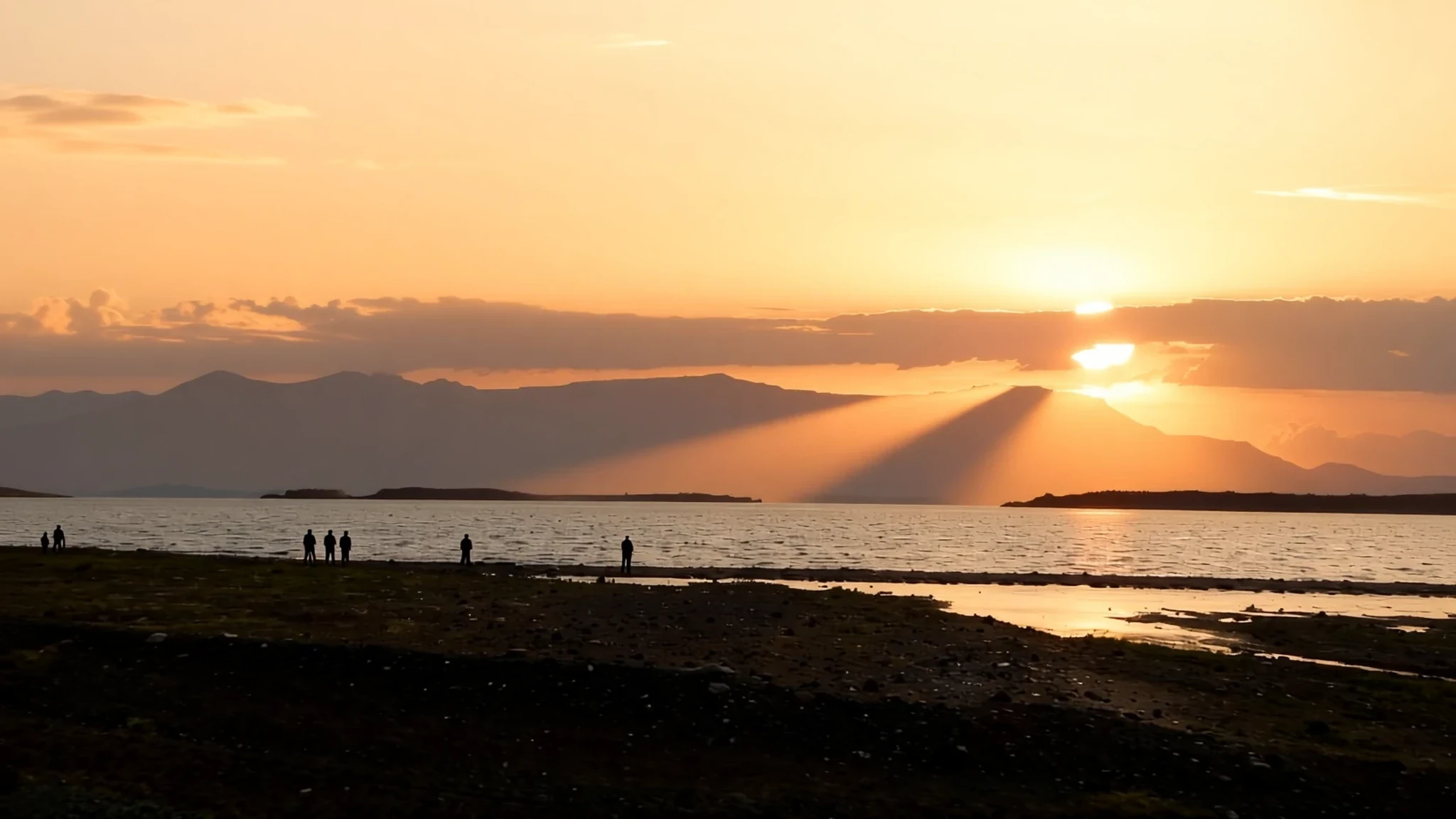
Lake Turkana is a vast, hot, alkaline lake on the Kenya–Ethiopia border, for travellers who want desert wilderness and volcanic islands more than comfort.
The place
Lake Turkana lies in the Kenyan Rift Valley, mostly in the north of Kenya, with its far northern end running into Ethiopia. It is a saline lake, and by most measures an unusual one. It is the largest permanent desert lake in the world and the largest alkaline lake, and by volume it ranks among the biggest salt lakes anywhere. It sits about 360 metres above sea level, surrounded by dark volcanic rock. The eastern and southern shores are rocky and steep, while the western and northern shores give way to pale dunes, spits of sand and mudflats.
The air is hot and very dry, and the water is warm too, so swimming is a matter of comfort more than refreshment. Winds are what most visitors remember. The lake heats and cools more slowly than the land, so strong onshore and offshore winds can build quickly, and sudden violent storms are common. Three rivers feed the lake, the Omo, the Turkwel and the Kerio, but there is no outflow. Water leaves only by evaporation, which means the level rises and falls over the years, sometimes by a great deal.
The water is brackish and high in fluoride, so it is not suitable for drinking, and most communities now rely on springs for their supply. Fishing remains central to local livelihoods, though stocks face pressure from falling levels and overfishing. Wildlife is abundant on the shore flats, where Nile crocodiles gather in numbers, and the rocks shelter scorpions and carpet vipers, so watch where you put your hands and feet.
Its story
For a long stretch of the twentieth century, Europeans knew this lake as Lake Rudolf, and that older name is still recorded as an alias. Today it is simply Turkana, after the people whose herds have moved along its shores for generations. Their pastoral life, following water and grazing with goats, camels and cattle, has shaped the region as much as its geology has.
The lake's deeper history is written in the land. Sediments and fossils along its northern and eastern shores have drawn researchers for decades. Sibiloi National Park, on the eastern side, holds finds millions of years old and is sometimes called the Cradle of Mankind, a nickname that reflects how central this area has become to the study of early human life. Its prehistoric link to the Nile system explains why ecologists still often treat the lake as part of the Nile basin, even though no river flows out of it.
The lake's future now depends on water that arrives from far upstream. Most of its inflow comes down the Omo from Ethiopia, and the construction of the Gilgel Gibe III Dam on that river has raised serious concern about how much water will reach the lake. For the fishing communities whose lives depend on steady levels, that question is not an abstract one. It is the difference between a good season and a failed one.
What to see
- Sibiloi National Park
Sibiloi National Park covers much of the lake's eastern shore and is the archaeological heart of the region. Its fossils and sediments are millions of years old and have helped researchers piece together early human history. Access is by rough track, so go with a guide and a 4x4. Distances are long and shade is scarce, so set out in the cooler hours and carry plenty of water.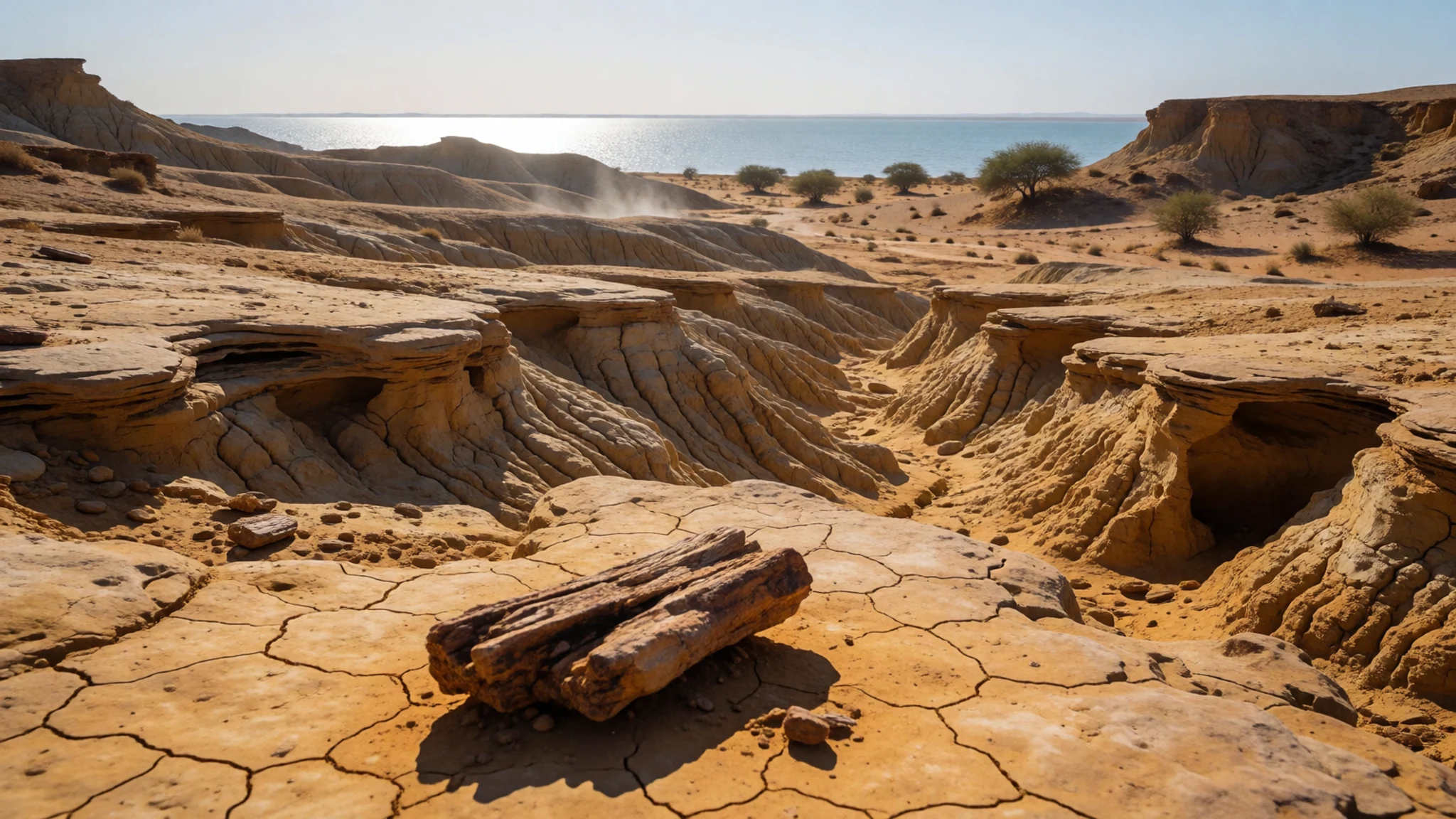
- Central Island National Park
Central Island National Park sits in the lake itself, an island of volcanic rock with an active volcano that releases vapour. It is a place to see by boat rather than on foot, and the reptiles here can be dangerous, so stay with your guide and keep to marked paths. Ask the boatman about landing conditions before you set off, since winds on the water can change quickly.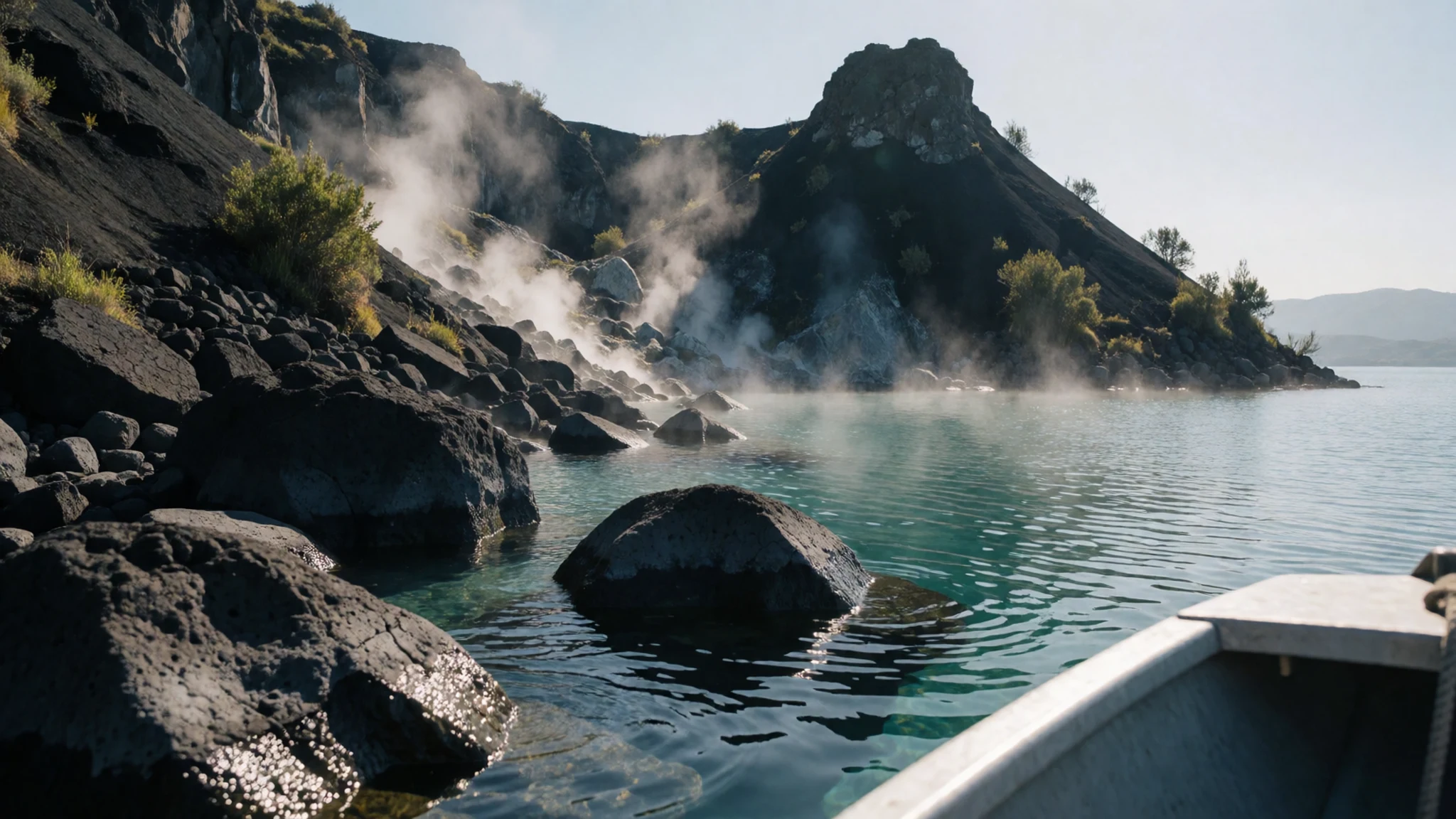
- South Island National Park
Known as the Isle of Mystery, South Island is hard to reach and carries a reputation for strange stories, including lights seen after dark and talk of evil spirits. Local boatmen know its shores and waters best, and landings can be rough. Go with an experienced crew, arrive in daylight, and take a torch and water if you plan to stay late.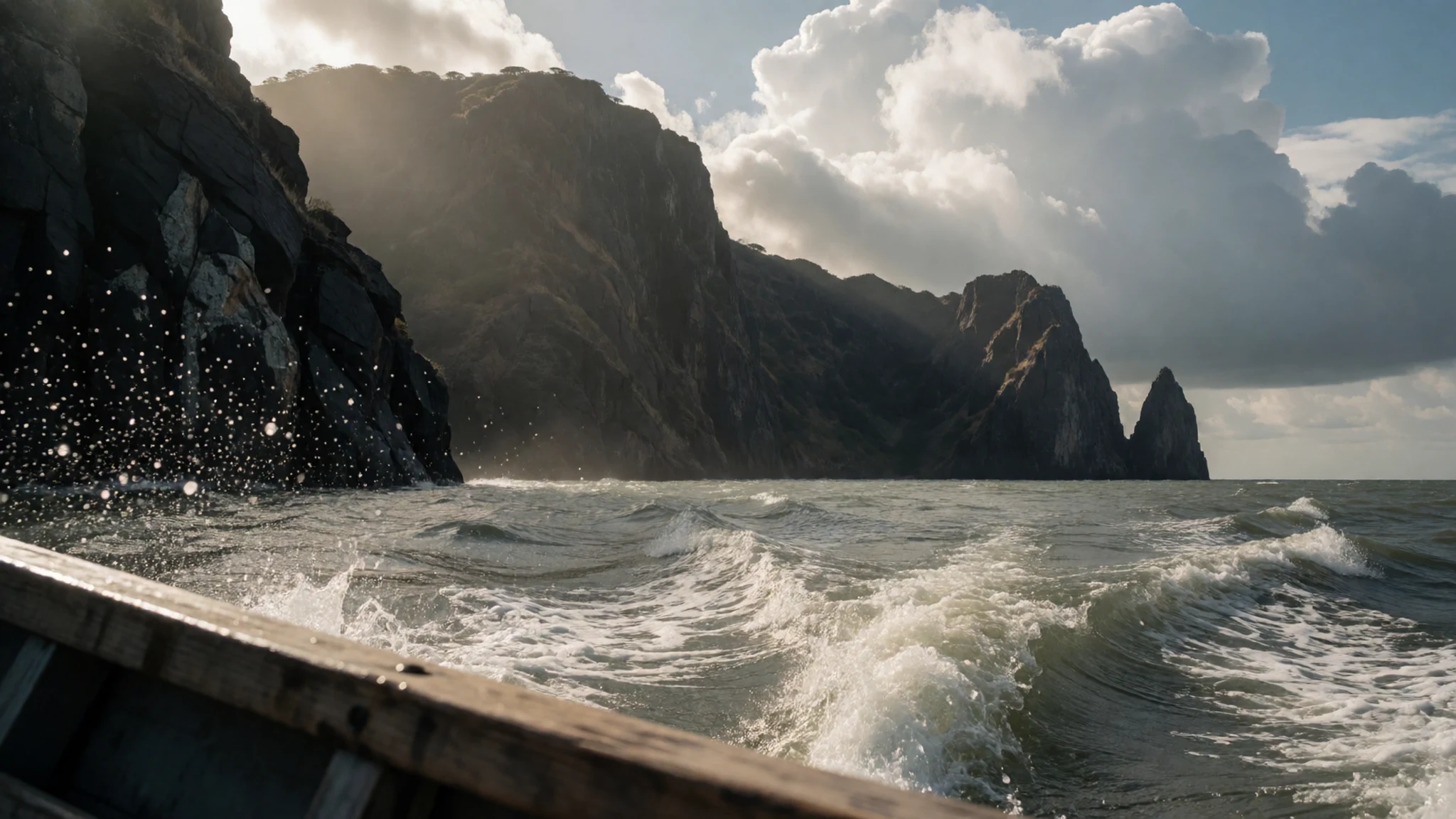
- Lake Turkana Cultural Festival
The Lake Turkana Cultural Festival, usually held in December, is one of the largest cultural festivals in Kenya and is hosted by the El Molo and Turkana peoples. Expect music, dance and displays of traditional life. Dates and transport can change from year to year, so check with local organisers and Kenyan tourism bodies well before you travel.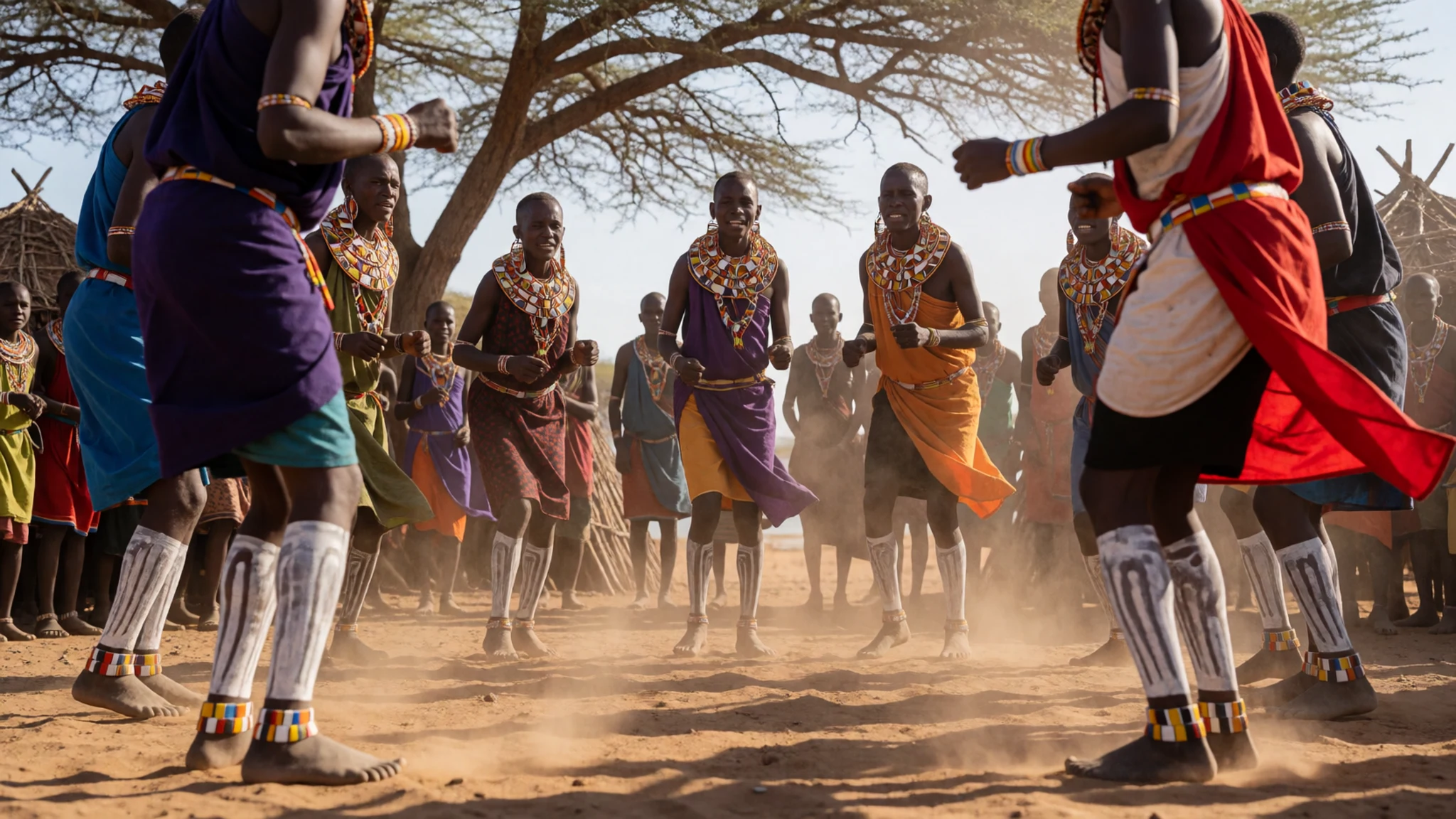
Culture
The shores of Lake Turkana are home to the Turkana people, whose herding life stretches across the lake and the surrounding desert, and to the El Molo, traditionally a fishing people on the lake itself. Both communities have deep ties to the land, the water and their own ceremonies, most of which happen well away from tourist routes. Greetings matter. A slow, courteous exchange before any question is appreciated, and most people in the villages will expect to be addressed politely. Many communities accept small gifts or payments for photographs, but these are sometimes requested in ways that feel unfair, so agree terms before you raise a camera. Women often sell beadwork, and some haggling is part of the exchange, though it works best when it stays good-natured. Alcohol is frowned on in many villages, and public displays of affection draw attention. Always ask before photographing people, and do not photograph ceremonies or homesteads without clear permission.
What to wear
Traditional dress around Lake Turkana is built from natural and locally worked materials. Turkana and El Molo women have long worn beadwork, including layered necklaces, and coiled metal and leather adornment, with leather and cloth used for skirts and wraps. Cloth wraps, often in red or checked patterns similar to the shuka worn across much of East Africa, are common among herding men, who also carry the staff that goes with their work. These pieces are worn for everyday life, weddings and ceremonies, and the most elaborate ornaments tend to appear at festivals.
What people wear now is a mix. Many men and women wear Western-style clothes bought in the towns, school uniforms appear everywhere, and traditional beadwork and wraps are worn alongside them, often for special occasions or for selling to visitors. Plastic sandals and synthetic fabrics are common, and the blend tells you a good deal about how daily life has changed on the lake.
For your own clothes, pick loose, long-sleeved layers in light cotton or linen, which protect you from the sun and the wind-blown grit. A wide-brimmed hat and sunglasses are essential. Wear sturdy closed shoes for the volcanic rock and a pair of sandals for the boat. In villages, cover your shoulders and knees, and avoid bright swimwear away from the water's edge.
What to eat
- Grilled lake fish — the fishing landings and lakeside settlements around Loiyangalani
Fish from the lake, grilled simply over wood, is the most local thing you can eat here. Ask at the landing sites, where the morning catch comes in, or at lakeside settlements around Loiyangalani. Cooking is usually plain, with salt, a little oil and whatever greens are to hand.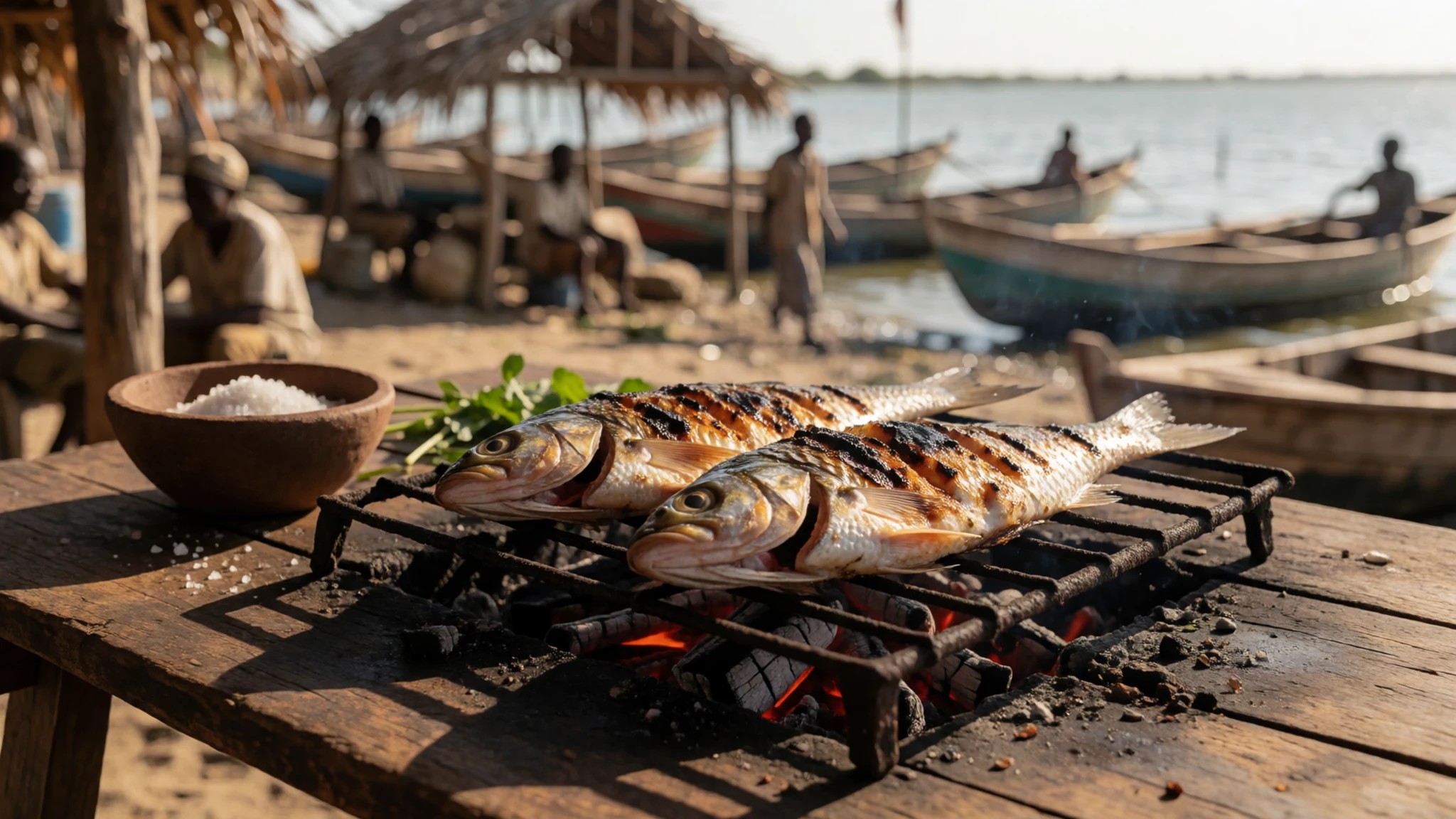
- Ugali with stew — small local eateries in Marsabit and Lodwar
Ugali is a stiff maize porridge, eaten by hand and used to scoop up a stew of goat, beef or greens. It is the staple of most Kenyan meals, and around the lake it usually forms the centre of a simple plate. Expect it to be filling and mild, a good base for the spicier sauces you may find in the towns.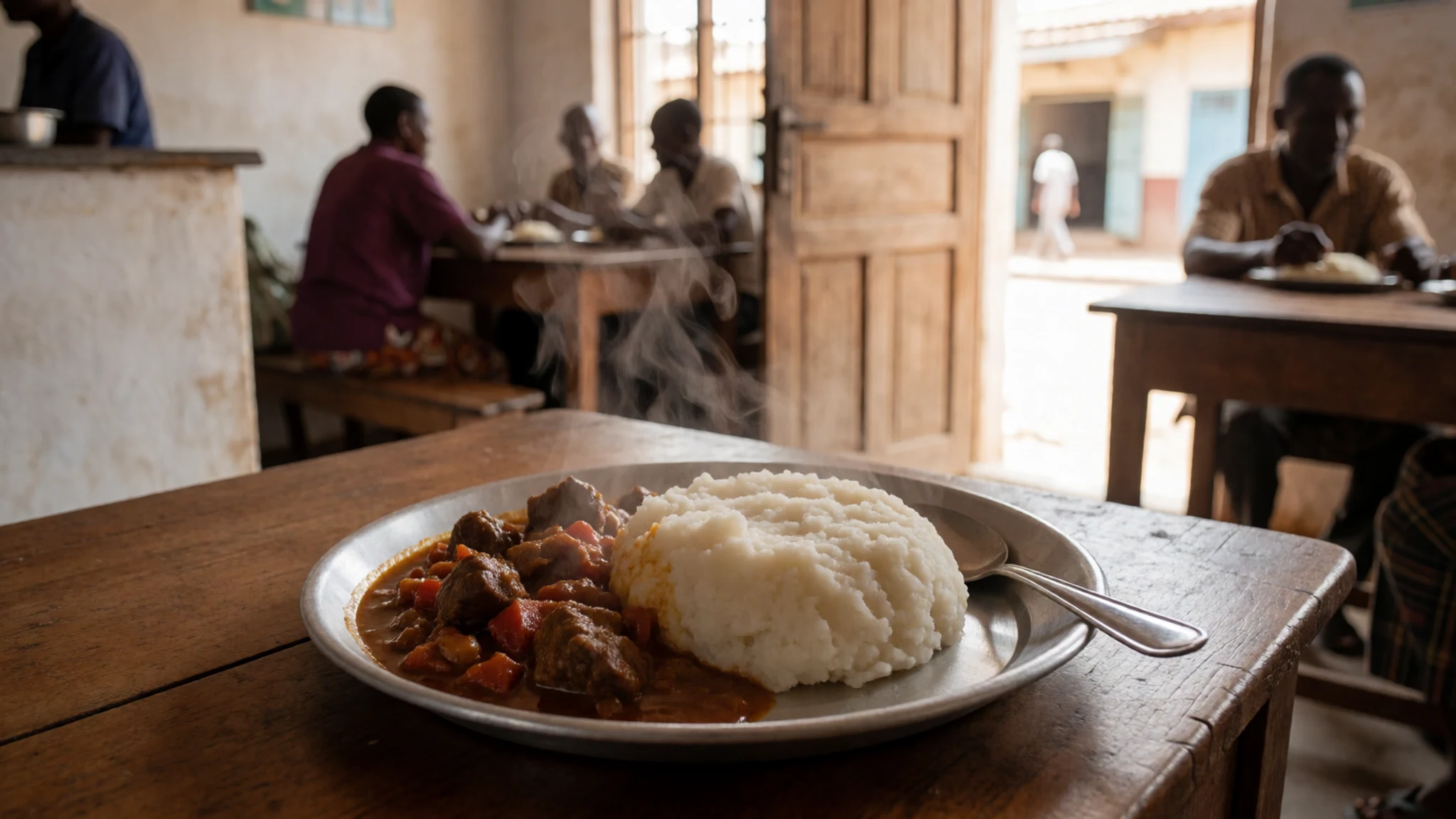
- Nyama choma — roadside grills on the approach roads and in the market towns
Nyama choma means grilled meat, most often goat, sold from roadside charcoal grills. It is a practical meal for a long journey, usually served with ugali and sukuma wiki, a kind of braised greens. Eat it fresh from the grill and choose a stall where the meat is cooking in front of you. - Camel or goat milk tea — homesteads and small tea stalls in the market towns
Milk is central to pastoral diets around the lake, and camel or goat milk often appears in a sweet, milky tea. Accept a cup if it is offered, since it is a sign of hospitality. Tea stalls are a good place to sit, rest out of the sun and talk with people. - Mandazi — morning markets and bus stops in Marsabit and Lodwar
Mandazi are soft fried dough snacks, lightly sweetened and sold in morning markets and at bus stops. They travel well and make a good breakfast before an early start. Buy them hot from the pan where you can, and carry a few for the road.
Plan it
Best time. June to August is the most comfortable window, when highs dip to about 35 °C and rain is lightest, though the lake's winds and sudden storms can strike in any month. Temperatures peak in March at around 39 °C, and April brings the heaviest rain, so plan around both.
How long. 4–5
Getting there. Fly into Nairobi, then travel north by 4x4 with a guide, which is the most comfortable and reliable option. Alternatively, reach Marsabit and take a shared taxi (matatu) to Loiyangalani, a long dusty day with no food on the way. Small airstrips also serve the area, so ask your operator about charter flights.
Budget. high
Tips
- Carry all the drinking water you need, since the lake water is not safe to drink
- Book your 4x4 and guide well ahead, and check current road conditions with local operators
- Start early, because the wind rises through the day and the heat peaks by midday
- Bring cash in small notes, as card payments are rare outside the towns
- If you travel by shared taxi, expect delays and plan for a late arrival
Etiquette
- Ask before photographing people, and agree any payment first
- Dress modestly when you visit villages
- Do not enter a homestead unless you have been invited
Nearby
Sources
- Wikidata Q182719 (CC0)
- Wikipedia: Lake Turkana (rev 1381309988) (CC BY-SA 4.0)
- Wikivoyage: Lake Turkana (rev 5171238) (CC BY-SA 4.0)
- South Island of Lake Turkana, Kenya (photo 01) (CC BY 3.0)
- View at Lake Turkana (photo 02) (CC BY 3.0)
- Lake Turkana and its vicinity (photo 03) (CC BY-SA 4.0)
- Lake Turkana, Kenya and Ethiopia, satellite image (photo 04) (Public domain)
- African Arowana, Heterotis niloticus (photo 05) (CC BY 4.0)
- Lake Turkana, Ethiopia shoreline (photo 06) (CC BY-SA 4.0)
- Grévy's zebra, ZooParc de Beauval (photo 07) (CC BY-SA 4.0)
- A view of Lake Turkana with a boat in the foreground (photo 08) (CC BY-SA 4.0)


