Maasai Mara
Maasai Mara, Kenya
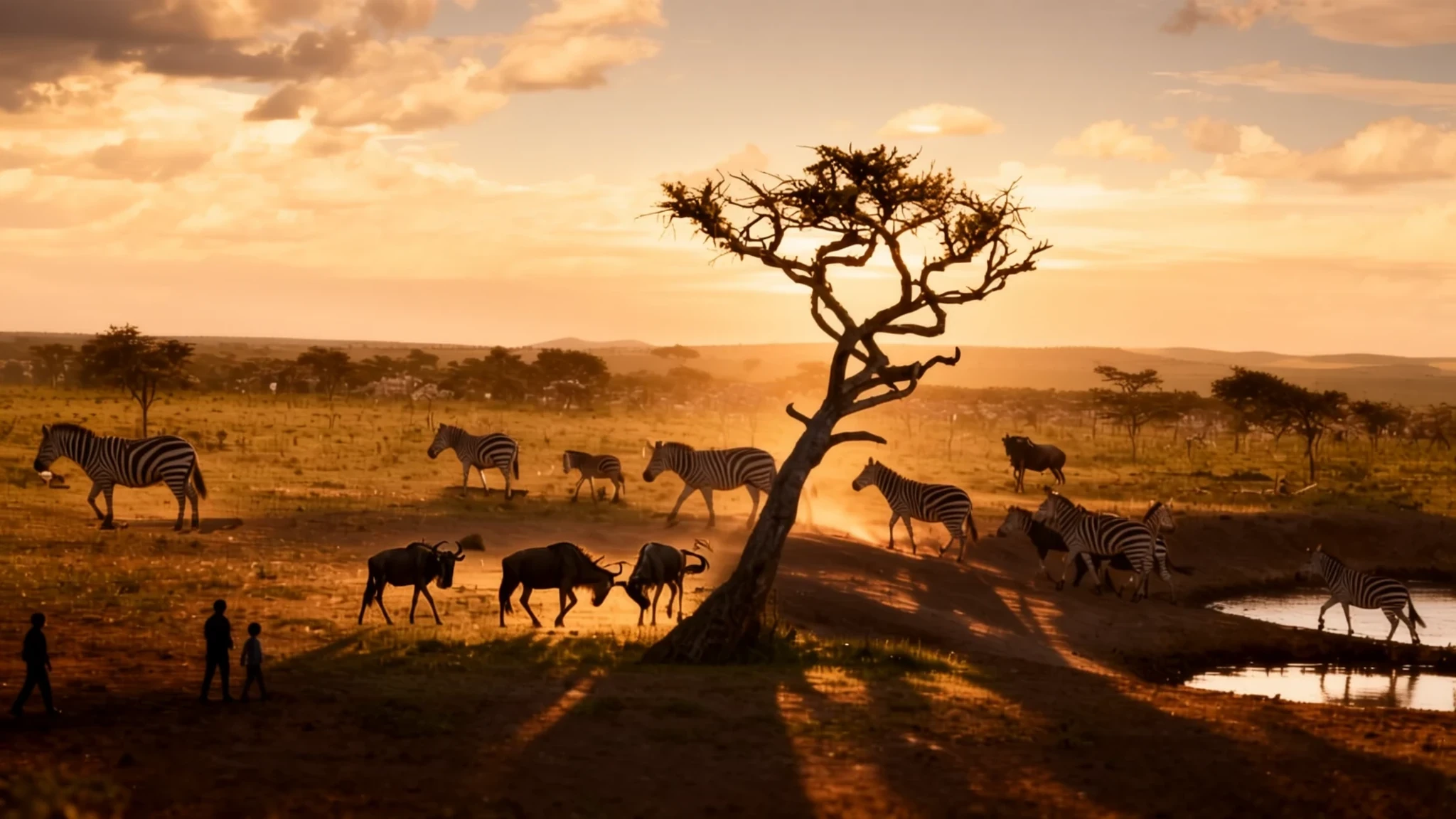
Witness the thunderous great migration, track big cats across golden savannahs, and meet the Maasai people in Kenya's legendary wildlife reserve.
The place
Maasai Mara sprawls across the southwestern corner of Kenya, forming the northernmost extension of the magnificent Mara-Serengeti ecosystem. Locally known simply as the Mara, the reserve takes its name from the Maa word for spotted, a fitting description for the vast open grasslands dotted with short, bushy acacia trees and seasonal riverlets. Bounded by the Siria escarpment to the west and contiguous with Tanzania's Serengeti National Park to the south, the landscape is shaped by vital waterways including the Sand, Talek, and winding Mara rivers. These drainage lines support dense ribbons of shrubs and wooded hills that break up the endless sea of grass. Renowned globally for its dense wildlife, this habitat supports resident African bush elephants, lions, leopards, and cheetahs, together with zebras, hyenas, and giraffes. Beyond its permanent residents, the Mara transforms dramatically when seasonal rains and ancient rhythms draw millions of grazing animals northward in search of fresh pasture. The environment is raw, open, and intensely luminous, where dusty tracks wind through acacia woodlands and flat plains stretch toward big African skies. Visitors travel across this sweeping terrain in safari vehicles, tracking predators through the tall grass and watching thunderstorms build over distant horizons. It is a working wilderness where conservation areas, community-owned group ranches, and protected reserves exist side by side, creating a dynamic habitat shared by wildlife and traditional pastoralists alike.
Its story
Maasai Mara has a history forged through the complex intersections of wildlife conservation, colonial boundary drawing, and the ancestral heritage of the Maasai people. Long before official protections were established, the Maasai migrated into the region from the Nile Basin, sustaining their cattle and communities across the fertile plains. Traditional pastoralism and communal land use kept the ecosystem balanced for generations. However, colonial expansion and subsequent park creation disrupted these patterns, with the Maasai pushed out of their native grazing grounds amid historic challenges including smallpox among the people and rinderpest among the cattle. When Maasai Mara was first designated as a wildlife sanctuary, it covered a much smaller territory that included the Mara Triangle. Boundaries shifted over the following decades through various administrative adjustments, council management changes, and reductions that eventually shaped the reserve's modern boundaries. Today, the Maasai community remains central to the identity of the Mara. Modern generations maintain their cultural heritage through distinctive visual arts, intricate beadwork, and the wearing of vibrant patterned shukas, while also adapting to contemporary conservation challenges. During recent economic downturns affecting global tourism, grassroots initiatives such as community rescue funds helped sustain local conservancy lease payments, reinforcing the vital bond between the indigenous landowners and the protection of the wider wilderness.
What to see
- The Great Migration — Mara River
Witness the dramatic river crossings where enormous herds of wildebeest and zebra brave rushing waters and waiting predators along the banks of the Mara River. This annual phenomenon brings unmatched wildlife action and unforgettable spectacles to the open plains every season.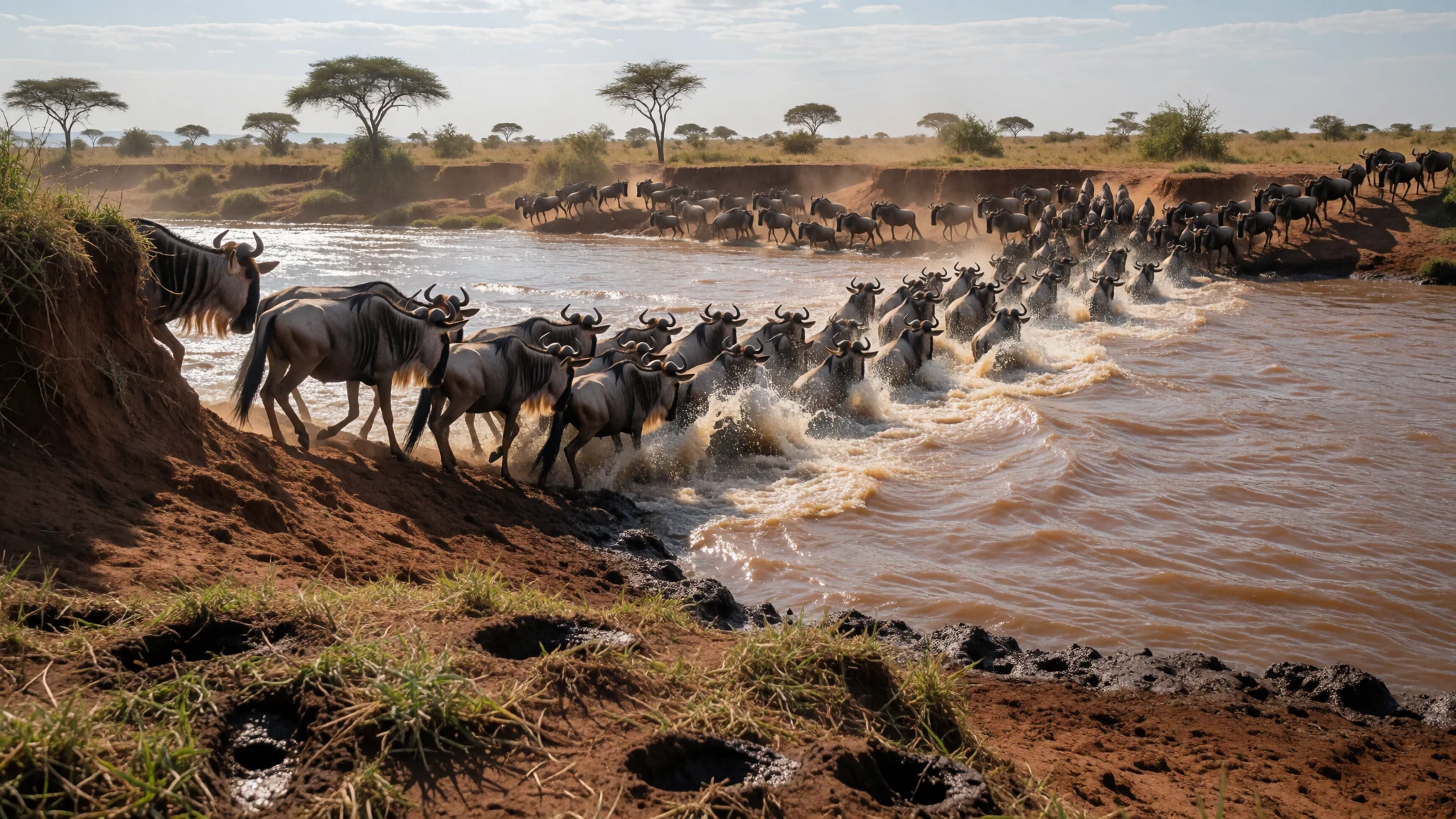
- Predator Game Drives — Central Plains
Join experienced guides on morning, afternoon, or night excursions across the savannah to spot lions resting in the grass, elusive leopards draped in acacia branches, and cheetah families hunting across open spaces. Expert trackers help locate wildlife hidden in the vast landscape.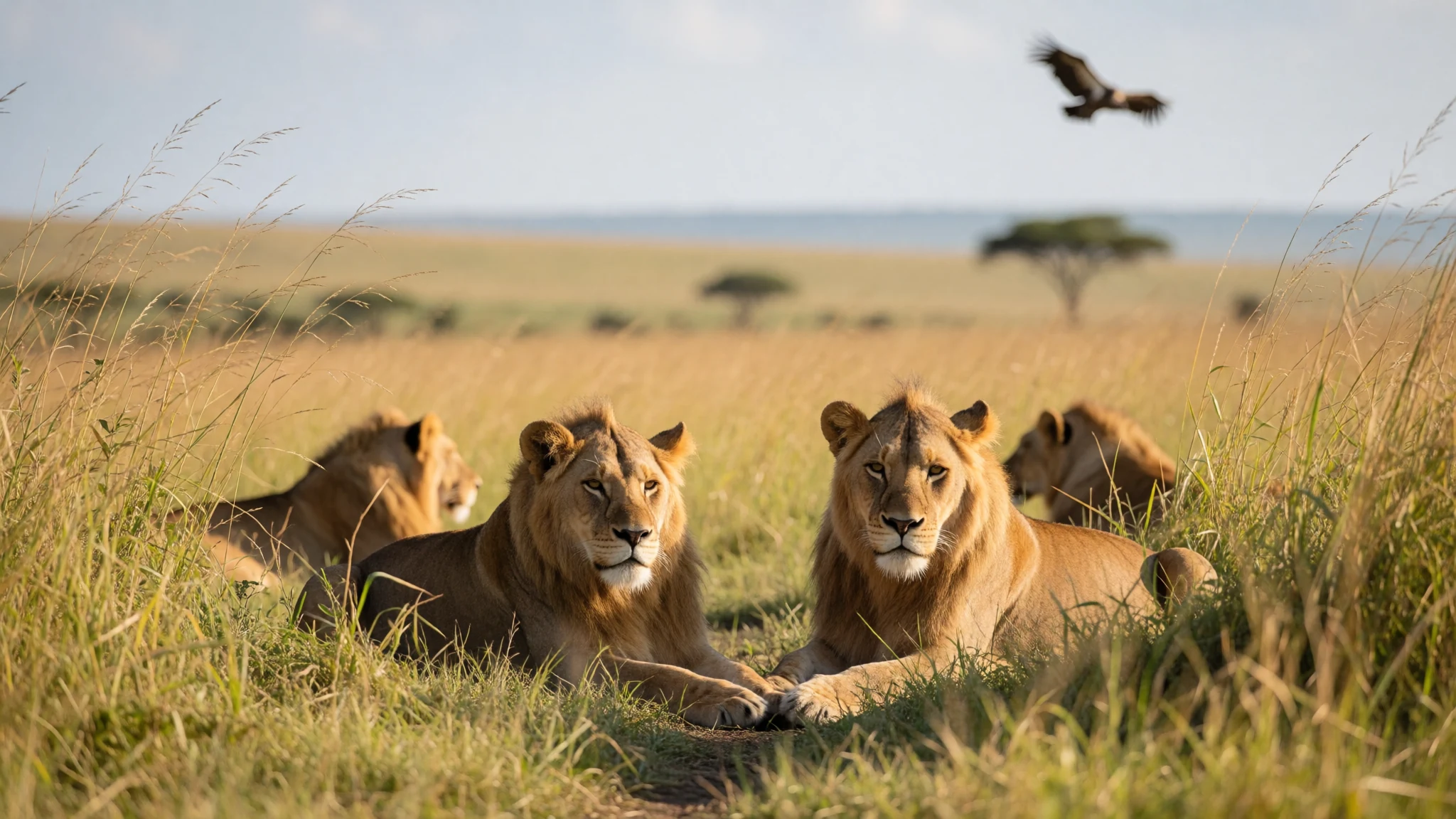
- Maasai Village Visits — Oloolaimutiek Gate
Step inside a traditional homestead near the reserve gates to gain genuine insight into daily routines and pastoralist traditions. These active settlements offer meaningful exchanges about local culture, cattle herding, and indigenous knowledge passed down through generations.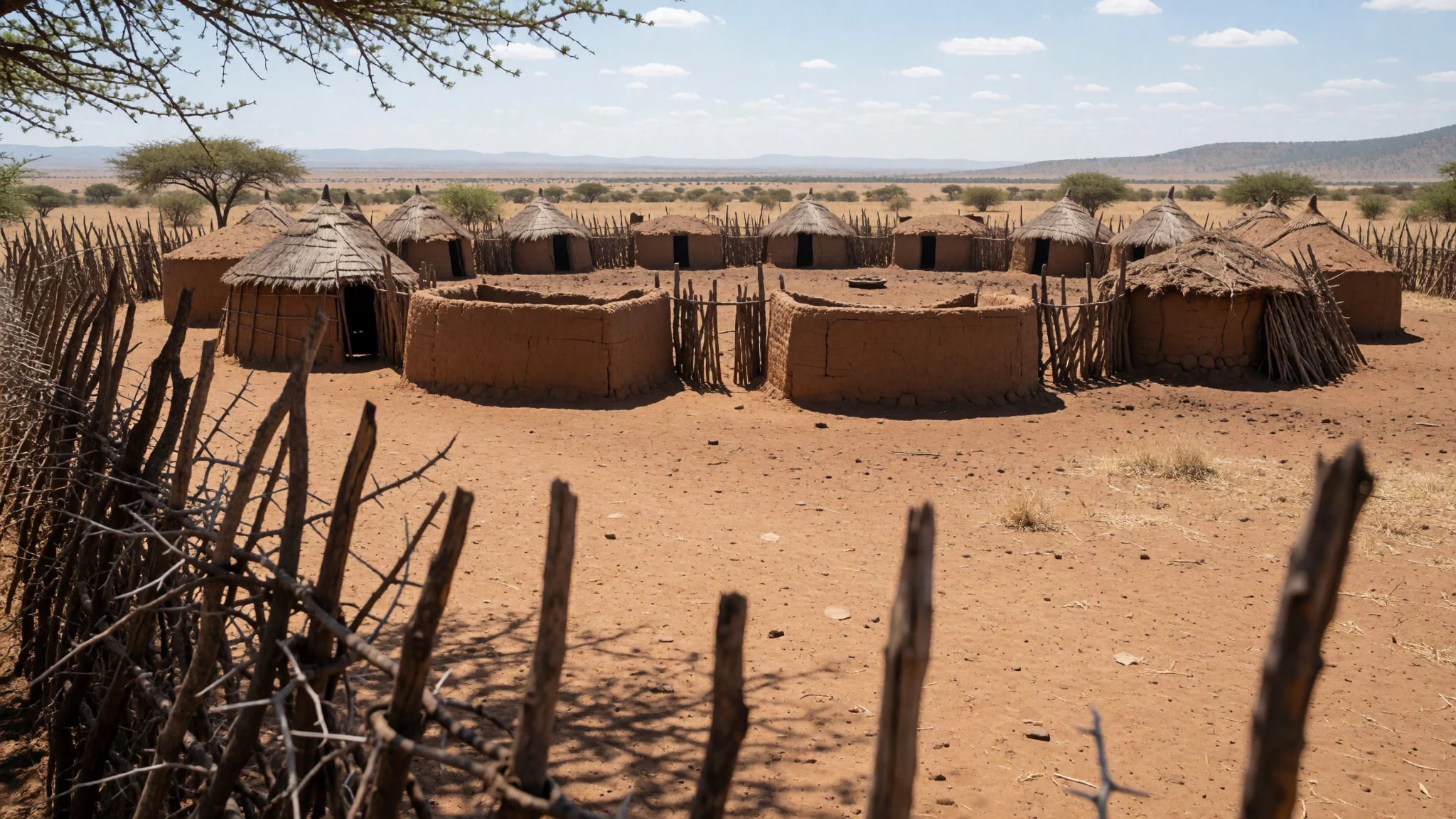
- Siria Escarpment — Oloololo Escarpment
Look out over the sweeping expanses of the reserve from the elevated heights of the western escarpment. The dramatic cliffs provide sweeping vantage points for watching thunderstorms roll across the plains and catching breathtaking African sunrises and sunsets.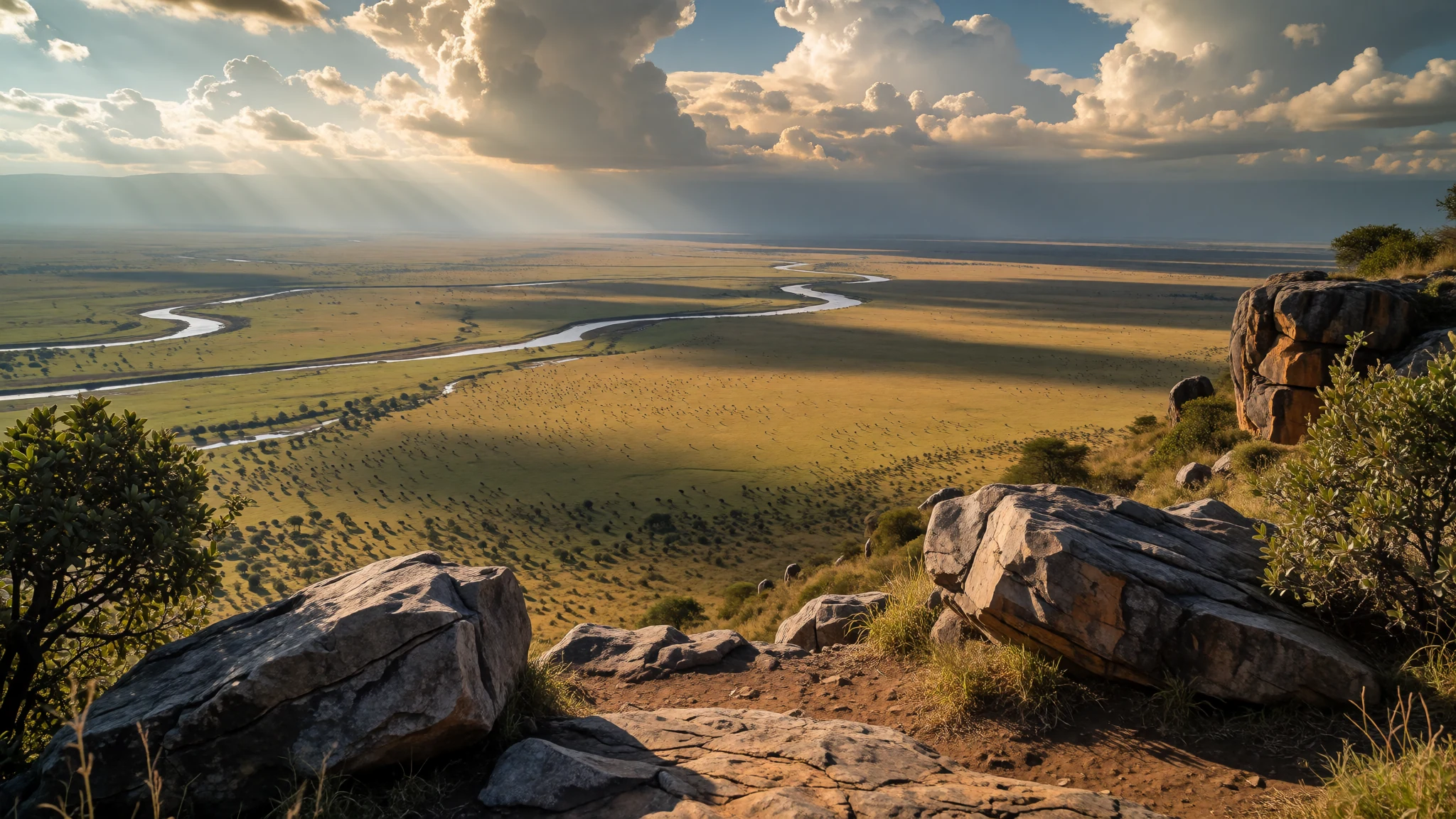
Culture
Maasai Mara is deeply intertwined with the heritage and daily life of the Maasai people, whose pastoral traditions emphasize communal stewardship of the land and cattle. The community speaks the Maa language, which links them to related groups across the region. Elders hold positions of profound respect, guiding community decisions and passing down oral histories that connect the people to the savannah. Music and rhythmic jumping dances form an essential part of ceremonies, accompanied by intricate call-and-response singing. Visitors engaging with local communities find a proud culture rooted in hospitality and resilience. When visiting traditional villages or interacting with local residents, always ask for permission before taking photographs of people or homesteads.
What to wear
Traditional dress in Maasai Mara remains wonderfully vibrant and deeply symbolic. The iconic garment is the shuka, a brightly checked or striped cotton cloth typically dyed in striking reds, blues, and blacks, which is draped gracefully over the shoulders. Both men and women adorn themselves with elaborate, handcrafted beadwork necklaces, earrings, and bracelets featuring geometric patterns and bright primary colours that denote social status, age group, and marital milestones. While traditional attire is worn proudly during ceremonies and daily village life, younger generations and working community members often blend traditional shukas with contemporary casual clothing. For visitors exploring the reserve, practical safari fashion is essential. Pack lightweight, neutral-coloured clothing in khaki, beige, or olive tones to blend into the bush and avoid attracting insects. Bring sturdy closed-toe walking shoes or boots for uneven dusty ground, a warm fleece or jumper for chilly early morning game drives, and a wide-brimmed hat alongside sunglasses and high-factor sunscreen to protect against the strong equatorial sun.
What to eat
- Nyama Choma — Local eateries in Talek and Sekenani
Succulent charcoal-roasted meat, usually goat or beef, seasoned simply and grilled over open flames until tender. It is a beloved staple at celebratory gatherings and local eateries across the region.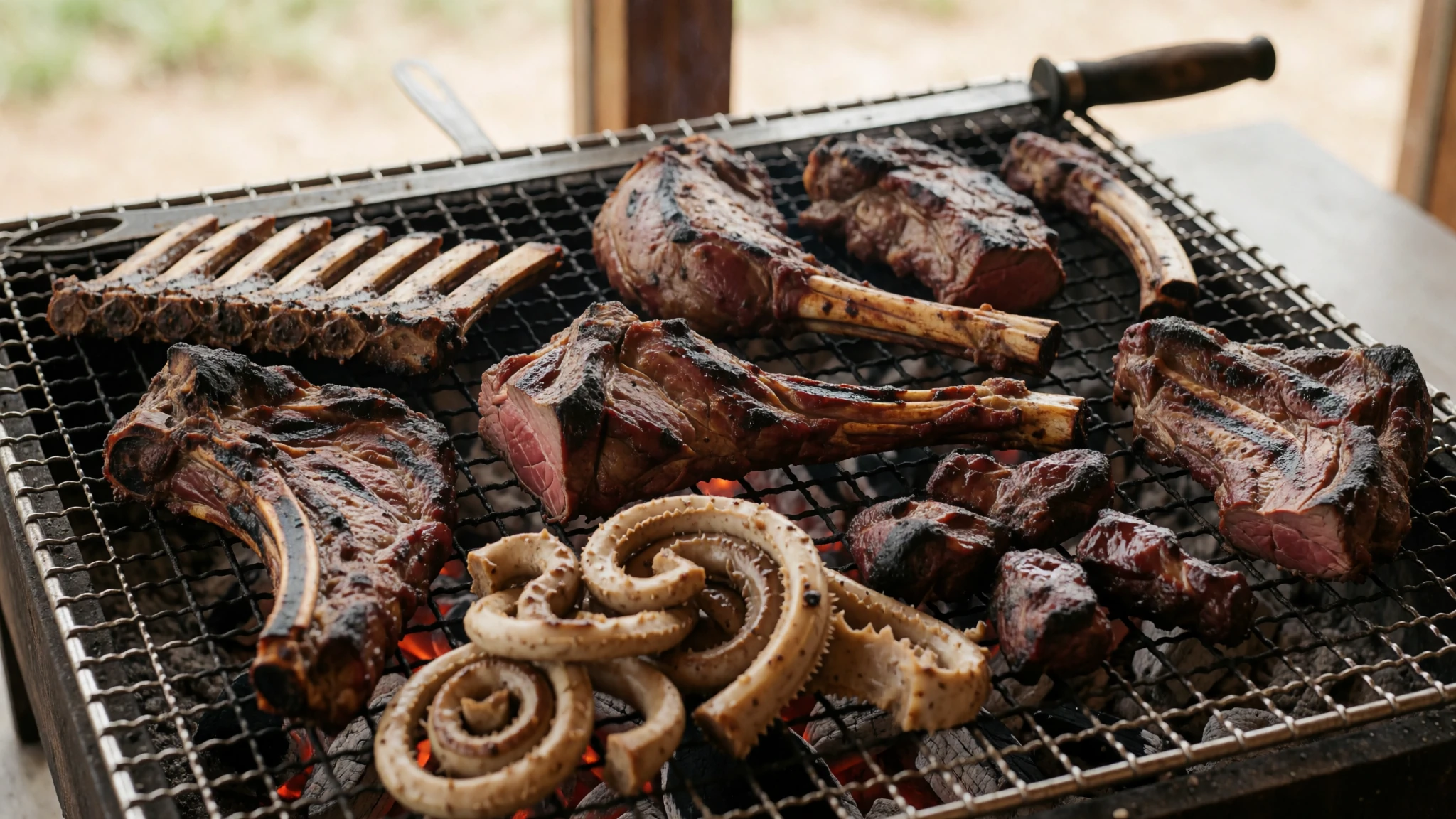
- Ugali — Lodge dining rooms and village kitchens
A firm, comforting maize flour porridge cooked with water to a dough-like consistency, traditionally rolled into balls by hand and used to scoop up stews, meats, and greens.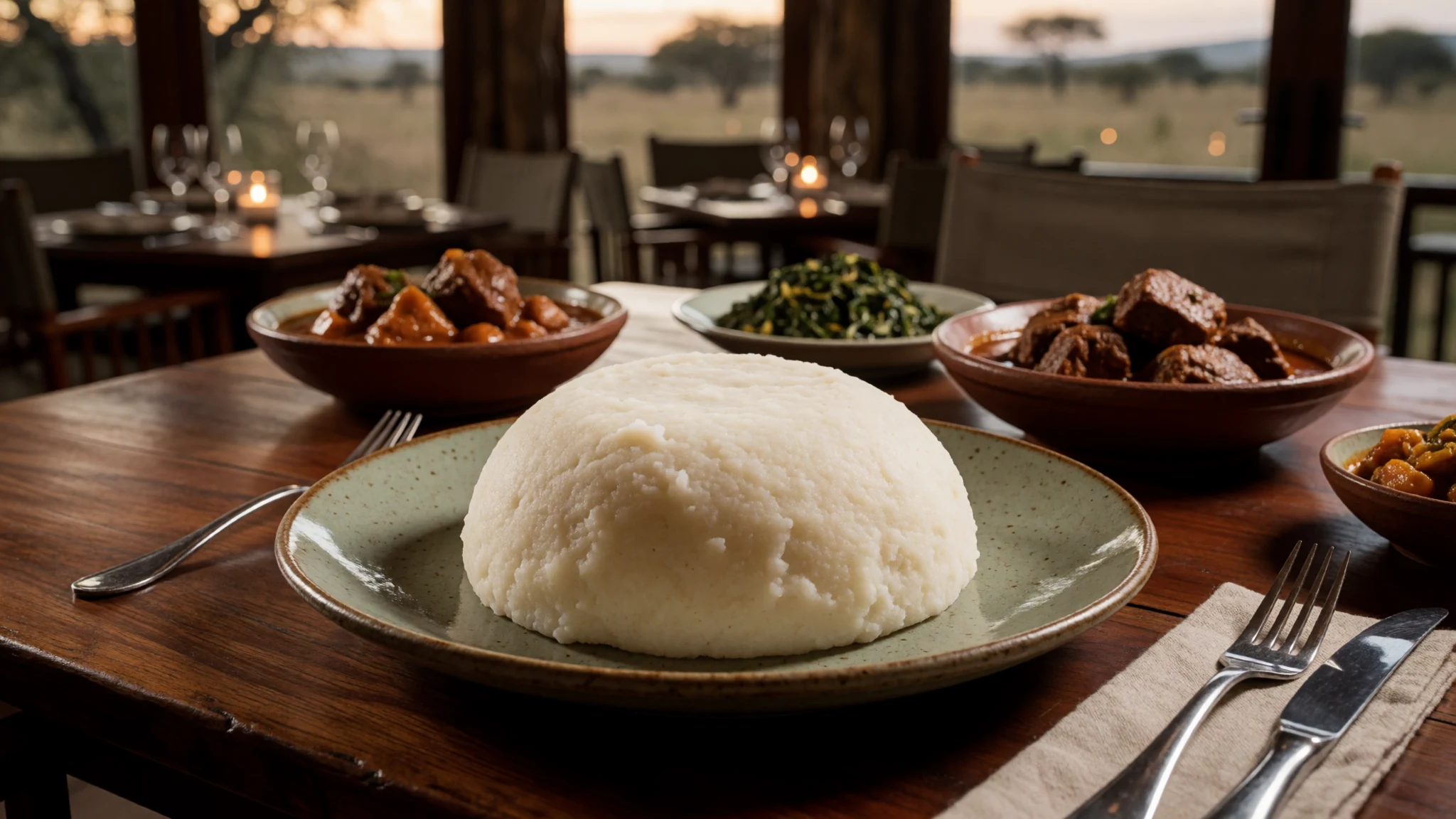
- Sukuma Wiki — Camp buffets and roadside eateries
Nutritious collard greens or kale finely sliced and gently sautéed with onions, tomatoes, and simple spices, served alongside maize porridge or meat stews as an everyday accompaniment. - Chapati — Safari camp breakfast tables
Flaky, multi-layered flatbread pan-fried with oil until golden brown and crisp on the edges, offering a delicious accompaniment to rich stews and morning tea. - Kenyan Chai — All safari lodges and camps
Strong black tea brewed with fresh milk, water, and aromatic spices like ginger and cardamom, served piping hot to warm up chilly mornings on the savannah.
Plan it
Best time. July to October offers the best wildlife viewing and the spectacle of the great migration, though the drier months of June to September are also excellent for general game tracking.
How long. 3–4
Getting there. Take a scheduled or charter flight from Nairobi Wilson Airport to one of the reserve's small airstrips, or drive from Nairobi (taking up to seven hours depending on seasonal road conditions).
Budget. high
Tips
- Book your safari camp well in advance, particularly during peak migration months.
- Start morning game drives at sunrise when predators are most active and the light is golden.
- Pack layers of clothing because early morning drives are surprisingly cold on open vehicles.
- Carry sufficient cash for local craft purchases and tips since card machines are rare outside lodges.
Etiquette
- Always ask permission before photographing local Maasai people or their homesteads.
- Keep a respectful distance from wild animals and follow your guide's safety instructions at all times.
Nearby
Sources
- Wikidata Q207724 (CC0)
- Wikipedia (CC BY-SA 4.0)
- Wikivoyage (CC BY-SA 4.0)