The Baths
The Baths, United Kingdom
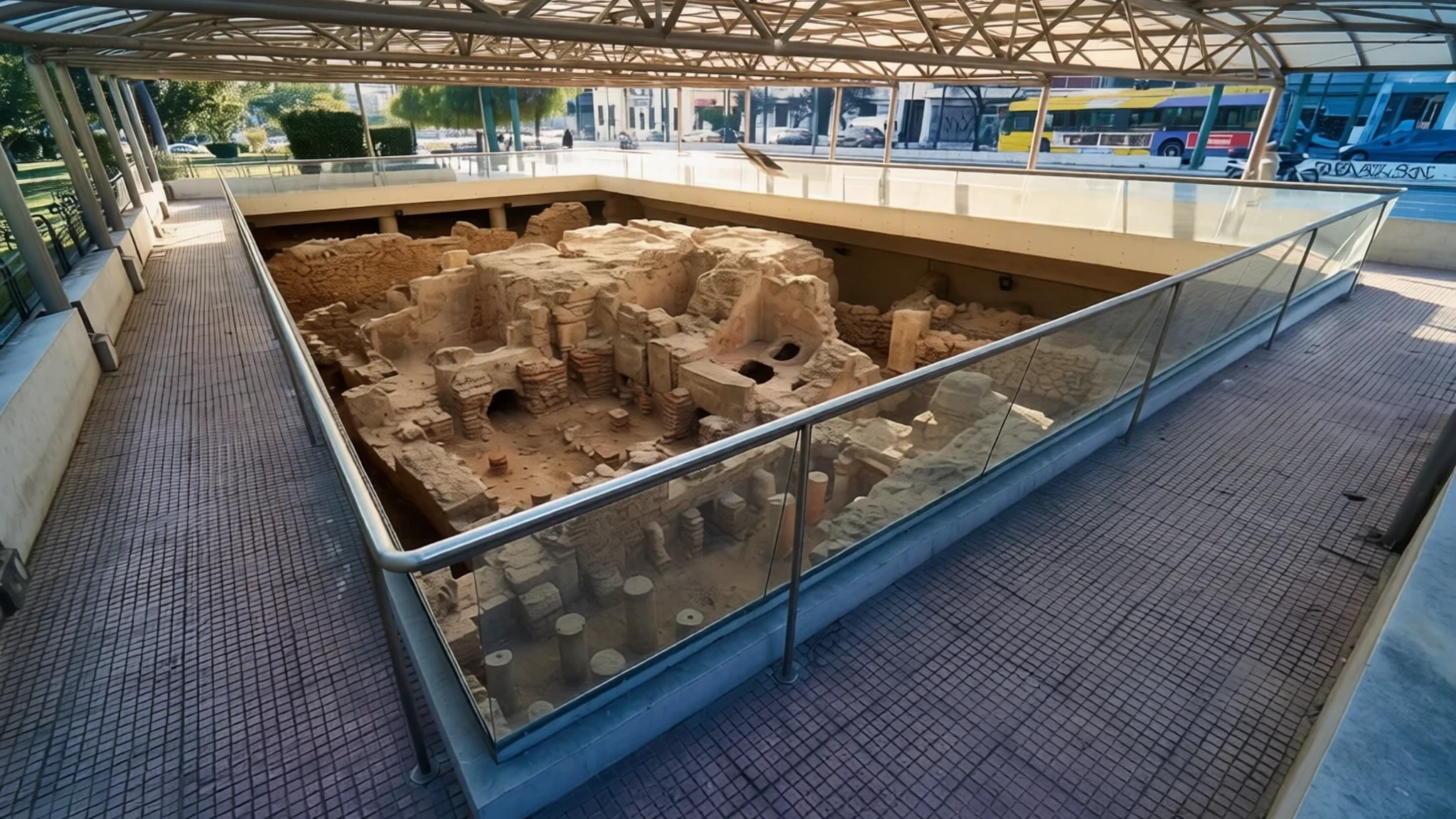
Giant granite boulders, sheltered rock pools and clear shallows make The Baths on Virgin Gorda an easy, memorable Caribbean swim and scramble.
The place
The Baths sits at the southwestern tip of Virgin Gorda, in the British Virgin Islands, between Spring Bay and Devil's Bay. It lies a short distance south of Spanish Town, the island's small main settlement, and counts among the best-known visitor stops in the whole territory. The shoreline is covered in enormous, smooth granite boulders, some the size of houses, stacked and wedged against one another so that they form tunnels, chambers and shaded pools at the water's edge. Sunlight filters down through gaps between the rocks and turns the shallows a bright, glassy green. Most people arrive to swim, snorkel and clamber through the passages that link one small beach to the next, finishing at a quiet cove where the sand is soft and the water calm. The wider islands are mostly steep and volcanic, and the climate is tropical, cooled by steady easterly trade winds, with low humidity and little change in temperature through the year. Facilities at the beaches themselves can be thin, so food and water are worth carrying. The park is popular, particularly when cruise and charter boats arrive, so the early morning is quieter. The geology is the real star here, and the pools and sand are a lovely bonus.
Its story
The boulders of The Baths are a geological record rather than a human one. They are batholith formations, masses of granite that cooled slowly underground and were later exposed and rounded by weathering and the sea. Virgin Gorda's volcanic origins are written across this corner of the island, and the stacked rocks are among the clearest examples anywhere in the Caribbean. People came to the wider archipelago long before any visitor park existed. The Arawak, travelling from South America, are thought to have settled the Virgin Islands roughly 2,000 years ago, with traces of earlier Amerindian presence going back further. They were later pushed out by the Carib, who came from the Lesser Antilles. European interest followed in the sixteenth century, when Spain asserted a claim yet never put down settlers. English, Dutch, French, Spanish and Danish interests then competed for control, and the waters became a notorious haunt of pirates. In the end the English secured Tortola, Virgin Gorda, Anegada, Jost van Dyke and the smaller islands around them. Today the territory keeps its own border control, separate from the United Kingdom. The Baths grew into a protected shoreline park because its scenery is so unusual, and because the sea and the rocks together make a natural playground that needs little more than care from those who visit.
What to see
- The boulder passages
The main route squeezes between and beneath huge granite blocks, with ladders and rope handrails in the tighter spots. Light drops through the gaps onto sand and water. Expect wet feet, bent knees and queues at the narrowest points, particularly mid-morning.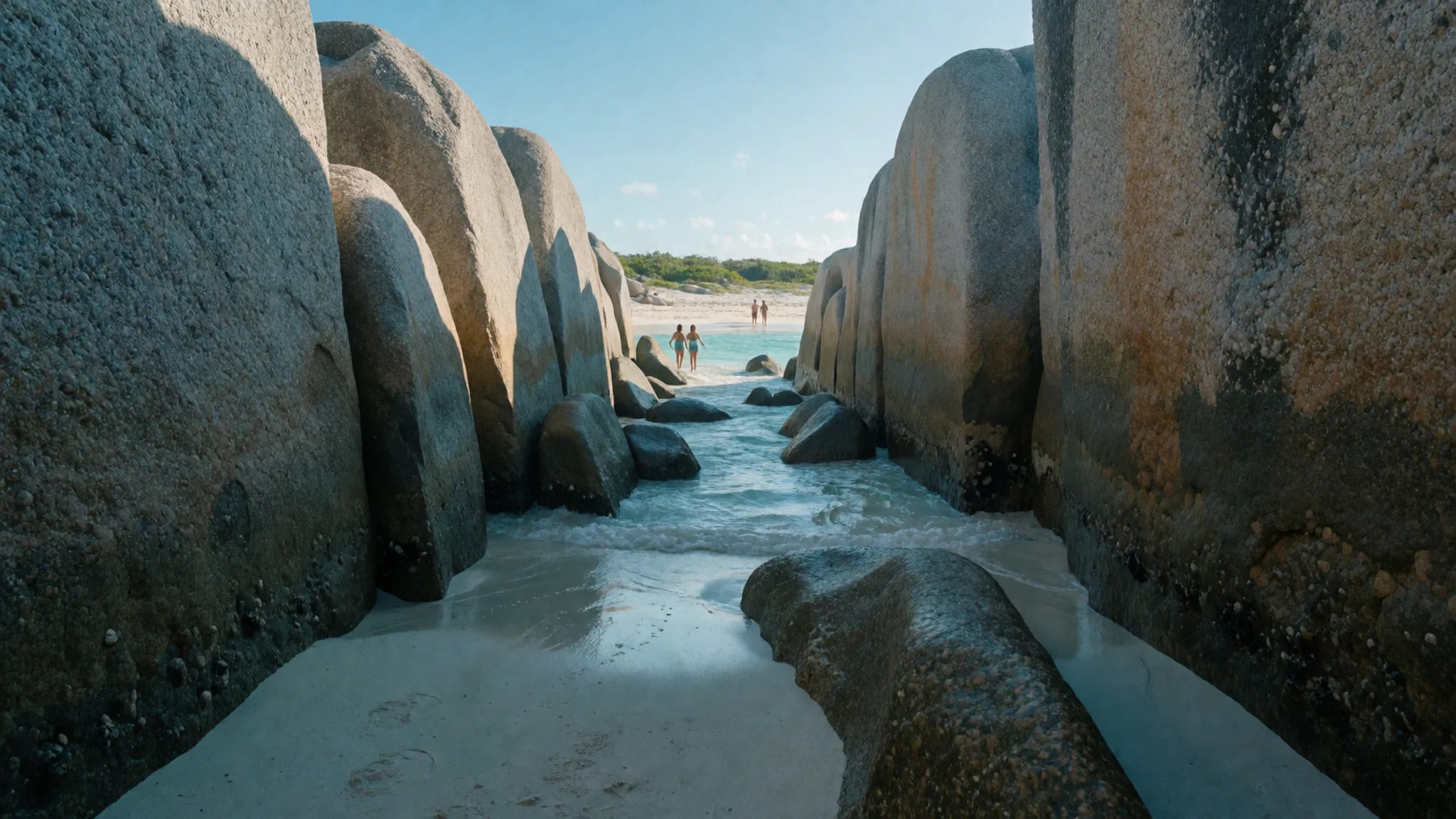
- The grotto pools
Within the boulder maze sit shaded, saltwater pools where the sea washes in through gaps beneath the rocks. The water stays calm and cool, and the light is soft and blue-green. Children and nervous swimmers often like these spots, though the footing can be slippery.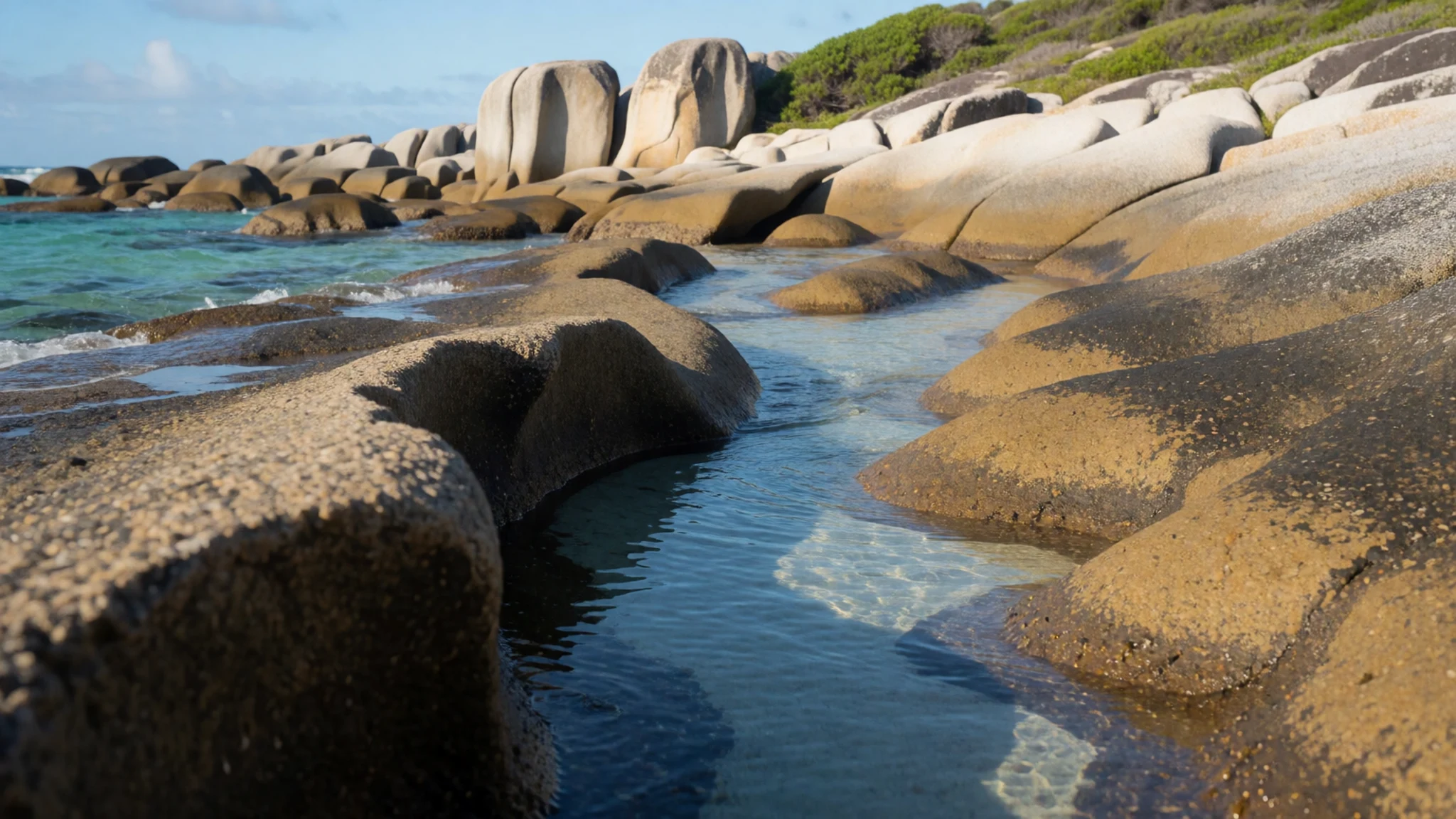
- Devil's Bay
Reached by a path through the rocks and trees, Devil's Bay is a quieter crescent of sand at the end of the main route. Snorkelling along the rocky edges shows small reef fish. It is a good place to rest before the walk back, and has shade under sea grape trees.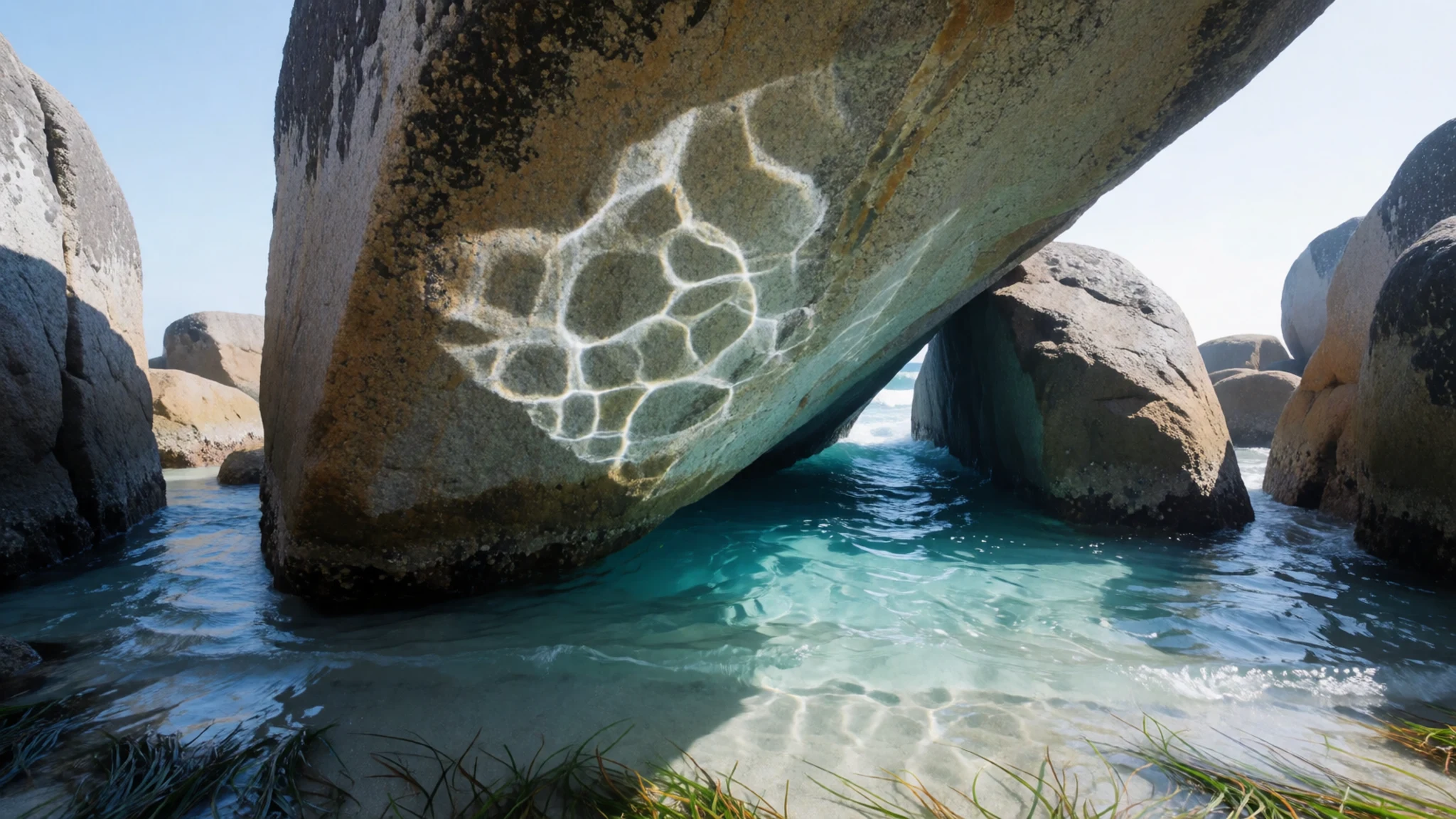
- Snorkelling the shoreline
The clear shallows around the boulders hold small fish, and the rocks shelter plenty of life. Conditions are best when the sea is calm and the sun is high enough to light the bottom. Bring your own mask if possible, and avoid standing on coral or rock.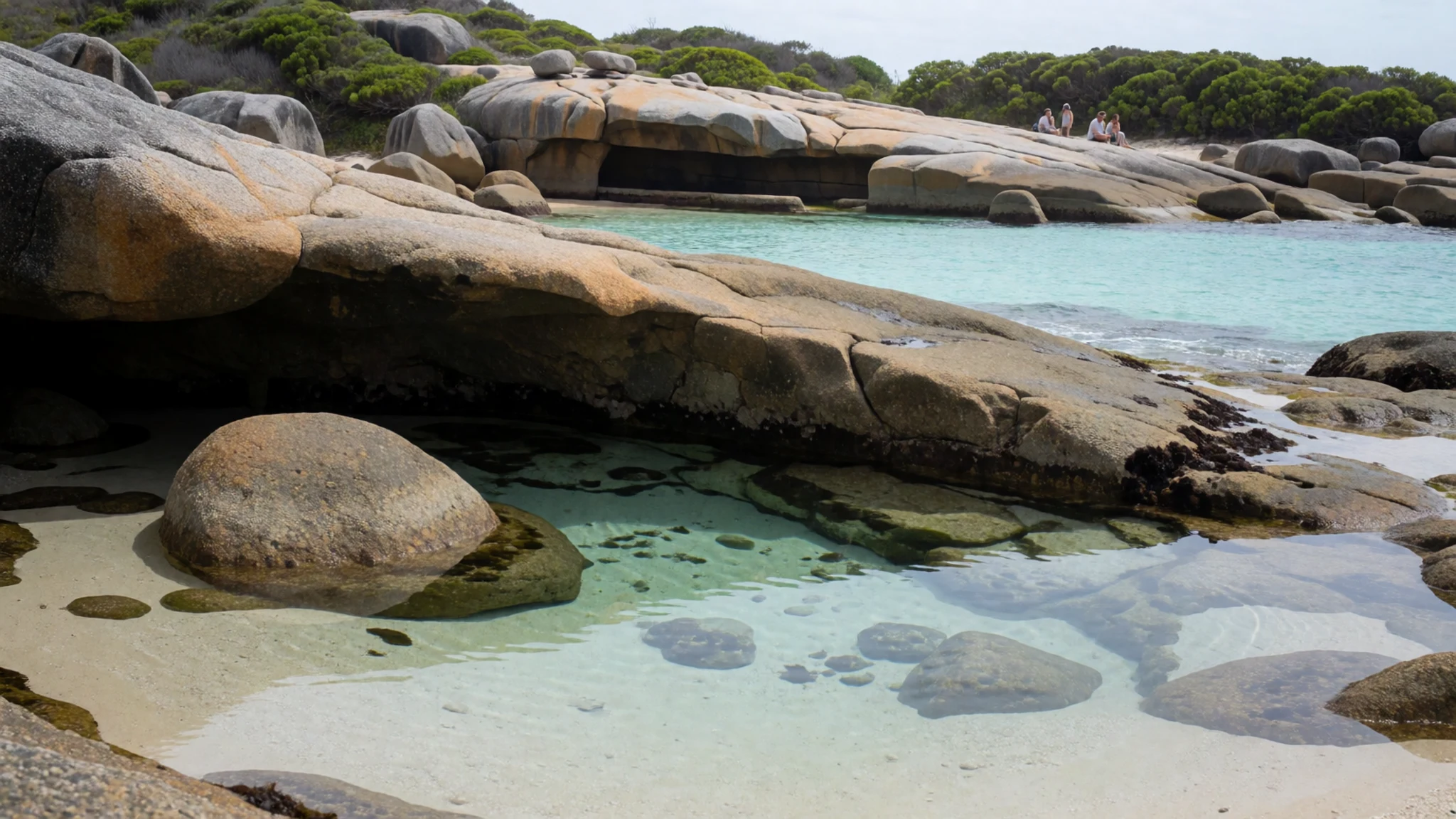
- Spring Bay
Next to The Baths, Spring Bay is a calmer and often less busy beach with the same granite scenery on a smaller scale. A short walk joins it to the main route. It suits a slow swim, a picnic and a few photographs without the crowd.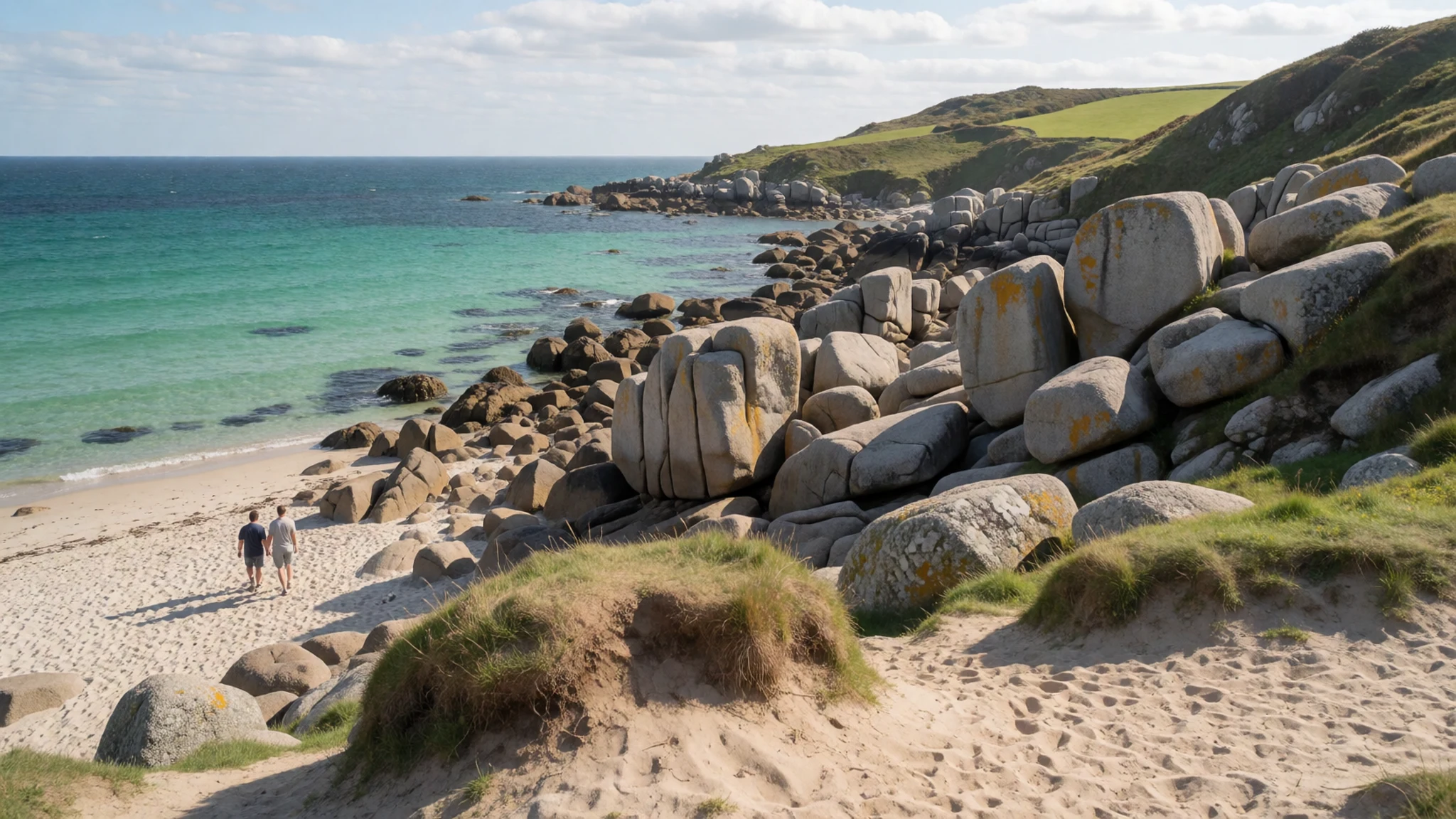
Culture
The Baths belongs to a territory with a layered past, shaped by Amerindian settlers, European rivalry, plantation-era history and the sailing and tourism trade that now carries the economy. Visitors meet that mix in quiet ways: in the names on the map, in the rotis and curries that echo Guyana and Trinidad, and in the easy, friendly manner of island life. The British Virgin Islands is a British Overseas Territory, with its own border control and its own character. Churches, small villages and seaside settlements are as much a part of the culture as the beaches, and Sunday is often a slower day in the smaller communities. Sailing is woven into everyday life, and charter boats arrive in numbers, so a courteous greeting to boat crews, taxi drivers and shop staff is normal. Conversations tend to be unhurried, and a polite hello before asking for anything is expected. Environmental care matters because the whole appeal is natural: the reefs, the sand and the unusual rocks. Local people tend to be proud of how clean and unspoilt the beaches remain, and visitors are expected to help keep them that way. Take all rubbish away with you, and do not climb on or touch the coral, snorkel over the sea bed rather than standing on it, and never break pieces off the rocks.
What to wear
The British Virgin Islands has no single national costume in daily use, and the traditional dress of the islands grew from Caribbean and African heritage rather than from one fixed garment. At festivals and cultural events, particularly around the August festival season, people may wear bright madras-style checked cotton, headwraps and flowing skirts, often in strong colours, reflecting the wider Caribbean tradition of printed and woven cotton. These outfits appear for celebrations and performances rather than ordinary days. In everyday life, locals dress for heat and sea air: light cotton shirts, linen trousers, sundresses, shorts and sandals. Smarter clothes are worn for church and for dinner in better restaurants, and in the main settlements people generally dress modestly when away from the beach. Visitors to The Baths should wear swimwear under light, quick-drying clothes, and bring a hat, sunglasses and reef-safe sun cream. Footwear matters most. The path crosses wet rock, sand and uneven steps, so secure water shoes or sandals with a grip are far better than flip-flops, which slip easily. A rash vest helps against strong sun while snorkelling. Carry a dry bag for your phone and valuables, and a small towel. Away from the beach, cover up with a shirt or wrap in shops, villages and restaurants, where bare chests and swimwear are not appreciated.
What to eat
- Fish and fungee — local eateries in Spanish Town and across the islands
Often described as the national dish, it pairs fish in a savoury sauce with fungee, a firm cornmeal and okra mash. It is filling, local and unfussy, and turns up at family-run eateries around Spanish Town and Road Town.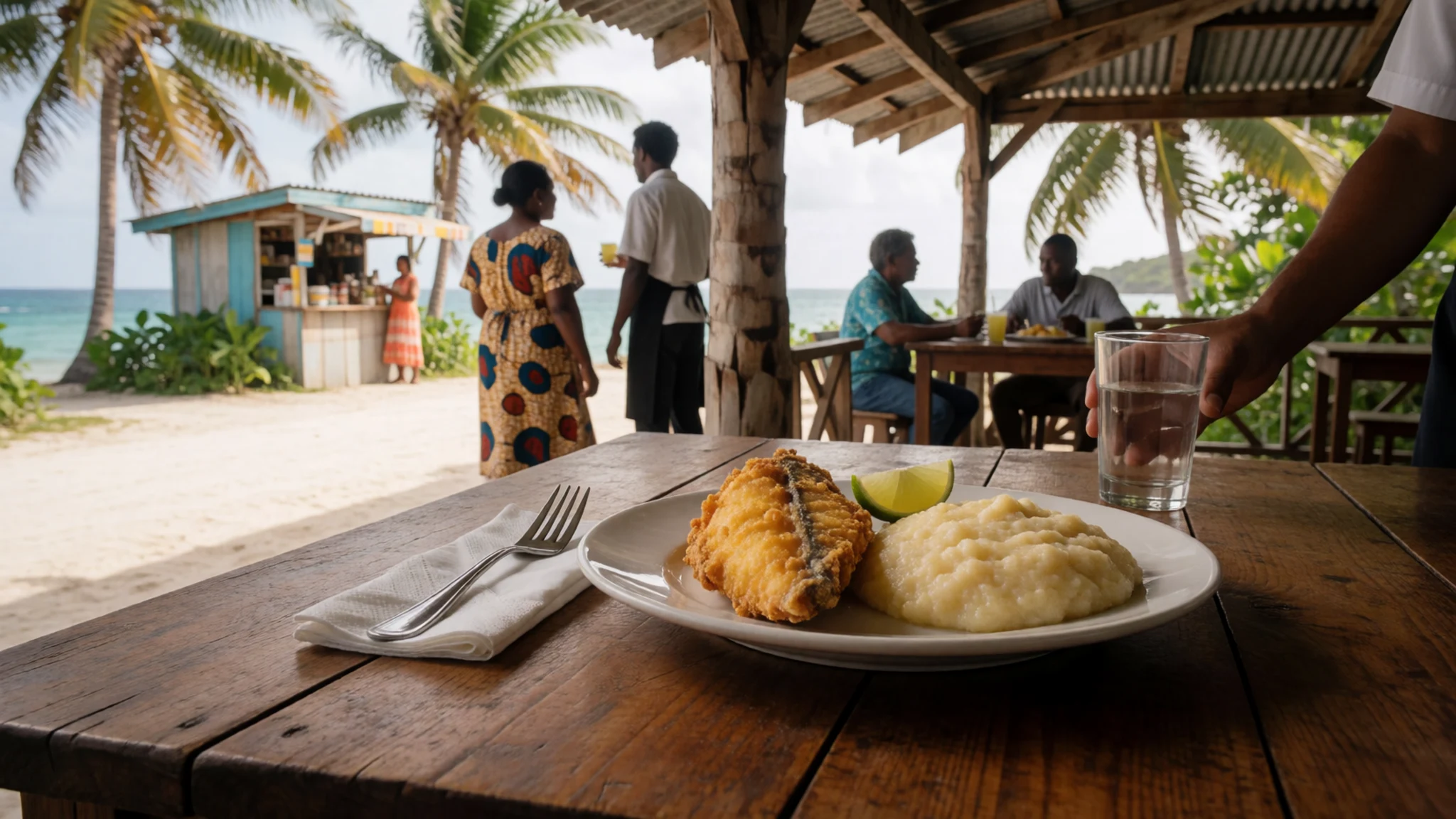
- Fresh lobster — beachfront restaurants around Virgin Gorda and Tortola
Lobster is a favourite when in season, usually grilled and served with butter, rice and salad. It tends to be expensive but is a genuine island treat, and many beachfront restaurants around Virgin Gorda feature it on their evening menus.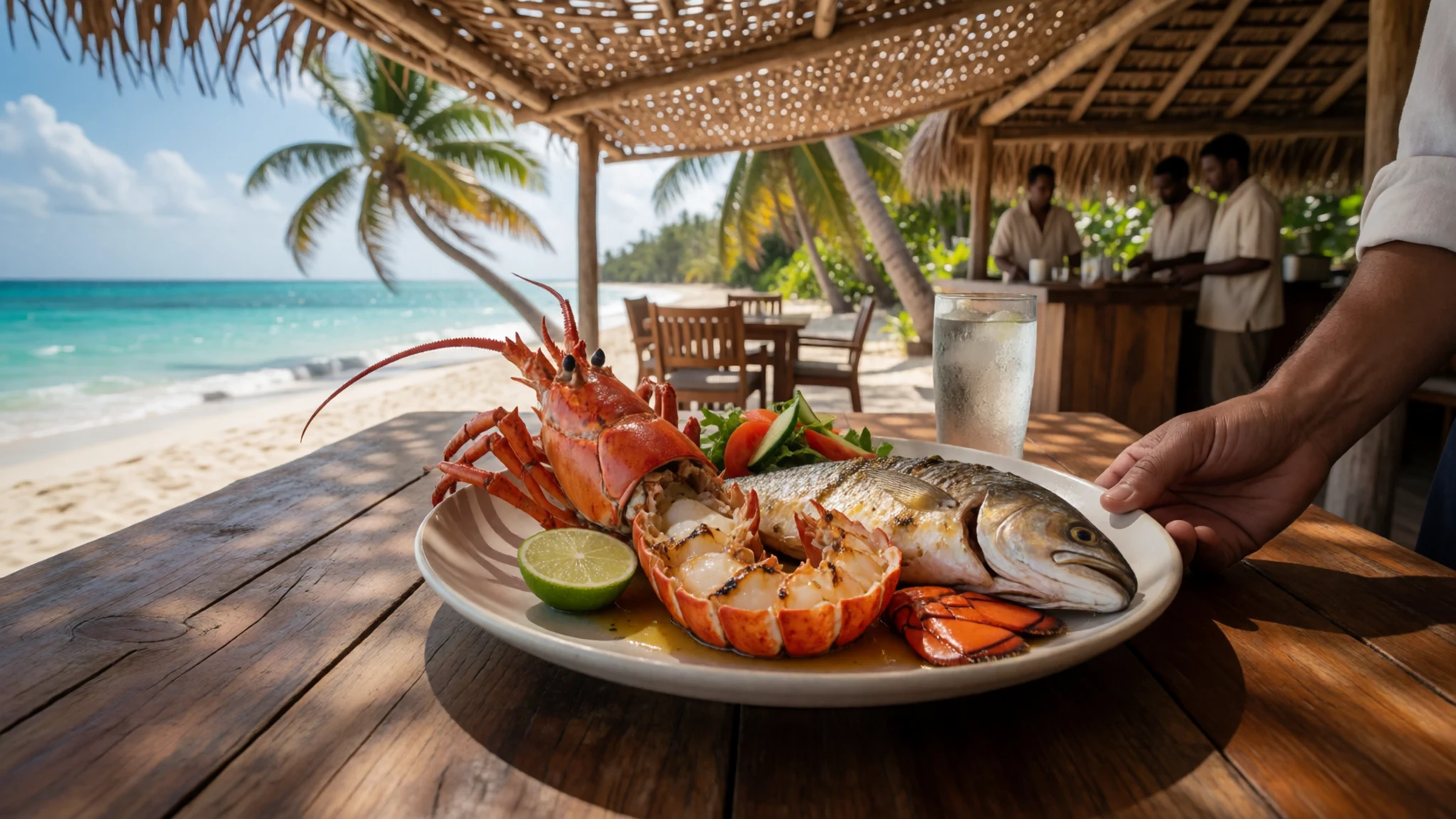
- Grilled catch of the day — beach bars and casual seaside restaurants
Whatever the boats have landed is usually grilled or pan-fried and served with rice, plantain or salad. Mahi-mahi, snapper and wahoo are common. Ask what came in that morning, as the answer shapes the menu in most simple seaside places. - Roti and curries — small takeaway counters and local eateries in the main towns
Rotis and curries reflect Guyanese and Trinidadian influence in the islands. A soft flatbread wraps spiced chicken, goat or vegetables with potato and chickpeas. It makes a cheap, filling lunch and is easy to carry to the beach. - The Painkiller — beach bars and restaurants across the islands
This is the islands' signature drink, made from rum, coconut and fruit juice, usually topped with fresh grated nutmeg. Beach bars each have their own version, so sampling a few is half the fun. Drink slowly in the heat, with water alongside.
Plan it
Best time. December to May is the drier, more comfortable stretch, with steady trade winds and little change in temperature. The low season brings a chance of tropical storms and hurricanes, so late summer and early autumn are riskier months.
How long. 1–2
Getting there. Fly to Beef Island airport on Tortola, usually via San Juan or Antigua, or reach the islands by ferry from St Thomas. From Tortola, take a ferry to Spanish Town on Virgin Gorda, then a taxi to The Baths.
Budget. high
Tips
- Arrive early in the morning, before the day-trip boats and the crowds
- Bring water, food and sun protection, as facilities are limited
- Wear water shoes with grip for the wet rocks and steps
- Check the official BVI National Parks Trust site for current access and any fees
- Carry a dry bag and keep valuables with you
Etiquette
- Take all rubbish away and do not touch or stand on coral
- Do not climb on or break pieces from the boulders
- Greet people politely and dress modestly away from the beach
Nearby
Sources
- Wikidata Q7715805 (CC0)
- Wikipedia: The Baths (rev 1373871676) (CC BY-SA 4.0)
- Wikivoyage: British Virgin Islands (rev 5395951) (CC BY-SA 4.0)
- Photo 01, Jaro Nemčok (CC BY 3.0)
- Photo 02, Henry A-W (CC BY 3.0)
- Photo 03, Joyous! (CC BY 3.0)
- Photo 04, Captmondo (CC BY-SA 2.5)
- Photo 05, Calyponte (CC BY 3.0)
- Photo 06, Bnordlund (Public domain)
- Photo 07, Bnordlund (Public domain)
- Photo 08, User:Mattes (CC BY 2.0 de)


