Tasitolu
Tasitolu, Timor-Leste

Tasitolu is a quiet wetland west of Dili where egrets feed, families walk, and the country's recent history is easy to feel.
The place
Tasitolu is a coastal wetland on the north shore of Timor island, about 8 kilometres west of Dili, the capital of Timor-Leste. The name is Tetun for 'three waters', and the reserve does hold three saline lakes, with a beach and an esplanade facing the Wetar Strait. It lies in the west of the Comoro area, within the Dom Aleixo subdistrict of Dili District, and the Dili–Kupang road runs alongside, so reaching it is a short taxi or minibus ride from town. The government protects it as a Wetland of National Significance, and it is also an Important Bird Area, with several near-threatened species recorded among the shallows and scrub. Birdwatchers come for egrets and other waders, and the light over the water is kindest early, before the heat flattens everything. This is not a postcard waterfall or a resort lake. Facilities are modest, shade is patchy, and the ground is flat, dusty and open. What gives the place its value is the layering: a working wetland, a memorial landscape, and an everyday spot where Dili residents walk, fish and sit by the water. A reforestation scheme in 2004, paid for by the national government and carried out with community help, tried to green the surrounding land, and the planted trees now offer some cover. Treated as a slow half-day stop, paired with the sea road and the Pope John Paul II monument on the nearby headland, Tasitolu gives a clearer sense of Dili than a scenic stop would.
Its story
Tasitolu holds more recent history than its calm surface suggests. During the Indonesian occupation, which ran from 1975 to 1999, the shoreline here was a place of killings, and many Timorese regard the ground as a burial site for victims of the invaders. That memory shapes a local belief about the lakes. On occasion the water has turned red, and the colour was noted in 1975, 1999 and 2006, each a year of violence in the country. How people explain the change varies, but the link with grief has stayed in everyday talk. In 1989 Pope John Paul II came to Timor, addressing a large crowd at an open-air altar at Tasitolu and speaking in Tetum as well as English. A traditional-style house was built close to the lakes for the occasion, and a chapel now recalls the visit. After his death, a monument to him went up in 2008 on high ground at the western edge of Dili Bay, looking across the water to the Cristo Rei statue. A turning point came on 20 May 2002, when Timor-Leste declared its independence at Tasitolu and the government named the area a Peace Park, citing its social and historical weight. Earlier, in 2006, several hundred people displaced by the crisis sheltered in a tent camp run by the UN refugee agency on this same ground. Today the layers sit side by side: a bird reserve, a memorial landscape and a family outing spot.
What to see
- The three lakes — Tasitolu reserve, west of Dili
Tasitolu's three saline lakes are the heart of the reserve. Water levels and colours shift with the season, and the margins are flat mud, reeds and scrub. A walk along the edge takes under an hour at an easy pace. Go early for cooler air and active birds, and bring a hat, as shade is scarce.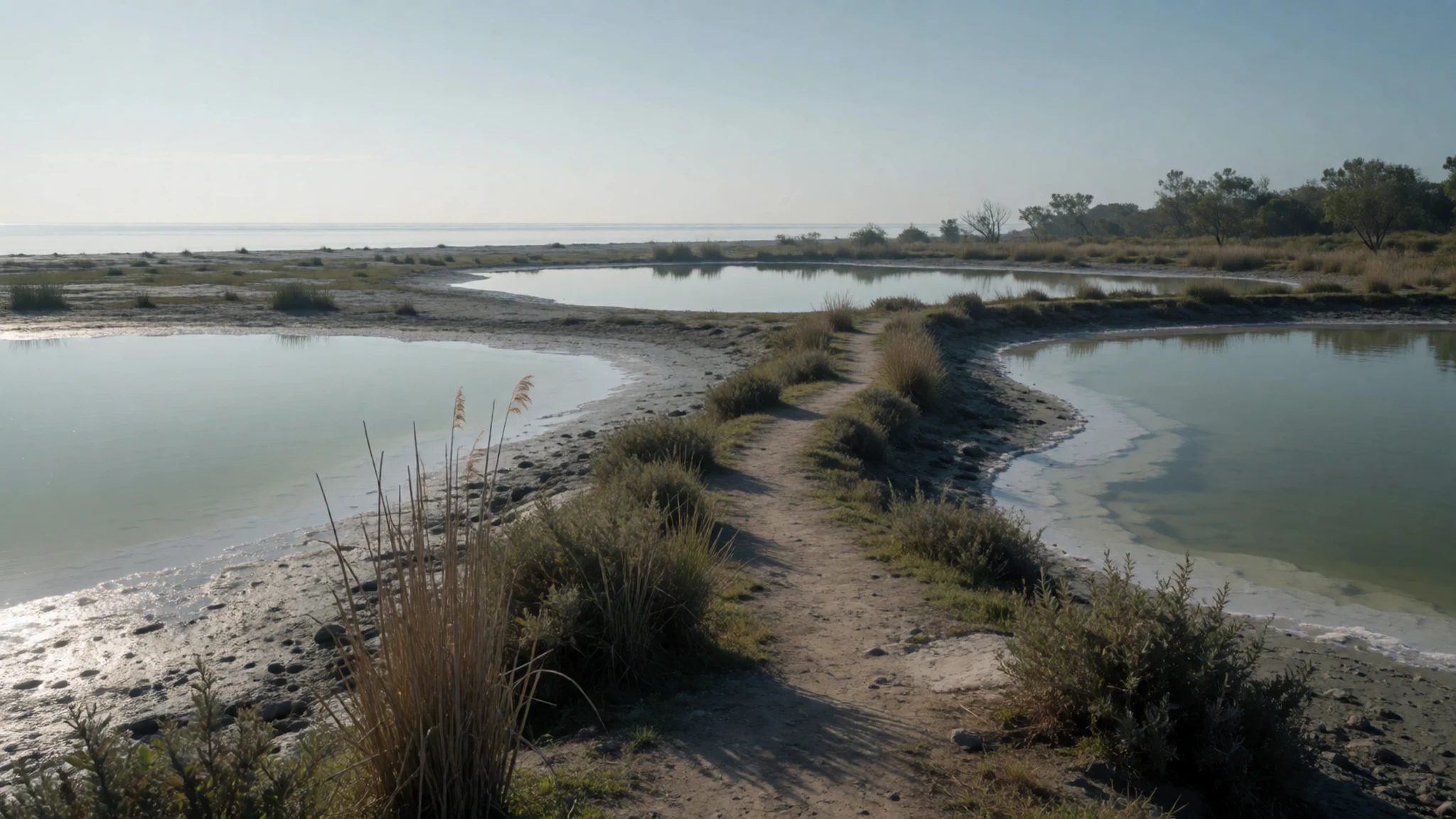
- Birdlife along the shallows — Lake margins
Tasitolu is an Important Bird Area, and egrets are the easiest birds to spot, stepping along the lake edges in the morning calm. Several near-threatened species have been recorded here, so binoculars are worth carrying. Keep a respectful distance, stay on open ground, and avoid disturbing birds that are feeding or nesting.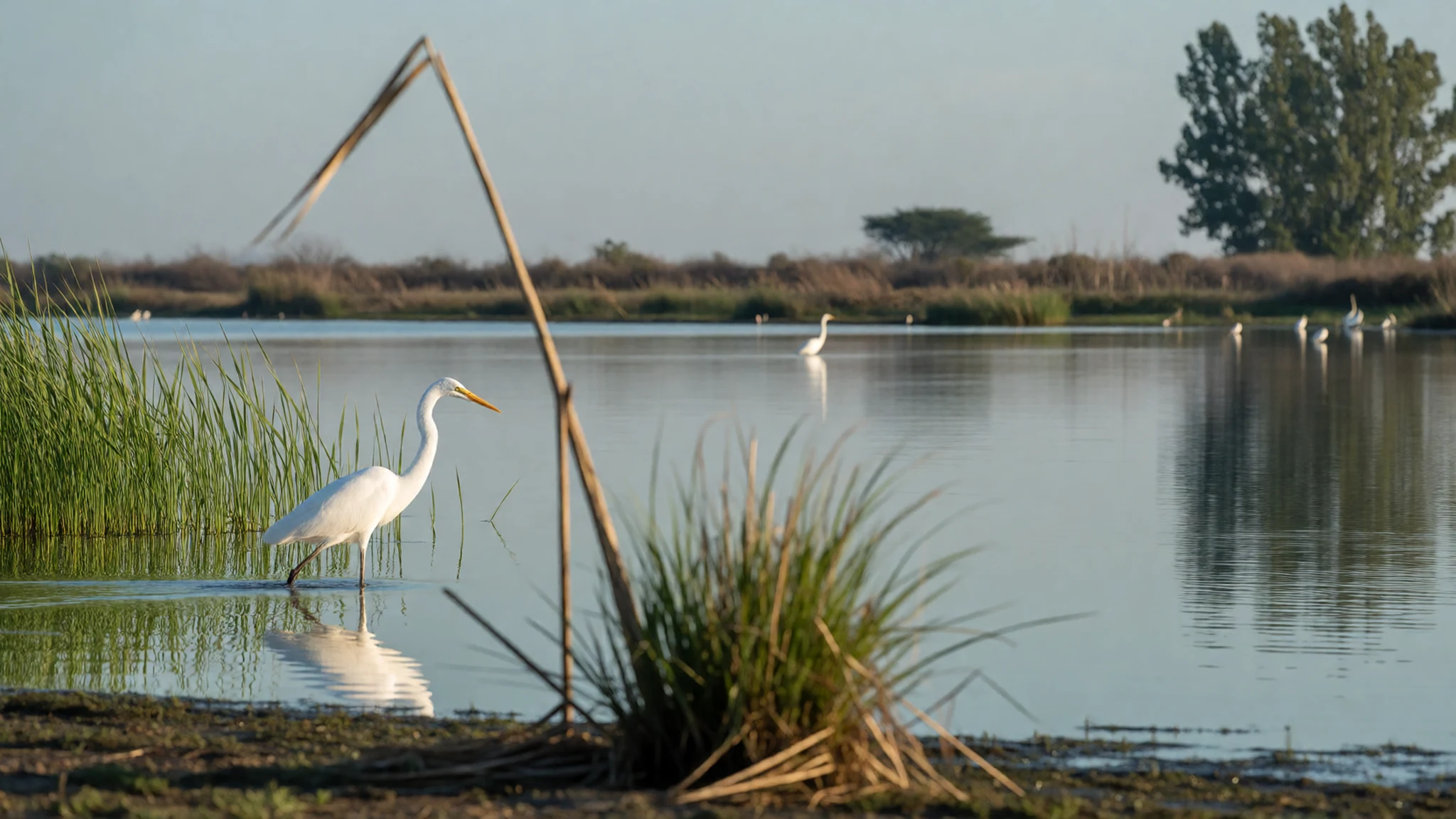
- Peace Park memorial ground — Central lake area
Since 2002 the reserve has carried Peace Park status, recognising its social and historical weight. Few signs explain the background, so reading about the occupation beforehand helps. This is a place for quiet reflection rather than loud photo stops, and local visitors may be here to remember relatives.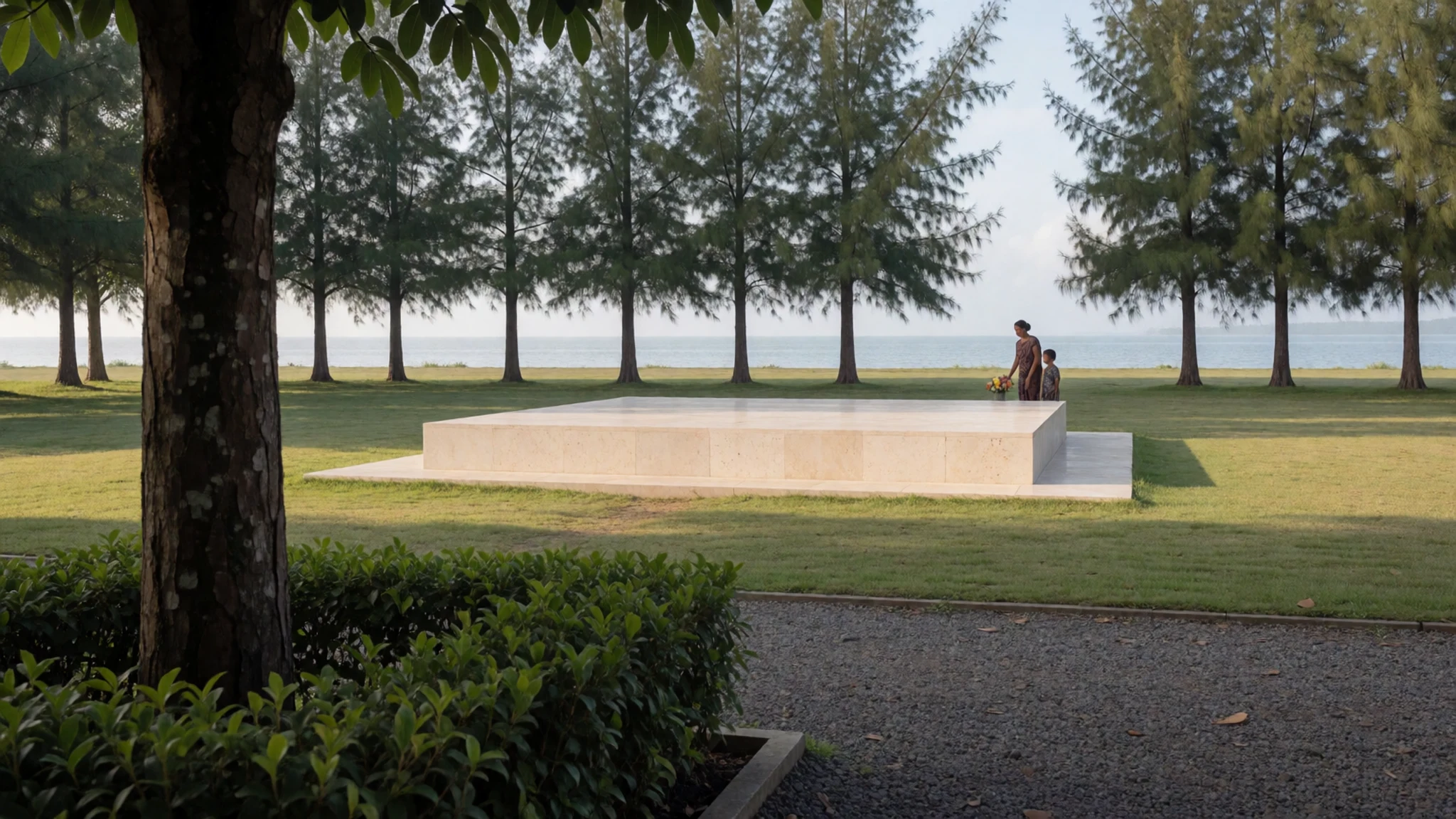
- Papal monument and chapel — Western edge of Dili Bay
A monument to Pope John Paul II was added in 2008 on high ground west of Dili, and a small chapel recalls his open-air address at Tasitolu in 1989. From the viewpoint the bay curves away towards the Cristo Rei statue on the opposite headland. Ask locally about access and any services before going.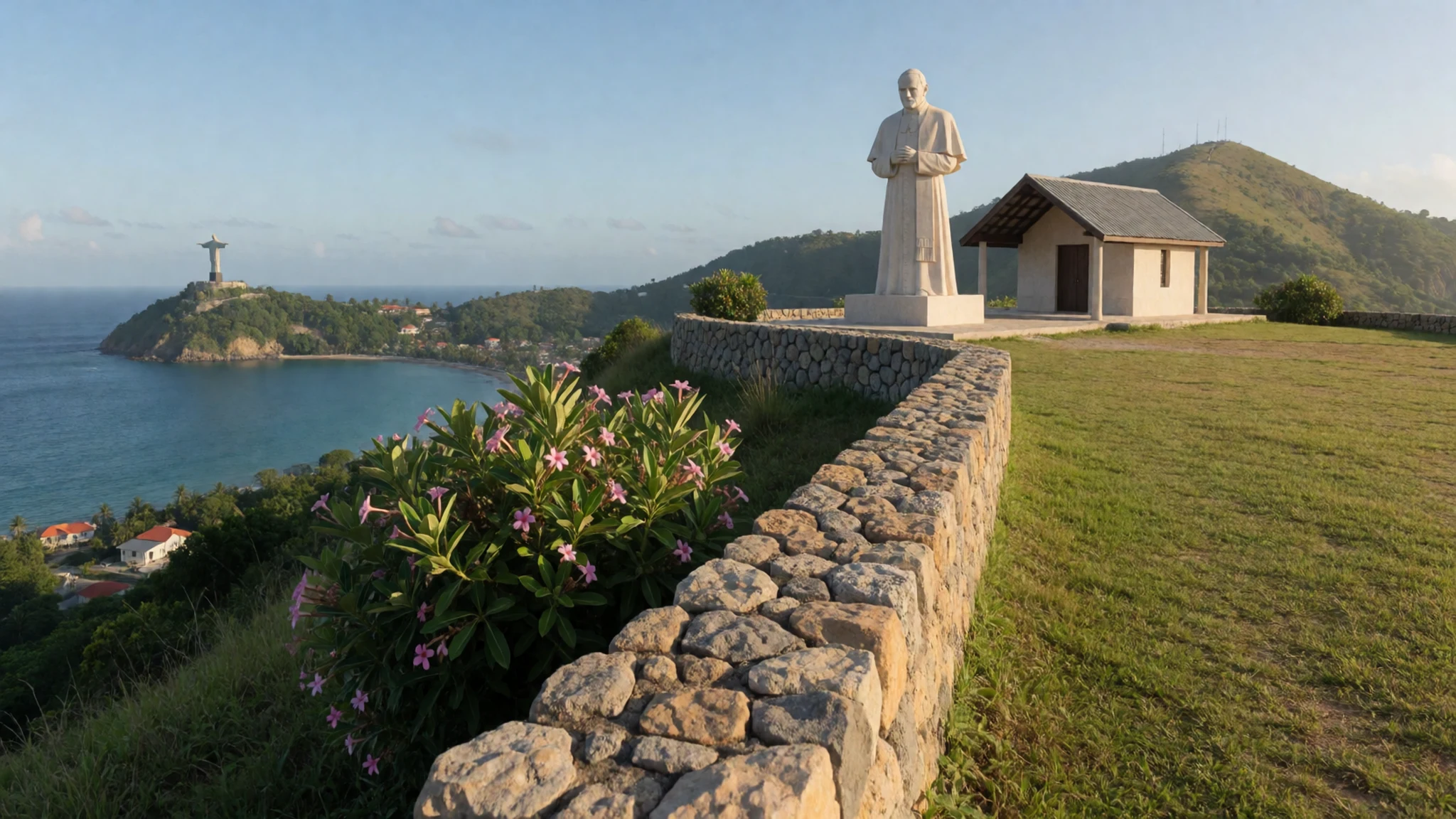
- Atauro Island day trip — Offshore from Dili
Atauro Island suits visitors with a spare day beyond Tasitolu. Divers and snorkellers come for the reefs, and local fishermen still use hand-made goggles and spear guns. The island is known for carved wooden sculptures and other handicrafts. Boat timetables change, so check current crossings locally before planning.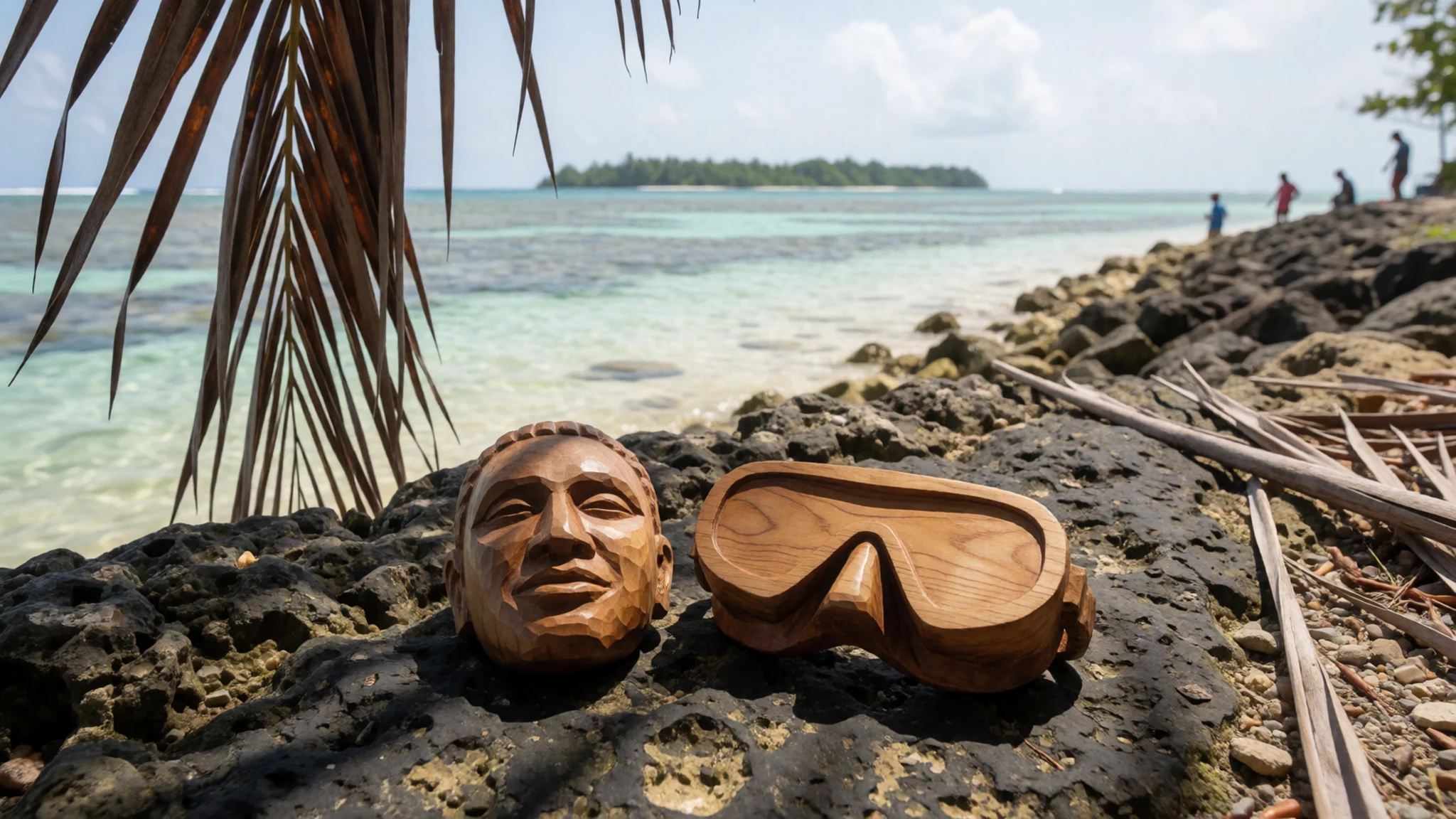
Culture
Tasitolu sits at the centre of how Timor-Leste remembers the occupation, and that colours how people talk about the place. Faith matters here: the 1989 papal visit is still recalled, and the chapel and monument nearby draw respectful attention. Tetum and Portuguese are both part of daily life, and many older Timorese speak warmly of the Portuguese period, when the colonial government largely left communities to run their own affairs. The Indonesian occupation, by contrast, left deep losses, and an estimated one in five people died. Praising the occupation or the idea of joining Indonesia is received badly, even though relations between the two countries are friendly today and Indonesia helped Timor-Leste towards ASEAN membership. Visitors who come with curiosity and let local people lead the conversation usually find warmth and patience. Families use the esplanade and beach for evening walks, and the reserve is shared between birdwatchers, fishers and people simply sitting by the water. Quiet is the default. The country is young, its institutions still settling, and a little humility goes a long way. Keep voices low around Tasitolu's memorial ground, ask before photographing people, and leave talk of the occupation or Indonesia to locals unless they raise it first.
What to wear
Tasitolu is a casual, open-air place, and dress there follows the climate rather than any formal code, though the wider country has a strong textile tradition. The best known traditional cloth is tais, handwoven by women, usually in cotton, with patterns that vary by region and family. It is worn as a sarong, a shawl or a ceremonial wrap at weddings, funerals, church and cultural events, and it is often offered to honoured guests as a scarf. Today most people in Dili wear light everyday clothes: T-shirts, shorts, knee-length skirts, dresses and football shirts, with smarter outfits for Sunday church and official occasions. Traditional cloth appears mostly at celebrations and in smaller touches such as a woven bag or a tais scarf. A visitor should dress for heat, sun and dust. Choose breathable cotton or linen, a wide-brimmed hat, sunscreen and sunglasses, and closed shoes or sturdy sandals for dry mud and uneven ground around the lakes. Cover shoulders and knees when visiting the chapel, the monument or a church, and save swimwear for the beach itself. A light rain jacket helps in the wet season. Buying a tais piece from a local weaver or craft stall makes a respectful souvenir.
What to eat
- Fried fish with rice — Roadside eateries and beachfront grills in Dili
Fish is a regular part of Timorese meals, and frying it whole or in pieces is common. It usually arrives with rice, a spicy sauce and a few vegetables. Eateries near the Dili waterfront are the easiest place to try it after a morning at the lakes.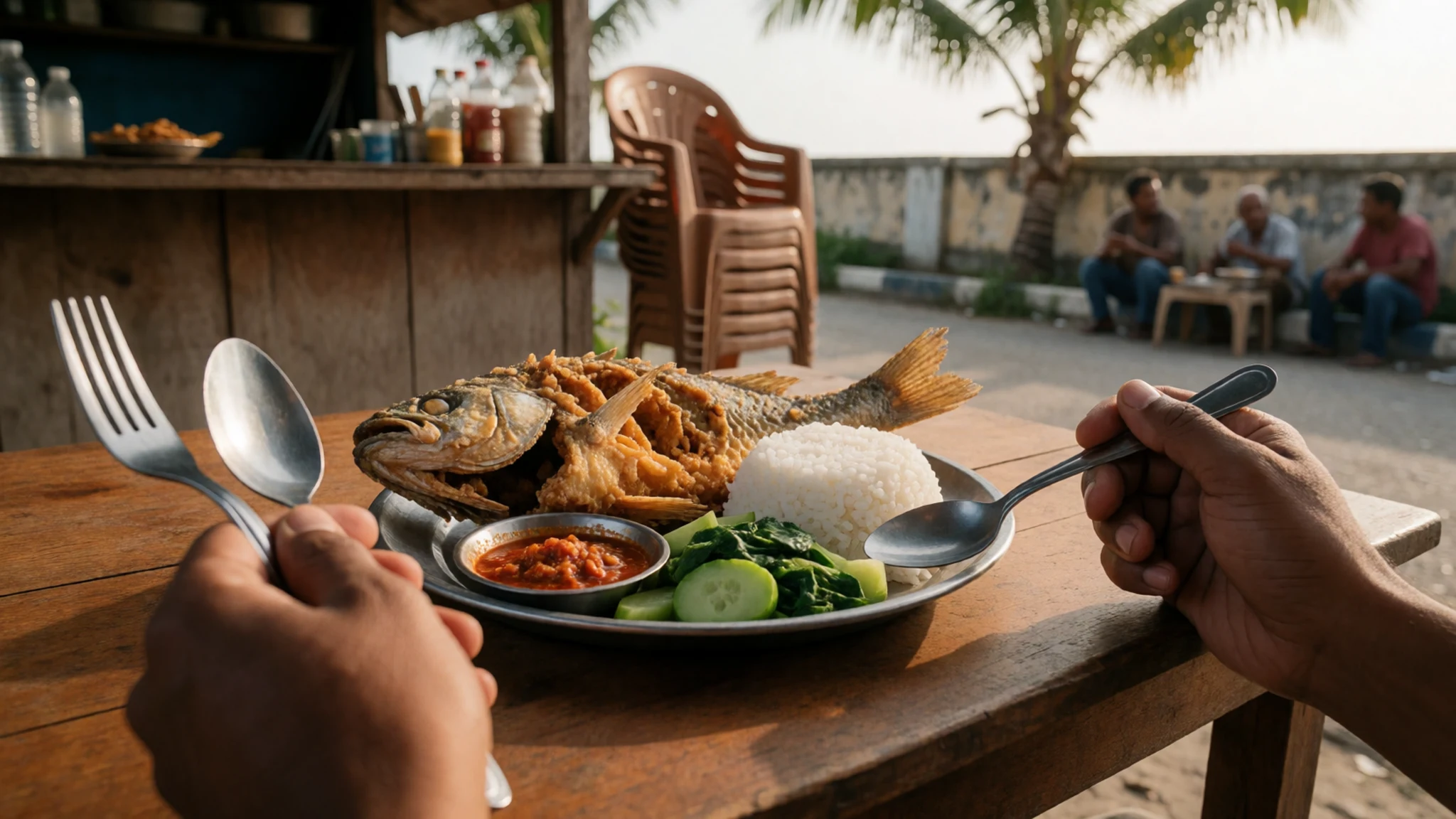
- Chicken curry — Local eateries and family-run cookshops in Dili
Curries are a standard dish across the country, and chicken is the usual favourite. Spicing is generous, and the sauce is eaten with rice. Look for small eateries with a few pots on display and simply point to what you want.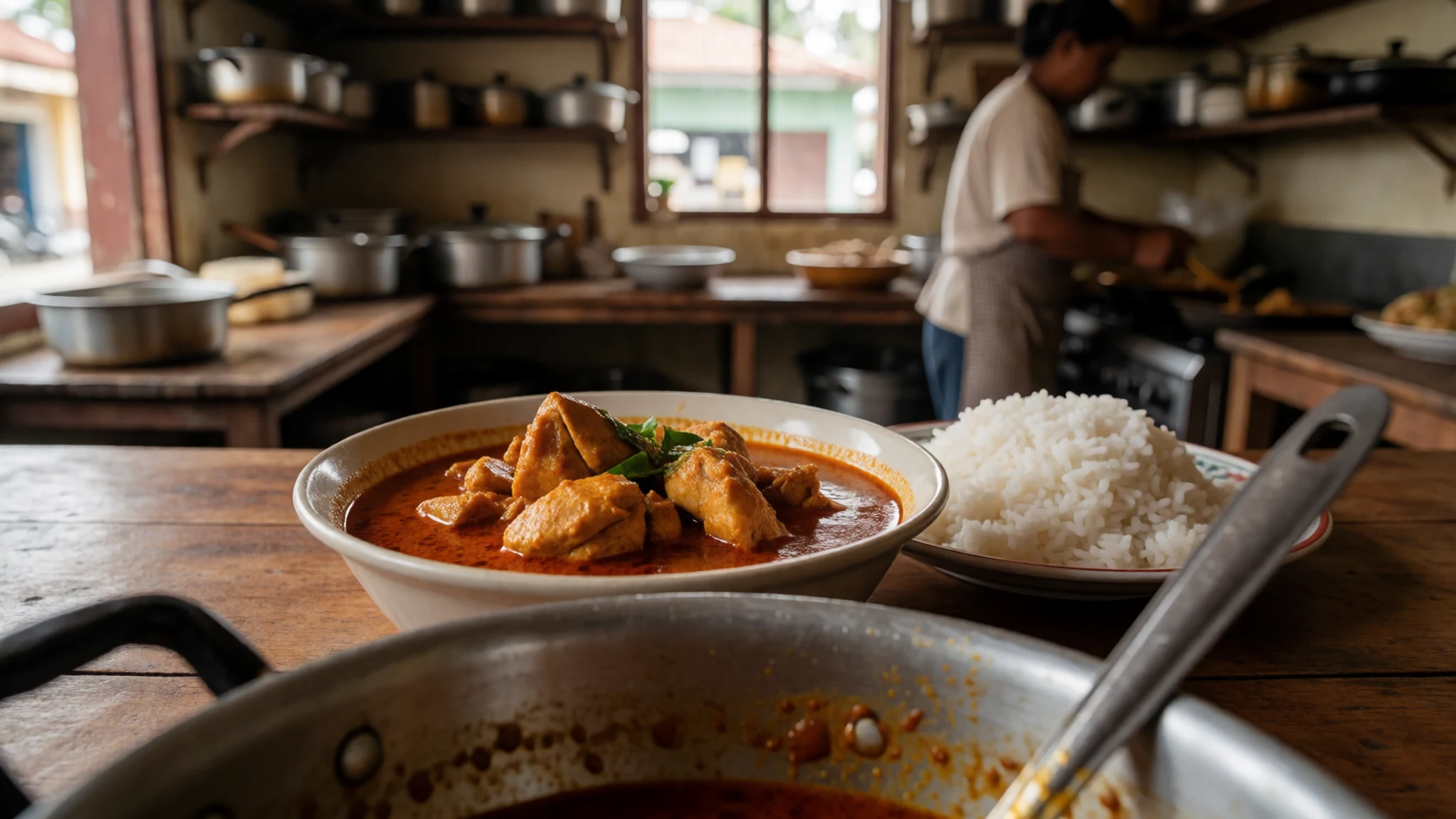
- Prawns — Seafood places along Dili's coast road
Prawns are treated as a treat in Timor-Leste, often grilled or fried with garlic and chilli. They are best ordered at a coastal seafood place where the catch is local. Ask what is fresh that day and eat with a side of rice. - Rice, cassava and sweet potato plates — Morning markets and simple lunch stalls
Rice is the staple, but cassava, taro, sweet potato and maize turn up beside it, along with greens, beans and onions. Market stalls serve these as filling, inexpensive plates, often with a little fish or meat on the side. - Timorese coffee — Cafés and roadside stalls around Dili
Coffee is grown organically here and tastes strong. Cafés in Dili serve it black or with milk, and small stalls sell it by the cup. It is a good way to start an early walk at the lakes. - Fresh tropical fruit — Fruit stalls at markets and roadsides
Mangoes, papayas, watermelons, bananas and coconuts are widely grown. Stalls sell them whole or cut, and a cold coconut is useful in the midday heat. Choose fruit you can peel yourself or that has been cut in front of you.
Plan it
Best time. The drier months, roughly May to October, are easiest for open lakeside walking, with firmer ground and less mud; the wet season brings heavy showers and humid heat. In any month, early morning is the best time for cooler air and birds.
How long. 1
Getting there. Fly to Dili airport, then take a taxi or minibus west along the Dili–Kupang road; Tasitolu is about 8 kilometres from the city centre. Many nationalities can get a visa on arrival at Dili airport, but check the official immigration site before travelling.
Budget. low
Tips
- Go early, as shade is thin and the open ground gets hot by mid-morning
- Bring water, a hat and sunscreen, since facilities at the reserve are basic
- Carry cash, as small eateries and stalls rarely take cards
- Arrange a return taxi or driver in advance if you plan a long stay
- Pair Tasitolu with the nearby papal monument and the Dili waterfront for a full half-day
Etiquette
- Keep voices low at the memorial ground and treat it as a place of remembrance
- Ask before photographing people, especially families and worshippers
- Avoid starting conversations about the occupation or Indonesia; let locals lead
Nearby
Sources
- Wikidata Q2395022 (CC0)
- Wikipedia: Tasitolu (rev 1382109032) (CC BY-SA 4.0)
- Wikivoyage: Timor-Leste (rev 5406324) (CC BY-SA 4.0)
- Tasitolu, Dili, East Timor (yeowatzup) (CC BY 2.5)
- Physical location map of East Timor (Carport) (CC BY 3.0)
- Tasitolu, Dili, East Timor (yeowatzup) (CC BY 2.5)
- Red Tasitolu (Maria Tschanz, Watch Indonesia!) (CC BY 3.0)
- Church in Tasitolu (Alex Castro) (CC BY 2.5)
- A Great Egret strolling along a glassy Lake Tasitolu (ColinTrainor) (CC BY-SA 4.0)
- 2021-04-22 Tasitolu 3 (BTL, E.P) (Public domain)
- 2021-04-22 Tasitolu 4 (BEE Timor-Leste E.P) (Public domain)


Wildlife
- Little egret (animal)
Picture a small white heron on long black legs with a thin black beak, fishing in the shallows like a quiet little ghost. At Tasitolu you are most likely to spot it beside the lakes in the calm of the morning, picking its way through the water. Watch from well back, speak softly and stay still so it feels safe. A local guide can point out the best places, and please never feed it.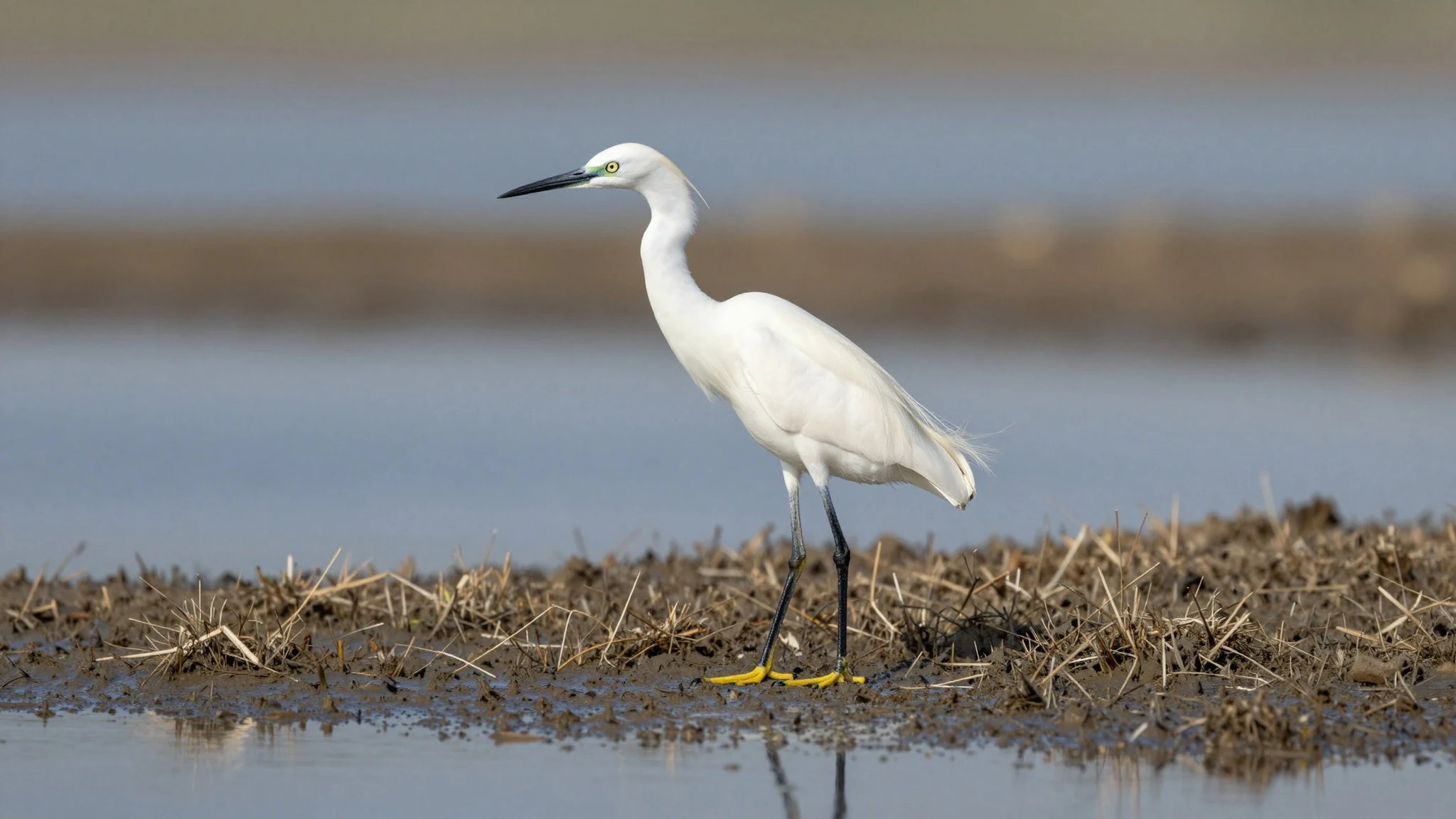
- Little egret (bird)
Picture a small white heron on long black legs with a thin black beak, fishing in the shallows like a quiet little ghost. At Tasitolu you are most likely to spot it beside the lakes in the calm of the morning, picking its way through the water. Watch from well back, speak softly and stay still so it feels safe. A local guide can point out the best places, and please never feed it.