Tapuaetai
Tapuaetai, Cook Islands
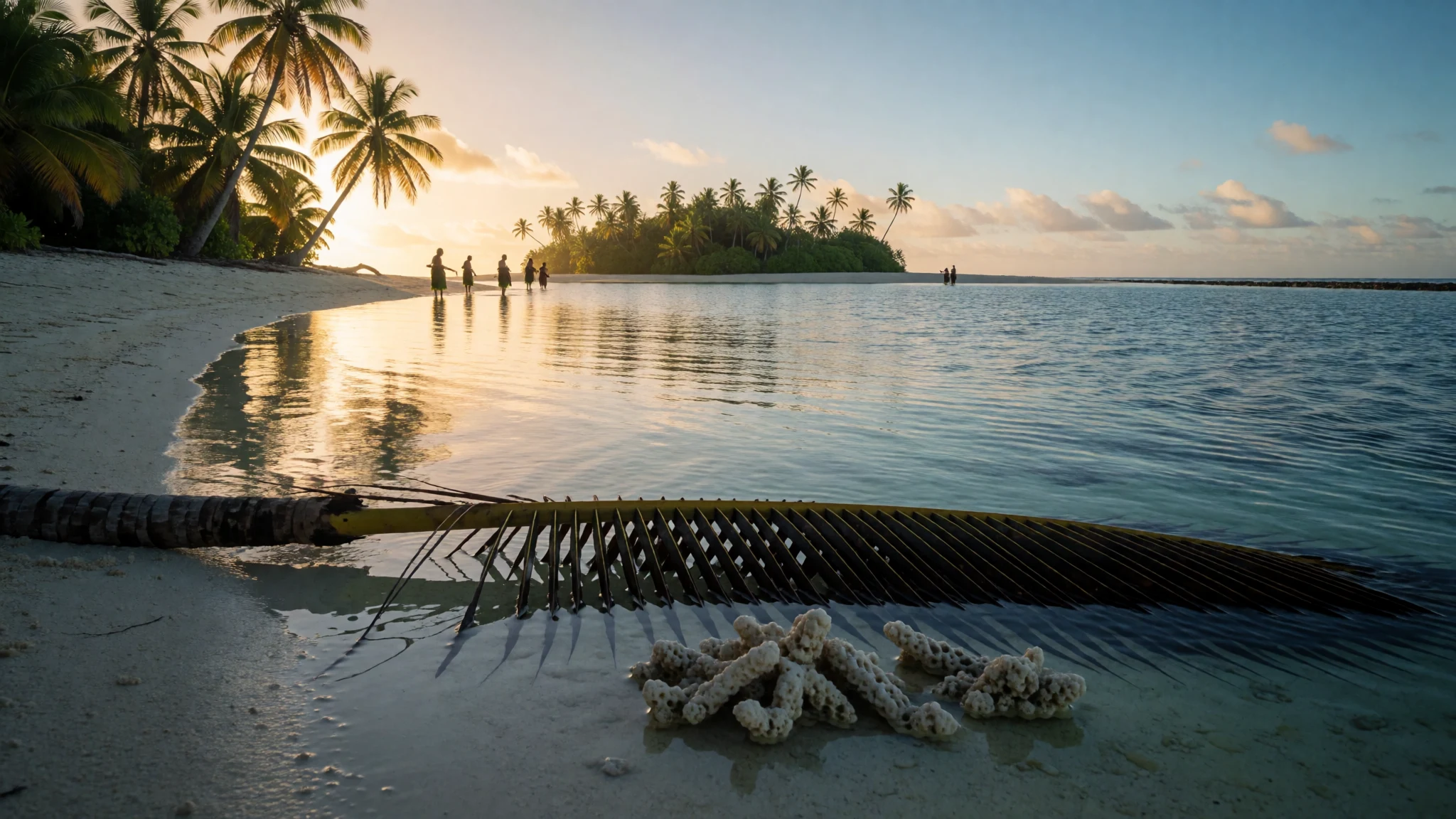
Tapuaetai is a tiny sandbank island in a Cook Islands lagoon, where shallow turquoise water and palm shade make a whole day feel unhurried.
The place
Tapuaetai is a sliver of sand and palms on the south-eastern rim of Aitutaki Lagoon, in the Cook Islands. The name breaks into tapuae, a footprint, and ta'i, one, which is why most visitors call it One Foot Island. Set within the Aitutaki atoll—a group of 22 islands—it sits just south-west of the larger Tekopua and roughly seven kilometres east of the main inhabited island. End to end it runs about 570 metres, and at its widest it is around 210 metres across. The highest ground is roughly 1.5 metres above the sea, so the island is less a landmark than a pale line drawn between water and sky. Most of what makes it striking is the lagoon around it: shallow, clear, shifting from pale green over sand to deep blue where the water covers coral. The atoll's reef shelters this water, which is why boats can cross it calmly on most days. Tapuaetai has no town, and day visits are the norm; the island is small enough to walk round in a few minutes. Expect company. Lagoon cruises tend to arrive around the same hours, so the beach is busiest near midday and calmer early or late. Heat is steady, shade comes from coconut palms and other trees, and the sun is strong even when cloud sits overhead. The sea is warm enough that swimming needs no preparation, though reef shoes help on coral rubble.
Its story
The story of Tapuaetai is bound up with Aitutaki, the atoll it belongs to, and with the Polynesian voyagers whose descendants still live on the main island. The islets around the lagoon, called motu in Cook Islands Maori, have long suited fishing, gathering coconuts and picnics better than permanent villages. Their low height makes settling them hard, since storm surge and cyclone seas can wash over such ground. The name is a small piece of local description. Tapuae means footprint and ta'i means one, so the island is named for a single footprint, and One Foot Island is simply the English rendering. No single tale of that footprint is fixed in the written record; boat crews and older islanders tell their own versions, and these are best enjoyed as storytelling rather than history. What can be said is how the island's fame grew. As lagoon cruises became a main reason to visit Aitutaki, Tapuaetai became the stop that nearly all of them share, a place for lunch, swimming and photographs. That popularity was recognised formally when the island was named Australasia's Leading Beach at the World Travel Awards, held in Sydney. An award of that kind is a marketing measure rather than a survey of every beach, but it explains why the island appears on so many images of the Cook Islands. For Aitutaki, it also means a steady link between a quiet atoll and the wider travel world, with boat work, guiding and catering built around one small strip of sand.
What to see
- The beach at Tapuaetai — Tapuaetai
The main beach on Tapuaetai is a narrow band of pale sand under coconut palms, short enough to walk end to end in minutes. Most visitors spend their time swimming in water that stays shallow a long way out. Early morning and late afternoon are quieter, when the day boats have not yet landed or have gone.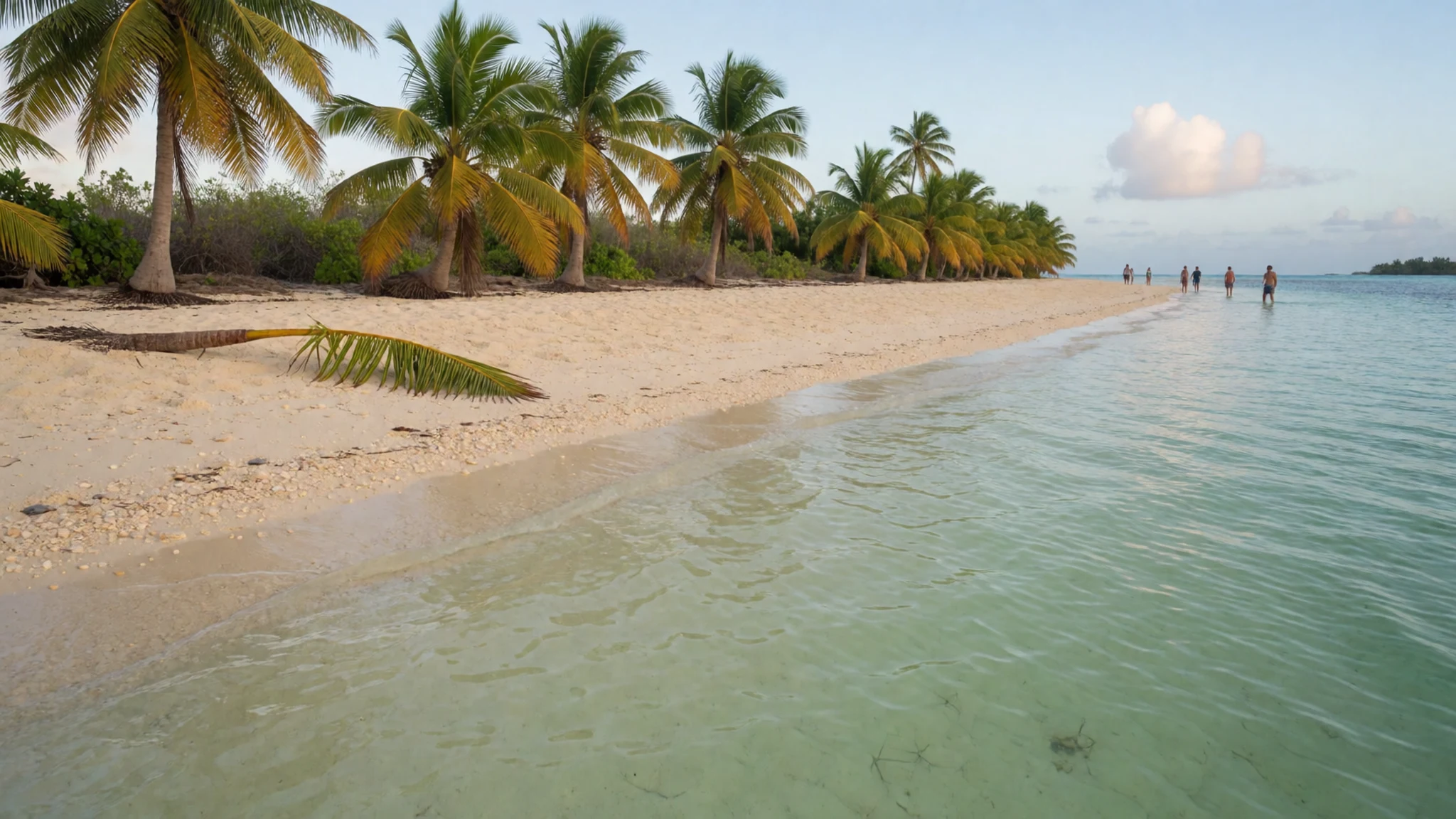
- Aitutaki Lagoon by boat — Aitutaki Lagoon
Tapuaetai is reached across Aitutaki Lagoon, usually on a day cruise from the main island. The crossing is half the experience: the colour changes from pale green over sand to deep blue over coral, and boats often stop for snorkelling on the way. Check current operators and what each tour includes before booking, as itineraries differ.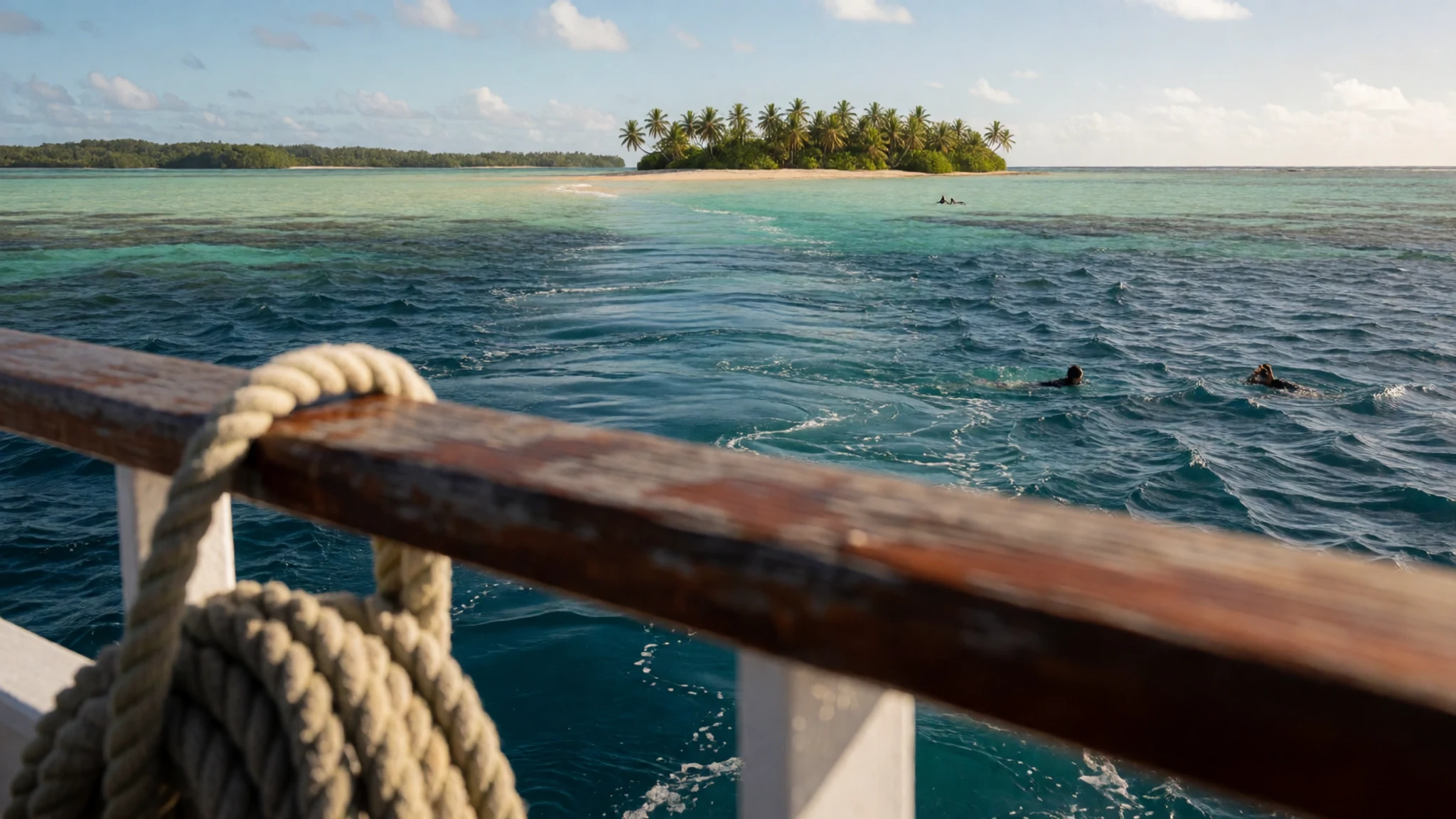
- Tekopua — South-eastern lagoon rim
Tekopua is the larger island beside Tapuaetai, lying immediately to its north-east. Seen from the water it shows how the lagoon's rim is built from many low islets rather than one landmass. Whether a tour lands there depends on the operator, so ask when booking and be ready for a simple look from the boat.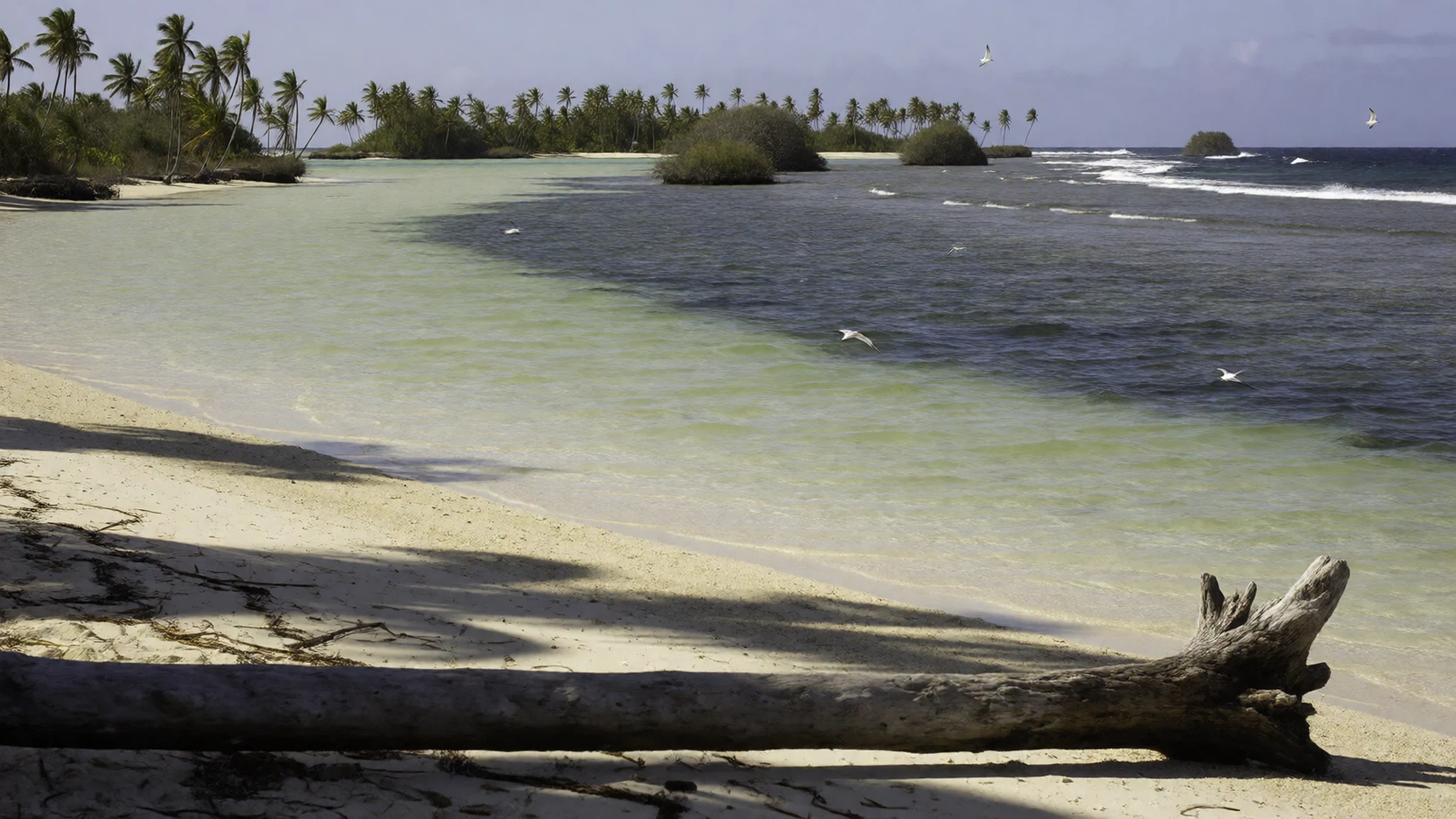
- Palms and shoreline plants — Tapuaetai interior
Behind the beach on Tapuaetai, a belt of coconut palms and low scrub gives the only real shade. A short stroll through it shows the plants that help hold sand together on such low ground. Stay on worn paths and keep clear of the base of the palms, since fallen coconuts are heavy.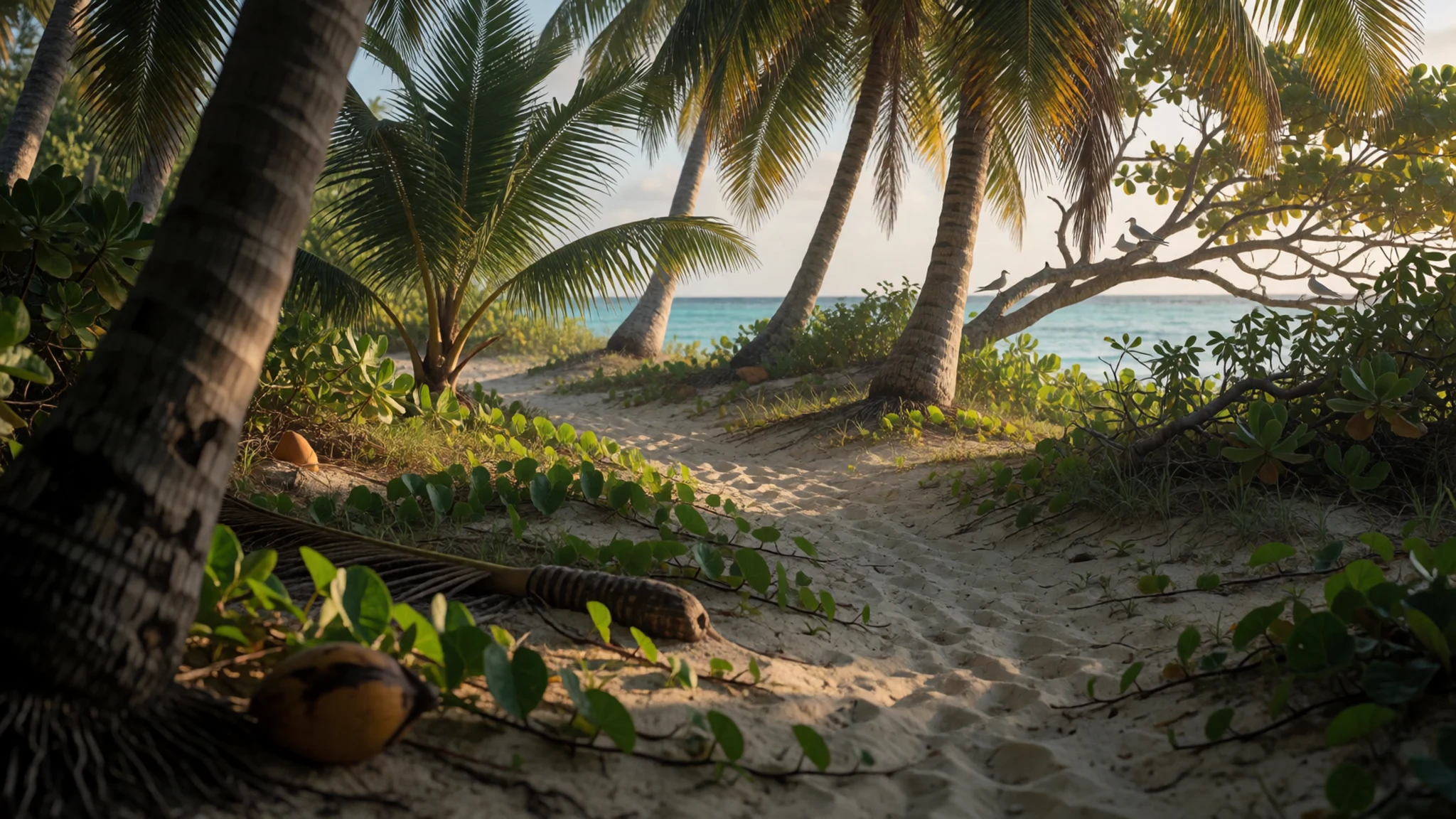
- Arutanga and the main island — Aitutaki main island
The main island of Aitutaki, seven kilometres west of Tapuaetai, is where the people, the airstrip and the shops are. Arutanga is the chief settlement; a wander round its harbour and church gives context for the lagoon trip, and a chance to buy water and sun cream before the boat leaves.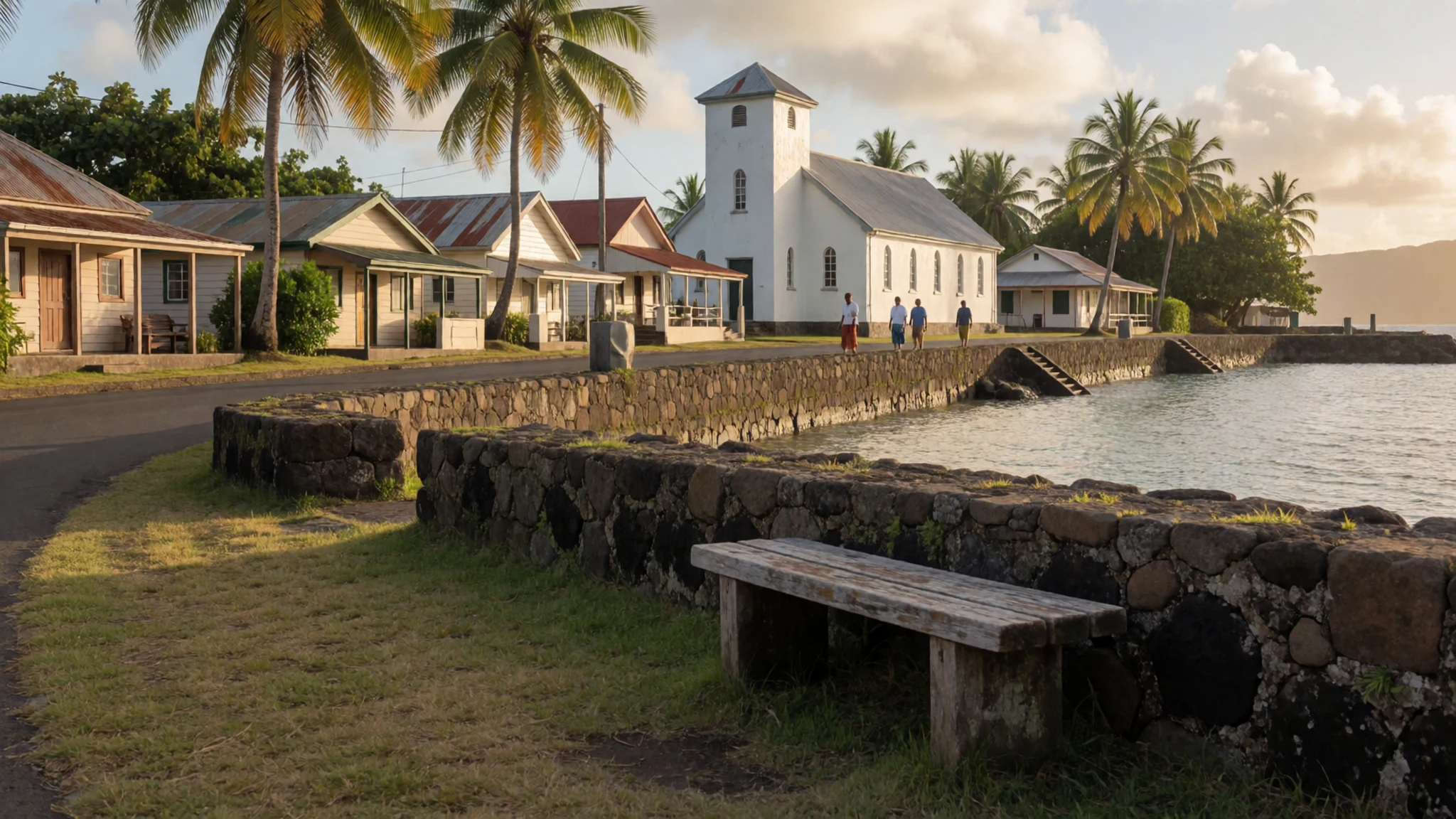
Culture
Tapuaetai itself has no village, so its culture is really that of Aitutaki and the wider Cook Islands, and it reaches visitors mostly through the boat crews. The people are Cook Islands Maori, part of the Polynesian world, and the language has its own greeting, kia orana, which is worth learning and using. Warmth and humour are part of the job on a lagoon cruise: expect songs on the boat, ukulele or guitar, and a lunch cooked with some ceremony. Church is central to island life, and Sunday is a quiet day on Aitutaki, with services in the villages, often with rich harmony singing that visitors are generally welcome to hear. Dance and drumming are part of island nights, where fast hip movement for women and sharp, athletic steps for men are performed to a wooden drum beat. Food is shared, and refusing hospitality outright can seem cold, so accept a little and say thank you. Land is held by families, and the beaches and motu may belong to someone even when they look empty, which is one reason to follow guides and not wander off. Tapuaetai is also a working place for the crews who bring lunch every day, so tidiness matters. As a visitor, take every scrap of rubbish back to the boat and ask before photographing local people or entering any private land.
What to wear
Dress in Tapuaetai's home islands starts with the pareu, a length of printed cotton wrapped round the body and worn by women and men for everyday and celebration. For special occasions Cook Islanders also make tivaevae, appliqué and patchwork quilts with bold flower patterns, which are stitched by hand by groups of women and turn up as bedcovers, gifts and wedding presents. Woven hats made from pandanus or coconut fronds, called rito, are worn to church, along with white or pastel dresses and ties; flower garlands, ei, are given to welcome guests and worn in the hair at celebrations. Everyday clothing now is simple and practical: shorts, T-shirts, island-print shirts, sandals or bare feet, with smarter clothes kept for Sunday services. Visitors heading to Tapuaetai need only light clothing, but should plan for strong sun. Swimwear under a loose cover-up, a wide-brimmed hat, sunglasses and a long-sleeved sun shirt are all sensible, and reef shoes make coral rubble and boat landings easier. Bring a dry bag for phones and cards. In villages on the main island, and especially near churches, cover shoulders and knees; beachwear belongs on the beach. For a Sunday service, tidy, modest clothes are welcome, and a light layer helps with evening breezes on the boat back.
What to eat
- Ika mata — Lagoon cruise lunches and village eateries on Aitutaki
Raw fish marinated in lime juice, then mixed with coconut cream and finely chopped vegetables. It is the signature dish of the Cook Islands and tastes fresh, sharp and creamy together. Look for it on lagoon cruise lunches and at village eateries on Aitutaki.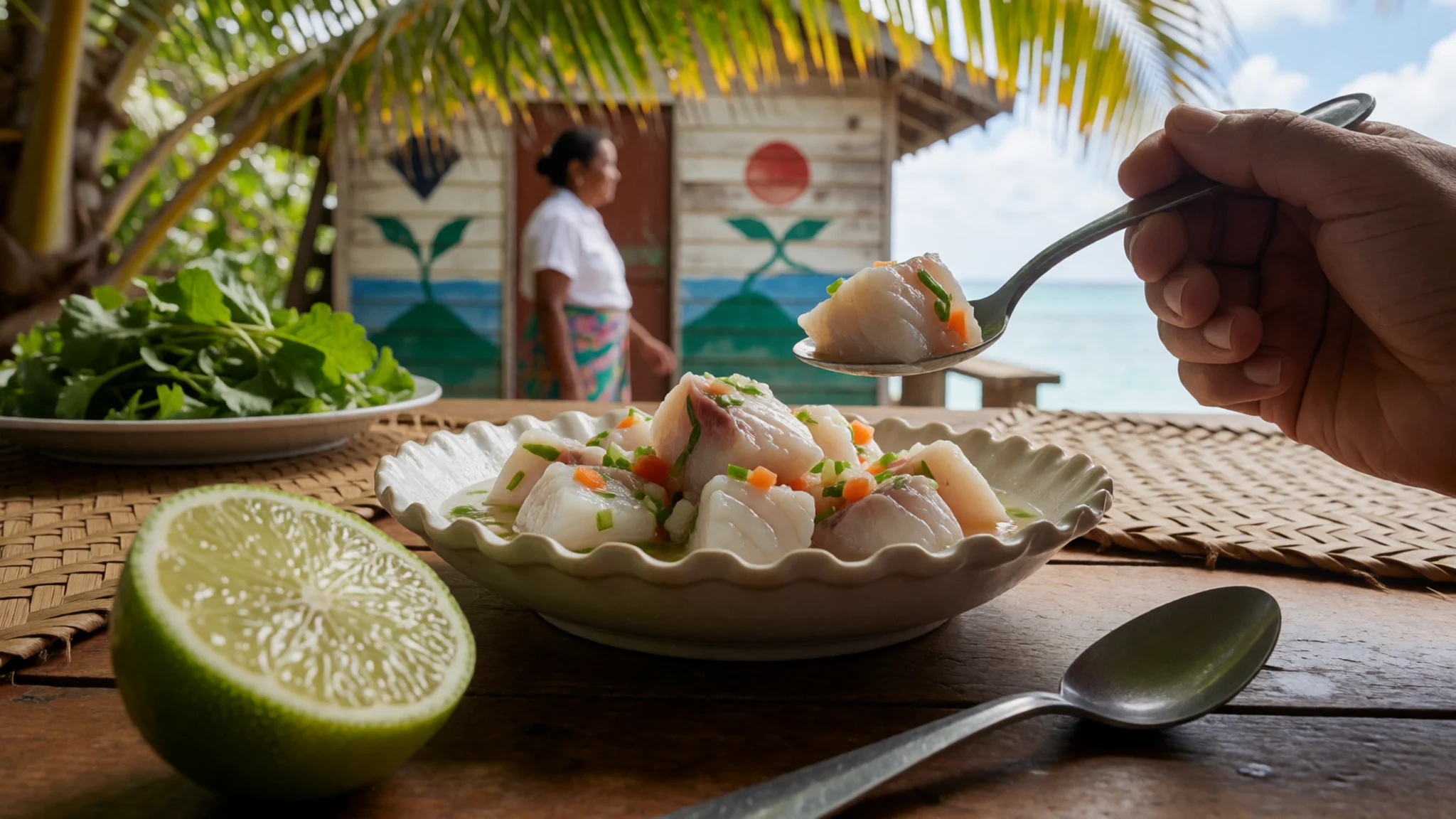
- Grilled lagoon and reef fish — Beach barbecues on cruise stops around the lagoon
Fish cooked simply over a fire or barbecue, often with lime, salt and a side of salad. Boat crews often prepare it on the sand at Tapuaetai itself, so the fish arrives with sea air and a warm breeze. Ask the crew what was caught that day.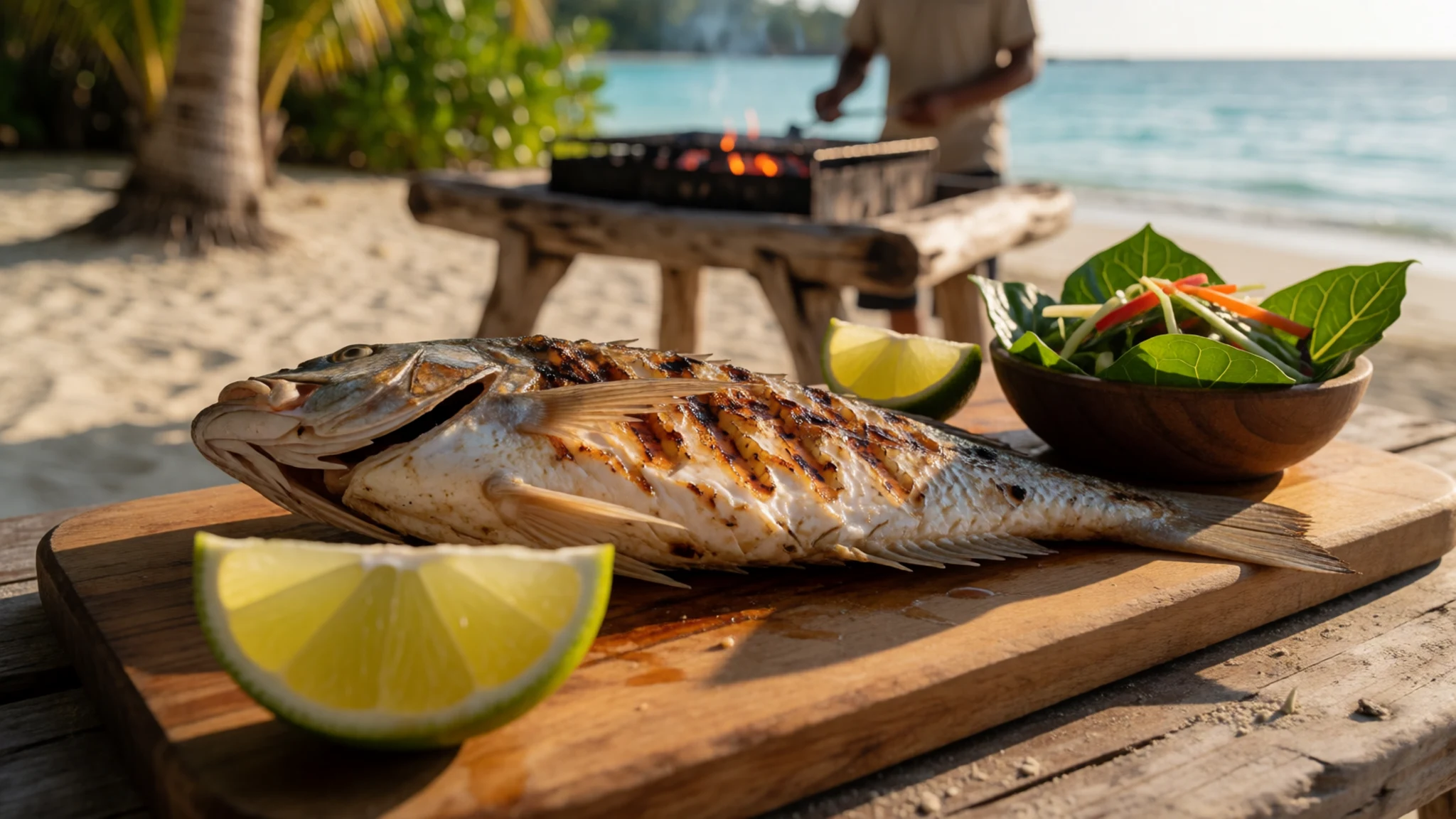
- Rukau — Island night buffets and local cafés on the main island
Young taro leaves cooked down with coconut cream into a soft, rich green dish, a little like creamed spinach but earthier. It is a common side at feasts and family meals, and it pairs well with fish or pork. - Umu feast — Island nights and community gatherings on Aitutaki
Food cooked in an earth oven, an umu, where meat, fish, root crops and breadfruit are wrapped and steamed under hot stones. The result is smoky and tender. It is usually served at celebrations, church gatherings and island nights. - Fresh coconut and tropical fruit — Roadside stalls and markets on the main island, and on day cruises
A drinking coconut opened with a bush knife, followed by the soft flesh scooped out with a shell spoon. Papaya, banana and pineapple often arrive alongside. It is the simplest and most refreshing food on a hot lagoon day.
Plan it
Best time. May to October is the drier, cooler part of the year, with lower humidity and calmer lagoon days, so these are the best months for beach time. November to April is warmer and wetter and is the cyclone season, so plans can be disrupted by weather.
How long. 2–3
Getting there. Fly to Rarotonga International Airport, then take a short domestic flight to Aitutaki Airport on the main island. From there, a lagoon cruise boat runs across the water to Tapuaetai, usually departing from the main island's harbour or beach.
Budget. mid
Tips
- Book lagoon cruises early in the dry season, since boats fill up and weather can change the schedule
- Go early or late in the day if possible, as midday is when boats cluster at the beach
- Carry cash for small stalls and tips, as cards may not work away from the main settlement
- Bring reef-safe sun cream, a hat and plenty of drinking water, as shade is limited
- Check the weather and operator advice the day before, because wind can change which stops are used
Etiquette
- Take all rubbish back to the boat and leave shells, coral and plants where they are
- Ask before photographing local people, and respect private land and family property
- Keep beachwear for the beach and dress modestly in villages and near churches
Nearby
Sources
- Wikidata Q7684858 (CC0)
- Wikipedia: Tapuaetai (rev 1364266879) (CC BY-SA 4.0)
- Wikivoyage: Aitutaki (CC BY-SA 4.0)
- Photo: Aitutaki-Motu_Tapuaetai.jpg (Emeseee assumed), via Wikimedia Commons (Public domain)
- Photo: Tapuaetai One Foot Island (Tom Ackroyd), via Wikimedia Commons (CC BY-SA 4.0)
- Photo: Aitutaki, Tapuaetai (Julius Silver), via Wikimedia Commons (CC BY-SA 4.0)
- Photo: Aitutake banner Lagoon (Suwarrow, derivative work by Pbsouthwood), via Wikimedia Commons (Public domain)
- Photo: Paradise Found (RDPixelShop), via Wikimedia Commons (CC BY-SA 2.0)
- Photo: One foot island landscape (Misolonax), via Wikimedia Commons (CC BY-SA 4.0)


