Aitutaki
Aitutaki, Cook Islands
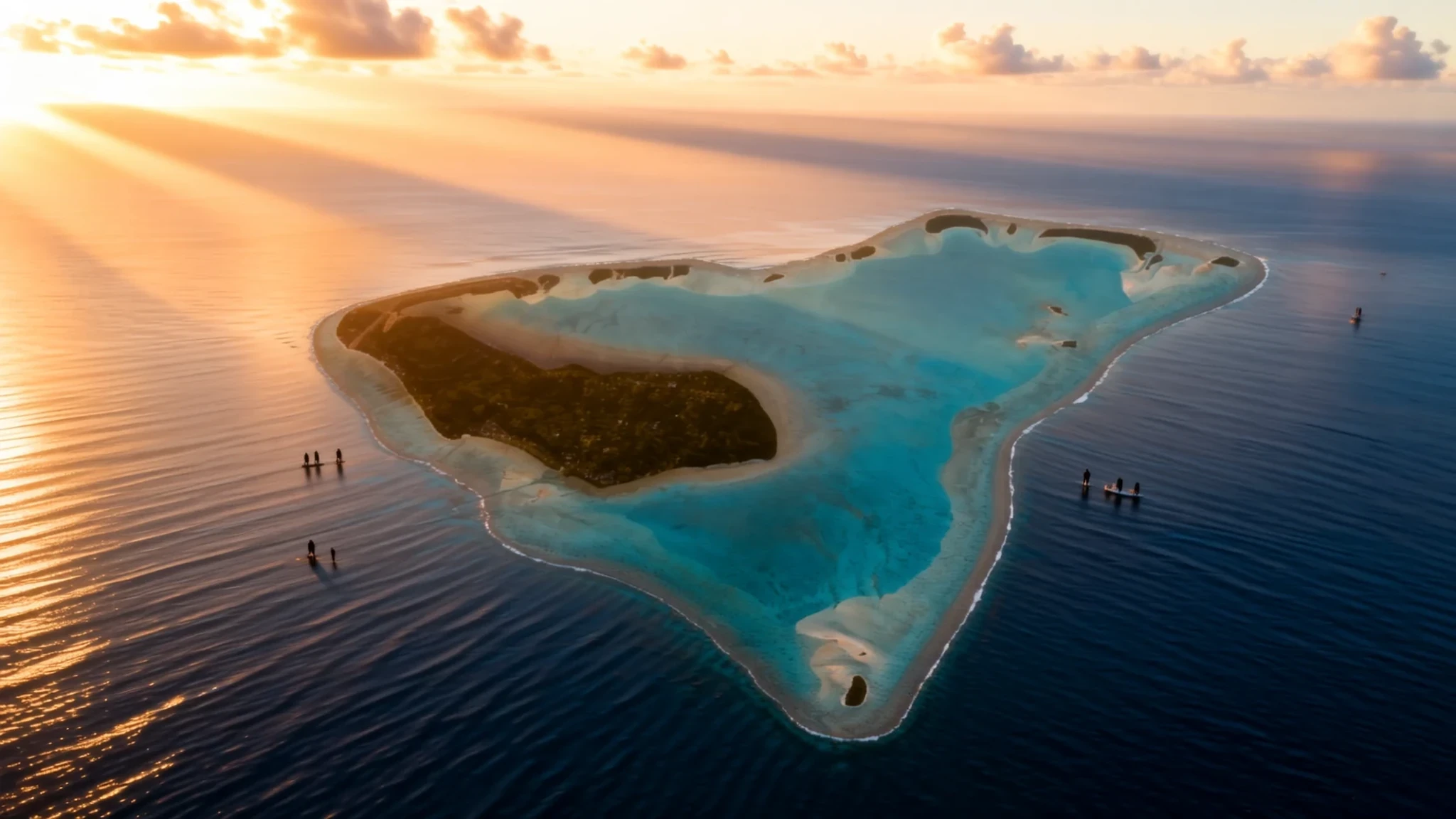
Aitutaki is a clear lagoon ringed by reef and sandy islets, best suited to slow days on the water rather than city sightseeing.
The place
Aitutaki comes second to Rarotonga both for how many people live there and for how many visitors it draws. Geographers call it an almost atoll: a broad lagoon sits inside a ring of reef and small islets, but one side carries real high ground, which is why the island looks different from its low neighbours. The highest point, Maunga Pu, lies near the northern end, and the main village, Arutanga, sits on the west side, where most shops, services and the market are found. The island is small enough to explore by road in a day, though most of the time is spent on the water. The lagoon is the main draw. Its shallows run from pale green over sand to deep blue at the reef edge, and the motu, the low sandy islets on the rim, serve as picnic stops and beaches for lagoon cruises. Tourism shapes daily life, and a large share of the workforce is employed in restaurants and accommodation, so the island is geared to visitors without feeling like a resort town. Services often run at an unhurried pace, and the easiest days are planned around the weather rather than a timetable.
Its story
Polynesian voyagers settled Aitutaki many centuries ago, and they kept in touch with distant islands for generations. Basalt adze heads found on the island have been traced to quarries in Samoa to the west and in the Society Islands to the east, which shows how far materials and people moved across the ocean. Oral tradition says the island was raised from the sea by Te Erui after a voyage from Avaiki, and other traditions name further early settlers, including Ru, Kai and Ruatapu. The first recorded European visitor was Captain Bligh of HMS Bounty, who landed shortly before the mutiny that made his ship famous. Christianity came later, carried by the London Missionary Society. John Williams visited in the early nineteenth century and left two teachers, Papeiha and Vahapata, whose work made Aitutaki the first of the Cook Islands to adopt the faith. The church they helped build in Arutanga is the oldest in the country. Aitutaki also has its own place in the political story. When chiefs of Rarotonga and other islands signed instruments of cession to Britain at the turn of the twentieth century, Aitutaki was not among them, so its ties to the wider group were drawn differently from the rest.
What to see
- One Foot Island (Motu Tapuaetai) — Lagoon, reached by boat
Motu Tapuaetai, known in English as One Foot Island, is the picnic stop on almost every lagoon cruise. Its blue water and white sand make it an easy half-day destination. Take water and sun protection, because there is little shade beyond the palms. Swimming is easy, and the sand can be walked quickly. Boat groups can arrive together, so go early if you want quiet.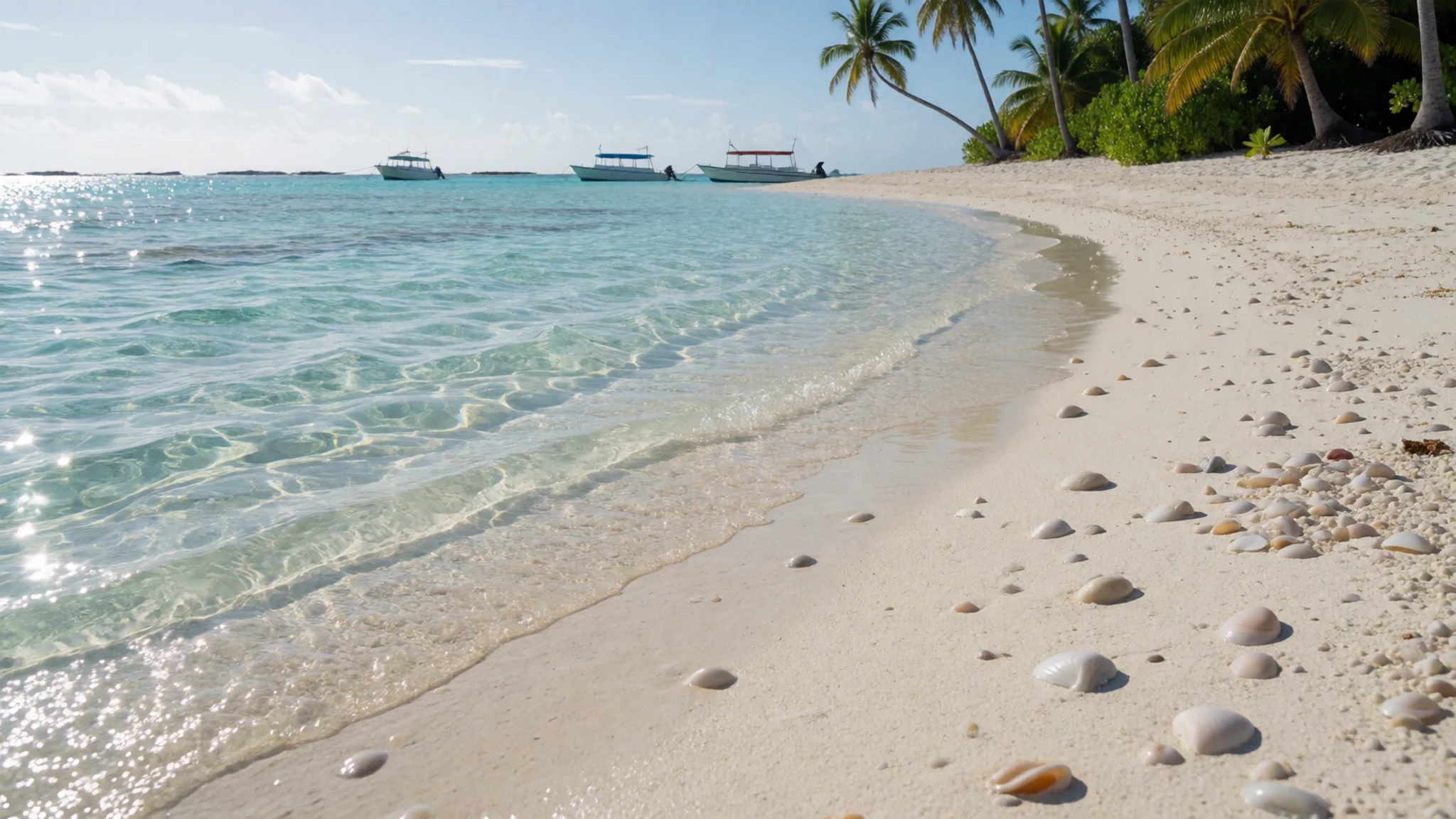
- Ministry of Marine Resources — Aitutaki main island
The Ministry of Marine Resources is the easiest way to learn about the lagoon before you get in it. Staff explain the sea life of the lagoon, and visitors can see baby sea turtles and giant clams. It is a sensible first stop for families or anyone who wants to understand the reef before snorkelling. Check opening times locally, because they change.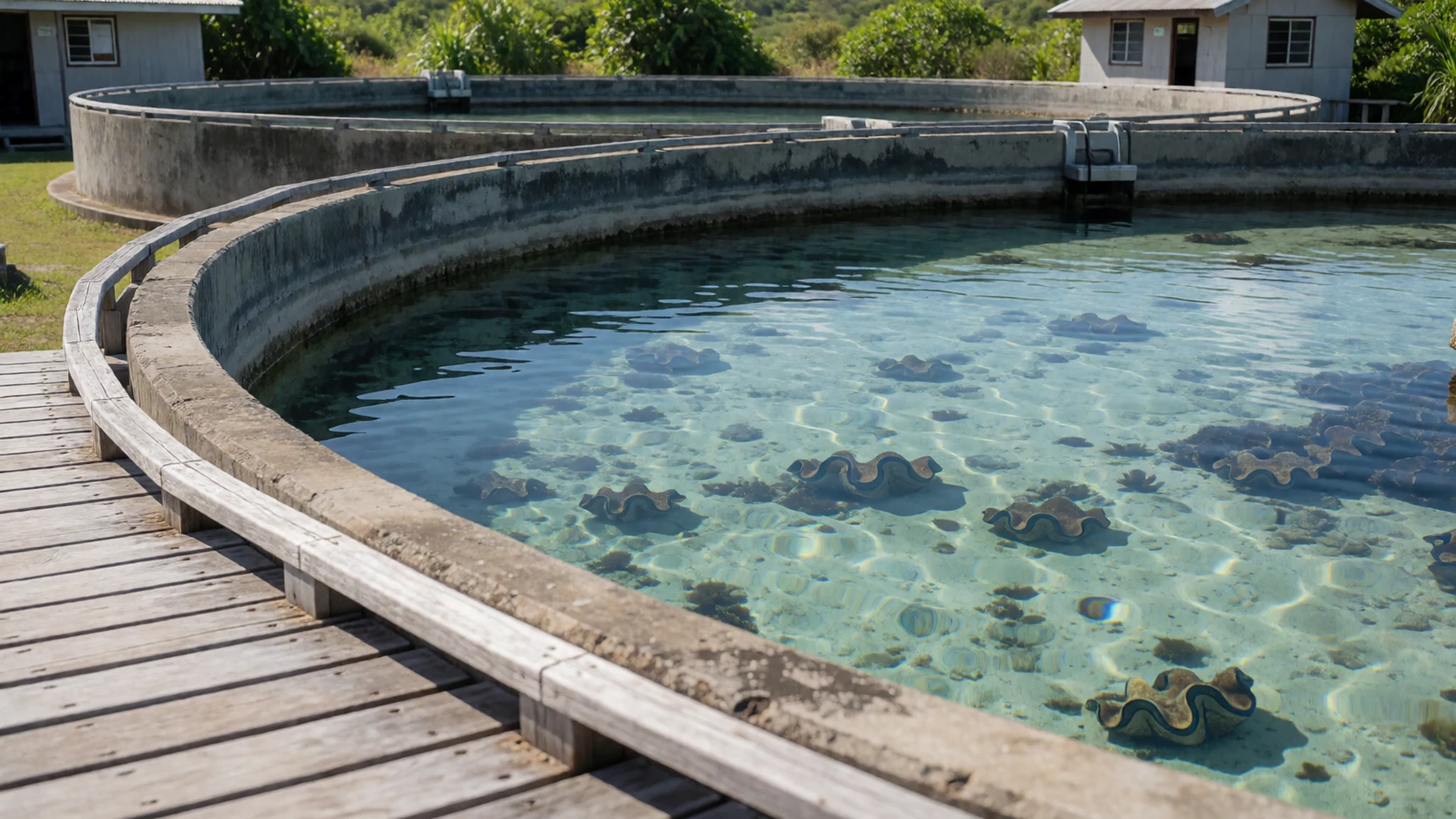
- Snorkelling past the rock ledge — Reef edge, east and south of the rock ledge
The best snorkelling is found by heading past the rock ledge around the island and towards the reef. Water here is clear, with coral and plenty of reef fish. Wear reef shoes: venomous stonefish live in the lagoon and the coral is sharp underfoot. Go with a local operator if you are unsure of the currents, and never stand on the coral for a better view.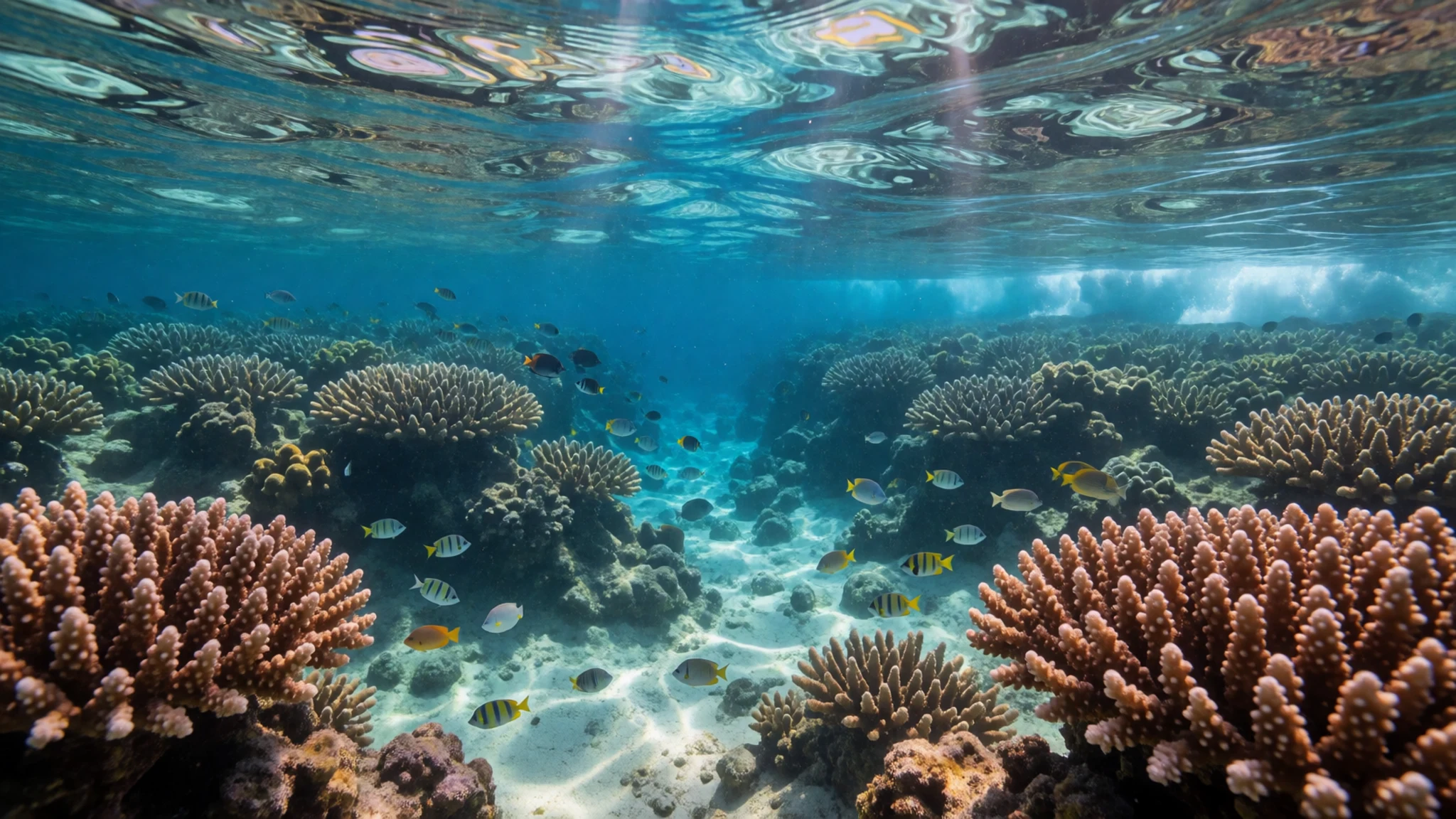
- Cook Islands Christian Church, Arutanga — Arutanga, the main village
The Cook Islands Christian Church in Arutanga is the oldest church in the country, built by two LMS teachers, Papeiha and Vahapata, who were left behind by John Williams. It is a working congregation, so treat it as a place of worship rather than a viewpoint. Dress modestly, covering shoulders and knees, and ask before photographing inside.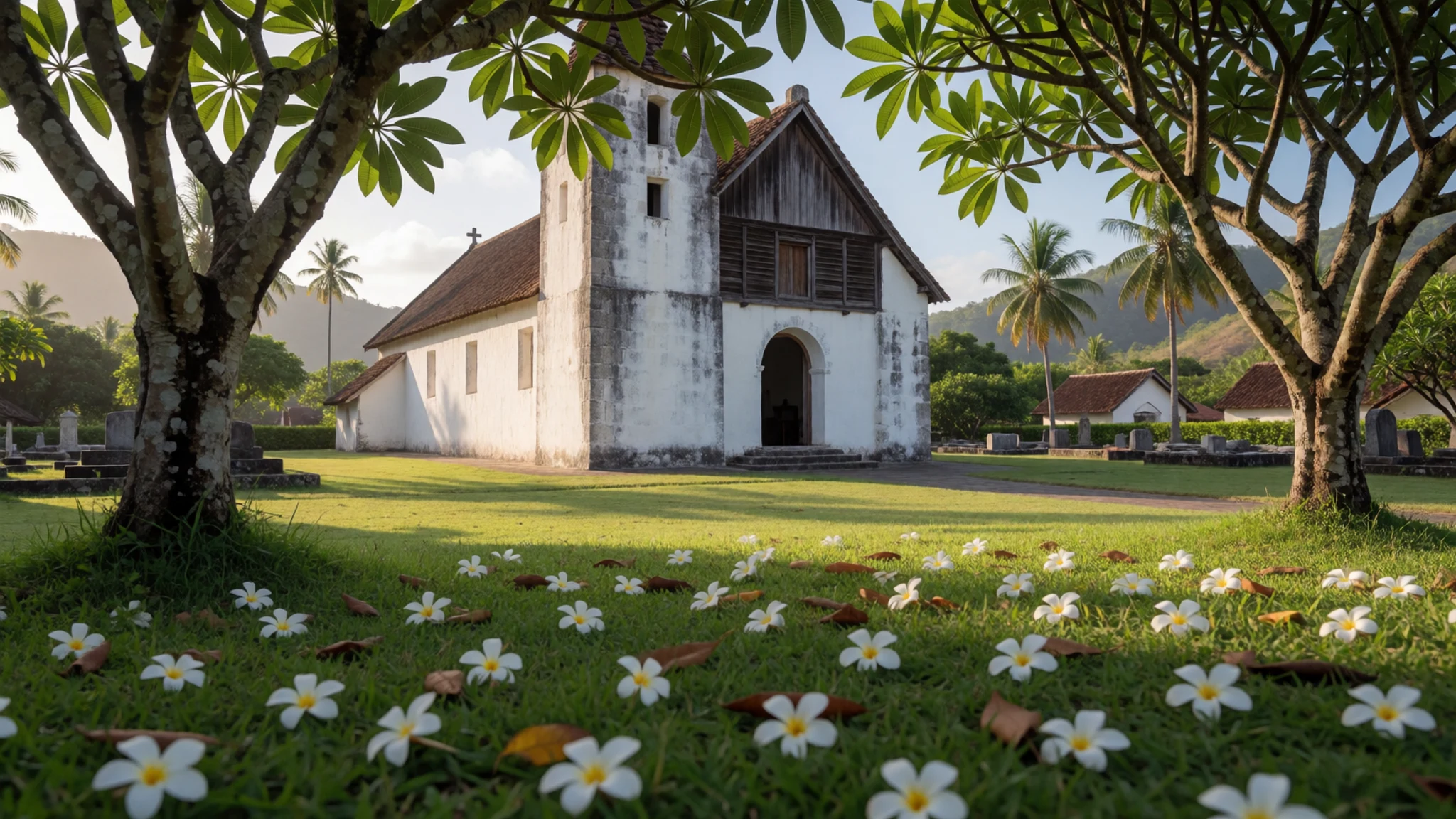
- Aitutaki Lagoon Resort & Spa and Akitua — Akitua islet, lagoon side
Aitutaki Lagoon Resort & Spa sits on its own private island, Akitua, directly on the lagoon. Non-guests can buy day passes that cover water sports equipment, beaches, the bars, the restaurant and Spa Polynesia. The Flying Boat Beach Bar & Grill offers some of the best lagoon views on the island. Book ahead in peak season, and check the official site for what each pass includes.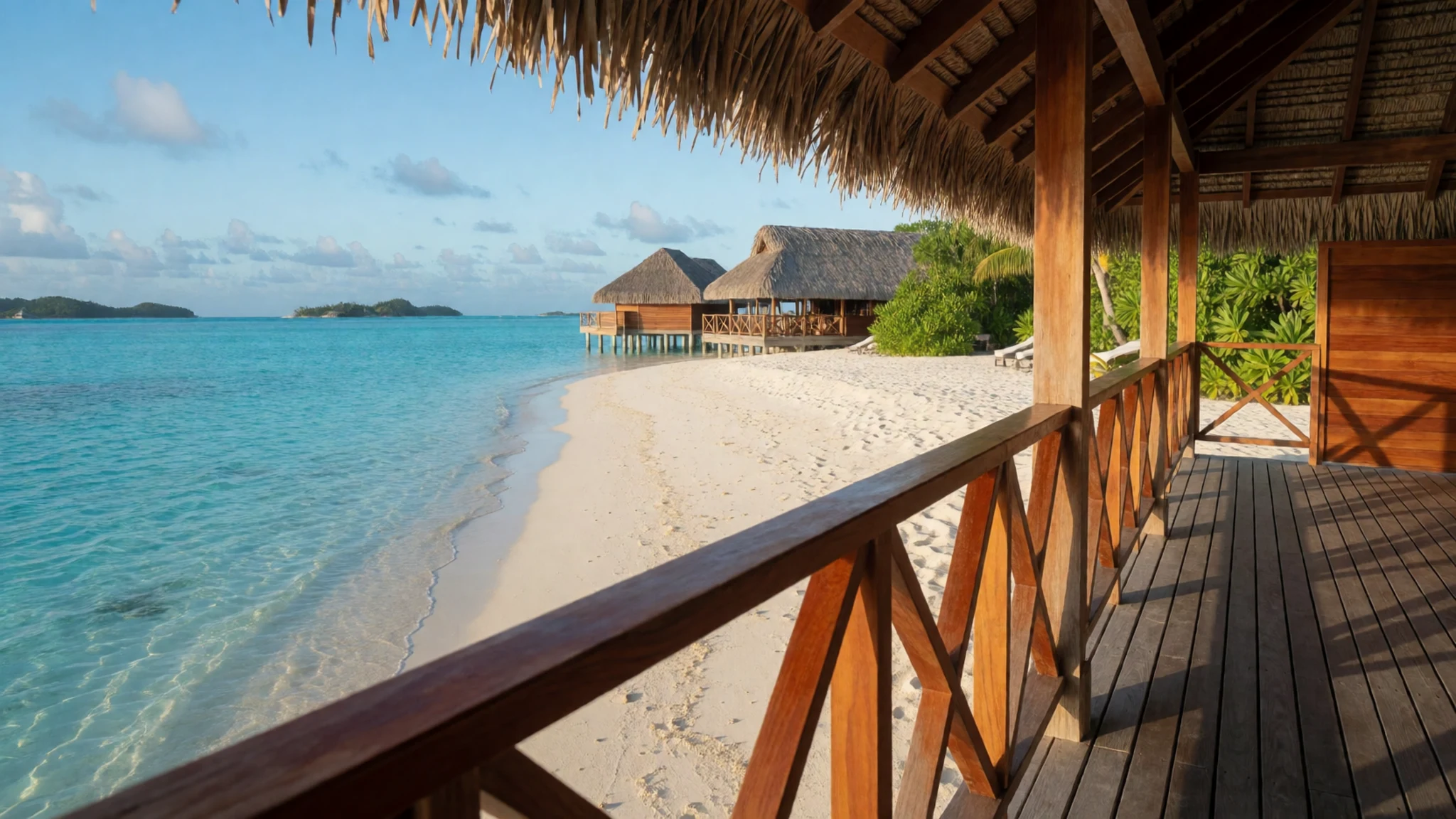
Culture
Aitutaki is a small community, and daily life revolves around family, church and sport. Rugby union and netball are the most popular sports, with volleyball close behind, and the island's best players represent it against their main rivals on Rarotonga. A large share of people with Aitutaki roots live overseas, so visitors often meet relatives of residents in unexpected places. Araura College is the island's only secondary school, and several primary schools serve different villages, which keeps education closely tied to local neighbourhoods. Church life is central to many households, and the village rhythm is steady rather than rushed. The people are generous with visitors, but this is not a stage set for tourists. Ask before photographing people or their homes, and dress modestly and keep noise low when you pass a church.
What to wear
Traditional dress on Aitutaki, as across the Cook Islands, centres on the pareu, a printed wrap cloth worn at the waist or over the shoulders. Flower garlands, known as rei, are worn for welcomes and celebrations and are often made from locally gathered blossoms. Tivaevae, the appliqué quilts sewn by women's groups, carry family designs and are given at weddings and important occasions. Older island fashions used bark cloth, but this is now seen mainly in ceremony and museums. In everyday life, people in Aitutaki wear T-shirts, shorts, sundresses and sandals, with a pareu worn as a beach cover. For church, many people dress more formally, with dresses, shirts and neat footwear. As a visitor, choose light cotton, a sun hat and sunglasses, and carry a pareu to cover up when you leave the water. Cover shoulders and knees in the village and at church, and wear reef shoes in the lagoon, where the coral is sharp and stonefish are present.
What to eat
- Ike mata (raw tuna) — Lagoon-side eateries and restaurants in the main village
Ike mata is raw tuna marinated in citrus and finished with coconut milk, a dish shared across the Pacific. It is a local favourite, and fresh fish is best eaten the day it is caught. Ask for it at a lunch spot with fish on the menu.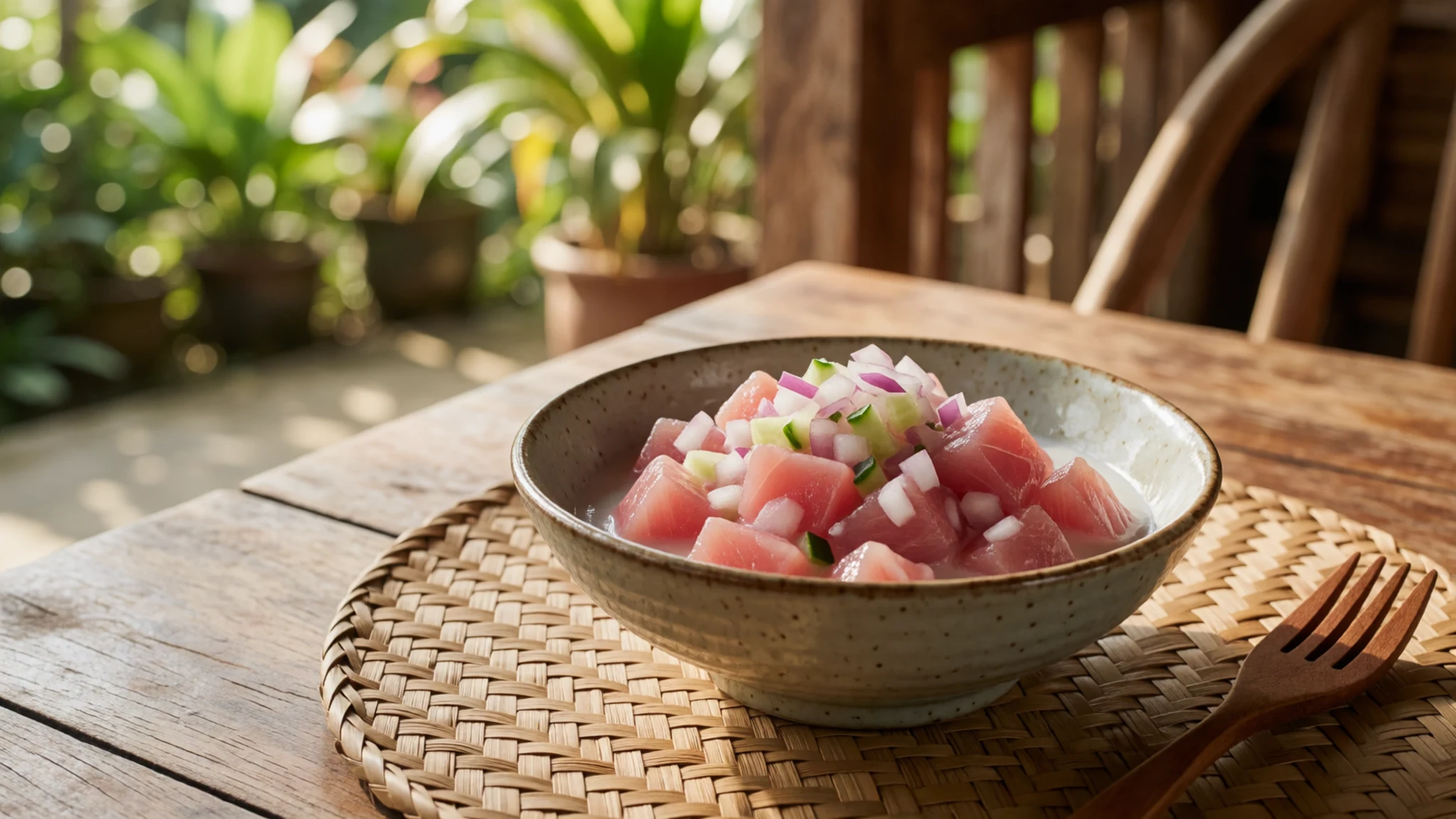
- Sunday barbecue — A beachside bar in the main village, on a Sunday
Barbecue is the weekend social meal on Aitutaki, and some bars hold a Sunday session that draws locals and visitors. Expect grilled fish and meat with simple sides, eaten informally. It is a good way to meet people, and you can ask the bar staff which days their grill is lit.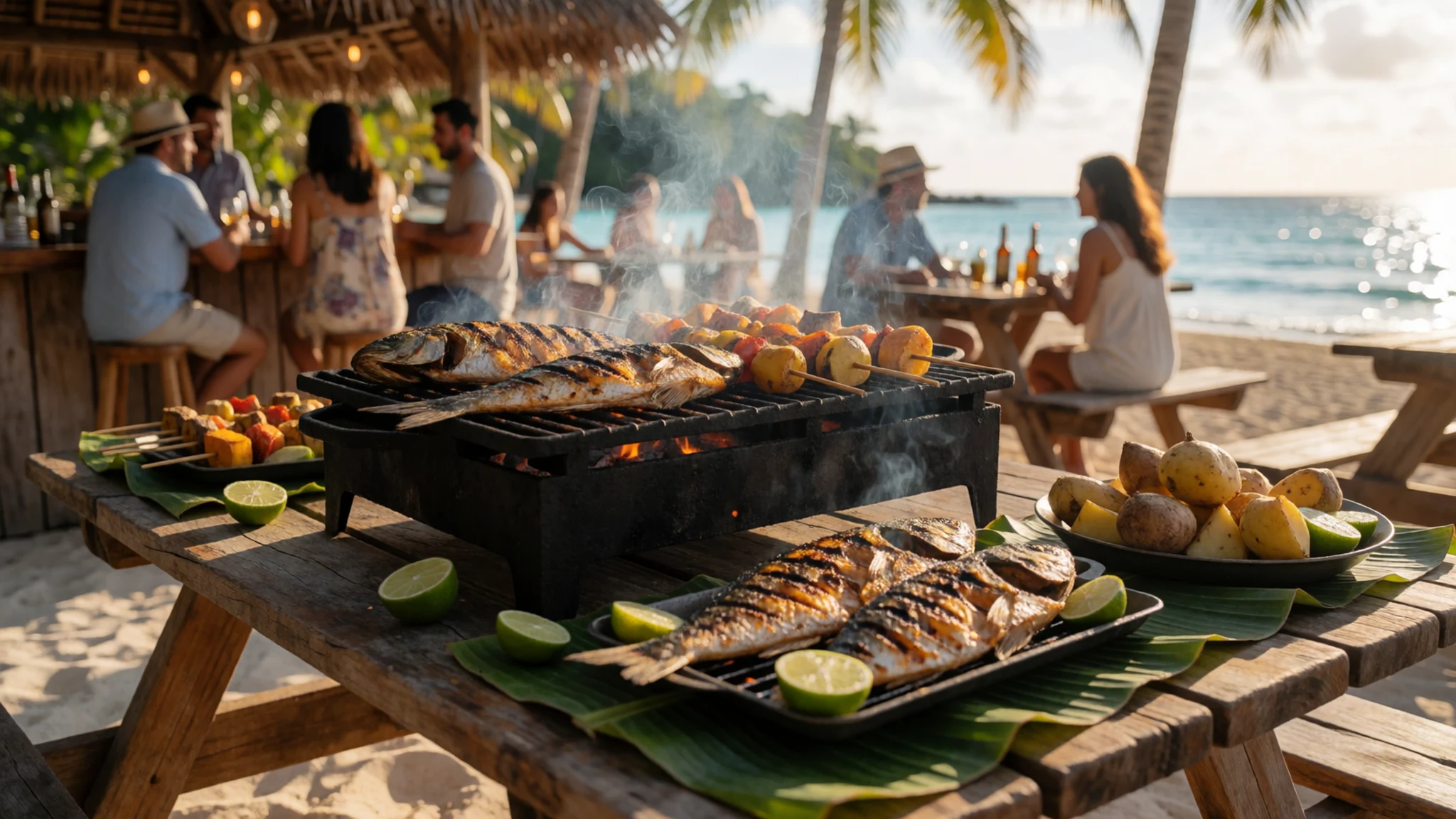
- Grilled reef fish — Waterfront restaurants and boathouses on the lagoon edge
Grilled reef fish is the everyday seafood of the lagoon, usually cooked simply with lime and salt. Lagoon boathouses and waterfront restaurants serve it, and menus change with what the fishermen bring in. Ask what came in that morning and choose from the day's catch. - Garden lunch — Garden cafés on the island, often with their own plantations
Some cafés on Aitutaki serve lunch built from produce grown on their own plots, with fish from the surrounding sea. Expect root vegetables such as taro and breadfruit alongside salads and fresh fruit. It is a slower, lighter meal and a good midday break from the beach. - Espresso and coffee — Cafés in Arutanga, the main village
Espresso is served at cafés in the main village, and some have wifi internet. Order a flat white or long black, and use the break to plan tomorrow's boat trip. Coffee here is a practical stop rather than a destination meal.
Plan it
Best time. June to September is the drier season and the most reliable time for lagoon days, with August the coolest month. The wetter months from November are hotter and more humid, with more rain and the risk of storms. Check local forecasts before booking boats.
How long. 2–3
Getting there. Most visitors fly from Rarotonga, where the international airport connects the Cook Islands, to Aitutaki on a short domestic flight. Book the connection well ahead and check the airline's baggage limits.
Budget. mid
Tips
- Book flights and accommodation early, since many providers set a minimum stay.
- Carry bottled water, because the tap water is filtered but not UV treated; free refill points are available near the market in town.
- Start lagoon trips in the morning, when the water is calmer and the sun is less fierce.
- Bring cash for small purchases, and check ahead whether cards are accepted where you plan to eat or shop.
- Bring mosquito repellent. Mosquitoes are present, though malaria is not a risk here.
Etiquette
- Wear reef shoes in the lagoon, and do not touch or stand on the coral.
- Dress modestly in the village and at church, covering shoulders and knees.
- Ask before photographing people, especially at church or family gatherings.
- Take your litter home, and leave shells and coral where you find them.
Nearby
Sources
- Wikidata Q223379 (CC0)
- Wikipedia (rev 1382324786) (CC BY-SA 4.0)
- Wikivoyage (rev 5388832) (CC BY-SA 4.0)
- Motu Tapuaetai (One Foot Island) photo (Public domain)
- Apollo-Soyuz AST-01-039 Aitutaki atoll photo (Public domain)
- Aitutaki Atoll photo by Nick Longrich (CC BY-SA 4.0)
- Aitutaki reef photo by Nick Longrich (CC BY-SA 4.0)
- Aitutaki beach photo by Nick Longrich (CC BY-SA 4.0)
- Topographic map of Aitutaki (Public domain)
- Districts and tapere of Aitutaki (Public domain)
- Constituencies of Aitutaki (Public domain)


