Mangaia
Mangaia, Cook Islands
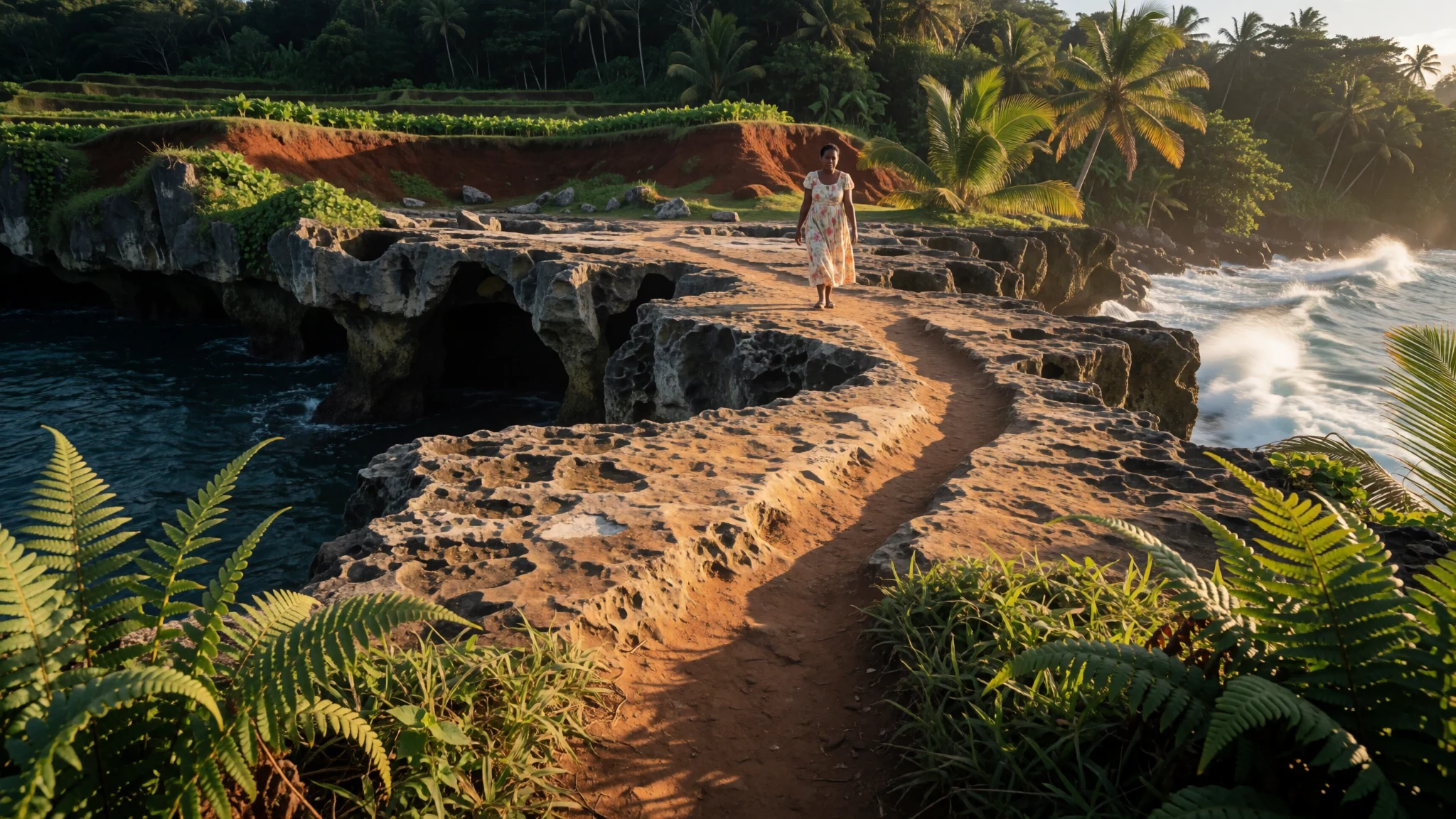
Mangaia is a raised-reef island in the southern Cook Islands, with cave walks, quiet villages and a landscape unlike the lagoon islands.
The place
Mangaia sits in the southern Cook Islands and looks quite unlike the postcard Pacific. Instead of a wide lagoon edged with sand, it is a raised island: an old volcano wearing a collar of fossil coral reef, known as makatea, which stands as a rocky wall between the central hills and the sea. The reef drops almost straight into deep water, so swimming happens in sheltered rock pools and a few gaps in the shore rather than on long beaches. The makatea is sharp, honeycombed limestone, riddled with caves and sinkholes, and it is the main reason the island feels so different from Rarotonga or Aitutaki. Inside the collar, the land opens into wet taro terraces, then climbs to ridges of red volcanic soil with views over the whole island. A road runs around the edge and a few tracks cut inland. Villages are small and spaced around the coast, with Oneroa the main settlement and the usual place to find the shop, the church and the people who know where everything is. Life is quiet. Fishing, taro growing, church and family set the rhythm, and visitors are guests of the community more than customers. Accommodation is mostly homestays and small guesthouses, which suits the scale. Heat and humidity are steady all year, with a wetter spell in the southern summer. Anyone wanting resort comforts should look at other islands in the group; anyone happy to walk, listen and eat what the family cooks will find Mangaia rewarding.
Its story
Mangaia's history begins with Polynesian voyagers, and island tradition holds that its people descend from them and from gods such as Rongo and Tangaroa, whose names still turn up in chants, place names and carving. Oral history describes a society divided into districts, each with its own chiefs and priests, and periods of fierce rivalry between them. The island's basalt adzes, polished and bound to carved handles, were prized objects of that world, and examples now sit in museum collections far from home. European contact came late and briefly: Captain James Cook's ships reached the island during his Pacific voyages, but rough reef and steep shores discouraged landing, so Mangaia stayed more isolated than many neighbours. The decisive change came with Christian missionaries, who arrived with teachers from the Society Islands. Within a short time the old religion gave way to the church, which today anchors village life, with a large building in every settlement. Traditional titles survive in the form of ariki, hereditary leaders who still hold ceremonial weight. Mangaia is now part of the self-governing Cook Islands, which has a close relationship with New Zealand. Like many outer islands, it has lost younger people to Rarotonga, New Zealand and Australia, and families keep their ties through remittances, return visits and a strong sense of belonging to the land.
What to see
- Oneroa and the coast road — Oneroa, west coast
Oneroa is the easiest starting point for understanding Mangaia. Walk or cycle the main road, look at the white church, the small shops and the old hillside houses, and notice how the village sits above the reef edge. Early morning is cooler and people are out and willing to chat.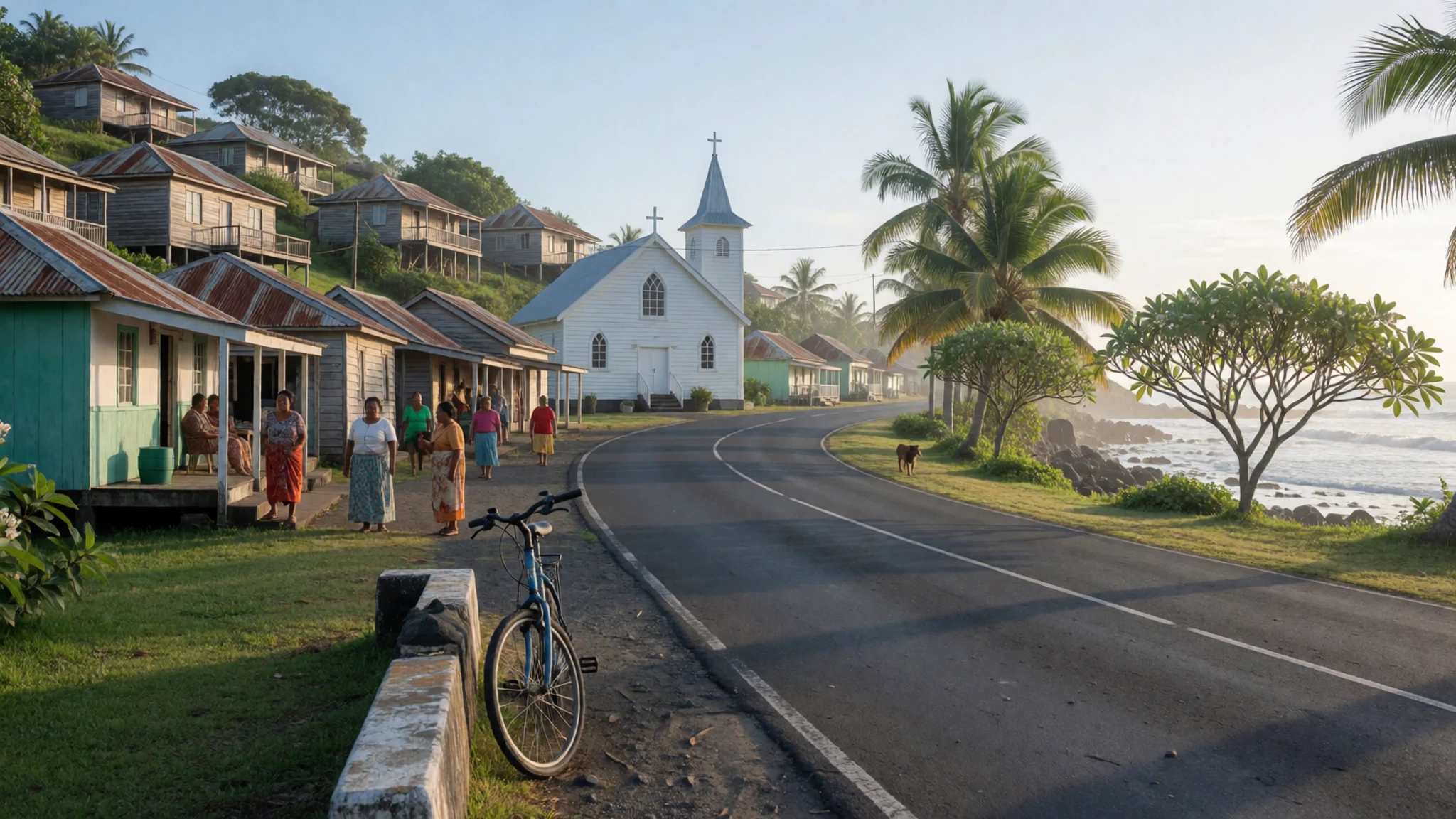
- The makatea walk — Coastal belt around the island
The raised fossil reef circling the island is rough, sharp limestone shaded by ferns and trees. Narrow paths cross it between villages and the inland taro land. Wear closed shoes with good grip, carry water, and go with a local guide, because the surface is uneven and easy to lose track of.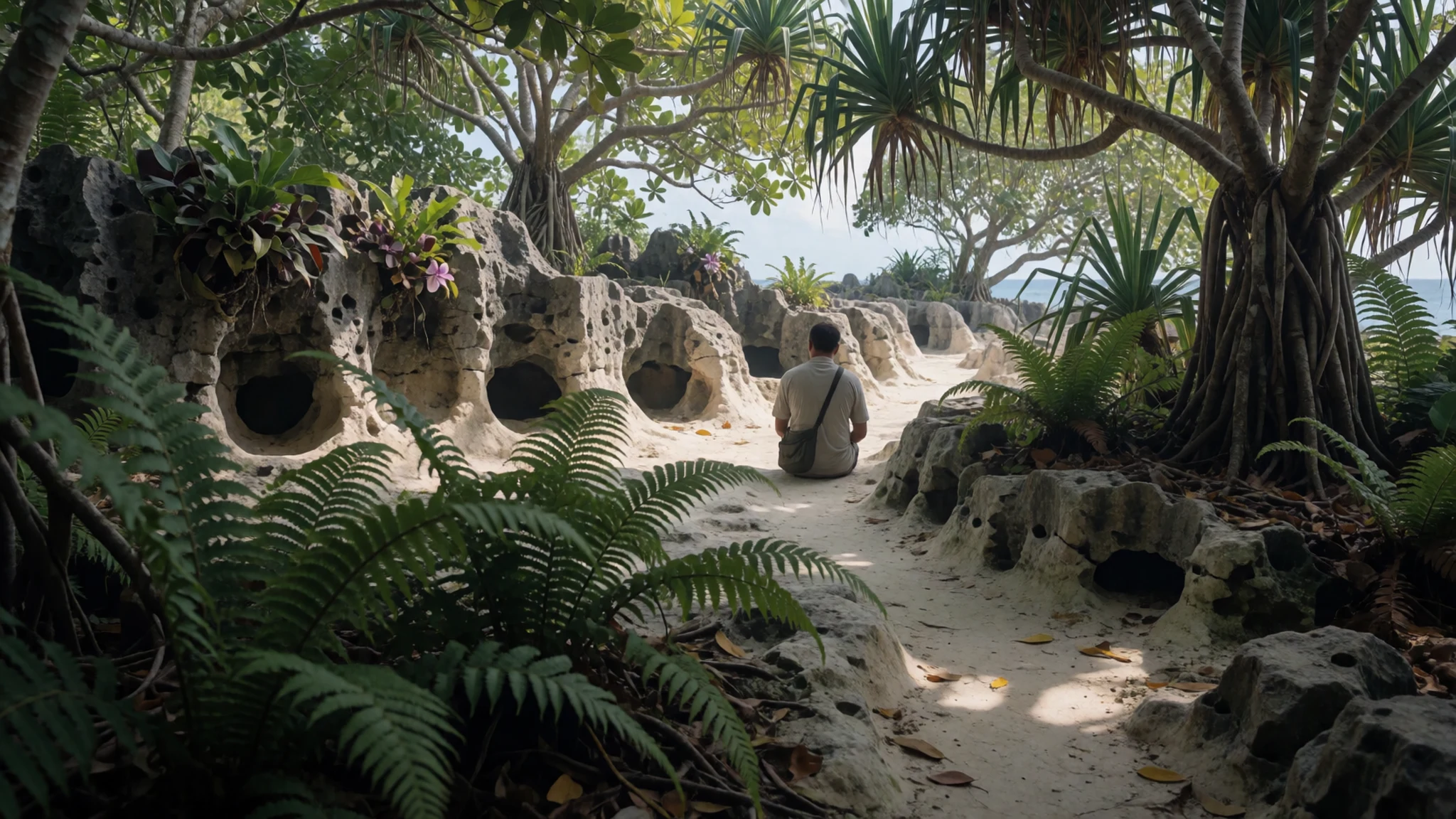
- Teruarere cave — Makatea, inland edge
Mangaia's caves are limestone chambers with stalactites and pools, some used in the past for burial and refuge. Teruarere is among those visitors are most often taken to. Access depends on the family who looks after it, so arrange a guide through your homestay, and bring a torch.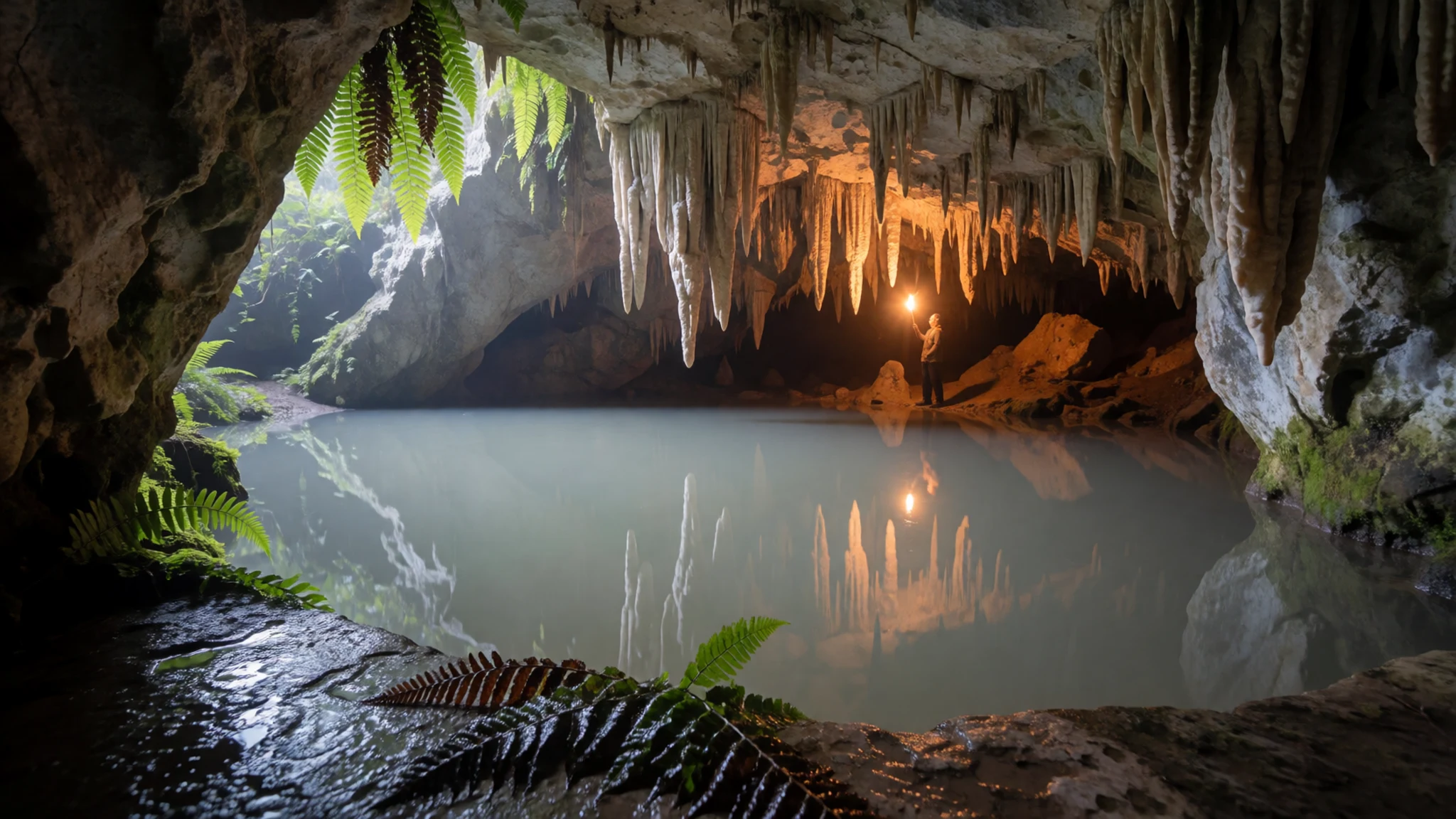
- Rangimotia ridge — Central hills
The central hills rise from the taro swamps into red-soiled ridges, and Rangimotia is the high point of the island. A walk up gives views over the makatea, the villages and the open ocean in every direction. Go early, before cloud and heat build, and ask locally about the best track.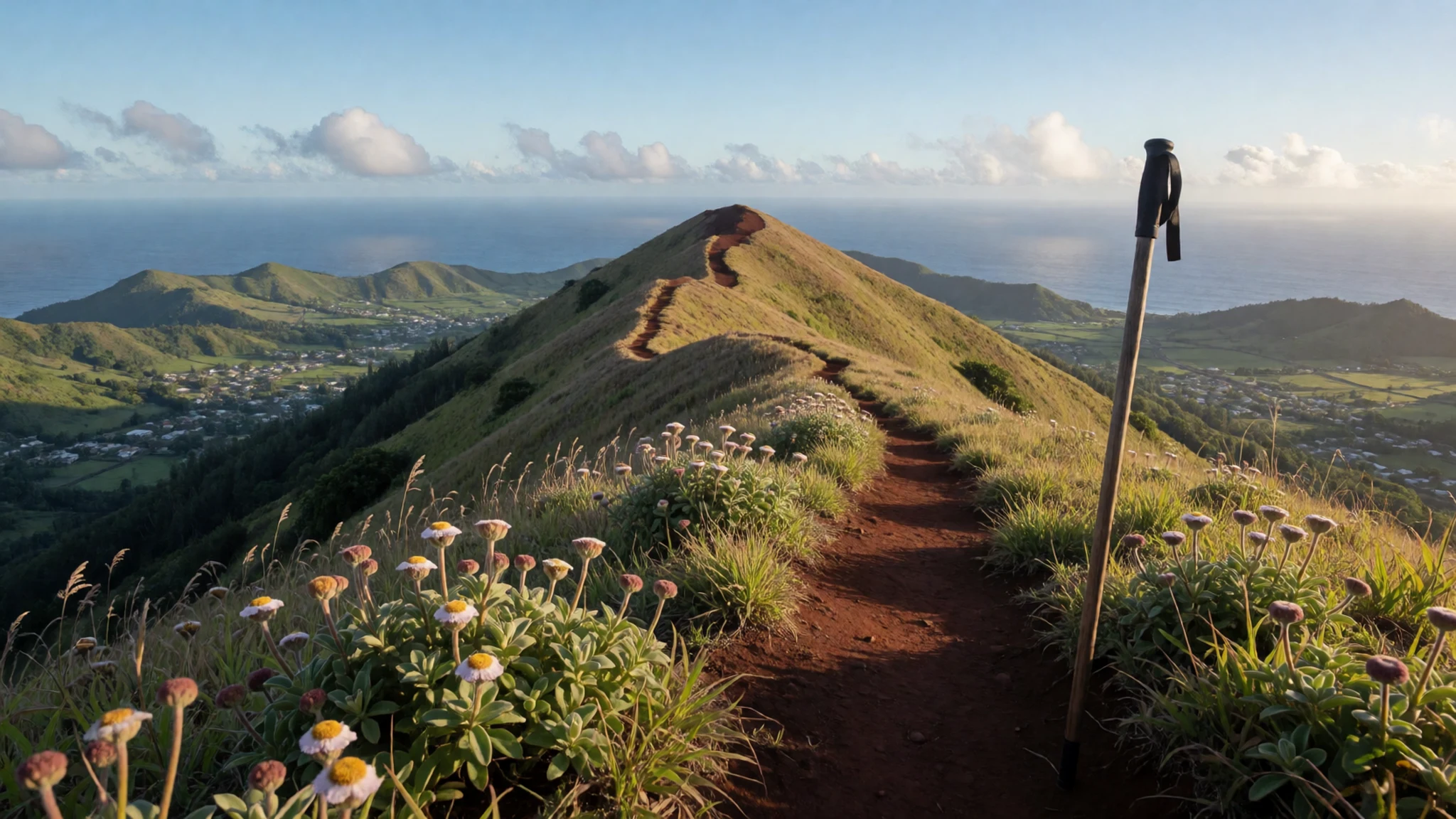
- Lake Tiriara and the taro lands — Inner lowlands
Between the hills and the makatea lie wet terraces where taro has been grown for generations, with a small lake nearby. It is a good place for a slow walk, for birdwatching and for seeing how water, soil and labour shape island life. Ask before entering any plot, as they are private gardens.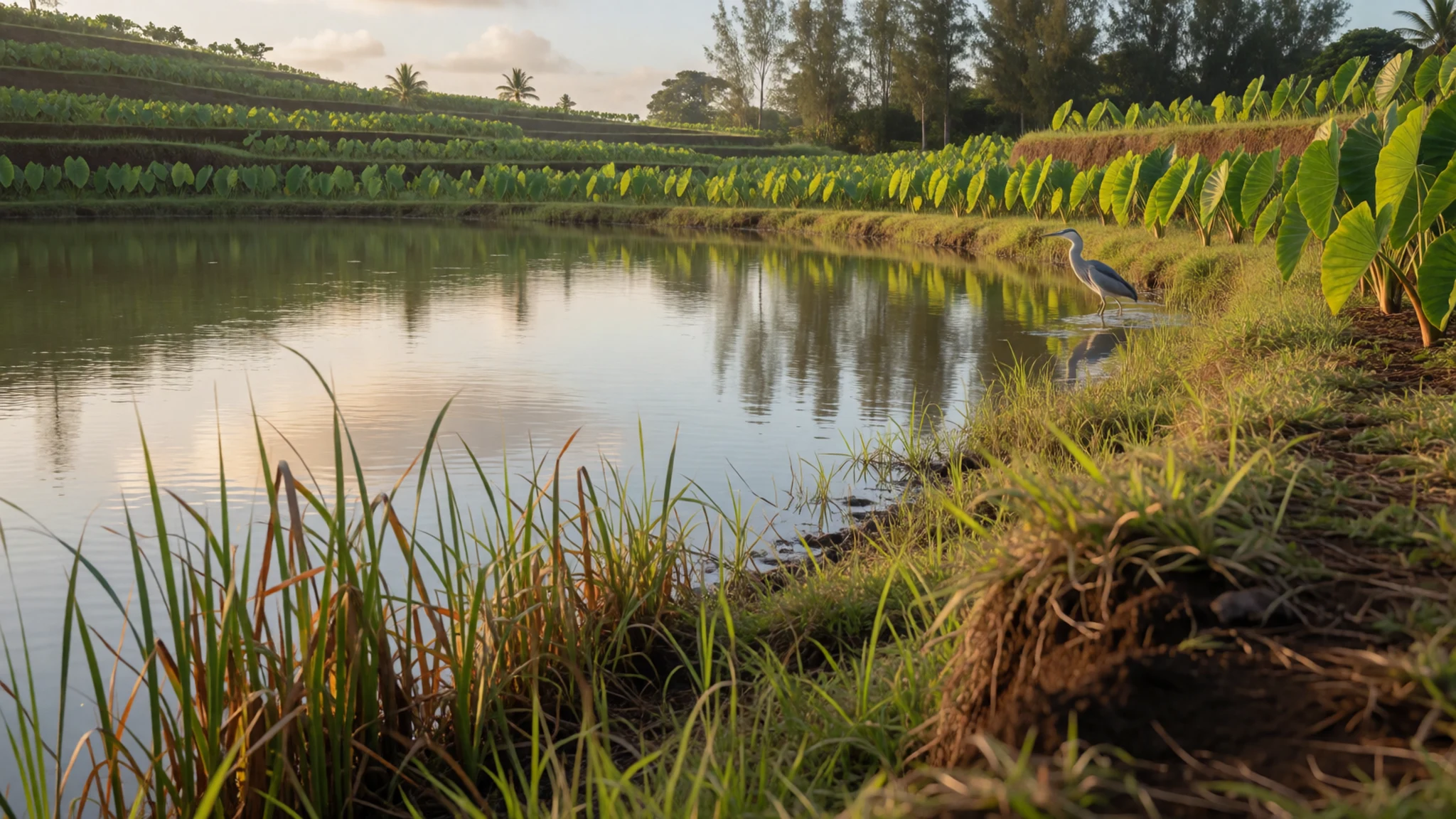
Culture
Mangaia's culture is shaped by three things: the church, family land and a long memory of the island's own traditions. Most people speak a Mangaian dialect of Cook Islands Māori alongside English, and a few words of greeting, starting with kia orana, are noticed and appreciated. Sunday is the centre of the week. Villages attend services in their best clothes, sing in harmony that is worth hearing even for those who do not usually go to church, and then share a family meal. Shops and activities mostly close. The ariki, hereditary chiefs, still carry authority over ceremonies and some land matters, and island councils work alongside the national government. Crafts remain part of daily life, especially tivaevae, the appliquéd and patchwork quilts made by women's groups, and woven items made from pandanus and coconut leaf. Dance and drumming are taught to children and shown at community events rather than put on for tourists, so any performance is likely to be a local occasion that visitors are being allowed to join. Hospitality is generous, and a guest is expected to accept food and conversation, and to offer thanks and a small gift in return. Stone platforms, caves and burial places carry family and spiritual meaning. On Sundays dress modestly, keep noise and activity to a minimum, and always ask your host before entering a cave, a burial site or any family land.
What to wear
Traditional dress on Mangaia is made from plant materials and bark cloth, with woven mats, pandanus skirts and feather ornaments worn by chiefs and dancers in the past. Today those forms survive mainly in dance costume, where skirts of plant fibre, flower and shell necklaces and headbands are worn for festivals and ceremonies. The best-known textile art is the tivaevae, a bold, hand-stitched quilt with flowers and leaves in bright colours. It is made by women in groups and is used as a bedcover, a gift for weddings and funerals, and a sign of family pride. Daily clothing is light and practical. Men wear shorts or a pareu, a wrapped cloth, with a shirt, and women wear cotton dresses or wraps, often in island prints. On Sundays, people dress in their best for church, with women commonly wearing white and a woven hat, and men wearing a shirt and tie or an island-print shirt. A flower garland, called an ei, may be placed around visitors' necks as a welcome. A visitor should pack lightweight cotton or linen, a hat, and a rain jacket for the wetter months. Cover shoulders and knees for church. For the makatea and caves, wear sturdy closed shoes or old trainers, since the limestone is sharp and sandals will not last. Swimwear is for the shore and pools only, not the village.
What to eat
- Umu feast — Family or village gatherings, arranged through a homestay
The umu is an earth oven where taro, breadfruit, banana, pork and fish are wrapped in leaves and cooked slowly over hot stones. It is the dish for Sunday meals and celebrations, and visitors are most likely to taste it by staying with a host family.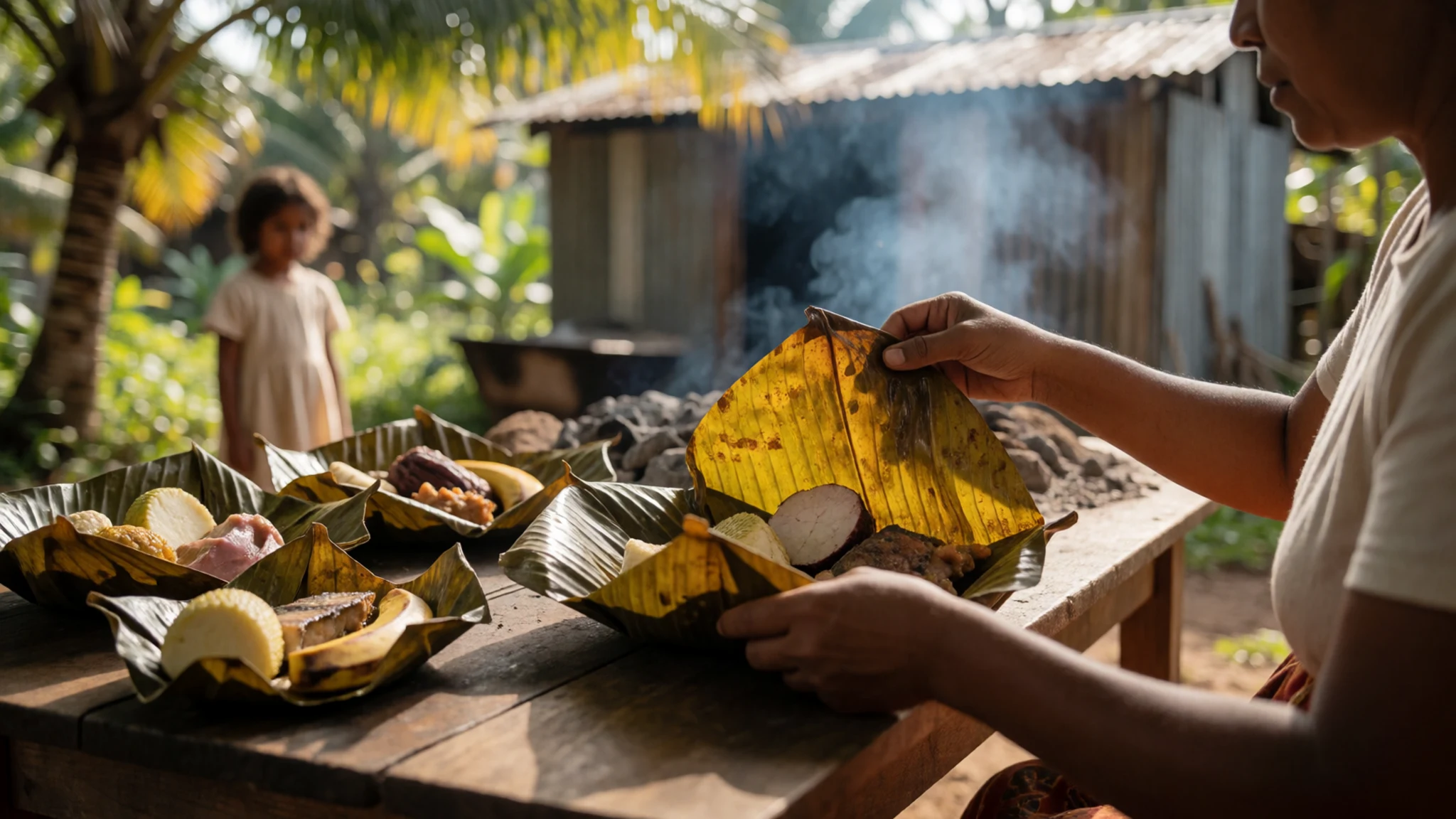
- Ika mata — Homestay tables and small island eateries
Raw fish is marinated in lime or lemon juice, then dressed in coconut cream with onion, tomato and cucumber. Freshness depends on that day's catch, so it is a good test of how close the sea is. It is cool, tangy and easy to like.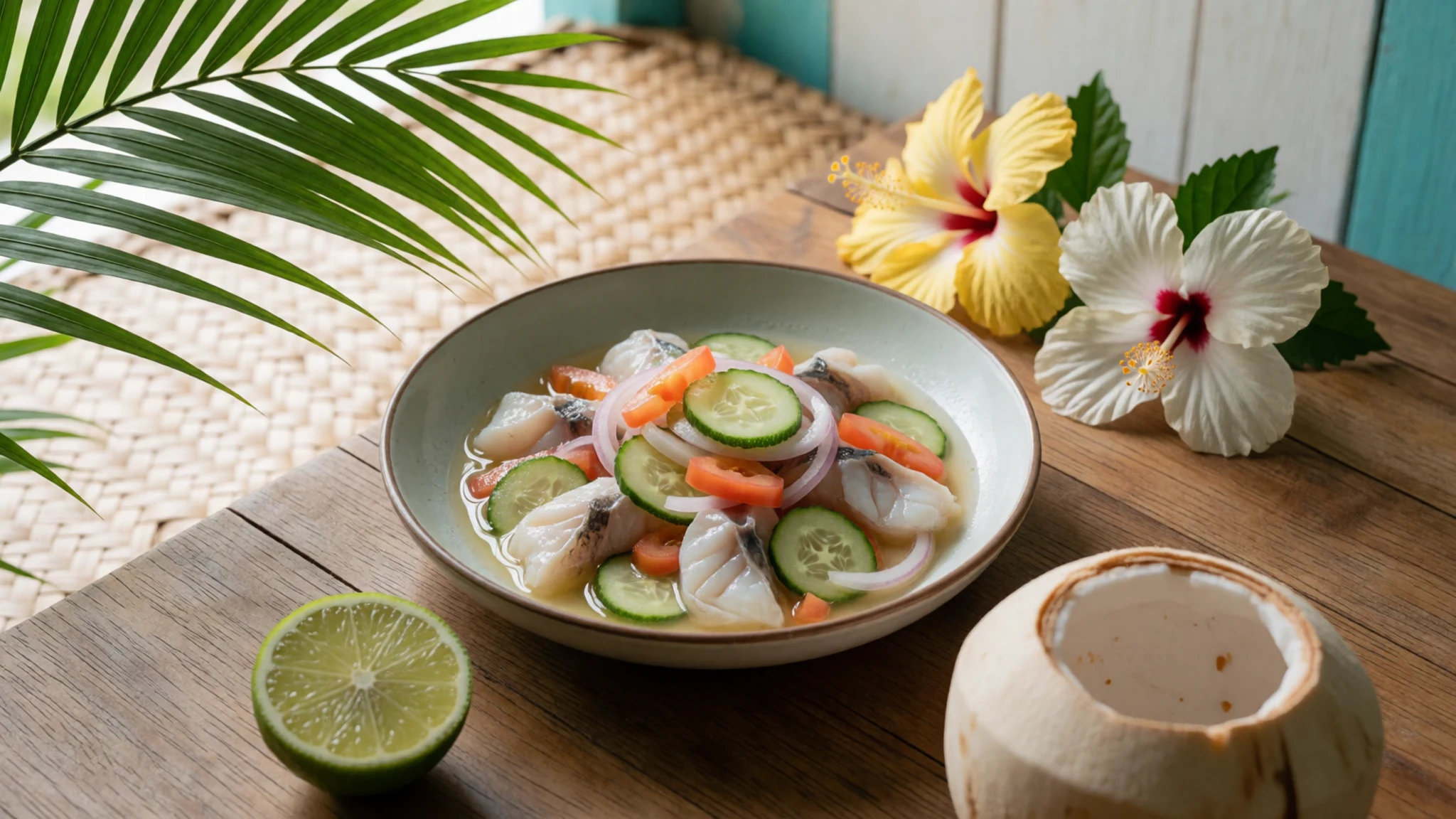
- Rukau — Home kitchens and village feasts
Rukau is young taro leaf, cooked down to a soft, creamy green, often with coconut cream and onion. The flavour is earthy and mild. It usually comes alongside fish, pork or root crops and is a staple of an island meal. - Taro and root crops — Family plots, roadside stalls and homestay meals
Taro grown in the wet terraces is the island's staple, and it appears boiled, baked or mashed. Cassava, sweet potato and breadfruit sit alongside it. The texture is dense and filling, and it is the backbone of most plates you will be served. - Poke — Village kitchens and community events
In the Cook Islands, poke is a sweet pudding of mashed ripe banana or papaya thickened with starch and topped with coconut cream. Served warm or cold, it is a typical way to finish a family meal, and quite different from the raw-fish dish of the same name elsewhere.
Plan it
Best time. May to October is the drier, cooler season with lower humidity, which makes walks over the makatea and up the hills more comfortable. November to April is hotter, more humid and wetter, with the possibility of tropical storms.
How long. 3–4
Getting there. Fly to Rarotonga International Airport, then take a short domestic flight to Mangaia's small airstrip with the island's regional airline. Check the official airline site for the current schedule, as services are limited and can change. Homestay hosts usually meet arrivals.
Budget. mid
Tips
- Book flights and accommodation well ahead, as seats and beds are few
- Bring enough cash from Rarotonga, since card facilities and cash machines are limited
- Carry plenty of drinking water and sun protection for walks
- Arrange cave visits and makatea walks through your host or a local guide
- Pack basics such as medication and insect repellent, as shops are small and stock is limited
Etiquette
- Keep Sundays quiet and dress modestly for church
- Ask permission before entering caves, gardens or family land
- Ask before photographing people
Nearby
Sources
- Wikidata: Mangaia (CC0)
- Wikipedia: Mangaia (CC BY-SA 4.0)
- Wikivoyage: Mangaia (CC BY-SA 4.0)
- Wikimedia Commons: staged photographs of Mangaia (Public domain / CC0 1.0)