Rarotonga
Rarotonga, Cook Islands
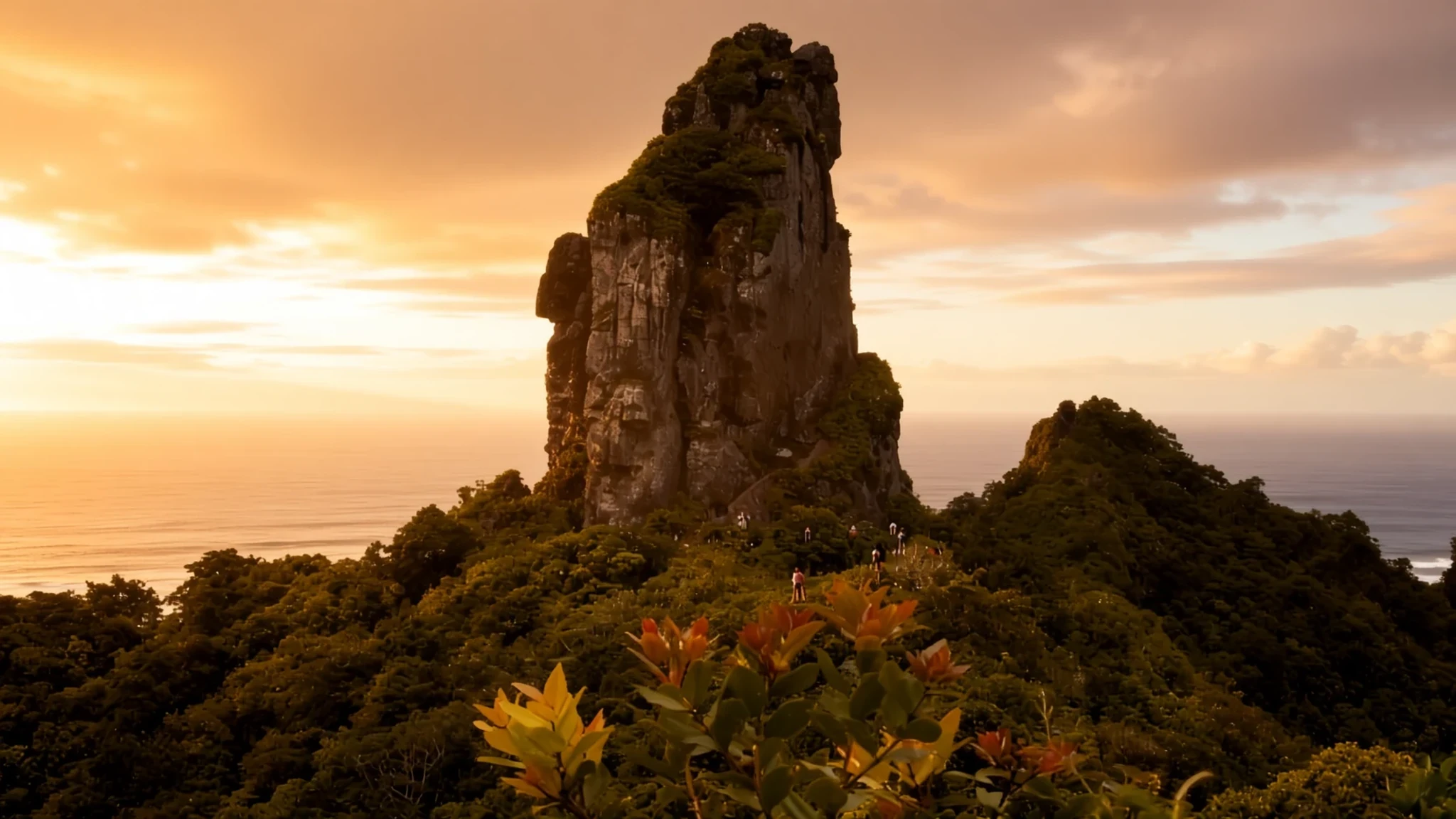
A small volcanic island with forested peaks, a calm reef lagoon and a capital you can walk round in an afternoon, reached by a long flight from New Zealand or Australia.
The place
Rarotonga ranks first in both land area and number of residents across the Cook Islands, with roughly 10,600 people living there. It is volcanic and roughly kidney-shaped, the worn remnant of an ancient volcano whose core is now a ring of forested hills cut by steep valleys. The highest point, Te Manga, rises to 658 m, and Ikurangi, a smaller peak, looks down over the capital. Most of the flat land lies in a narrow band along the coast, where the villages, roads and resorts are concentrated.
Avarua, on the north coast, is the capital and the seat of the national parliament. The international airport lies just along the coast at Nikao, so many visitors pass through the town on the way to a beach. The main street has shops, banks, cafés and a waterfront lined with restaurants and bars, which makes it a sensible base for a first day.
The scenery changes quickly between the wooded interior and the shoreline. Along much of the coast a reef shelters the water, and the lagoon is most easily reached from the sealed coast road. Each village has its own church and community hall, and the quieter south and east coasts feel slower than the busier north. The island fills up in the peak holiday months, but its small size means a day of driving or cycling covers a good share of it.
Its story
Archaeology places the first people in the southern Cook Islands many centuries ago, long before European ships reached the Pacific's southern waters. Oral tradition names several early groups who settled Rarotonga, followed by later arrivals from Tahiti and Samoa whose descendants still anchor many family lines. A chief called Toi is credited with building Te Ara Nui o Toi, a paved road that loops the coast, although the sites along it date from a later period, so legend and evidence sit in different centuries.
Islanders traded across the Pacific. Stone for making adze heads came from islands far away, and links ran to Samoa and the Marquesas. The earliest voyagers brought livestock, cultivated plants and small reptiles, and much of that cargo had roots in Southeast Asia, with some of the crops arriving from the west.
New Zealand Māori tradition also places Rarotonga on the route of the great canoes, and recalls Kupe, the navigator credited with discovering Aotearoa, as a visitor. Europeans reached the island late. In 1789, Fletcher Christian sailed past the island on HMS Bounty without setting foot on it. In 1814, the credited first European to land was Theodore Walker, who captained the colonial schooner Cumberland. Missionaries, traders and later tourism have reshaped the coast, but the inland hills and the old road still carry the island's older story.
What to see
- Cook Islands Library & Museum — Avarua
A smallish museum in Avarua with an audiovisual presentation that visitors can sit and watch comfortably. It makes a manageable first stop before or after a stroll along the main street, and it suits a hot afternoon. Check locally for current opening times before you set off, since small island institutions can change their hours.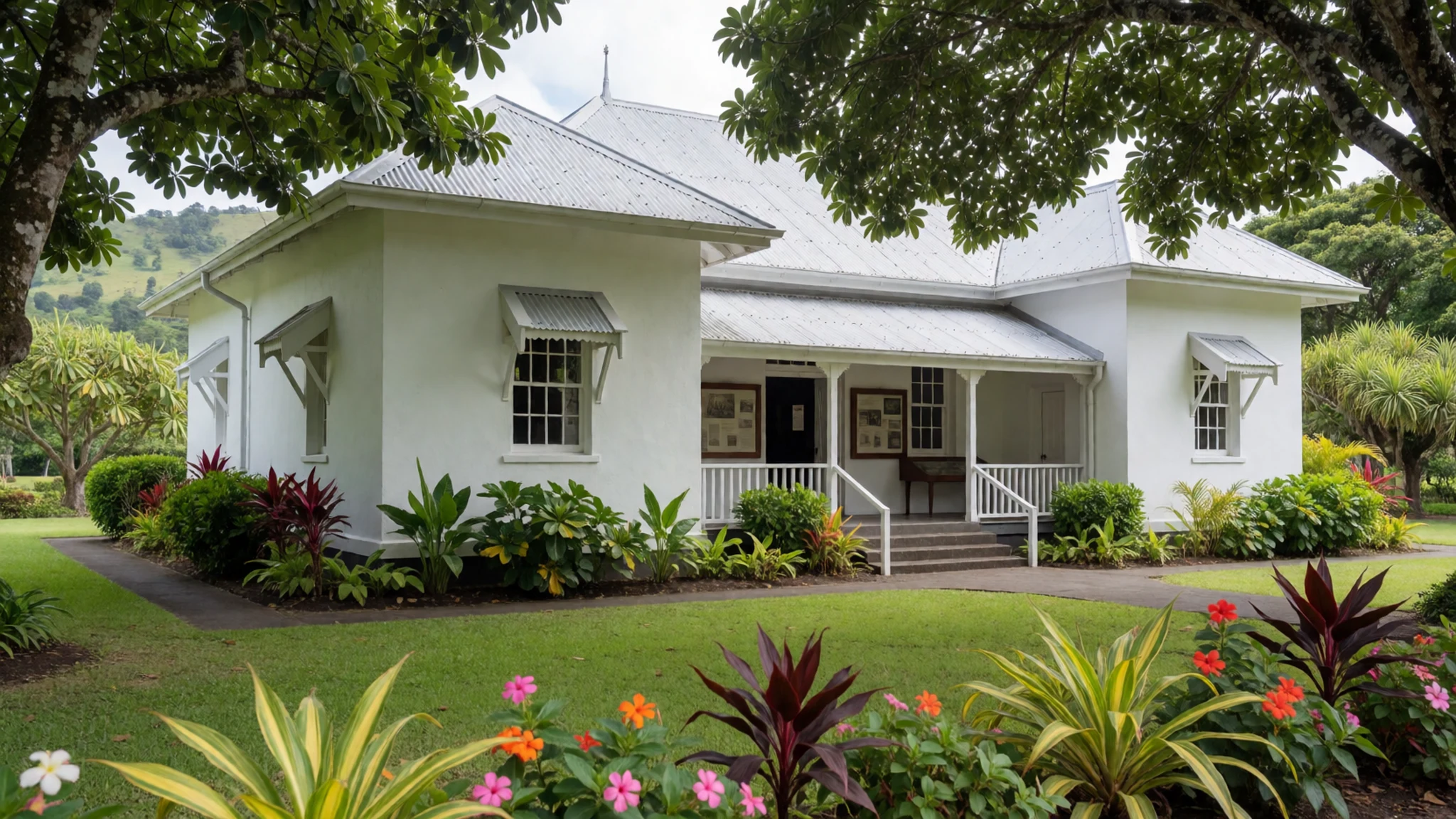
- Cook Islands National Museum — Avarua
This museum sits close to the library in Avarua and covers the islands' history and material culture. Pair it with the library for a relaxed morning, and ask staff which displays are changing. Opening times can vary, so confirm them locally before walking over.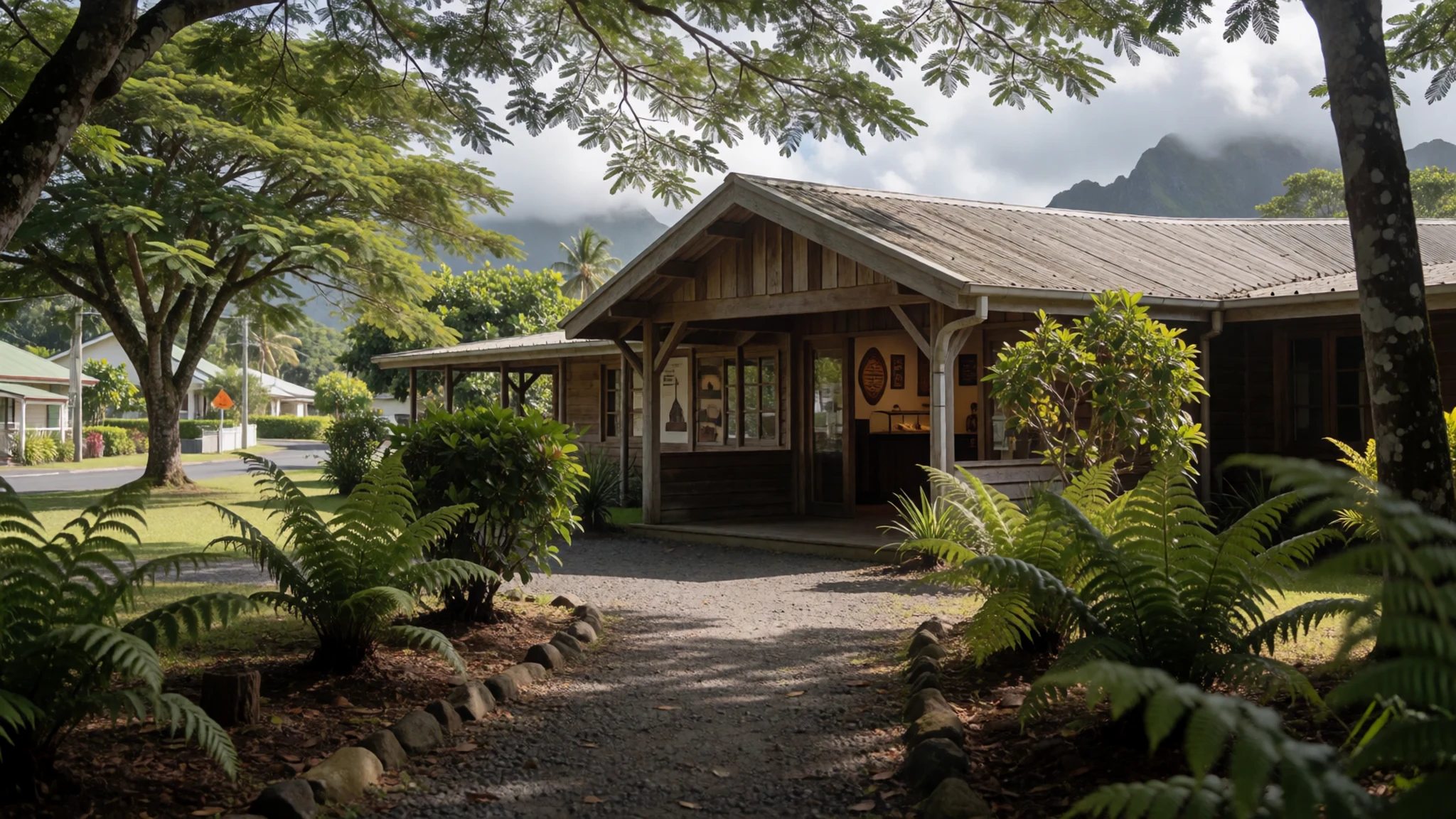
- Te Ara – Museum of Cultural Enterprise — eastern side of the island
Displays here trace the history of the Cook Islands and the enterprises that shaped island life. The café and gift shop are worth a visit on their own, and a free filtered water station sits outside the museum, usable without paying admission. It is a good place to refill bottles on a long day out.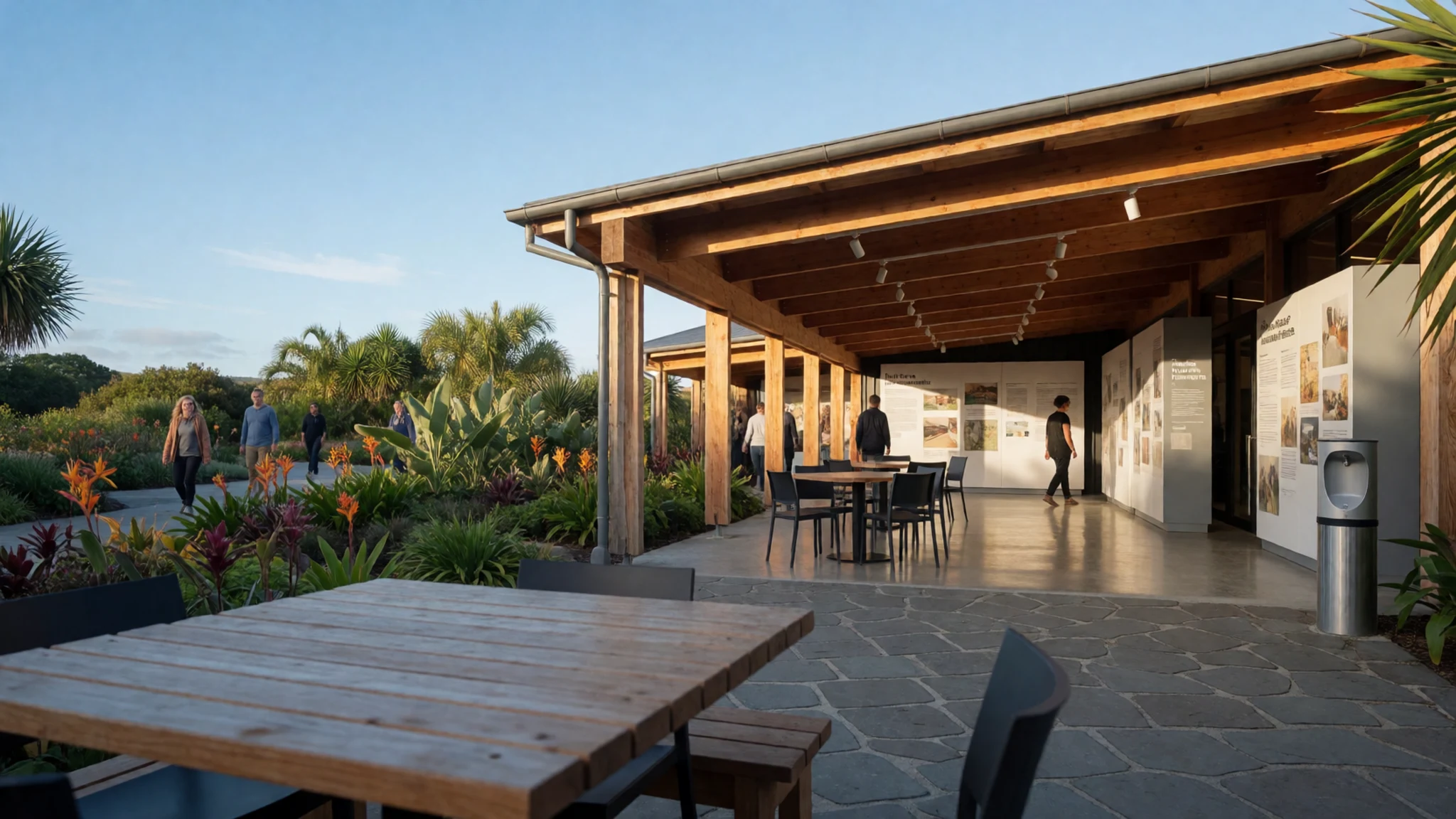
- Dive Rarotonga — west coast, Avarua area
A dive operation certifying through both PADI and SSI, with boats fitted with oxygen, first aid kits, life jackets and marine radio. It suits first-time divers as well as people with logged dives who want a guided trip. Book ahead in the busy months, and ask about current conditions on the reef before you commit.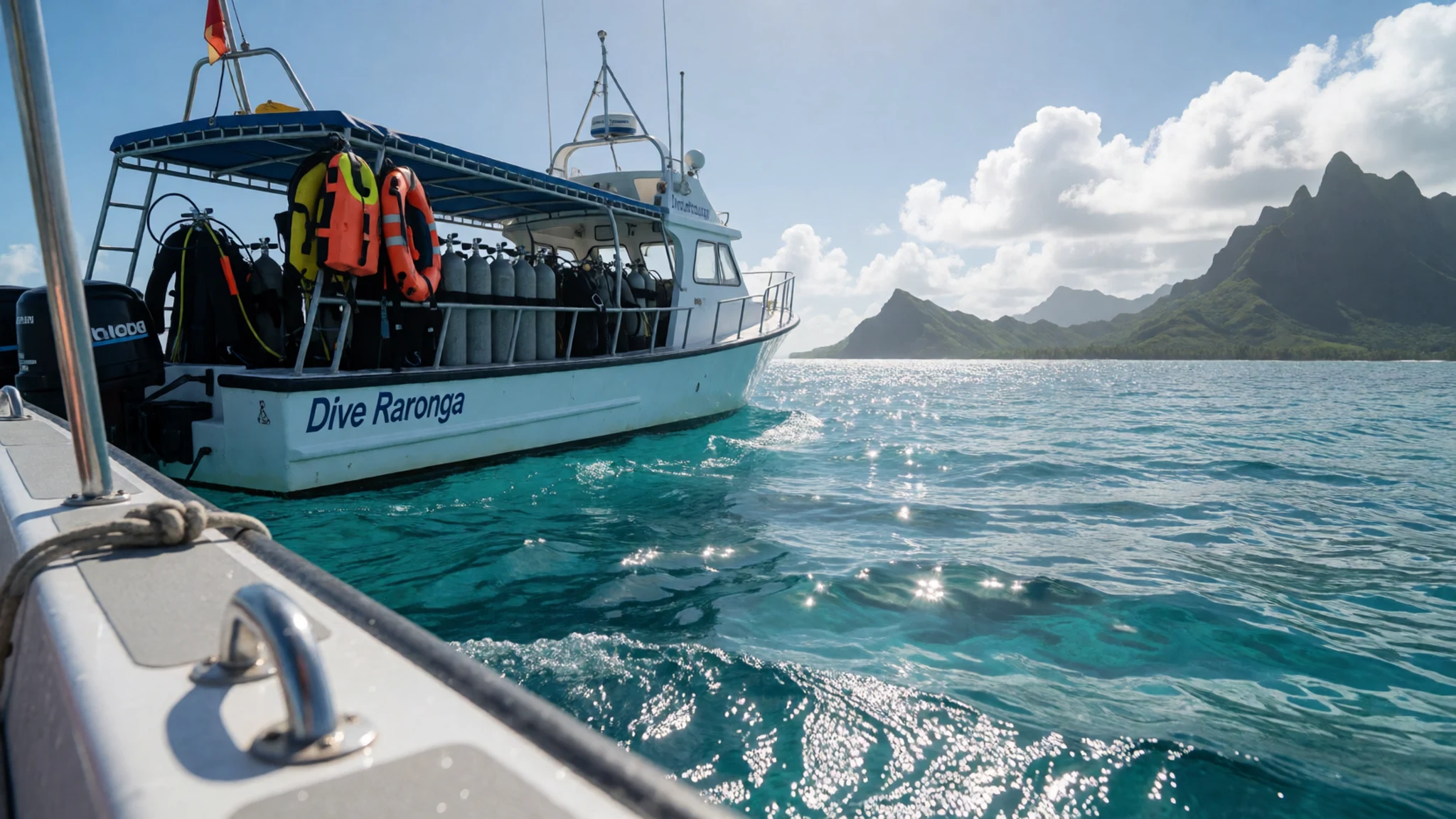
- Pacific Divers — south-east coast
Founded in 2001 and led by Steve Lyon, this operator takes divers of all levels to coral terrain, canyons, drop-offs and drifts. The mix of sites varies with conditions, so ask what is running on the day you plan to go. Small group sizes make it easier to get guidance from the crew.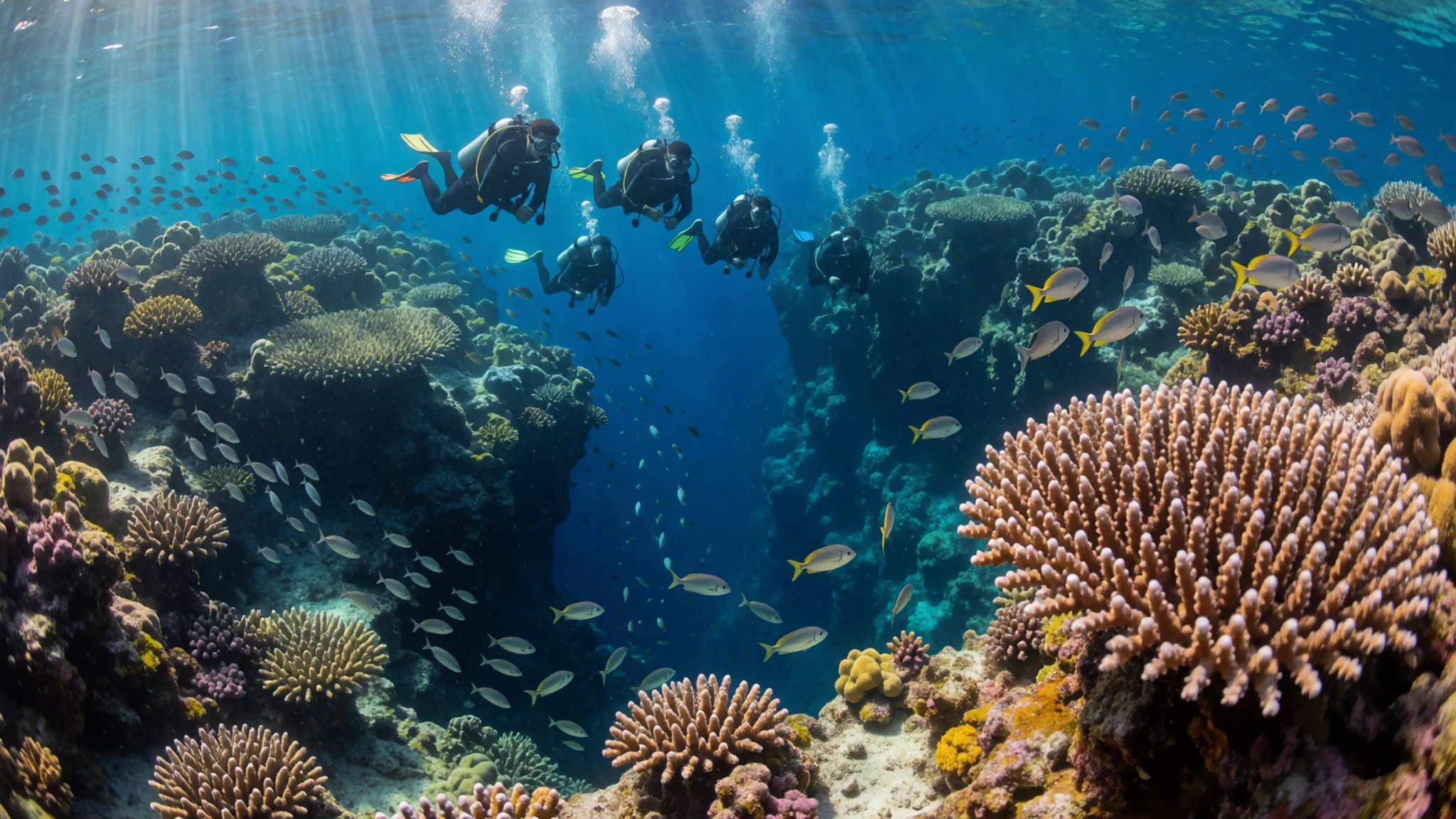
Culture
Rarotonga is a predominantly Christian island where church life and family gatherings matter, and many households keep Sunday quiet. Shops and some activities may run on reduced hours, so plan errands for other days and check locally before relying on a particular service. Village events, church services and local ceremonies are part of daily life rather than shows laid on for visitors. Music, dance and the Cook Islands Māori language are central to celebrations, and visitors are usually welcomed warmly when they show genuine interest. Ask before photographing people, especially children and anyone at a church or village gathering, and dress with covered shoulders and knees when you walk into a village or church rather than staying in beachwear.
What to wear
Traditional dress on the Cook Islands centres on the pareu, a length of printed cloth worn wrapped at the waist, knotted at the shoulder or tied as a simple dress. Textile art is equally important in the form of tivaevae, appliquéd quilts that women's groups stitch by hand for weddings, church occasions and farewells. Tivaevae are usually cotton, cut into patterns, layered and sewn with care, and they are given as much as they are displayed. For formal events, people may wear flower garlands and bright printed dresses or shirts.
What people wear now on Rarotonga is relaxed. In town you will see T-shirts, shorts, sundresses and flip-flops, with smarter clothes for offices, government buildings and church. Visitors should bring light, breathable clothing for heat and humidity, a pareu or sarong to cover up at village sites, a hat and sun protection. Sturdy closed shoes help on the rougher hill tracks and rocky shorelines, while flip-flops are fine on the beach and in town.
What to eat
- Wild mangoes — village roadsides and stalls in Avarua during summer
Summer brings mangoes in such quantity that many families simply pick them from their own trees. Buy a few from a roadside stall or village stand during the warm months. Eat them ripe and messy, standing over the sink, because the juice gets everywhere.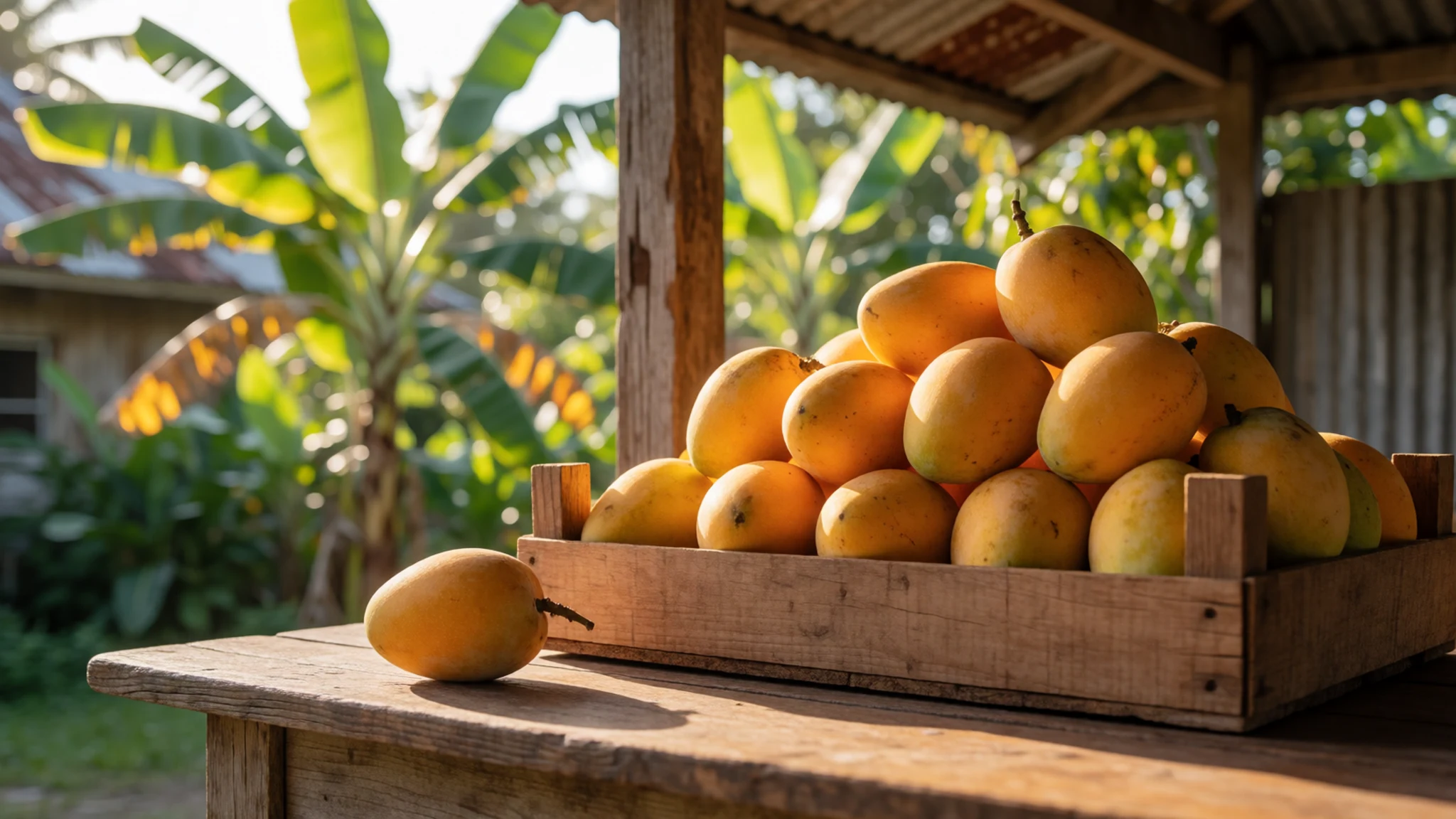
- Passionfruit, guava and oranges — the morning market in Avarua, in season
These fruits arrive in their own seasons, so what you find depends on the month. Ask stallholders what is ripe that week and taste before you buy. Passionfruit is best scooped straight from the skin with a spoon.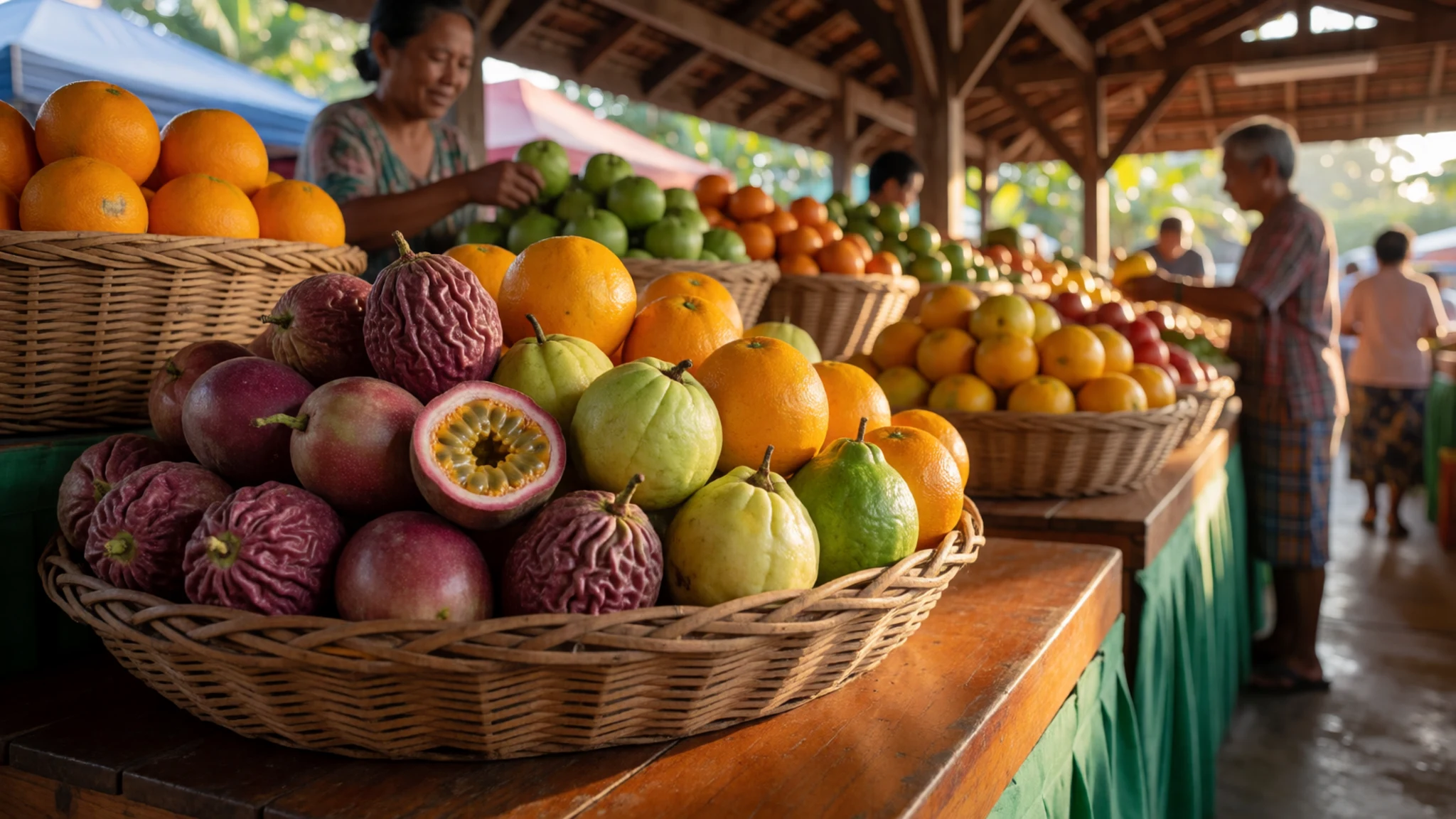
- Young coconut — village convenience stores and roadside stands
Coconuts are available all year and are easy to find at village convenience stores and roadside stands. A young nut opened with a machete gives cool, lightly sweet water, and the soft flesh inside is good eaten with a spoon. Many stands will open one for you for a small tip. - Avocado — market stalls in summer and autumn
Avocados are plentiful through the summer and autumn, when they pile up on market tables at modest prices. Buy some ripe for the day and others a little firmer for later in the week. They pair well with lime and a pinch of salt. - Local beer — Matutu Brewery and Cook Islands Brewery
Two small breweries make beer on Rarotonga. Matutu Brewery sells its Mai Lager, Kiva Pale Ale and draught at the door and will fill containers for takeaway. The Cook Islands Brewery offers an informal tour with tastings of its draught beers, and its sign is on the main road. - Waterfront meal in Avarua — Avarua waterfront
Trader Jacks is a bar and restaurant on the Avarua waterfront that has been a fixture for decades, and it has been rebuilt after cyclone damage. Go in the evening for a relaxed meal and a drink with the sea close by. Reservations are a sensible idea on busy nights.
Plan it
Best time. June to October is the drier, cooler stretch and the most comfortable for walking the hills and swimming. The rest of the year is hotter and wetter, with heavy showers that often pass quickly. Holiday periods bring the largest crowds, so travel just outside them if you prefer quiet beaches.
How long. 2–3
Getting there. Fly into Rarotonga International Airport at Nikao, a short distance west of Avarua. Air New Zealand runs the most frequent service, with flights from Auckland, and Jetstar flies from Auckland and Sydney. The last leg is a short taxi or hotel transfer from the airport to the coast.
Budget. high
Tips
- Book flights early for holiday periods, when seats fill quickly
- Carry cash for village stores and market stalls, which may not take cards
- Stick to bottled or filtered water, and refill at public filtered stations where you can
- Start beach and lagoon outings early, before the midday heat builds
- Pack snacks for a late-night arrival, as food may be hard to find at the airport
Etiquette
- Dress modestly when visiting villages and churches
- Ask before photographing people
- Keep Sunday quiet and check hours before planning errands
Nearby
Sources
- Wikidata Q471793 (CC0)
- Wikipedia: Rarotonga (rev 1382295946) (CC BY-SA 4.0)
- Wikivoyage: Rarotonga (rev 5355495) (CC BY-SA 4.0)
- Photo 01: Rarotonga Island (Public domain)
- Photo 02: Panorama Rarotonga (CC BY-SA 4.0)
- Photo 03: Te Manga from the south coast (CC BY 3.0)
- Photo 04: Avarua main street (CC BY 3.0)
- Photo 05: Rarotonga national flag, 1899 (Public domain)
- Photo 06: Map of Rarotonga (Public domain)
- Photo 07: Tapere and districts of Rarotonga (Public domain)
- Photo 08: Rarotongan districts and constituencies (CC BY-SA 1.0)


