Mitiaro
Mitiaro, Cook Islands
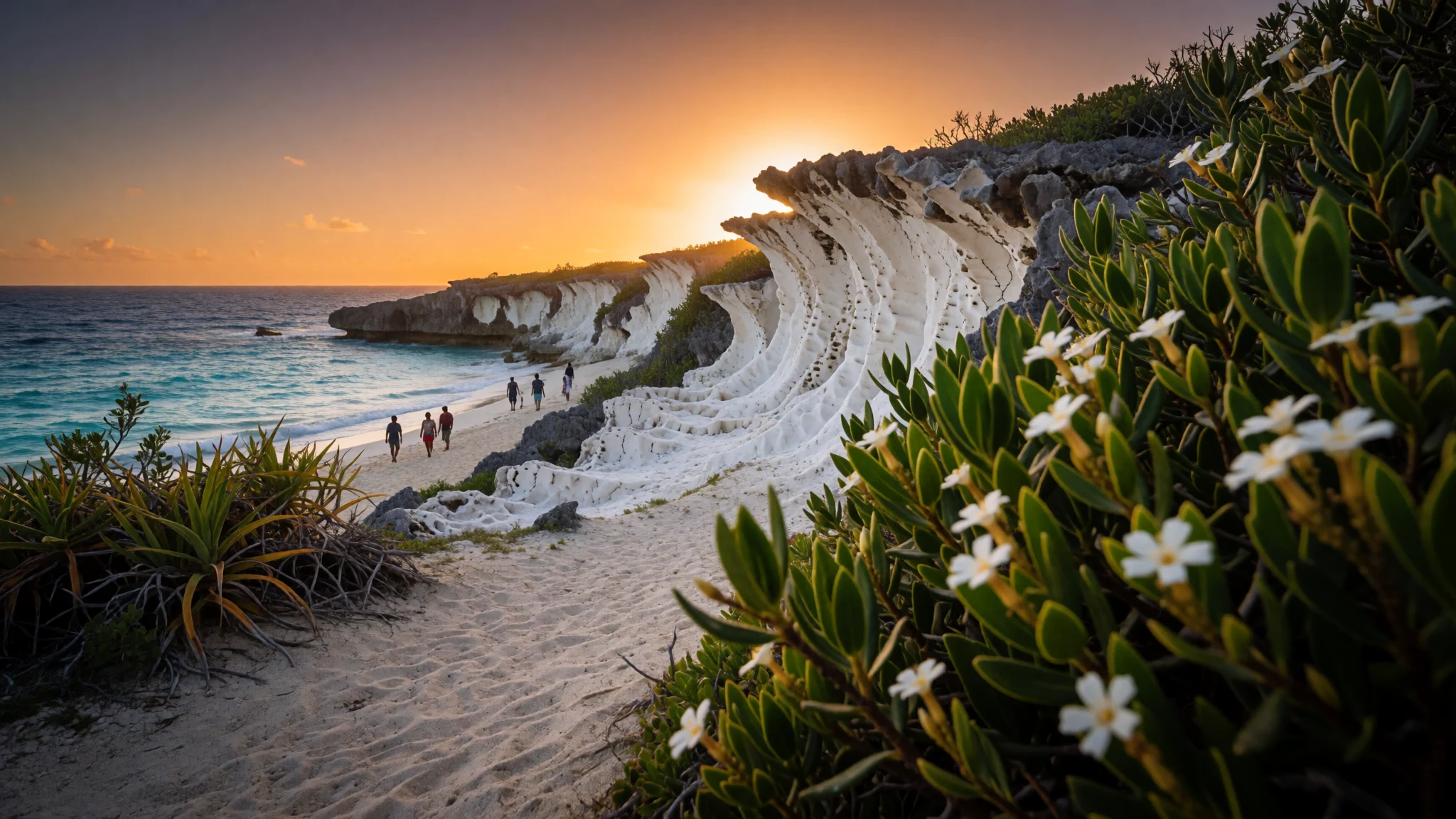
Mitiaro is a quiet raised-coral island of 219 people, where eel-filled lakes, fossil reef and unhurried village life replace beaches and nightlife.
The place
Mitiaro is a small island in the Southern Cook Islands, home to 219 people and rising only about 8 m above sea level. It began as a volcano, but the rock is long buried beneath coral. As the coral died it hardened into makatea, a fossilised limestone belt that rings the island like a rough grey wall, sharp underfoot and riddled with caves. Inside that belt the land drops to a flat, damp interior holding two freshwater lakes: Rotonui, the big lake, and Toto Iti, the small one. Eels that locals call itiki reach the lakes through hidden channels from the ocean, and tilapia, introduced from Africa and known here as bream, share the water. Beaches are few and the reef is too shallow for casual swimming, so the appeal lies in walking, fishing and conversation rather than sand. The settlements sit close together on the western side: Atai (also called Arai), Auta, Mangarei and Takaue, with Taurangi now a former village. Mitiaro also differs from its populated neighbours in the southern group by having no traditional tapere land divisions. Birdwatchers have reason to come as well. BirdLife International has named the island an Important Bird Area for its Rimatara lorikeets and Cook reed warblers, and bristle-thighed curlews visit outside their breeding season. Mitiaro is slow, quiet and thinly served, which is exactly its character.
Its story
Mitiaro's recorded past begins with oral tradition, which says the island was settled from neighbouring Atiu. For a long time Atiu was the stronger partner and held influence over its smaller neighbour. Europeans arrived late. In 1823 John Williams of the London Missionary Society called at the island and left behind a Polynesian teacher named Taua, who began persuading islanders to adopt Christianity. The community at that time was tiny, a few families by modern reckoning. Peace did not last. During the 1840s Atiuan raiders attacked Mitiaro again, a reminder that the relationship between the two islands was not always friendly. Later in the nineteenth century the wider region came under outside administration. Britain placed Mitiaro under its protection in 1888 as part of the Cook Islands Federation, and New Zealand annexed it in 1901. Behind these dates lies a longer natural story. The island is an old volcano that sank and was capped by living reef, which later died and was lifted into the fossil limestone seen today. That geology shaped everything about human life here. The raised makatea gave shelter and caves, the swampy centre held freshwater that many coral islands lack, and the lakes supplied eels and, in recent decades, tilapia. Today the church, the villages and the family land arrangements all carry traces of that layered history.
What to see
- Rotonui lake — Island interior
Rotonui, the big lake, fills much of the flat interior and is Mitiaro's most distinctive sight. The edges are swampy, so the walk is about wet ground and patience rather than a grand view. Eels and tilapia live in the water, and birds are easier to spot here than along the shore. Ask a villager about safe paths first.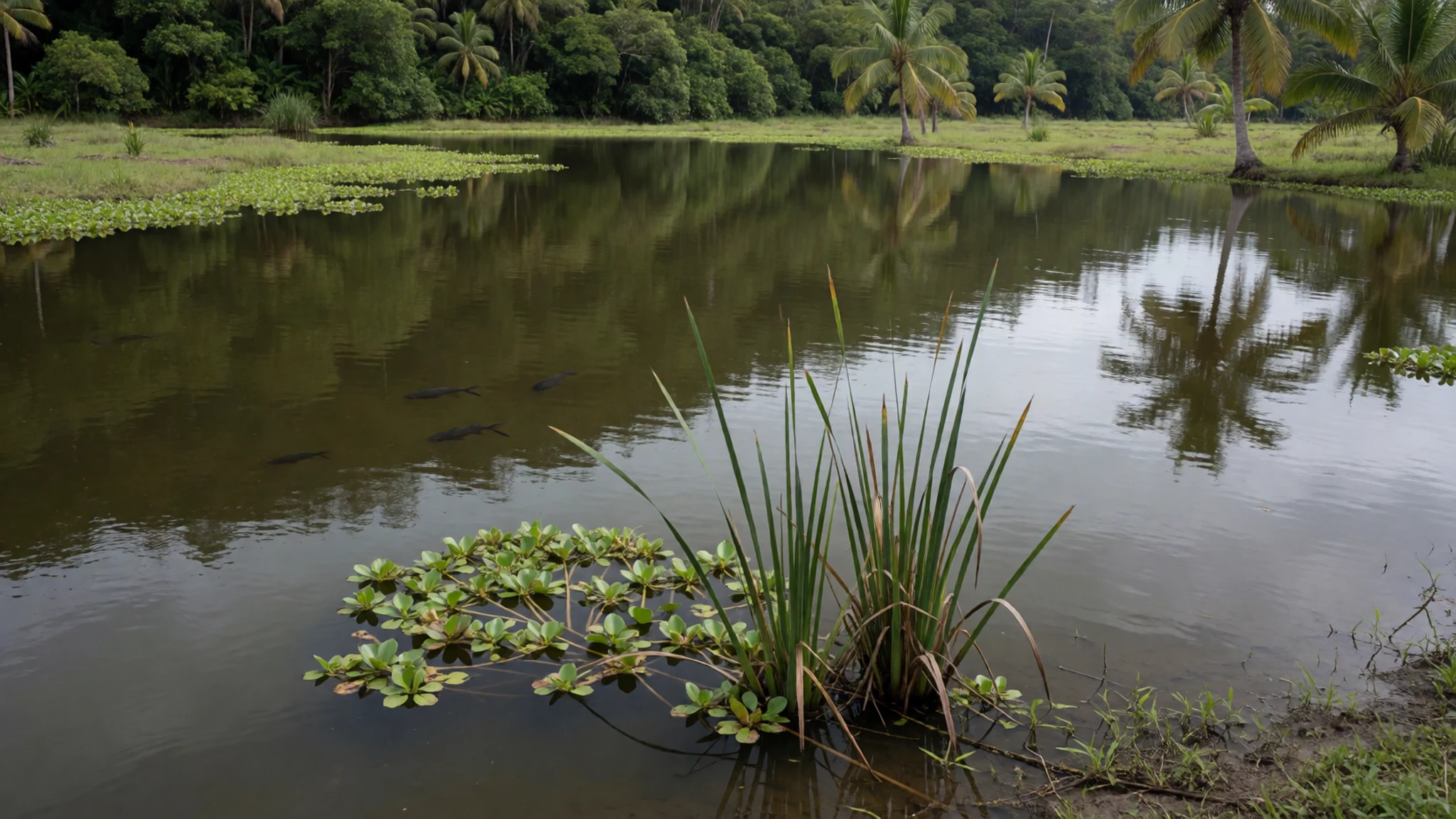
- Toto Iti lake — Island interior
Toto Iti, the small lake, lies in the same swampy middle of the island and rewards a slow loop for its quiet more than any set viewpoint. Eels reach it through underground links with the ocean. Wear shoes you do not mind soaking, and ask a local which tracks are passable, since the ground stays wet.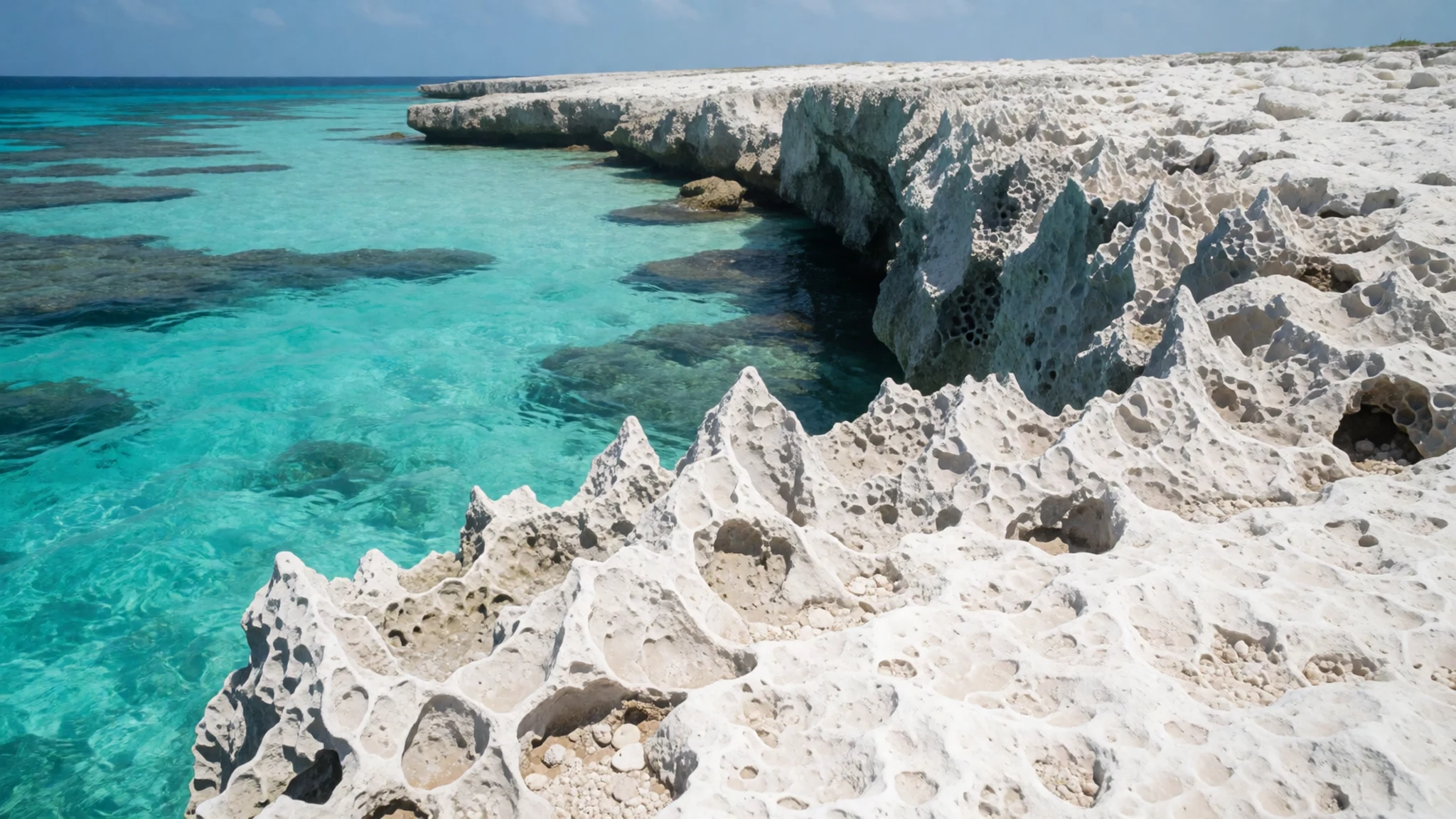
- The makatea belt and its caves — Around the coast
The makatea, the raised fossil-coral belt around the island, is a jagged grey rim with limestone caves beneath. Walking it is slow work on sharp rock, but shrubs growing in the cracks, some of them uncommon, reward plant lovers. Stay on worn tracks and go with a local guide for the caves.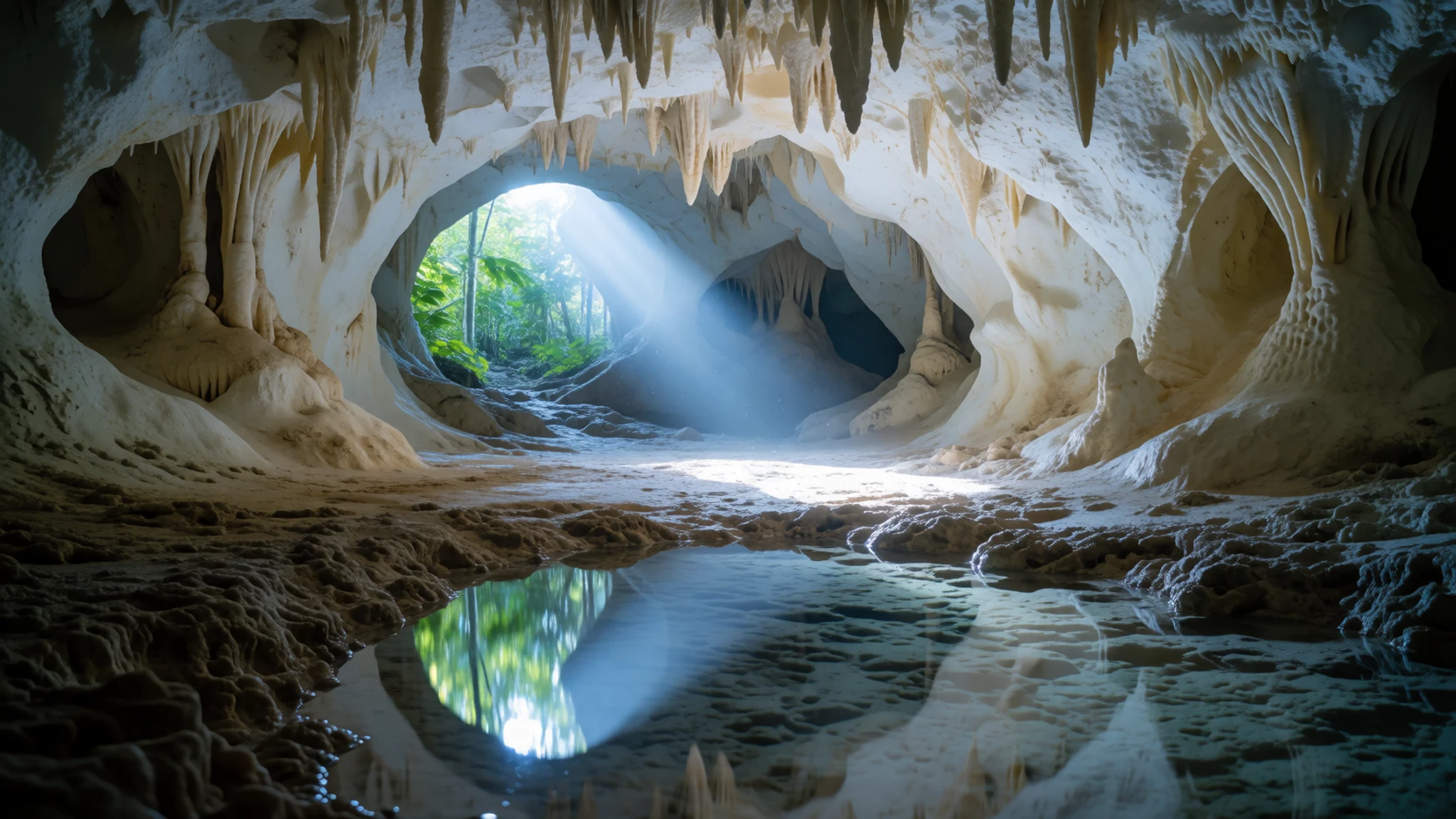
- The western villages — Western side
A stroll through Atai, Auta, Mangarei and Takaue shows how compact island life is: the settlements lie close together on the western side, so the whole route can be walked at an easy pace. Expect greetings from almost everyone you pass. Taurangi, to the north, is now a former village.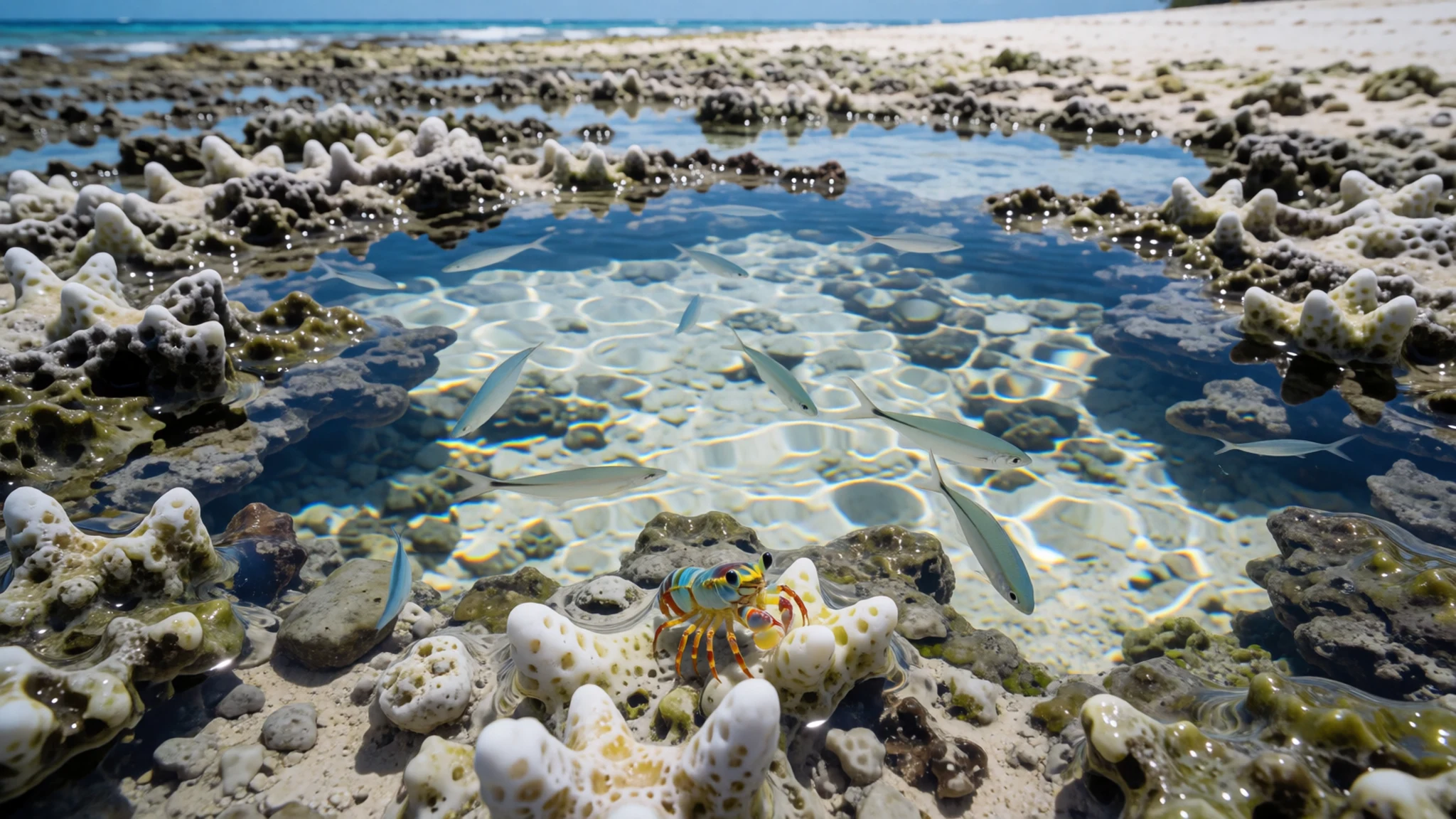
- Low-tide shore and reef edge — Coast and reef
At low tide the shoreline comes alive with small sea creatures, and the reef edge offers fishing and, when the sea is calm, careful snorkelling outside the reef. Inside the reef the water is too shallow for swimming. Beaches are small, so come for the marine life, and take local advice on conditions.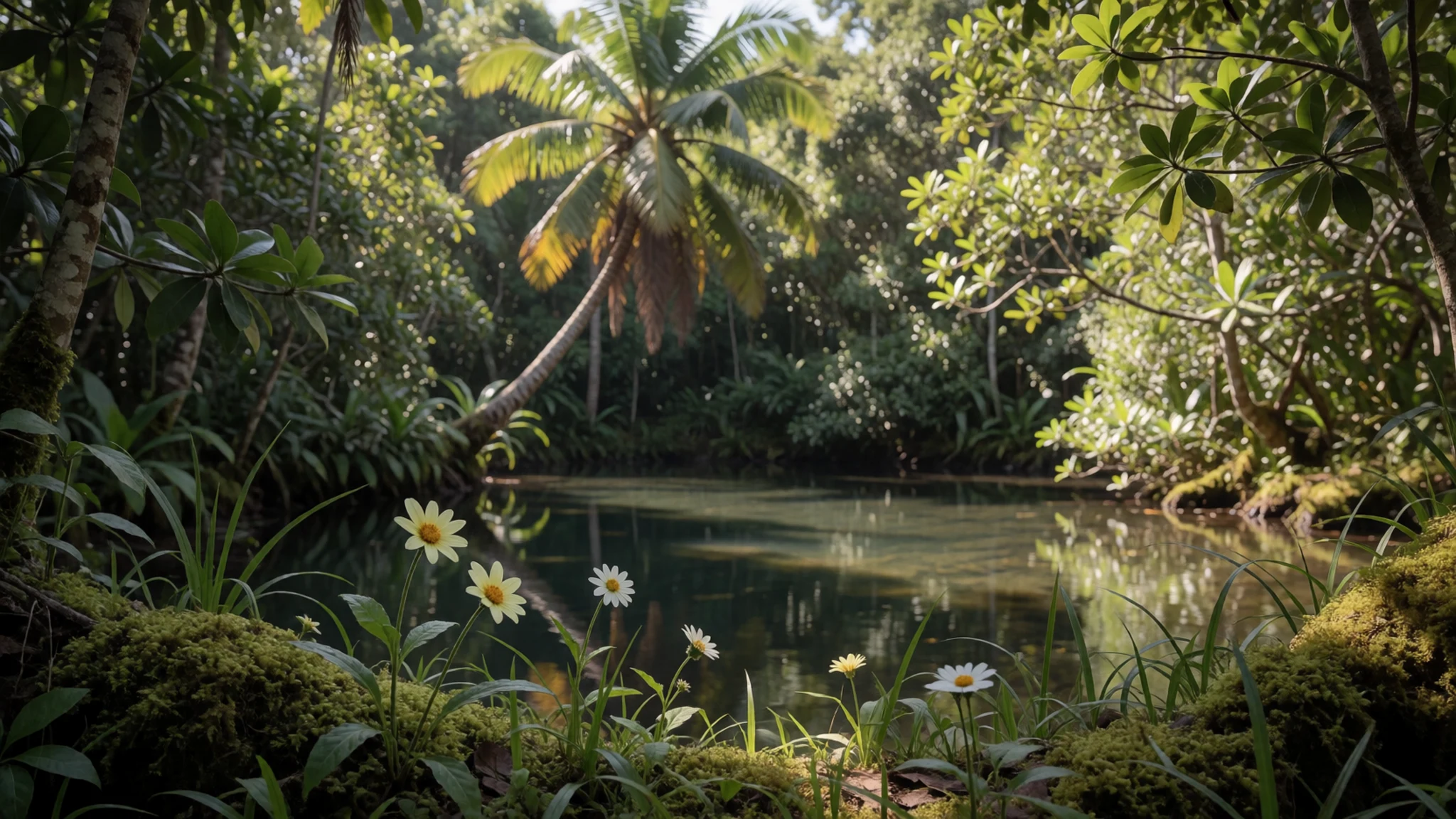
Culture
Mitiaro is a Polynesian island community of 219 people, and daily life revolves around family, church and the shared work of a place where everyone knows everyone. Christianity arrived through the London Missionary Society in the nineteenth century, and the church remains a central gathering point, with Sundays kept quiet and given over to worship and rest. Hospitality is the island's real attraction. Visitors are usually placed with a host family or in a small guesthouse and drawn into meals and conversation, which is part of the experience rather than an extra. Fishing, gathering coconuts and tending gardens still shape the week, and the lakes and their eels, the itiki, are bound up with local identity and local cooking. Cook Islands Maori is spoken alongside English, and a few words go a long way: kia orana is the usual greeting. Because supplies arrive by small plane or irregular freighter, ordinary goods such as eggs or butter are valued, and wasting food or water is noticed. Songs, hymn singing and dance feature at community events when they happen, and visitors are generally welcome to watch if invited. Ask before photographing people or entering a church service, dress modestly away from the shore, and keep Sundays low-key and quiet.
What to wear
Mitiaro shares the dress traditions of the wider Cook Islands. The pareu, a wrapped length of printed cotton, is the everyday traditional garment for both men and women. Tivaevae, bold hand-stitched appliqué quilts made by women's groups, are the best-known textile, used as bedding, gifts and decoration. Woven hats made from plant leaf and flower garlands called hei appear at church, weddings and festivals, and women often wear white dresses and hats to Sunday services. Day to day, people wear what suits a hot, humid island: cotton shirts, shorts, light dresses, flip-flops, and sturdy shoes or reef shoes for fishing and the rough shore. Work clothes get wet and muddy, as the interior is swampy. Visitors should pack lightweight cotton or quick-drying fabrics, a wide-brimmed hat, sun protection and a light rain jacket. Covered shoulders and knees are polite for church and in the villages. Closed, grippy shoes are important for the makatea, whose sharp limestone cuts bare feet and thin soles, while reef shoes help at the low-tide shore and for snorkelling beyond the reef. A small dry bag protects phones and cameras on boat or wet-ground outings.
What to eat
- Itiki (lake eel) — Home cooking and community gatherings
Itiki are the eels that reach Mitiaro's lakes through underground channels from the sea, and they are a local speciality. Cooking is usually done by hosts at home or at community meals, so ask your hosts rather than expecting a menu.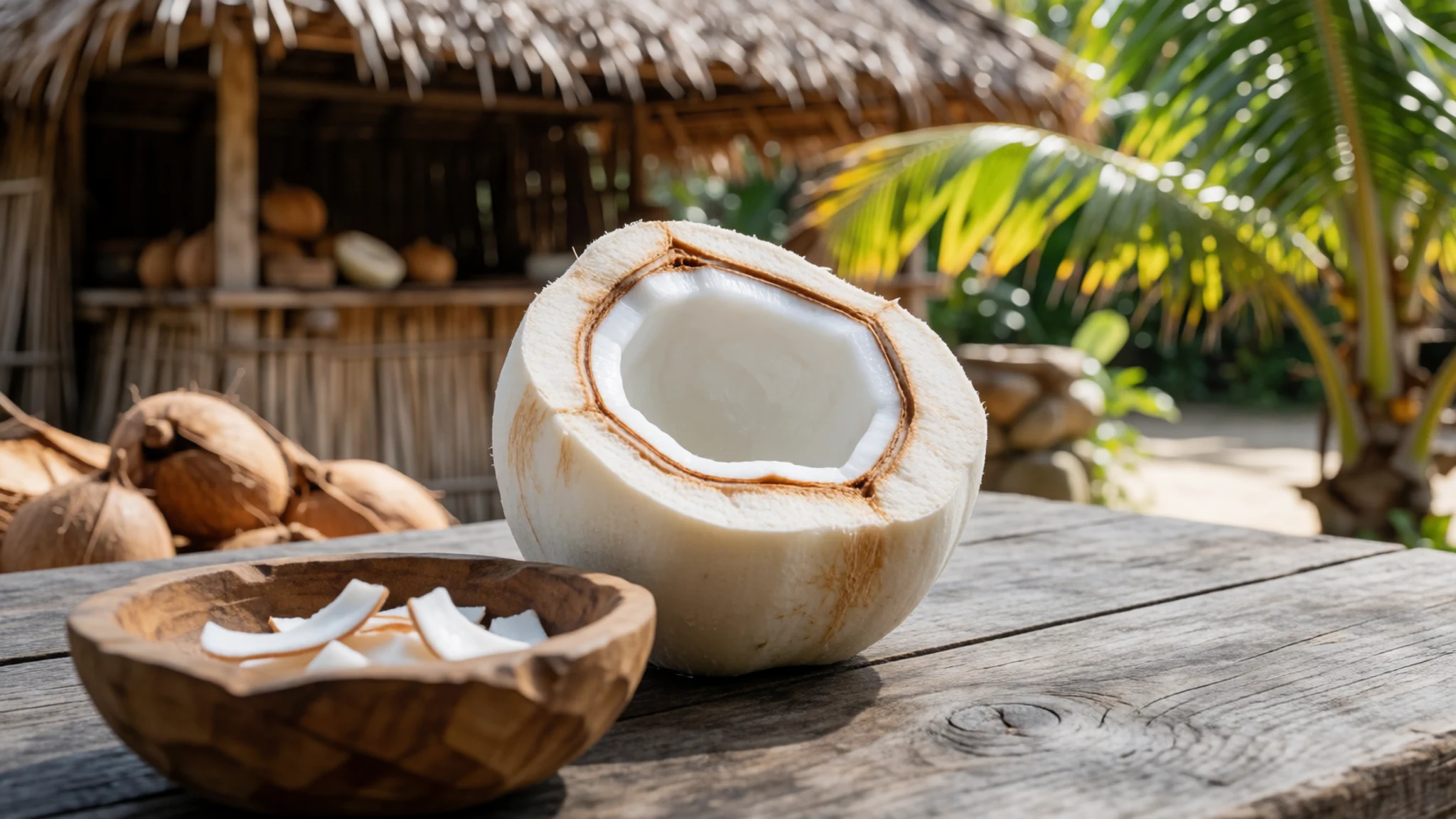
- Lake bream (tilapia) — Host households and village meals
Tilapia, introduced from Africa and called bream here, live alongside the eels in the lakes. It is typically grilled or fried whole and eaten with root vegetables, a simple freshwater meal that few other Pacific islands can offer.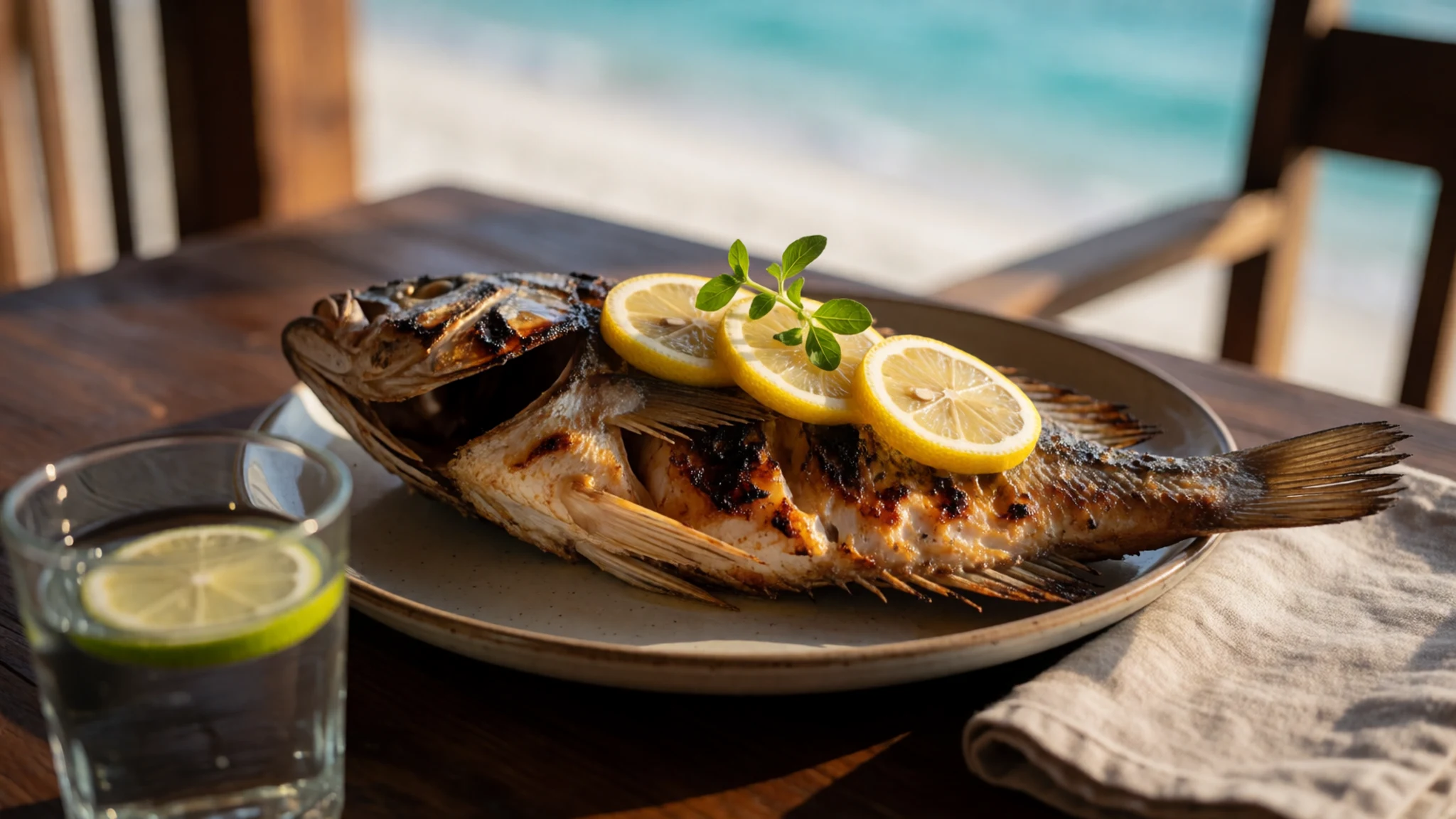
- Fresh reef and ocean fish — Guesthouse kitchens and family tables
Fishing is a real pastime on Mitiaro, inside and outside the reef, and the catch makes the freshest meals. Fish may be grilled, fried or served raw. Self-catering visitors who fish can feed themselves well. - Ika mata (raw fish in coconut) — Family meals and community events
Ika mata is raw fish soaked briefly in lime or lemon juice and finished with coconut cream, a classic across the Cook Islands. It is best made from a catch landed that day, usually at family gatherings. - Drinking coconuts — Villages and roadsides across the island
A freshly opened coconut is the simplest refreshment on the island, cheap and everywhere, and a welcome relief on a long walk. Hosts will often open one on arrival. Water should be boiled before drinking, so coconuts also help.
Plan it
Best time. May to October, the cooler and generally drier months in the Southern Cook Islands. Between November and April it is hotter, more humid and wetter, and the swampy centre can be soggy underfoot.
How long. 2–4
Getting there. Fly with Air Rarotonga from Rarotonga to Mitiaro, a short flight of about 50 minutes on a small propeller plane, several times a week; check the airline's current schedule. The baggage limit is 16 kg per passenger. A freighter also runs irregularly, usually via Mauke, but departures are unreliable and delays of several days are normal.
Budget. mid
Tips
- Book flights and accommodation well ahead, and confirm that meals are included before arrival
- Pack to the 16 kg luggage limit and bring non-local supplies such as butter, eggs, meat and spices, which are expensive on the island
- Boil all drinking water before use
- Allow slack in your schedule, because small planes and freighters can be delayed
- Take sturdy shoes for the sharp makatea and reef shoes for the shore
Etiquette
- Ask permission before photographing people, church services or private land
- Keep Sundays quiet and dress modestly in villages and at church
- Accept hospitality graciously and offer to contribute food or help
Nearby
Sources
- Wikidata Q596542 (CC0)
- Wikipedia: Mitiaro (CC BY-SA 4.0)
- Wikivoyage: Mitiaro (CC BY-SA 4.0)
- John Game, Mitiaro, Cook Islands in 1988 (Lakes) (CC BY 2.5)
- Land Information New Zealand, Mitiaro Island topo map 2014 (cropped) (CC BY 4.0)
- A. E. Wright, Geniostoma sykesii (AM AK365208) (CC BY 4.0)
- EVS-Islands, Map of Mitiaro with Lake Te Rotonui (CC BY-SA 4.0)
- Mr Minton, Mitiaro Island map (CC BY 2.5)
- Land Information New Zealand, Mitiaro Island topo map 2014 (CC BY 4.0)
- A. E. Wright, Phyllanthus societatis (AM AK365201) (CC BY 4.0)
- John Game, Scaevola paulayi (Mitiaro island) side view (CC BY 2.5)


Wildlife
- Cook reed warbler (animal)
Think of the Cook reed warbler as a small island songbird that belongs only to the Southern Cook Islands. Mitiaro's unusual landscape makes it a safe haven for this rare bird, which favours dry forest, swamps and rural gardens. Loss of habitat threatens it, so tread gently. The notes do not mention season or time of day. Go with a guide, keep your distance, speak softly, and never feed it.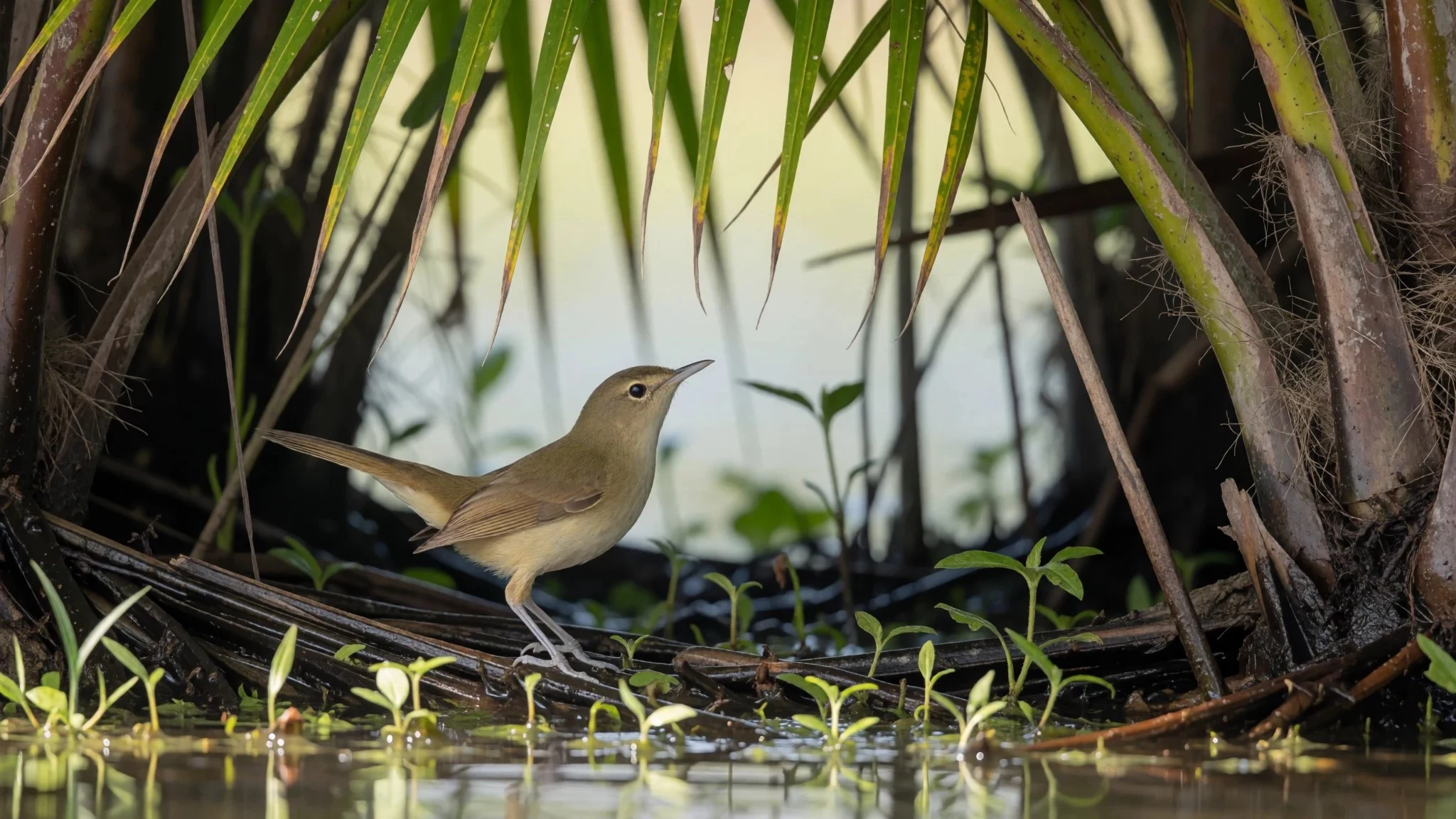
- Rimatara lorikeet (animal)
The Rimatara lorikeet is a parrot cousin called a lorikeet, and it is rare enough that Mitiaro's role as a refuge matters. Locals know it as manu 'ura or kura. The notes do not say where on the island or when it is best seen, so ask a guide for advice. Watch quietly from a good distance, never crowd it, and never offer it food.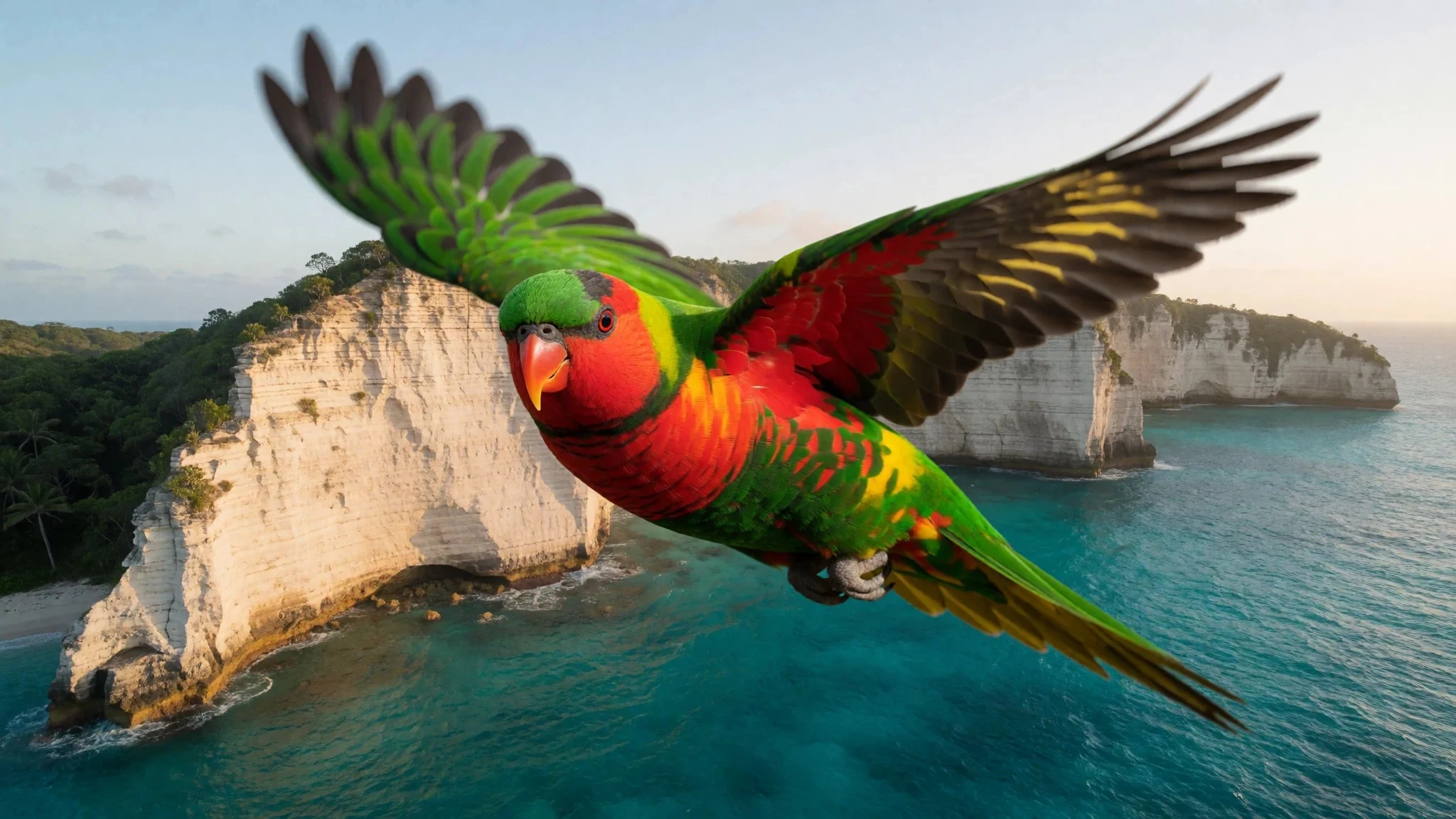
- Cook reed warbler (bird)
Think of the Cook reed warbler as a small island songbird that belongs only to the Southern Cook Islands. Mitiaro's unusual landscape makes it a safe haven for this rare bird, which favours dry forest, swamps and rural gardens. Loss of habitat threatens it, so tread gently. The notes do not mention season or time of day. Go with a guide, keep your distance, speak softly, and never feed it. - Rimatara lorikeet (bird)
The Rimatara lorikeet is a parrot cousin called a lorikeet, and it is rare enough that Mitiaro's role as a refuge matters. Locals know it as manu 'ura or kura. The notes do not say where on the island or when it is best seen, so ask a guide for advice. Watch quietly from a good distance, never crowd it, and never offer it food.