Atiu
Atiu, Cook Islands
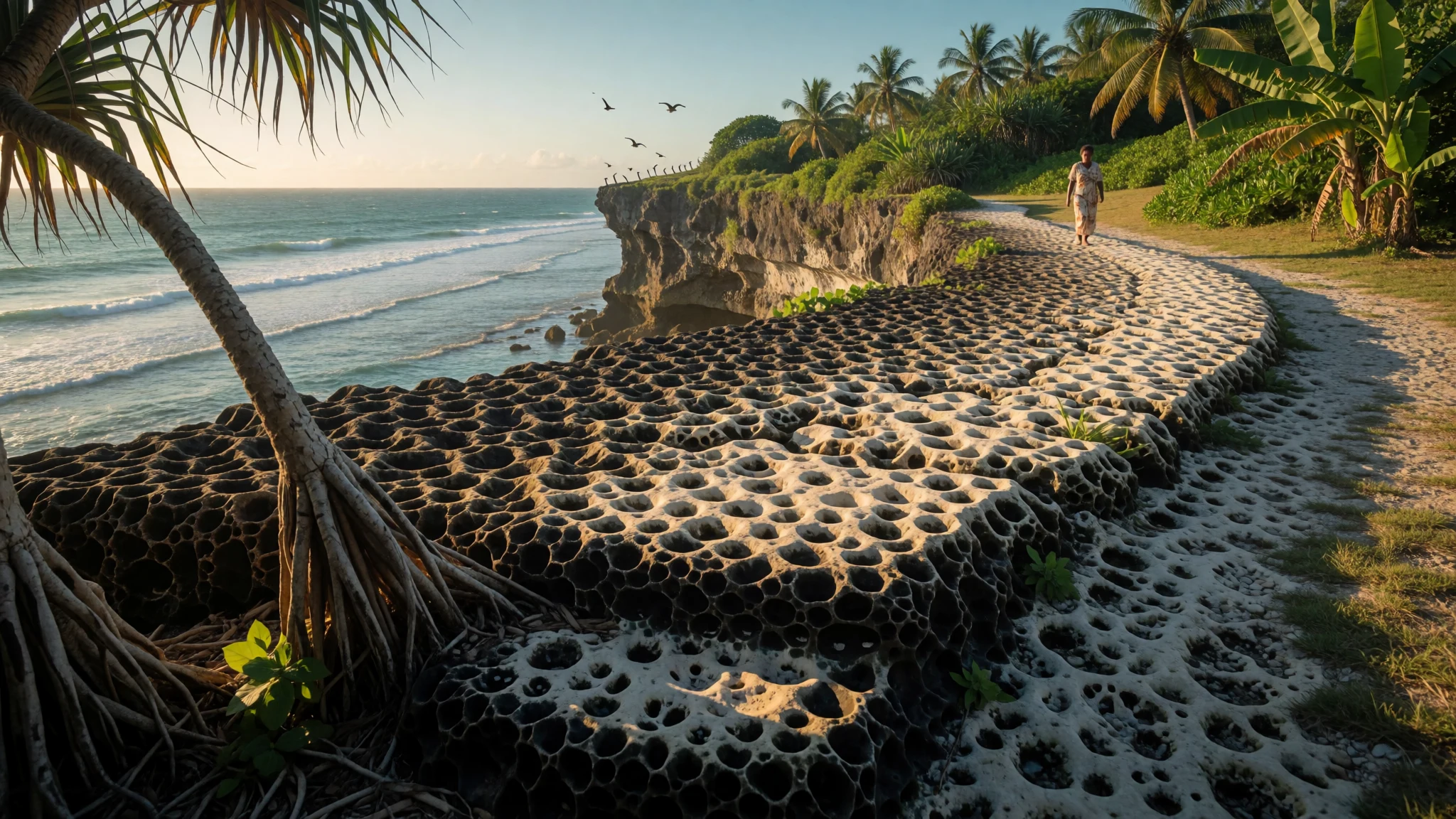
Atiu is a quiet island of caves, birds, coffee and village bush-beer evenings, for travellers who want the Cook Islands without resorts.
The place
Atiu is a small raised island in the southern Cook Islands, a short flight from Rarotonga, with about 570 residents. Its older name, ʻEnuamanu, means land of the birds, and the birdlife still earns it. The island is built like a hat: a low, fertile middle, a rim of ancient coral, and a reef beyond. The rim is the makatea, a band of fossilised coral that rises as cliffs on the seaward side and forms a rough plateau around the whole island. Inside it the ground dips into wet, rich land of taro patches, marshes and a lake called Tiroto, then climbs to a flat-topped central hill. The island's elevation tops out at 73 m. Bananas, citrus, pawpaw, breadfruit and coconut grow in the interior, so the inland roads feel green and tended while the coast is stony and sharp. The makatea is riddled with caves, and some have served as burial places, so a few are treated as sacred rather than as attractions. Atiu is not a resort island. Many shops closed as the population fell, and facilities are thin: a lodge, a motel, a handful of small stores and a good deal of informal arrangement between neighbours. Power now comes from a solar and battery station. Beaches in the postcard sense are scarce. The appeal is the interior, the caves, the birds and a slow social life, and it suits people who are content with quiet evenings and limited choice.
Its story
Atiu's human history begins with Polynesian settlers who arrived many centuries ago. Local tradition names several founding figures, including an ancestor fathered by the god Tangaroa, from whom the island takes its name, and oral accounts also mention voyaging chiefs and the navigator Ruatapu. At some point the island came under a single leadership and used its strength against neighbouring Mauke and Mitiaro, which it dominated for a time. Captain Cook was the first European on record to sight Atiu, and his contact with islanders was brief and cautious. Missionaries followed. Teachers from Bora Bora were left here, and then John Williams of the London Missionary Society converted the paramount chief, Rongomatane. The people were gathered into one central settlement, and with conversion Atiu's hold over its neighbours faded. Later, a marriage between the ariki (paramount chief) of Atiu and a Rarotongan ariki tied the island to the Kingdom of Rarotonga. Britain then declared a protectorate, and New Zealand annexed the group soon after. In the colonial period Atiu sent oranges, coffee and copra overseas, but unreliable shipping hurt trade and exports collapsed by the middle of the twentieth century. Citrus revived for a while and then declined again, taking jobs with it. Young people left for Rarotonga, New Zealand and Australia, which explains the quiet villages today. Coffee, first grown commercially by missionaries, still grows on the island, a living trace of that commercial past.
What to see
- The makatea ring and coast — Coastal ring road
The makatea is the raised, fossilised coral that wraps Atiu, and following its edge shows how the island is put together. The rock is sharp and pitted, the sea breaks on the reef beyond, and the interior drops away behind into green. Sturdy shoes matter far more than swimwear here.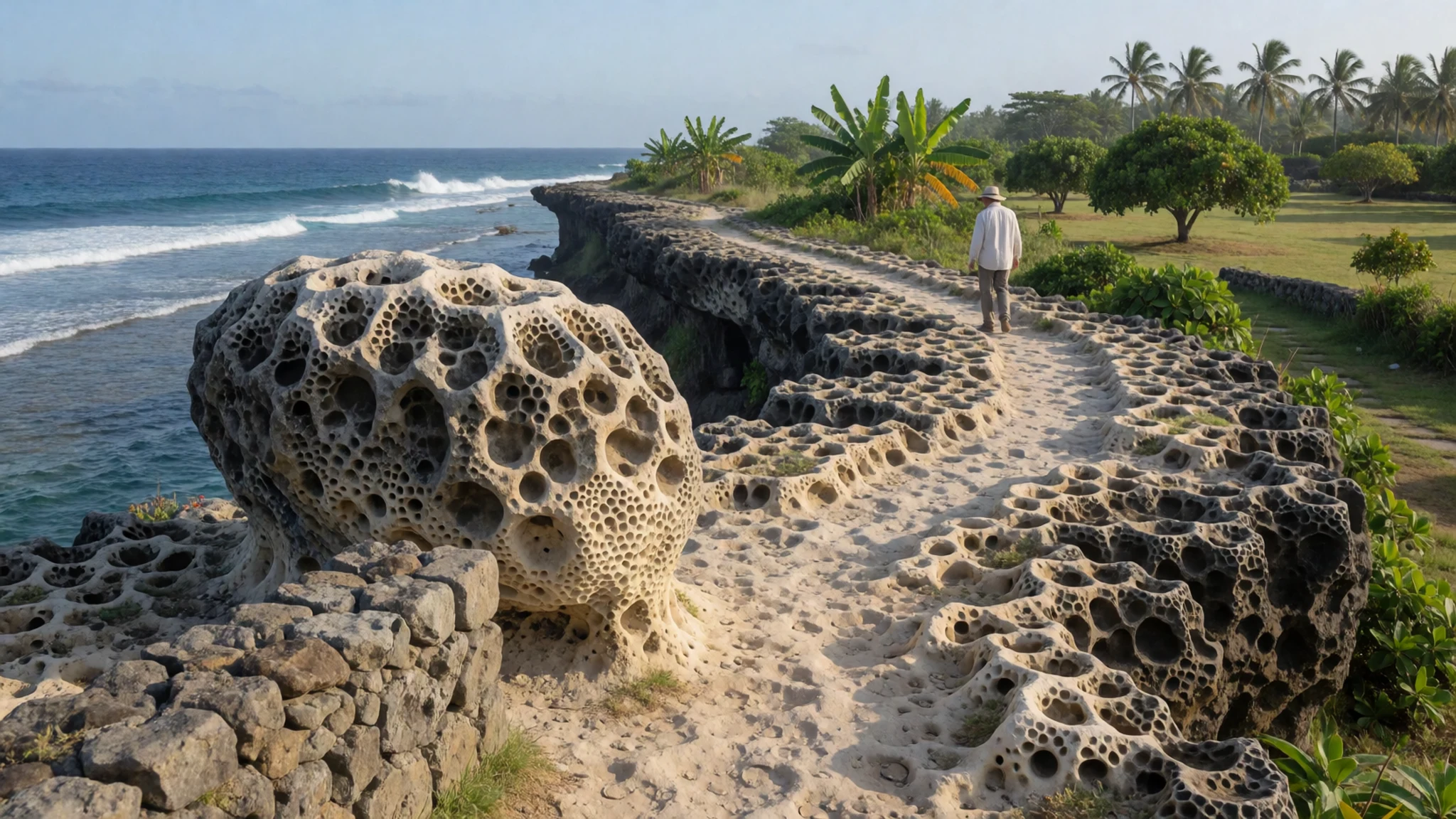
- Kopeka caves — Makatea caves
The kopeka is a small cave-nesting bird that finds its way in the dark by sonar-like clicking. Colonies live in caves in the makatea, and local guides take small groups in with torches. Some caves are burial sites and closed to visitors, so go only with someone who knows which are open.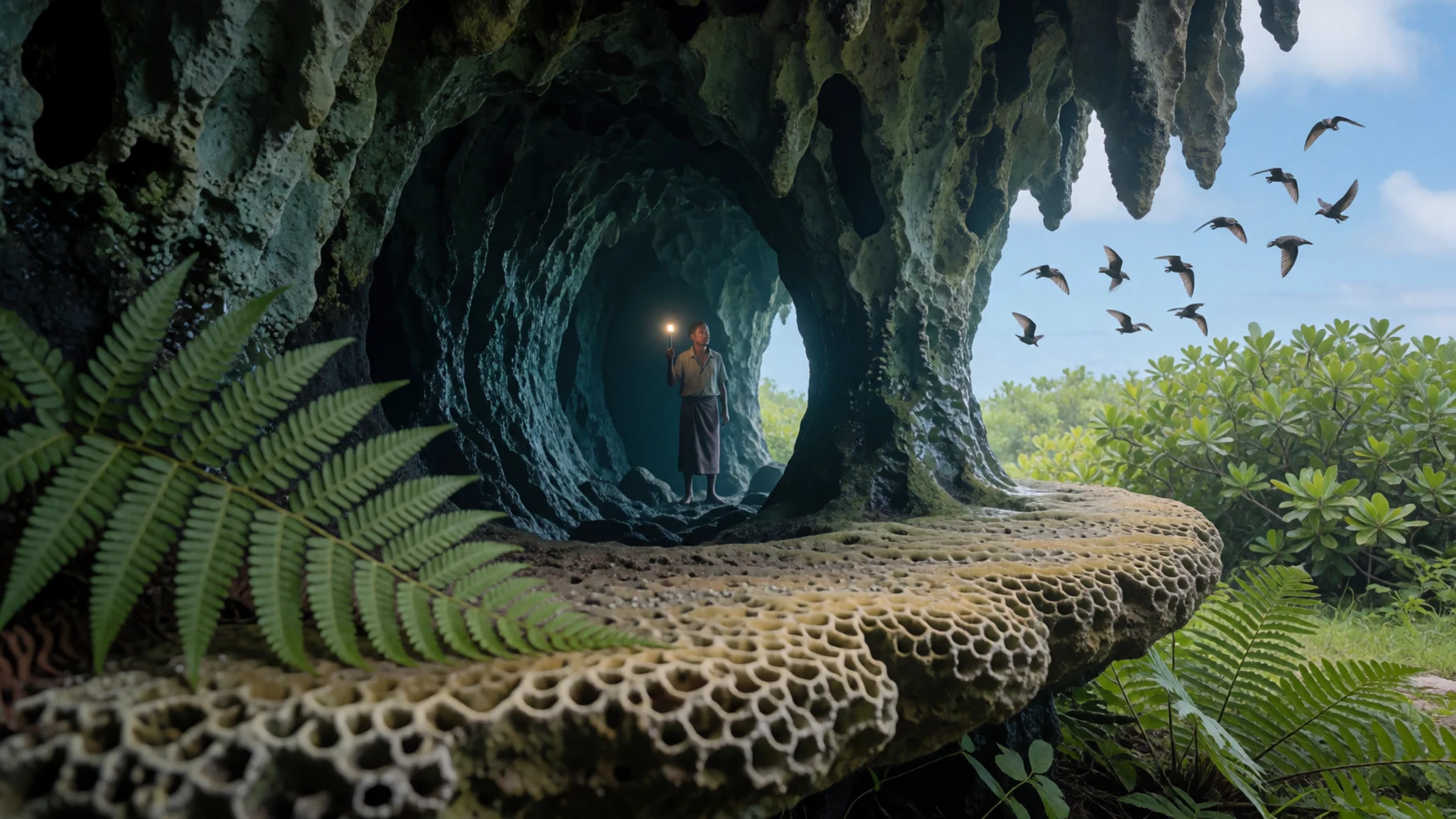
- Lake Tiroto and the taro lands — Island interior
Inside the makatea ring lies low, wet ground, and Lake Tiroto sits among marshes and taro beds. It suits a slow walk or bicycle ride, with the flat-topped central hill rising behind. Expect mud after rain and mosquitoes at dusk, and ask locals which paths cross private plantations.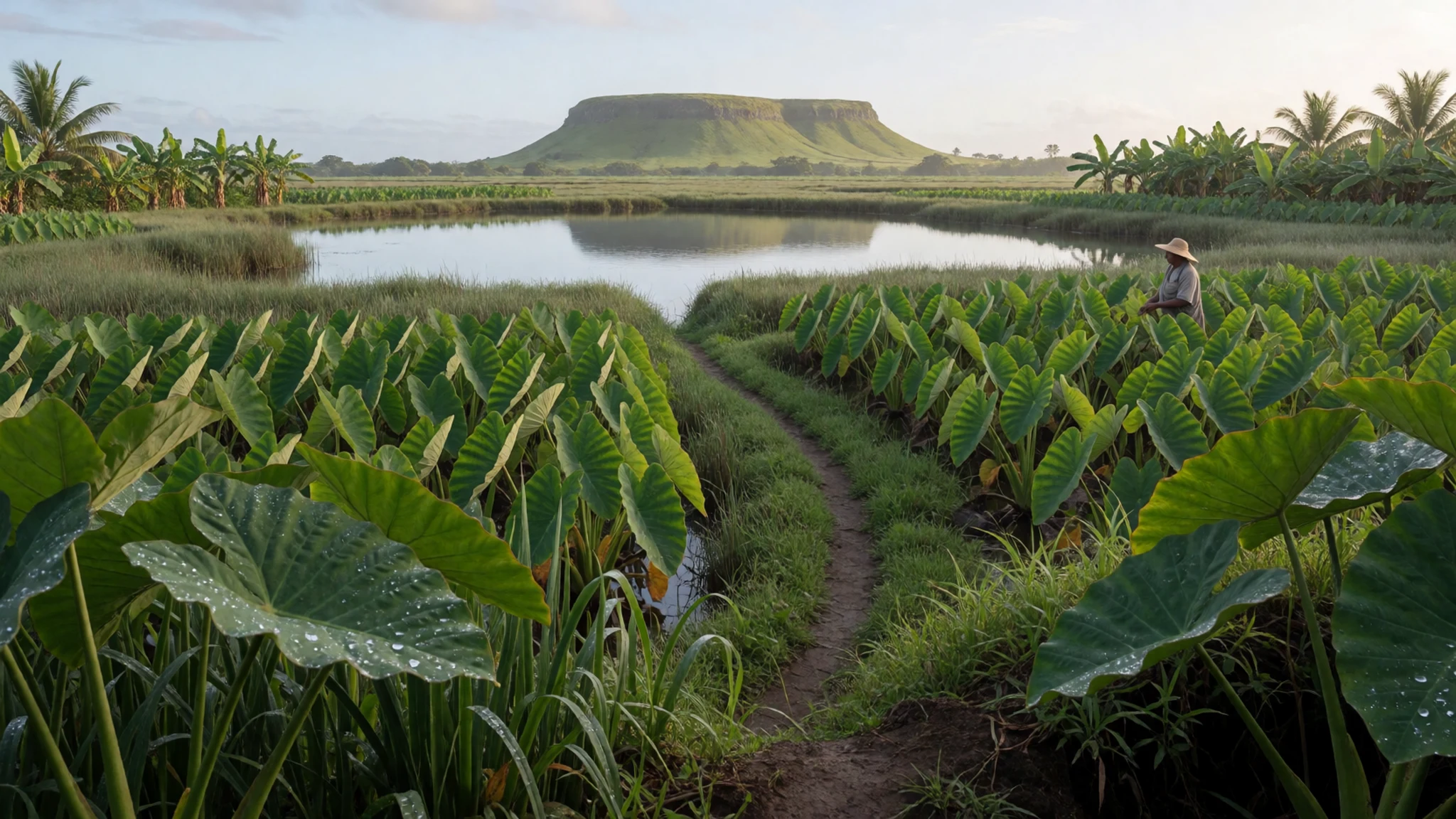
- A tumunu session — Village clearings
The tumunu is Atiu's bush beer gathering, held in a village clearing around a barman who serves tiny coconut-shell cups in turn. There is sliced fruit on a table, instruments and a lot of singing. Visitors are welcome, and the host will explain the rules. It is a social evening rather than a bar.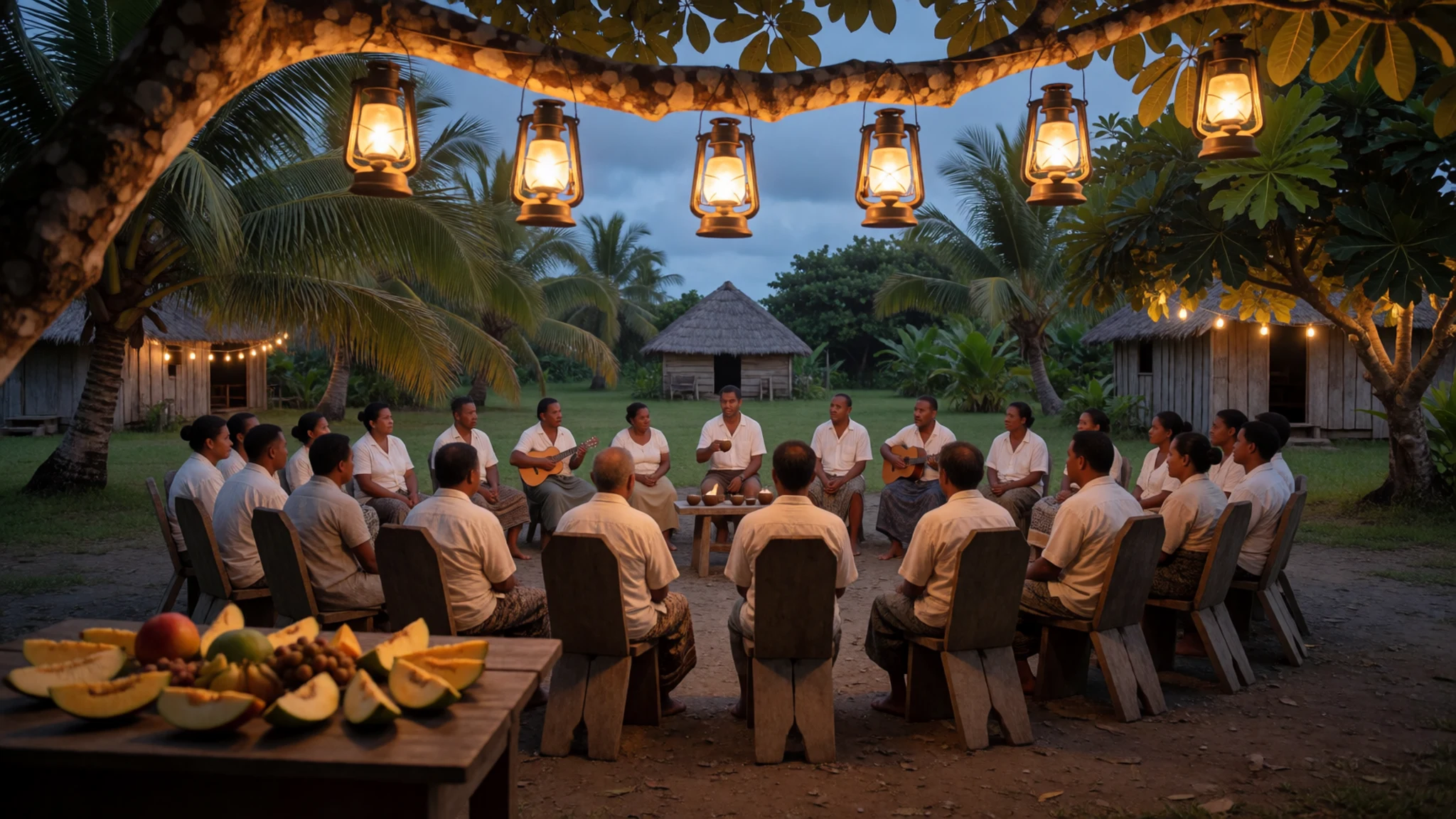
- Village meeting houses — Atiu villages
Each of Atiu's villages keeps a meeting house that matters greatly to its people, and to a passing visitor the villages can look much alike. The differences are in who belongs where and what happens when. Ask a host about the history, and ask before stepping inside any building.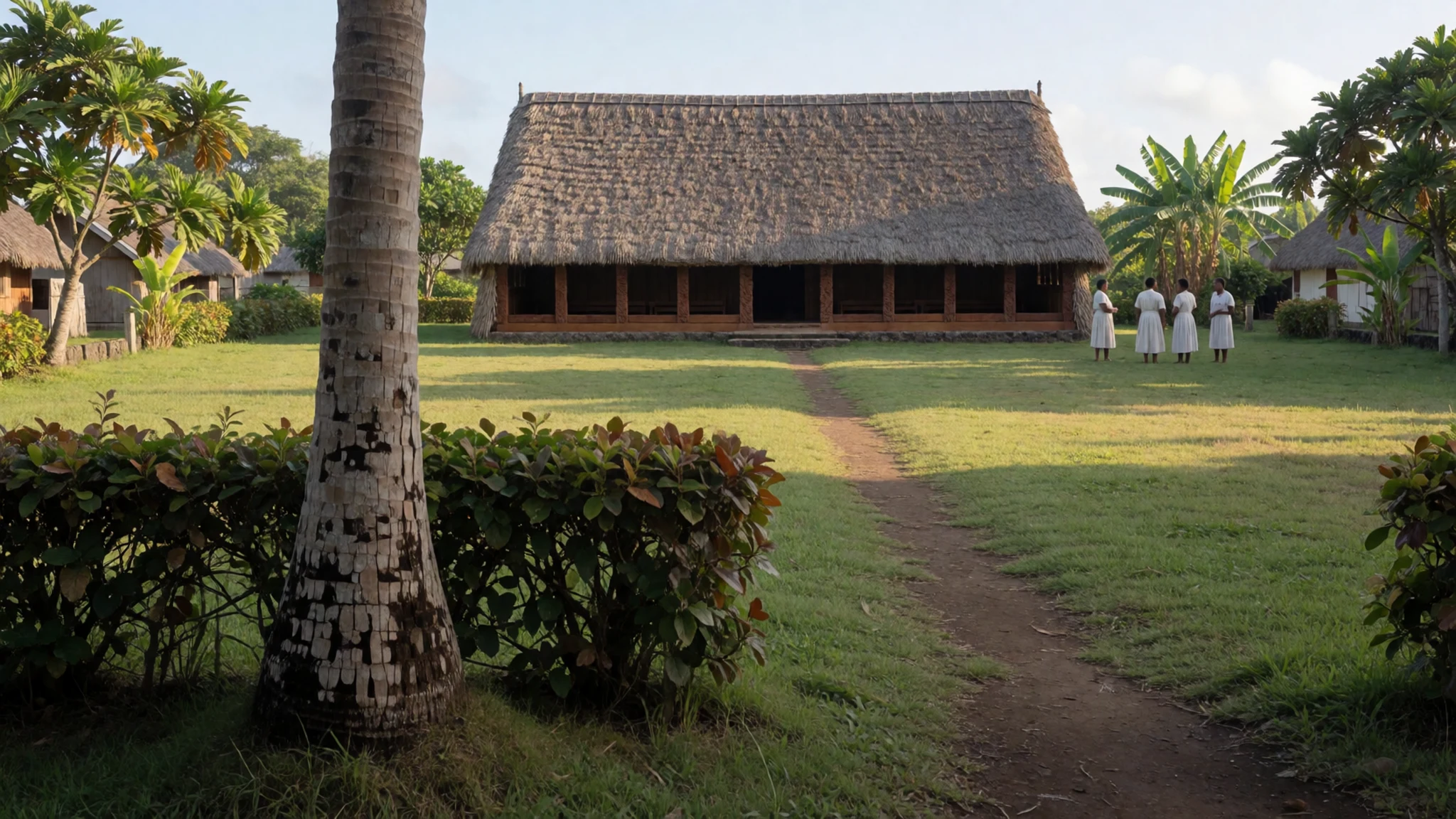
- Coffee plantations — Interior farmland
Atiu has grown coffee since missionary days, and a few small growers still pick, dry and roast on the island. Visits are arranged informally through the lodge or by asking around. It is a practical way to see the interior farmland and take home something grown here.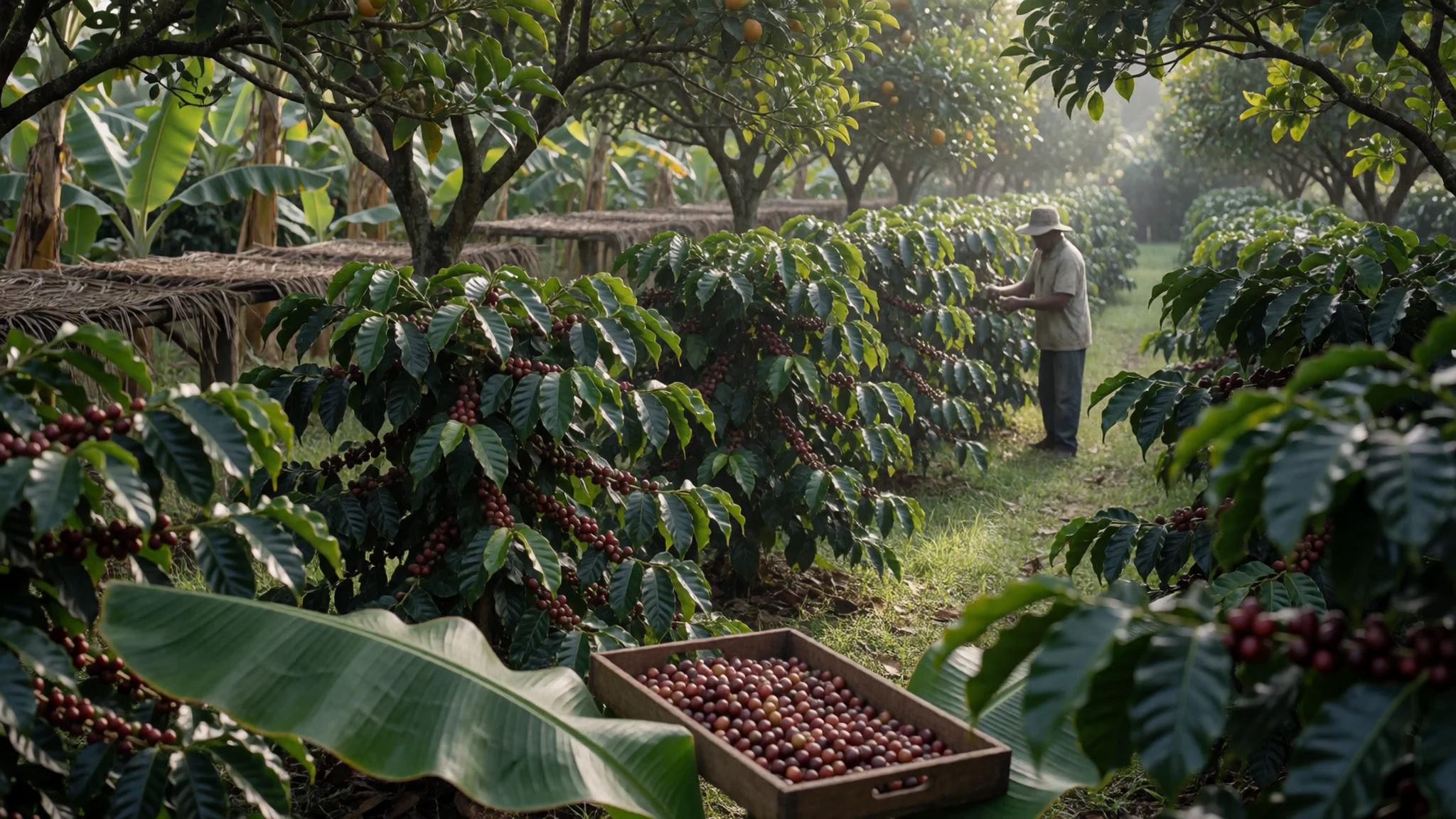
Culture
Locals on Atiu refer to themselves as Toke-enua no Enuamanu, which translates to 'worms of Enuamanu.' This name is used with a touch of humour for those born on the island who wish to be laid to rest in its earth. An older custom, similar to one among New Zealand Māori, was to bury a newborn's placenta beneath a newly planted tree, so that a person was tied to a place in a very literal way. Local sayings still describe the island as the source of life and the final resting place. Nearly everyone identifies as a Cook Islander, and church life is central. The Cook Islands Christian Church is the main denomination, with Catholic and Seventh-day Adventist congregations as well, and Sunday is given to worship and rest. The best-known social custom is the tumunu, the bush beer session. Whalers brought brewing, missionaries banned drink, and for generations men brewed in secret among the plantations. Alcohol became legal only in recent decades. Today the tumunu is an open evening with a circle of homemade seats, a barman serving small cups, sliced fruit and communal singing. It is also tightly governed: anyone who causes trouble at one gathering can be shut out of the others. Sharing is a basic value on the island, and borrowing between neighbours is normal. At a tumunu, join the circle quietly, wave away a cup if you do not want it, and leave a small donation as you go.
What to wear
Traditional dress on Atiu belongs to the wider Cook Islands pattern. The pareu is a wrap of printed cotton, worn by men and women in the heat. Tivaevae are bright quilted appliqué cloths, made by groups of women and used as bedcovers, gifts and wedding presents. Hats woven from palm or pandanus leaf and garlands of flowers or leaves (ei) appear at church, weddings and celebrations. Sunday dress is the most formal: women often wear white dresses and woven hats. Everyday clothing now is simple and practical: shorts, T-shirts, light dresses, rubber sandals, and work clothes for plantation work. There is no fashion shopping on the island, and few shops stock clothing at all. Visitors should bring everything they need. Pack light cotton or linen for the heat and humidity, a wide-brimmed hat, sunscreen and a light rain jacket. Closed shoes with good grip are essential for the sharp makatea and the caves, and reef shoes help at the shore. Swimwear is for the coast only; in villages, shops and especially at church, cover shoulders and knees. A sarong doubles as beach wrap, scarf and cover-up. Insect repellent matters more than any outfit around the wetlands at dusk.
What to eat
- Fresh coconut — Roadside trees and village gardens
Coconuts are everywhere on Atiu, and drinking one cut open is the island's default refreshment. The water is mild and cooling in the heat. Ask a neighbour or the lodge host before taking one from a tree, since most belong to someone.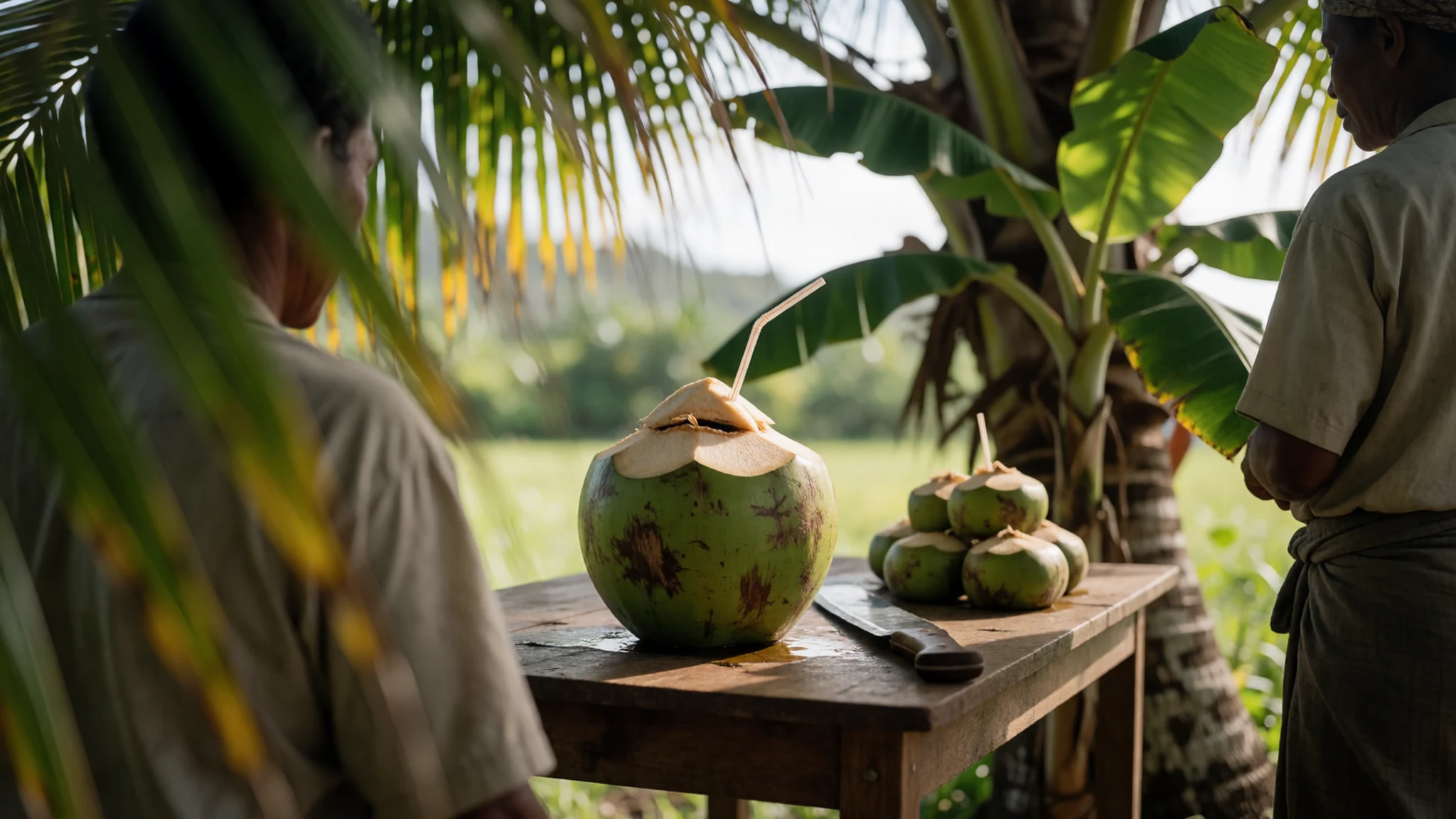
- Taro and breadfruit — Home meals and village feasts
Taro, grown in the wet middle of the island, and breadfruit are the starchy staples, boiled, baked or roasted in an earth oven. Both are filling and plain, served alongside fish or meat. They are most likely to appear at a village meal or a shared feast.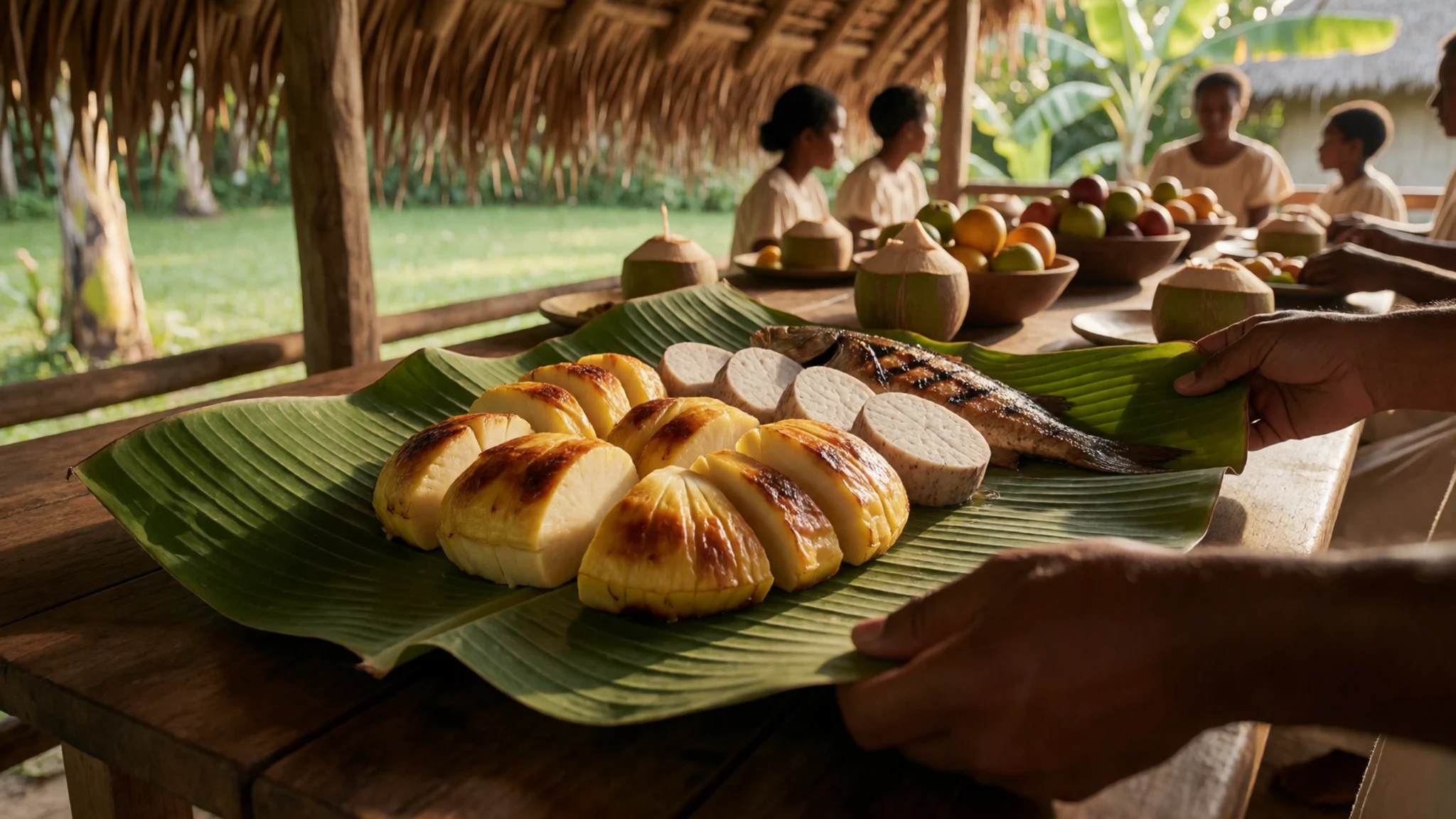
- Ocean fish and flying fish — Island cafés and home kitchens
Fish from outside the reef, including flying fish and game fish, are the safe and fresh choice. They are served grilled, fried or raw in coconut milk. Local advice on reef fish varies, so ask before eating them. - Atiu coffee — Small growers and the lodge
Coffee has grown here since missionary days, and small producers still roast it in limited batches. It tastes of the island's rich interior soil and makes a useful gift to bring home. Supply is small, so ask early. - Tropical fruit — Gardens, village tables and tumunu gatherings
Bananas, pawpaw, citrus and other fruit grow in the fertile interior, and hosts often offer them. Sliced fruit is also laid out at a tumunu evening. Offer a small gift in return rather than expecting to pay.
Plan it
Best time. May to October is cooler and drier, which suits walking and cave visits. From November to April the island is hotter, more humid and wetter, and it falls in the cyclone season.
How long. 3–4
Getting there. Fly from Rarotonga to Enua Airport on Atiu with Air Rarotonga; flights run daily except Sunday, and there is a weekly link to Aitutaki on Wednesday. Check the airline for current times and baggage limits, as the aircraft are small. Cargo ships call at Taunganui Harbour and can carry passengers, but schedules are unreliable.
Budget. mid
Tips
- Book flights and accommodation well ahead, as there are only a few places to stay; the official site is http://www.atiu.info/
- Bring imported groceries such as butter, eggs, meat and spices, as they are scarce and costly
- Carry enough cash, since shops are few and card facilities cannot be assumed
- Boil drinking water before use
- Avoid eating reef fish unless locals confirm it is safe; flying fish and ocean fish are fine, and watch your belongings
Etiquette
- Ask before entering a cave, as some are burial sites
- Cover shoulders and knees in villages and at church, and keep Sunday quiet
- Give a small gift or thanks when neighbours share food or fruit
Nearby
Sources
- Wikidata Q755982 (CC0)
- Wikipedia: Atiu (rev 1375492746) (CC BY-SA 4.0)
- Wikivoyage: Atiu (rev 5242286) (CC BY-SA 4.0)
- Atiu Aerial.jpg (Public domain)
- Carte d'Atiu (topographie et tapere)/Map of Atiu (topography and tapere), Nevers (Public domain)
- Kopeka.jpg, Peterloeff (CC BY-SA 4.0)
- Kopeka bird.jpg, Biberl (CC BY-SA 4.0)
- Atiu location rus.png, Andreyostr (Public domain)
- Atiu map (rus), Andreyostr (Public domain)
- Map of Atiu (Cook Islands), Mr Minton (CC BY 2.5)
- Carte d'Atiu, Laurent Nevers (CC BY 3.0)


