Takutea
Takutea, Cook Islands
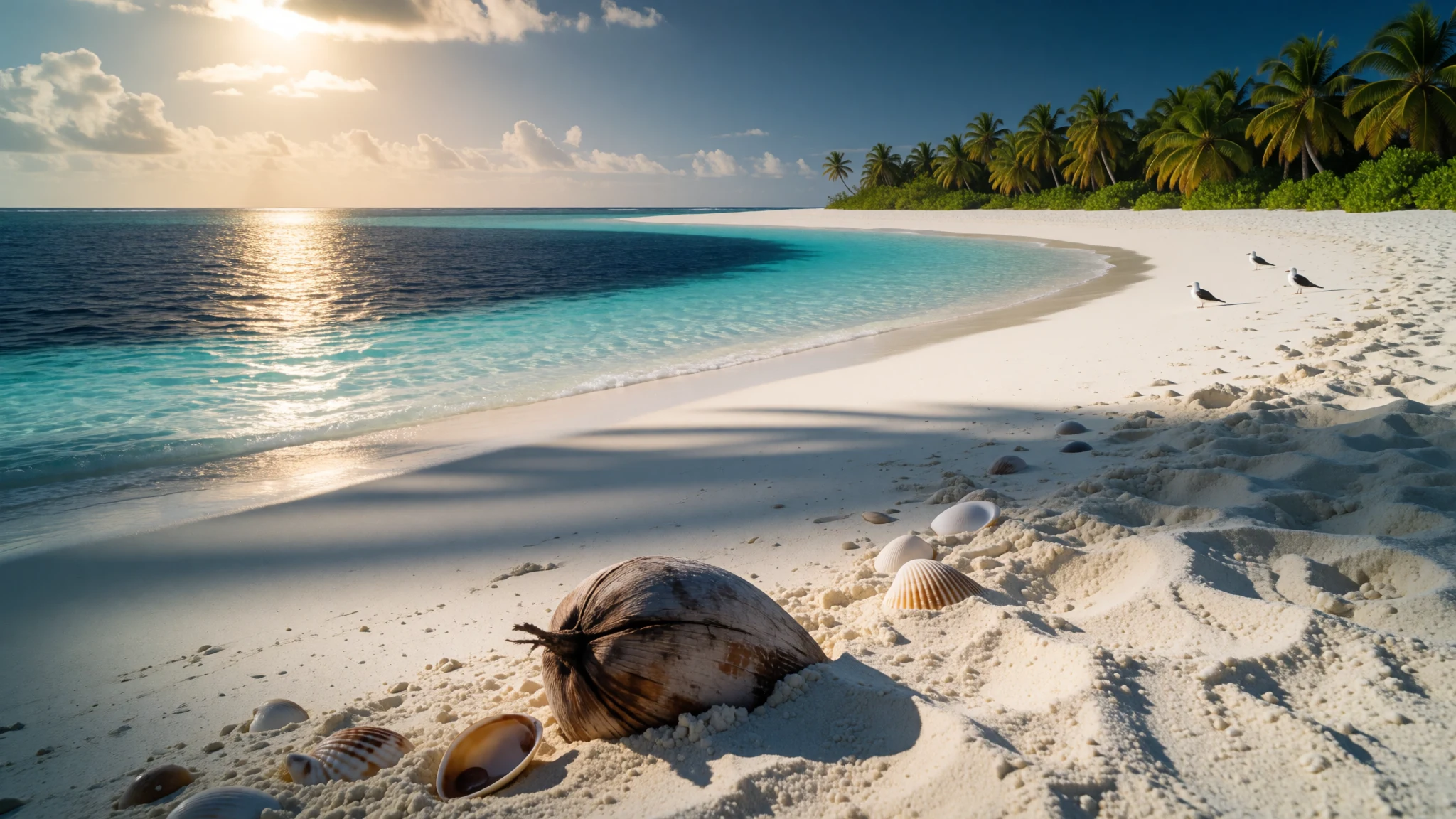
Takutea is an empty sand island with a ring of reef, a long chiefly history and a sanctuary status that keeps it quiet.
The place
Takutea lies in the open Pacific, about 21 km north-west of Atiu, and nobody lives there. On paper it counts as part of Atiu, but it is held in common by all of Atiu's people rather than by one village or district, and that shared ownership shapes how the island is used. The land is a low oval of sand, roughly 2 km from end to end, rising to only 11 m above the sea. A narrow reef rings it, and landing depends on sea conditions and local knowledge. Geologists think the island is what remains of a much larger undersea ridge that broke apart when part of a volcano collapsed. From the water it reads as a flat green smudge of coconut palms with a pale beach around it. Because it is a wildlife sanctuary rather than a destination, there are no shops, cafés, lodgings or other services of any kind. Most people meet Takutea from a boat offshore or through a satellite picture, and the satellite view is the better way to grasp its shape: a tidy oval, a bright fringe of reef, then deep blue water on every side. Atiu, the nearest inhabited island, is the place to ask about it, and the people there are its owners.
Its story
Takutea has never had a permanent village, but its history is busy all the same. Its older name was Areuna. The present name, Taka-ku-tea, means roughly "my white ku", after the explorer Mariri caught a pale squirrelfish there; it was also called Enua-iti, "Small Island". People from Atiu crossed over to gather seabirds and coconuts and considered the island part of their own territory. When Captain James Cook sighted it in 1777, a landing party found a few huts but no settlement. Britain declared a protectorate over it in 1889, and in 1902 a high chief, Ngamaru Rongotini Ariki, handed it to King Edward VII, a gift reversed in 1938 because he had no authority to give it away. In the early twentieth century much of the land was turned over to coconut growing for copra, tended by workers who came from Atiu for the purpose. In 1950 the Land Court of the Cook Islands made three ariki and four mataiapo trustees for the Atiu community. Trips thinned out from 1963, when new rules made voyages between islands in traditional boats harder. Since then Takutea has been run as a wildlife sanctuary. In 2007 it reached a wider audience when an episode of the television series Survivorman was filmed there.
What to see
- Takutea from above — Orbit, and the open sea north-west of Atiu
The NASA astronaut photograph shows Takutea as a pale oval of sand and palms inside a thin ring of reef, set against deep blue water. It is the clearest way to grasp the island's scale and shape, and a sensible first step before asking Atiu's community about any visit.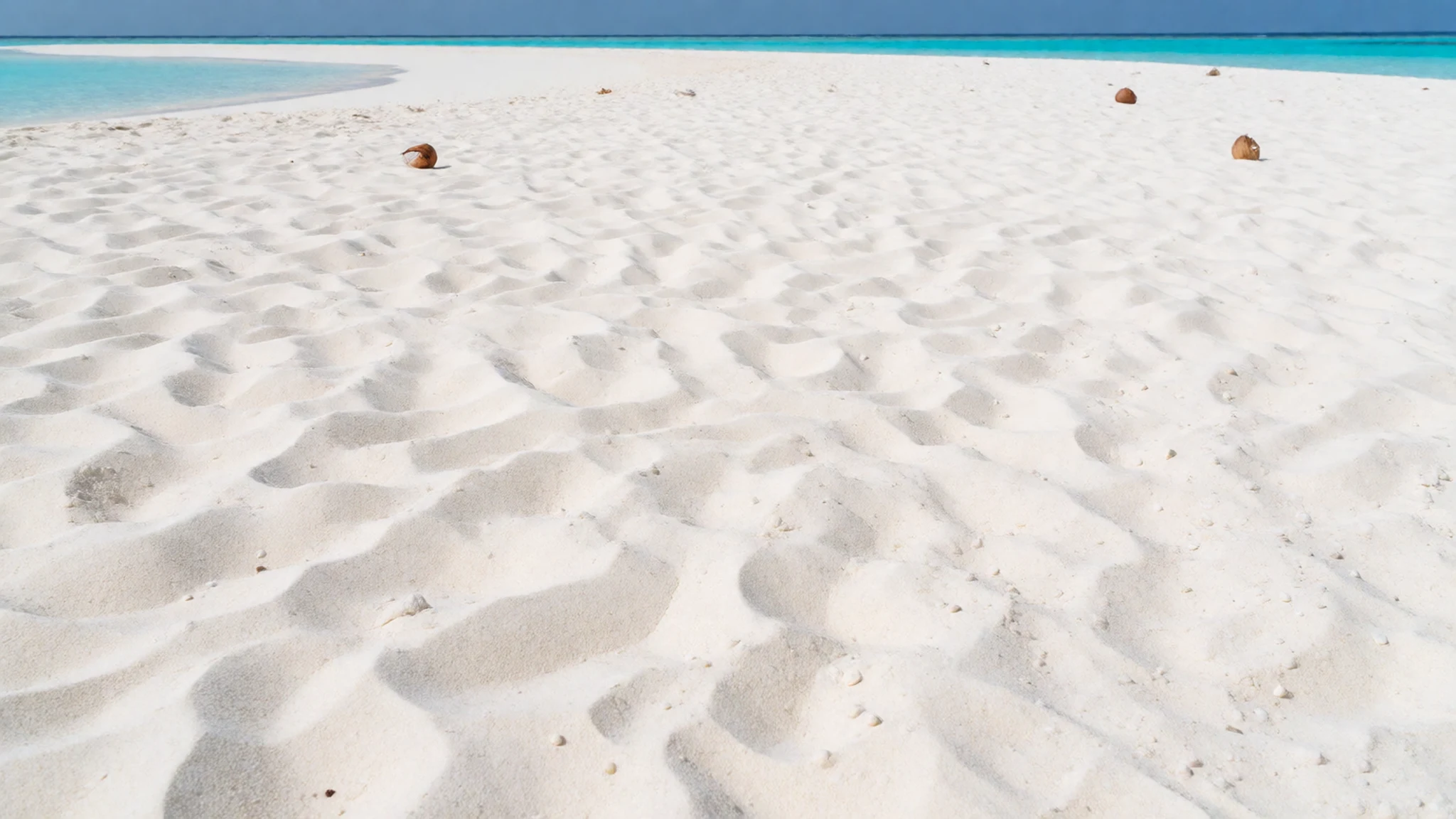
- The island map — Takutea Island
A map of Takutea, credited to Mr Minton, shows the outline, the reef and the layout of the land. It helps explain why the island has no settlement and where a boat might stand off. Read it alongside the satellite view to picture how small and flat the island is.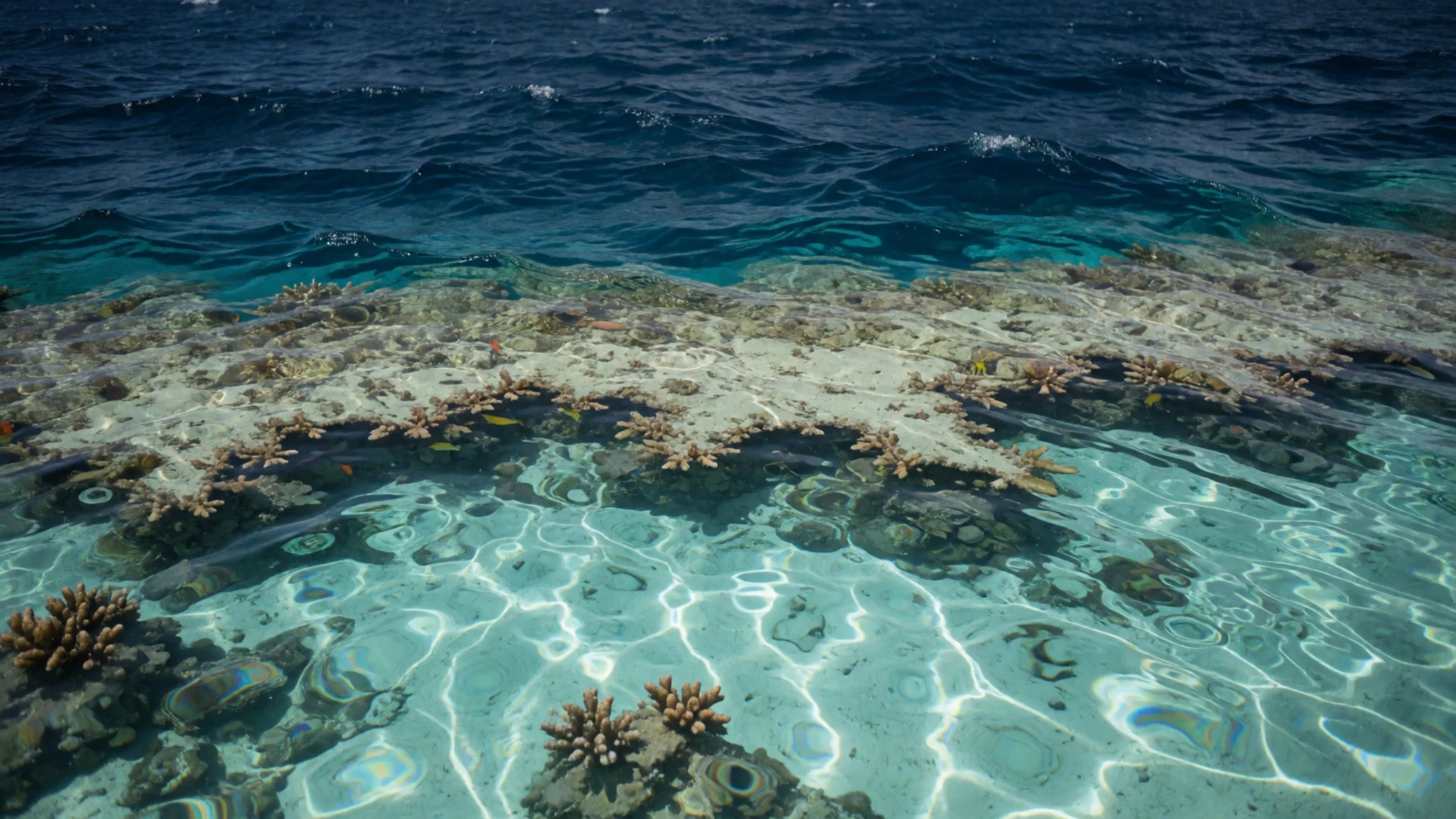
- The fringing reef — Reef around Takutea
A narrow reef surrounds the island, and beyond it the water drops into open ocean. From a boat offshore, the line of surf marks the edge. Conditions change with the swell, so anyone hoping to get close should rely on Atiu boat operators who know when to stay away.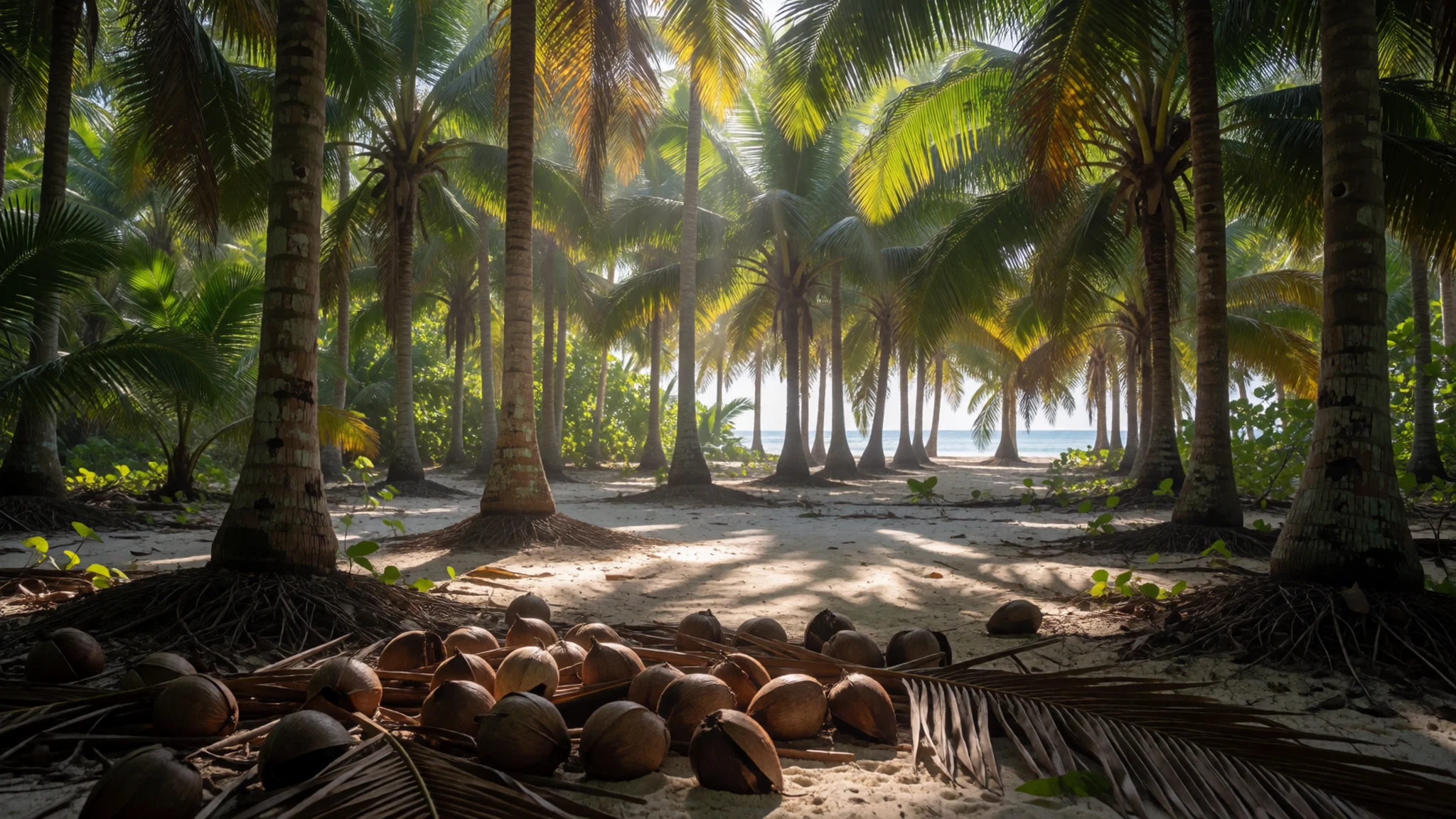
- Coconut groves and seabirds — Interior of Takutea
Much of the interior carries coconut palms, planted in the twentieth century for copra and now left largely to wildlife. Seabirds use the island, which is part of why it is protected as a sanctuary. From the water, binoculars matter more than a camera, and nests should never be approached.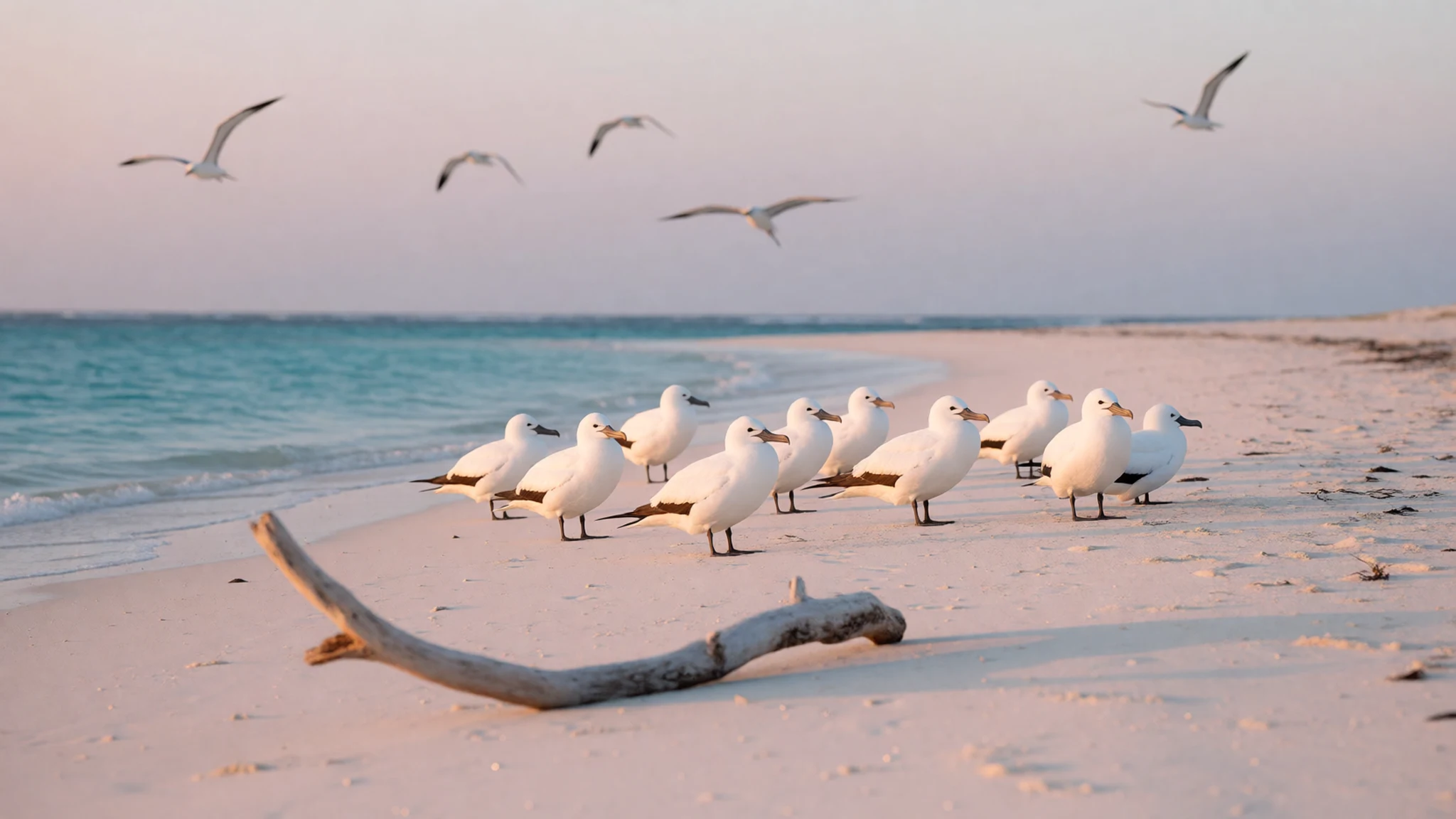
- Atiu, the gateway — Atiu
Atiu, the inhabited island 21 km to the south-east, is where any enquiry starts. Its community holds Takutea in common, and its trustees, drawn from ariki and mataiapo titles, decide about access. Spend time there anyway: village life, church services and local food are the real substance of the trip.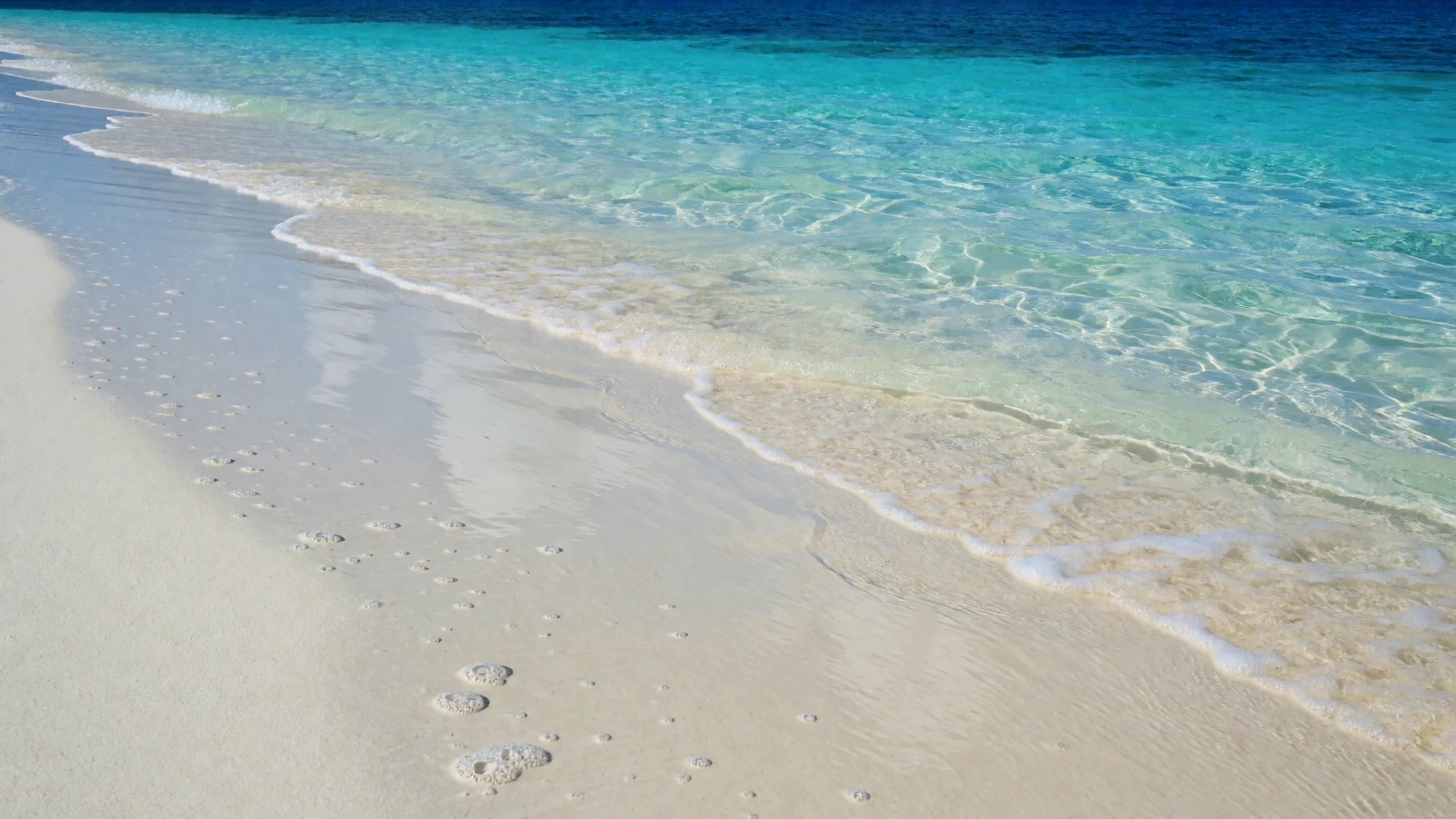
Culture
Takutea is best understood through Atiu, because the island belongs to Atiu's people and is looked after on their behalf by trustees holding chiefly titles. Ariki are the paramount chiefs of the Cook Islands, and mataiapo are the next rank of title-holder. Their authority is a living part of island decision-making, not a museum piece, and it explains why Takutea has no private owner, no resort and no village of its own. For generations Atiu families went there to gather seabirds and coconuts, and the plantation years added copra work to that older pattern. Today the island is kept as a sanctuary, and the culture around it is mostly one of restraint: leave it alone, let the birds breed, let the community decide who comes. Cook Islands Māori is spoken alongside English, and a few words of greeting go a long way on Atiu. Church is central to community life, and Sunday is a quiet day, so do not expect boats, tours or loud activity then. Visitors are welcome to take an interest in the island's story, but they are guests of the community and its customs. Do not land on Takutea, or take away coconuts, shells, eggs or feathers, without first getting permission from Atiu's island authorities, because the island is shared community property.
What to wear
Traditional dress in the Cook Islands centres on the pareu, a length of brightly printed cotton wrapped around the body, and on the ei, garlands of flowers, leaves or shells worn on the head and neck for welcomes, church and celebrations. Hats woven from pandanus or young palm leaf are still made by hand on many islands, and finely worked ones are worn to church. Tivaevae, the appliqué and patchwork quilts, are the best-known textile art, though they are bedding and gifts rather than clothing. On Atiu, everyday wear is simple: shorts, T-shirts, sandals and sun hats, with farm and fishing clothes for work. Sunday is different, when many women wear white dresses and hats and men wear shirts and trousers or a pareu. Takutea itself has no one living on it, so the question of what to wear is really about the boat, the sun and the island you start from. Bring a light long-sleeved shirt, a wide-brimmed hat, sunglasses and high-factor sun cream. Reef shoes or sturdy sandals protect feet on coral and sharp shells. In villages and at church, cover shoulders and knees, and keep swimwear for the beach and the boat. A waterproof layer for spray is sensible, and a dry bag protects a phone and camera.
What to eat
- Ika mata — Village eateries and community gatherings on Atiu
Raw fish, usually tuna, marinated in lime juice and finished with coconut cream, often with chopped vegetables. It is the signature Cook Islands dish. Look for it at community gatherings, village stalls and eateries on Atiu, wherever fresh catch has come in.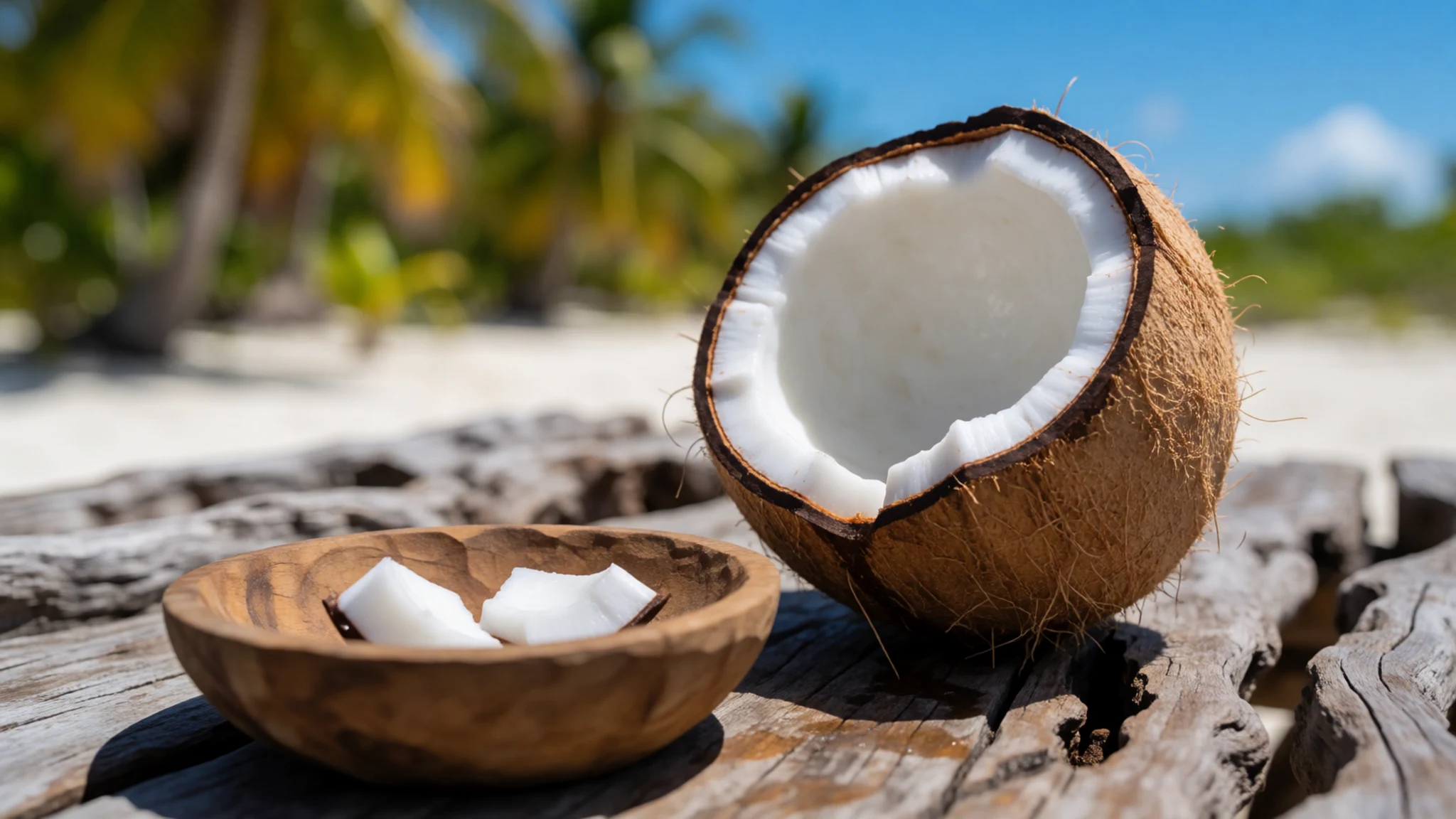
- Rukau — Family meals and feasts on Atiu
Young taro leaves cooked down with coconut cream into a soft, earthy green dish, rather like creamed spinach. It is served as a side with fish or meat and is a staple at family meals and island feasts.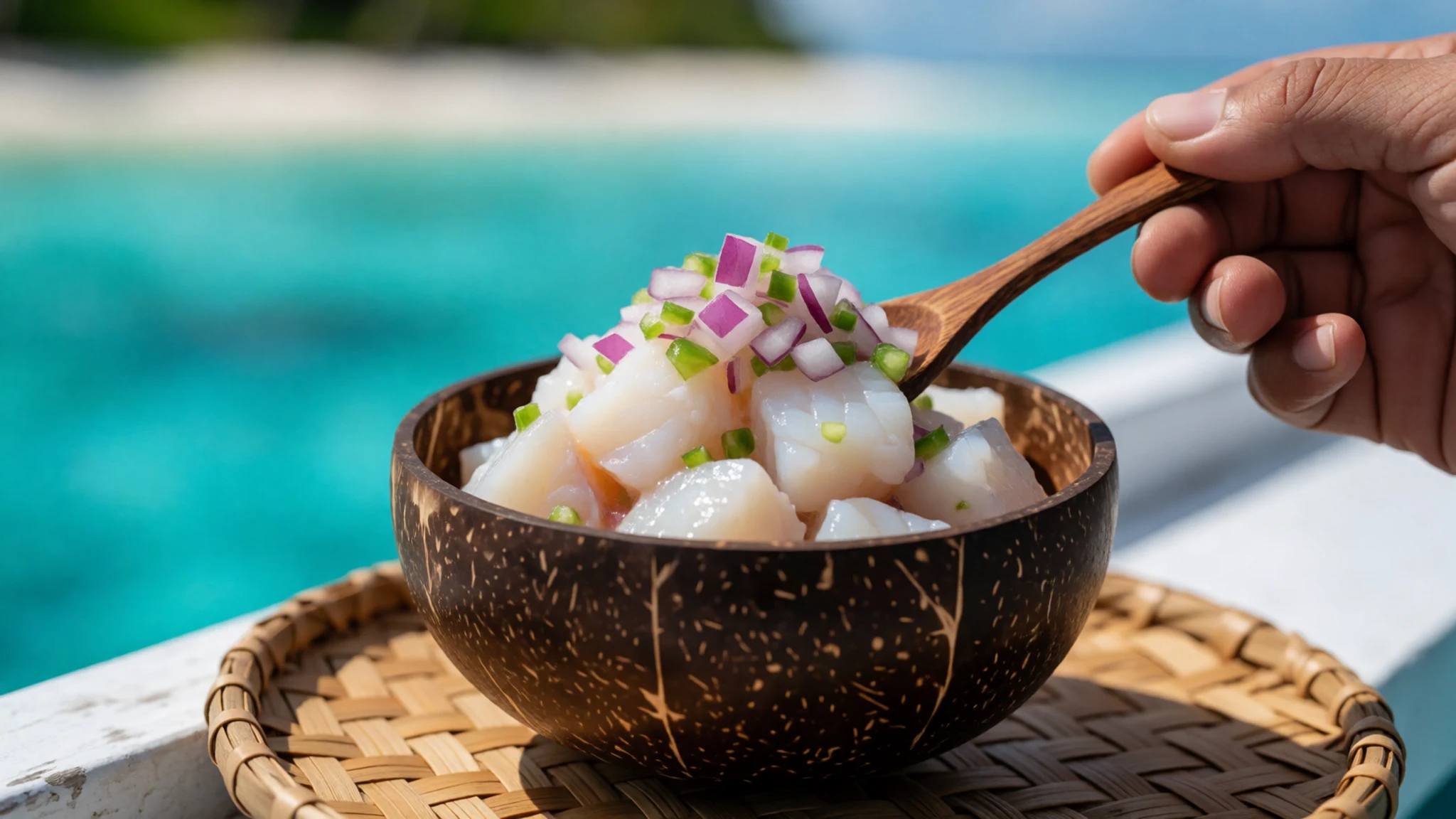
- Umu feast — Sunday and celebration meals on Atiu
Food cooked in an earth oven, typically root vegetables, breadfruit, pork or fish, wrapped in leaves and left to steam over hot stones. It is usually a Sunday or celebration meal, so ask locally about when one is planned. - Taro and breadfruit — Home kitchens and village shops on Atiu
Starchy staples boiled, baked or roasted, taking the place that rice or potatoes hold elsewhere. They come with nearly every island meal and soak up coconut cream and fish juices well. - Fresh coconut — Roadside stalls and gardens on Atiu
Drinking coconut is the simplest refreshment on the islands, and the flesh is eaten fresh or used in cooking. Takutea's palms were planted for copra, but any coconut on Atiu belongs to someone, so ask before picking.
Plan it
Best time. June–September, when the Cook Islands are generally cooler and drier; the cyclone season runs from about November to April, so check forecasts and boat conditions before booking.
How long. 2–3
Getting there. Fly to Rarotonga International Airport, then take a domestic flight to Atiu (check the airline for schedules). Takutea has no settlement or landing facilities, so any approach is by boat arranged through Atiu's community and authorities.
Budget. mid
Tips
- Ask Atiu's island authorities about any access before travelling, as Takutea is protected community land
- Book inter-island flights and local boat trips well ahead, since services are small and weather-dependent
- Bring sun protection, drinking water and a dry bag, as there are no facilities on the island
- Carry cash for small shops and stalls on Atiu, as card use can be patchy
- Keep Sunday free, as most things close for church and rest
Etiquette
- Do not land on Takutea or remove anything from it without permission from Atiu's authorities
- Keep well back from nesting seabirds and do not disturb them
- Dress modestly in villages and at church, and ask before photographing people
Nearby
Sources
- Wikidata Q1425600 (CC0)
- Wikipedia — Takutea (rev 1348138180) (CC BY-SA 4.0)
- Wikivoyage — Cook Islands (CC BY-SA 4.0)
- NASA astronaut image of Takutea Island (Public domain)
- Map of Takutea Island — Mr Minton (CC BY 2.5)


Wildlife
- White squirrelfish (animal)
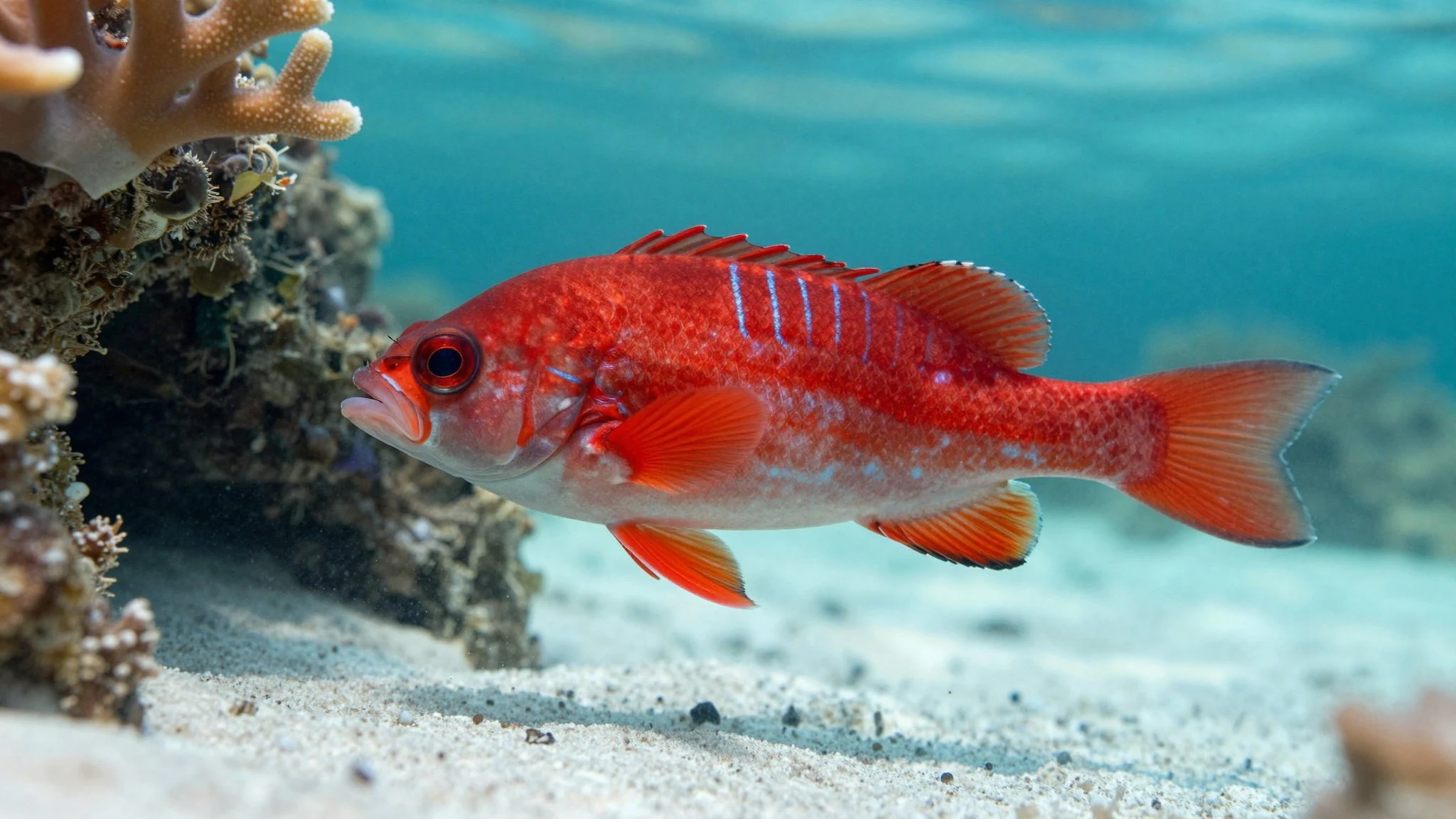
The white squirrelfish, called ku, is a pale fish, a squirrel that swapped its tree for the sea. It has a special place in Takutea's story: the island was once known as Areuna, until the explorer Mariri caught one of these fish in the surrounding waters and the name changed. Ask a local guide where to look. Watch from a respectful distance, stay quiet and calm, and never feed it.