Swansea
Swansea, United Kingdom
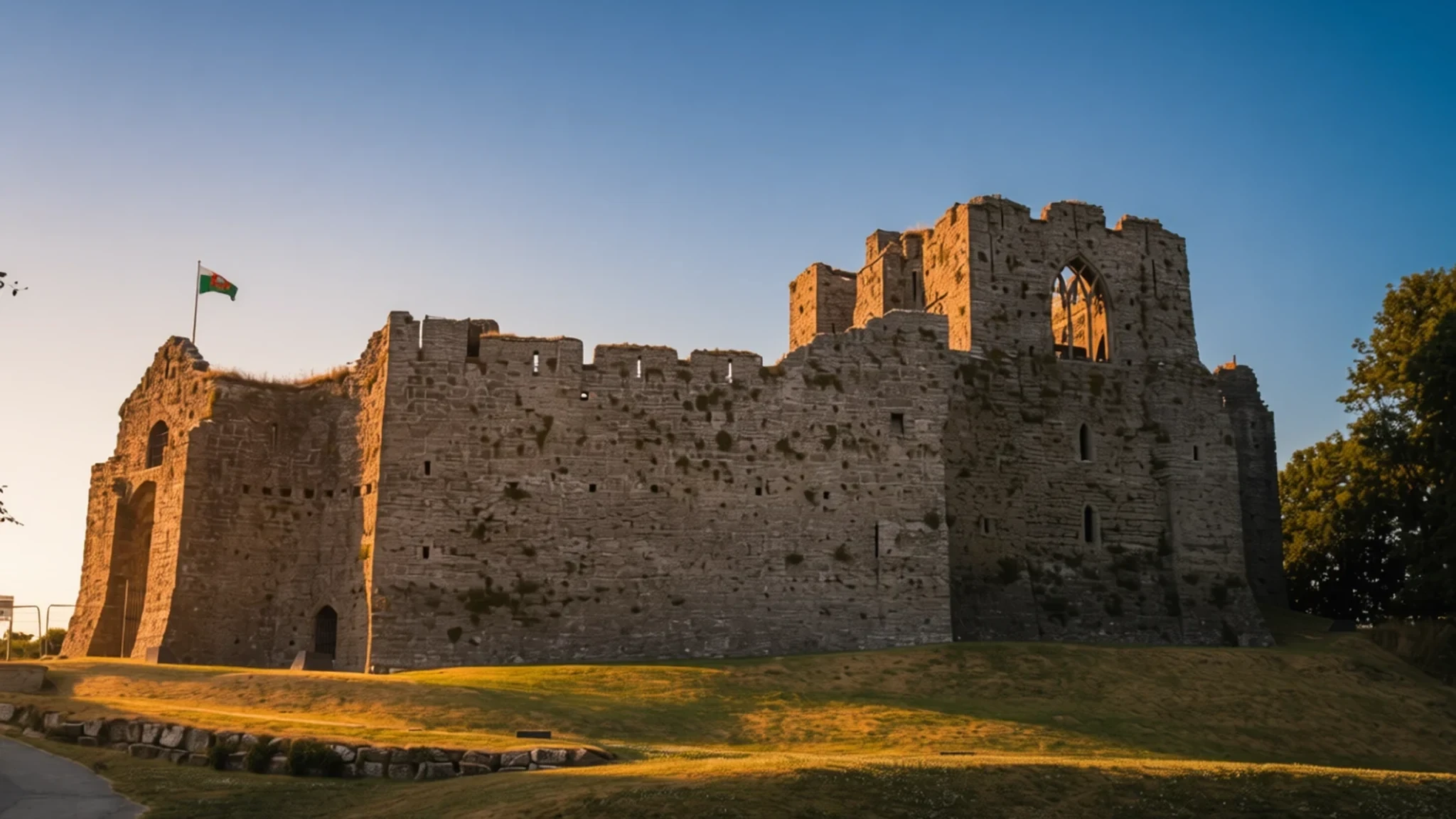
Swansea gives a Welsh city, a long bay and the Gower coastline in one easy trip, with castles, cockles and Dylan Thomas thrown in.
The place
Swansea, called Abertawe in Welsh, is a seaport on the coast of south-west Wales, wrapped around Swansea Bay. It is the second-largest city in Wales, with a population of about 246,700, and the council area it belongs to also takes in the Gower Peninsula. That mix is the city's character: a working harbour town with a marina, a busy market and a Victorian theatre, and, a short bus ride away, cliffs, dunes and surf beaches.
The centre was rebuilt after wartime damage, so the streets are more modern than the age of the place suggests. Older layers show up in pockets: the castle ruins wedged between newer buildings, the white stone Guildhall on the western approach, and the church of St Thomas on the east side of the river. Uplands, a short way inland, is the leafy district where Dylan Thomas grew up.
To the south-west, the seafront runs round to Mumbles, a village with a pier, a castle and a row of cafés and pubs. Beyond it lies Gower, the first area in the United Kingdom to be named an Area of Outstanding Natural Beauty.
In the nineteenth century the city was the centre of copper smelting and was nicknamed Copperopolis. The smoke has gone, but the sense of a place that was built on trade and still faces the sea has not. Weather is the usual Welsh gamble: bright spells, sudden showers and a breeze off the bay most days. Swansea suits visitors who like a city with an open-air option on every side, and who do not mind carrying a waterproof.
Its story
Swansea's story starts long before any town. Caves on the Gower Peninsula have given up some of the earliest traces of modern humans in Britain, and a ceremonial burial found at Paviland in 1823 has been dated to around 22,000 BC, which makes it very old indeed for Western Europe. Later peoples left burial mounds, hill forts and the remains of a Roman villa, so the surrounding landscape is thick with the past.
The mouth of the River Tawe became a trading point in the Viking Age, and a trading post may have stood here at some point between the ninth and eleventh centuries. The land was valuable and fought over by early Welsh kingdoms. After the Norman arrival, a Welsh ruler handed the area to Henry de Beaumont, Earl of Warwick, in the early 1100s as part of the new Lordship of Gower. The facts block gives 1158 as the founding date of the town.
The great change came with industry. In the nineteenth century, ships brought ore to the harbour and furnaces along the Tawe smelted copper, giving the city its nickname Copperopolis. Old engravings of the copper works show a landscape of chimneys beside a rural valley, a reminder of how abruptly the industry arrived.
Today the harbour area has been turned over to a marina and housing, and the story is told in museums and street names rather than smoke. The city's literary side, led by Dylan Thomas, came from the same streets that once filled with workers.
What to see
- Swansea Castle — City centre
The ruins of a thirteenth-century castle stand in the middle of the city, hemmed in by modern shops and offices. There is not much left, so it works best as a short stop on a walk rather than a destination, but the contrast of old battlements and new glass is striking.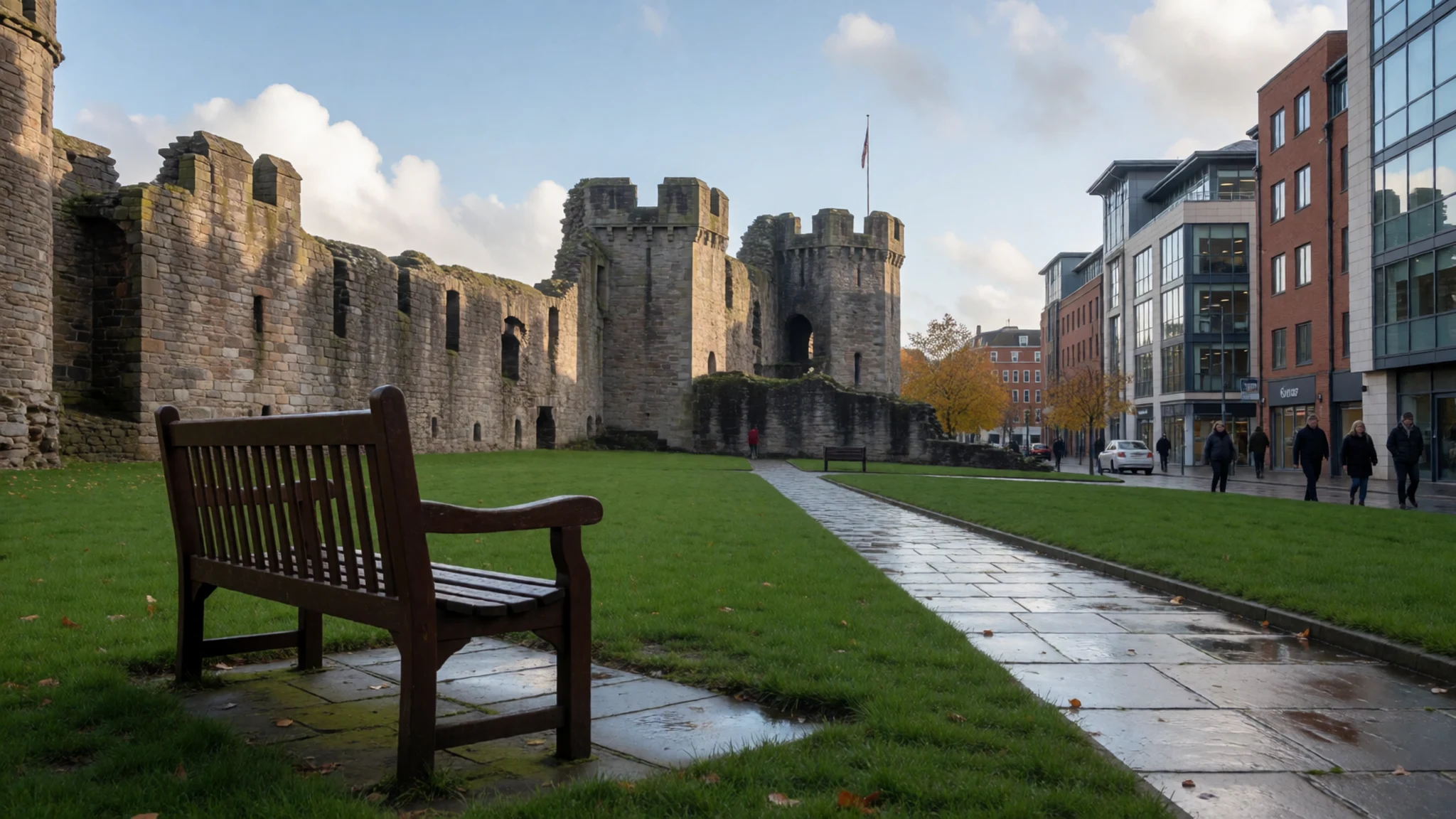
- The Guildhall — Western approach
A white Portland stone building that has stood on the city's western approach since 1934. It mainly holds council offices, so most visitors admire it from outside as part of a seafront walk, where its clean lines look good against the bay and the changing light.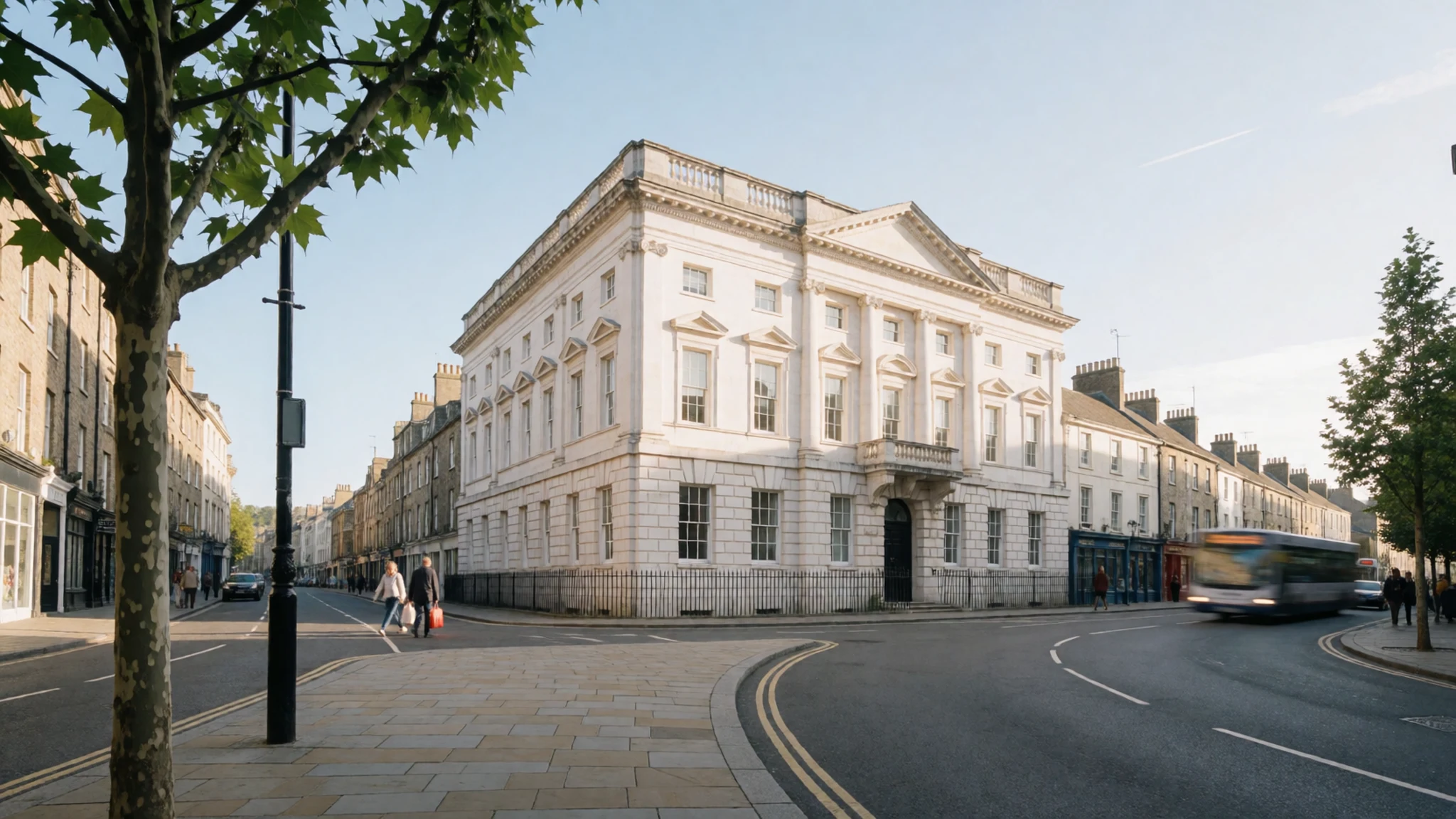
- Dylan Thomas' Childhood Home — Uplands
Number five, Cwmdonkin Drive in Uplands has been restored to show the world of the poet's youth. It also works as a self-catering guest house, so literary-minded travellers can stay the night. Check availability before travelling, and combine it with a stroll in the nearby park.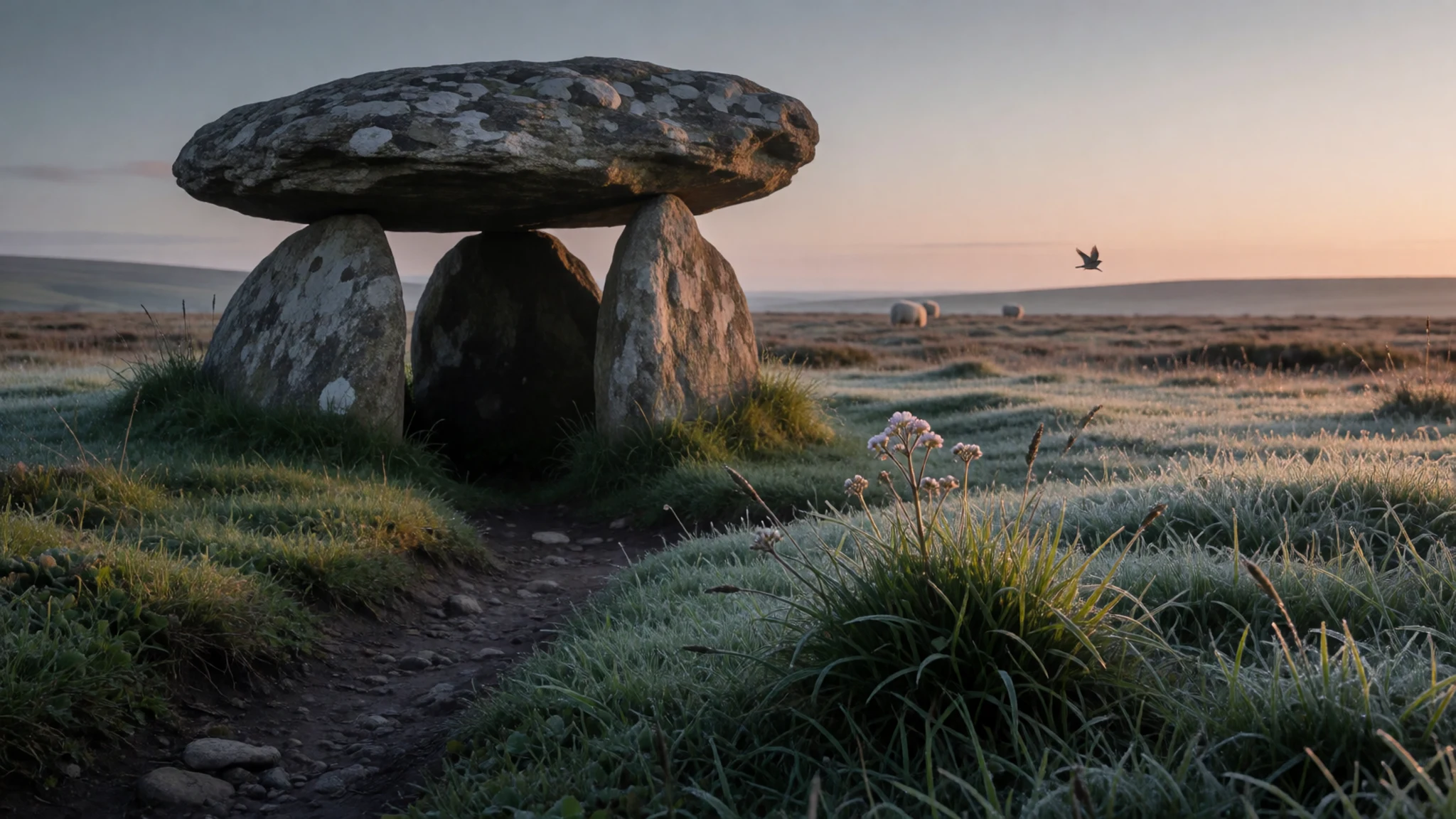
- Oystermouth Castle — Mumbles
A castle above Mumbles, founded in the early twelfth century by William de Londres of Ogmore as a ringwork and bailey. It gives a good view over the bay and makes a natural pairing with a seafront walk and a coffee in the village below.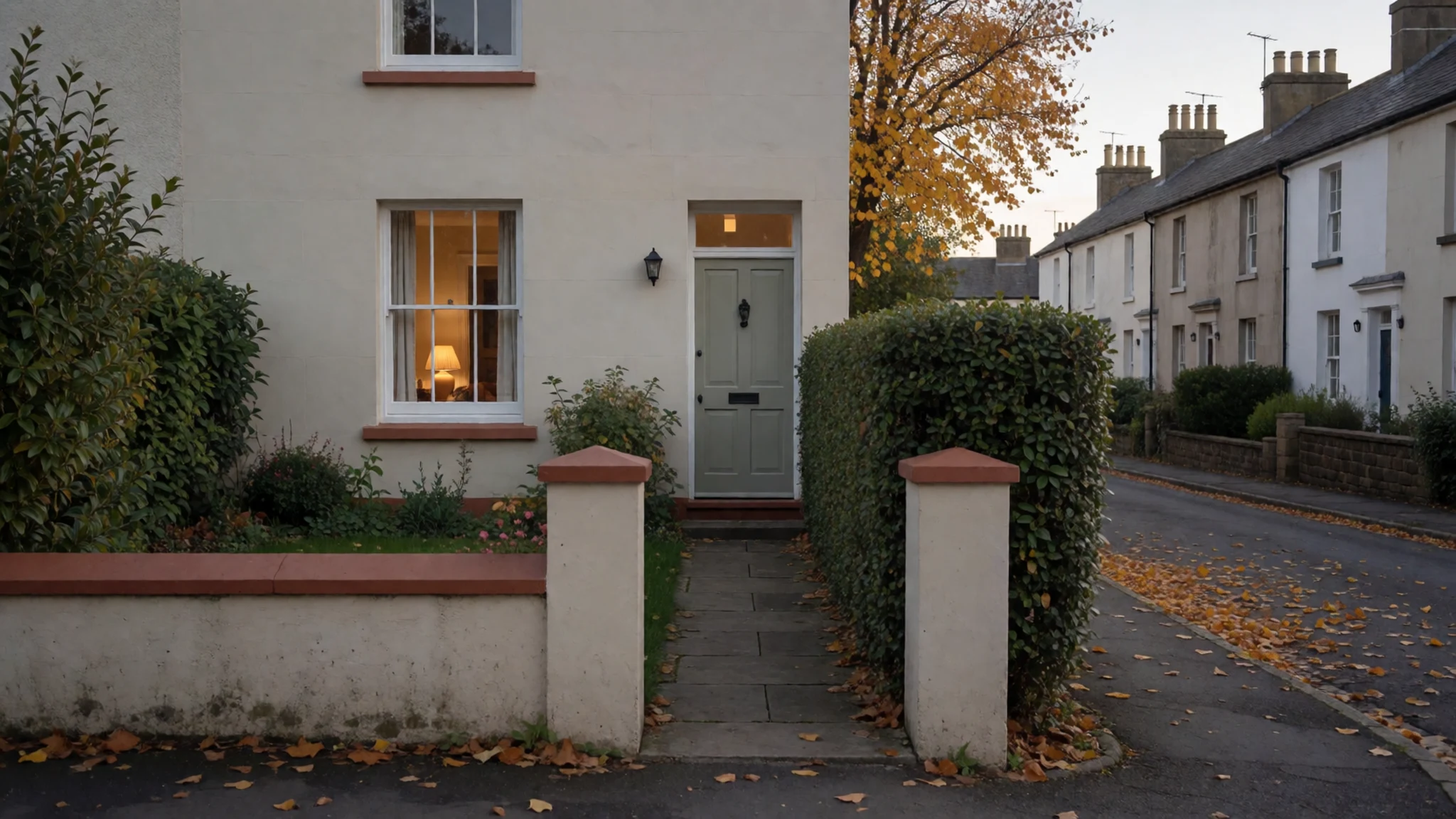
- Mumbles Pier — Mumbles
A Victorian-style pier at the end of the bay, with the village's cafés, pubs and ice-cream counters nearby. It is a pleasant place for a late afternoon walk, and a gentle introduction to the coast before heading out along the Gower beaches.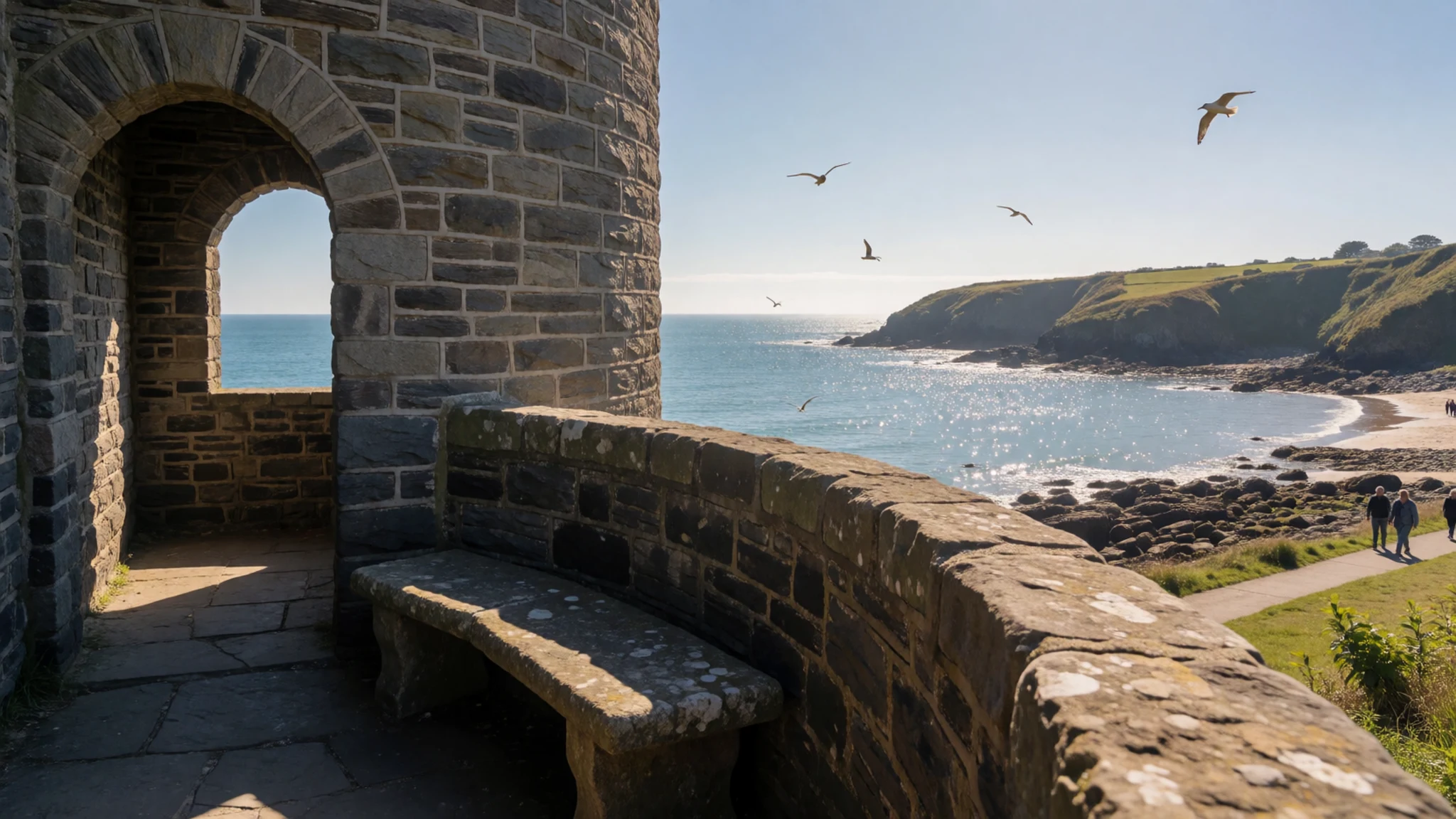
- Arthur's Stone — Gower
A Neolithic burial chamber on Gower, dating from about 2500 BCE, with a huge capstone resting on upright stones. It sits on open moorland, so bring boots and a windproof layer, and allow time for the wider views over the peninsula.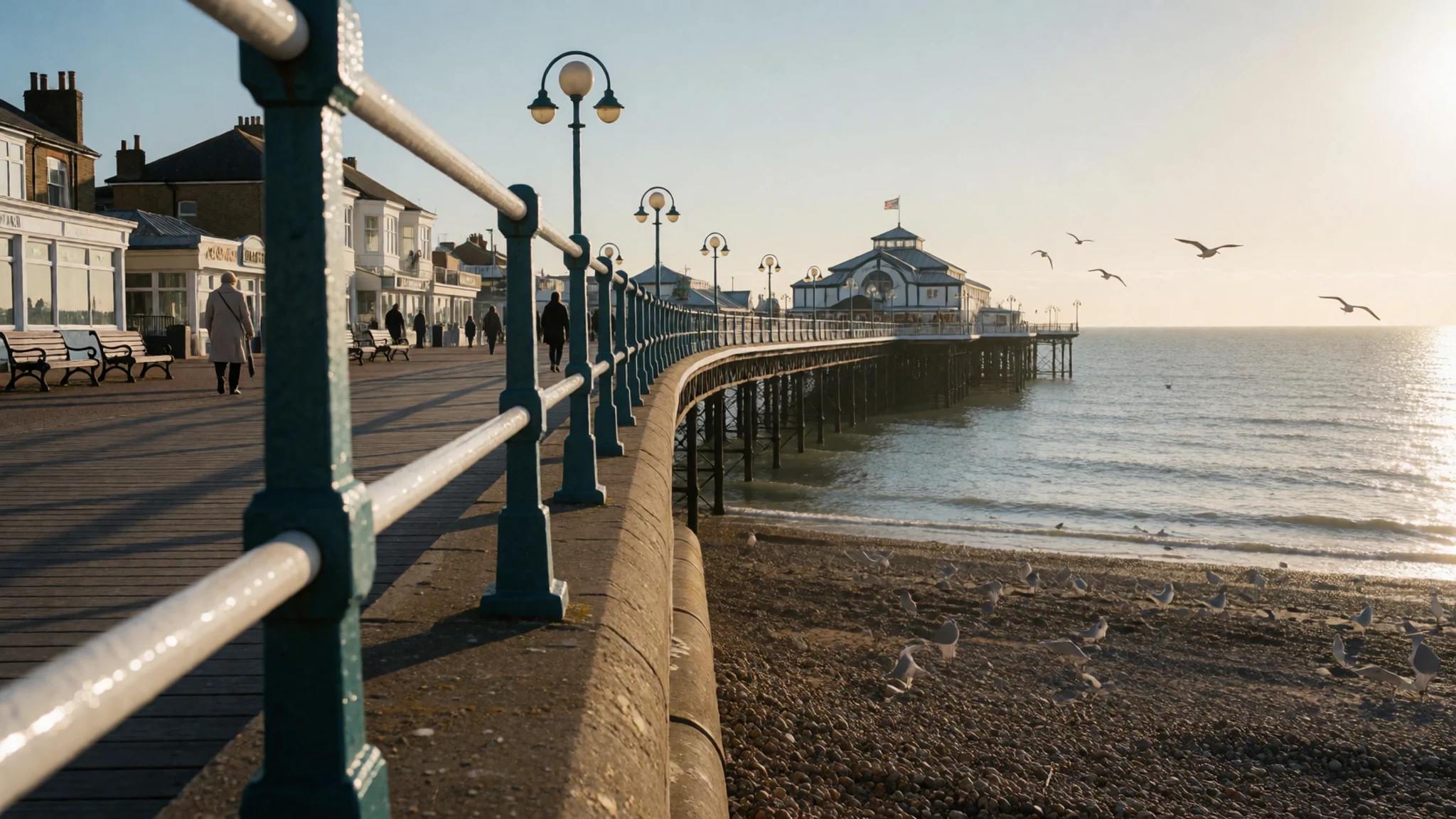
Culture
Swansea's culture is shaped by Wales, the sea and a long habit of putting words on stage and page. Welsh is the national language alongside English, and the city's name appears in both on signs and buses. Most conversation is in English, but a few Welsh words, such as diolch for thank you, go down well.
The city is proud of its writers, above all Dylan Thomas, whose centre near the marina hosts exhibitions and events. The Royal Institution of South Wales began in 1835 as the Swansea Literary and Philosophical Society, which shows how long the city has taken learning seriously.
The Grand Theatre is a Victorian house with room for a little over a thousand people. The venue was declared open by the opera singer Adelina Patti, and the shows on offer span everything from panto and plays through to opera and ballet. Smaller companies perform there and at the Dylan Thomas Centre, and the university campus has its own theatre. Live music is also strong, with pubs and small venues across the centre.
Sport matters, too, and match days bring a lively crowd into the centre. Locals are friendly, chatty and fond of gentle teasing, so a joke in return is usually welcome.
When you are in a pub or café, queue at the bar or counter, wait your turn and order there rather than waving for service.
What to wear
Swansea has no everyday traditional costume, but Wales has a recognised national dress. The Welsh costume of the nineteenth century paired a tall black hat with a woollen shawl and a striped or checked flannel skirt, and the cloth was woven in local mills. It is now seen mainly at festivals, school events and on St David's Day in March, when children and some adults dress up.
What people wear now is practical and casual. Jeans, trainers and a waterproof jacket are the norm, and on match days many wear the shirts of their favourite teams. Surfers and dog-walkers in wetsuits and wellingtons are common along the bay and on Gower. For an evening out in the centre, smart-casual is enough; nobody expects formal dress.
Visitors should plan for changeable weather above everything. A light waterproof and layers are more useful than an umbrella on the breezy seafront. Comfortable, grippy footwear matters for the Gower cliffs and muddy paths, and sandals are best saved for sunny beach afternoons. Even in summer, evenings by the sea can turn cool, so carry a jumper. Churches and castles have no strict dress rules, though covered shoulders feel respectful at a service, and sun cream and a hat are sensible on bright days.
What to eat
- Cockles — Swansea Market
Small shellfish gathered from the mudflats of the nearby Loughor Estuary. They are sold in Swansea Market, usually cooked and ready to eat, often with vinegar and pepper, or added to a traditional Welsh breakfast.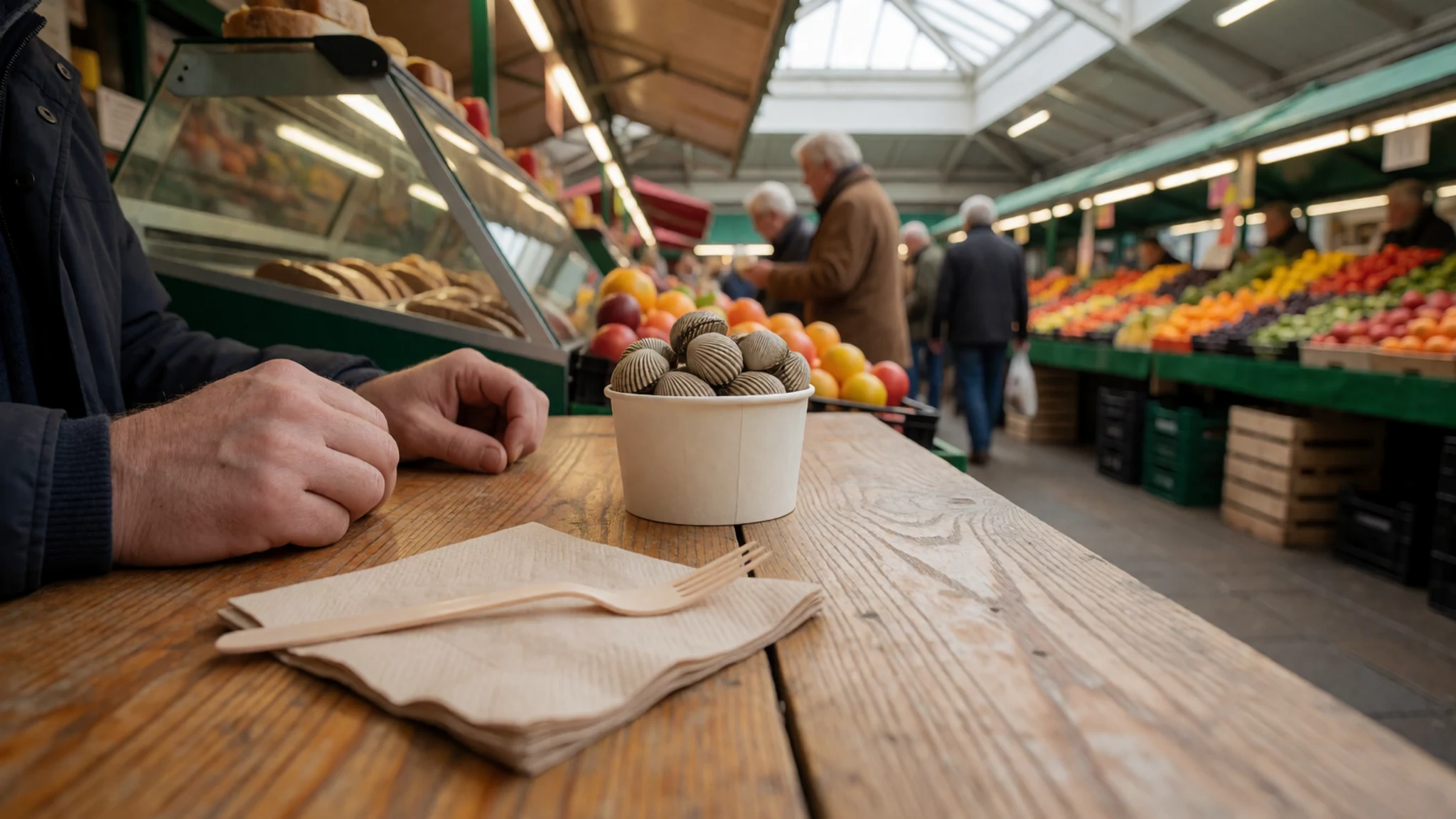
- Fry-up breakfast — Unpretentious cafés in the city centre
A hearty plate of eggs, bacon, sausage, tomatoes and toast, served in small cafés across the centre in the morning. It is a good way to set up a long day of walking along the bay or on the cliffs.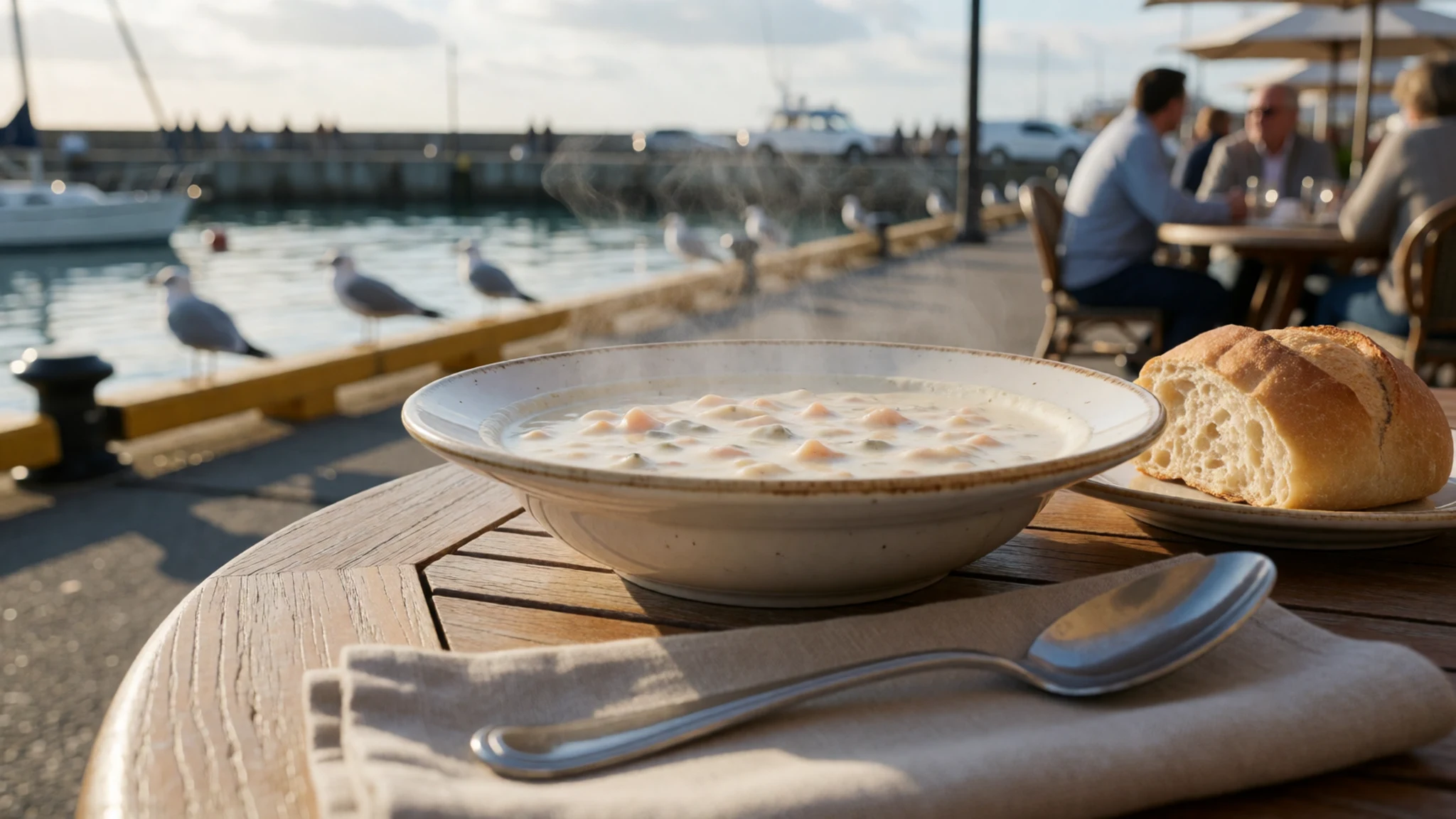
- Ice-cream — Mumbles seafront
A seaside habit in Swansea, especially around Mumbles. Cones are eaten in almost any weather, and the village's pier and promenade are the traditional spots to join the queue and watch the tide. - Welsh ales — Live-music pubs and bars in the centre
Local ales are a point of pride in the city's pubs, and the better ones stock a wide range from regional breweries. Ask staff for a recommendation, or a small taster, before committing to a full pint. - New England chowder — Marina
An unexpected treat on the marina, where a seafood restaurant serves chowder and other dishes in simple American coastal style. It is a good option for a rainy afternoon beside the boats.
Plan it
Best time. May to September for the driest and mildest weather, with the best beach days in June to August. Winters are mild but wet and windy, and the Gower coast can be exposed.
How long. 2–3
Getting there. Heathrow is the main international airport, from which a coach runs to Reading for direct trains to Swansea. Swansea also has direct trains from London and Cardiff. By road, the M4 motorway links the city to Cardiff and London. Park-and-ride buses serve the centre on weekdays and Saturdays.
Budget. mid
Tips
- Carry a waterproof even on sunny mornings
- Use the park-and-ride buses to avoid city parking
- Check the opening times of castles and houses on official websites before visiting
- Hire a car or use local buses for Gower, as beaches are spread out
- Buy cockles early at the market for the best choice
Etiquette
- Queue politely at bars, counters and bus stops
- Take litter home from beaches and cliffs
- Keep dogs under control near livestock on Gower
Nearby
Sources
- Wikidata Q23051 (CC0)
- Wikipedia: Swansea (CC BY-SA 4.0)
- Wikivoyage: Swansea (CC BY-SA 4.0)
- Swansea guildhall.jpg (Public domain)
