Barcelona
Barcelona, Spain
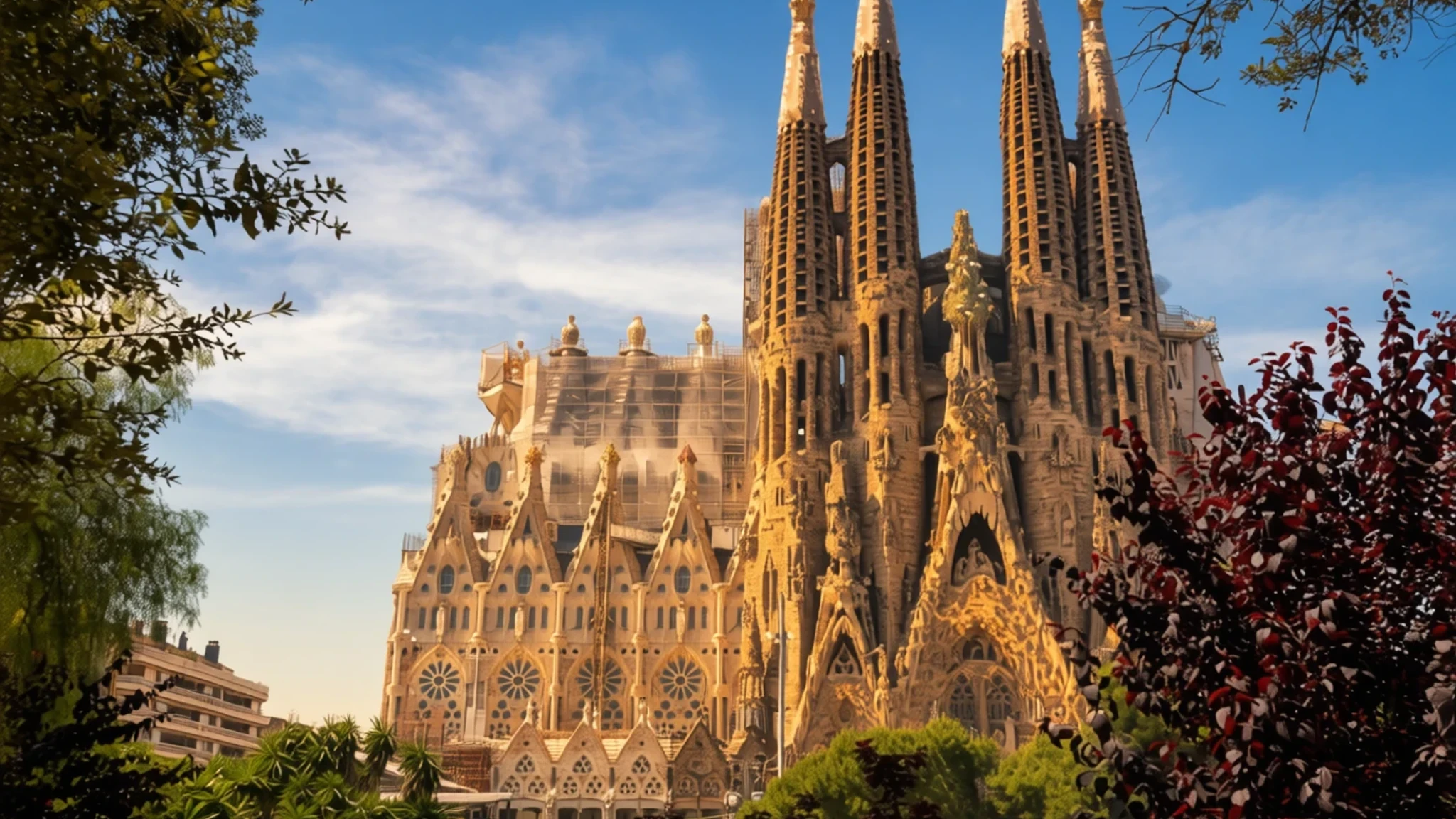
Barcelona matches Mediterranean warmth with Catalan identity, monumental architecture, and a lively coastal street life.
The place
Barcelona sits on the northeastern Mediterranean coast of Spain, functioning as the capital and largest urban centre of the autonomous community of Catalonia. Nestled between the river mouths of the Llobregat and the Besòs, and backed by the steep ridges of the Serra de Collserola, the city accommodates a population of around 1.7 million residents within its municipal boundaries. As the second-largest municipality in the country after Madrid, its wider metropolitan sphere anchors one of the most economically productive and densely populated districts in the European Union. The urban layout shifts dramatically from the medieval labyrinth of the Ciutat Vella, where narrow stone alleys twist toward Gothic squares, to the orderly grid system of the Eixample district designed with chamfered corners to improve ventilation and traffic flow. Beyond the central core, neighbourhoods climb into the surrounding hills or open directly onto sandy Mediterranean beaches that stretch along the eastern edge of the port. Sea breezes temper the summer heat, while the surrounding mountain barrier shields the basin from inland temperature extremes. Visitors walking the pavements will notice that street names and metro stops appear only in Catalan, reflecting an assertive regional heritage that shapes local publishing, broadcasting, and daily conversation. The constant hum of pedestrians, café chatter, and bicycles gives the public squares an energetic pulse from early morning until late evening.
Its story
Human habitation in the Barcelona area stretches back millennia, with archaeological excavations uncovering ancient dwellings and burial sites dating well before five thousand years before the common era. Greek mythographers linked the inception of the settlement to Hercules, ascribing early heroic origins to the site before historical records took firm hold. According to classical tradition, Punic traders established commercial posts along the Catalan shore, with some chroniclers tracing the urban foundation to Hamilcar Barca, the Carthaginian general who supposedly named the spot Barcino after his lineage. Whatever the truth of these military legends, physical evidence confirms that an Iberian settlement existed on the high ground near Montjuïc, where early coinage bore indigenous inscriptions in the local script. During the Middle Ages, the community grew into the capital of the County of Barcelona, eventually forming a crucial dynastic union with the Kingdom of Aragon. This coalition established the city as the primary administrative, maritime, and economic engine of the Crown of Aragon. Mercantile fleets projected Catalan influence across the western Mediterranean until political shifts and the subsequent unification with Castile in the sixteenth century altered the balance of peninsular power. Through centuries of shifting loyalties, industrial expansion, and intense political conflict, including the upheavals of the twentieth century, Barcelona retained a fierce civic independence and a distinct cultural voice that remains central to its modern identity.
What to see
- Tibidabo Mountain — Collserola ridge
Rising steeply above the northern edge of the metropolis, this summit offers sweeping coastal panoramas, a vintage amusement park with historic rides, and the prominent Sagrat Cor church crowning the peak.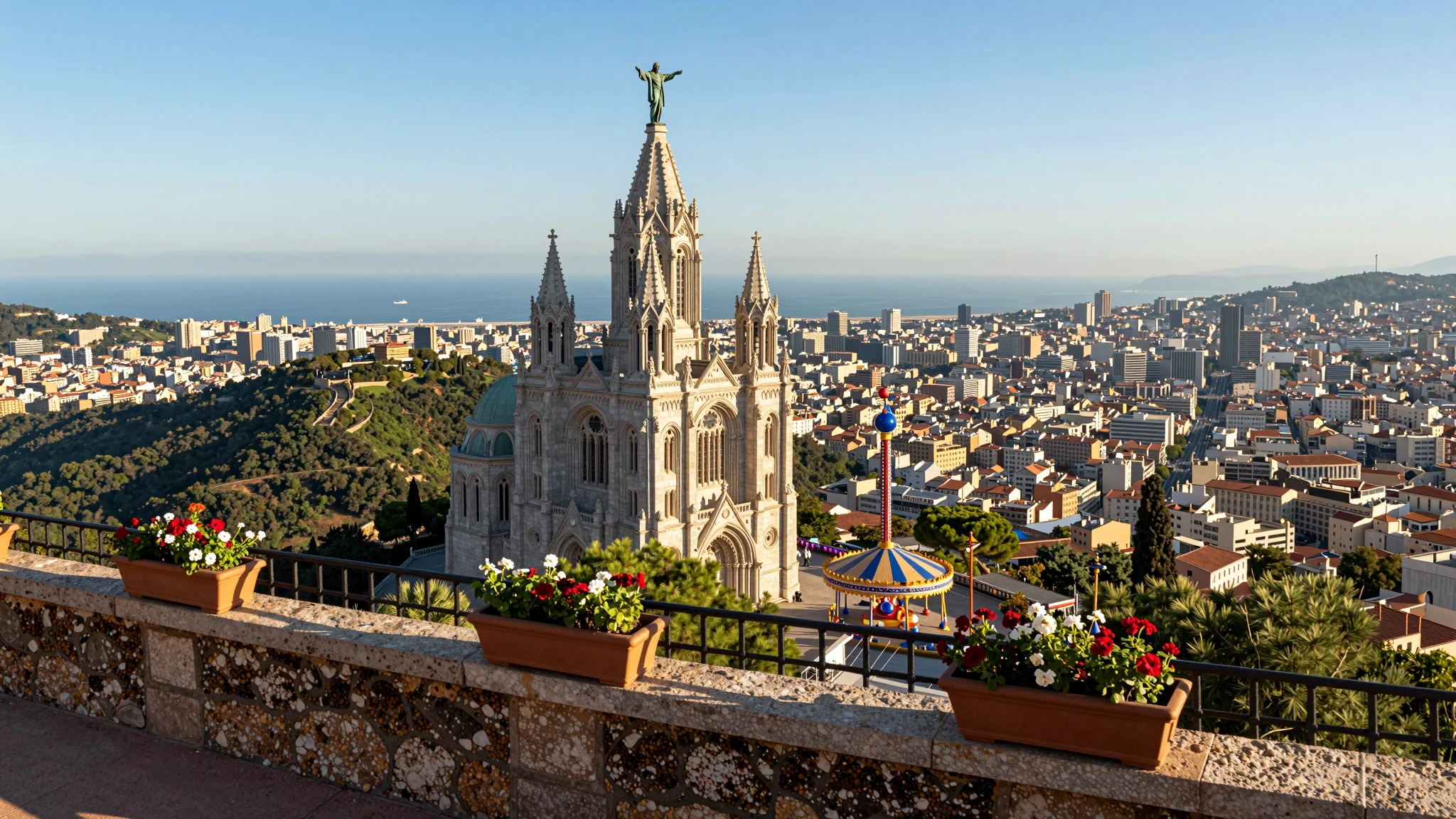
- Arc de Triomf — Ciutadella boundary
Built as the main access gate for the universal exposition held in the late nineteenth century, this reddish brick triumphal arch stands at the end of a wide promenade leading toward the central park.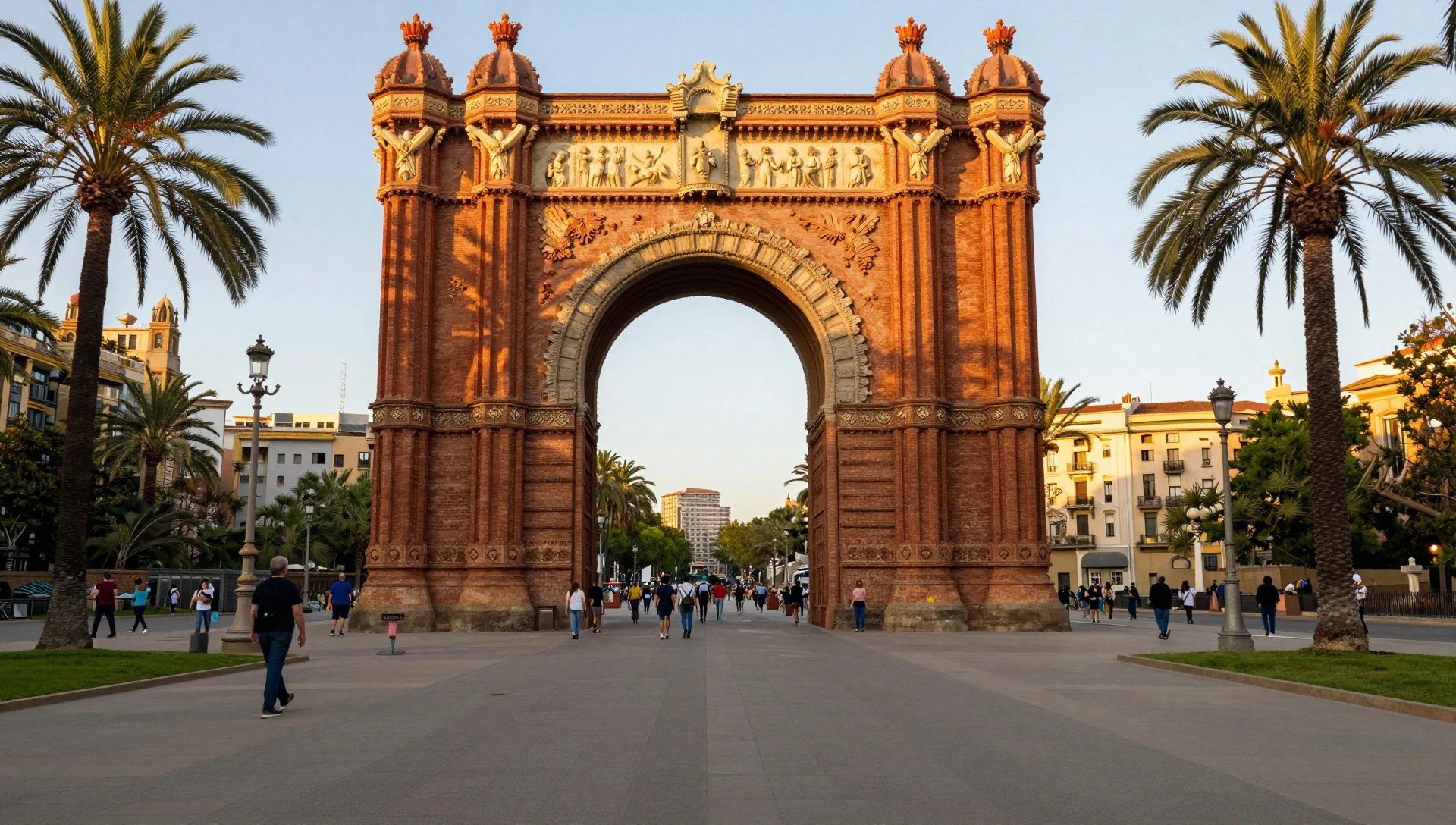
- Casa Milà — Eixample
An iconic residential building showcasing undulating stone balconies and swirling wrought-iron detailing designed by Antoni Gaudí, reflecting the creative peak of Catalan modernist architecture.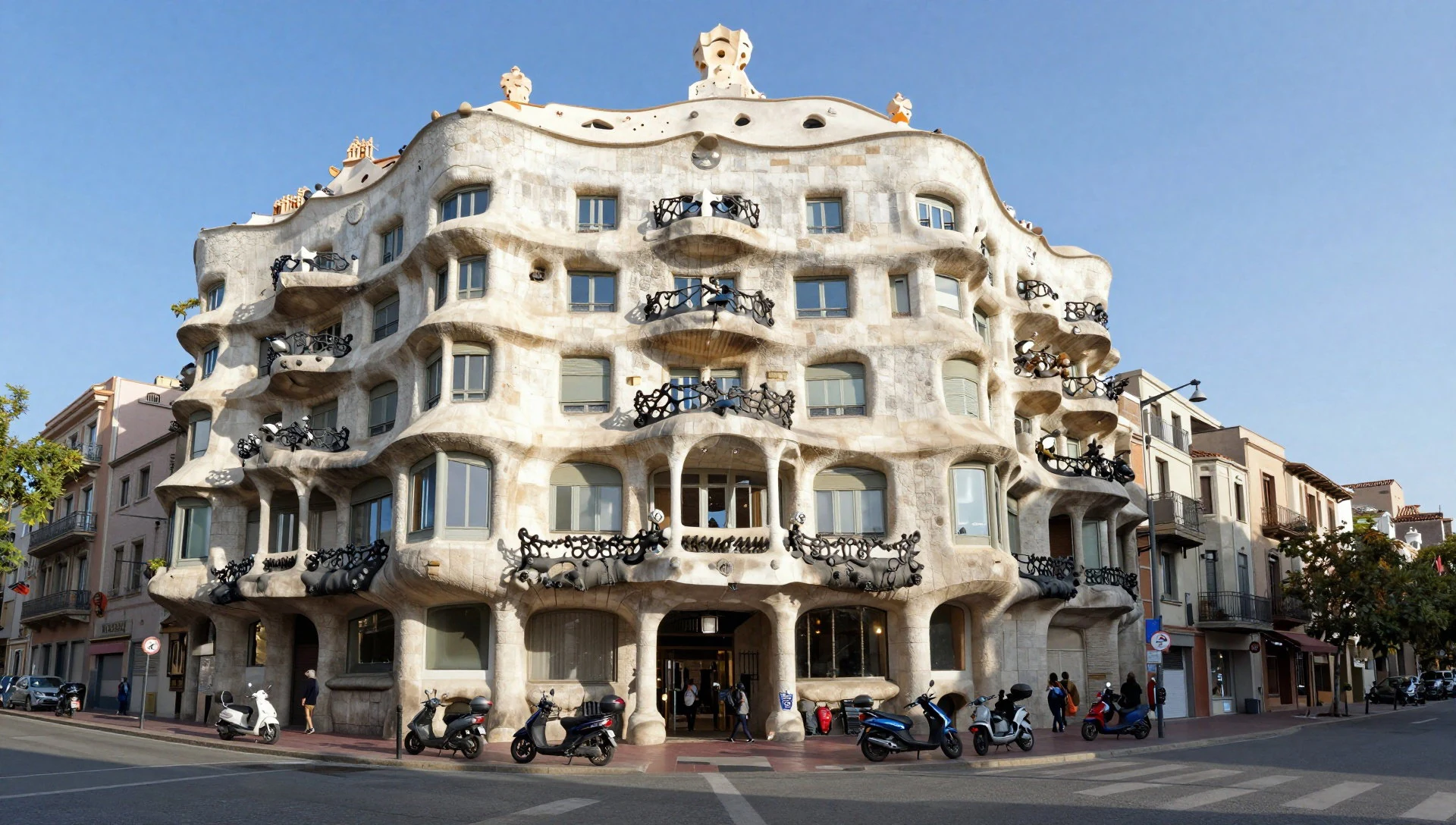
- Torre Glòries — Poblenou border
A striking modern skyscraper designed by Jean Nouvel that dominates the eastern skyline, featuring a luminous glass-and-steel facade that glows in changing colours after sunset.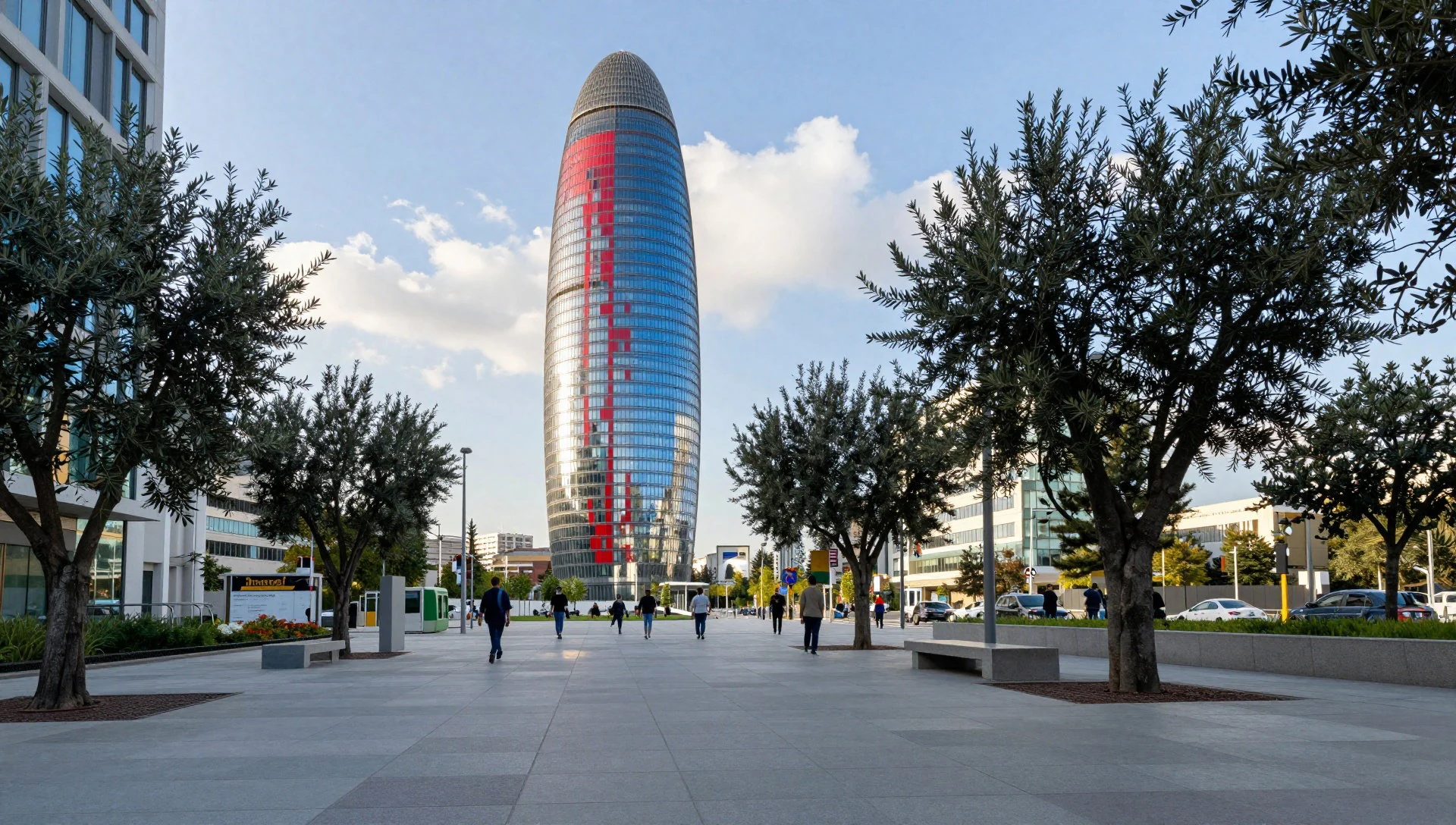
Culture
The cultural life of Barcelona draws upon two millennia of history, literature, and maritime trade. Following decades of severe suppression under the Franco dictatorship, the Catalan language experienced a profound public revival through publishing, education, and the arts. Designated by international networks as a creative city of literature, the municipality supports a robust calendar of performing arts. You'll find classical concerts, opera and theatre regularly staged at top-tier venues like the Gran Teatre del Liceu, the Teatre Nacional de Catalunya and the Palau de la Música Catalana. The Barcelona Symphony and Catalonia National Orchestra performs major classical repertoires, while annual gatherings like Sónar bring international crowds for electronic music and digital multimedia exhibitions. Local social life revolves around community spaces, neighbourhood festivals, and shared meals in traditional neighbourhood taverns. Always greet shopkeepers and servers with a polite greeting in Catalan or Spanish before placing an order.
What to wear
Traditional Catalan dress is preserved today primarily during regional folk festivals, historical commemorations, and traditional dance gatherings where performers wear the traditional espadrilles, embroidered vests, and the characteristic red or purple woollen cap known as the barretina. Everyday style in the city is contemporary, polished, and urban. Locals generally favour tailored cuts, neutral palettes, and comfortable footwear suitable for navigating cobblestone lanes and long avenues. Visitors walking through the historic quarters should wear sturdy walking shoes with good grip, as ancient paving stones can be uneven. While daytime attire near the beaches is relaxed and casual, modesty standards apply when entering churches and religious monuments, where shoulders and knees should be covered. Lightweight, breathable linen and cotton garments suit the warmer months, while a windproof jacket or light wool layer is recommended for breezy coastal evenings or winter outings.
What to eat
- Catalan Tapas and Stews — Eixample and Gràcia districts
Traditional neighbourhood taverns serve hearty regional dishes featuring locally sourced vegetables, fresh seafood, and slow-cooked meats prepared according to long-standing family recipes.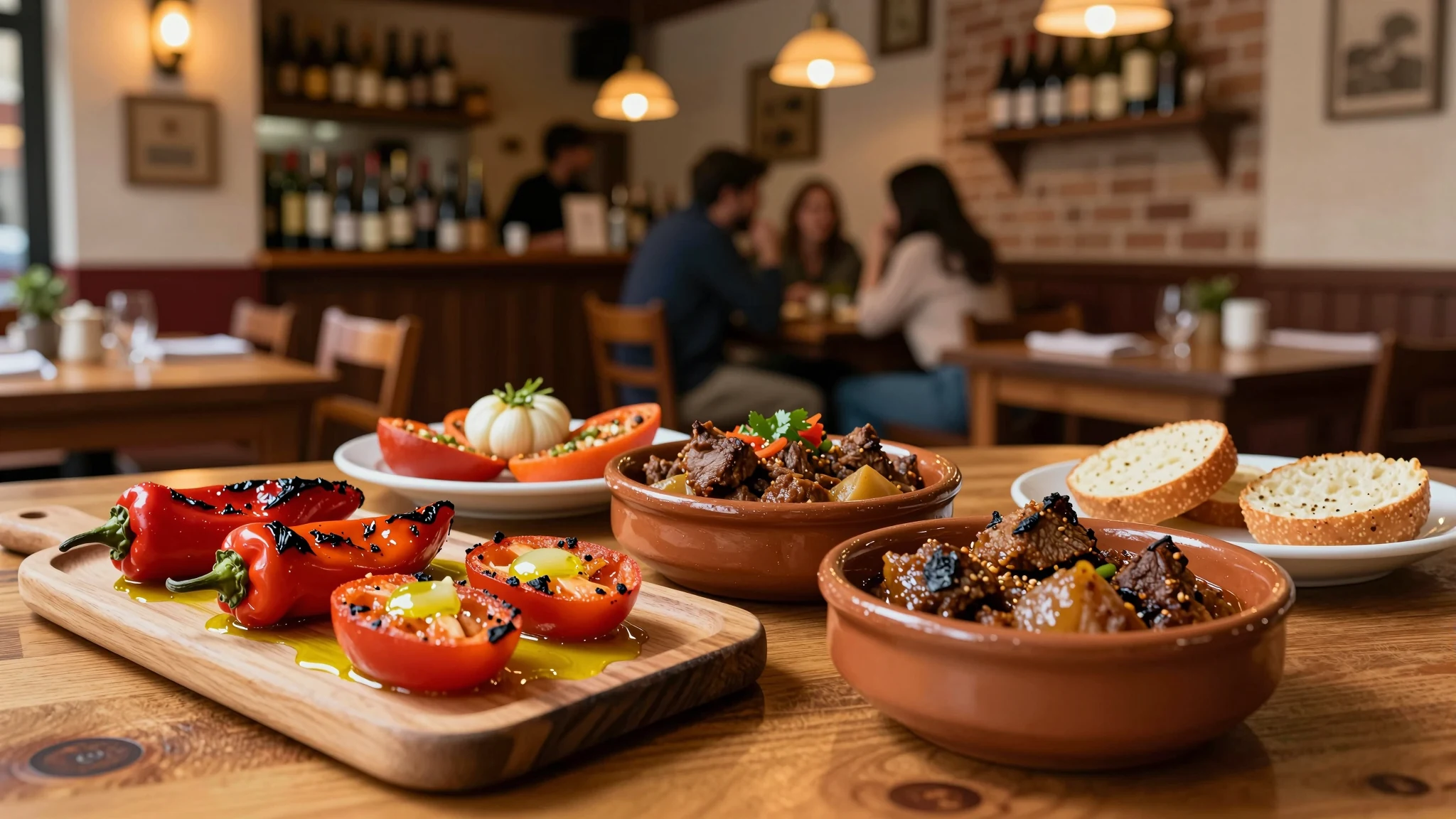
- Artisanal Panini and Handmade Meatballs — Near Plaça d’Espanya
Casual street-side counters offer warm, pressed sandwiches filled with local cheeses, cured meats, and freshly prepared meatballs for a quick, satisfying bite.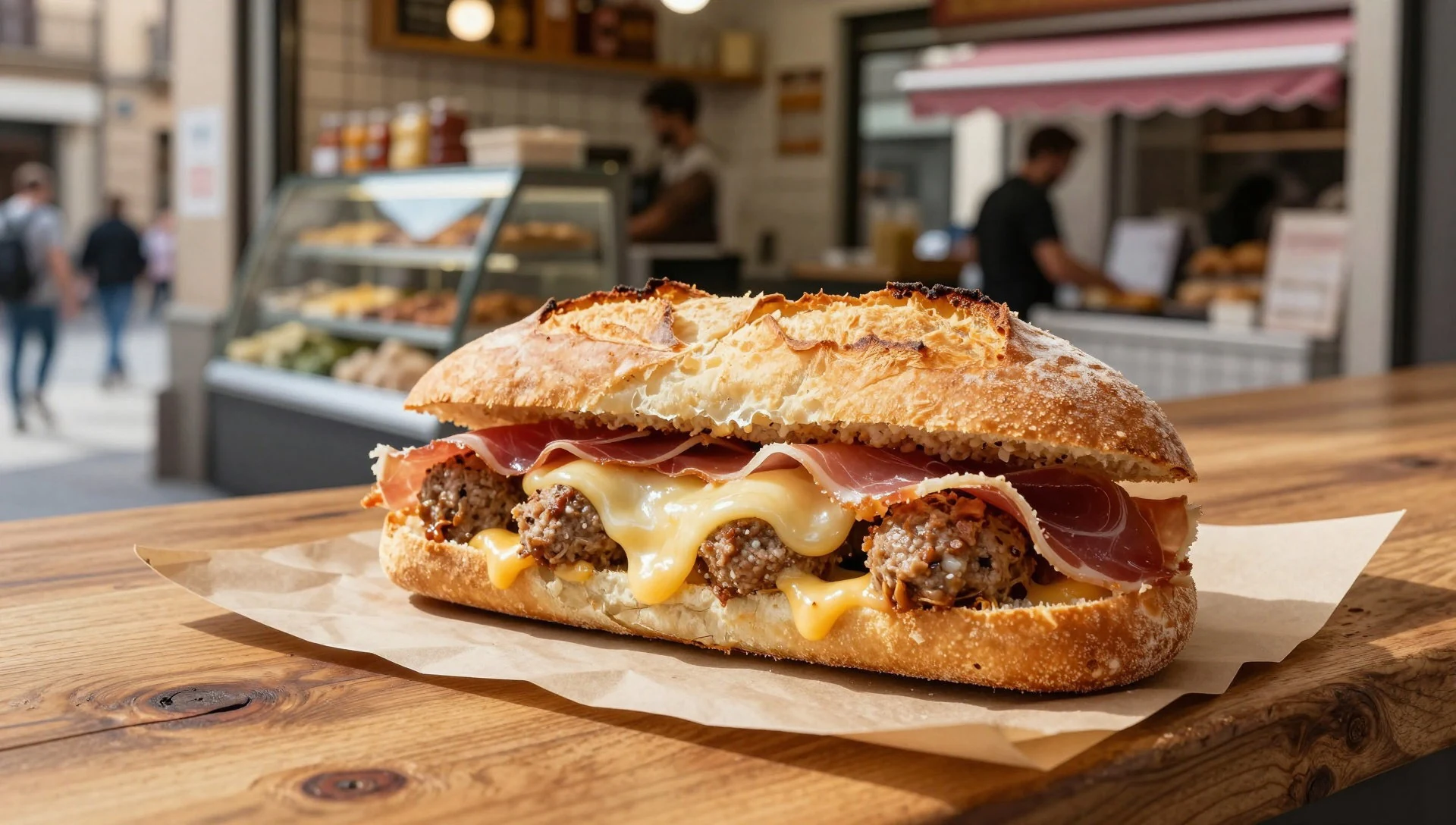
- Seasonal Market Produce — Central market halls
Historic neighbourhood food markets display rows of fresh Mediterranean fish, seasonal mushrooms, Iberian ham, and locally harvested orchard fruits. - Plant-Based Community Meals — Ciutat Vella neighbourhoods
Informal cooperative kitchens and community projects prepare hearty vegan dishes using surplus vegetables and local ingredients.
Plan it
Best time. April and November offer the most comfortable Mediterranean warmth and manageable crowds, avoiding the scorching June to August heat and the wet October peak.
How long. 3–4
Getting there. Fly into Barcelona El Prat airport, then take the metro, suburban train, or express bus directly into the city centre.
Budget. mid
Tips
- Book popular modernist architectural sites well in advance.
- Watch your belongings carefully in crowded tourist areas and metro stations.
- Wear comfortable shoes for walking long distances across varied terrain.
- Carry a refillable water bottle during the warmer months.
Etiquette
- Always greet shop staff and servers in Catalan or Spanish upon entering.
- Keep noise levels down when walking through residential neighbourhood streets at night.
Nearby
Sources
- Wikidata Q1492 (CC0)
- Wikipedia (CC-BY-SA 4.0)
- Wikivoyage (CC-BY-SA 4.0)