Lisbon
Lisbon, Portugal
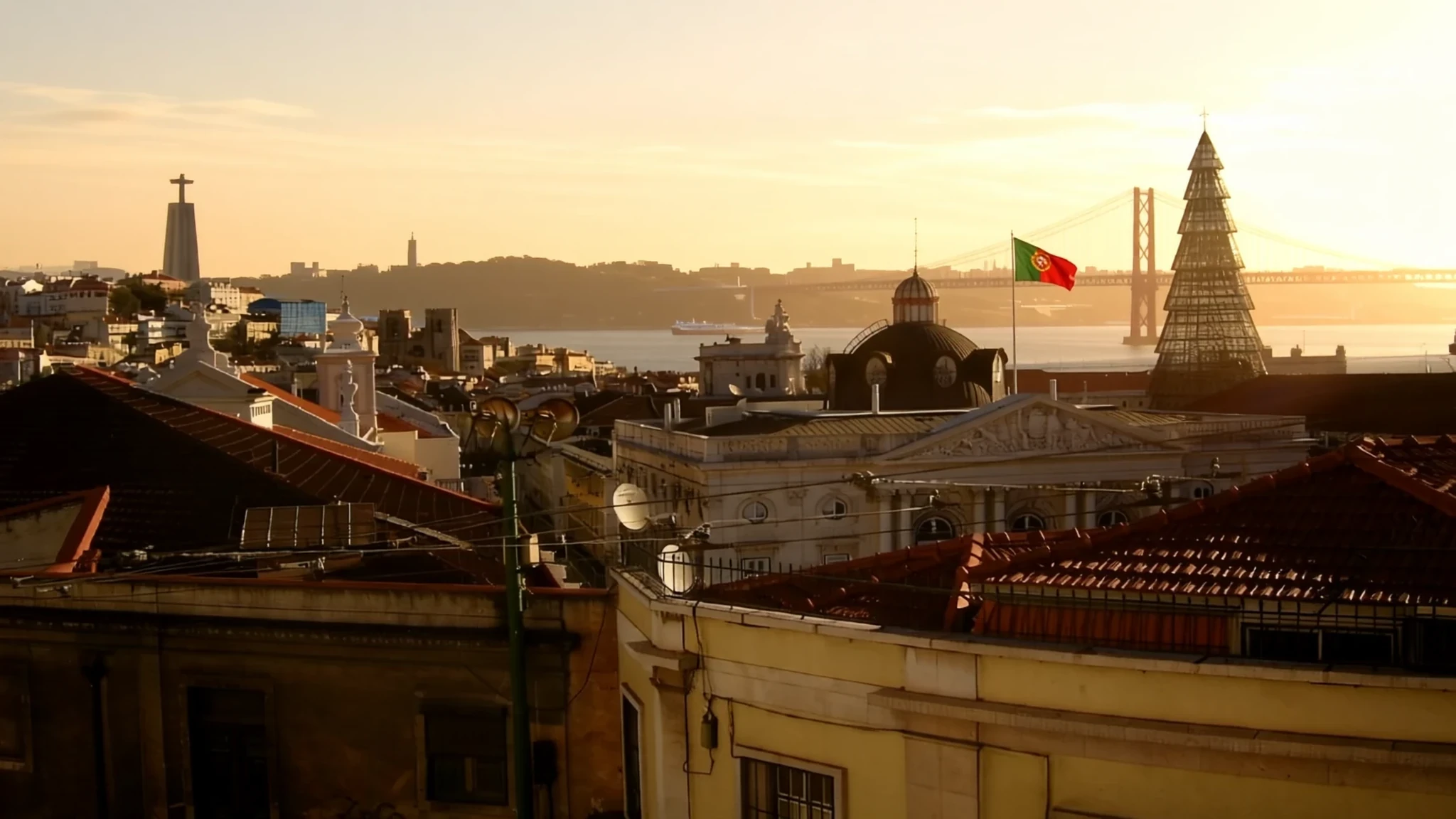
Lisbon sits above the Tagus estuary, offering sunlit cobblestone hills, historic trams, maritime heritage, and vibrant neighbourhood eating spots.
The place
Lisbon spreads across steep riverfront hills where the Tagus River empties into the Atlantic Ocean. Capital of Portugal, the city climbs from broad waterside plazas up through maze-like medieval quarters to grand nineteenth-century avenues. High vantage points known as miradouros look out over terracotta rooflines, pastel facades, and water traffic gliding along the wide estuary.
The lower district features broad grid streets lined with stone archways and paved in black-and-white cobblestone mosaics. Above it, older neighbourhoods preserve tightly packed alleyways where laundry hangs between iron balconies and yellow trams clamber up sheer gradients. Lisbon sits at an elevation of 100 metres, giving its hilltops commanding views across the surrounding countryside and broad tidal channels.
With a population of over 500,000 residents within its municipal boundary, Lisbon functions as Portugal's primary cultural, commercial, and political heart. Life centres around public squares where outdoor cafes spill onto patterned pavements. The waterfront blends historic maritime docks with converted warehouse districts, offering continuous promenades that draw walkers, cyclists, and evening strollers alongside the river. Traversing the city requires constant climbing and descending along limestone pavements. Funicular railways connect the lower shopping streets with high ridge neighbourhoods, balancing maritime light with urban heritage.
Its story
Lisbon possesses one of the longest continuous urban histories in Western Europe. Positioned at a strategic river mouth near Atlantic shipping lanes, the hilltop overlooking the Tagus offered defensive advantage and safe anchorage long before written records began. Early indigenous settlements traded with Mediterranean seafarers who established a commercial trading post along the southern slope of the castle hill.
Over succeeding eras, control of the settlement shifted between competing regional powers. Imperial administration established local municipal rights and built fortifications to secure maritime commerce. Following the decline of imperial control, Germanic rulers and later North African dynasties shaped the layout of the city, introducing intricate street networks, hilltop defences, and sophisticated irrigation systems that influenced the urban architectural character.
In the medieval period, local rulers established Lisbon as the permanent capital of the realm, shifting the seat of power to this Atlantic harbour. The city grew into a global maritime hub, where trading vessels departed for distant oceans, bringing back trade goods that funded elaborate stone architecture. Rebuilt after major natural disasters, Lisbon retained its hill-carved geography while developing elegant neoclassic avenues along the lower valley, creating the layered city seen today.
What to see
- Belém Tower (Torre de Belém) — Belém district
Standing on the northern bank of the Tagus, this fortified stone tower reflects Portugal's maritime history. Built as a gateway defence and ceremonial entrance to the capital, the structure combines carved stonework, rope motifs, and watchtowers. Visitors explore the interior chambers and upper battlements overlooking the estuary.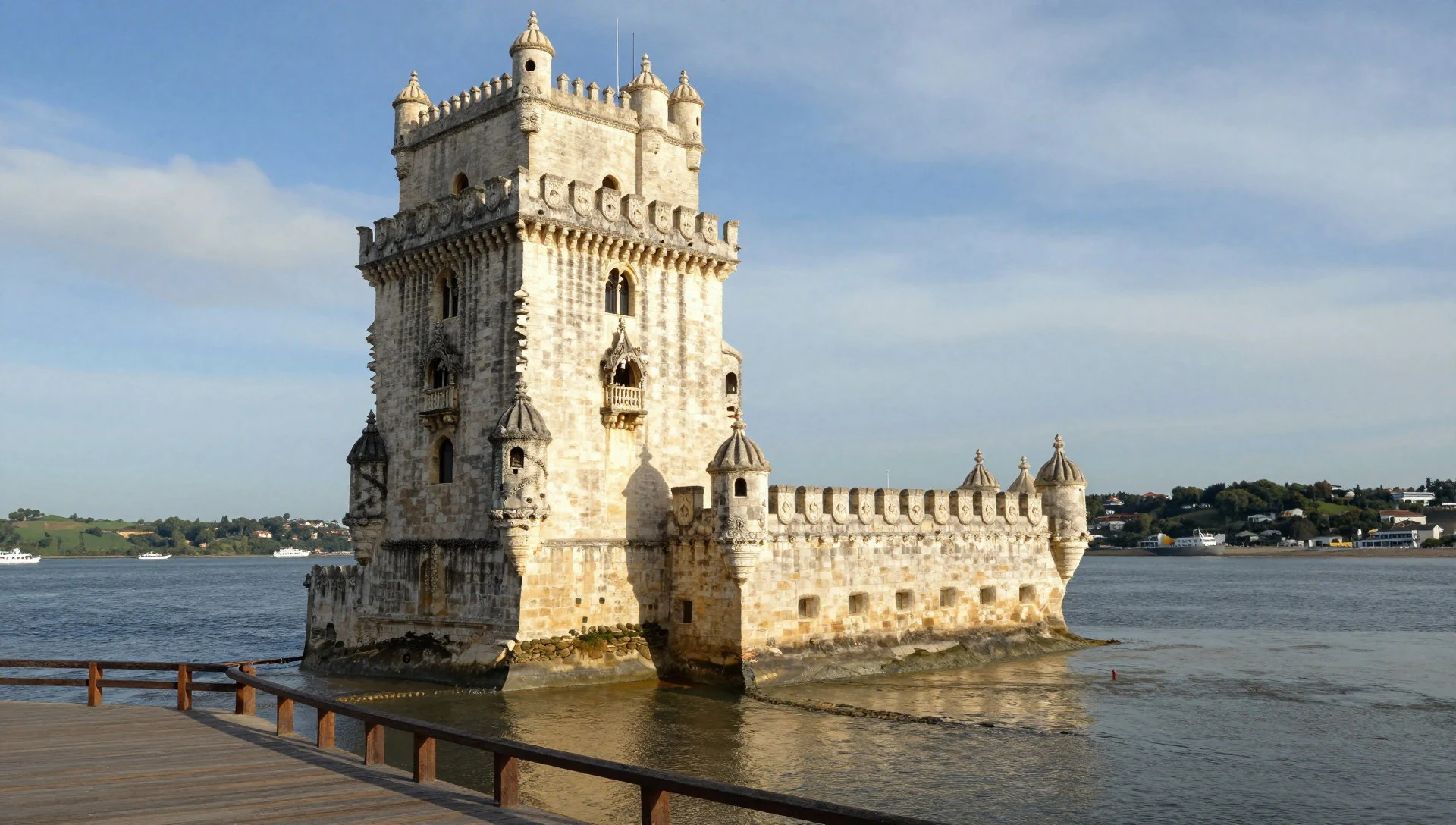
- Rua Augusta Arch (Arco Triunfal da Rua Augusta) — Baixa district
This grand stone arch bridges the pedestrian boulevard of Rua Augusta and the expansive Commerce Square facing the river. Sculpted figures crown the monumental façade, symbolising historical figures and civic virtues. An interior elevator leads to an observation platform offering panoramic views across the grid-patterned lower district.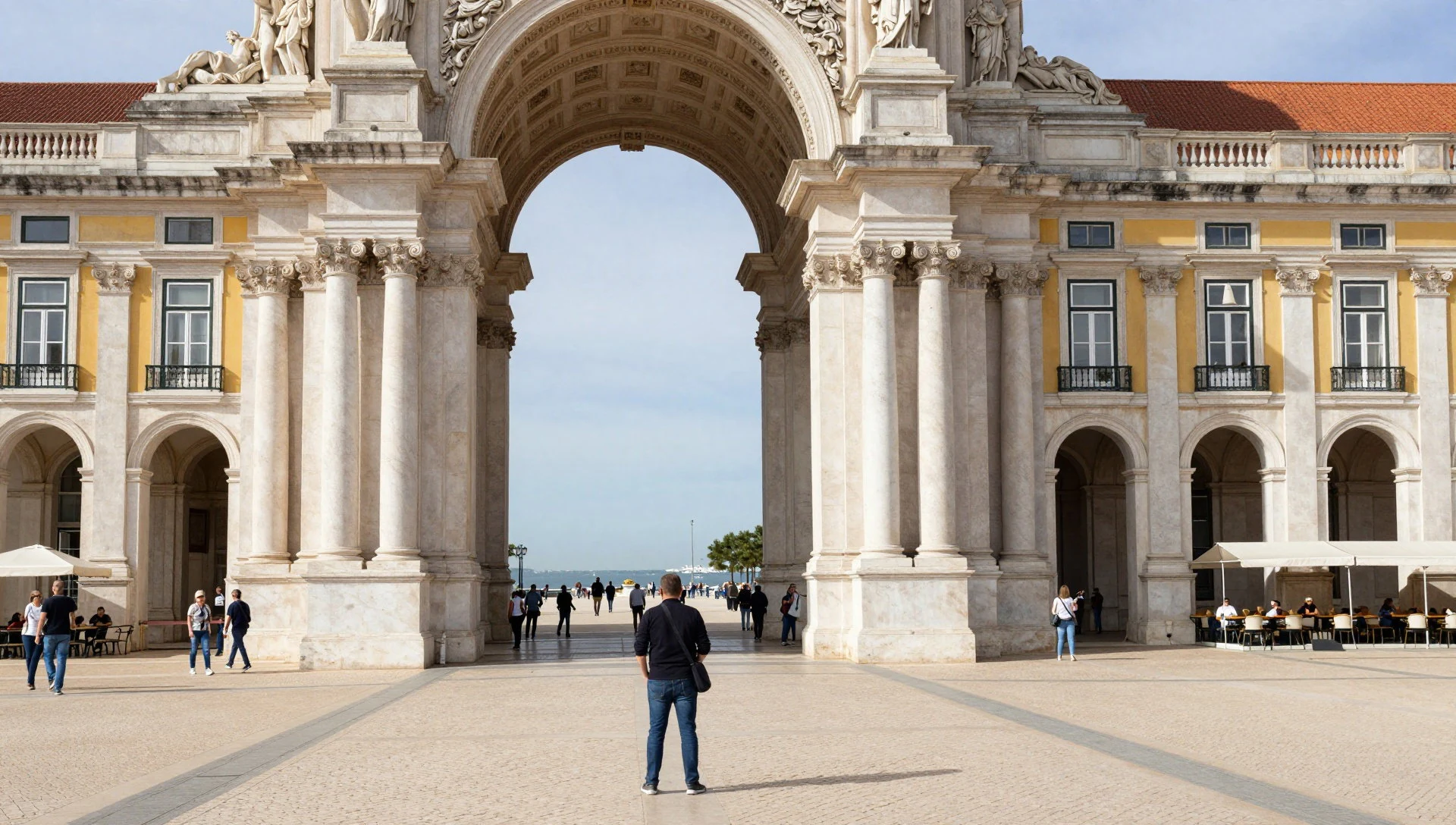
- Lisbon Cathedral (Sé de Lisboa) — Alfama district
Lisbon's oldest church stands on a rise in the Alfama quarter, featuring twin bell towers and a heavy fortress-like stone façade. Inside, the Romanesque structure contains quiet chapels and a Gothic cloister where archaeological excavations reveal layered ruins from ancient settlements beneath the floor.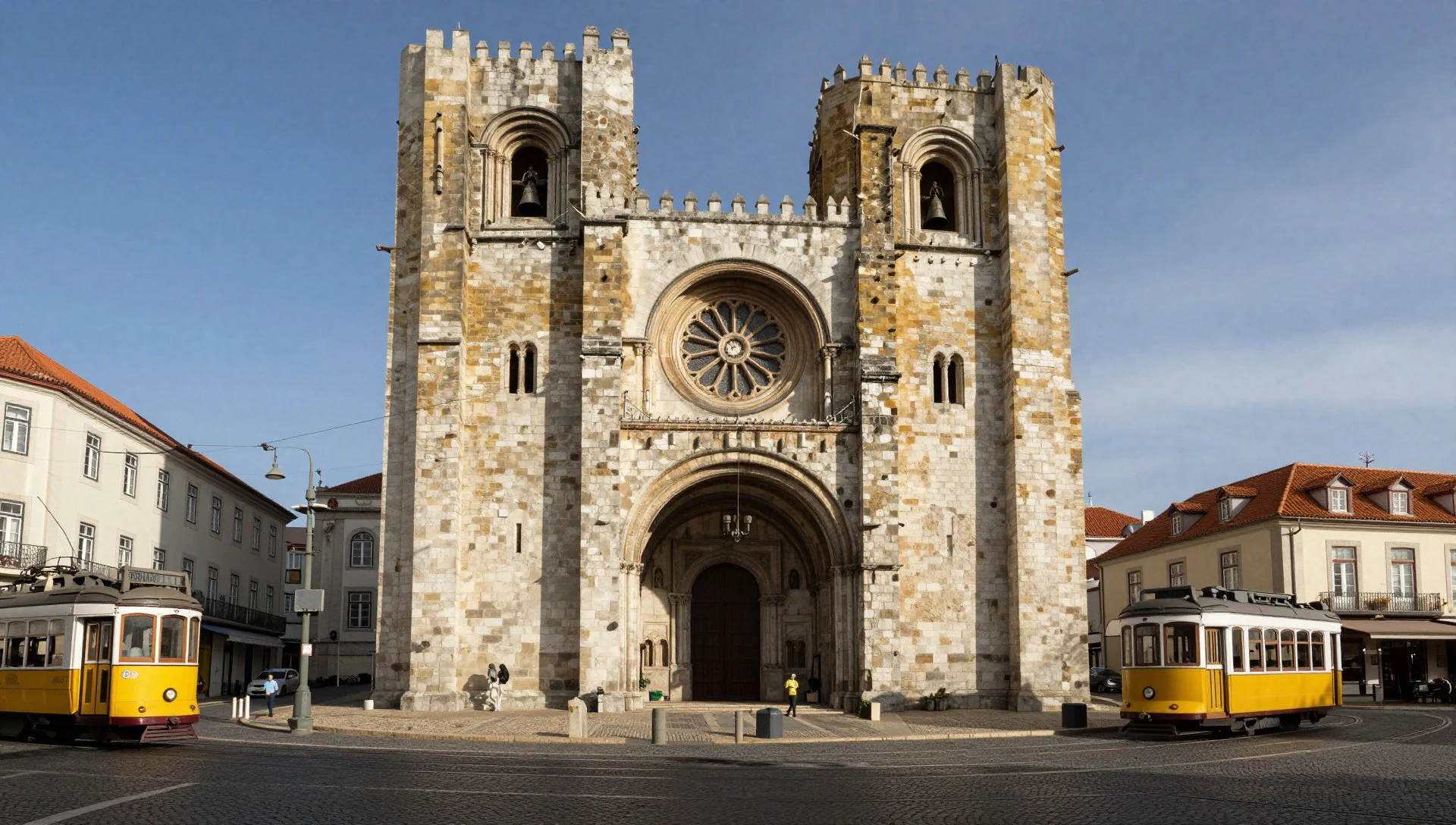
- Luís de Camões Square (Praça Luís de Camões) — Chiado district
This lively central plaza connects the Chiado shopping area with the narrow lanes of Bairro Alto. Dominated by a bronze statue of Portugal's national poet surrounded by smaller figures, the square is paved in classical mosaic patterns and serves as a gathering spot for locals and street performers.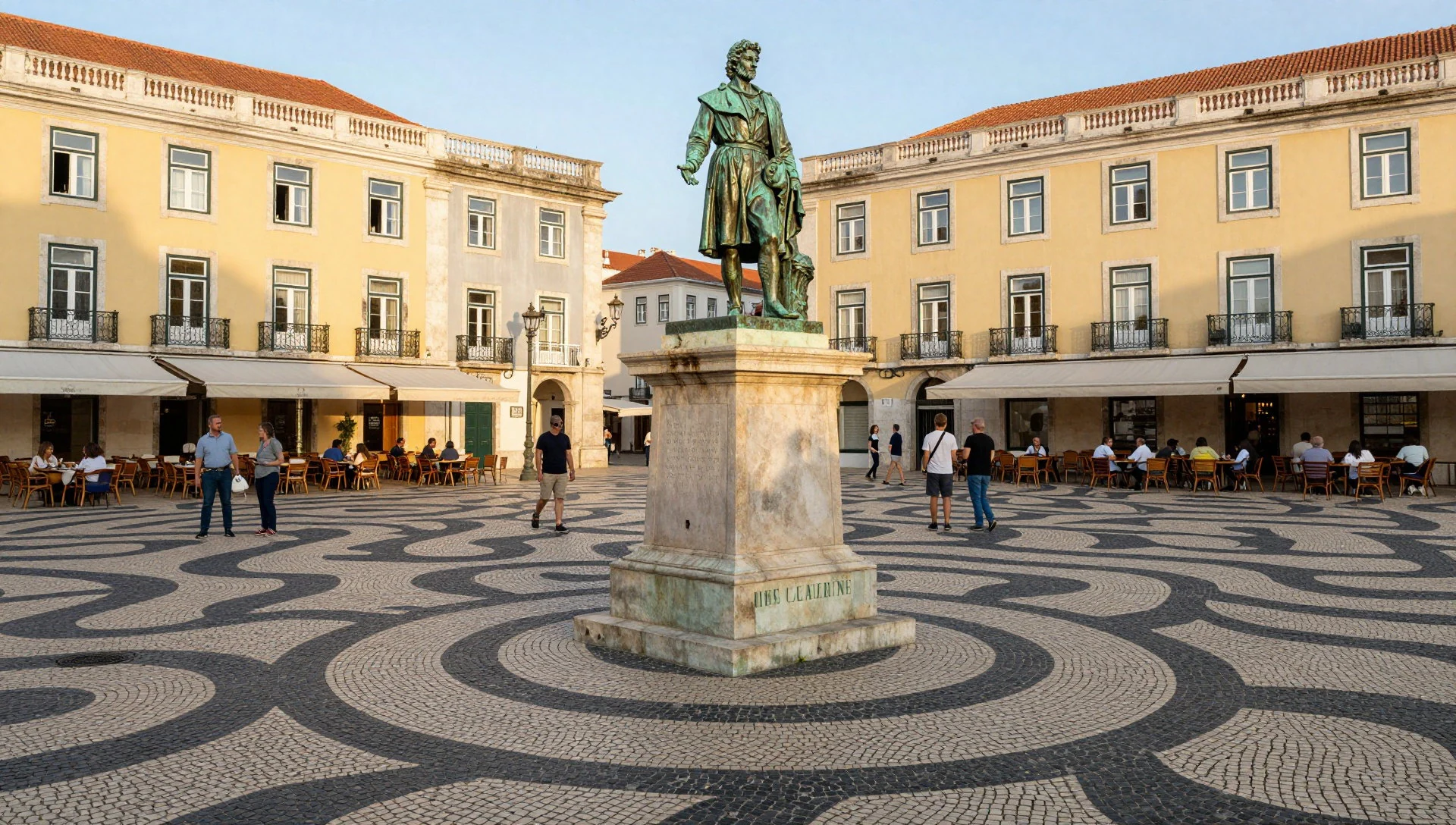
- Parque das Nações — Parque das Nações district
Located along the eastern riverfront, this contemporary district showcases modern Portuguese architecture, waterfront promenades, and wide gardens. Built for a world exposition, the park features a cable car running along the Tagus, public art installations, and broad open spaces away from the steep historic hills.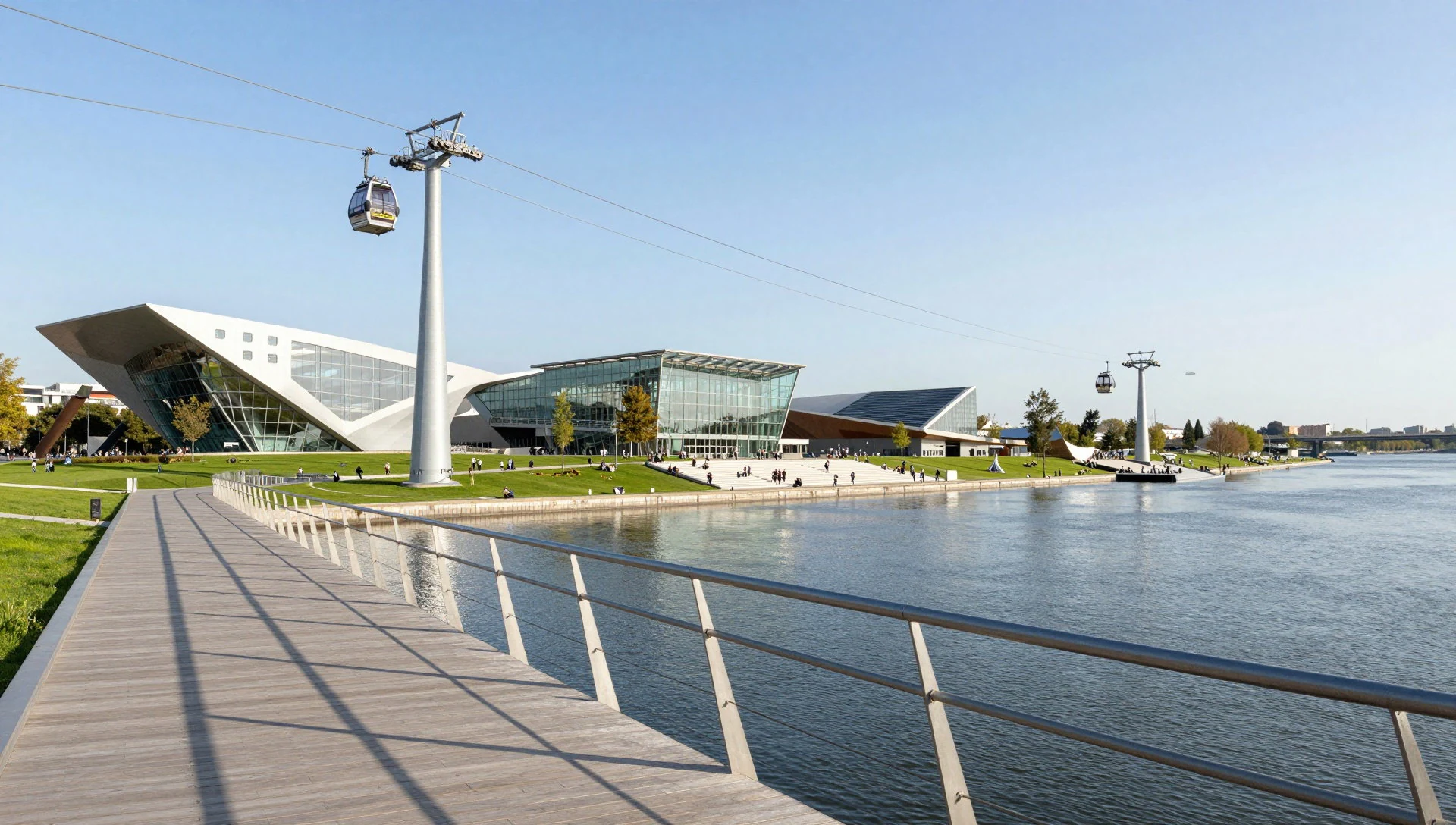
Culture
Lisbon exhibits a rich urban culture shaped by maritime trade, artistic traditions, and distinct architectural styles. Intricate tilework decorates building facades across the capital, featuring hand-painted ceramic designs that range from blue-and-white historic scenes to vibrant geometric patterns. Broad boulevards lined with jacaranda trees contrast with the intimate scale of traditional residential quarters, where outdoor community life thrives in small plazas.
Musical traditions run deep in Lisbon, particularly through urban folk singing heard in historic neighbourhood taverns. Local festivals fill the summer streets with music, colourful parades, and communal outdoor dining. The city maintains world-class museums showcasing ancient fine art alongside decorative royal carriages and modern collections. Daily life revolves around neighbourhood cafes, where residents gather for quick espresso shots and pastries throughout the day.
When visiting quiet churches, residential alleyways, or historic monuments in Lisbon, maintain low speech levels and step aside on narrow footpaths to let local residents pass.
What to wear
Lisbon's historic fashion heritage centres on fine wool weaving, hand-painted ceramic inspirations, and practical maritime workwear. Traditional Portuguese garments featured sturdy woollen shawls, embroidered linen shirts, and felt hats, designed to withstand coastal breezes and rainy winters. While full traditional costume is now reserved for folk dance performances and cultural festivals, embroidered textiles remain a celebrated local craft.
Today, residents in Lisbon favour smart, practical Mediterranean attire suited to warm weather and hilly terrain. Earthy tones, linen shirts, lightweight trousers, and unstructured blazers dominate central office districts and shopping boulevards. Local designers blend contemporary European cuts with traditional tile patterns and natural cotton fabrics.
Visitors to Lisbon should dress in breathable layers and comfortable flat footwear with good grip to navigate steep, slippery limestone pavements. A light jacket or jumper is essential for breezy Atlantic evenings along the riverfront, while modest attire covering shoulders and knees is recommended when entering cathedrals and religious sites.
What to eat
- Pastel de Nata — pastry shops across Belém and central bakeries
This crisp, layered puff pastry egg custard tart is dusted with cinnamon and icing sugar. Baked at high heat until caramelised on top, it is best eaten warm alongside an espresso in neighbourhood cafes.
- Bacalhau à Brás — traditional taverns in Alfama and Bairro Alto
Shredded salted cod is scrambled with thinly sliced fried potatoes, eggs, onions, and black olives, garnished with fresh parsley. This comforting dish appears on daily lunch menus throughout the capital.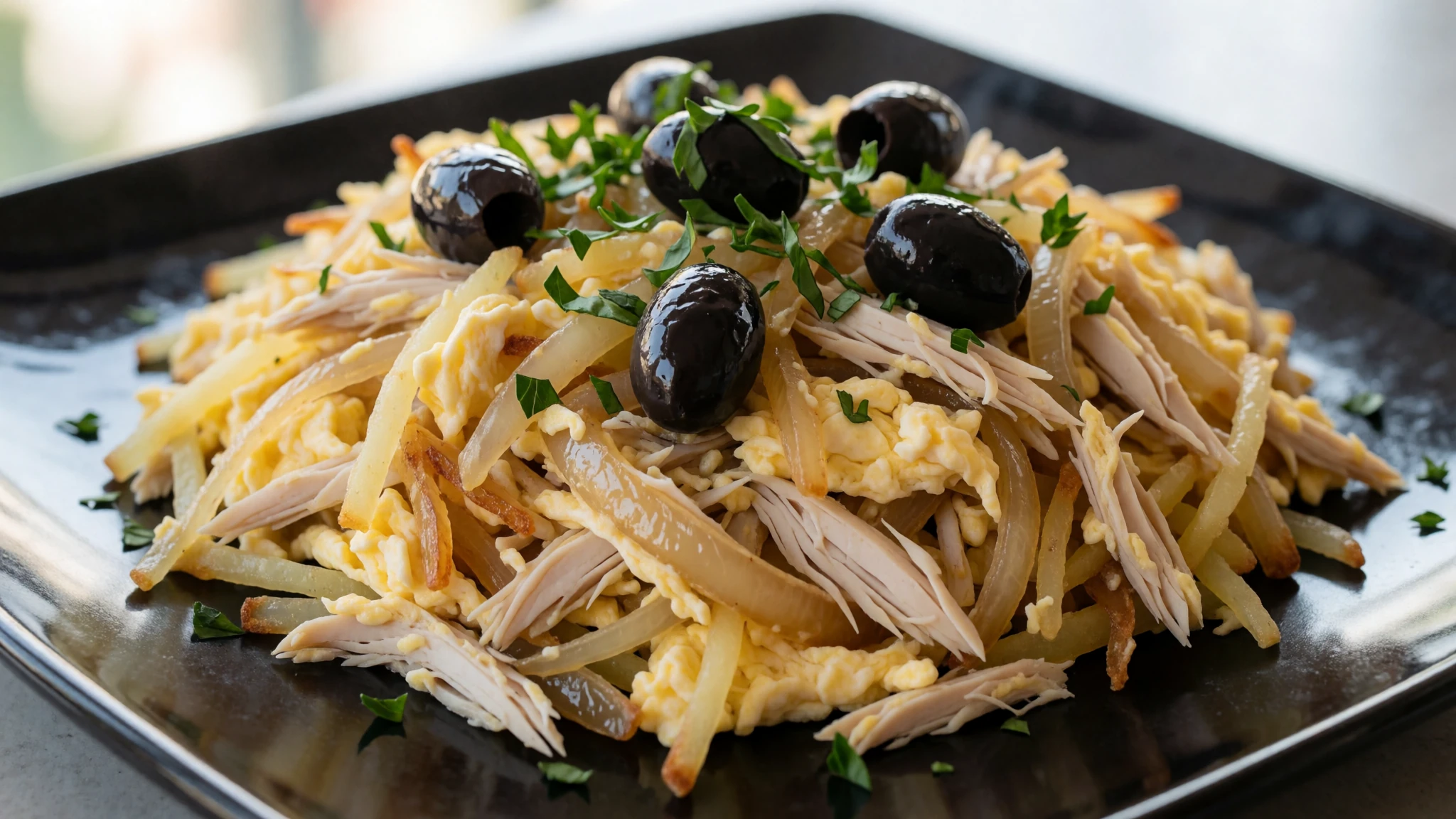
- Sardinhas Assadas — outdoor grills along riverfront markets and street stalls
Fresh whole sardines are seasoned with coarse sea salt and grilled over charcoal. Served atop thick slices of crusty corn bread or alongside boiled potatoes and roasted peppers, they are a summer staple. - Caldo Verde — family-run eateries and market halls
A traditional soup made from pureed potatoes, garlic, olive oil, and finely shredded dark kale. Typically served with a slice of cured pork sausage on top, it is eaten with rustic bread. - Bifana — casual snack bars and train station counters
Thinly sliced pork cutlets are simmered in a garlic, white wine, and paprika marinade before being stuffed into a soft crusty bread roll. Diners usually customise theirs with mustard or hot chilli oil.
Plan it
Best time. Spring (April–May) offers warm sunny days and comfortable walking temperatures; midsummer, from early June to mid-September, brings dry heat and heavy crowds that peak in August, while winter is mild but rainy.
How long. 3–4
Getting there. Lisbon Humberto Delgado Airport connects directly to major European, North American, and South American cities, with a metro link to the city centre taking about 20 minutes.
Budget. mid
Tips
- Wear sturdy shoes with good traction to navigate polished, uneven cobblestones safely.
- Look out for pratos do dia (dishes of the day) on chalkboards outside small eateries for fresh, value-for-money lunches.
- Purchase a reloadable public transport card to ride trams, buses, funiculars, and the metro seamlessly.
- Visit popular viewpoints and historic monuments early in the morning to avoid midday queueing.
Etiquette
- Always stand to the right on escalators in metro stations to let people pass on the left.
- Appreciate small appetizers placed on your restaurant table are not free; gently decline them if you prefer not to pay.
- Greet shopkeepers and waiting staff with a polite good day (bom dia) before placing orders.
Nearby
Sources
- Wikidata Q597 (CC0)
- Wikipedia (rev 1382839868) (CC BY-SA 4.0)
- Wikivoyage (rev 5409287) (CC BY-SA 4.0)
- Photo photos/01-lisboa837.png (CC BY-SA 4.0)
- Photo photos/02-lisboa-portugal-52597836992.jpg (CC BY-SA 2.0)
- Photo photos/03-belem-tower-33641421694-cropped.jpg (CC BY 2.5)
- Photo photos/04-arco-triunfal-da-rua-augusta-from-pra-a-do-com-rcio-41.jpg (CC BY 4.0)
- Photo photos/05-lisboa-may-2013-1.jpg (CC BY 3.0)
- Photo photos/06-pra-a-lu-s-de-cam-es-dsc-0191-52637381613.jpg (CC BY 2.5)
- Photo photos/07-campo-pequeno-lisboa.jpg (CC BY 3.0)
- Photo photos/08-parque-das-na-es-31-cropped2.jpg (CC BY-SA 4.0)


