Suai
Suai, Timor-Leste
Suai is a quiet southern Timorese town of memory and rebuilding, with an untouched coast and a mountain road to match.
The place
Suai is a low-lying town on the south side of Timor-Leste's main island, and the administrative centre of Cova Lima District (Covalima in Tetum). About 8,200 people live here, and the town stands only 13 metres above sea level, a few kilometres inland from the Timor Sea. On the map it looks remote, and on the ground it feels it: Dili is 138 km to the north-east, and the drive means mountain roads rather than motorway. The town itself is quiet and spread out, with a central market, a hospital that serves the wider district, a small airport that was expanded in 2017, and one large new church that dominates the skyline. Beyond Suai the country changes character. Highland villages in this part of Timor keep strong traditions, and visitors are generally met with curiosity and good humour. Crocodiles live in the rivers and estuaries near the coast, so the shore calls for caution rather than casual swimming. Suai is not a resort. There is no beach-club scene and few tourist facilities; what it offers is a working Timorese town, a southern coastline with little development, and a base for people curious about a part of the country few travellers reach. Basic lodging, patchy services and slow travel are the norm, and the place suits those who want to learn from it rather than tick it off. Talk of oil and gas colours local conversation, though that future is still uncertain.
Its story
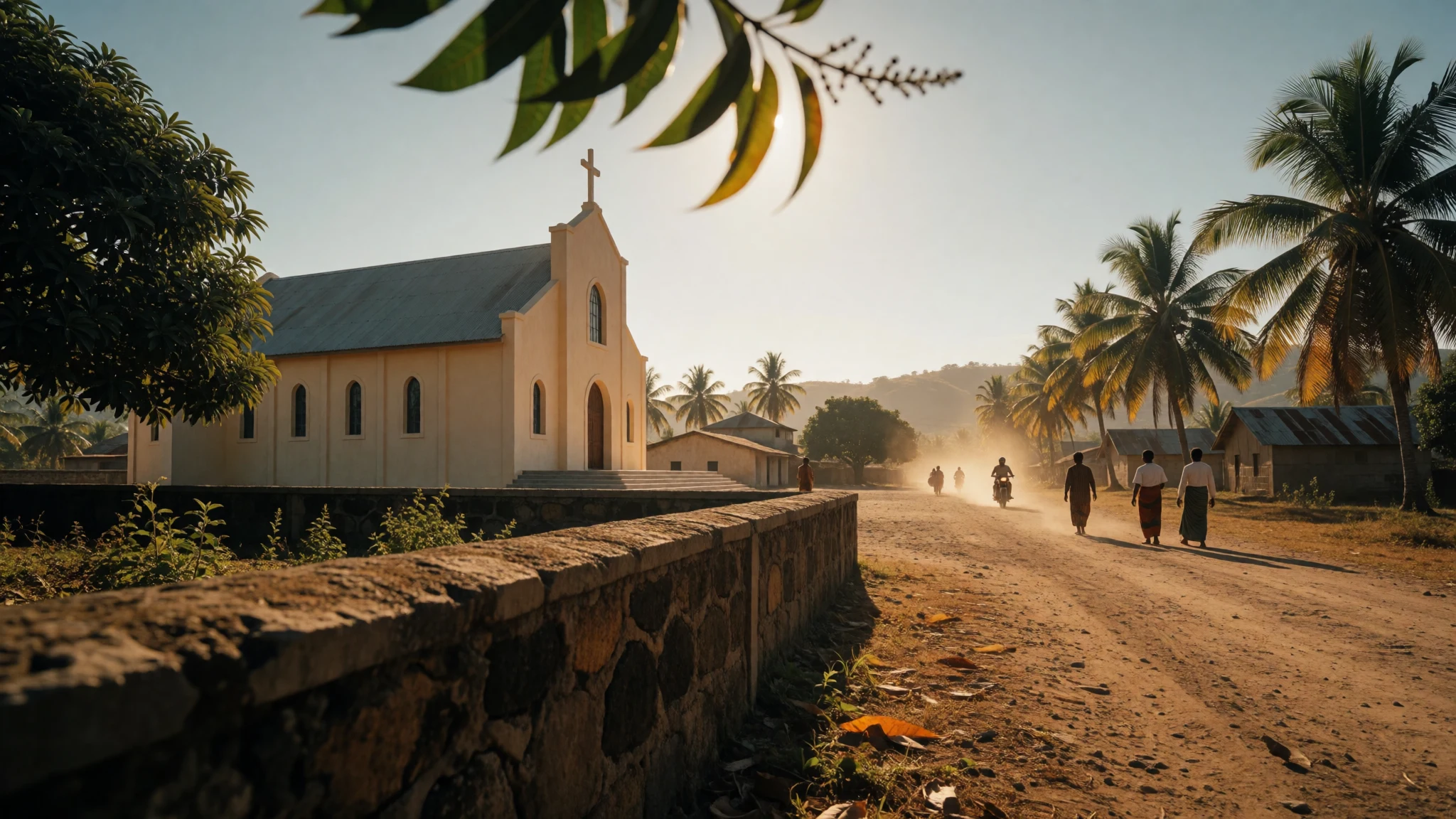
Suai's modern history is dominated by September 1999, and any honest account of the town starts there. As Indonesia withdrew from what was then East Timor, pro-Indonesia militia groups carried out a series of massacres across the territory. One took place at the church in Suai, and it left a wound that the town still carries. The church was destroyed. People came back and rebuilt, and in the years since a new Ave Maria church has risen, serving as a place of remembrance as well as worship. Recovery has had outside help. After 1999 Suai formed a friendship programme with the City of Port Phillip, a bayside council south of Melbourne in Australia, and the two communities have worked together on rebuilding. Within Timor-Leste, Suai has also become a focus of hopes about the south coast. The airport was expanded in 2017, tying the town more closely to the capital, and talk of the Sunrise oil and gas field has fed expectations of jobs and investment. Whether those hopes are met is still open. For a visitor, the useful way to read the town is as a place of memory and slow rebuilding, where people are looking ahead without forgetting what happened.
What to see
- Ave Maria Church — Central Suai
Ave Maria Church is the new landmark of Suai, a substantial building that replaces the church destroyed in the 1999 massacre. It is both a place of worship and a memorial, so it deserves a quiet visit. Ask locally about service times and whether stepping inside during Mass is appropriate.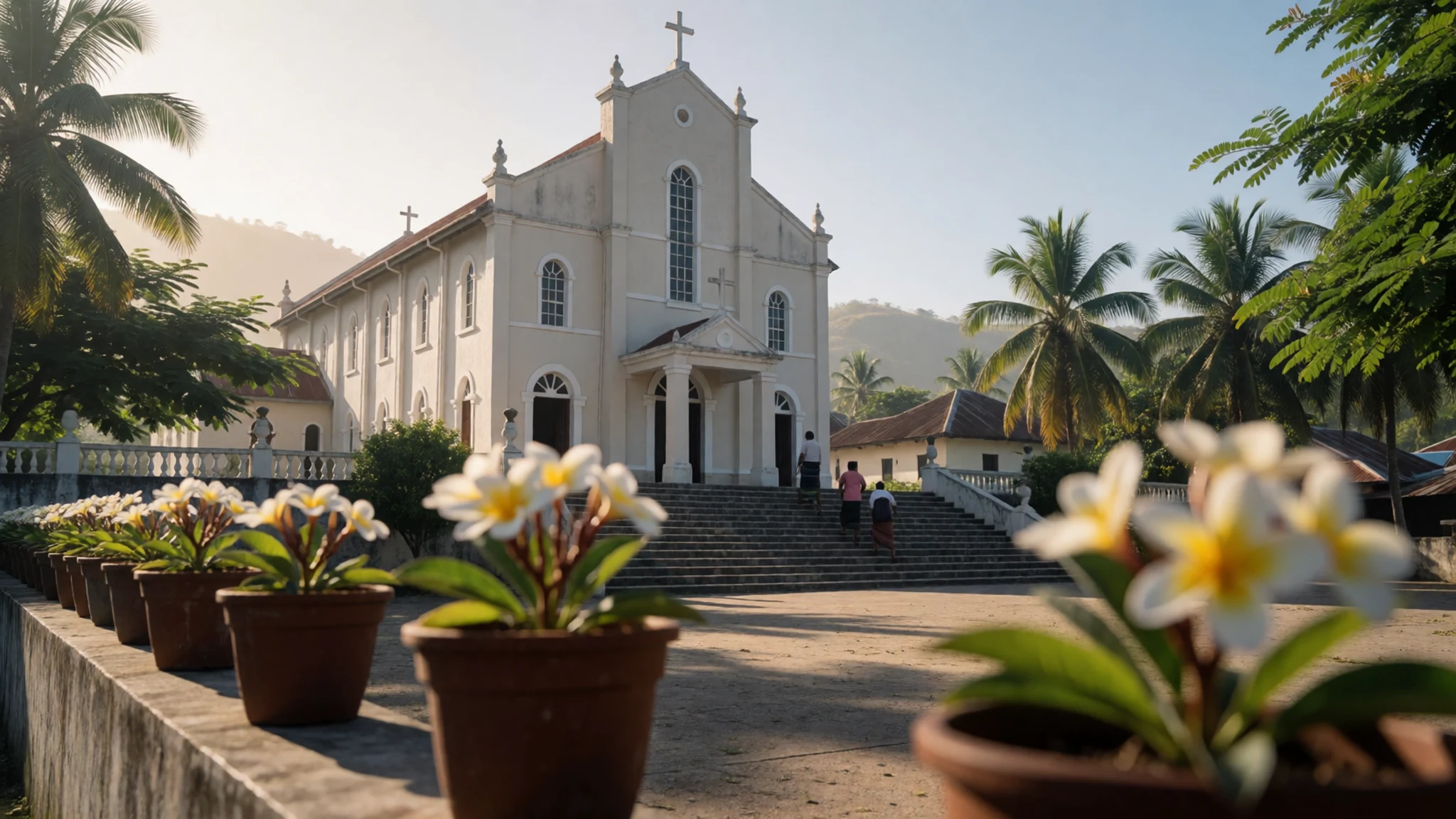
- Suai market — Central Suai
Suai's market is the everyday heart of the town, with produce, household goods and several basic warungs (small eateries) serving simple meals. Go in the morning, when it is busiest and coolest. It is a good place to see how the district trades and to practise a few words of Tetum. Cash is the norm.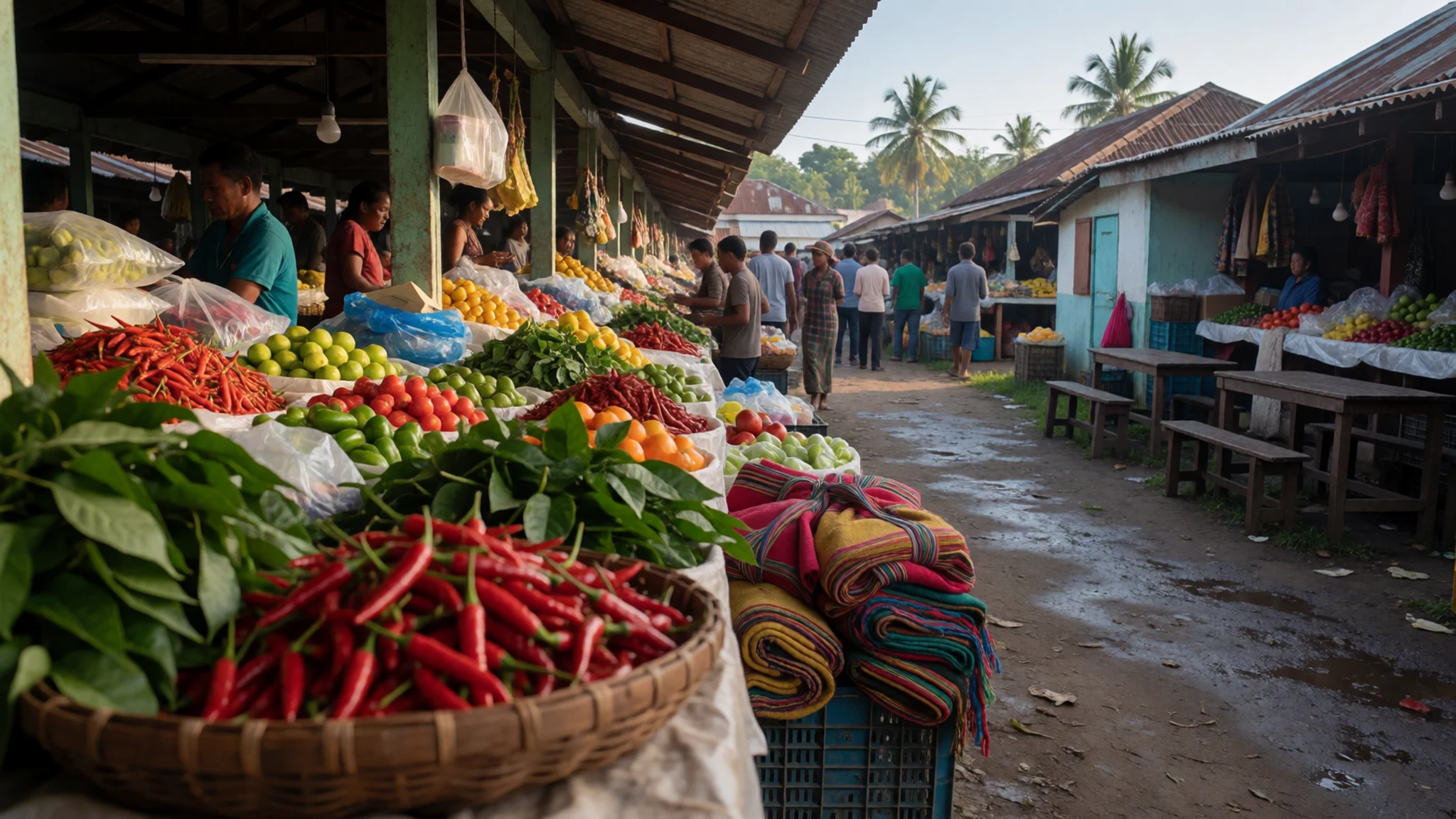
- The Timor Sea coast — South of Suai
The coast south of Suai lies a few kilometres from the town centre and faces the Timor Sea. It is undeveloped, with little in the way of facilities, so bring water and arrange transport in advance. Crocodiles live in this part of Timor, so ask local people which stretches of shore and river are safe.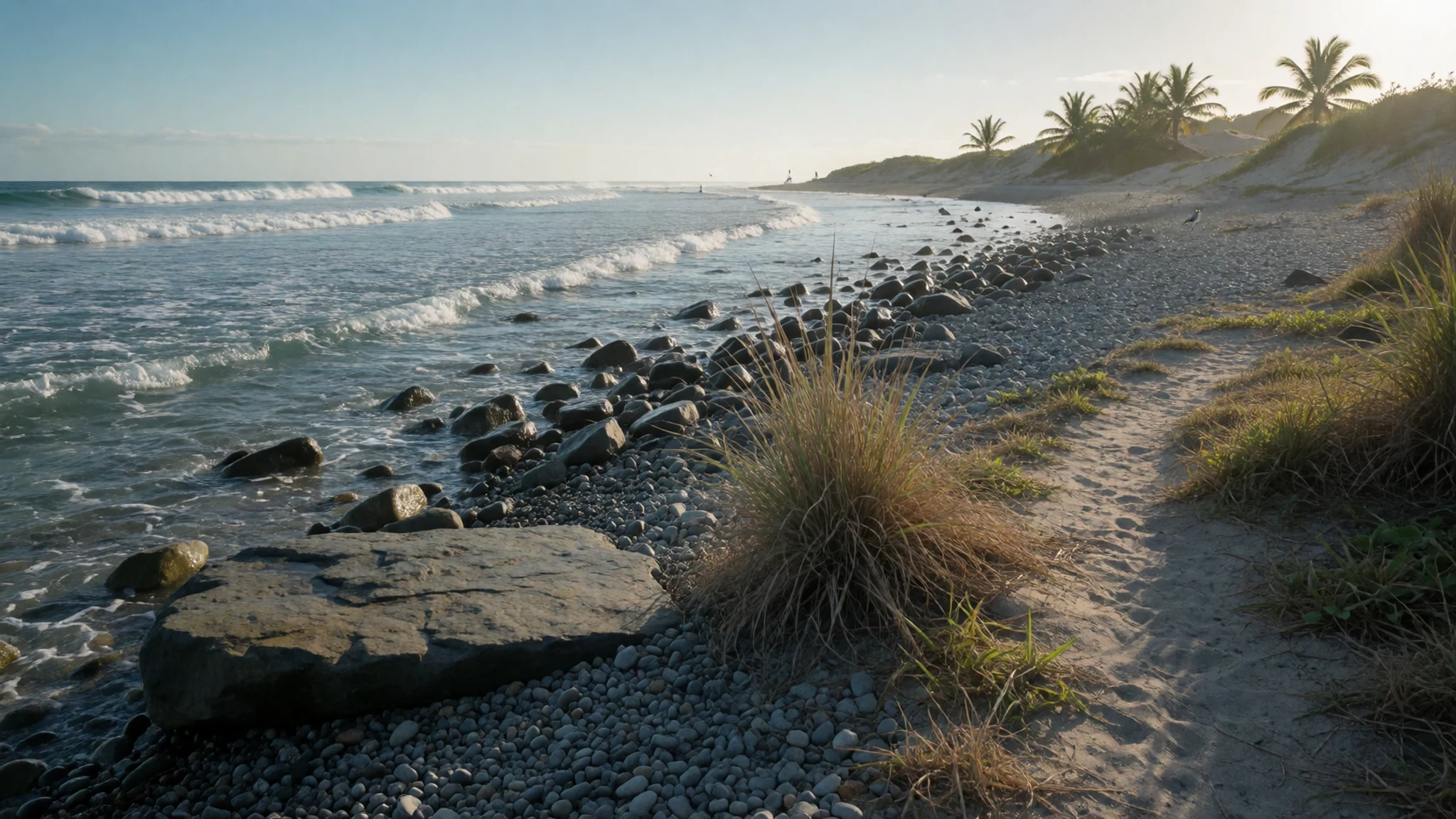
- The Covalima mountain road — Covalima highlands
The newer road into the Covalima highlands climbs over a pass of around 1500 metres, and the views and cooler air make the drive part of the trip. Villages in the hills are traditional and often welcoming to visitors. Landslides can close sections after heavy rain, so check conditions locally and leave plenty of daylight.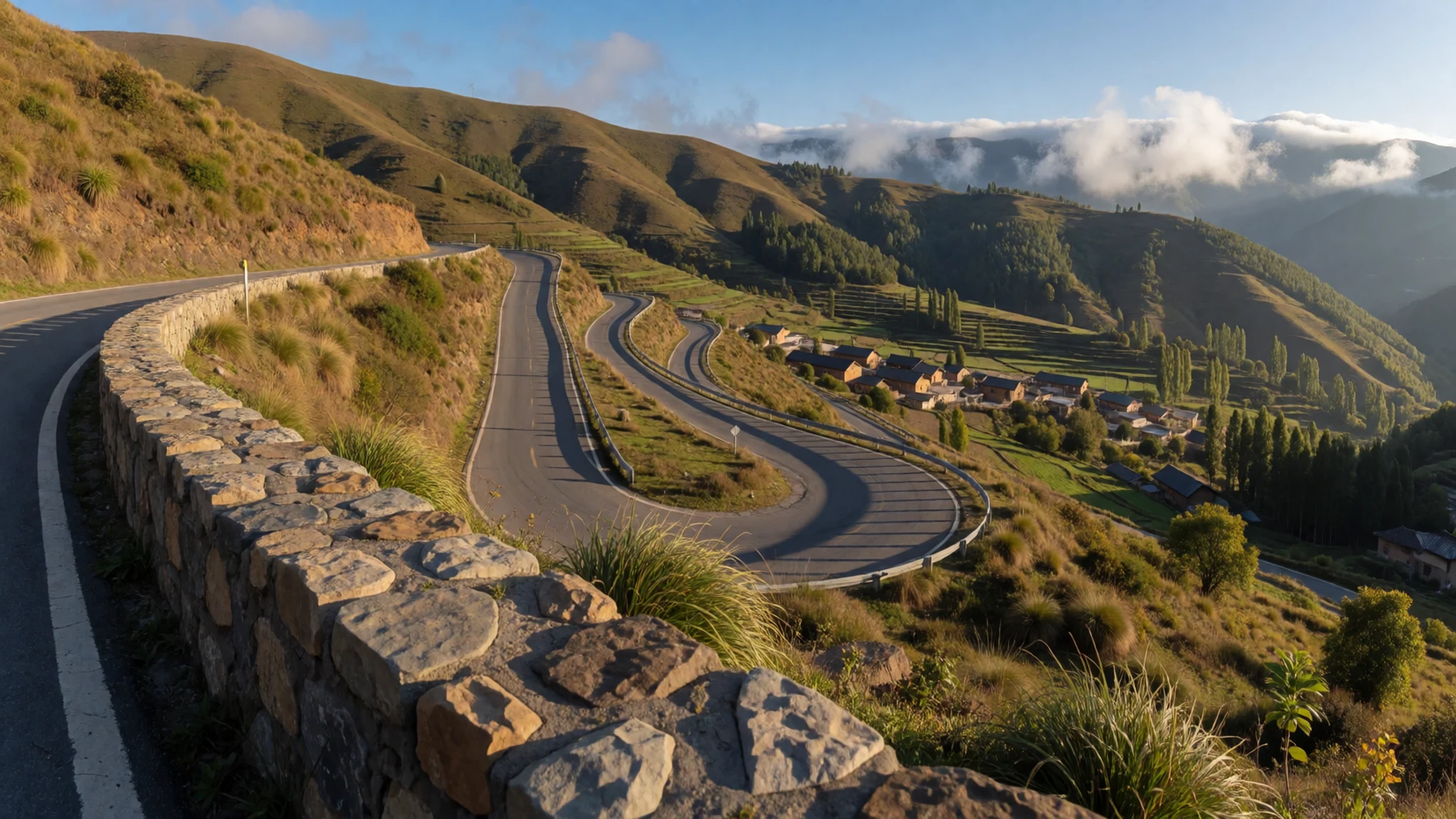
- Suai Vila town centre — Suai Vila
Suai Vila, the town centre, rewards a slow walk. Government offices, the hospital and the market sit close together, and public events here sometimes include traditional dance. Ask before photographing anyone, and let the unhurried pace of the place set the schedule rather than a checklist of sights.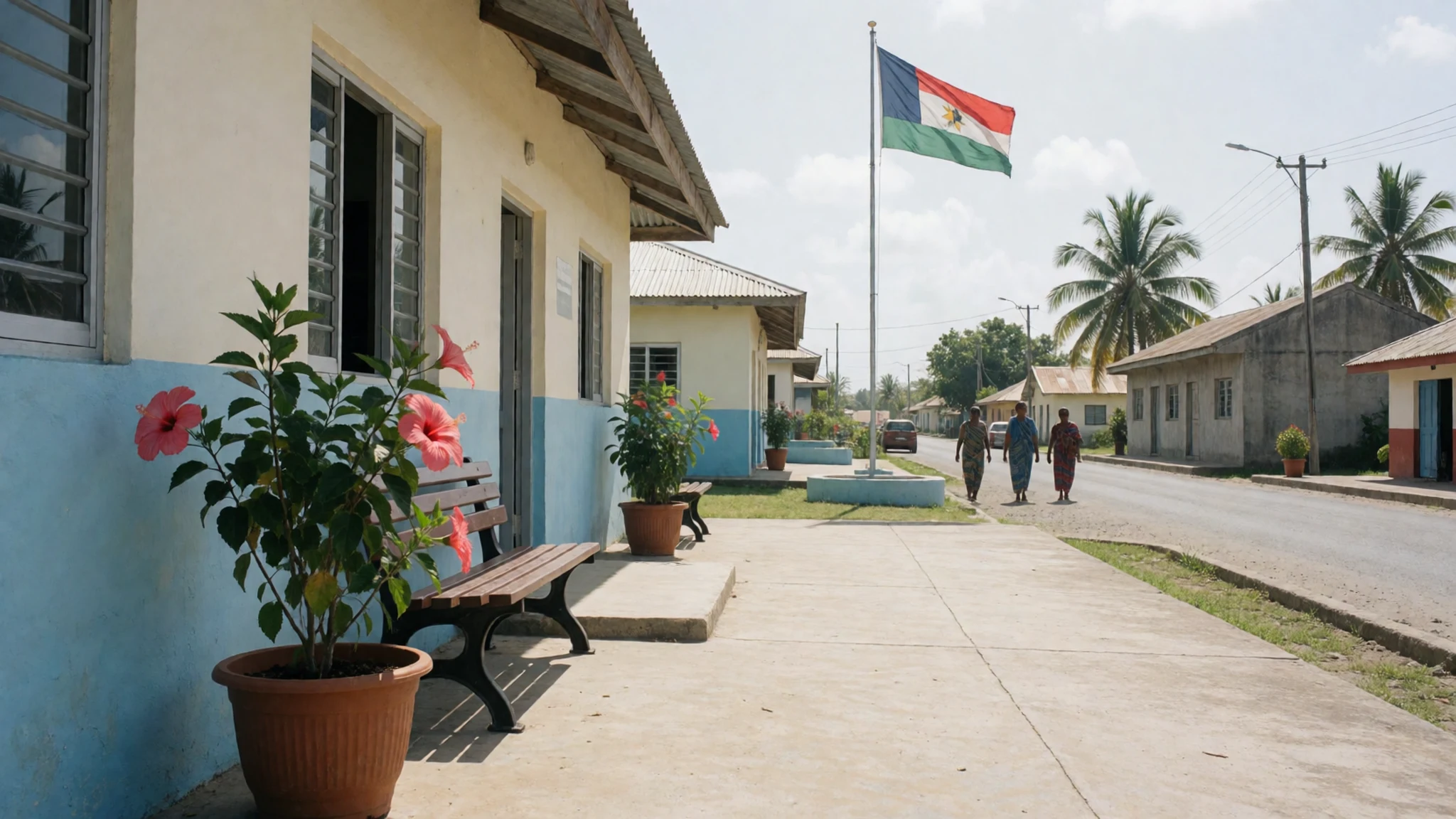
Culture
Suai is a Catholic town in a country where faith and ancestral custom sit side by side. Church life shapes the week, and the new Ave Maria church is a gathering place as well as a memorial to 1999. In the surrounding highlands, many families also honour ancestors and keep sacred houses and ceremonies tied to land and lineage, so a village may have its own rules about where outsiders may go. Tetum is the common language, Portuguese is official, and Indonesian is still widely understood. A few words are received warmly: bondia for good morning, and obrigadu for thank you from a man, obrigada from a woman. Hospitality is real but unhurried, and visitors are often offered coffee or a seat; conversations take their time and are not rushed towards a purpose. The events of 1999 are within living memory for many residents, so questions about them are best left until someone chooses to raise the subject. Public life is modest, and open displays of affection are uncommon. Dress, tone and patience count for more here than any rulebook. Ask permission before photographing people, ceremonies or the inside of the church, and keep your voice low and your shoulders and knees covered when you step inside.
What to wear
Suai and the wider Cova Lima region share the Timorese tradition of tais, handwoven cloth made on backstrap looms, usually from cotton and traditionally coloured with natural dyes. Patterns and colours differ between districts and families. Tais is worn as a wrap-around skirt or sarong, as a shoulder scarf, and as a ceremonial gift, and it appears most at weddings, funerals, church festivals and welcome ceremonies, often with beads, metal ornaments and headwear. Day to day, people in town dress simply: T-shirts, shorts or trousers, dresses and skirts for women, football shirts, flip-flops and uniforms for schoolchildren and officials. Church on Sunday brings out smarter, neater clothes. Visitors should pack light cotton or linen that dries quickly, with shoulders and knees covered for church visits and village calls. A wide-brimmed hat, sunscreen and sunglasses help against strong sun, while a light rain jacket is useful in the wet season. Closed shoes or sturdy sandals suit the rough roads and market mud. Swimwear belongs at the coast only, and a cover-up for the walk back to town is sensible.
What to eat
- Rice with chicken or beef — The basic warungs in and around Suai market
Plain rice with stewed or fried chicken or beef is the staple plate in Suai. Portions are simple and filling, and vegetables are often limited. It is easy to find and quick to order, a practical choice after a long day on the road.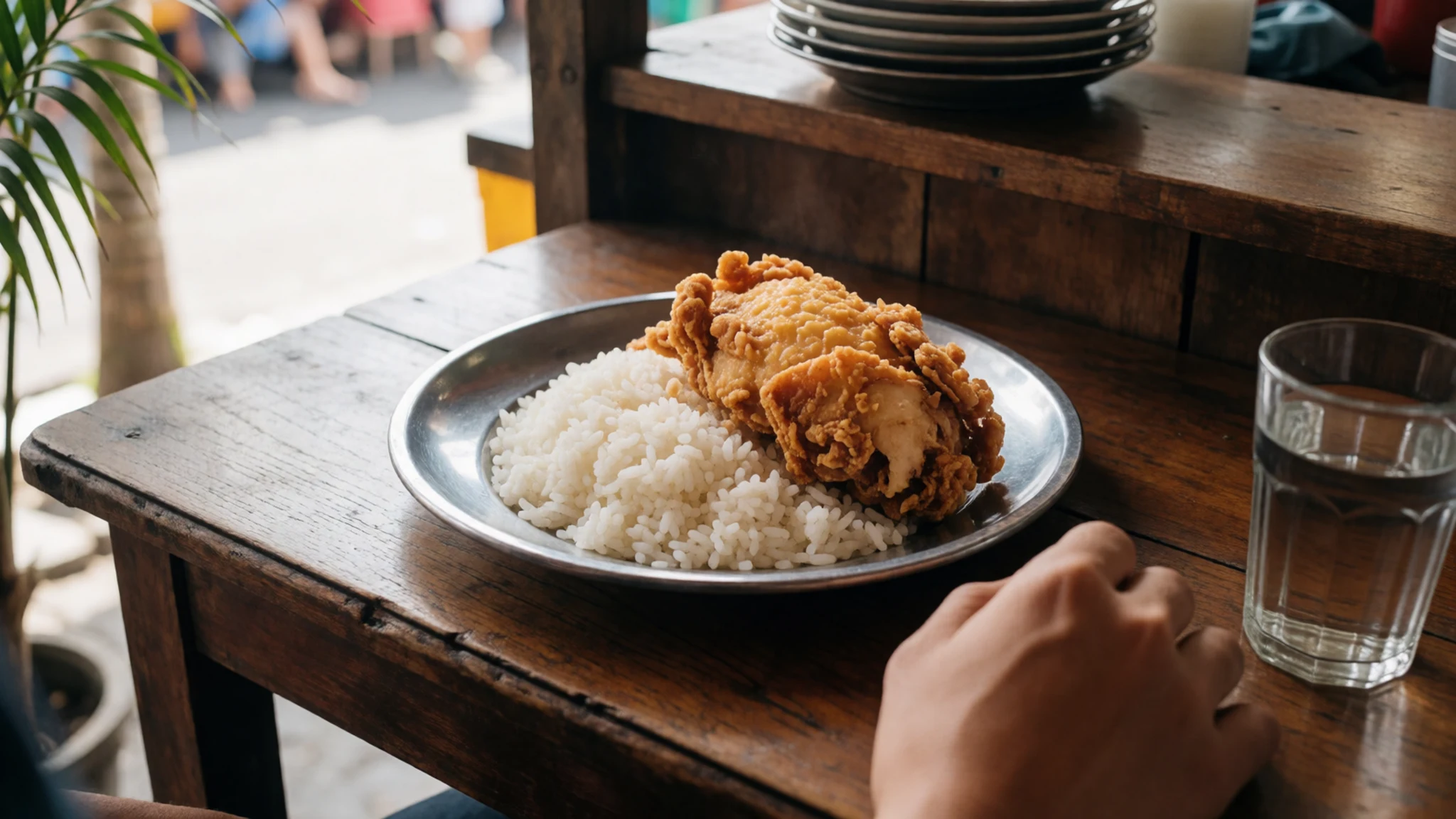
- Warung soup — Small warungs in the market area
A basic bowl of broth with vegetables and sometimes noodles or a little meat is a common alternative where the menu is short. It travels well too, since some warungs will pack it to take away. Ask what is on that day.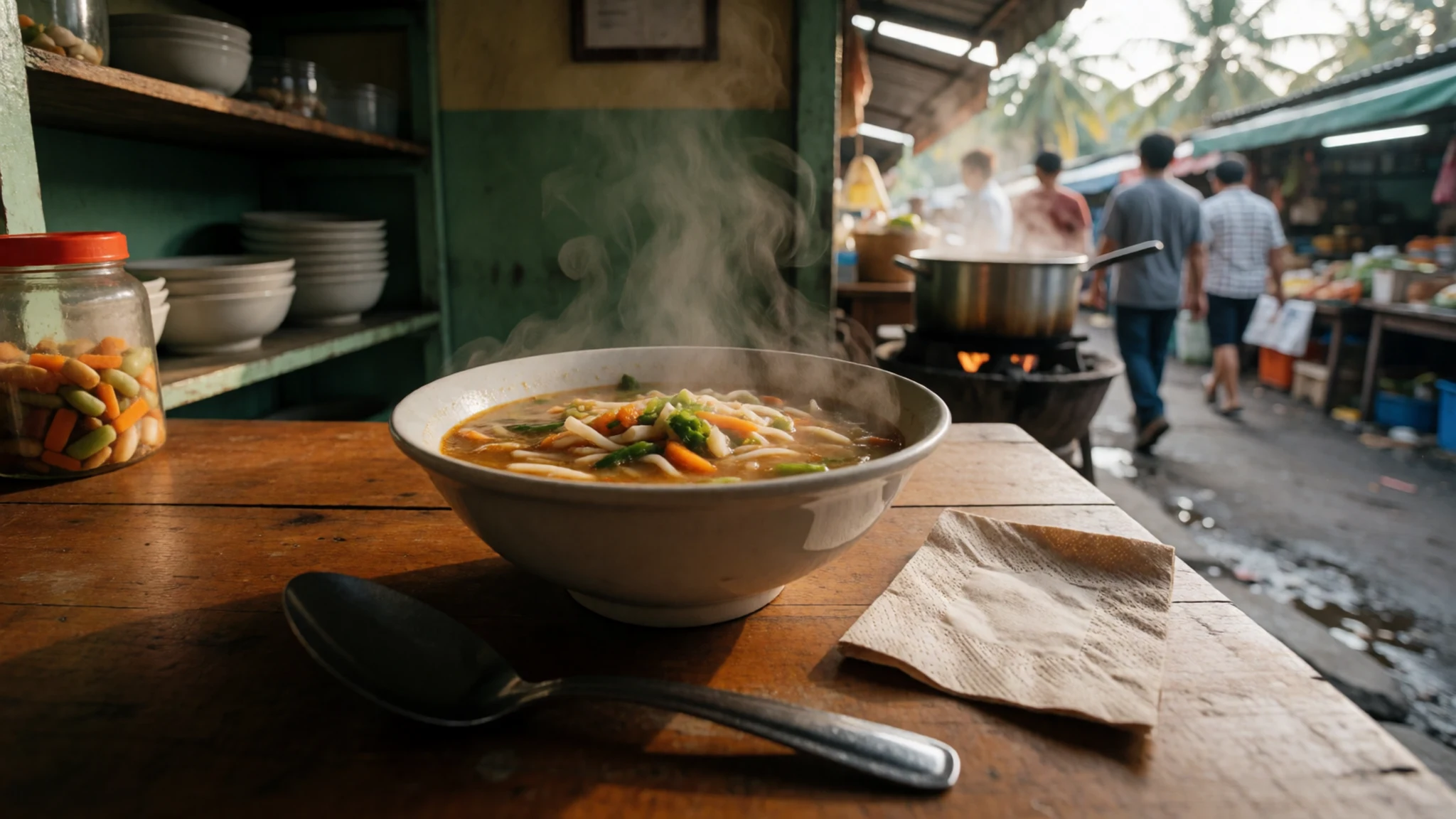
- Batar da'an — Home kitchens and simple eateries; ask locally
Batar da'an is a home-style Timorese stew of maize, beans and pumpkin or greens, cooked slowly into something thick and comforting. It is more a household dish than a restaurant one, so ask locally whether a family or eatery has it that day. - Grilled fish — Market stalls and simple eateries near the coast
With the Timor Sea close by, fish is cooked over charcoal and served with rice and a spicy chilli sauce. Availability depends on the catch and the day, so treat it as a pleasant surprise rather than a plan. Check freshness as usual in the heat. - Fried bananas and snacks — Roadside sellers and market corners
Sliced bananas fried in a light batter are a cheap afternoon snack, sold alongside other fried bites. They are best eaten hot, straight from the pan, and make a good stop between a market walk and the walk home. - Timorese coffee — Market stalls, homes and small eateries
Coffee grown in the Timorese hills is served strong and sweet in small cups or glasses. Hosts often offer it as a welcome, and accepting is part of the pleasure. Ask for less sugar if preferred, or buy beans to take home.
Plan it
Best time. May to October, the drier months, when roads are in better shape and landslide closures are less likely; the wet season brings heavy rain, muddy tracks and possible road closures in the hills.
How long. 2–3
Getting there. Suai has an airport that was expanded in 2017, so ask airlines or the official civil aviation authority which services currently run. By road, Suai is about 138 km from Dili, and the route through Maubisse may be faster. From Maliana it is roughly 4 hours, and the road through Zumalai is better than the rough one via Lolotoe, though two spots can close after landslides.
Budget. low
Tips
- Check road conditions locally before every long drive, especially in the wet season
- Carry cash, as cards are unlikely to work in the market or at small eateries
- Bring drinking water, sun protection and insect repellent, since facilities are limited
- Book lodging ahead and confirm it, as choices are few and basic
- Ask local people before swimming in the sea or any river, because of crocodiles
Etiquette
- Dress modestly and keep your voice low in and around the church
- Ask before photographing people, ceremonies or memorial sites
- Let local people raise the subject of 1999 rather than asking directly
Nearby
Sources
- Wikidata Q582712 (CC0)
- Wikipedia: Suai (rev 1376929877) (CC BY-SA 4.0)
- Wikivoyage: Suai (rev 5286246) (CC BY-SA 4.0)
- Neue Ave Maria Kirche von Suai — Jose Fernando Real (CC BY-SA 4.0)
- Dancer in Suai Vila, Covalima — Presidency of East Timor (Public domain)
- Francisco Guterres in Suai Vila, Covalima — Presidency of East Timor (Public domain)
- Suai Vila 1a — Presidency of East Timor (Public domain)
- Suai Vila 1b — Presidency of East Timor (Public domain)
- Suai Vila 2 — Presidency of East Timor (Public domain)
- Suai Vila 3 — Presidency of East Timor (Public domain)
- Suai Vila 4 — Presidency of East Timor (Public domain)


Wildlife
- Saltwater crocodile (animal)
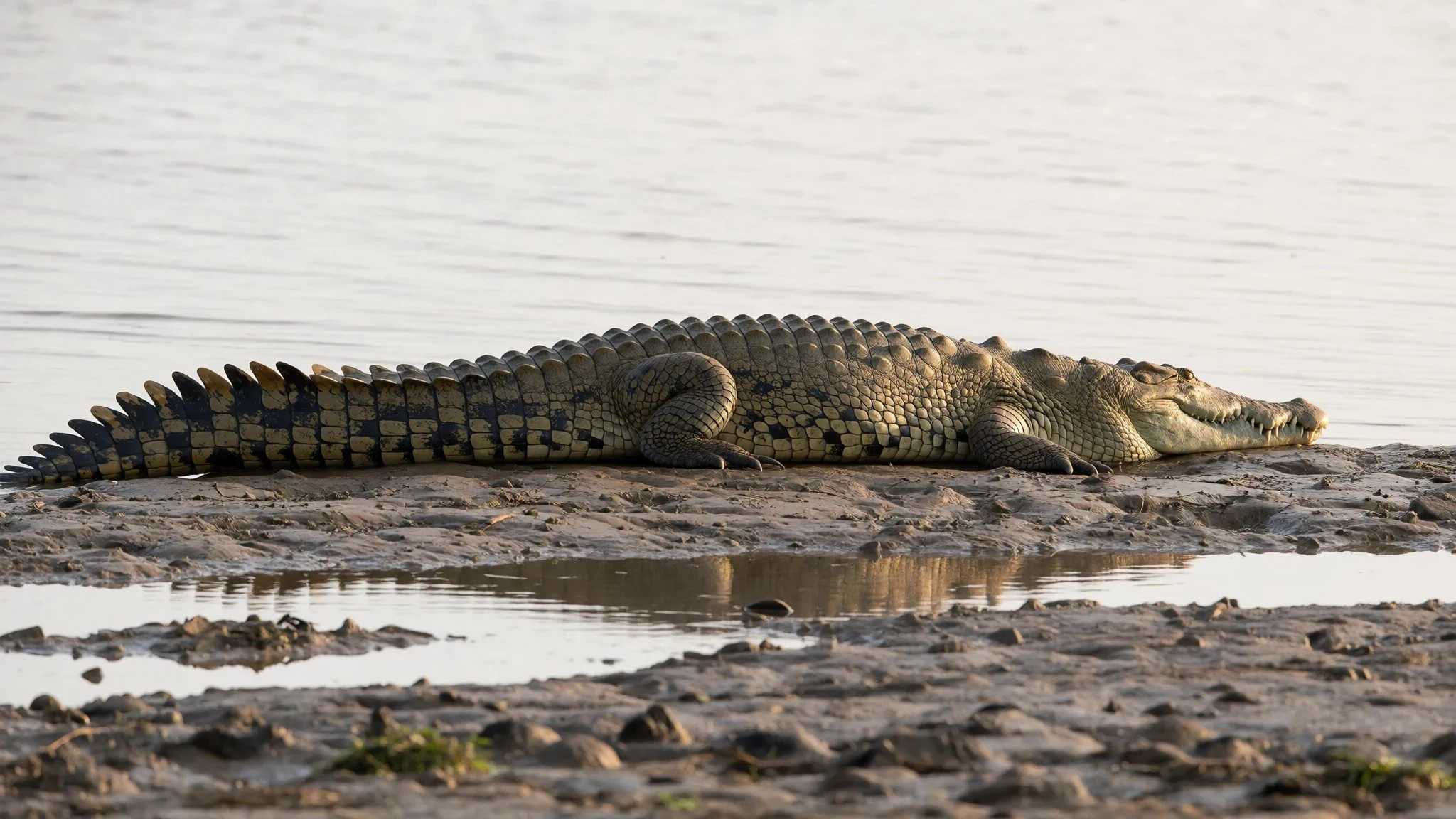
The saltwater crocodile is a huge reptile that is at home in salty and fresh water alike, and it can be dangerous to people. Around Suai, it belongs to the rivers and the places where they meet the sea along the coast. Be wary near the water's edge and keep out of the water. Watch from a safe distance, staying calm and quiet, and let this powerful animal go about its day undisturbed.