El Nido
El Nido, Philippines
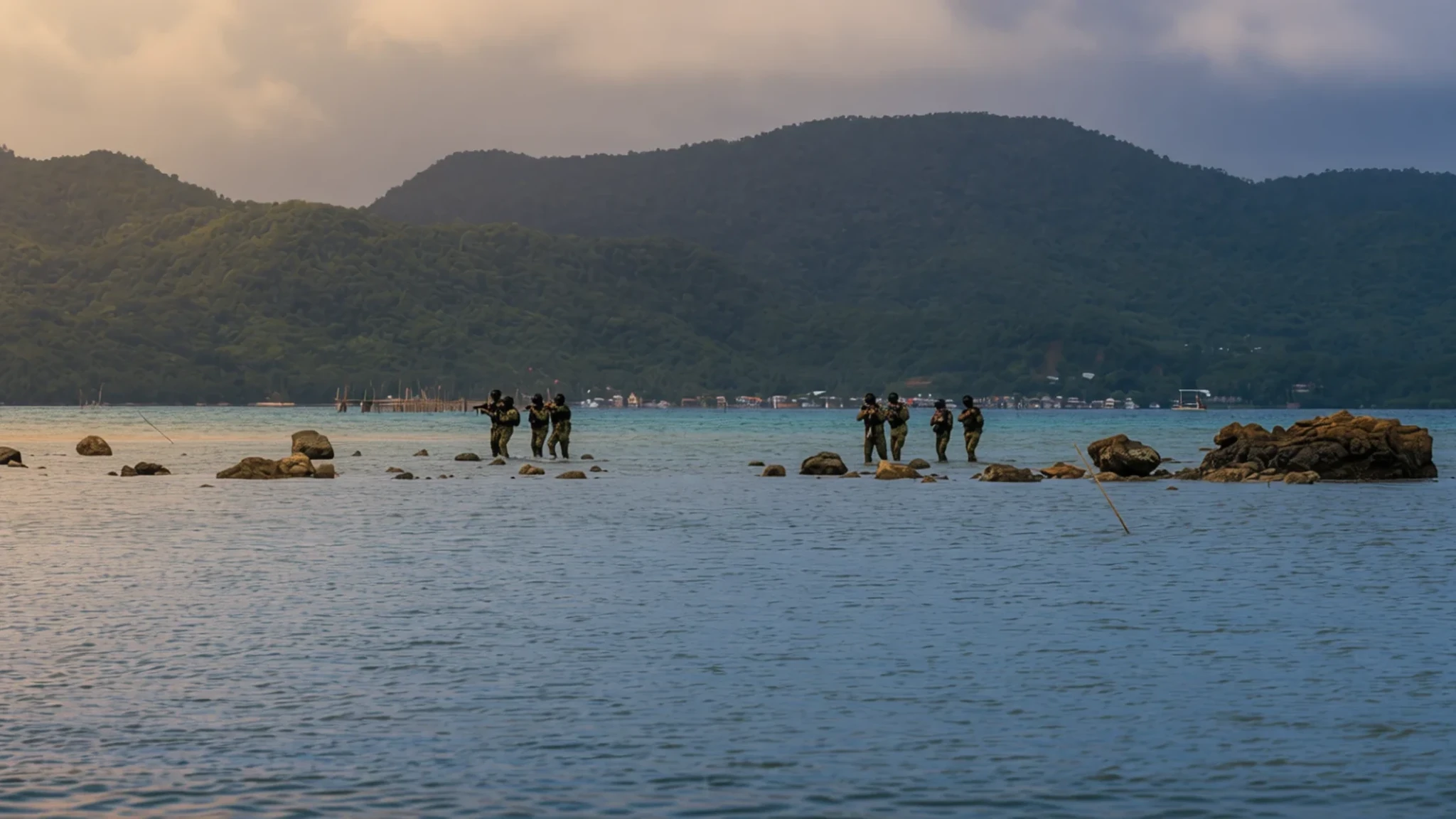
Go to El Nido for dramatic limestone karst islands, clear turquoise lagoons, and quiet white-sand beaches tucked away in northern Palawan.
The place
El Nido occupies the northernmost tip of mainland Palawan in the Philippines, serving as the main gateway to the islands of Bacuit Bay. The municipality covers a land area of hundreds of square kilometres and includes numerous outlying islands and islets, each shaped by dramatic geological formations. Sheer limestone cliffs, similar in formation to karst landscapes found in other parts of Southeast Asia, rise sharply from the shallow turquoise water, creating hidden lagoons, secluded coves, and sheltered white-sand beaches.
Situated within the distinct geological setting of the Sunda Plate, the area is separated from the rest of the Philippine archipelago's mobile belt. This unique tectonic history gives the coastal geography its characteristic jagged karst topography and rich marine environment, which supports extensive coral reefs and diverse marine life. Despite growing interest from travellers worldwide, parts of the coastline and many of the outlying islets retain a remote, untouched quality, with dense vegetation clinging to vertical rock faces and pristine waters washing against powdery shores.
Life in El Nido is closely tied to the sea, revolving around fishing, coastal trade, and marine excursions that depart daily from the main shore. The settlement itself is characterised by narrow coastal roads lined with local eateries, dive shops, and small lodges where visitors prepare for boat trips out into the bay. Whether viewed from the deck of a traditional outrigger boat or from high points along the rocky coastline, the landscape presents a striking contrast of dark stone, brilliant green foliage, and luminous blue water.
Its story
El Nido has a deep human history that stretches back millennia before the arrival of European explorers. Archaeological excavations in the limestone caves surrounding the municipality, particularly within Dewil Valley, have revealed human remains, pottery, and burial sites dating back thousands of years to the Late Neolithic Age, with evidence of habitation extending back much further.
Before the Spanish era, the area was home to indigenous Tagbanwa communities, including groups that inhabited inland valleys and coastal settlements such as Batacalan. When Spanish expeditions arrived in the region during the sixteenth century, they encountered distinct sub-tribes of Tagbanwa. While some groups integrated into colonial administration and trade networks, others retreated into the forested interior, successfully preserving their traditional way of life and cultural heritage down to the present day.
In subsequent centuries, migration waves from the Cuyo Islands brought new settlers to the coast, gradually shifting the demographic and economic character of the bay area. By the nineteenth century, Spanish families established a formal presence, and the settlement eventually became a designated barrio before being renamed Bacuit. Over time, the administrative boundaries and local governance evolved, but the settlement retained its maritime identity, transitioning from a quiet fishing community and collection point for edible bird's nests into a celebrated coastal destination.
What to see
- El Nido Bay — Main coastal waterfront
El Nido Bay forms the central aquatic highway of the municipality, where traditional outrigger boats line the shore at dawn. Visitors gather here to board vessels heading out towards the dramatic limestone cliffs, hidden lagoons, and coral reefs of the surrounding archipelago.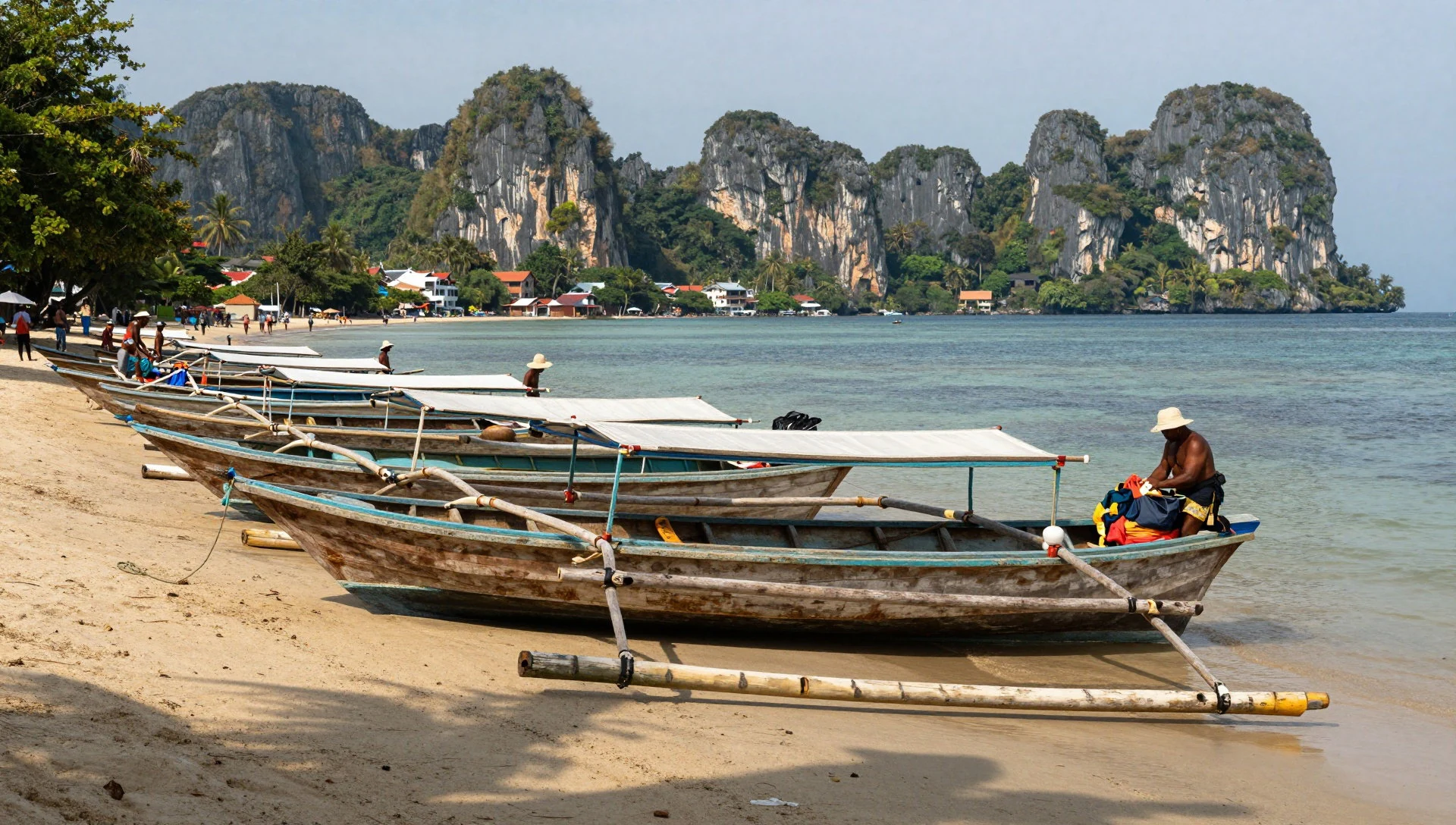
- Bacuit Archipelago Island Hopping — Bacuit Bay
Boat excursions depart regularly from the shore to navigate the maze of towering karst islands and secluded coves that define the bay. These journeys take travellers to shallow turquoise lagoons, dramatic rock arches, and quiet white-sand beaches hidden beneath vertical cliffs.
- Calle Real — Población
Calle Real serves as one of the historic thoroughfares running parallel to the shoreline, lined with small shops, cafes, and family-run guesthouses. Walking along this narrow street offers a glimpse into daily town life away from the immediate waterfront.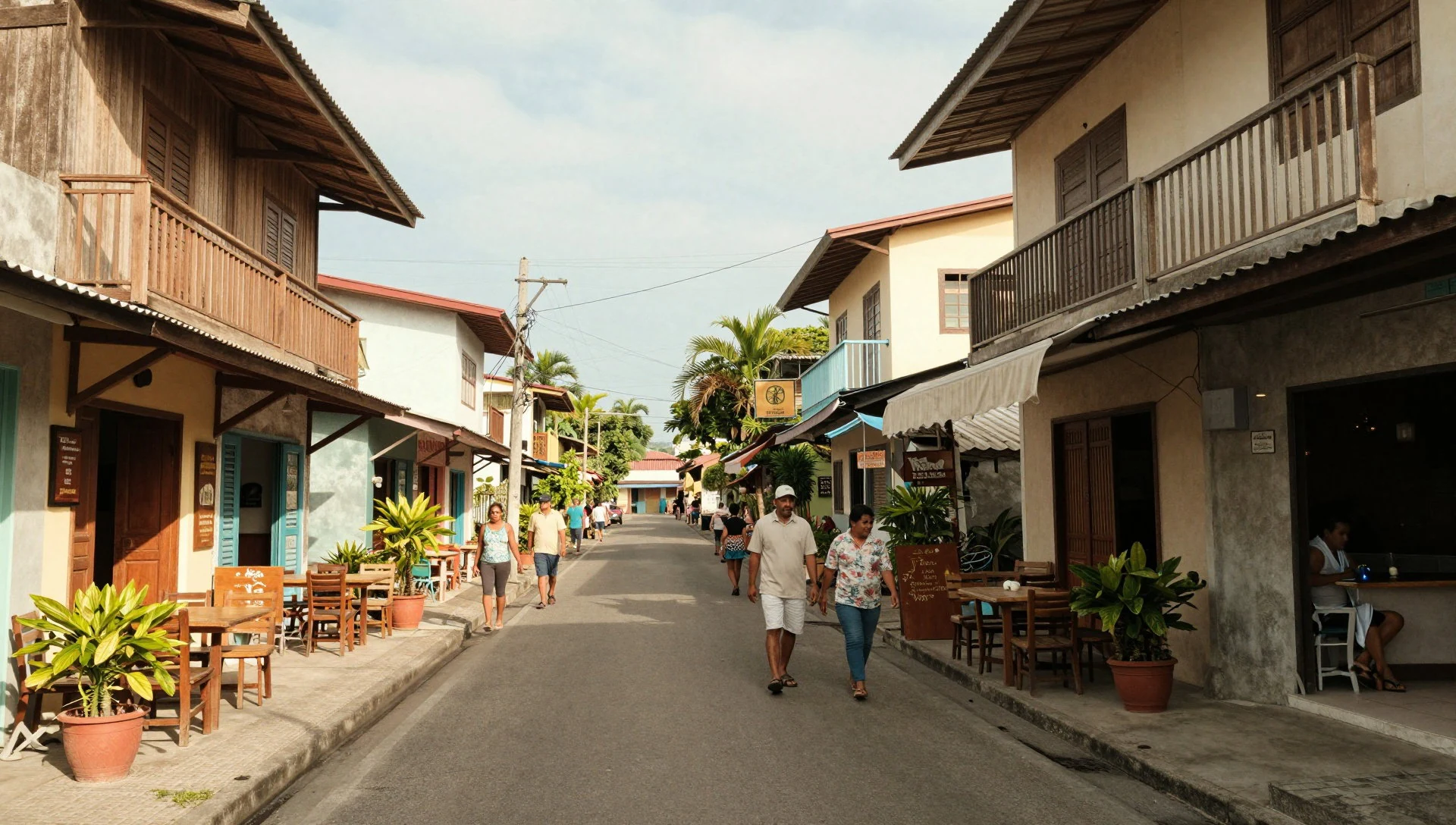
- Municipal Hall — Población
The Municipal Hall stands as the administrative heart of local governance for the municipality and its surrounding barangays. The building reflects civic architecture in the province and acts as a central landmark within the administrative sector.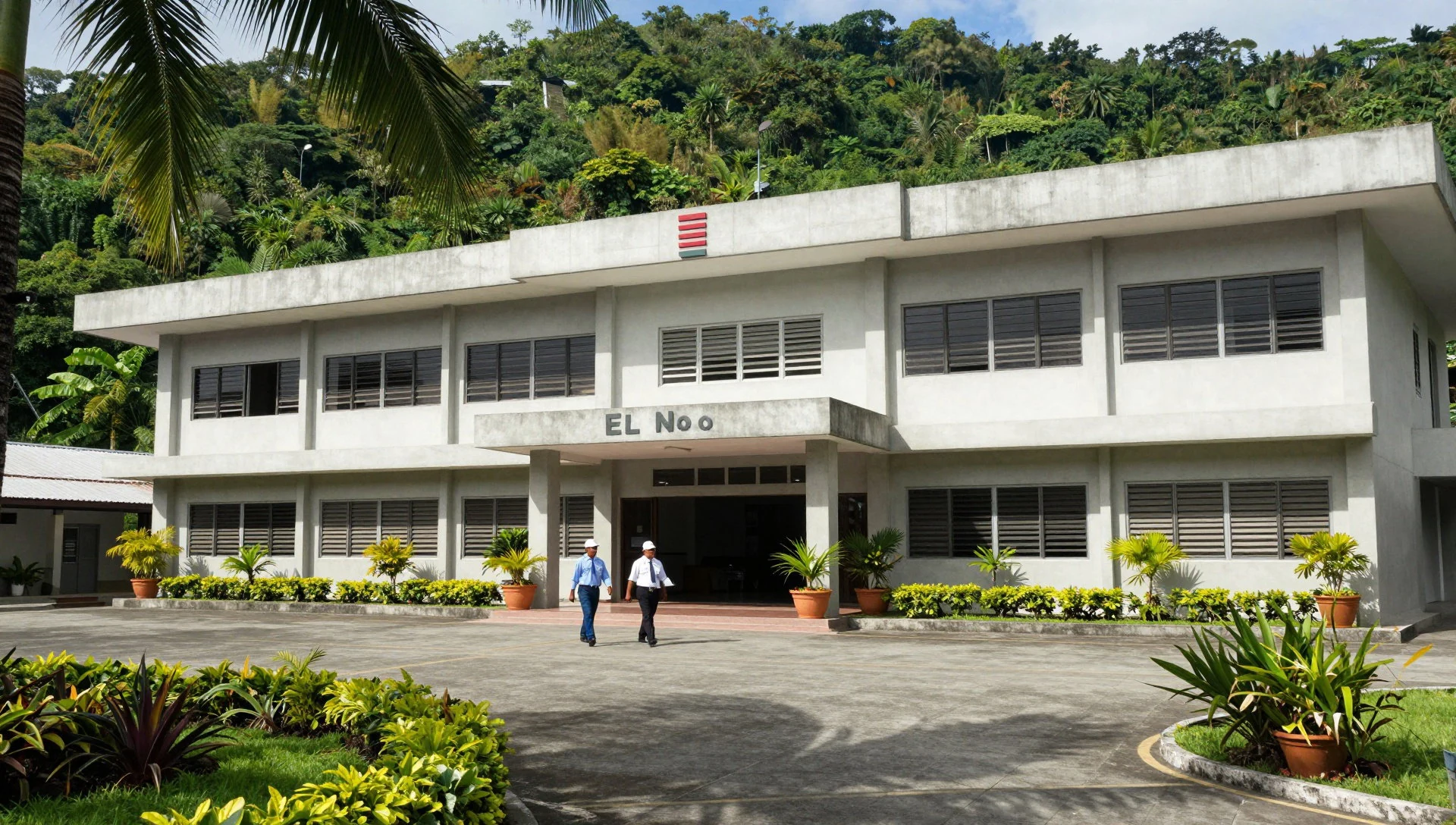
- Bucana Fishing Village — Northern municipality
Located in the northern part of the municipality, Bucana offers an authentic look at traditional coastal life outside the main tourism hub. The area features local fishing communities, tidal rivers, and quiet stretches of coastline facing the open sea.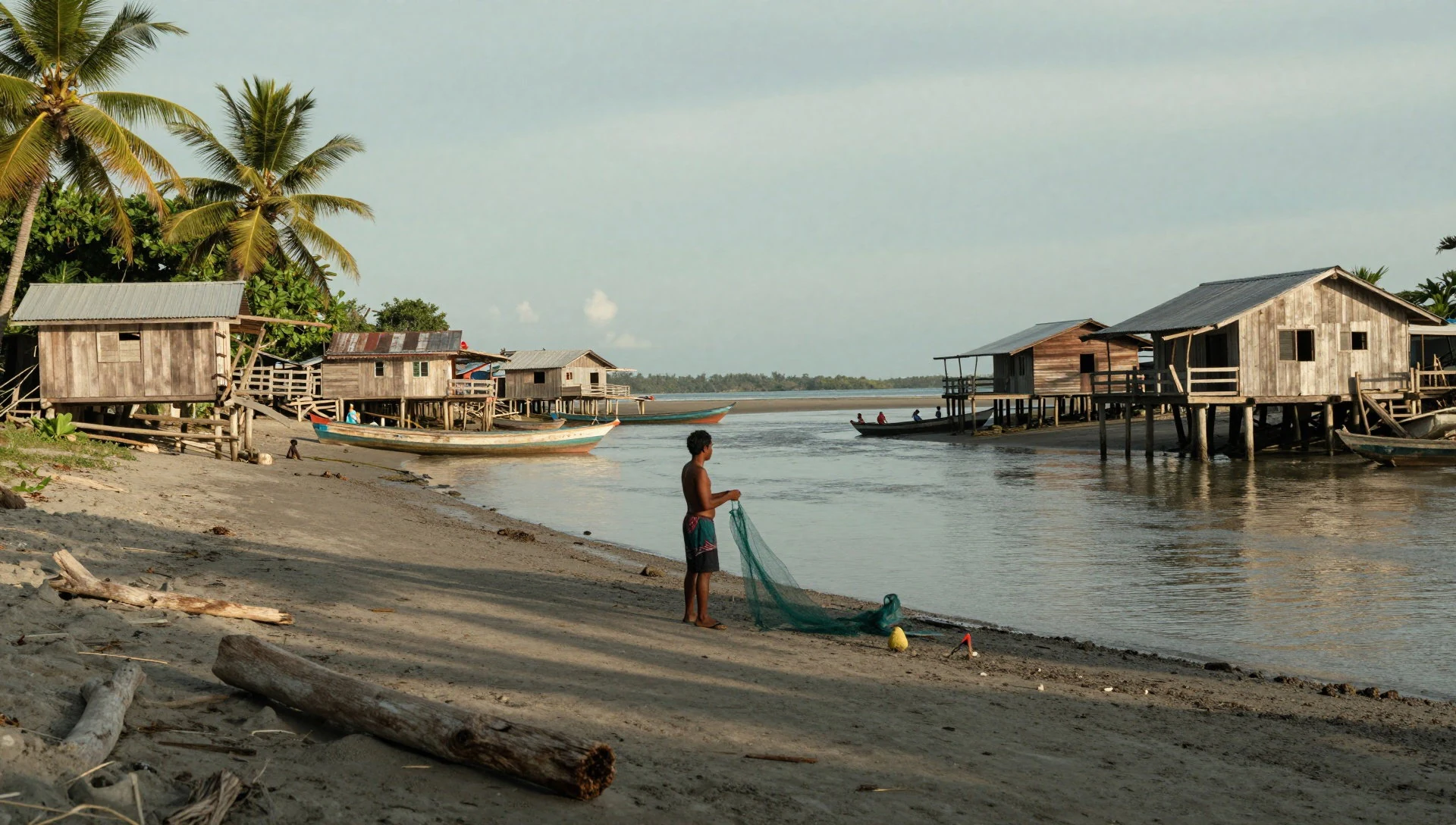
Culture
El Nido maintains a warm, community-oriented culture shaped by its maritime heritage and the diverse backgrounds of its residents, who include local Palawano and Tagbanwa communities alongside migrants from the Cuyo Islands and other regions. Daily interactions are marked by traditional Filipino hospitality, where respectful greetings and a gentle demeanor set the tone for conversation. Community life often revolves around family gatherings, local fiestas, and cooperative activities tied to the fishing and tourism sectors. Traditional crafts and indigenous artistic expressions survive primarily among upland indigenous groups, who maintain distinct customs regarding land and ancestry. When visiting local communities or entering sacred natural sites, always ask for permission before taking photographs of residents or partaking in local ceremonies.
What to wear
Traditional attire in El Nido reflects practical adaptations to a tropical coastal environment, historically utilising lightweight woven textiles and plant-based fibers suited to humid conditions. Indigenous groups in the interior maintained distinct patterns of dress that reflected their ancestral heritage and relationship with the forest.
Today, daily fashion in El Nido is casual and functional, driven by the warm climate and outdoor activities. Locals and residents typically wear breathable cotton shirts, shorts, and sandals or lightweight footwear suitable for sandy paths and wet docks.
Visitors should pack light, breathable clothing such as linen shirts, shorts, and swimwear for the beaches and boat excursions. When walking through the town streets or visiting local administrative and residential areas, modest attire that covers shoulders and knees is appreciated. Sturdy sandals or water shoes are essential for navigating rocky shorelines, coral fragments, and boat ladders during island excursions.
What to eat
- Fresh Catch of the Day — Beachfront restaurants and local grills
Seafood forms the cornerstone of local dining in El Nido, featuring reef fish, squid, and prawns grilled simply over charcoal or prepared in local broths. These dishes are readily found at beachfront eateries and family-run restaurants along the main coastal strip. - Third Wave Coffee and Pastries — Town cafes and bakery spots
Cafes along the town streets offer specialty coffee brews alongside freshly baked bread, pastries, and hearty breakfast plates. These spots provide a relaxed morning gathering space before heading out on island excursions. - Wood-Fired Pizza and Delis — Main thoroughfares and side streets
A variety of international eateries offer thin-crust pizzas, Mediterranean dishes, and deli sandwiches made with imported and local ingredients. These establishments cater to travellers looking for familiar comfort foods after a day on the water. - Tropical Fruit Shakes — Cafes and beach shacks throughout town
Fresh fruit shakes made with locally grown mangoes, pineapples, and bananas are served across nearly every restaurant and cafe. They provide a cooling, refreshing drink during the warmest hours of the day.
Plan it
Best time. January to April offers the driest weather and calmest seas for island hopping, while December brings cooler breezes; May is the hottest month, and the rainy season from June to November brings heavy rain, peaking from July to September.
How long. 3–4
Getting there. Fly into Puerto Princesa International Airport, then take a public or private shuttle van from the San Jose bus terminal for the four to five-hour journey north to El Nido.
Budget. mid
Tips
- Book island-hopping tours and transport in advance during peak dry months
- Carry sufficient cash, as automated teller machines can occasionally run out of cash or experience outages
- Start boat excursions early in the morning to enjoy calmer waters and fewer crowds at popular lagoons
- Drink bottled or purified water rather than tap water
- Protect coral reefs by avoiding the use of chemical sunscreens when swimming in lagoons
Etiquette
- Always remove your shoes when entering homes or traditional indoor spaces
- Respect local customs and dress modestly when walking through residential neighbourhoods away from the beach
Nearby
Sources
- Wikidata Q111483 (CC0)
- Wikipedia (rev 1375851558) (CC BY-SA 4.0)
- Wikivoyage (rev 5401602) (CC BY-SA 4.0)
- Photo 01-el-nido-palawan-2.jpg (CC BY 2.5)
- Photo 02-el-nido-bay-december-2018.jpg (CC BY-SA 4.0)
- Photo 03-flag-of-el-nido-palawan.png (Public domain)
- Photo 04-aerial-view-of-bucana-2005-03-31-010659.jpg (CC BY 2.5)
- Photo 05-el-nido-calle-real-panoramio.jpg (CC BY 3.0)
- Photo 06-el-nido-fishing-village-panoramio.jpg (CC BY 3.0)
- Photo 07-el-nido-municipal-hall.jpg (CC BY-SA 4.0)
- Photo 08-el-nido-palawan-big-lagoon.jpg (CC BY 2.5)


