Semporna
Semporna, Malaysia
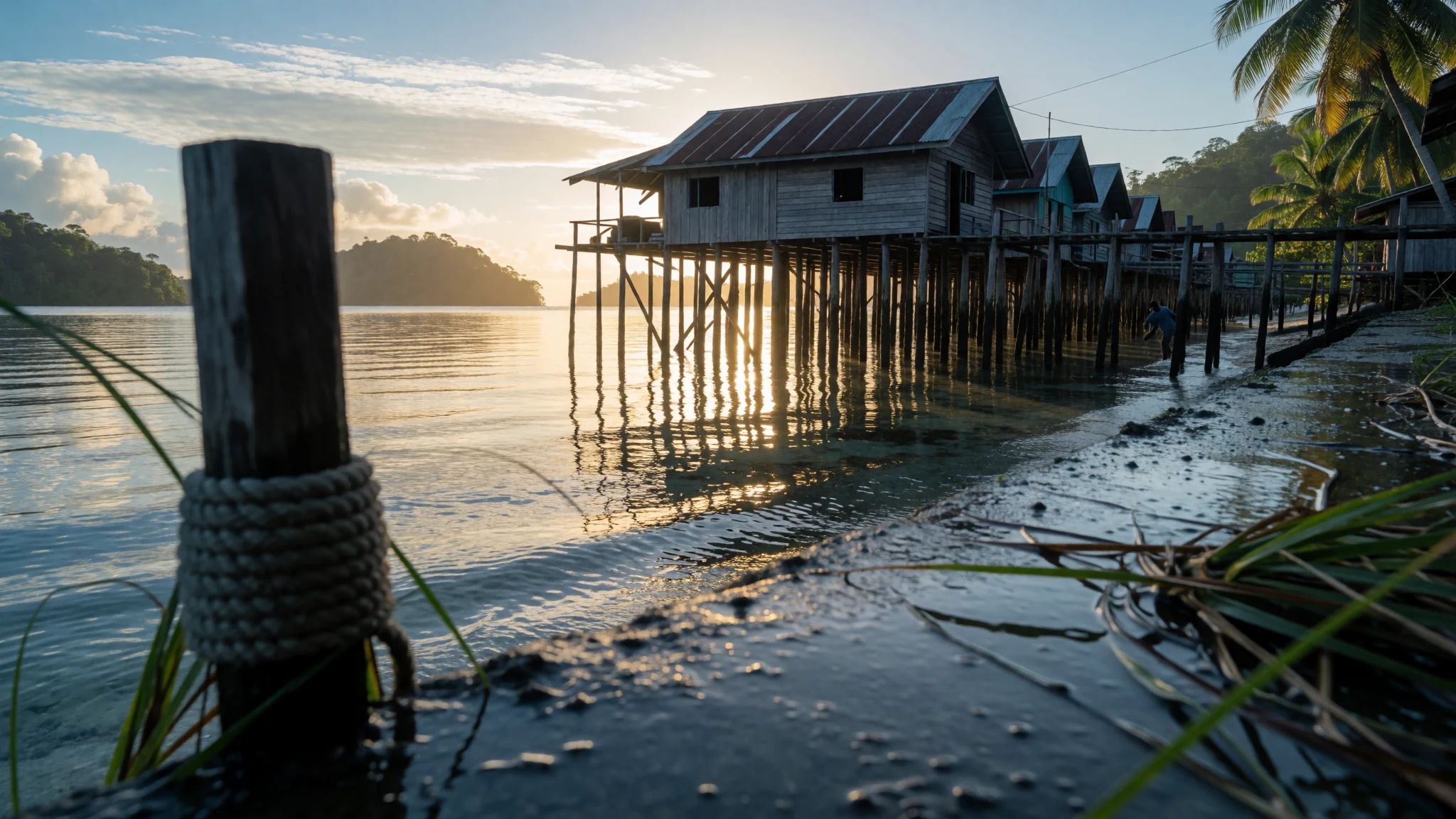
Semporna is the Sabah harbour town where boats leave for Sipadan, Mabul and Kapalai, with stilt-house life and cheap grilled fish between dives.
The place
Semporna is a harbour town at the tip of a peninsula on the east coast of Sabah, the Malaysian state in northern Borneo, and it is the capital of its district. About 35,000 people live here, a mix of Bajau sea communities, Chinese families, Malays, and migrants from the Philippines and Indonesia, which shows in the languages on the street and the food at the stalls. The town is not about grand monuments. It is a working waterfront of fish traders, dive boats and stilt houses over the shallows, with a mosque, a roundabout topped by a fish statue and a grid of shophouses selling snorkel masks, phone credit and noodles. The peninsula looks out over Darvel Bay, also called Lahad Datu Bay, and most visitors come with a single aim: reaching the islands offshore. Sipadan, Mabul and Kapalai are a boat ride away, and dive shops along the seafront organise trips, permits, gear and transfers. That makes Semporna a base more than a destination, though an evening or a slow morning in town is worth setting aside before or after time on the water. The jetty is lively at sunset, when boats come in and the stilt houses fill with cooking smoke and chatter. The climate is tropical rainforest, so rain can arrive in any month, often as a short heavy burst, and the air stays humid throughout the year. Midday on the waterfront is hot with little shade. Expect litter in the water near the stilt houses, crowded jetties at departure time and a town that is basic rather than polished. The rewards are cheap seafood, easygoing dive-shop company and a door onto the Celebes Sea.
Its story
Semporna's recorded history begins in the British North Borneo Chartered Company era, soon after the Company set up its base at Sandakan. The first settlers were largely Chinese traders, many of them leaving the Sulu Sultanate after Spanish attacks on its trading ports. Before it had its present name, the Bajau called the place Tong Talun, which means the end of the forest, a name credited to leaders of the Kubang lineage among the Bajau. The colonial governor Treacher later called it Labuan Semporna, a Malay phrase for a perfect anchorage, and the first word was eventually dropped. Some people translate Semporna instead as a peaceful place. The calm in that name was hard won. These waters had long been a landing point for pirates, and few families dared to live on the shore while raiders roamed the sea. Over the 1800s the British, Dutch and Spanish, along with figures such as Sir James Brooke, gradually pushed the pirates back. By the time the Chartered Company arrived in the early 1880s, one stronghold remained, on Omadal island, and HMS Zephyr defeated it in the 1880s. A trading station followed at the southern entrance to Darvel Bay. Chinese merchants from Maimbung in Sulu, whose town pirates had destroyed, asked to settle under Company law and protection. Later migration added more layers. Chavacano speakers from Zamboanga, fleeing conflict in the southern Philippines, settled here and brought a Spanish-based creole that is still spoken in Sabah.
What to see
- Semporna waterfront and jetty — Waterfront, town centre
The seafront is the heart of Semporna, with dive shops, small eateries and boats tied up along the quay. Bajau stilt houses stand in the shallows beside the jetty. Come at sunrise for fishing boats and at dusk for softer light. Mind the heat at midday and the loose planks.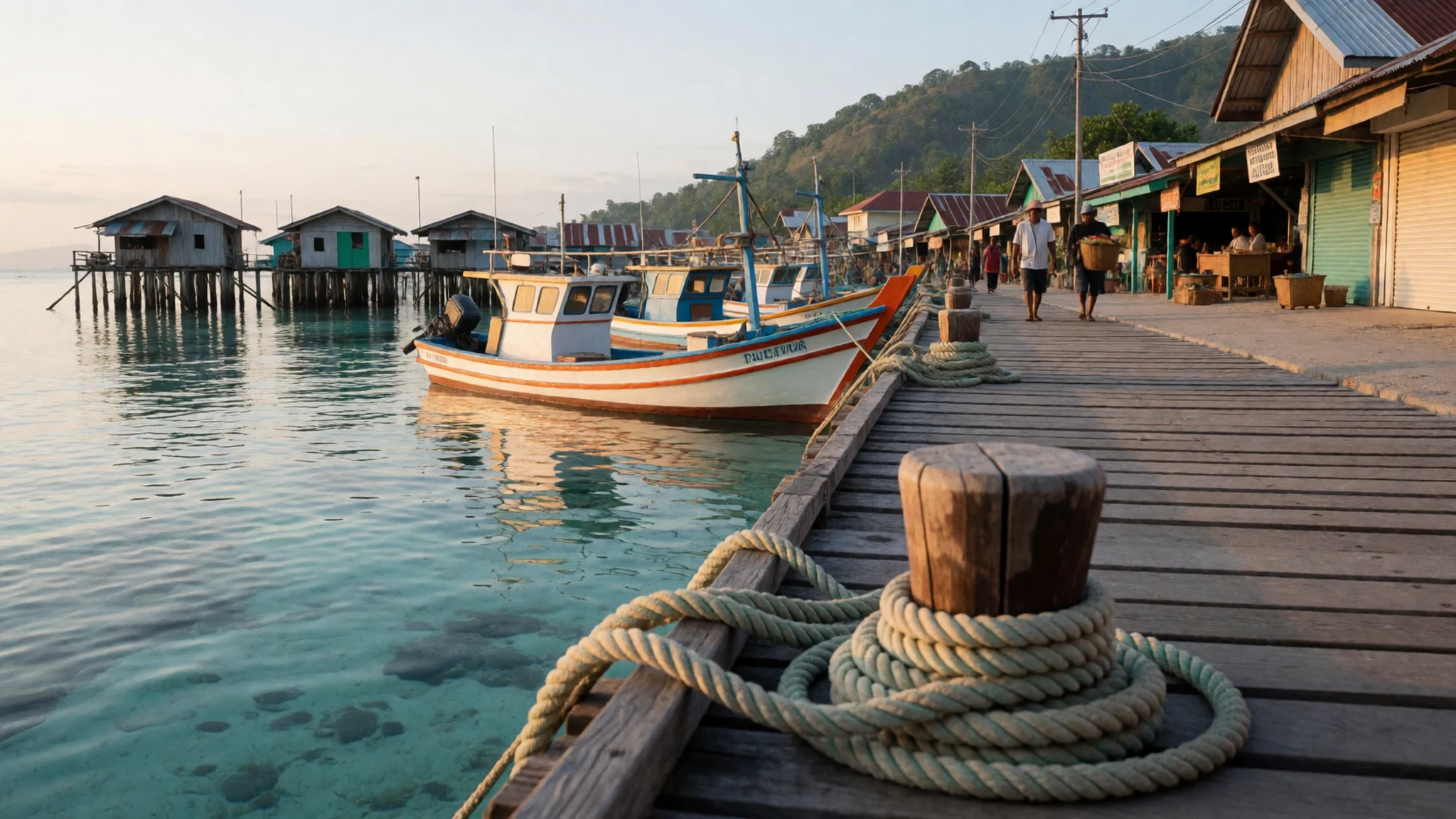
- Semporna City Mosque — Near the stilt-house quarter
The town mosque anchors a neighbourhood of Bajau stilt houses and gives a calm view of everyday religious life. It is best seen from outside, with the call to prayer carrying across the water. Non-Muslim visitors should ask before going in and dress modestly if invited.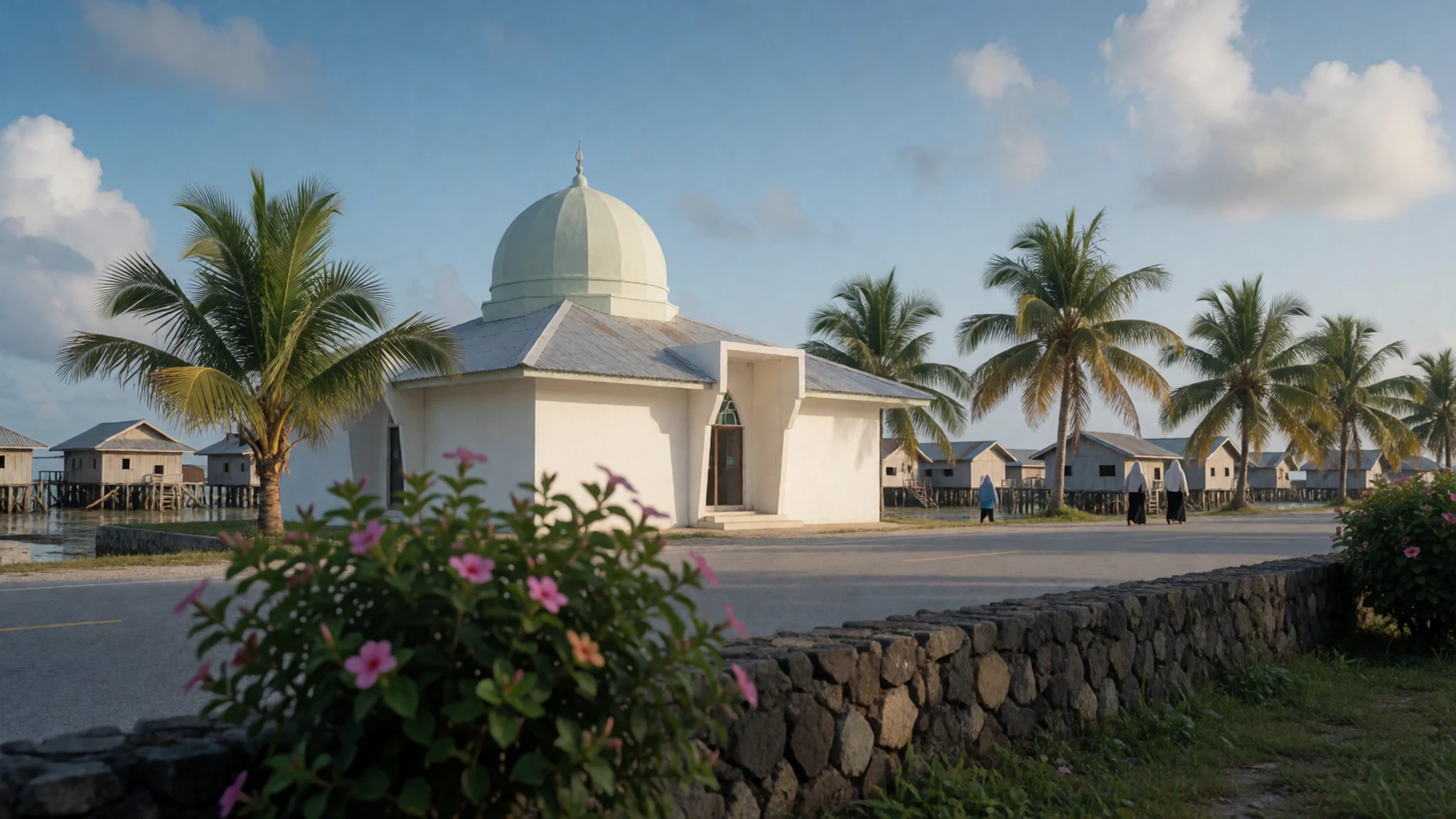
- Skull Hill — South of Semporna town
A small hill south of town where archaeologists dug in the 1990s and found prehistoric bones and artefacts. A modest museum explains the finds, and a short walk uphill leads to a view over the bay. It is a quiet change from the boat trade and easy to combine with a taxi ride.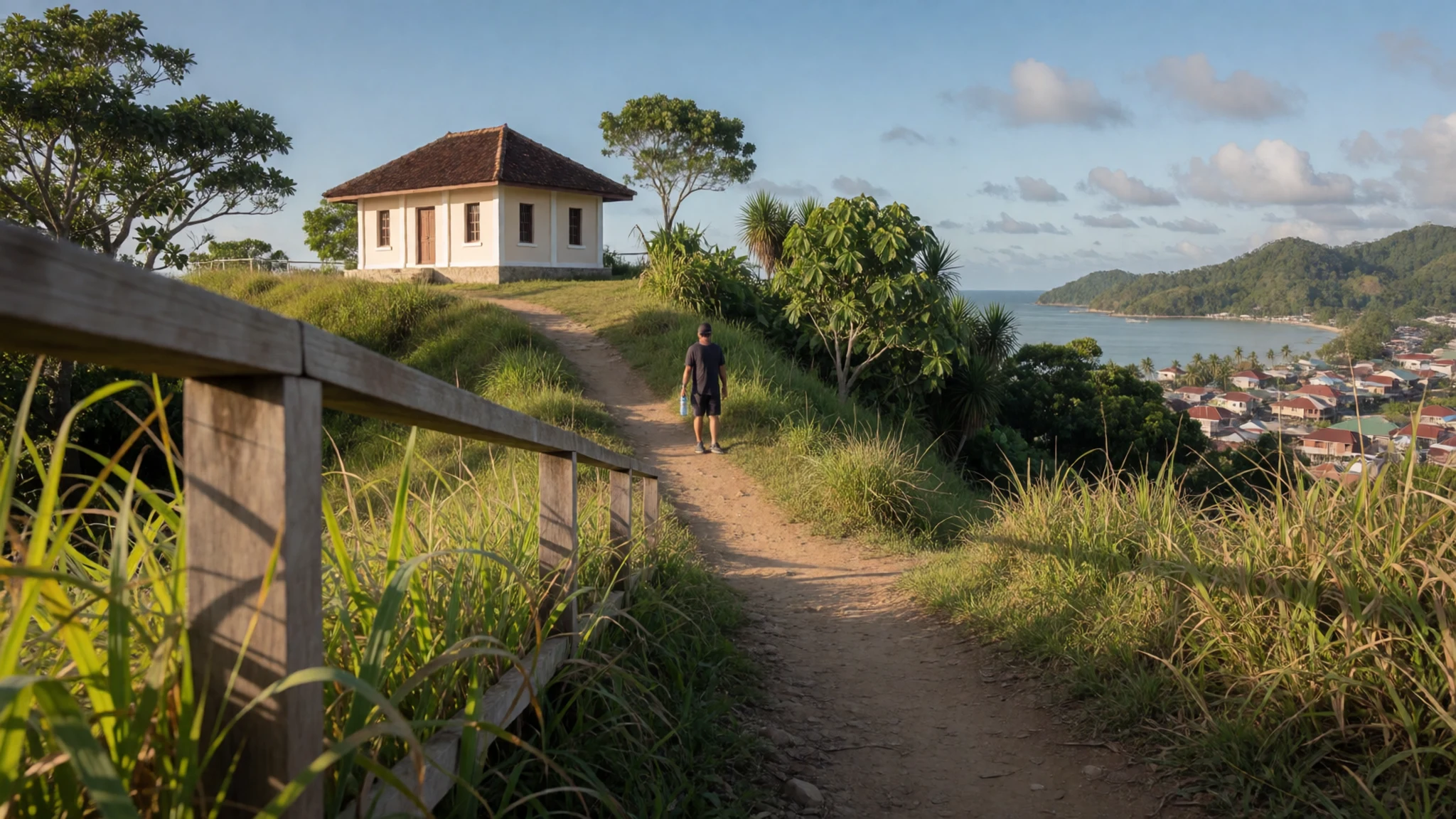
- Parapat Hill — South of Semporna town
An easy hike with views south over the scattered islands. It suits a spare morning or an afternoon when weather has kept boats in harbour. Go early, before the heat builds, carry water and wear shoes with grip, since paths can turn slippery after rain.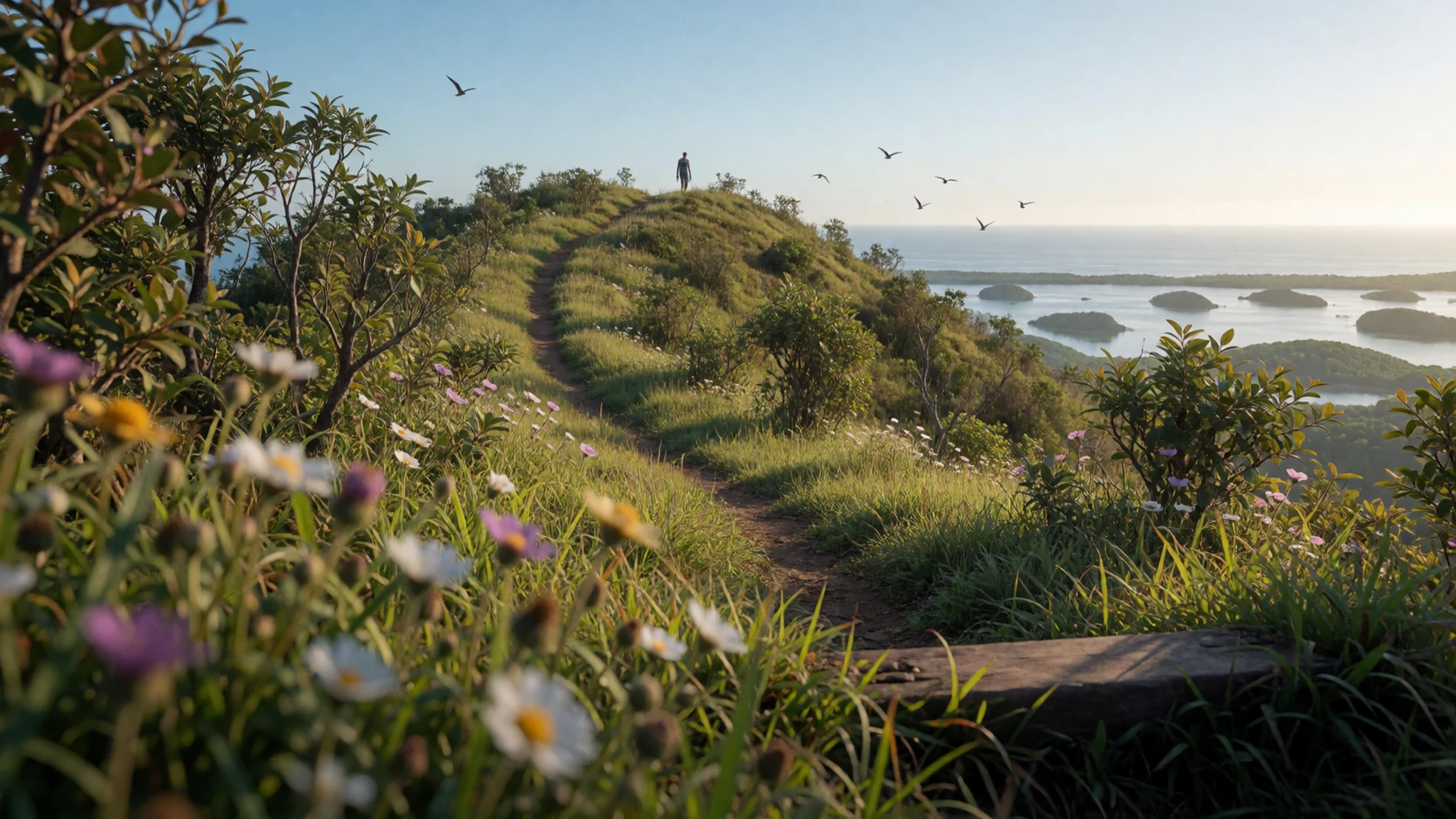
- Sipadan, Mabul and Kapalai — Offshore, a boat ride from town
These islands are the reason most people come. Sipadan is known for sharks, rays and turtles, while Mabul and Kapalai suit divers and snorkellers too. Diving at Sipadan needs a permit with limited daily numbers, so book through an operator well ahead and check current rules.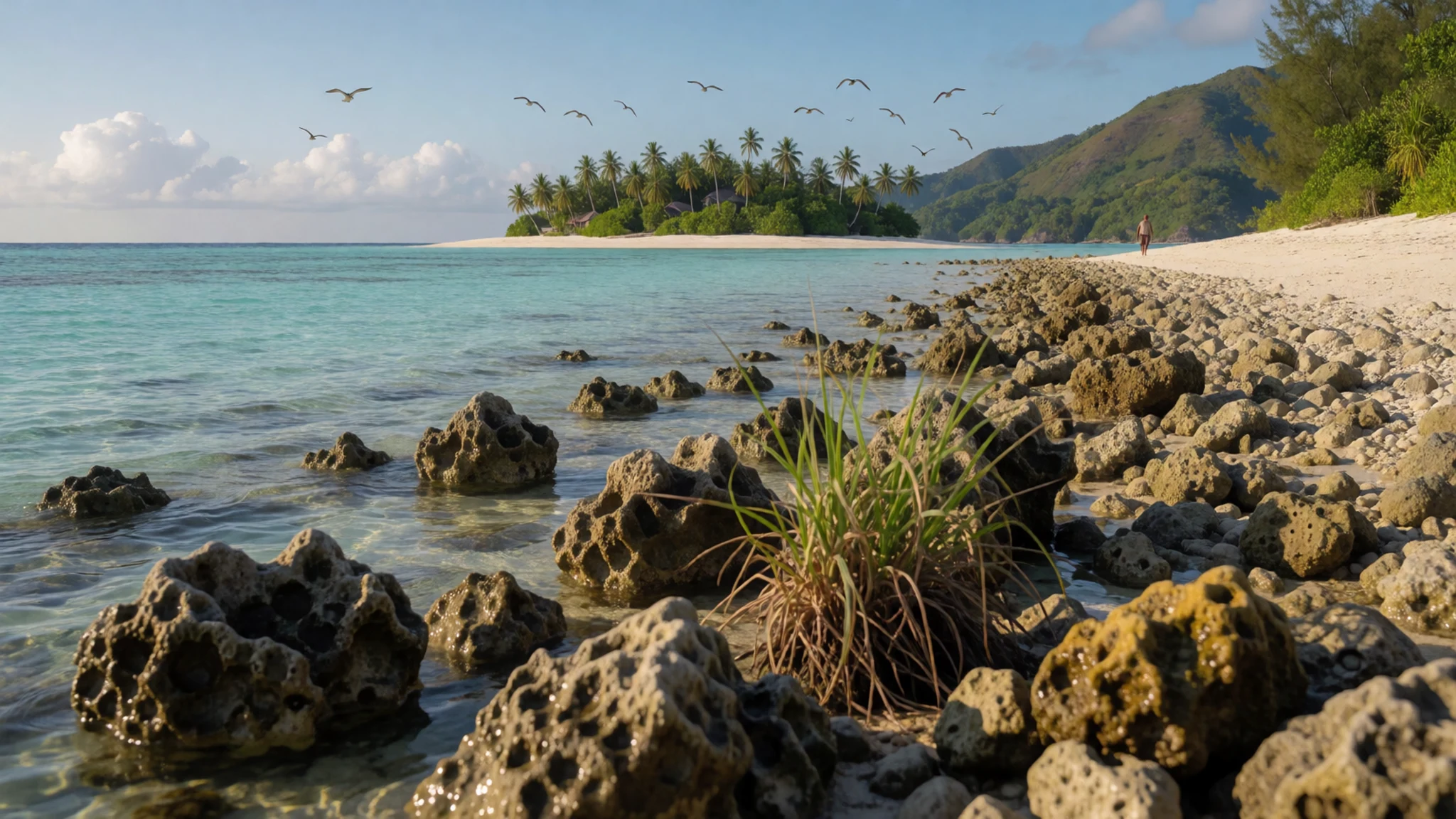
Culture
Semporna is shaped by people of the sea and by migrants who arrived over more than a century. The Bajau, who are also called Sama, are traditionally fishing and boat communities, and their stilt houses beside the jetty and around the town mosque are the most visible mark of that heritage. Islam is the main faith, so the call to prayer, Friday gatherings and modest dress are part of daily life. Chinese traders were among the first settlers, and Chinese eateries still stand on almost every block. Later arrivals include Chavacano speakers from Zamboanga, who speak a Spanish-based creole, along with Indonesian and other Filipino families who run many street stalls. Malay works as the common language, with Bajau, Chinese dialects and English heard around the dive shops. Dive tourism now sits alongside fishing as a source of income, and the two worlds meet on the jetty at dawn, when boats and guests share the same planks. Hospitality is warm but unhurried. Bargaining is gentle, plans shift with weather and tide, and patience goes a long way. Some stilt-house neighbourhoods are poor, and residents are not scenery, so a smile and a greeting matter more than a quick shot. Before photographing anyone, including children and women at their doors, ask first and accept a refusal, and cover shoulders and knees when you walk near the mosque or through the stilt-house lanes.
What to wear
Semporna's traditional dress reflects its Bajau and wider Malay heritage. Women of Bajau families wear the sarong, a tube of printed or woven cotton, often with a loose baju blouse and a headscarf, called a tudung. Men may wear a sarong at home and at prayer, with a songkok, a black cap, for mosque and festivals. Batik and songket, cloths patterned by wax dyeing or woven with metallic thread, appear at weddings and celebrations. Specific Bajau costumes are more elaborate and usually kept for ceremonies. In daily life, people dress for heat, humidity and work: cotton T-shirts, long skirts or baju kurung, loose trousers, flip-flops and, on boats, quick-drying shorts and rash vests. Dive staff are usually in shorts and branded tops. Visitors should pack light, breathable layers in quick-dry fabric, a rash vest, a hat and reef-safe sunscreen. In town, aim for covered shoulders and knees out of respect, especially near the mosque and in the stilt-house lanes, and keep swimwear for boats and resorts. Bring sandals or reef shoes, since jetty planks can be slippery and uneven, plus a light rain jacket for sudden downpours. Fabric dries slowly in this humidity, so a spare change of clothes is wise. A scarf is useful if invited into a mosque or home.
What to eat
- Nasi kuning — Street stalls around town in the morning
Yellow rice is a traditional Sabahan breakfast, coloured with turmeric and served with fish cooked in chilli and some vegetables. It is eaten in the morning, so go early to street-side stalls before the best items sell out.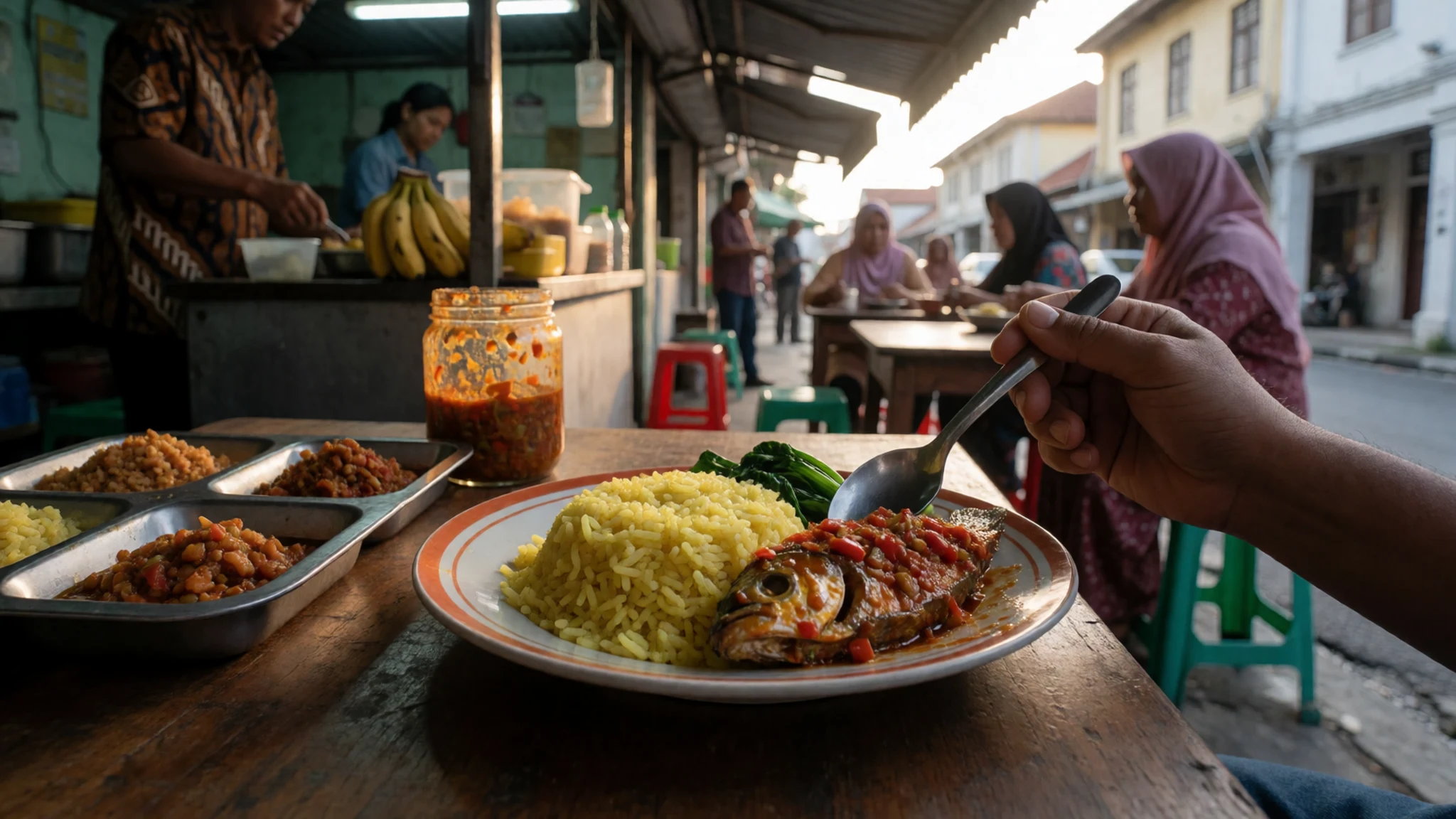
- Grilled tuna — Waterfront stalls and seafront eateries
Whole fish are grilled over charcoal and eaten with rice and a squeeze of lime. It is simple, smoky and fresh, with the catch coming in on the same boats you can see tied up along the seafront. Check weight and fish type before ordering.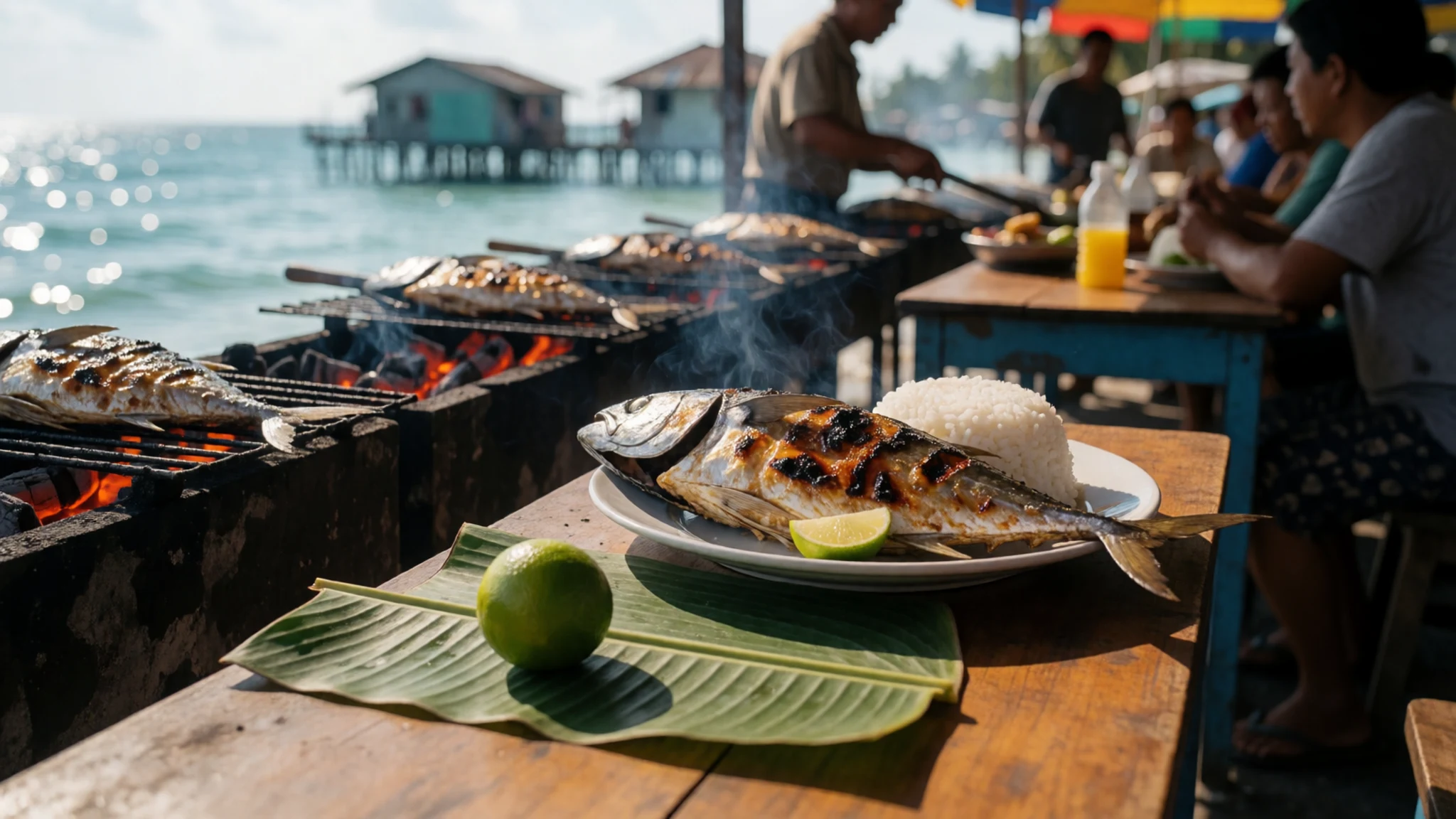
- Mee soup and bakso — Street stalls in the evening
A bowl of noodle soup with meatballs, often sold by Indonesian cooks, is a cheap, filling meal after a day on a boat. Add chilli and sweet soy to taste. Stalls tend to cluster together, so you can compare as you walk. - Pisang goreng — Street vendors, often beside the grilled-chicken stalls
Banana fritters, battered and fried until crisp outside and soft inside, make an easy snack between meals. They are sold hot from the pan, usually in paper, and pair well with sweet tea or iced drinks in the heat. - Latok — Local market and street stalls
Latok is fresh sea grapes, a green seaweed with tiny beads that pop in the mouth. It is served cold with a sharp dressing and tastes of the sea. Eat it soon after buying, since it does not keep well in this heat.
Plan it
Best time. April to September is usually the easier stretch for boat trips and diving, though Semporna has a tropical rainforest climate with heavy rain in every month. June to August is the busiest period, so book transport and permits early.
How long. 2–3
Getting there. Fly to Tawau from Kuala Lumpur or Kota Kinabalu, then take a taxi or a dive-operator shuttle to Semporna. Long-distance buses also run from Kota Kinabalu and Sandakan. Seats fill fast in the high season, so book ahead.
Budget. mid
Tips
- Book your Sipadan permit through a dive operator well before arrival, since daily numbers are limited
- Carry cash for stalls and small shops, and bring cards for dive operators
- Bring a reusable bottle and drink plenty of water, since the heat and humidity are constant
- Start boat trips early, when the sea is calmer and the sun less fierce
- Pack a rain layer and dry bags for phones and cameras, as showers come in any month
Etiquette
- Dress modestly in town, and cover shoulders and knees near the mosque
- Ask before photographing people in the stilt-house lanes
- Take litter back with you and avoid touching coral or turtles
Nearby
Sources
- Wikidata Q2140804 (CC0)
- Wikipedia: Semporna (rev 1382335724) (CC BY-SA 4.0)
- Wikivoyage: Semporna (rev 5417732) (CC BY-SA 4.0)
- Semporna Waterfront — Marcin Falenczyk (CC BY 3.0)
- Semporna Waterfront, Sabah, Malaysia — Fabio Achilli (CC BY 2.5)
- Semporna, Sabah: The Seafest Hotel — CEphoto, Uwe Aranas (CC BY 3.0)
- Semporna Roundabout with fish statue — CEphoto, Uwe Aranas (CC BY 3.0)
- Semporna City Mosque — Uwe Aranas (CC BY 3.0)
- Perpustakaan Negeri Sabah Semporna — CEphoto, Uwe Aranas (CC BY 3.0)
- Semporna District Council (Majlis Daerah Semporna) — CEphoto, Uwe Aranas (CC BY 3.0)
- Sabah: Location map of District and Town Semporna — Cccefalon (CC BY 3.0)


Wildlife
- Green sea turtle (animal)
The green sea turtle is a large, gentle swimmer that eats only seagrass, and its name comes from the greenish fat under its shell, not from the shell itself, which is olive to black. Sipadan is known for its turtles, and Mabul and Kapalai suit snorkellers and divers too. Watch with a guide, glide in quietly, keep your distance, and never touch or feed it.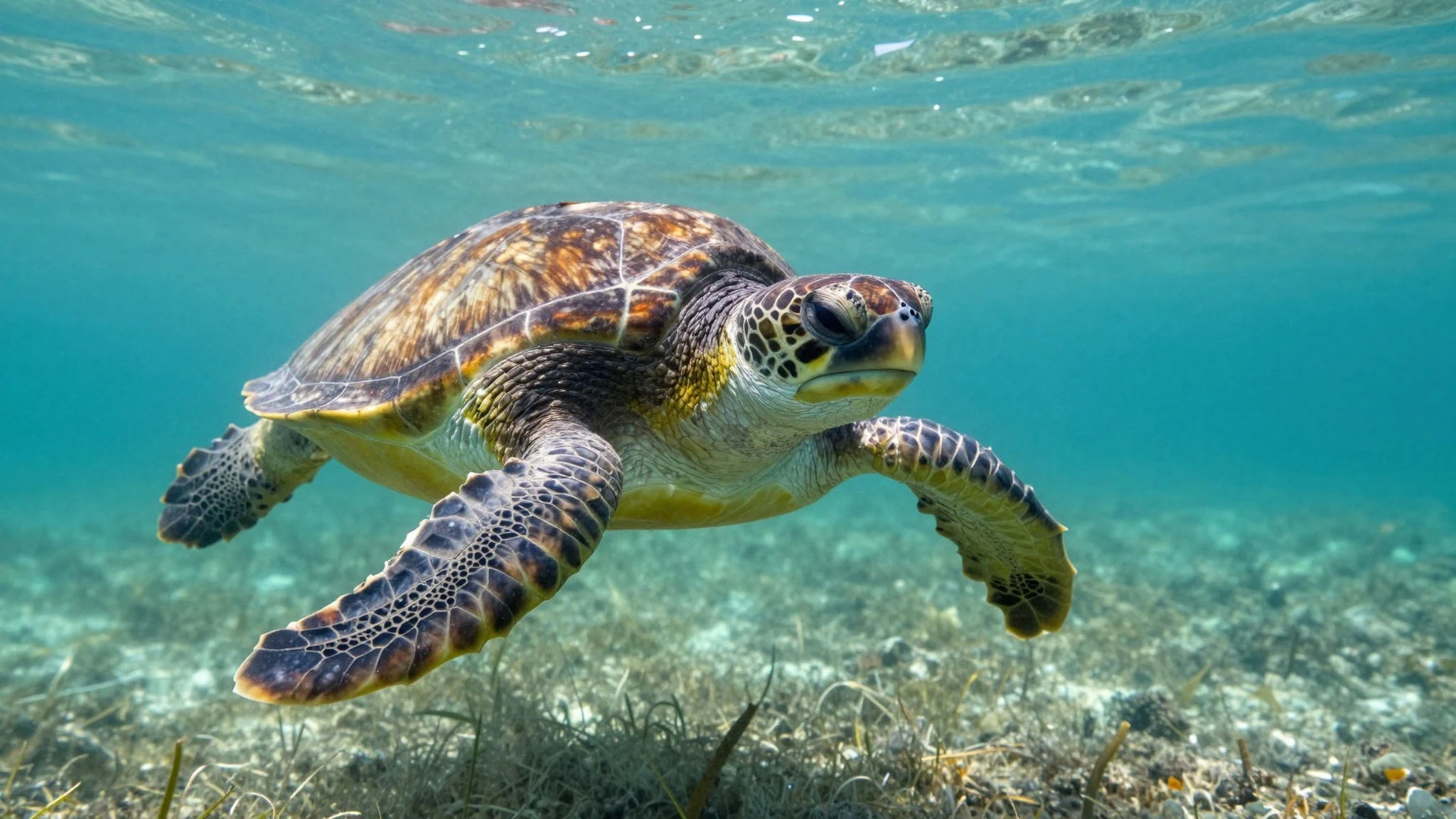
- Grey reef shark (animal)
The grey reef shark is a sleek, big-eyed patroller of the reef, with a rounded snout and a tail edged in a broad black border. It likes shallow water close to the edge of a coral drop-off, and Sipadan is the place in Semporna known for its sharks. Go with a guide, move calmly and quietly, keep a respectful distance so the shark is never crowded, and never feed it.