Bario
Bario, Malaysia
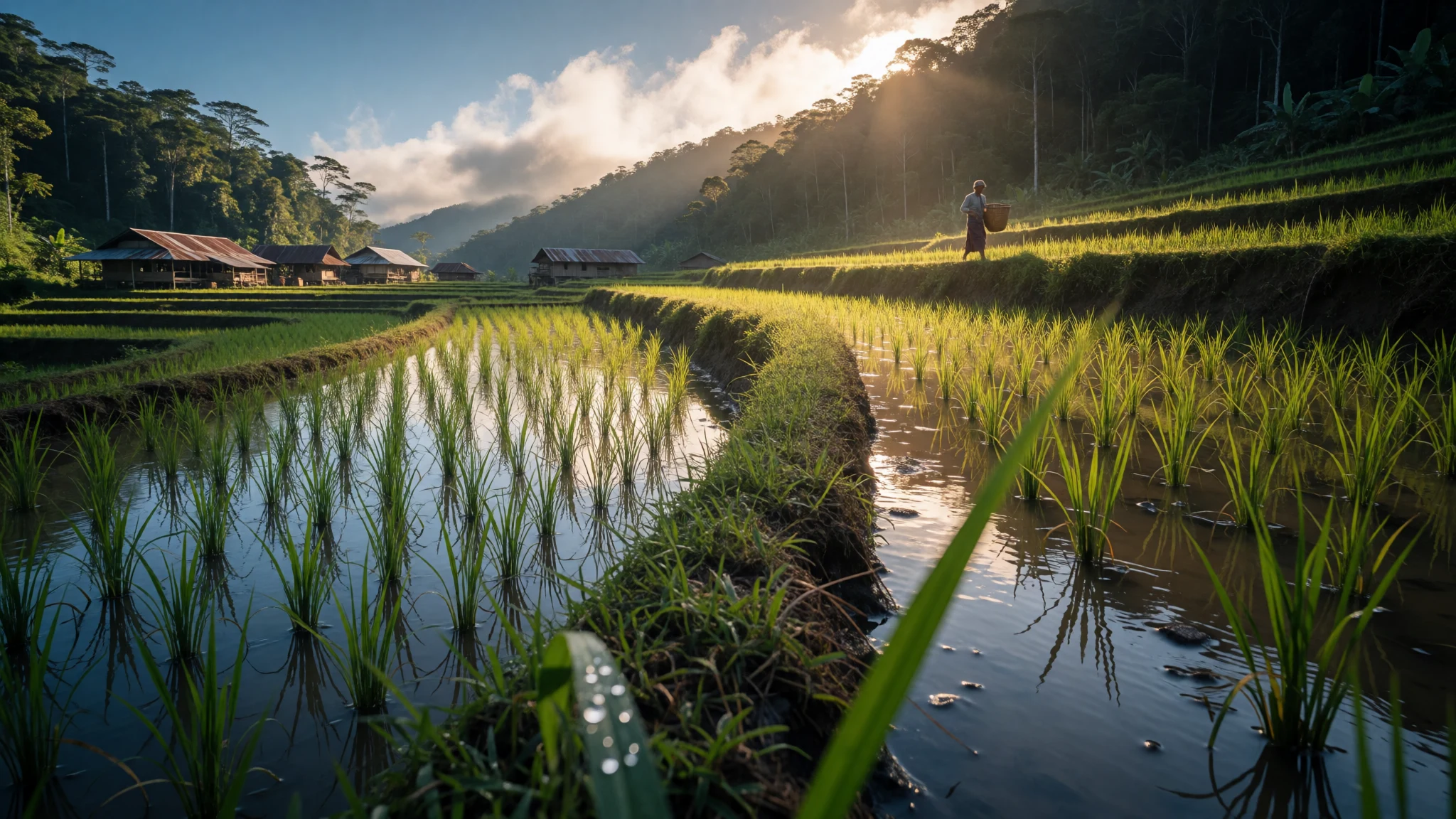
Bario is a quiet Kelabit farming valley high in Borneo, reached by small plane, where rice, salt, forest walks and slow meals set the pace.
The place
Bario sits at an elevation of 1000 m on the Kelabit Highlands in the interior of Sarawak, close to the Kalimantan border and a long way from any coast. It is a scatter of longhouse villages rather than a single town, joined by a thin web of tracks, and it is the main settlement of the Kelabit people. The valley floor is a patchwork of rice fields ringed by forested ridges, with the Tamabu range to the west and the Apo Duat mountains to the east. Beyond the fields lies Pulong Tau National Park, a large block of tropical rainforest protected since 2005, which holds Mount Murud and the limestone spikes of Batu Lawi. Because of the height, the air is cooler than on the Sarawak coast. Days are mild, nights can feel properly cold, and rain falls in every month. Rivers that start here, including the Limbang, feed the lowlands far below. Most visitors arrive by small plane from Miri, and that single link explains the unhurried rhythm of the place. Shops are few, mobile signal and power can be patchy, and daily life turns around rice, pineapple, church and the weather. Bario suits people who like walking, long meals and conversation more than ticking off sights, and it is best approached through a homestay where the host can arrange guides, meals and introductions. Expect mud, leeches on forest trails and cloud that arrives without warning.
Its story
Bario's own account of itself begins with a flood. Kelabit oral history says that all people came from the mountains. When water covered the land, some built rafts and boats and drifted towards the coast, while those left stranded on the highlands became the Kelabit. Into the early twentieth century the Kelabit were headhunters, until contact with outsiders began to change that. In 1939 a missionary, Frank Davidson of the Borneo Evangelical Mission, reached Bario, and over the following years the community moved from animist belief to Christianity. Taman Bulan, headman of the Pa' Terap settlement, was among the first to convert. In the last months of the Pacific War, Bario became a base for Operation Semut, an Allied campaign against Japanese forces. A small party led by Tom Harrisson parachuted in, and Kelabit people helped to sabotage Japanese activity across Sarawak. A school opened in the years just after the war. The airstrip came later: the mission built it for its own work, the colonial government took it over, and a concrete runway replaced it late in the twentieth century. That runway is still what ties the highlands to the rest of the state. During the confrontation between Indonesia and Malaysia, two Kelabit villages along the border were burned and several others were fired on. The valley's quiet today sits on top of a short but eventful modern history.
What to see
- Bario village and longhouses — Bario valley
Bario's longhouse villages are the heart of the highlands, with timber and tin-roofed homes strung along the valley floor and paths running from one settlement to the next. Walking between them at an easy pace shows how a farming community arranges church, school, fields and a small shop. Mornings are clearest, before cloud settles over the ridges.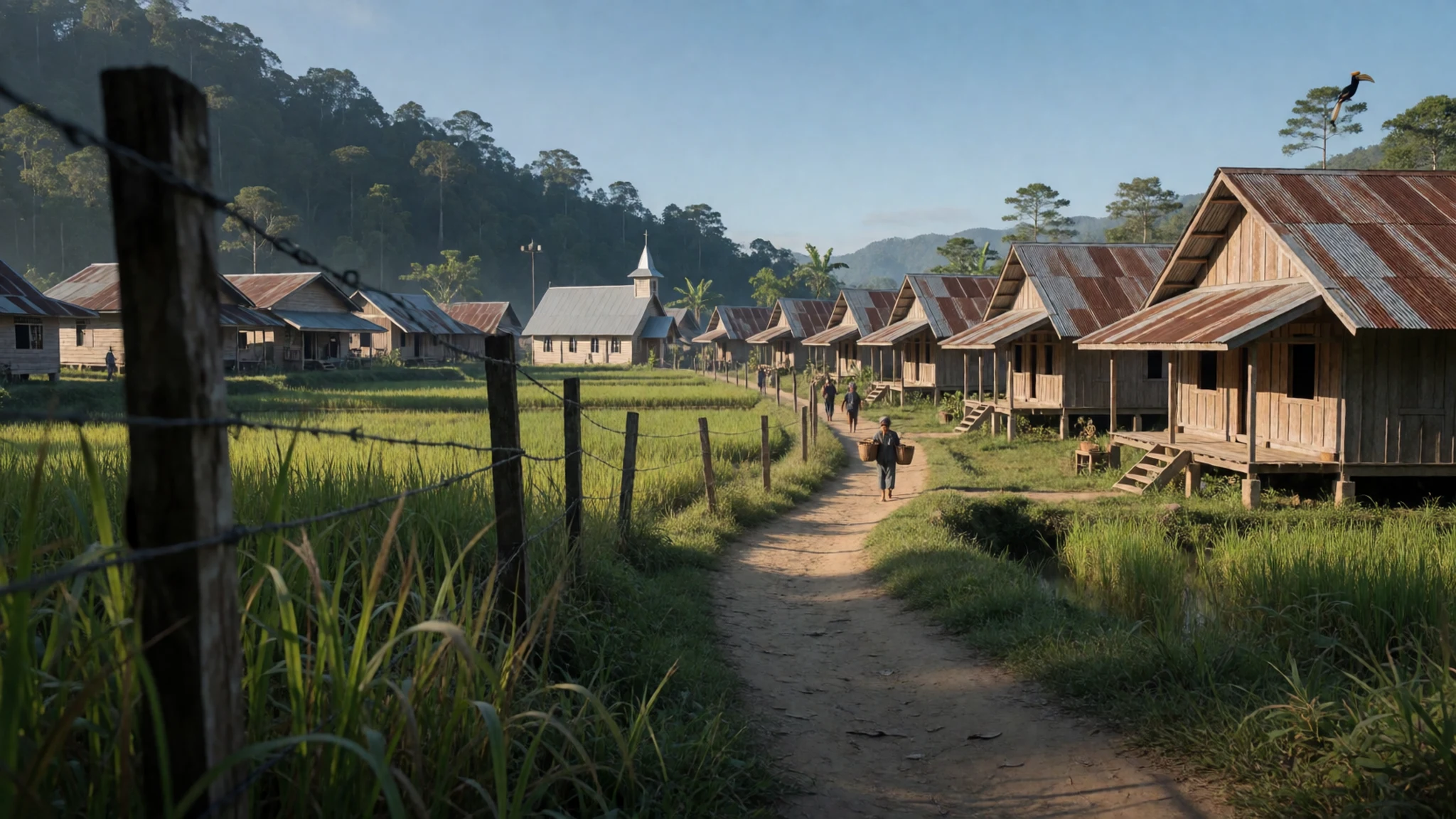
- Rice fields at evening — Around Bario village
The paddies around Bario are the reason the valley is known outside Sarawak, since the local rice is a prized crop. Walk the raised bunds in the late afternoon, when light slants across the water and farmers head home. Planting and harvest change the look entirely, so ask the homestay what stage the fields have reached.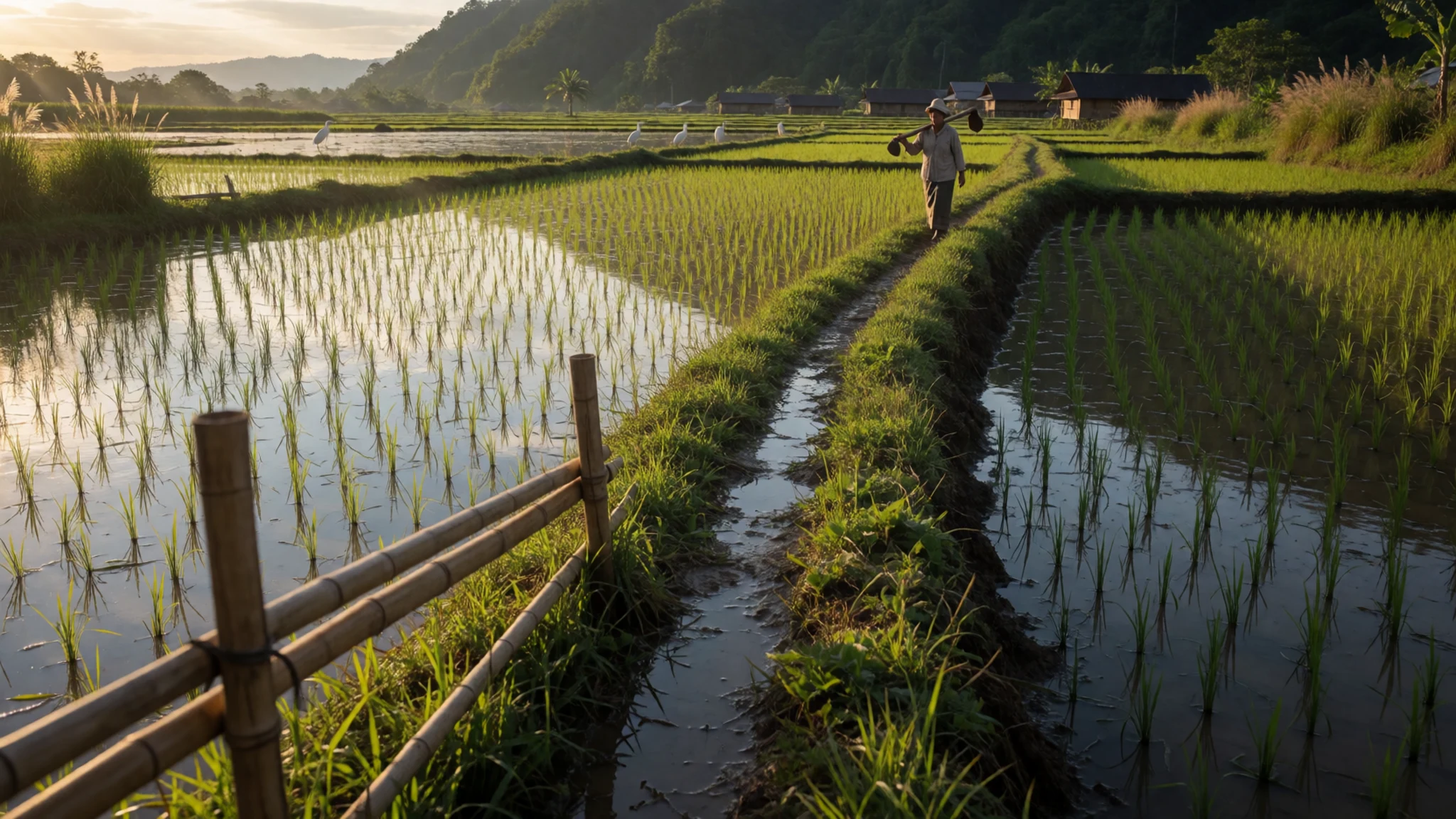
- Salt boilers of Min Keramut — Min Keramut, near Bario
Bario salt is made by boiling brine from natural springs, and the salt boilers of Min Keramut keep the method going. Visitors can watch the fires and shallow pans and buy a small bag as a souvenir. It is a working site rather than an attraction, so go with a local guide and ask before taking photographs.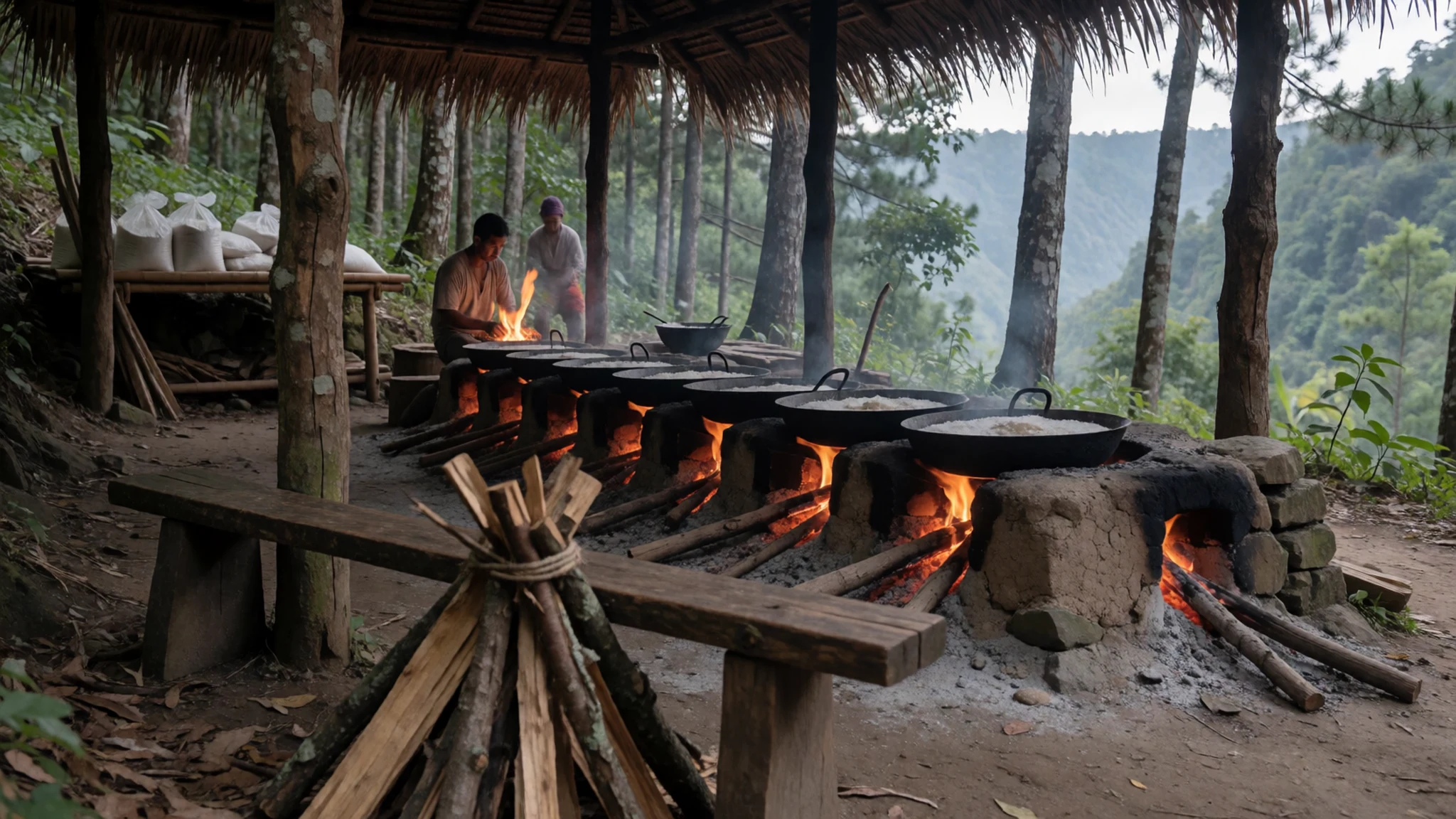
- Megaliths and stone monuments — Bario highlands
Dozens of megaliths and stone monuments have been recorded around Bario, some standing near longhouses and others out in the forest. A mapping project has helped to locate them. Finding them usually means a guided walk across wet ground, and a guide can explain what local tradition says about each site.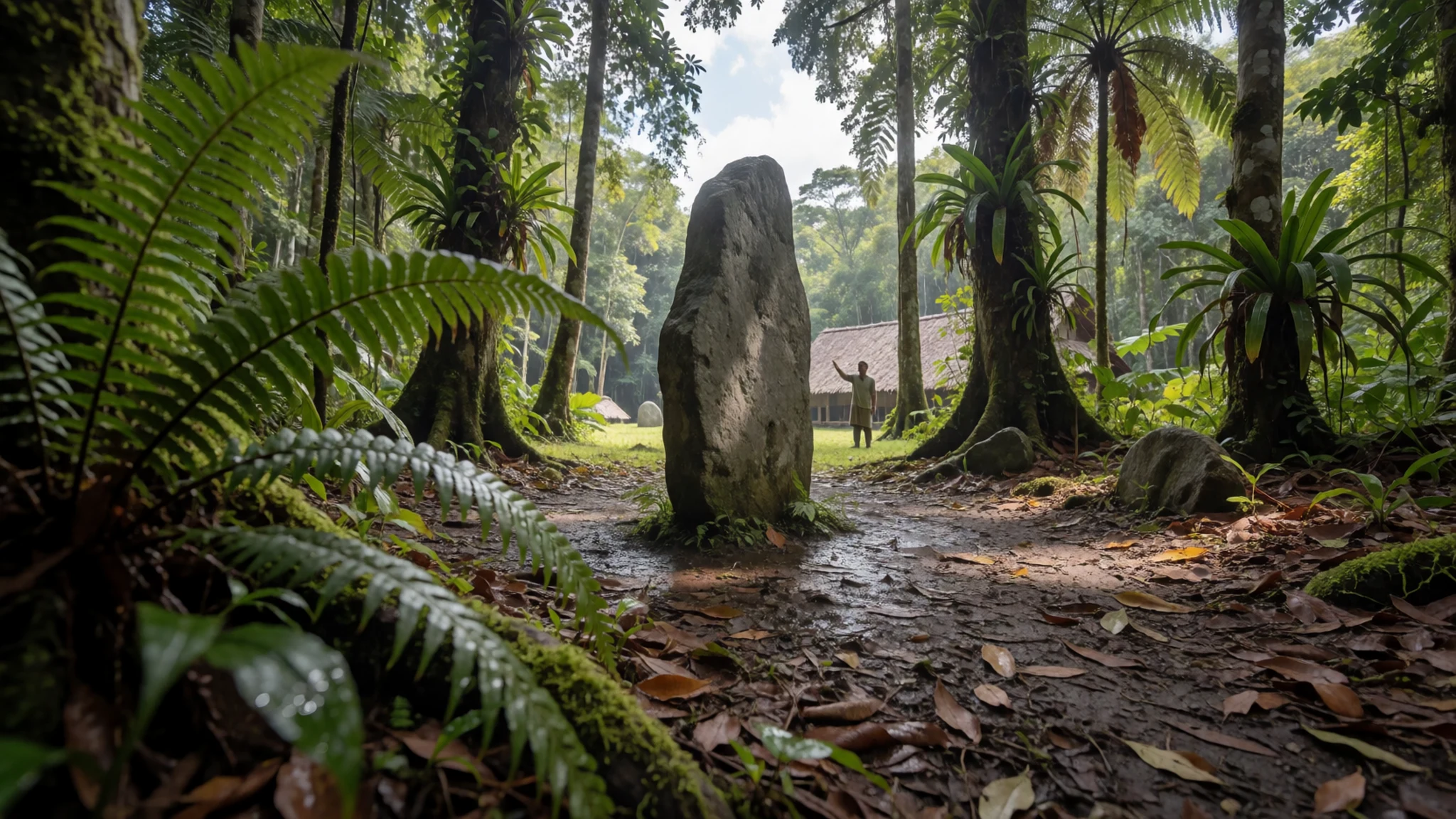
- Forest trails towards Pulong Tau — Pulong Tau National Park edge
Beyond the fields, forest trails climb towards Pulong Tau National Park and the Indonesian border. Day walks reach ridges and viewpoints, while longer treks towards Mount Murud or Batu Lawi take several days and need a guide. Check permit requirements with a local operator. Leeches, mud and sudden rain are normal, so boots and patience matter more than fitness.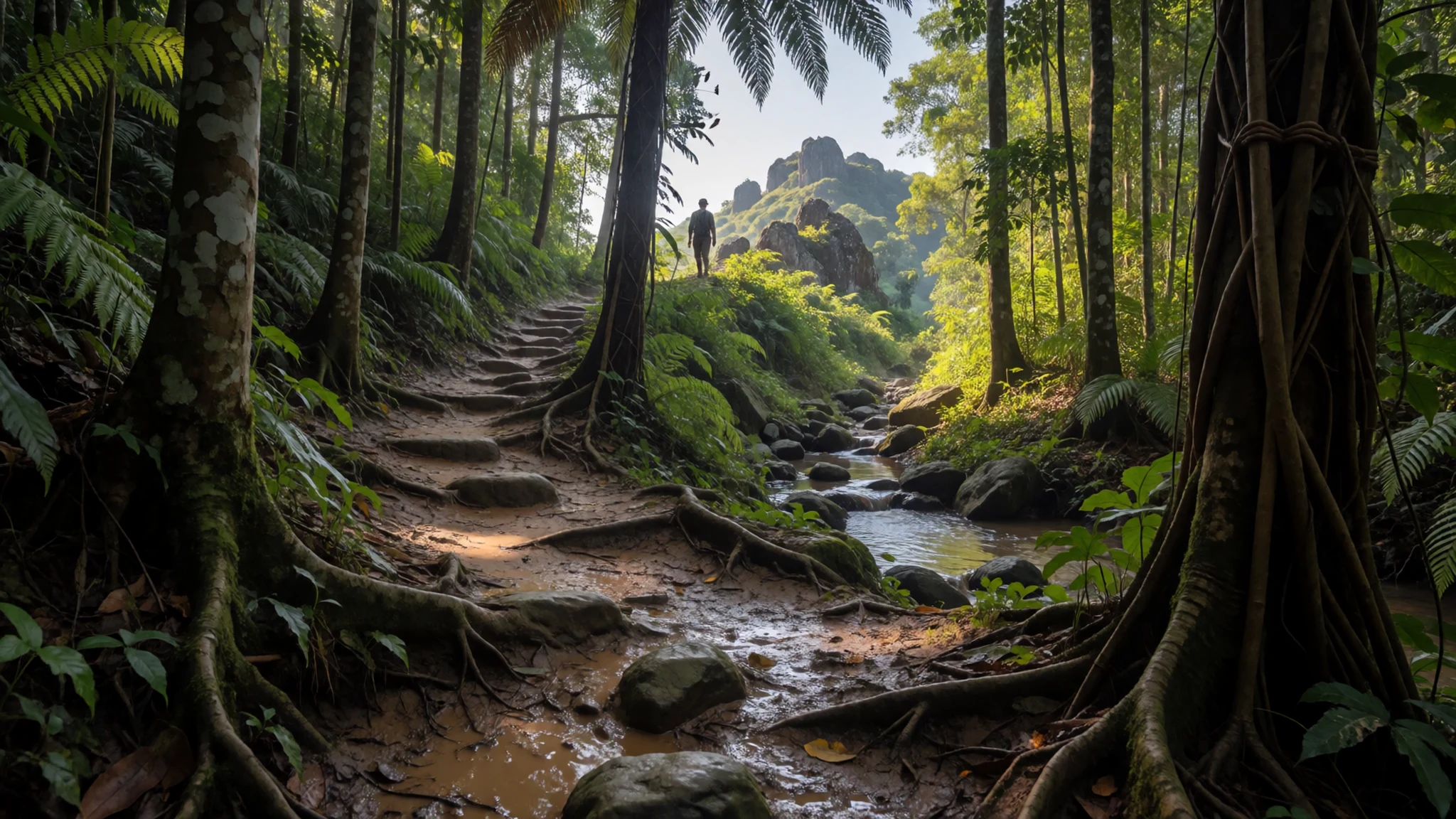
Culture
Bario is the main settlement of the Kelabit people, and its culture is tied to the longhouse, the rice field and the church. Most Kelabit today are Christian, a change that began after a missionary visit in 1939, though older stories about origins in the mountains are still told. Music is a strong thread. Kelabit musicians play the dug-out guitar and the pagang, a tube zither, usually for warrior dances and hornbill dances. In the hornbill dance, performers imitate the movements of a bird that the community regards as graceful and shy, and a pet hornbill in the village has become something of a local favourite. Crafts use bamboo and rattan for baskets, cooking utensils, fish traps and rice winnowing trays, and beads and Bario salt are also valued local products. Dozens of megaliths in the area show that people have lived and marked the land here for a very long time, and researchers and naturalists visit to study both culture and wildlife. Each year the three-day Bario Slow Food Festival, called Pesta Nukenan and begun in 2005, brings local food and heritage together. Visits are usually arranged through homestays, and hospitality is generous, with meals shared and rice wine offered. Ask your host before photographing people or entering a family's living area, and accept any welcome drink with thanks, even if you only take a sip.
What to wear
Bario's traditional Kelabit dress is known above all for beadwork, with strings of beads worn as necklaces and headbands, and for dance costume that draws on hornbill imagery, including feathers and graceful, bird-like movement. Weaving and plaiting use plant fibres, and bamboo and rattan are worked into hats, baskets and carrying frames. Names and patterns vary between villages, so a host is the best person to ask. These pieces are mostly worn for festivals, weddings, church celebrations and dance performances. Day to day, people in Bario wear what suits farm work and cool highland weather: T-shirts, long trousers, caps, jackets and rubber boots for the fields, with neater clothes for church on Sundays. Visitors should pack light, quick-drying layers, a warm top for evenings, a proper rain jacket and sturdy shoes with good grip for muddy tracks. Long trousers and socks help against leeches on forest trails. For church services and longhouse visits, covered shoulders and knees are respectful, and for both men and women modest, plain clothes fit in best. Sandals are fine around a homestay, but boots are better for anything beyond the village paths. Bring a dry bag for a camera or phone, since rain can arrive in minutes, and laundry dries slowly in cloud.
What to eat
- Bario rice — Homestays and small village eateries
The highland rice is the staple and the pride of the valley, usually served plain beside forest vegetables, fish or meat. Eat it at a homestay meal or at the small eateries in the village, and buy a bag to carry home if the luggage allowance permits.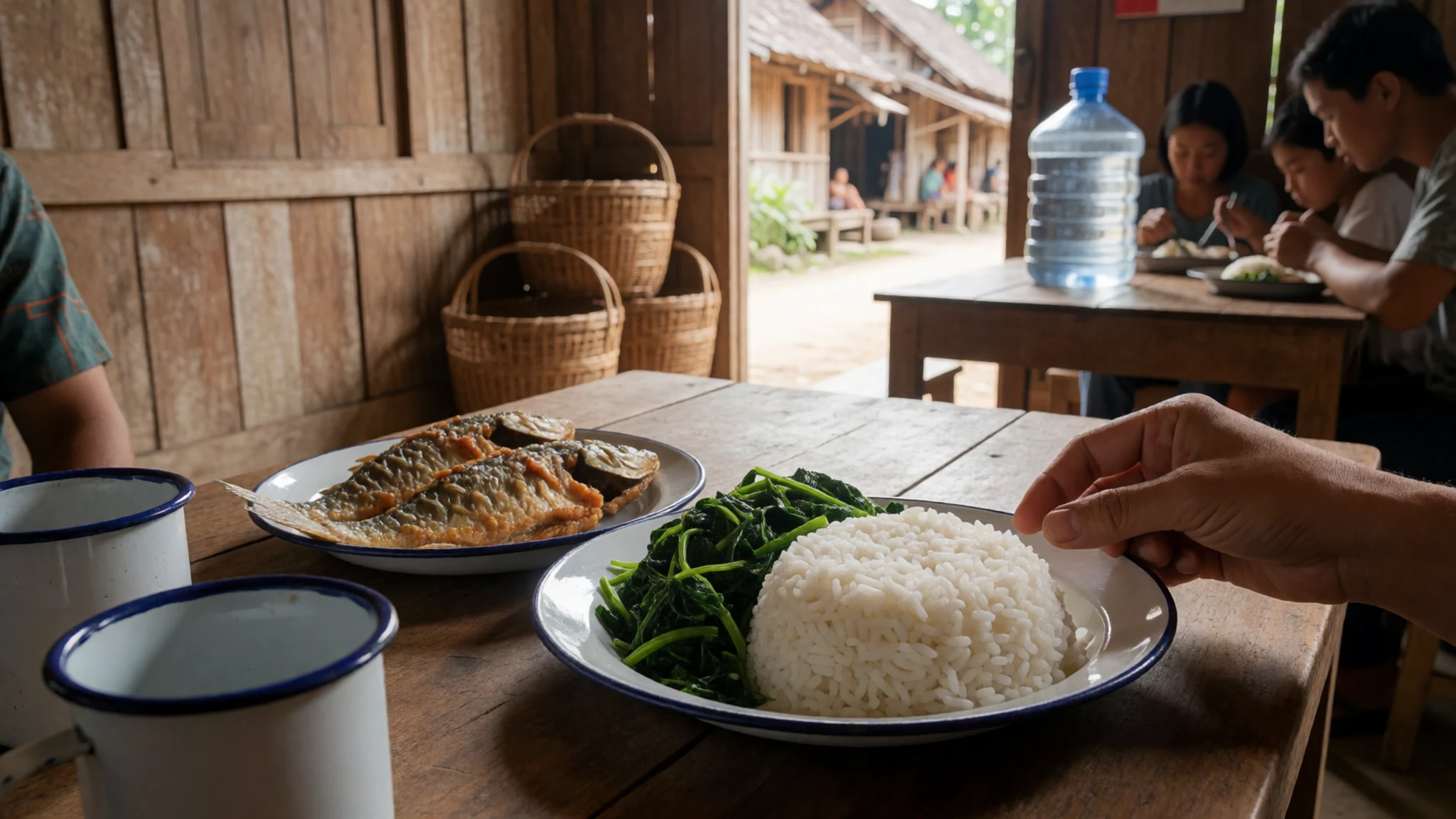
- Bario pineapple — Village market and roadside stalls
Pineapples grown in the cool highlands are a local speciality, sold fresh at village stalls and shops. Ask when the harvest is, since supply varies through the year. Slices make a refreshing trail snack, and hosts often serve them at the end of a meal.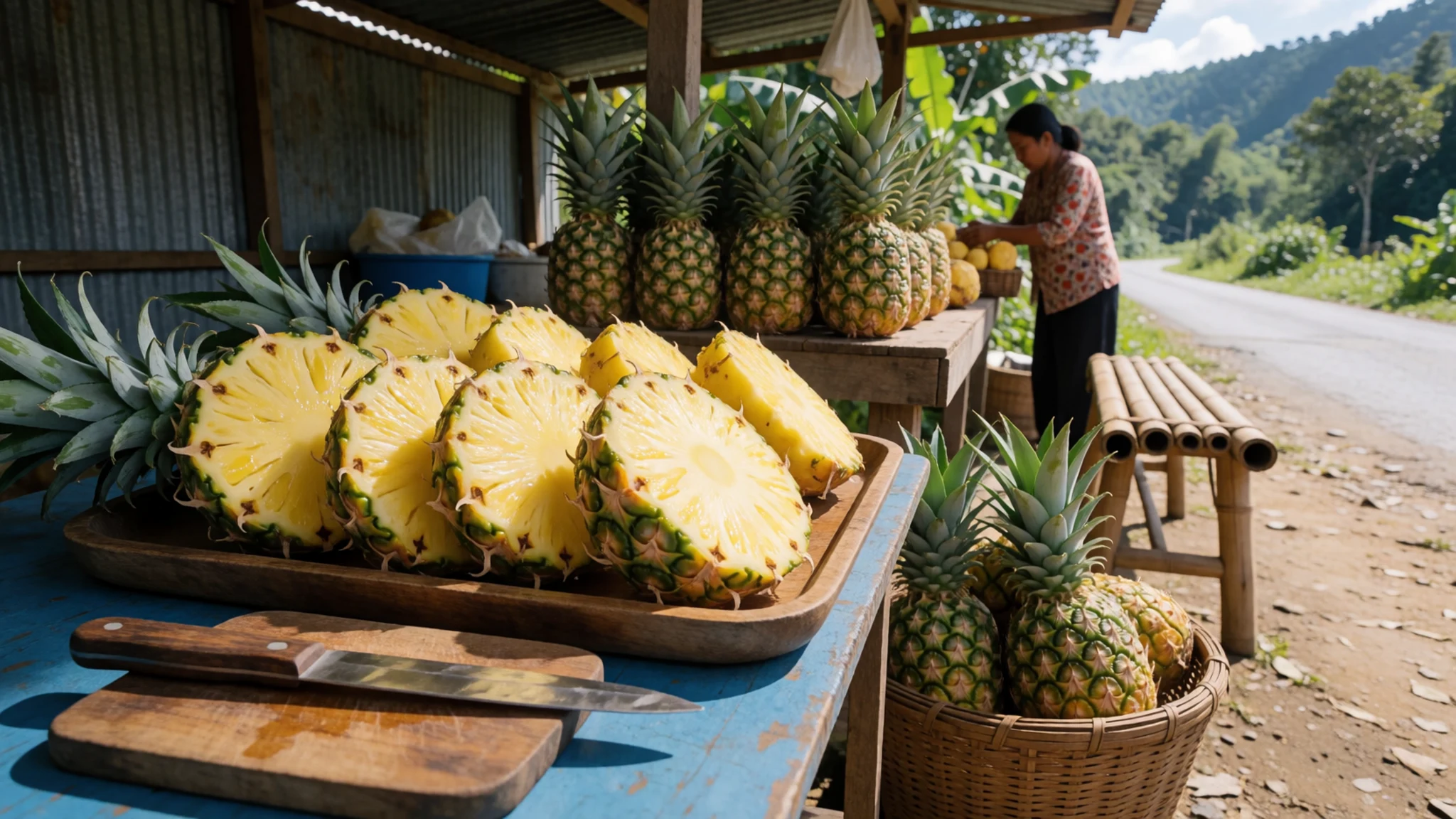
- Bario salt — Min Keramut and village shops
Kelabit cooks season dishes with salt boiled from local springs, so it turns up in everyday homestay cooking. Small packets are sold near Min Keramut and in village shops. It travels well and makes an easy gift for people at home. - Tuak — Longhouse homestays
Tuak is rice wine made in longhouses and often offered to guests, sometimes in generous amounts. It is a gesture of welcome, so a small sip taken politely is gracious, and declining kindly is also fine. Homebrews vary in strength. - Festival dishes at Pesta Nukenan — The festival ground in Bario village
The Bario Slow Food Festival gathers local rice, forest ingredients and unusual highland dishes in one place over three days. Visit if the dates fit a trip. Outside festival time, ask a host whether they can cook traditional Kelabit food.
Plan it
Best time. May–August is a sensible window, as treks are usually easier then, but Bario has a rainforest climate with heavy rain in every month, so pack waterproofs whenever you go. Days are mild and nights cool at this height, so bring a warm layer. If the Pesta Nukenan food festival matters to you, check the dates with a local host before booking flights.
How long. 3–5
Getting there. Fly to Miri, then take the small-aircraft service to Bario, which also links Marudi, usually run by MASWings. Check the airline's official site for schedules and baggage limits, and book early because seats are few. From the airstrip, homestay hosts normally arrange a pick-up for the short ride into the villages.
Budget. mid
Tips
- Book flights and homestays well ahead, as small planes have few seats and weather can delay them
- Carry cash, since card payment and cash machines may not be available in the village
- Hire a local guide for forest treks and megalith visits
- Pack a rain jacket, boots, insect repellent and a torch
- Allow a spare day at the end of the trip in case a flight is cancelled by cloud
Etiquette
- Ask before photographing people, longhouse interiors or ceremonies
- Accept hospitality warmly, including a small sip of tuak or a meal, and offer thanks
- Dress modestly for church and longhouse visits
Nearby
Sources
- Wikidata Q2884535 (CC0)
- Wikipedia: Bario (rev 1378738924) (CC BY-SA 4.0)
- Wikivoyage: Sarawak (rev 5314426) (CC BY-SA 4.0)
- Tuya70, View of Bario village, Sarawak (CC BY 3.0)
- Intrepid Navigator, Rural Evenings (CC0 1.0)
- Pavel Kirillov, Pa'Umor village in Kelabit Highlands (CC BY-SA 2.0)
- Intrepid Navigator, Bario (CC0 1.0)
- Intrepid Navigator, Bario Salt (CC0 1.0)
- LuvidVoyage, Exotic Highland Food (CC BY-SA 4.0)
- Intrepid Navigator, Perch Out (CC0 1.0)
- Pavel Kirillov, A trail to Indonesia (CC BY-SA 2.0)


