Phi Phi Islands
Phi Phi Islands, Thailand
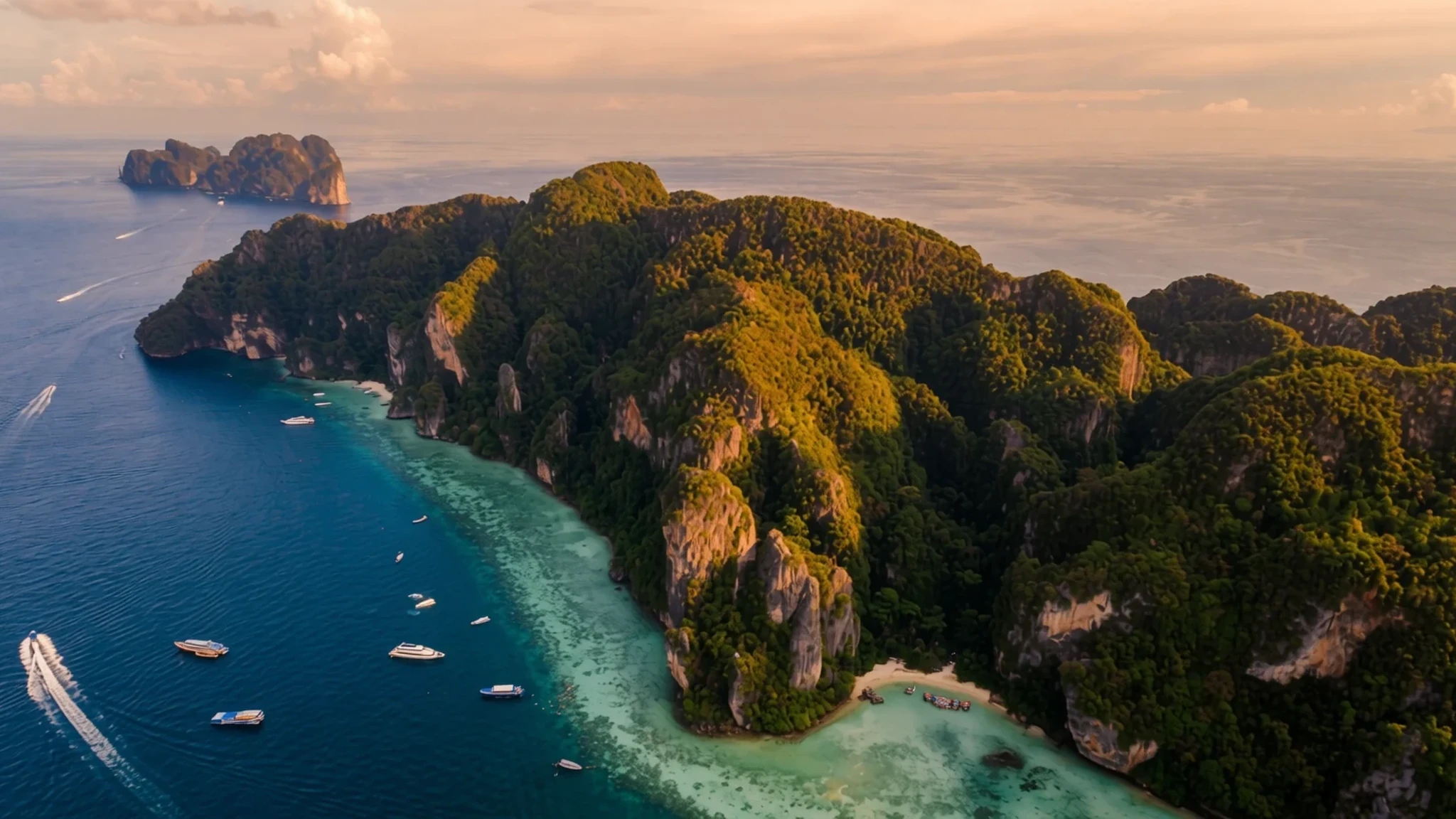
Visit the Phi Phi Islands for dramatic limestone karsts, clear turquoise waters, and vibrant island life in the Andaman Sea.
The place
The Phi Phi Islands form a compact archipelago in the Andaman Sea, situated within the Strait of Malacca between the larger landmass of Phuket and the mainland coast. Administratively belonging to the province of Krabi, the group consists of six distinct landforms where sheer limestone pillars rise straight out of the marine expanse. Ko Phi Phi Don serves as the primary hub and the only inhabited centre of the group, welcoming travellers who arrive via ferries, speedboats, or traditional long-tail craft. While the largest island features sandy stretches, inland coconut groves, and winding footpaths, its smaller neighbour, Ko Phi Phi Le, remains famous for its encircled bays, sheer cliffs, and hidden caves. The remaining islets, such as Bida Nok and Ko Mai Phai, are essentially monumental rock formations that project above the waves without permanent settlement. Tourism drives the daily rhythm here, bringing visitors from across the globe to swim in sheltered coves, walk along narrow sandbars, and watch the sun descend behind the horizon. Despite heavy visitor numbers, the natural topography retains its striking visual drama, with jungle-clad summits dropping sharply into turquoise shallows.
Its story
The Phi Phi Islands began their modern chapter when Thai Malay fishermen settled the shores of Ko Phi Phi Don during the middle years of the twentieth century. These early inhabitants established coconut plantations across the fertile interior, laying the groundwork for a community that remains predominantly Muslim today, contrasting with the diverse transient workforce that arrives seasonally. For decades, the archipelago remained a quiet fishing outpost until international cinema transformed its global profile at the turn of the millennium. The release of a major Hollywood production filmed on Ko Phi Phi Le drew intense worldwide attention, sparking rapid tourism development alongside concerns regarding environmental strain on fragile coral reefs. In the winter season, a catastrophic natural disaster struck when an Indian Ocean tsunami swept across the islands, destroying almost all local infrastructure and reshaping the physical and economic landscape. Recovery efforts rebuilt the jetties, shops, and guesthouses, establishing the current tourist economy.
What to see
- Viewpoint — Central ridge
Climbing to the high viewpoint offers an expansive panoramic perspective across the narrow central sandbar and twin bays of the island. The steep ascent requires navigating numerous concrete steps through forested slopes, making it an ideal spot to catch the early dawn light or watch the sun set over the surrounding sea.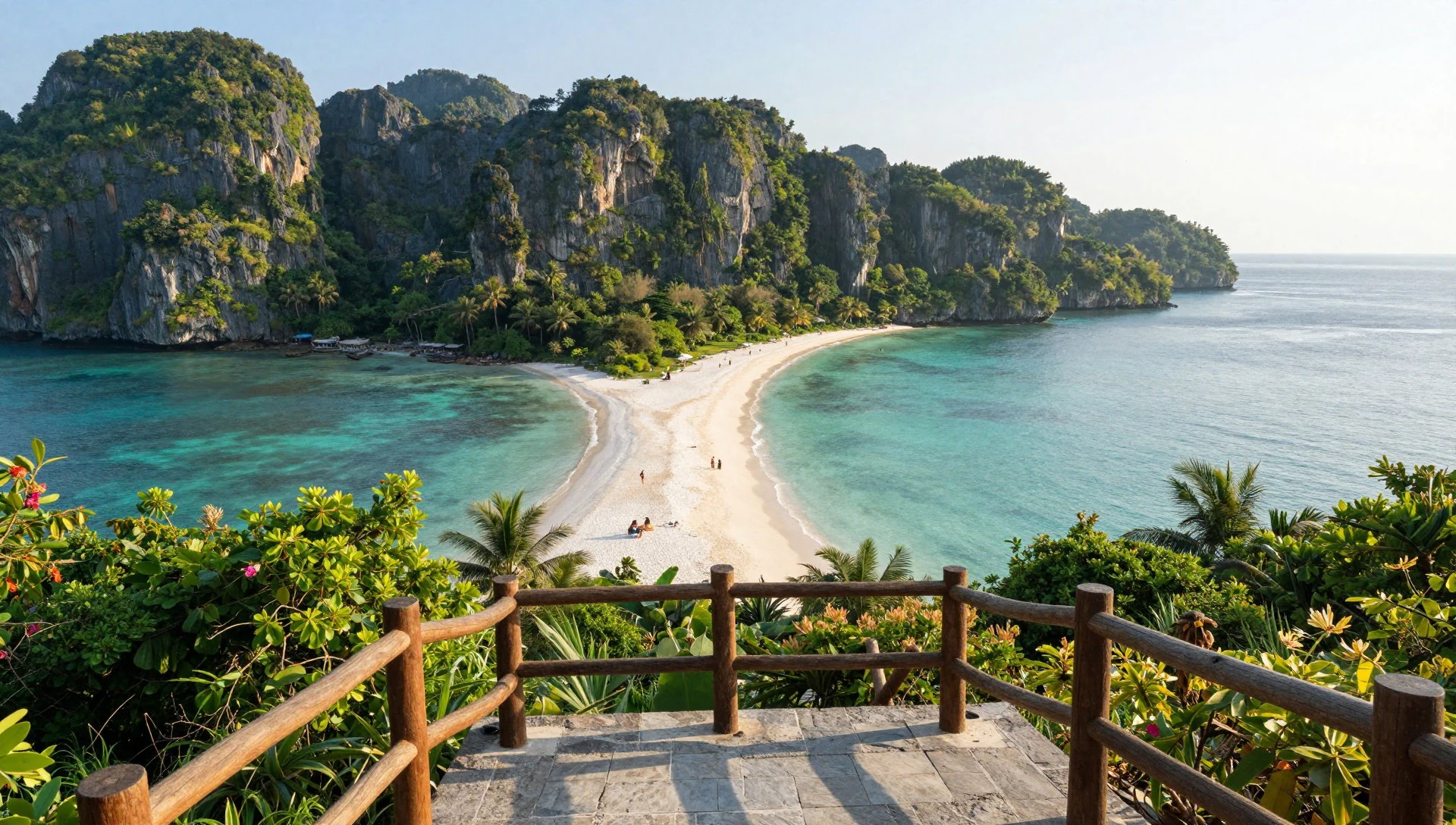
- Ton Sai Bay — Southern coast
Serving as the main maritime gateway to the archipelago, this busy bay handles incoming ferries and watercraft throughout the day. The shoreline area is packed with narrow pedestrian alleys, dive operators, eateries, and lodging options, functioning as the primary commercial hub where most visitors arrive and spend their evenings.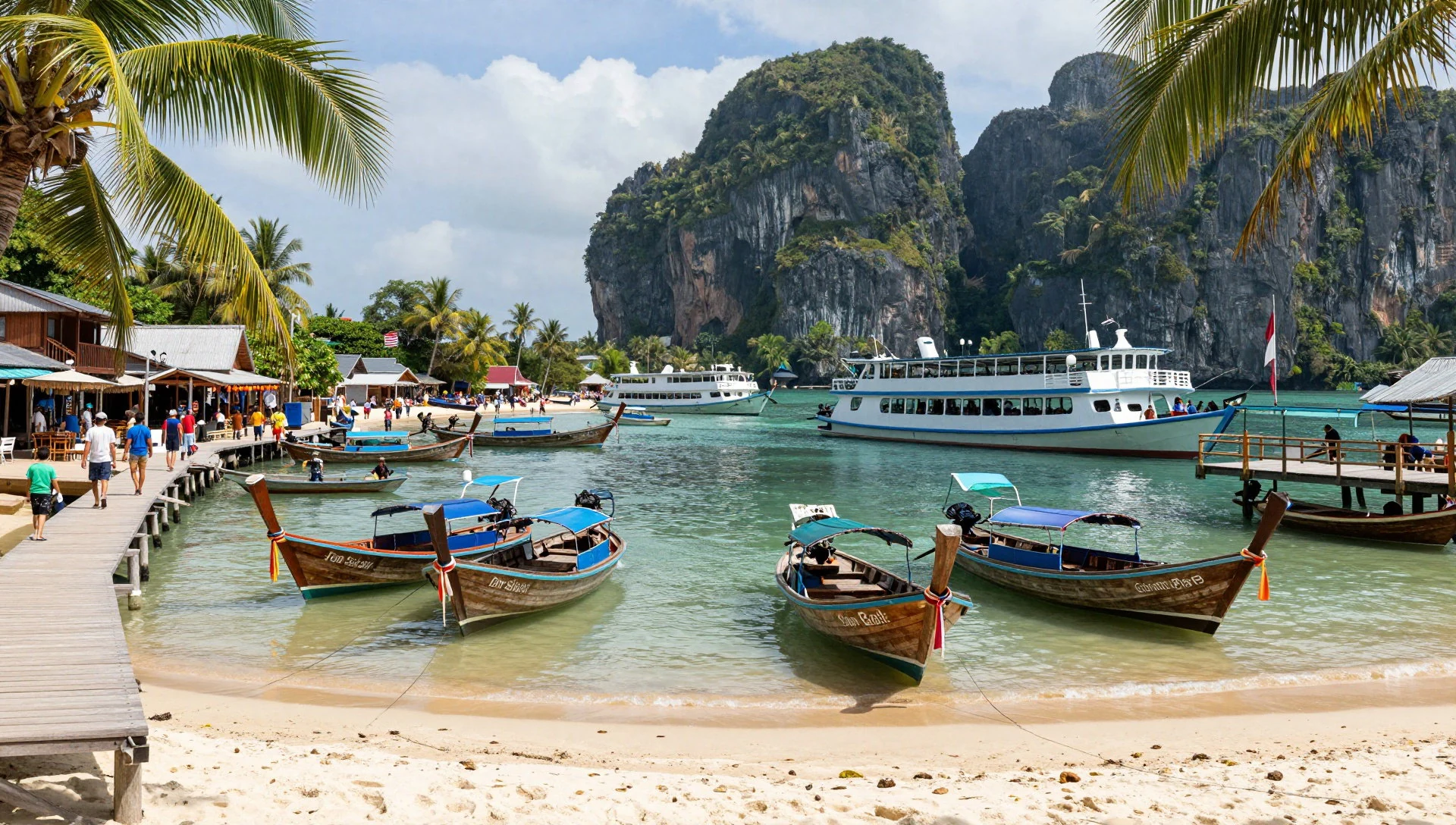
- Monkey Beach — West coast
Situated along a small pocket of sand backed by steep vegetation, this coastal spot is known for its resident population of wild macaques. Visitors can reach the location by renting a canoe or chartering a local long-tail boat, though caution is required due to occasional aggressive animal behaviour.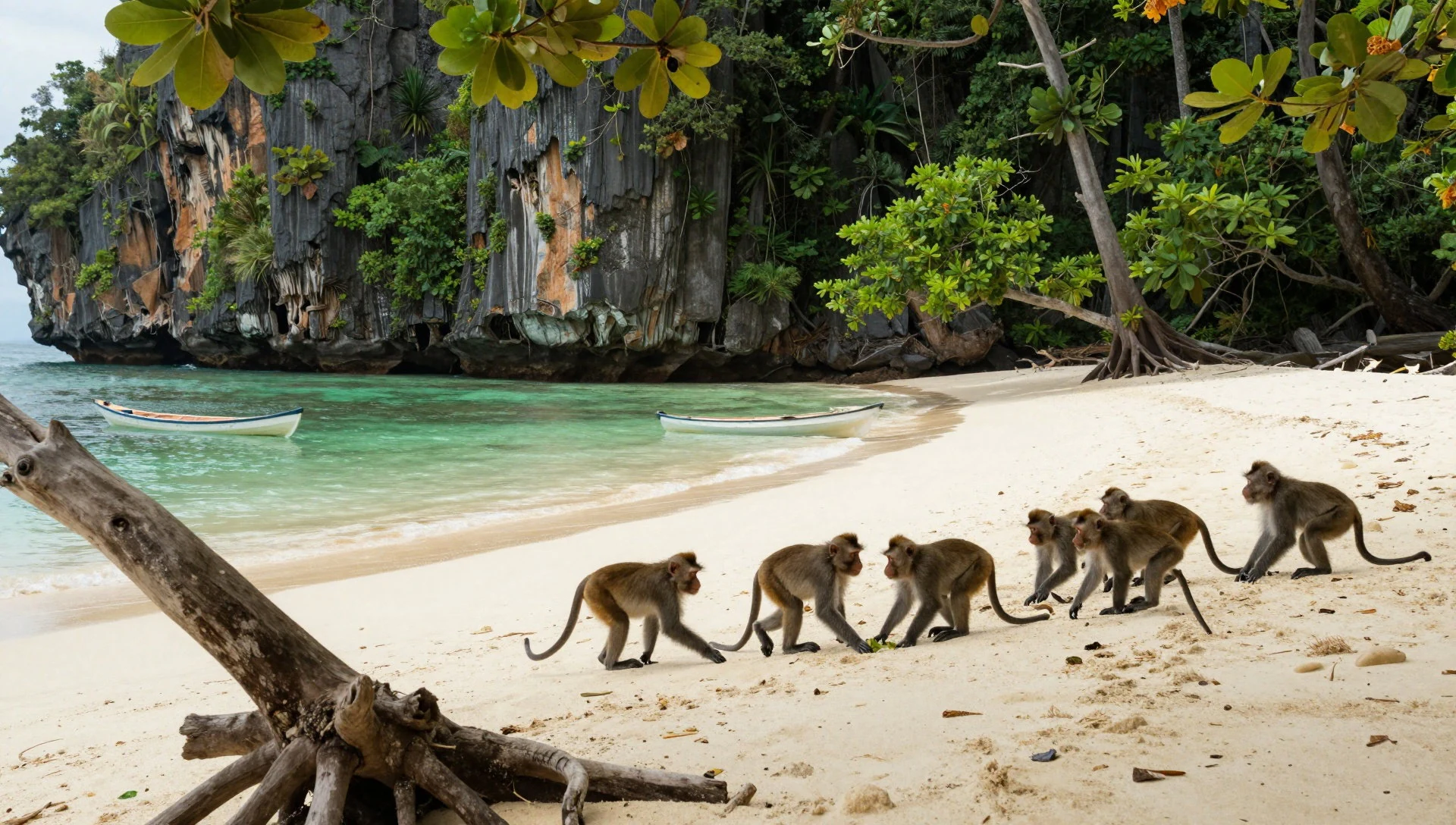
- Loh Dalum Bay — Northern isthmus
Located on the opposite side of the narrow central isthmus from the main ferry pier, this shallow bay features calm water protected by towering limestone walls. By night, the beachfront venues host entertaining fire shows and lively gatherings under the open sky, drawing crowds from across the local area.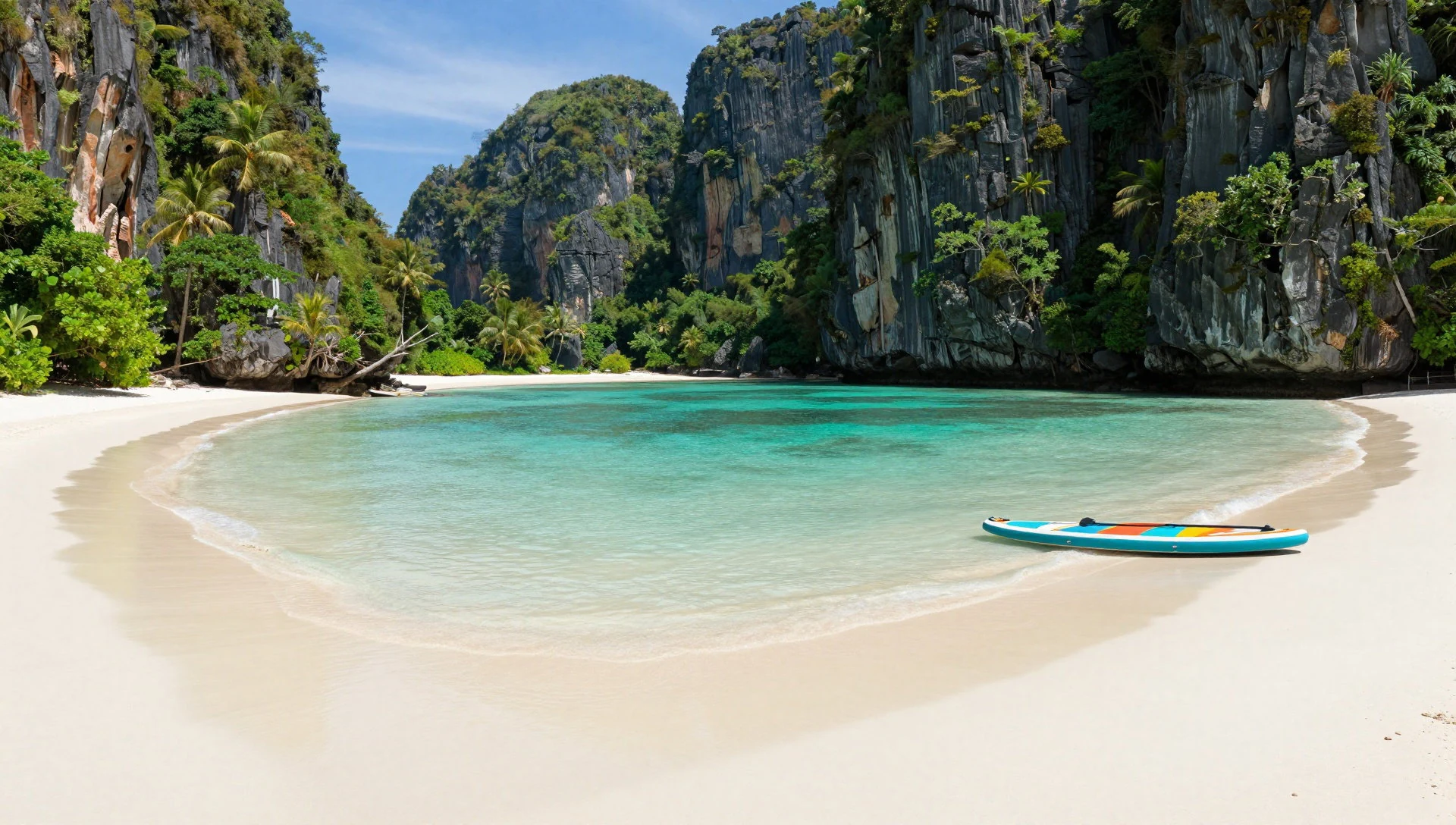
- Laem Thong — Northern tip
Positioned at the secluded northern tip of the main island, this quiet beach provides a peaceful escape from the busier southern bays. The surrounding waters feature healthy coral reefs ideal for snorkelling, and the small settlement here hosts a handful of upscale resorts geared toward travellers seeking tranquillity.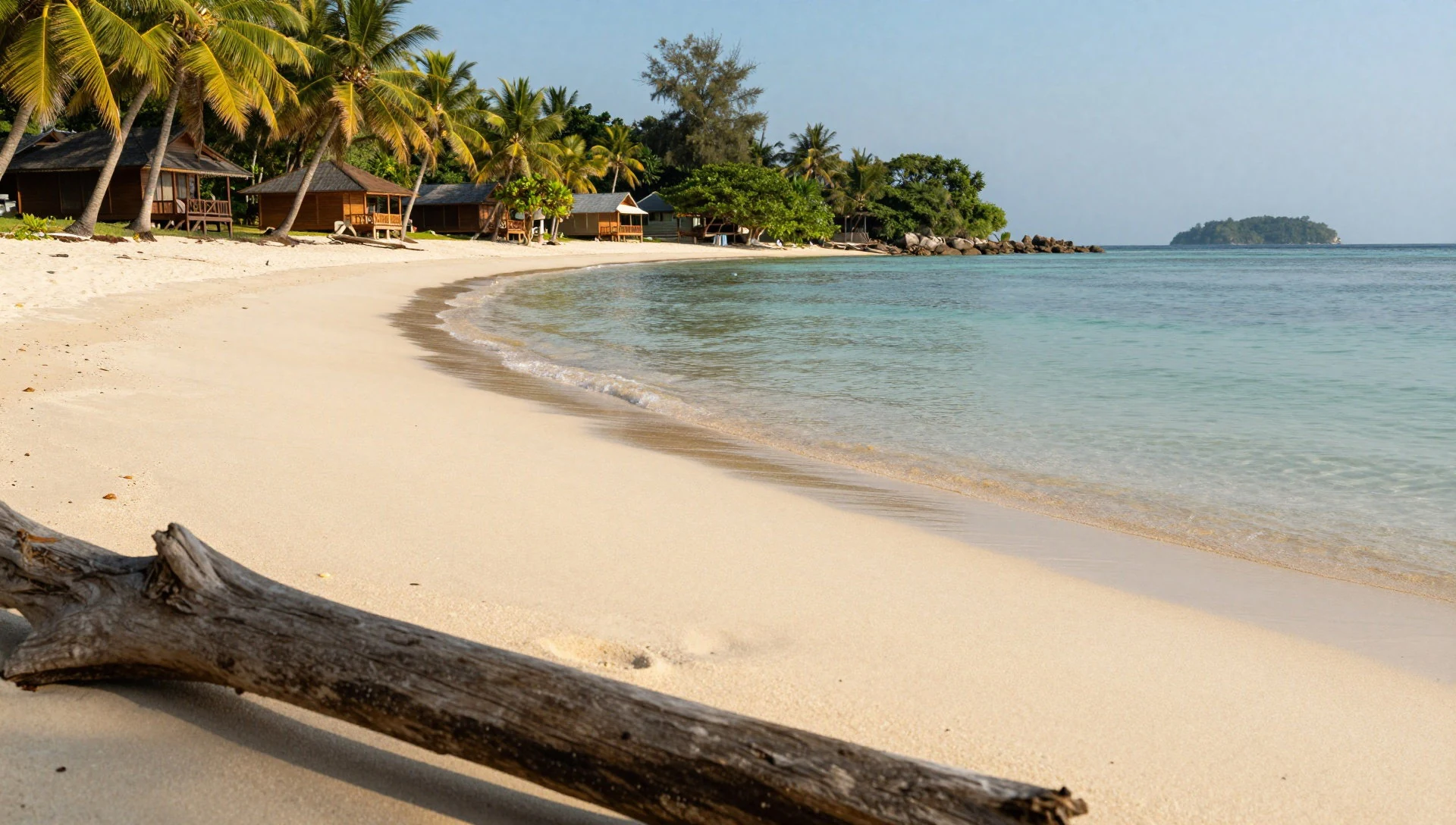
Culture
The Phi Phi Islands blend traditional coastal heritage with modern international tourism, creating a unique cultural landscape across the archipelago. The resident community on the largest island maintains strong Muslim roots, reflected in local customs, family-run enterprises, and community interactions. Alongside the permanent population, a diverse mix of seasonal workers and expatriates contributes to a cosmopolitan atmosphere that caters to global travellers. Traditional fishing and coconut harvesting have largely given way to marine tourism, guiding, and hospitality services, altering the daily rhythms of the settlement. Visitors should respect local traditions, particularly regarding modest attire when moving away from the immediate beach zones into residential neighbourhoods. Always dress modestly with covered shoulders and knees when visiting local village areas or religious spaces.
What to wear
Fashion across the Phi Phi Islands is shaped primarily by the tropical climate and the beach-oriented lifestyle of its visitors. Traditional attire is rarely seen outside of specific community contexts, replaced entirely by lightweight, casual garments suited for warm weather and humid conditions. Residents and workers typically wear breathable cotton shirts, shorts, and sandals to navigate the sandy pathways and narrow alleys. Travellers should pack lightweight clothing such as linen shirts, sarongs, swimwear, and sturdy footwear or sandals for walking between bays and climbing the steep hills. While swimwear is standard on the beaches and around coastal pools, visitors are expected to cover up with a light shirt or wrap when entering village shops, local eateries, or residential areas away from the shoreline.
What to eat
- Southern Thai Chili Fish — Ae Fish BBQ
Freshly caught local fish fried to a crisp texture and tossed in a fiery, aromatic chili sauce that showcases the distinct heat of southern regional cooking.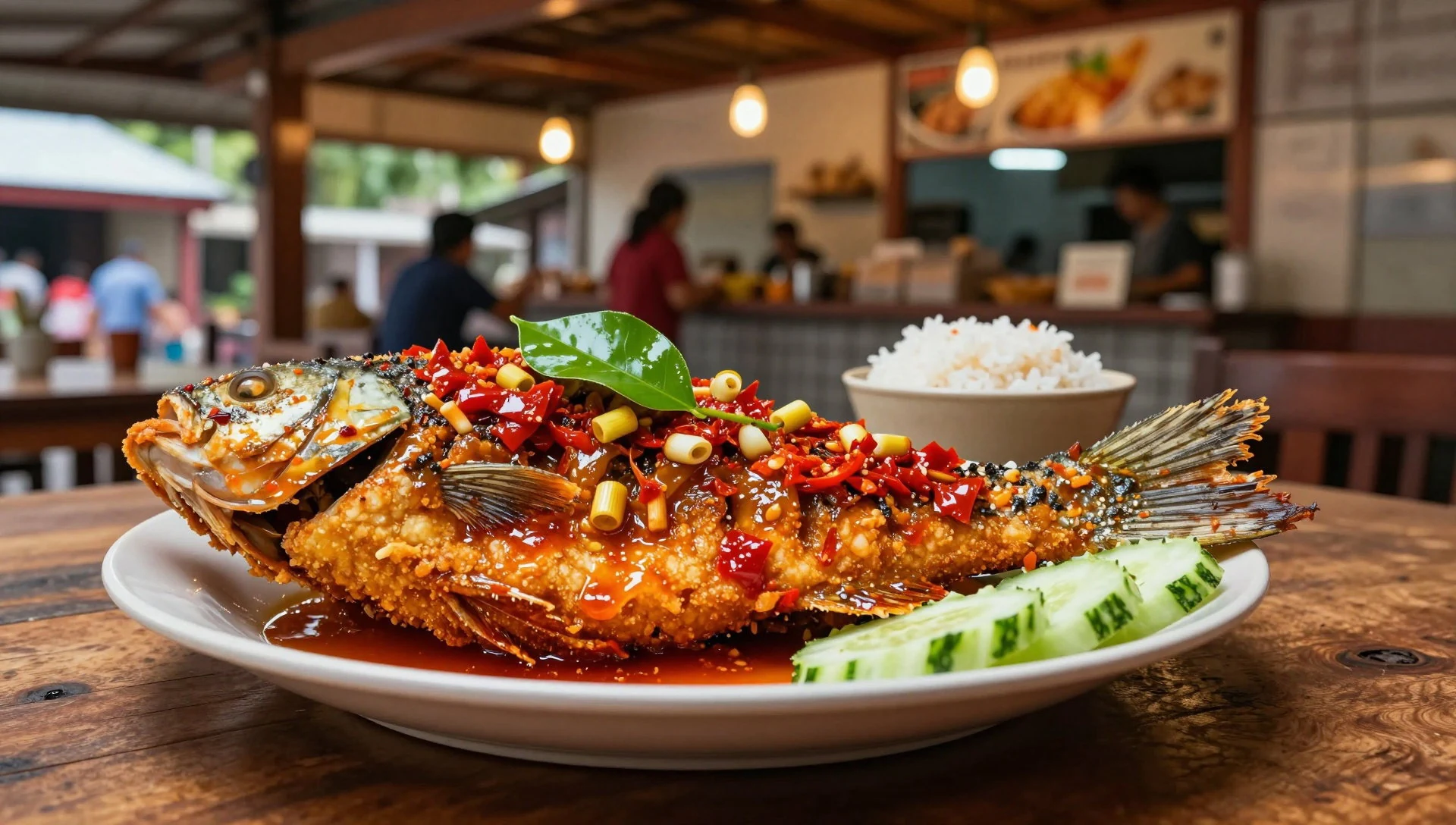
- Stir-Fried Papaya Salad — Papaya restaurant
Shredded green papaya mixed with lime juice, fish sauce, palm sugar, and crushed peanuts, balancing sharp, sweet, and spicy notes in every single bite.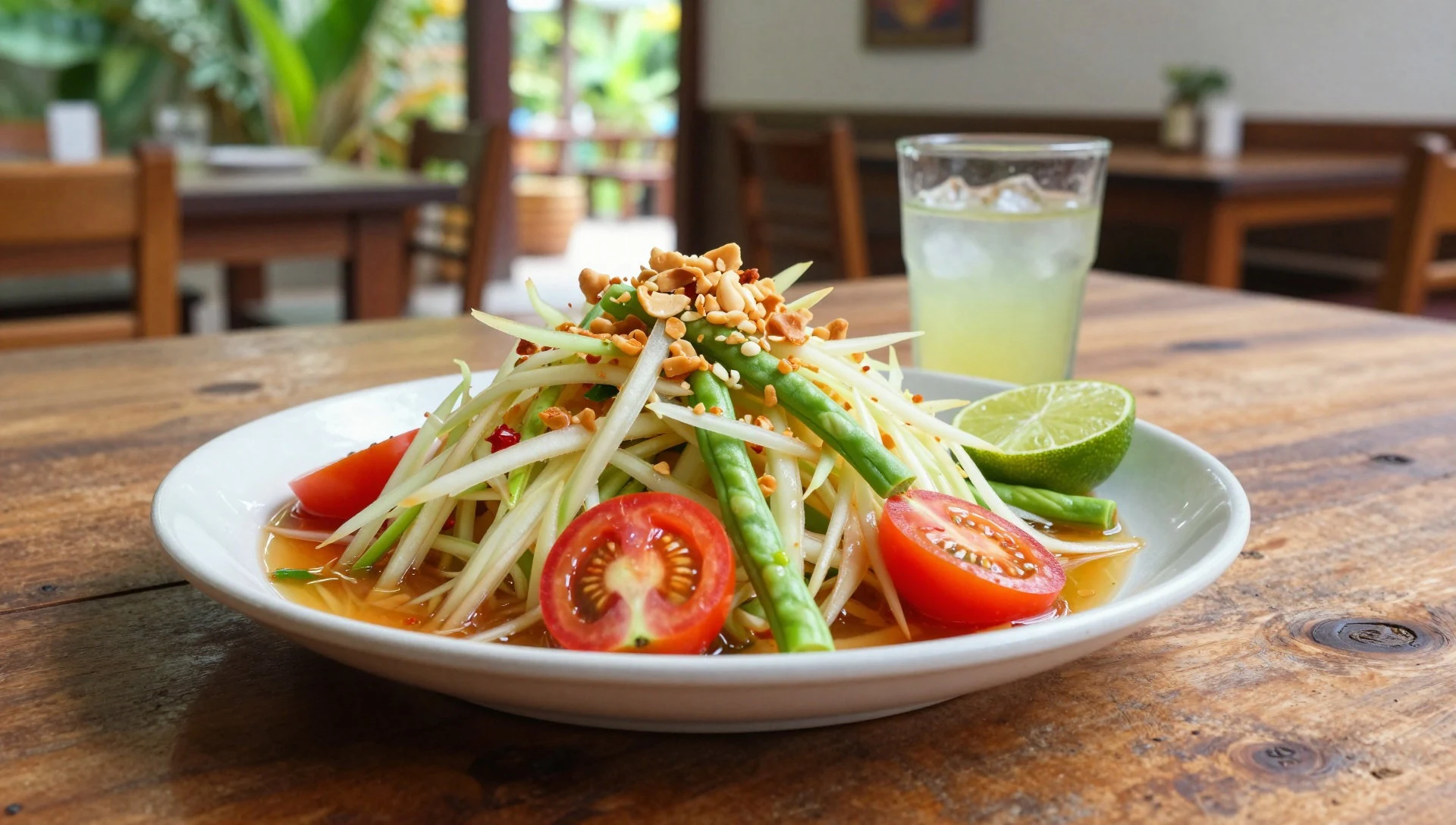
- Street Market Pad Thai — Khun Niyom at the Koh Phi street market
Classic stir-fried rice noodles tossed with tamarind sauce, eggs, bean sprouts, and prawns, prepared quickly at open-air market stalls in the evening. - Wood-Fired Pizza — Cosmic restaurant
Thin-crust Italian style pizza baked in high-temperature ovens, offering a popular alternative to local spicy dishes for travellers looking for familiar comfort food.
Plan it
Best time. January to April offers the hot season with calmer seas and drier weather, while May to December brings the tropical monsoon rains and rougher sea crossings.
How long. 2–3
Getting there. Fly into Krabi International Airport, take a taxi or bus to the pier, and catch a ferry or speedboat across the strait to the islands.
Budget. mid
Tips
- Book accommodation well in advance, as prices rise sharply during the high season from October or November through May
- Carry cash as many smaller establishments do not accept cards
- Start the walk to the viewpoint early in the morning to avoid midday heat
- Drink plenty of bottled water to stay hydrated in the tropical humidity
Etiquette
- Dress modestly with covered shoulders and knees when visiting local village areas
- Remove footwear before entering homes or certain traditional indoor spaces
- Maintain appropriate noise levels around residential neighbourhoods at night
Nearby
Sources
- Wikidata Q511957 (CC0)
- Wikipedia (rev 1378853090) (CC-BY-SA 4.0)
- Wikivoyage (rev 5407452) (CC-BY-SA 4.0)