George Town, Penang
George Town, Penang, Malaysia
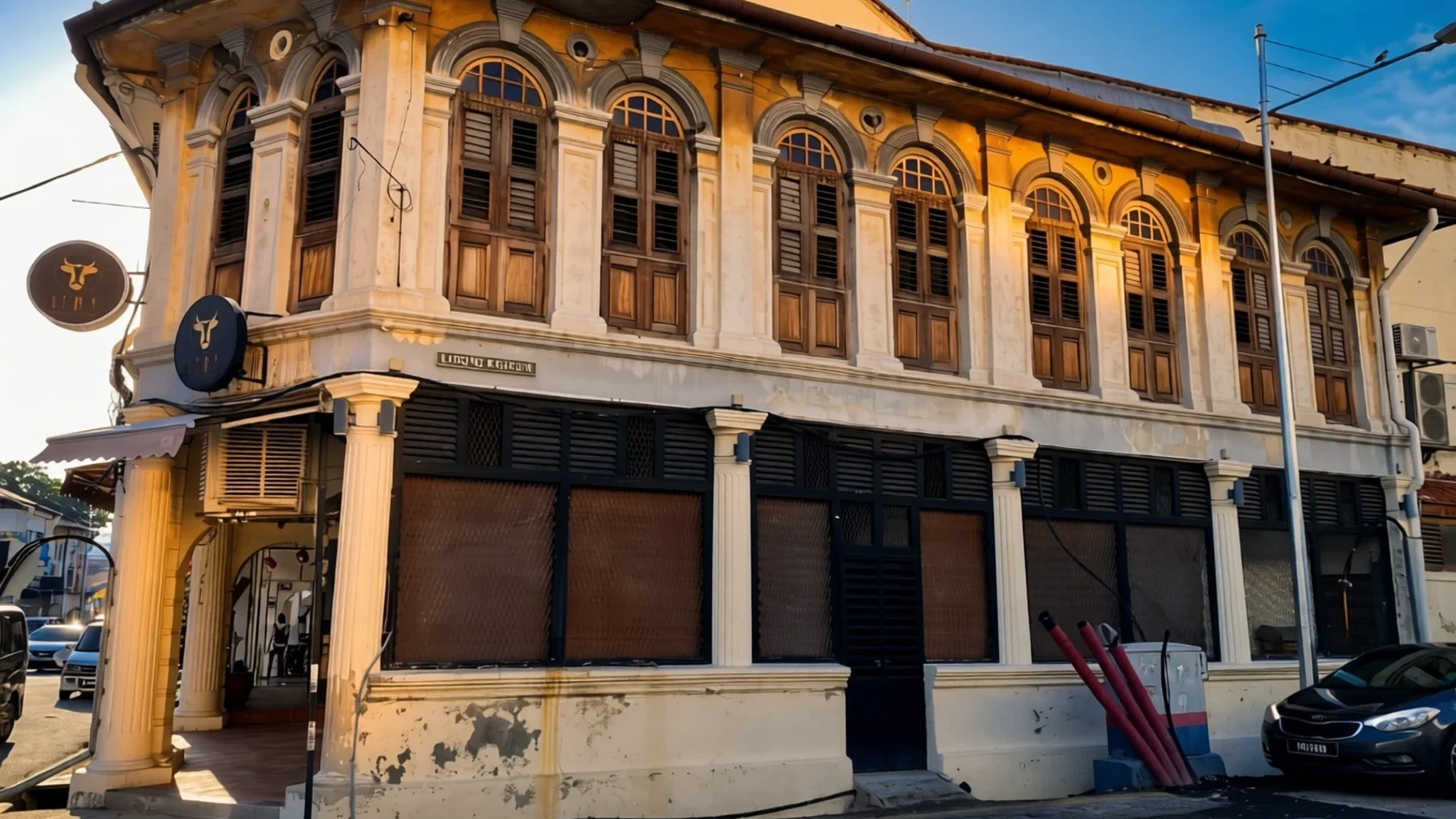
Come for a living port city of old shophouses, temples, street food and layered histories, and plan around the heat.
The place
George Town is the state capital of Penang, on the island of the same name off the north-west coast of the Malay Peninsula. The city proper covers about 306 square kilometres, taking in the island and a scatter of smaller islets, and it had 794,313 residents at the 2020 count. The island has uneven terrain, with hills running down the middle and narrow coastal plains, and the old centre sits barely four metres above sea level, so the streets rarely feel far from the water. The wider George Town Conurbation spreads onto the mainland and holds about 2.84 million people, making it the second largest metropolitan area in the country. Its economy is one of the strongest outside the capital region. Hundreds of multinational companies have settled here, and the electronics and technology sector has made the city a major exporter, which gives the centre a busy, working feel rather than a purely touristic one. The heritage core is compact enough to walk. Narrow lanes lined with colonial-era shophouses lead to Chinese clan houses, Hindu and Buddhist temples, mosques, churches and the stalls that spill onto the pavements every evening. Little India, around Queen Street, Chulia Street and Market Street, is where the smell of spice and the sound of Bollywood music reach you before you see the shops. Expect humidity all year and heavy afternoon showers, and expect traffic on the waterfront roads to be slow at busy hours.
Its story
Penang was not always a city of trade. In 1771 Francis Light, a former Royal Navy captain working for the British East India Company, arrived in Kedah, a state then under Siamese overlordship, looking for a foothold in the peninsula's trade. The ruler of Kedah offered him Penang Island in return for British protection against the Bugis of Selangor. Light saw the island as a useful base from which the British could limit Dutch and French ambitions in the region, but his superiors were slow to agree. The company finally authorised the acquisition in 1786, the year usually given as the founding of the settlement. The new port was named after King George III and grew quickly as a free port where merchants of many backgrounds could trade. Chinese, Malay, Indian, Armenian and Peranakan families built houses, businesses and temples in the same few streets, and that mix still shapes the city. Over the following century and a half Penang became part of the Straits Settlements, and its fortunes followed the shipping and commodity trade of the strait. The Second World War brought occupation and hardship, and the island later became part of an independent Malaya and then of Malaysia. What remains visible is the layering: a British-era grid, Chinese clan houses, Indian and Malay quarters, and modern towers rising behind them. Light's wish for a trading base shows in the city's shape even now.
What to see
- Armenian Street — Central George Town
Armenian Street takes its name from the Armenian merchants who once lived and traded here. These days it is one of the liveliest streets in the centre, with craft shops, temples and at least two museums. It is best in the cooler hours of the morning or after dusk, when the shopfronts are open and the crowds are lighter.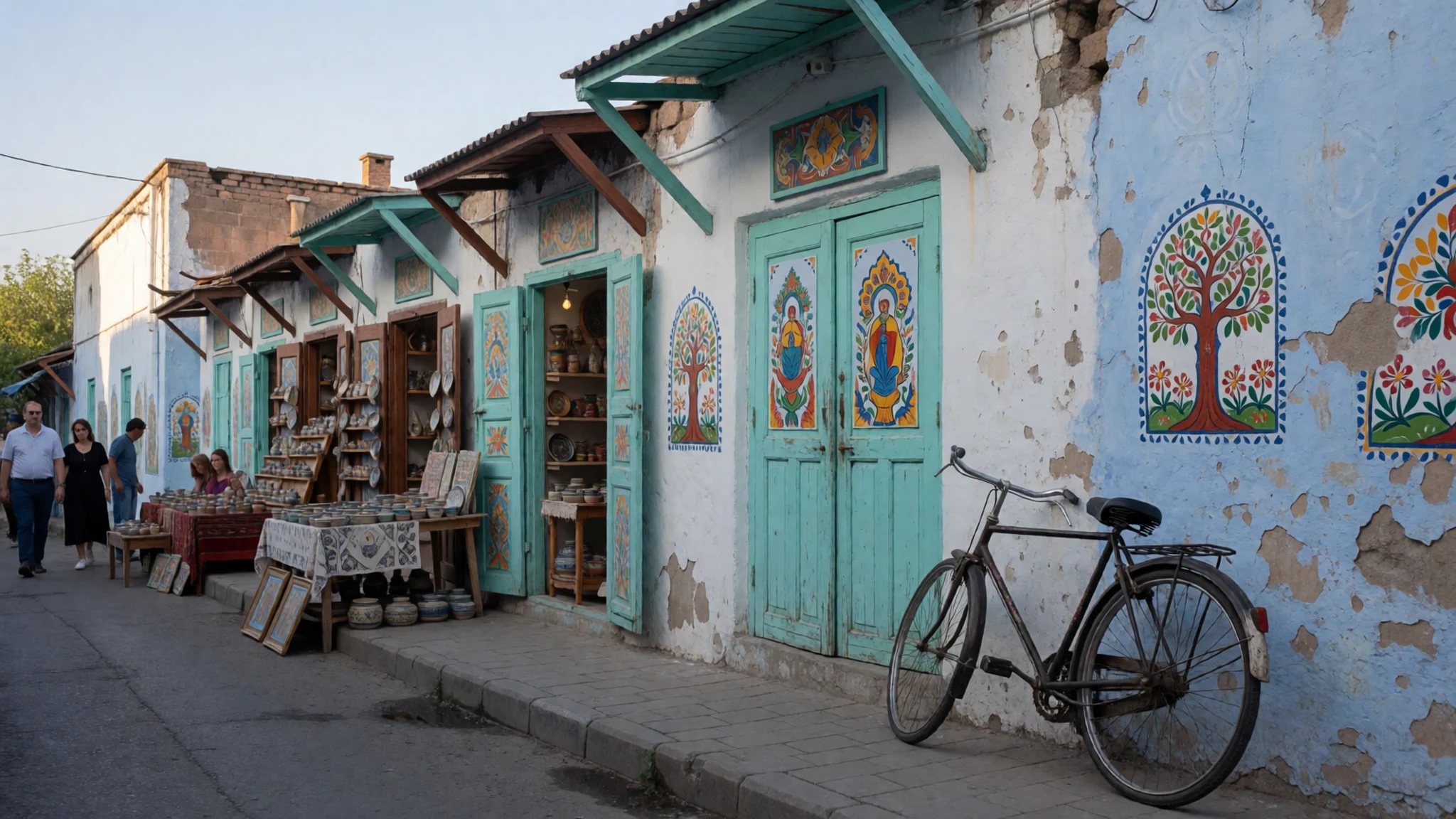
- Little India — South of Lebuh Pasar
The streets around Queen Street, Chulia Street and Market Street form an ethnic Indian enclave. You will smell the spices before you reach the first stall, and the music from the shops is hard to escape. Go on foot and allow time to wander side lanes, where the textile sellers, sweet shops and small temples are.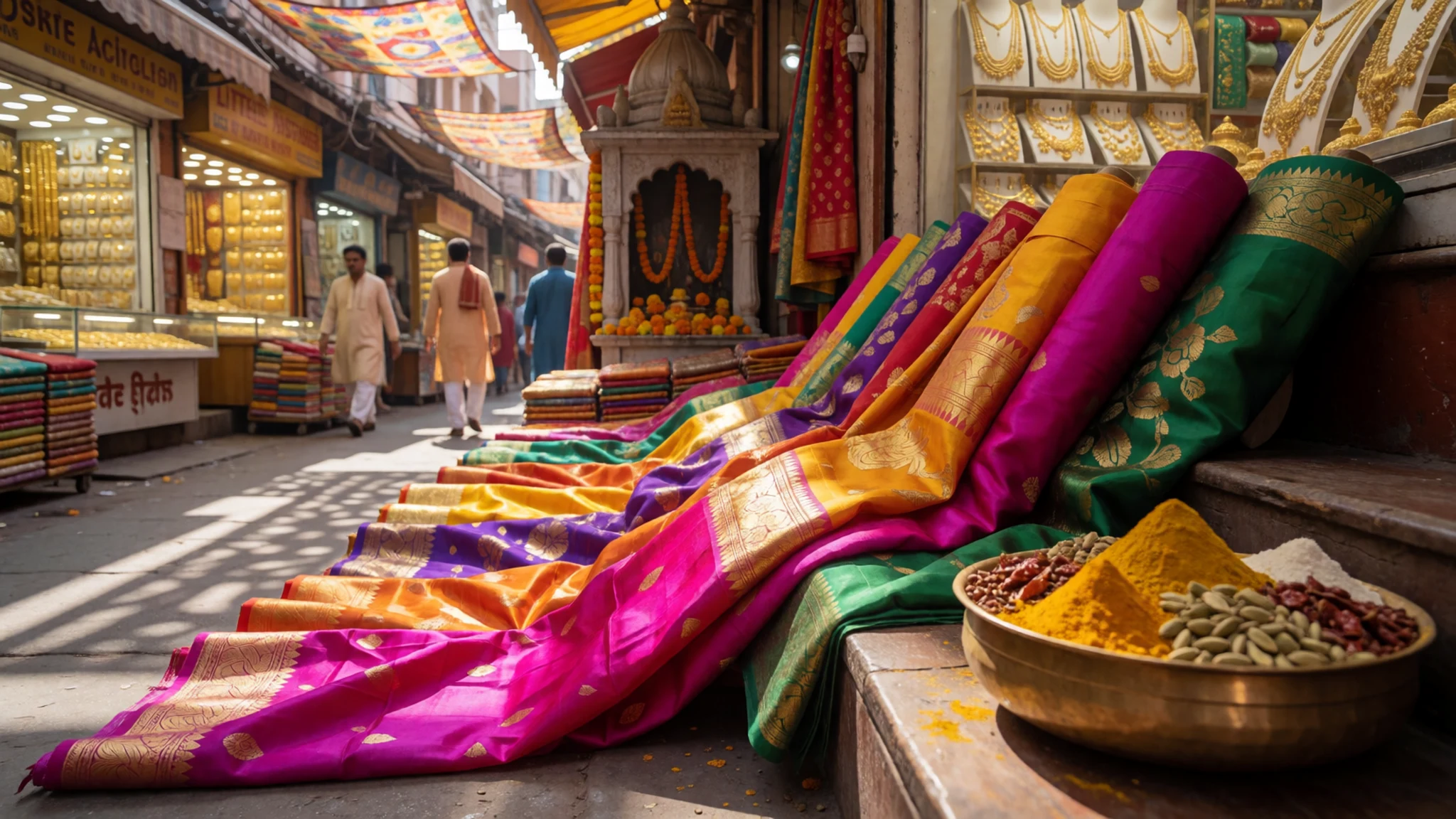
- Khoo Kongsi — Lebuh Armenian area
Khoo Kongsi is a large Chinese clan house, the meeting and ancestral hall of a Chinese family association. Its architecture is elaborate and heavily ornamented, with carved and painted details across the roofs and halls. It is a working place of ancestral worship as well as a sight, so keep voices low and move through it with care.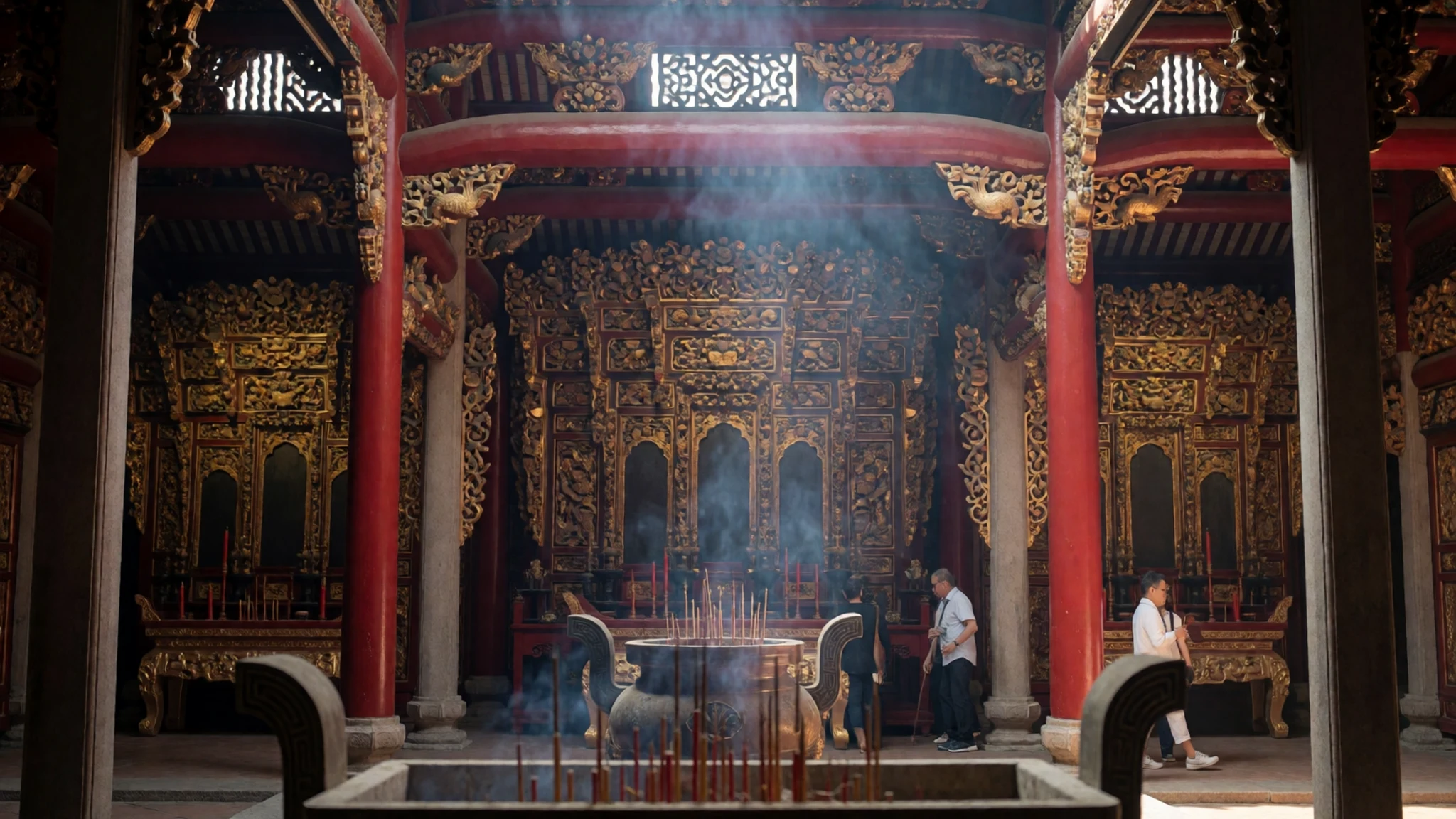
- Gurney Drive — Northern waterfront
This seafront promenade now forms part of the central business district. Upscale shopping malls, towering skyscrapers and an eponymous hawker centre line the waterfront. It is a good place to unwind in the evening, though it is busy at weekends and the traffic can be heavy, so walking or a taxi is easier than driving.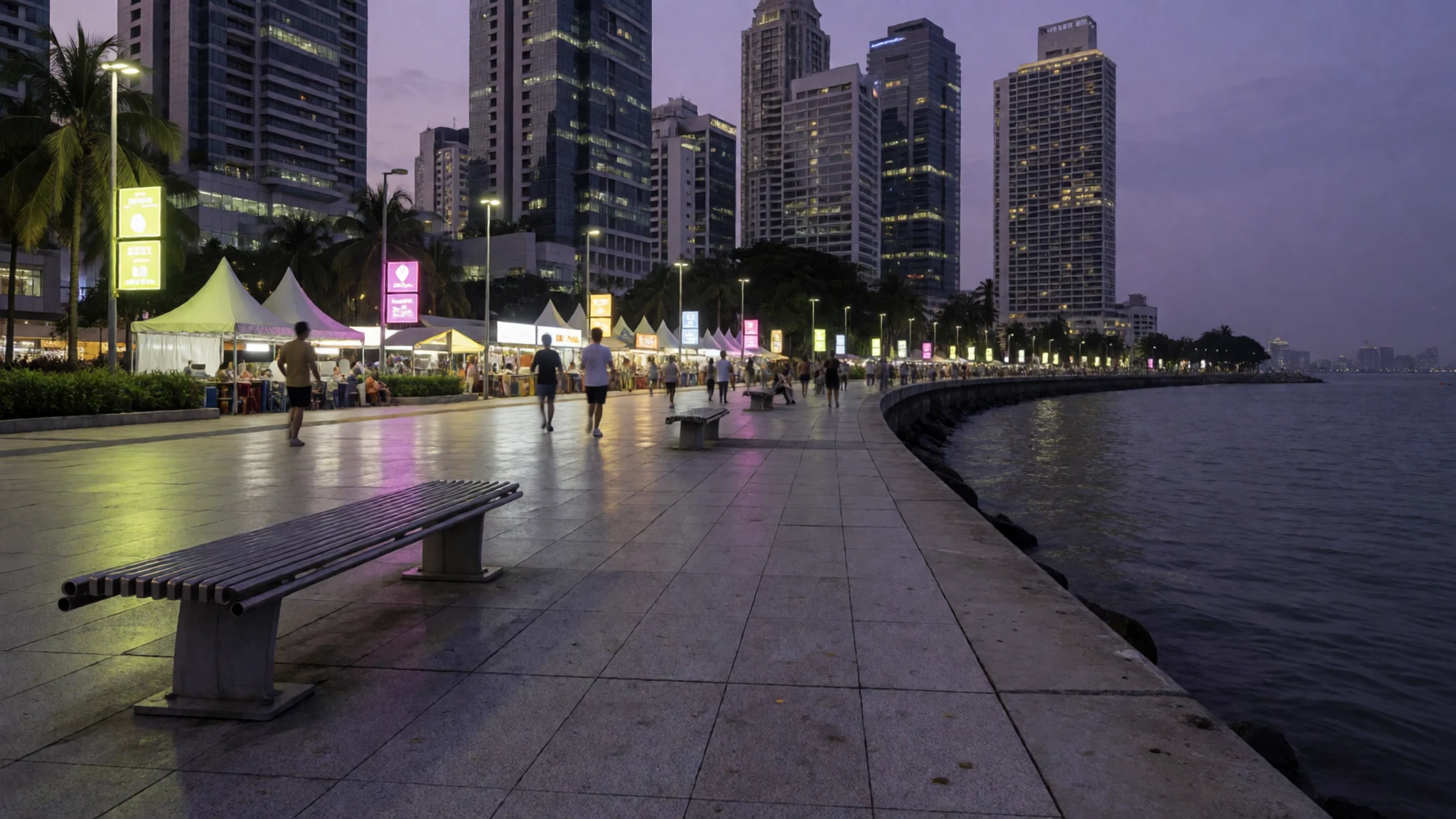
- Penang Hill — Hills above the city
The summit of Penang Hill offers a panoramic view over the city and the strait, and the air is noticeably fresher than on the plain. Visitors can reach the top by funicular railway. Go early in the day, before the haze and the afternoon cloud gather, and expect queues at the station during public holidays.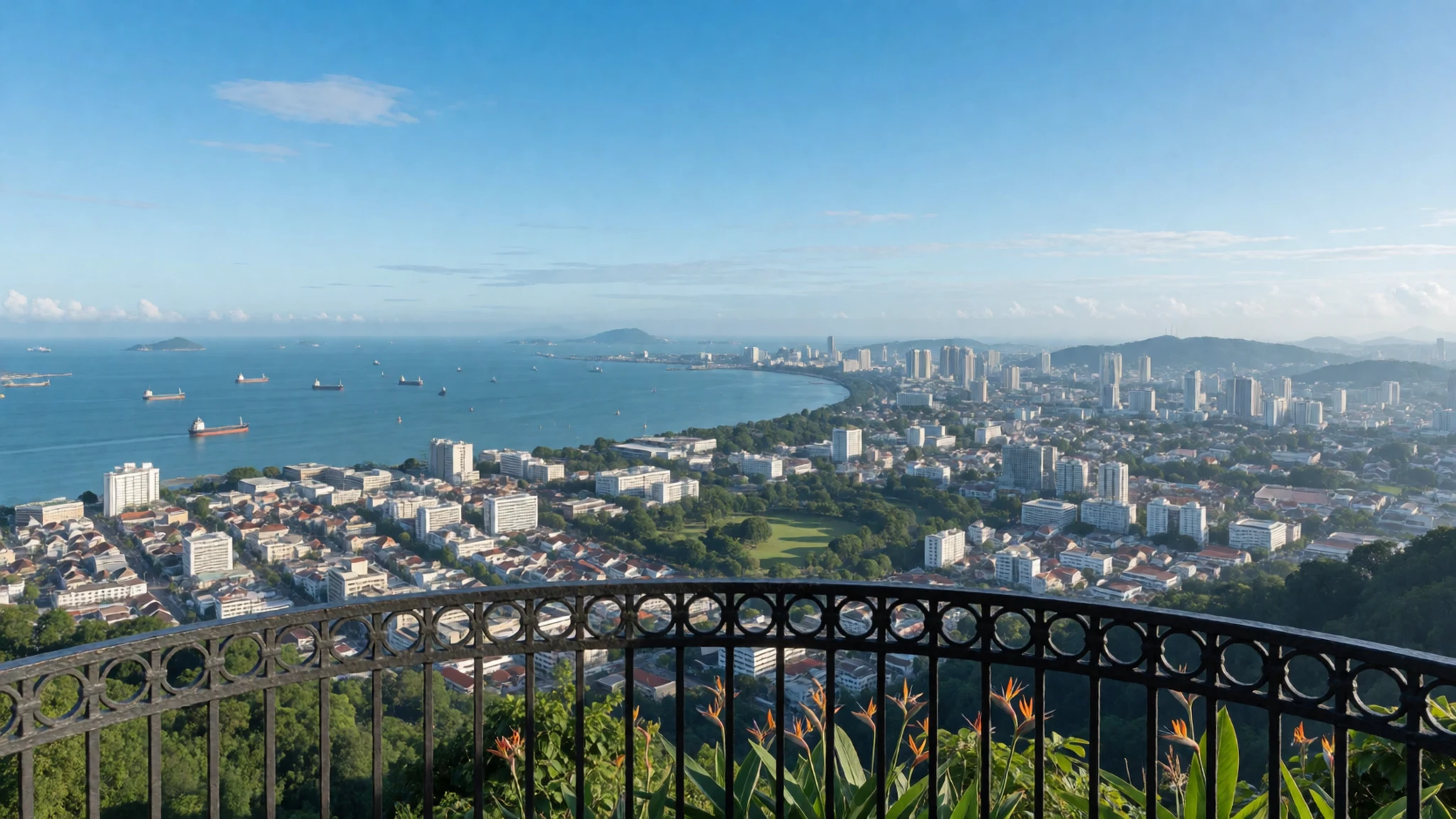
Culture
George Town's cultural life grows out of its mixed population. The Penang version of the Chingay procession began here in 1919 and is best known for performers balancing enormous flags on their heads or hands. Formerly bound up with rituals connected with the Chinese underworld, the parades are now staged each year as a spectacle for visitors, and they remain a strong expression of Penang Chinese identity. The city is also the birthplace of Bangsawan, a Malay theatre form that draws on Indian, Western, Islamic, Chinese and Indonesian influences. Boria, a form of theatre built around singing with violin, maracas and tabla, was first performed here in the mid-19th century. Over recent decades the city has grown into a centre for the arts in Malaysia, with galleries, performance spaces and independent makers. Religion and daily ritual are visible in the streets, so treat temples, mosques and clan houses as active places of worship. Remove your shoes where others do, dress modestly for religious buildings, and ask before photographing people at prayer or during ceremonies.
What to wear
Traditional dress in George Town reflects the city's mixed communities. Malay women wear the baju kurung, a loose tunic and long skirt often made from cotton or batik printed with bold patterns, and men may wear a songkok with a long-sleeved shirt. Peranakan families, descended from earlier Chinese settlers who married local women, developed the kebaya nyonya, a fitted blouse of sheer cloth worn with a batik sarong, and they are known for beaded slippers. Indian communities keep saris and salwar kameez, often in silk or cotton. Today most people in the city dress in a practical mix of Western clothes: shorts, t-shirts and jeans in the malls and offices, with the tudung worn by many Muslim women and modest clothes at religious occasions. For a visitor, the climate matters most. Light, loose cotton or linen breathes well in the humidity, and a light cardigan or long scarf helps for air-conditioned buses and malls. Cover shoulders and knees when you enter temples, mosques or clan houses, and carry a scarf for mosque visits. Wear shoes that come on and off easily, because you will remove them often, and choose sturdy sandals or trainers for the steep steps of Penang Hill.
What to eat
- Curry mee and prawn mee — Food courts such as New World Park Food City
Curry mee is a rich, coconut-based noodle soup, usually with tofu puffs, cockles and sometimes chicken, and prawn mee is a clearer broth with prawns and pork. Both are classic Penang breakfast or lunch dishes. Look for them at the big hawker food courts in the suburbs, where stalls specialise in one dish and the broth is made fresh each morning.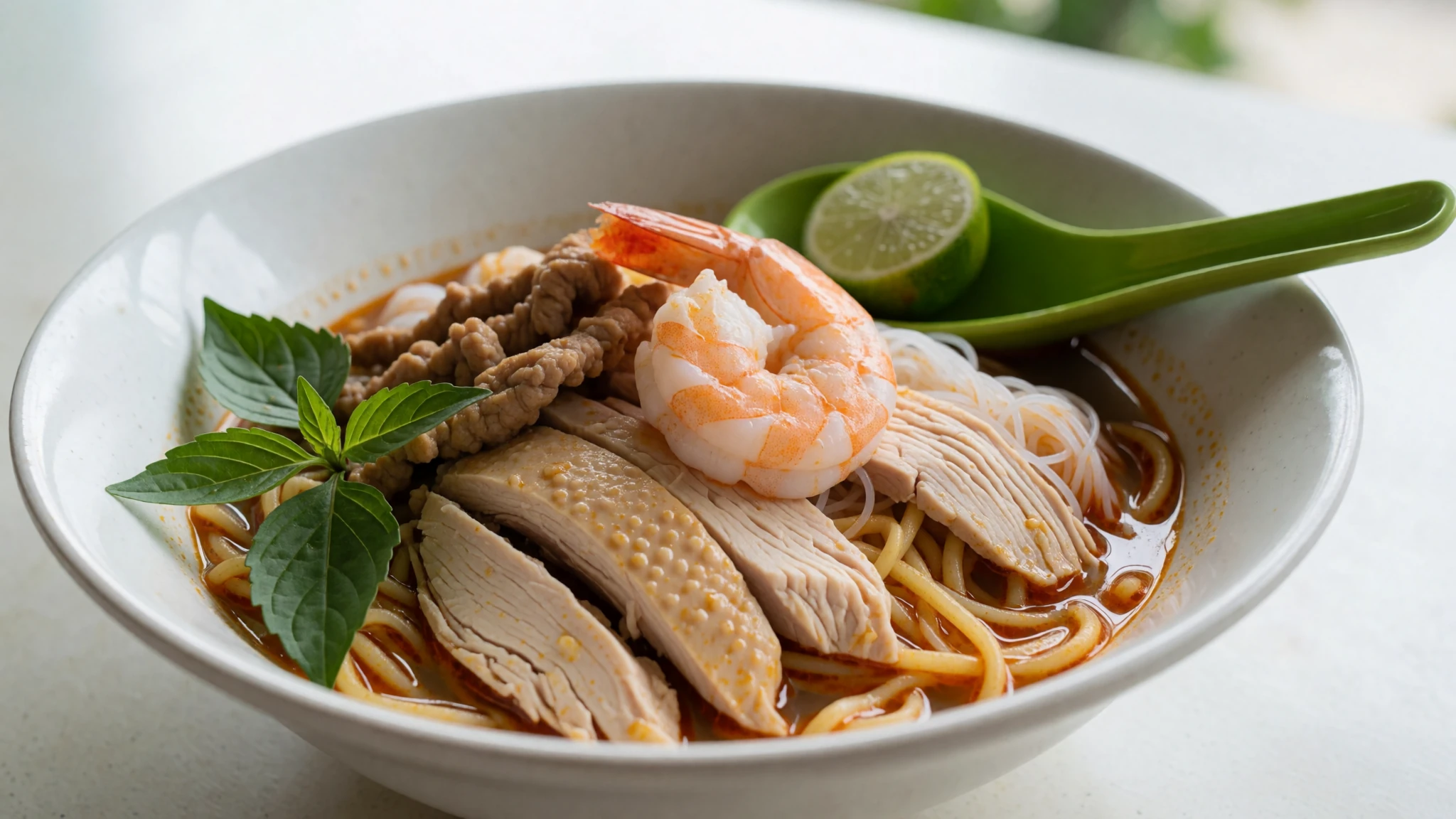
- Laksa and chee cheong fun — Hawker stalls in the food courts and along the centre's back streets
Penang laksa is a tangy fish-based noodle soup flavoured with tamarind and topped with herbs and shredded mackerel. Chee cheong fun are steamed rice-noodle rolls, often served with a sweet soy sauce and chilli. Both are easy to find at hawker stalls and food courts across the centre.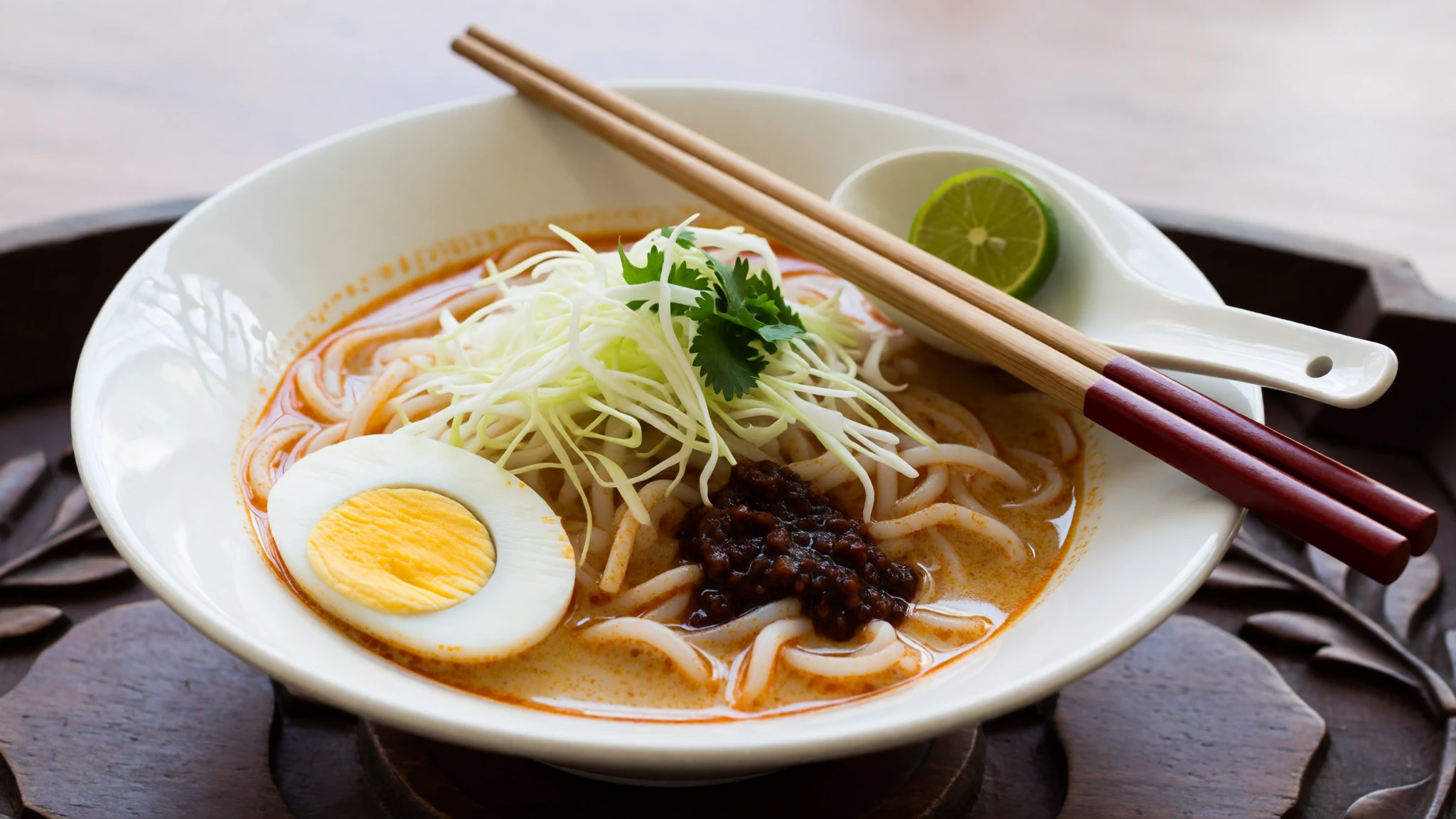
- Satay and roast meats — Open-air eateries and roast-meat stalls in neighbourhood food courts
Satay skewers are grilled over charcoal and served with peanut sauce, while roasted chicken, duck and pork come with rice or noodles. The Chinese roast-meat stalls in the open-air eateries are a good choice for dinner. Expect smoke and crowds at weekends, and go early if you want a seat.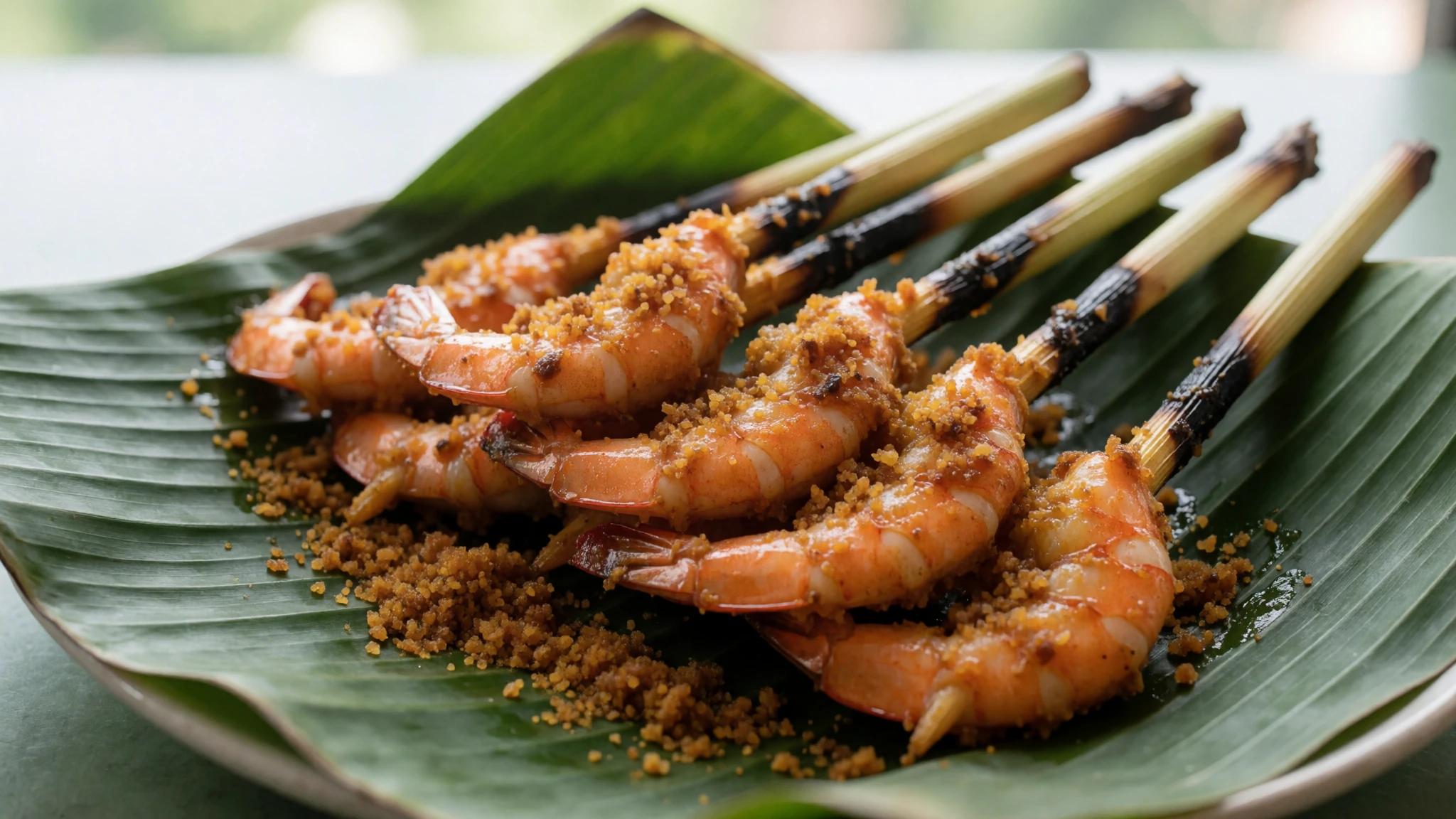
- Vegetarian buffet — Small self-serve vegetarian eateries in the central streets
Small self-serve vegetarian restaurants sell a wide choice of dishes at low prices, and they make a useful break for visitors who want simpler meals. Pay by the plate weight and sample several dishes. Many of these places close in the afternoon, so plan lunch accordingly. - Sri Lankan and Indian meals — Little India and neighbourhood eateries around Queen Street
Sri Lankan and Indian-style meals, including curries served with rice or flatbreads, are common in the Little India area and in neighbourhood eateries. Eat with your right hand where that is the custom, and ask for less chilli if you need it.
Plan it
Best time. The brief carries no climate figures, so check recent weather before you travel. In general the island is hot and humid throughout the year, with heavy showers that often arrive in the afternoon, and the drier spells are the times most visitors prefer for walking and for the hill.
How long. 2–3
Getting there. Penang International Airport lies about 16 km south of the city centre. Taxis run from a pre-paid coupon counter near the arrivals area, and the public Rapid Penang bus network also serves the city. The airport has good links to several Malaysian cities and to a range of regional destinations.
Budget. mid
Tips
- Walk the heritage streets in the early morning or after dusk, when the heat is lower
- Carry cash for hawker stalls and small temples, and use cards in malls and larger restaurants
- Drink plenty of water, because the humidity makes walking tiring quickly
- Check the official site before you travel and confirm the funicular and museum times on arrival
Etiquette
- Remove your shoes before entering temples, mosques and clan houses, and follow the lead of those already inside
- Dress modestly for religious sites and keep voices low in prayer halls
- Ask before photographing people, especially during ceremonies
Nearby
Sources
- Wikidata Q61092 (CC0)
- Wikipedia: George Town, Penang (rev 1381031009) (CC BY-SA 4.0)
- Wikivoyage: George Town (Malaysia) (rev 5410419) (CC BY-SA 4.0)
- Skyline of George Town, Penang at night, January 2025 (CC BY-SA 4.0)
- Skyline of George Town, Penang at night, November 2024 (CC BY-SA 4.0)
- Butterworth and Penang Scenery (CC BY-SA 2.0)
- Penang Road, July 2024 (CC BY-SA 4.0)
- Penang High Court (cropped) (CC BY-SA 4.0)
- Komtar, July 2024 (cropped) (CC BY-SA 4.0)
- Waterfall Temple (CC BY-SA 4.0)
- Khoo Kongsi (cropped to 4:3) (CC BY 4.0)


