Scrub Island
Scrub Island, United Kingdom
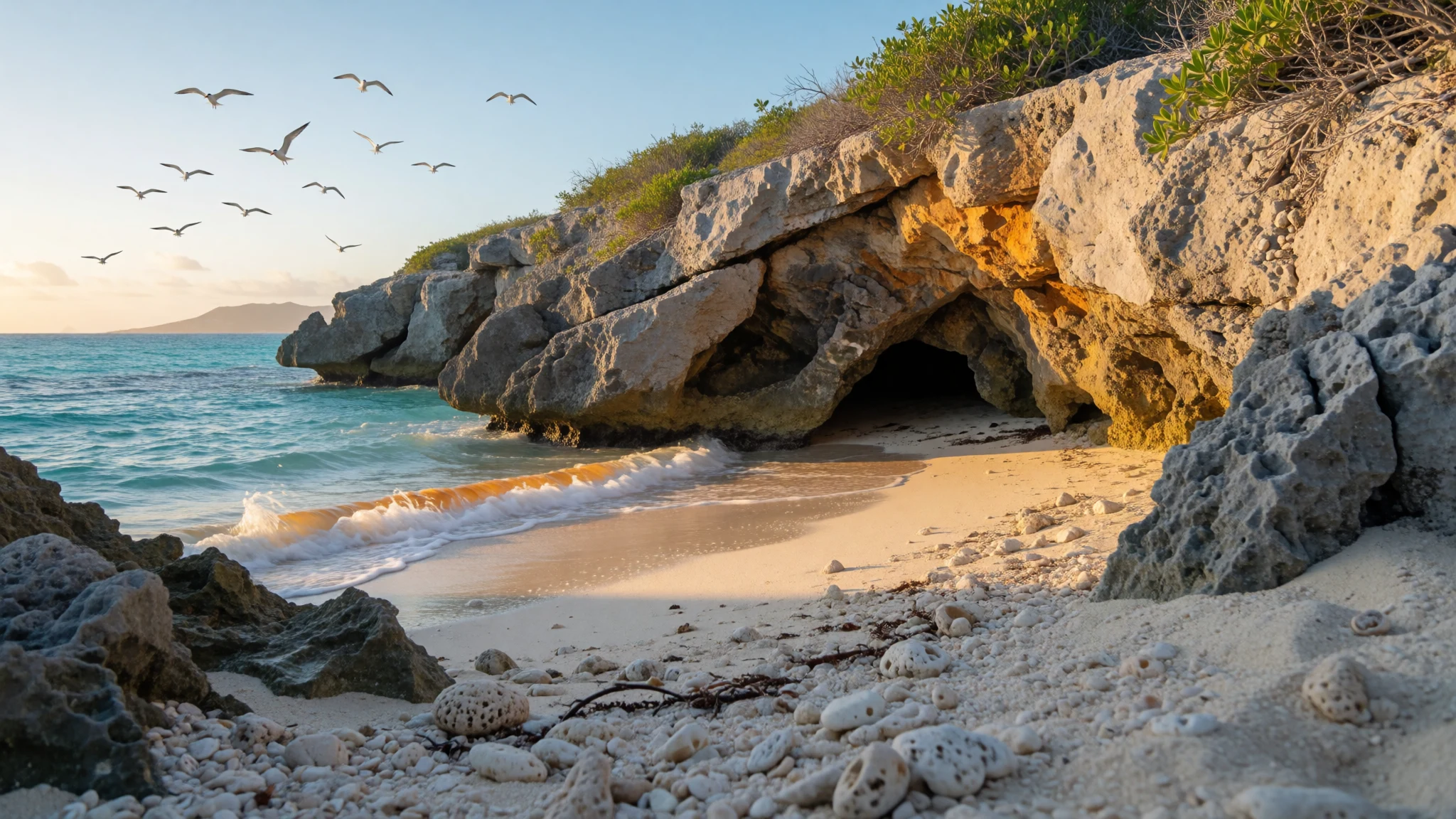
Scrub Island is an uninhabited, bird-rich scrap of limestone and scrub off Anguilla, where abandoned airstrips and empty beaches show a Caribbean without crowds.
The place
Scrub Island lies off the north-eastern corner of Anguilla, across a channel about 500 m wide. It covers roughly 8 square km, and nobody lives there year-round. The land is mostly low, dry scrub. Towards the sea the ground breaks into fissured limestone and small cliffs, with four sandy beaches tucked between the rock. Ponds and lagoons sit on the eastern side, and one large pond lies near the western coast. Close to the middle runs an old dirt airstrip that shrubs are steadily reclaiming, and the wreck of a small aircraft lies on the island. On the east side stand a few empty tourist buildings, left over from earlier development plans. The island is privately owned, so landing is a matter of arranging permission rather than simply stepping ashore. Its importance to wildlife is larger than its size suggests. Seabirds nest here, and BirdLife International has recognised the island as an Important Bird Area. Feral goats and rats share the ground with the birds and reptiles, which is part of the conservation story. The overall feel is of an unfinished, wind-dried place: quiet, scruffy at the edges and almost shadeless. Heat and sun are the main practical facts. Seen from Anguilla's shore, it is a low green-grey shape across a strip of sea, and that is a fair summary of its character: close, plain and little visited.
Its story
Scrub Island has no long written record of settlement in the sources behind this reading, and its recent past is mostly a story of plans that came to little. An airstrip was cut across the middle of the island, and it has since been abandoned and left to the scrub. On the eastern side, tourist buildings were put up and then left empty. Proposals for a resort have returned from time to time. In 2012 the Anguillan government signed a memorandum of understanding to develop one, and in 2018 the island was among five sites weighed for a superyacht marina. None of these schemes is active now. That pattern, of ambition arriving and then draining away, has left a landscape that looks half-built and half-wild. Meanwhile the wildlife has carried on without much interruption. Laughing gulls nest here, along with royal, roseate and least terns. Caribbean elaenias and pearly-eyed thrashers live in the scrub, and five reptile species have been recorded, among them the endangered leeward island racer. Green and leatherback turtles have been noted in the surrounding waters. The tension is plain enough. A privately owned island with few people on it is attractive to developers, yet the same emptiness is what keeps its breeding birds relatively undisturbed. Whatever happens next, Scrub Island's story is likely to be decided as much by the birds and the owner as by any visitor.
What to see
- Scrub Bay — Scrub Island, shoreline
Scrub Bay is one of the island's four sandy beaches, set against a rocky shore and a backdrop of dry scrub. It is the sort of beach where the view is mostly sand, sea and low bush. There are no facilities, so arrive with water, shade and a plan for leaving.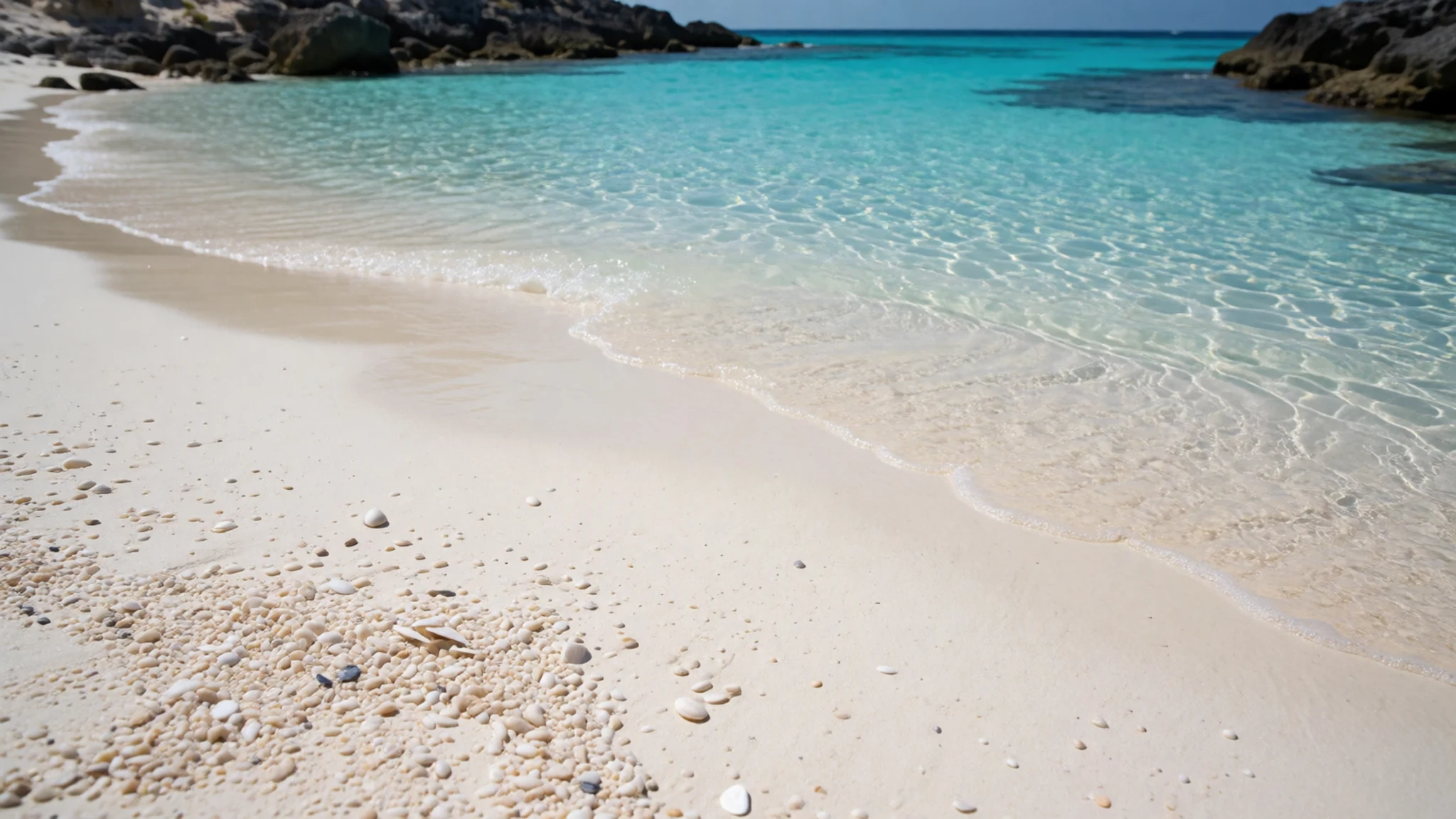
- The channel and the aerial view — Channel off north-eastern Anguilla
The channel between Anguilla and Scrub Island is about 500 m wide, and crossing it gives the clearest sense of scale. From the water or from the air, the island reads as a long, low slab of scrub fringed with pale bays. It is the best place to understand the geography before landing anywhere.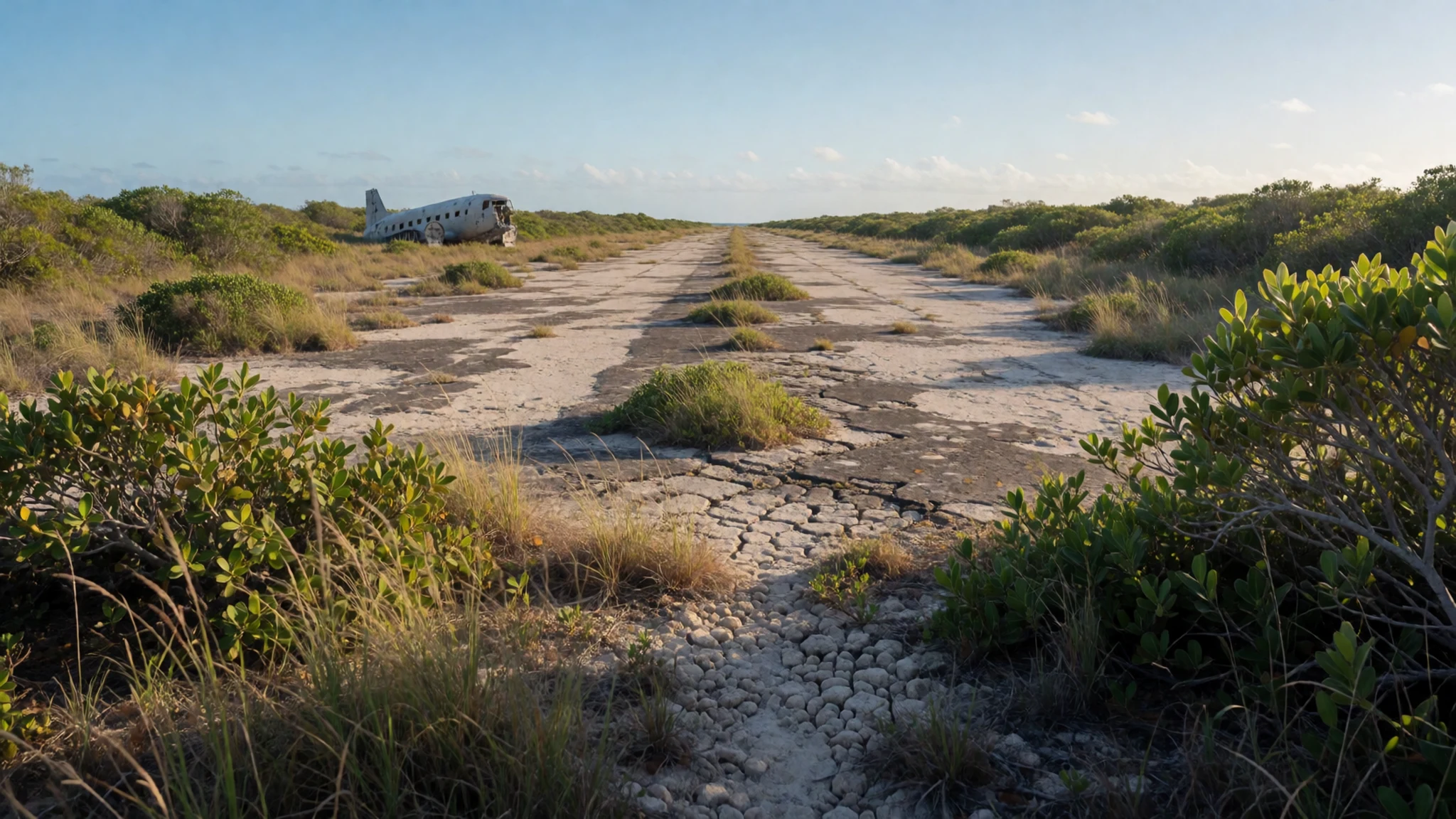
- Eastern ponds and lagoons — Eastern Scrub Island
The eastern side holds a cluster of ponds and lagoons, and this is where nesting seabirds are most likely to be seen. Birdwatchers should keep a respectful distance, use binoculars rather than walking close, and avoid the breeding season's most sensitive areas unless a local guide says otherwise.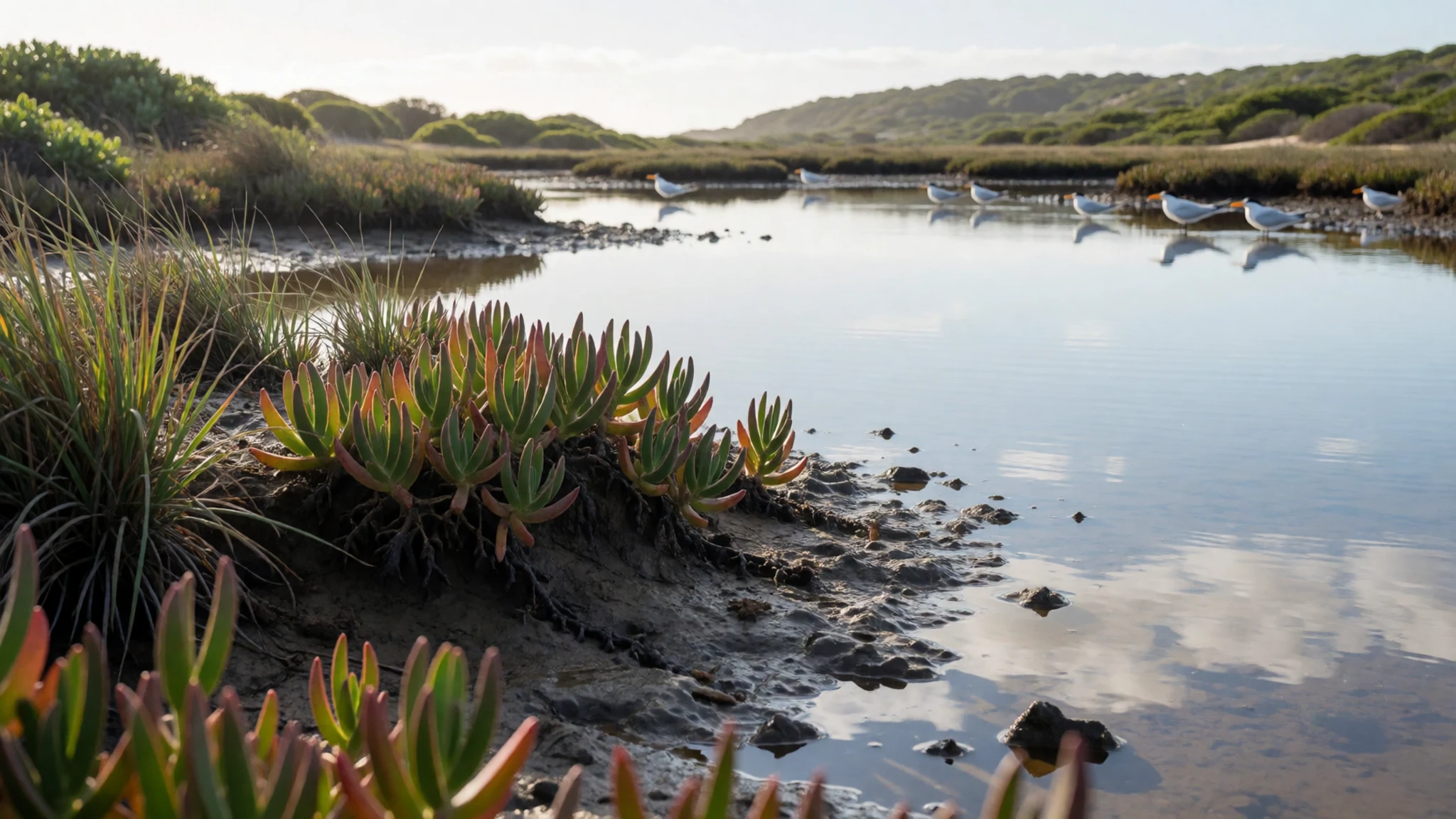
- The abandoned airstrip and plane wreck — Central Scrub Island
An unsurfaced airstrip crosses the middle of the island, now narrowing as shrubs take over. A plane wreck lies on the island too. Both are curiosities rather than attractions, so treat them as evidence of earlier plans, watch for uneven ground, and leave any wreckage as you find it.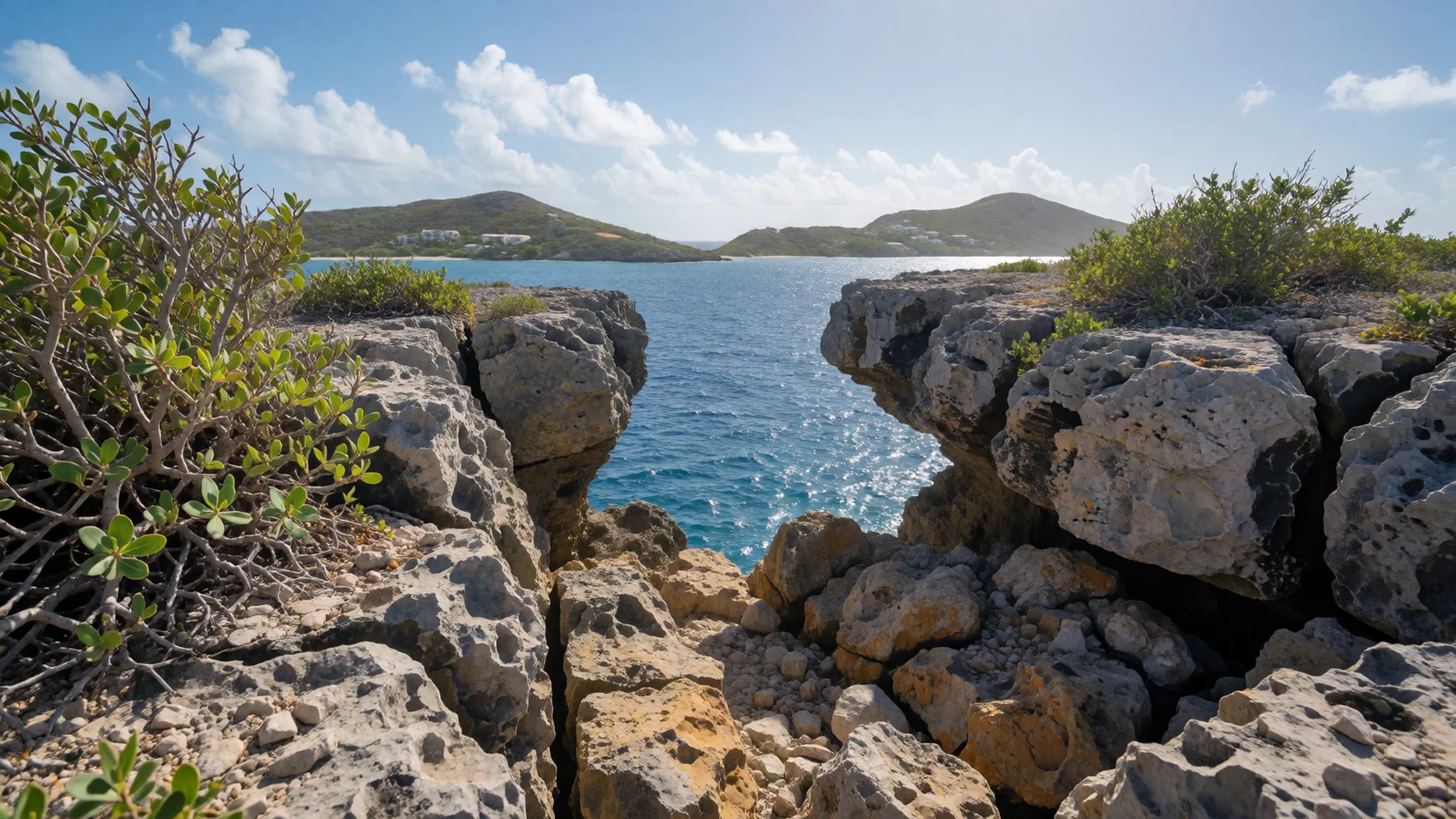
- Limestone cliffs and fissures — Scrub Island, rocky coast
Where the scrub ends, the coast turns to cracked limestone and low cliffs, cut by fissures that waves work at constantly. The rock is sharp and uneven, so sturdy shoes matter. This shoreline suits slow walking and photography better than swimming, and it needs careful footing near the edge.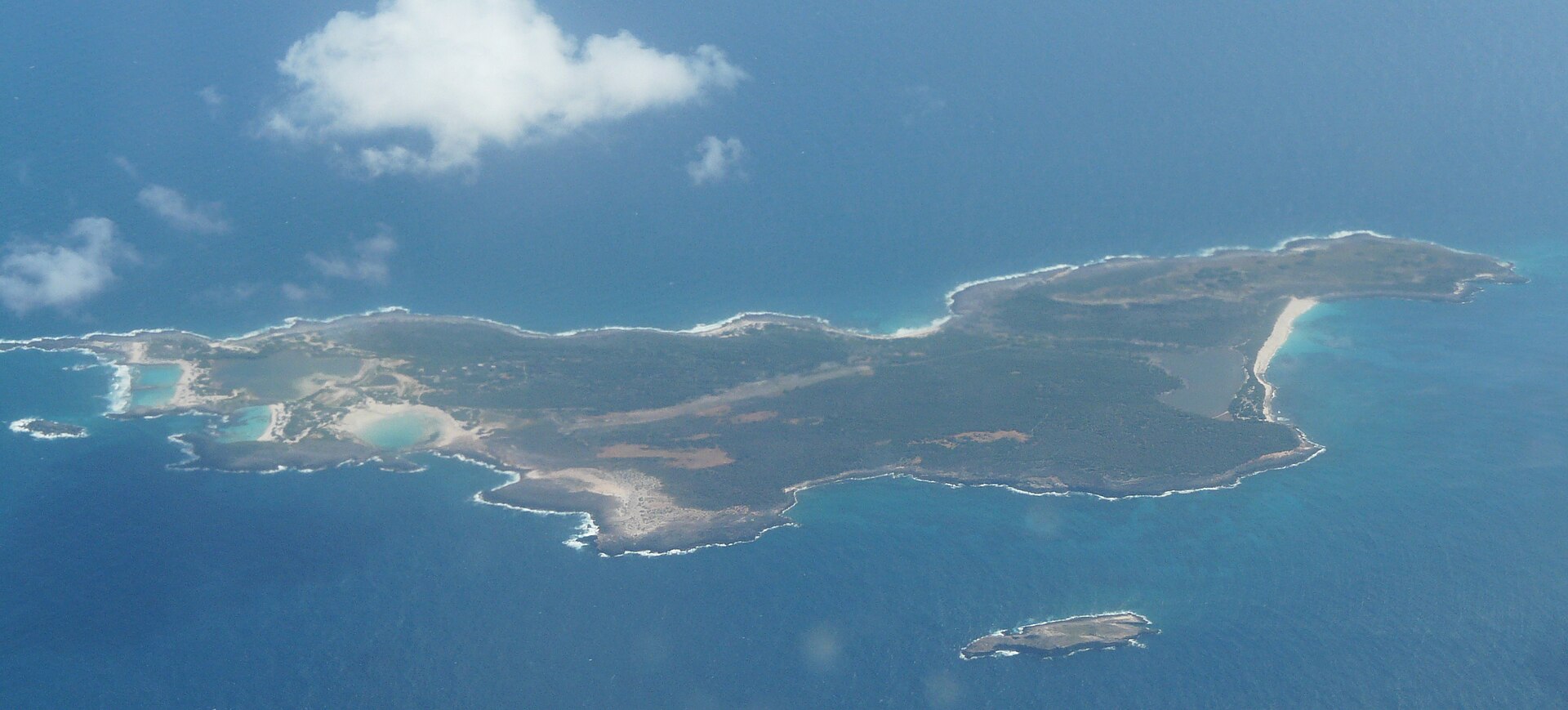
Culture
Scrub Island has no resident community, so its culture is really that of neighbouring Anguilla, a British Overseas Territory whose people have long lived with the sea in view. Fishing, boats and small-scale hospitality are part of everyday life there, and many visitors reach Scrub Island with an Anguillan boat operator who knows the channel and the water. That local knowledge is worth respecting. Beyond that, the island's cultural meaning is tied to land use and ownership. It is privately owned, it has been the subject of resort and marina proposals, and Anguillans have had a continuing conversation about how far such projects should go. Conservation is part of that conversation, because the island's breeding birds give it recognised ecological value. Visitors are guests in a debate as much as on a beach. It helps to ask local people what they think rather than assuming the island is simply empty, and to avoid treating the abandoned buildings as a playground. Politeness on Anguilla is generally unhurried: greeting people before asking a question goes a long way, and so does patience when plans change with the weather or the sea. Out on the island itself, silence is part of the experience, and loud music or shouting carries over open scrubland and water. Check with the owner or your boat operator before landing, stay on existing tracks, and keep well away from nesting birds.
What to wear
Scrub Island has no resident population and therefore no dress tradition of its own. For the wider region, Anguilla's older working clothes were practical: light cotton for heat, wide-brimmed straw hats against the sun, and rolled-up trousers for boats and shallow water. I have no reliable detail on named textiles, so it is better not to claim any. Today people on Anguilla dress in the usual warm-climate way, with cotton or linen shirts, shorts, sundresses and sandals for the daytime. Smarter, neater clothes are normal for dinner and for church, and swimwear is kept to the beach rather than worn in shops or restaurants. For a visit to Scrub Island, dress for sun, wind and rough ground. Choose a long-sleeved light shirt or a cover-up, a hat that will stay on in a breeze, and sunglasses. Reef shoes or sturdy closed sandals are better than flip-flops, since the limestone is sharp and the scrub has thorns. Bring a dry bag for phones and cameras, because the boat crossing can be wet. Swimwear is fine on the beaches, but pack a shirt and shorts for the journey back. There are no shops, so anything forgotten stays forgotten. A light layer helps on windy boat rides.
What to eat
- Grilled spiny lobster — Beach grills and seafront eateries along Anguilla's north coast
Spiny lobster, grilled over charcoal and served with rice and salad, is a classic Caribbean beach meal. Seasonal availability varies, so ask locally rather than assuming it will be on offer. Expect a relaxed, hands-on lunch eaten close to the water.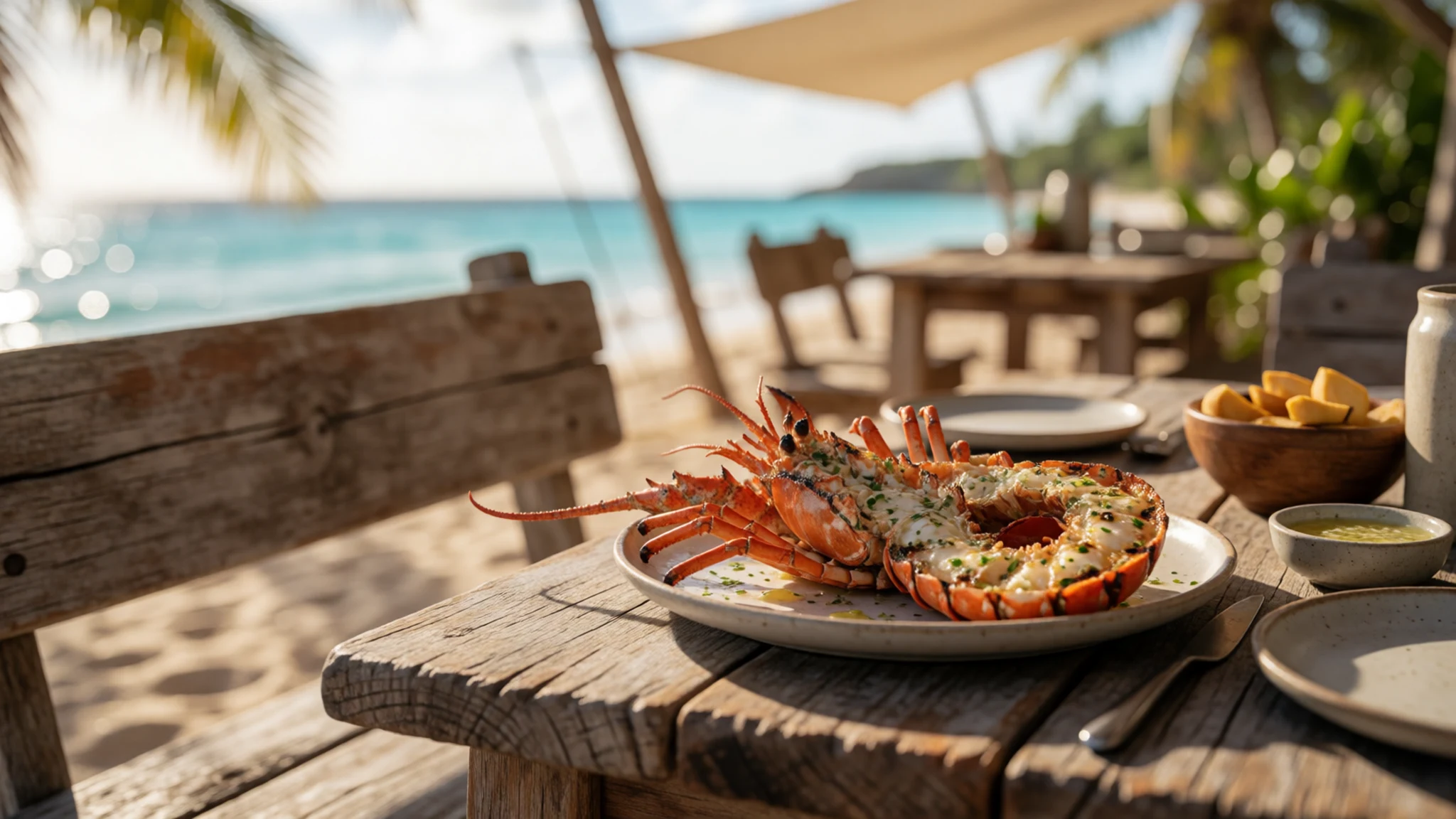
- Grilled or fried fresh fish — Fishing beaches and small waterside eateries near the boat landings
The catch of the day, usually a reef or pelagic fish, is typically grilled with lime, pepper and herbs, or fried whole. Ask what was landed that morning. It is simple cooking, and the quality rests on how recently the fish came off the boat.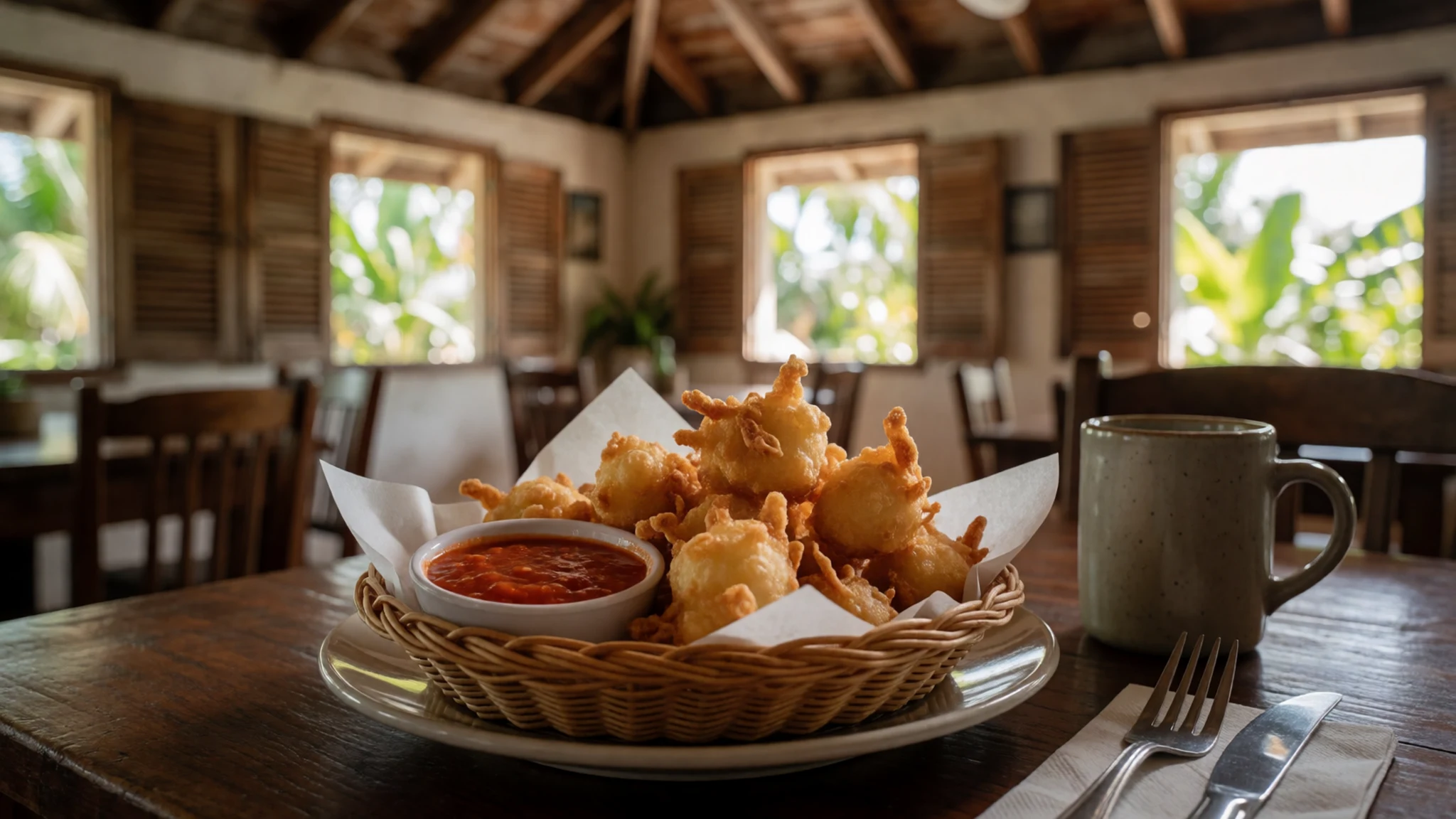
- Pigeon peas and rice — Local eateries and weekend cookouts around the island's villages
Pigeon peas cooked with rice, onion, thyme and sometimes coconut or salt meat make a staple side across the eastern Caribbean. It is filling, mild and a good companion to grilled fish or chicken. Vegetarians should ask how it was seasoned. - Johnny cakes — Bakeries, roadside stalls and home-style cafés
Johnny cakes are small fried or baked dough rounds, slightly sweet or plain, eaten with fish, saltfish or on their own as a snack. They are cheap to make and easy to share, so they turn up everywhere from breakfast tables to beach stalls. - Saltfish and vegetables — Home-style local eateries and breakfast counters
Salted cod, soaked and flaked, is cooked with onion, tomato, pepper and herbs, and served with boiled provisions or bread. It reflects the region's long reliance on preserved fish. The flavour is savoury and sharp, and it suits a hearty breakfast.
Plan it
Best time. December to April is the usual choice, since it is generally drier and less humid than the rest of the year. Summer and early autumn are hotter and wetter, with higher hurricane risk, so check forecasts and boat schedules before committing.
How long. 1
Getting there. Fly into Anguilla's Clayton J. Lloyd International Airport, or arrive by ferry from Saint Martin, then travel to the north-eastern coast. The last leg is a short boat trip across the channel of about 500 m, arranged through a local operator.
Budget. mid
Tips
- Confirm access in advance: the island is privately owned and landing may need permission
- Carry all water, food and shade, as there are no facilities on the island
- Go early in the day to avoid the strongest heat and the roughest afternoon wind
- Bring binoculars and keep your distance from nesting birds
- Check the official sources of the Anguilla tourist board for current boat and access information
Etiquette
- Do not disturb nesting seabirds, and keep to existing tracks
- Take all rubbish back with you and leave wreckage and ruins untouched
- Ask before landing, and follow any instructions from the owner or your boat operator
Nearby
Sources
- Wikidata Q2035636 (CC0)
- Wikipedia, Scrub Island, Anguilla (rev 1365225520) (CC BY-SA 4.0)
- Wikivoyage, Anguilla (CC BY-SA 4.0)
- Photo: Scrub Island - Scrub Bay, Audrey FARA et Florent JEAN (via Lythium) (CC BY-SA 1.0)
- Photo: View of the Caribbean, ISS Expedition 6, NASA (Public domain)
- Photo: Scrub Island aerial view, User:Crazyfrog (CC BY-SA 3.0 lu)
- Photo: Scrub Island (Anguilla), cropped, Benotzer:Crazyfrog (CC BY 3.0)


Wildlife
- Royal tern (animal)
The royal tern is a graceful seabird, a sort of sea-swallow that lives by the water. It belongs to the Americas, and only the odd lost wanderer ever reaches Europe, so meeting one is special. Scrub Island is recognised as a place of great importance for birds, and seabirds such as this one nest there. The notes do not say when to look, so ask locally. Keep well back, stay quiet, go with a guide if you can, and never feed them.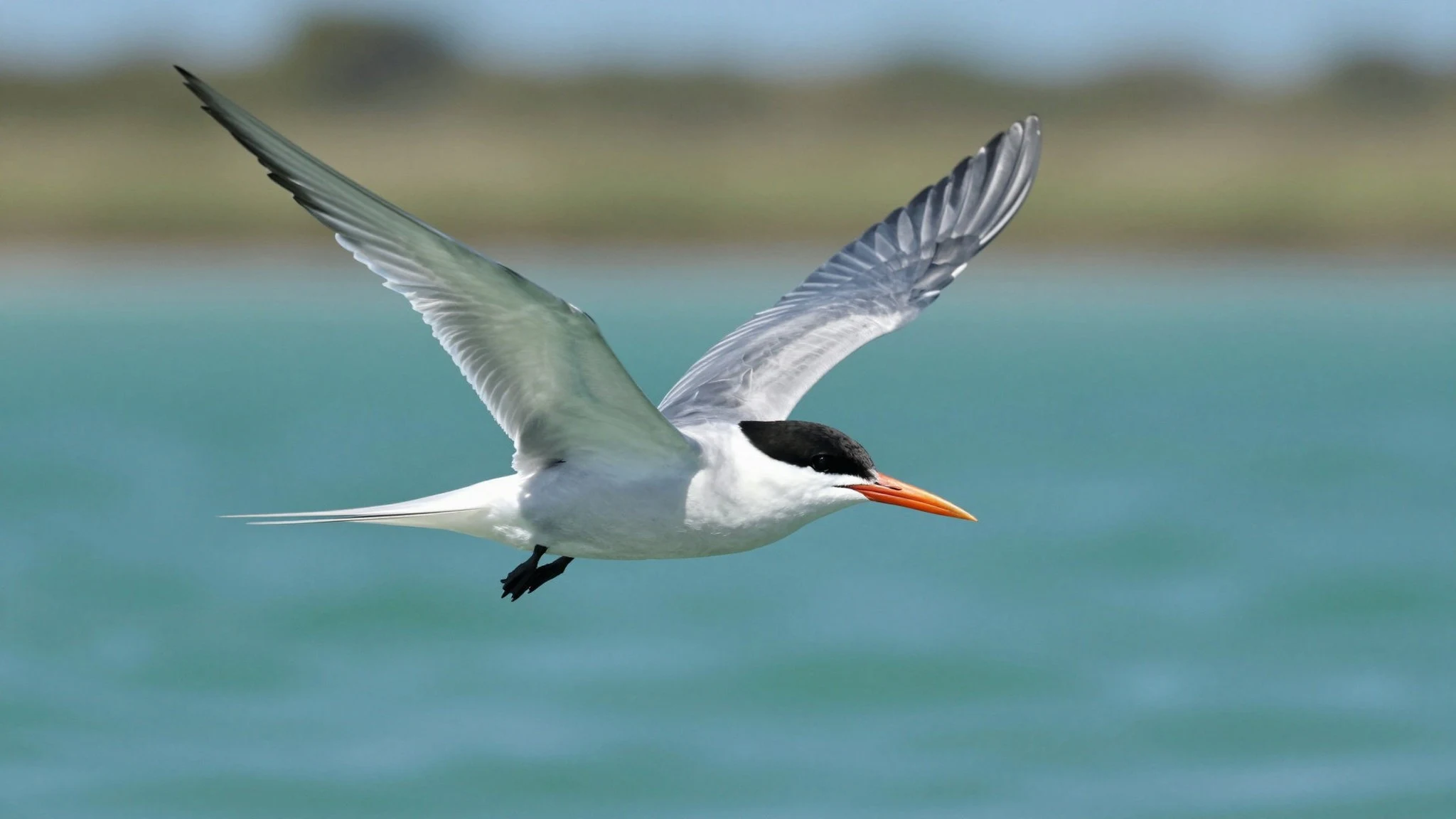
- Royal tern (bird)
The royal tern is a seabird with a regal name, a tern that spends its life around the sea. Its home is the Americas, and only rare strays turn up in Europe. On Scrub Island, which is valued as a place for birds, it is one of the seabirds that breed there. The notes do not say when it appears, so ask a local guide. Stay quietly at a distance, let it go about its business, and never feed it. - Roseate tern (animal)
Picture a slim seabird with a blush of pink on its chest: that is the roseate tern, named for its rosy breeding feathers. Scrub Island is a recognised place of importance for birds, and roseate terns nest among the seabirds there. The notes give no season or time of day, so ask local people before you set out. Watch from a respectful distance, keep your voice low, join a guide if possible, and never offer food. - Roseate tern (bird)
Remember the roseate tern as the seabird with a pink-flushed chest in its breeding finery. Scrub Island is a recognised home for birds of special importance, and these terns breed there alongside other seabirds. The notes do not give a season or hour for seeing them, so check locally before you go. Keep your distance, move and speak softly, consider a guide, and never feed them, so the nesting birds stay undisturbed.