Havasu Falls
Havasu Falls, United States
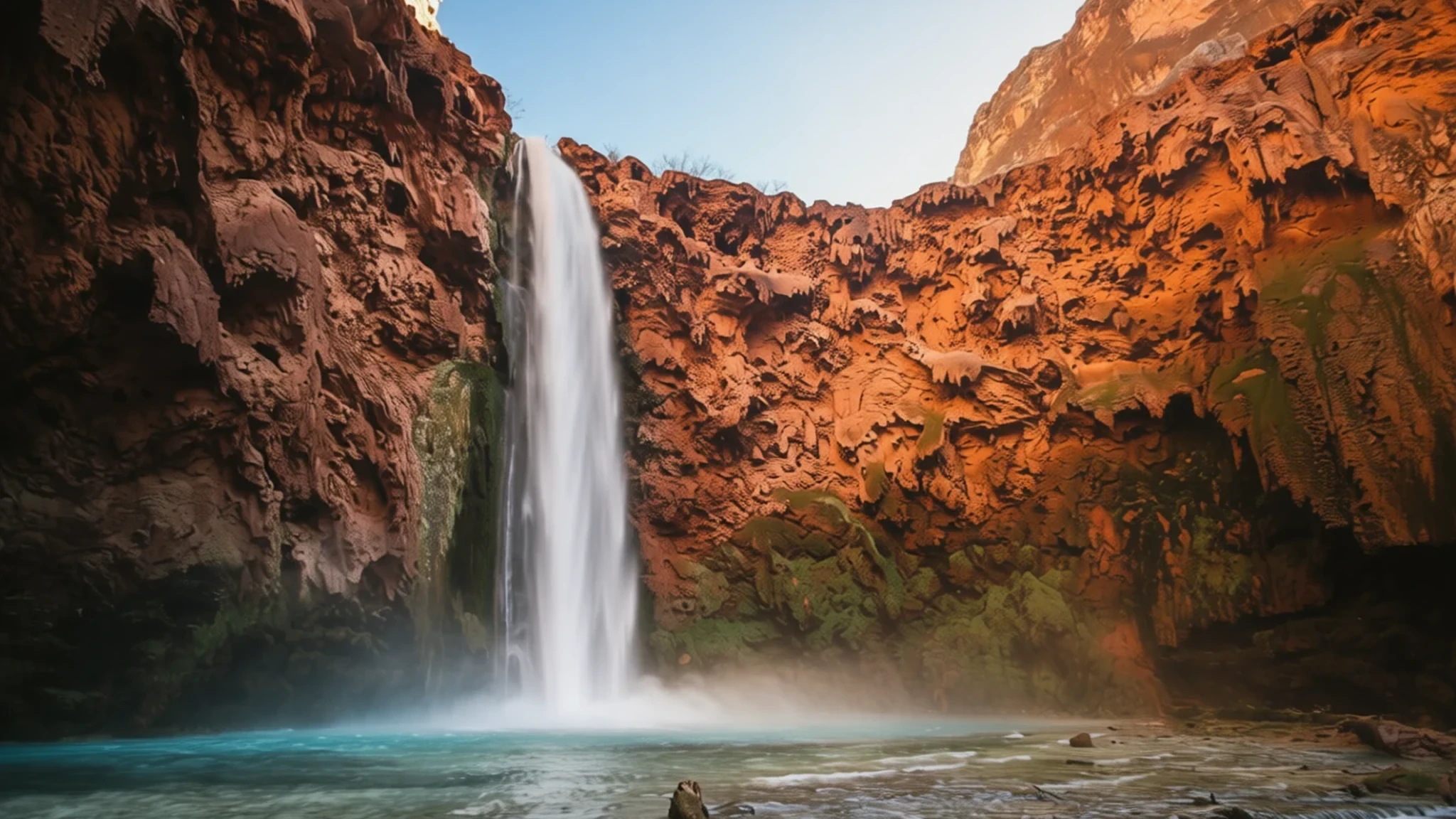
Journey deep into the Grand Canyon to discover a stunning desert oasis where vivid turquoise waters plunge over travertine ledges into azure pools.
The place
Havasu Falls is situated within the majestic expanses of the Grand Canyon in Arizona, United States. Found specifically on tribal lands belonging to the Havasupai people, whose local name for the location translates poetically to people of the blue-green waters, this remarkable waterfall stands as the most famous and widely visited cascade along Havasu Creek. The geography here feels entirely removed from the arid desert surrounding it. A single main chute drops over a vertical cliff into a succession of clear plunge pools. High concentrations of calcium carbonate dissolved in the flowing water give the stream its trademark vibrant azure hue and continuously build the natural travertine dams that terrace the canyon floor. Picnicking tables line the opposite side of the creek, and visitors frequently cross over the shallow edges of the pools to explore. It is even possible to swim directly behind the cascading wall of water and enter a small natural rock shelter tucked away right behind the falls. However, swimmers must remain cautious, as strong currents and unexpected undercurrents mean that serious accidents and unfortunate drownings have taken place here over the years. The constant geological evolution of the canyon means that flash floods frequently reshape the landscape, altering the exact appearance of the drop and its pools across decades. Reaching this remote sanctuary requires navigating a long trek across deep canyon terrain, making every glimpse of the luminous turquoise water an unforgettable reward for the determined traveller who makes the journey down into the gorge.
Its story
The history of Havasu Falls is written in the stone and water of the Grand Canyon, shaped as much by ancient communities as by sudden, violent floods. The Havasupai tribe have farmed and cared for this canyon floor for centuries, cultivating fields along the creek using sophisticated irrigation systems fed by the perennial spring waters. For generations, the landscape maintained a different character entirely. Before a major flood altered the valley, the water flowed in a broad, near-continuous sheet across the cliff edge, earning the site a completely different name among early observers who likened the misty curtain to bridal veils. In nineteen ten, a massive volume of rushing water carved a distinct new notch through the rock face, transforming the broad sheet into the single focused stream seen today. Subsequent floods over the decades have continued to alter the geography, shifting the main channel slightly to the right and reshaping the travertine terraces that catch the falling stream. These geological shifts demonstrate the dynamic, living nature of the canyon environment, where stone is constantly carved and redeposited by mineral-rich currents. Visitors walking past the ancient travertine formations are treading upon a delicate mineral sculpture built molecule by molecule over centuries. The resilience of the Havasupai community, who have protected these sacred waters through countless seasonal changes and environmental shifts, forms the true heart of the canyon story, binding human heritage permanently to the flowing blue-green stream.
What to see
- Main Chute and Plunge Pools — Havasu Creek corridor
Marvel at the dramatic single main stream dropping over the vertical cliff face into a series of brilliant turquoise plunge pools. High calcium carbonate levels create the striking blue-green colour and form extensive travertine terraces. Visitors often enjoy swimming across the shallow pool edges to picnic on the opposite banks or venture behind the rushing water curtain to explore the hidden rock shelter.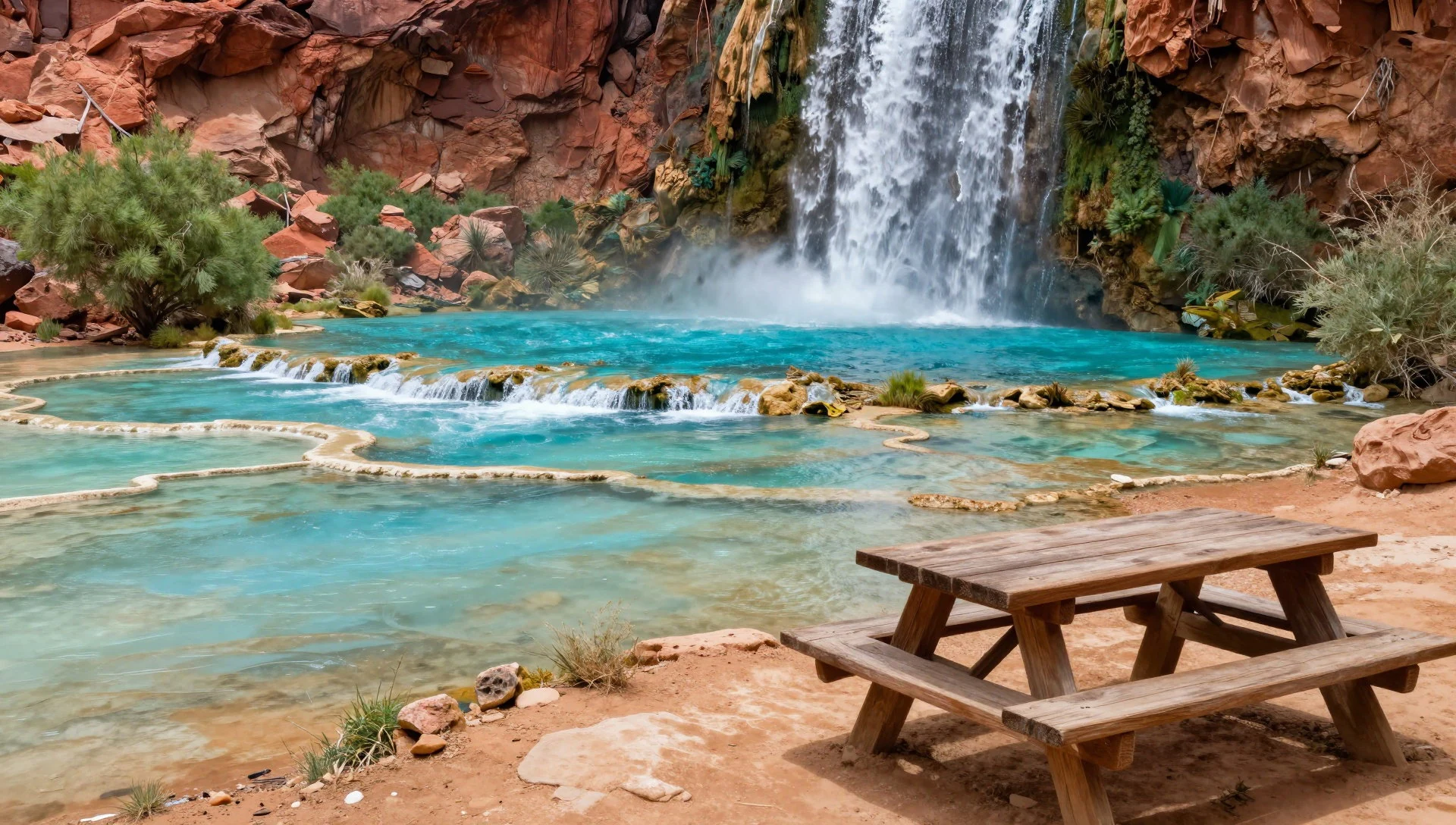
- Havasupai Village — Supai settlement
Explore the remote settlement where the Havasupai people live and manage access to the canyon lands. The village features a local cafe and general store supplying basic provisions to weary hikers after their long trek across the desert. It serves as the administrative heart of the reservation and the community responsible for safeguarding the fragile watershed.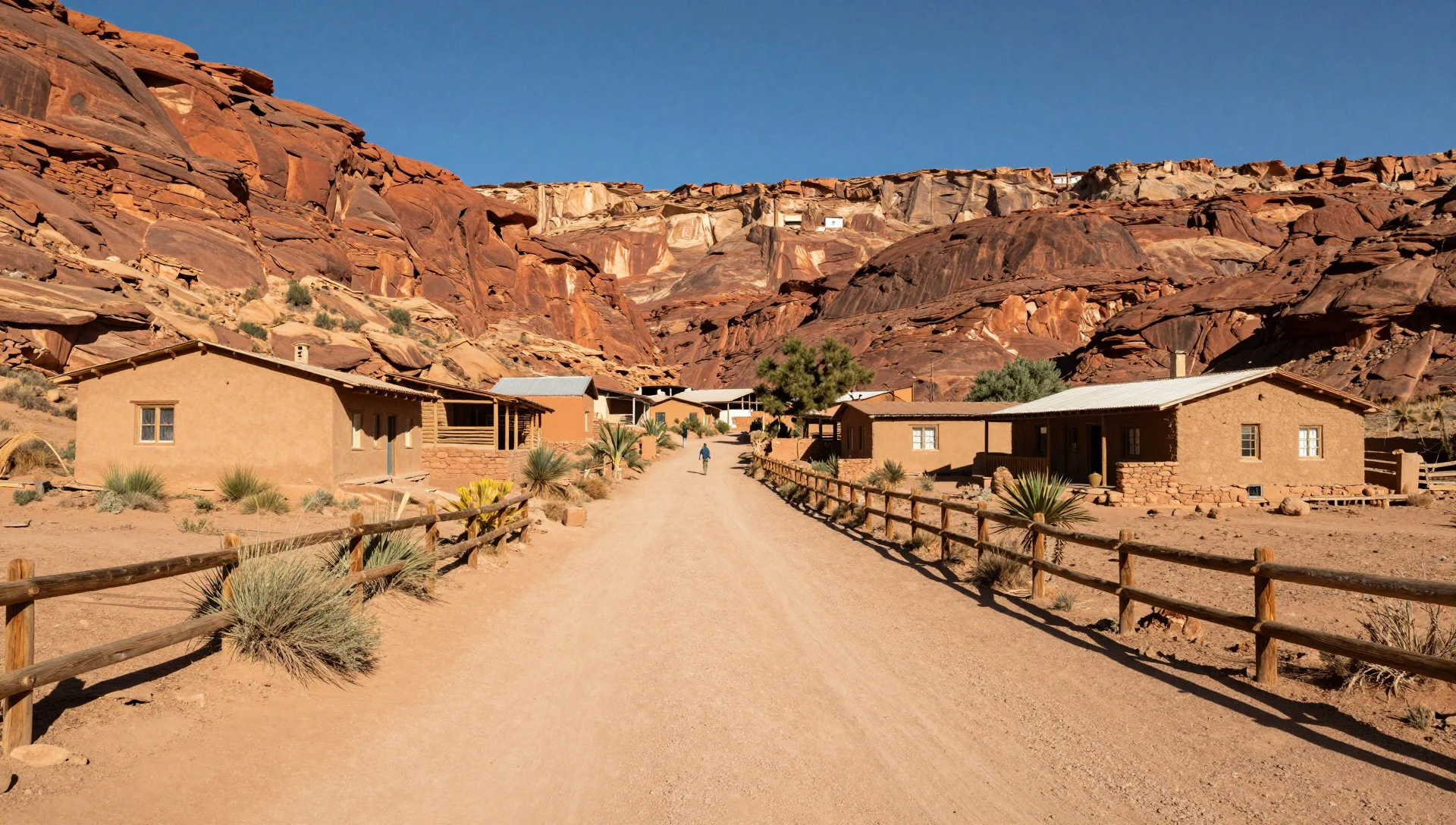
- Havasu Creek Campground — Along the creek below the falls
Rest your legs at the extensive camping area stretching along the shaded banks of the turquoise creek beneath towering cottonwood trees. This rustic site offers picnic benches and direct access to the stream for cooling off after a hot day of exploring the canyon trails. Campers must pack all equipment carefully and respect the natural surroundings.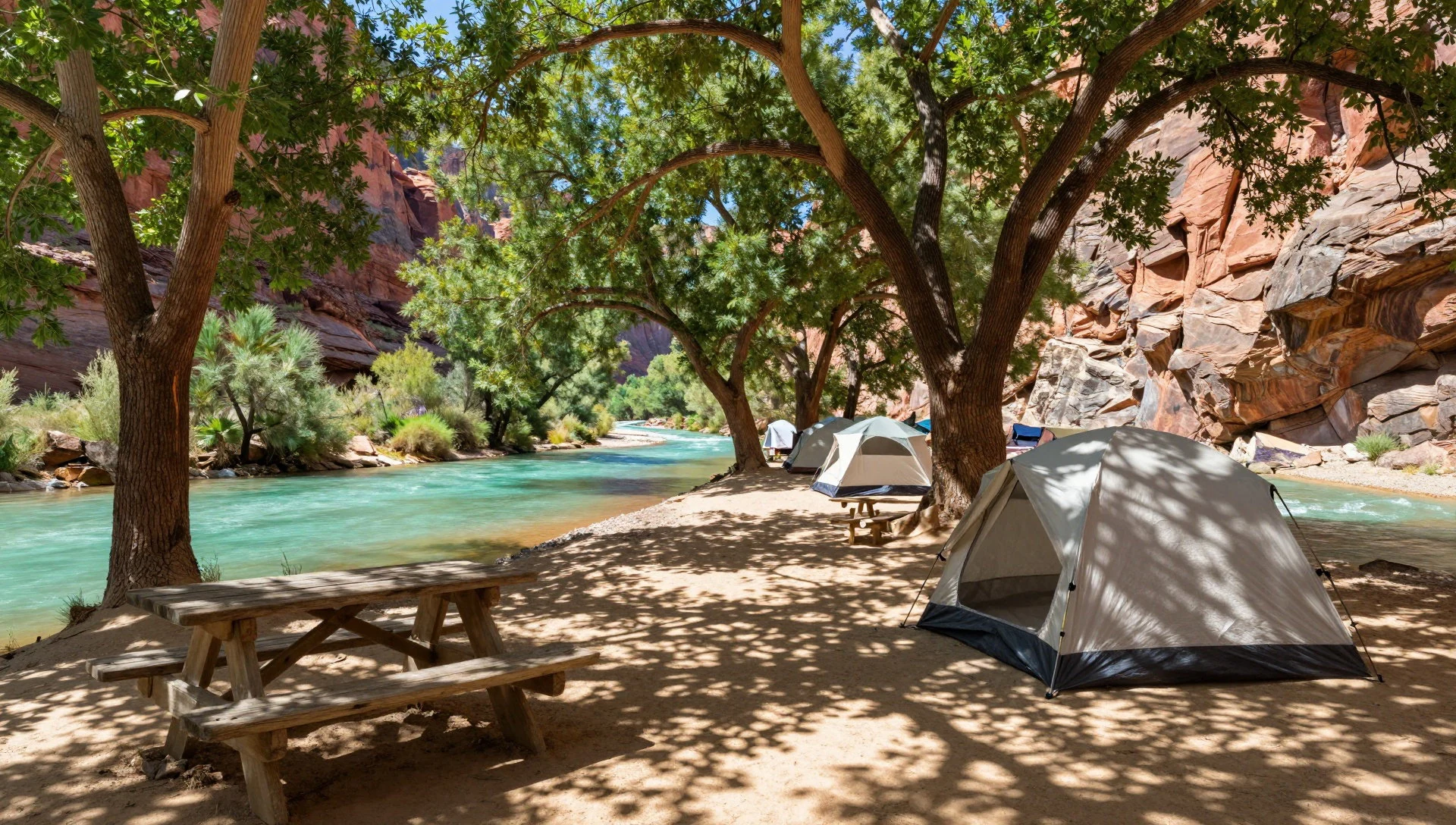
- Travertine Formation Pools — Surrounding Havasu Creek
Examine the delicate natural dams and mineral terraces built up by calcium carbonate deposits along the edges of the creek and pools. These intricate structures form natural wading basins and sculpt the riverbed into a series of stunning azure steps. Visitors must tread very carefully across these fragile ledges to protect the ancient mineral formations.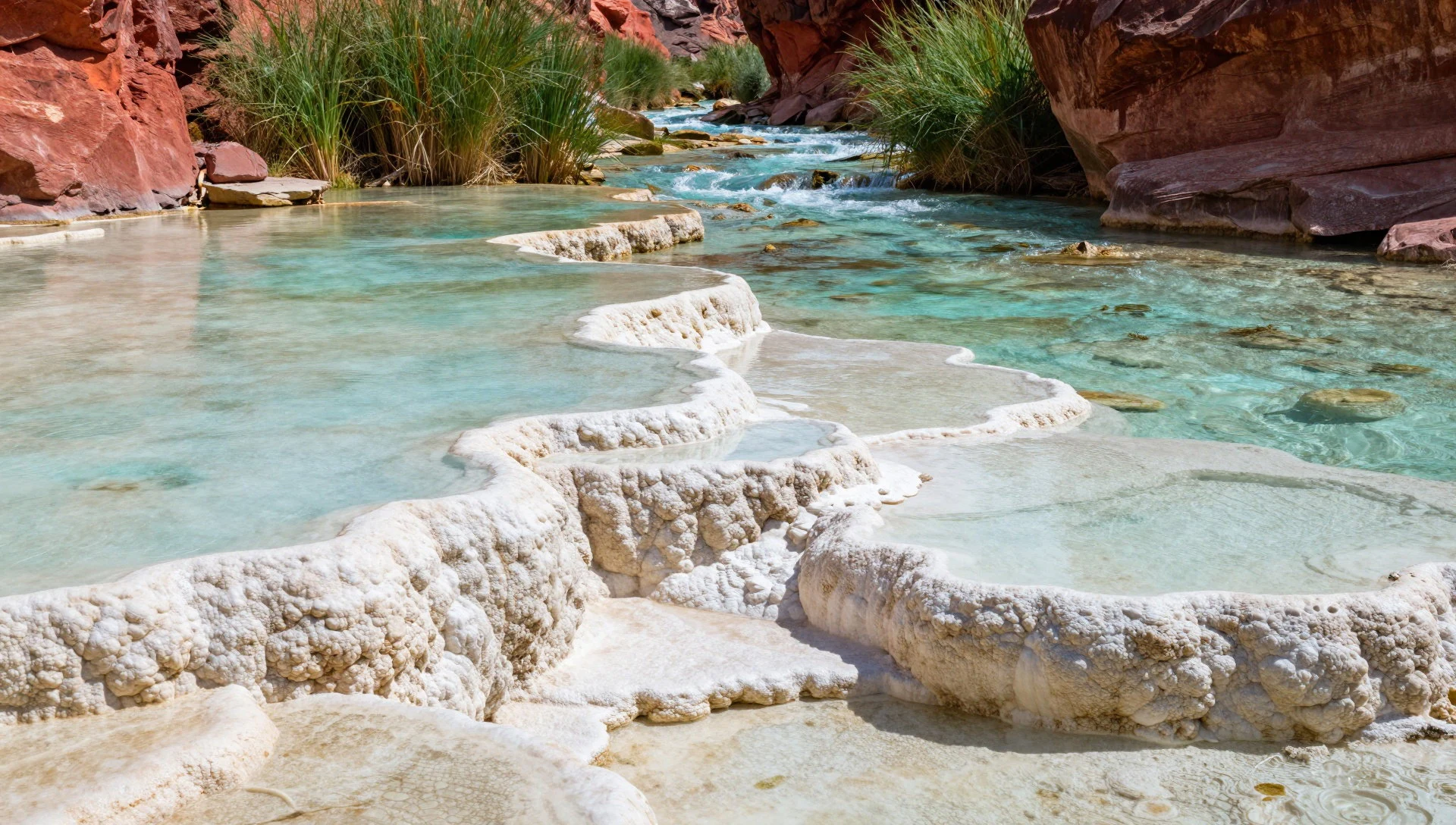
- Hualapai Hilltop Trailhead — Plateau rim above the canyon
Begin or conclude your canyon adventure at this windswept staging point perched at the edge of the plateau. The parking area marks the start of the long desert trek down into the gorge towards Supai village. Essential preparation takes place here, as no drinking water is available from this point forward along the route.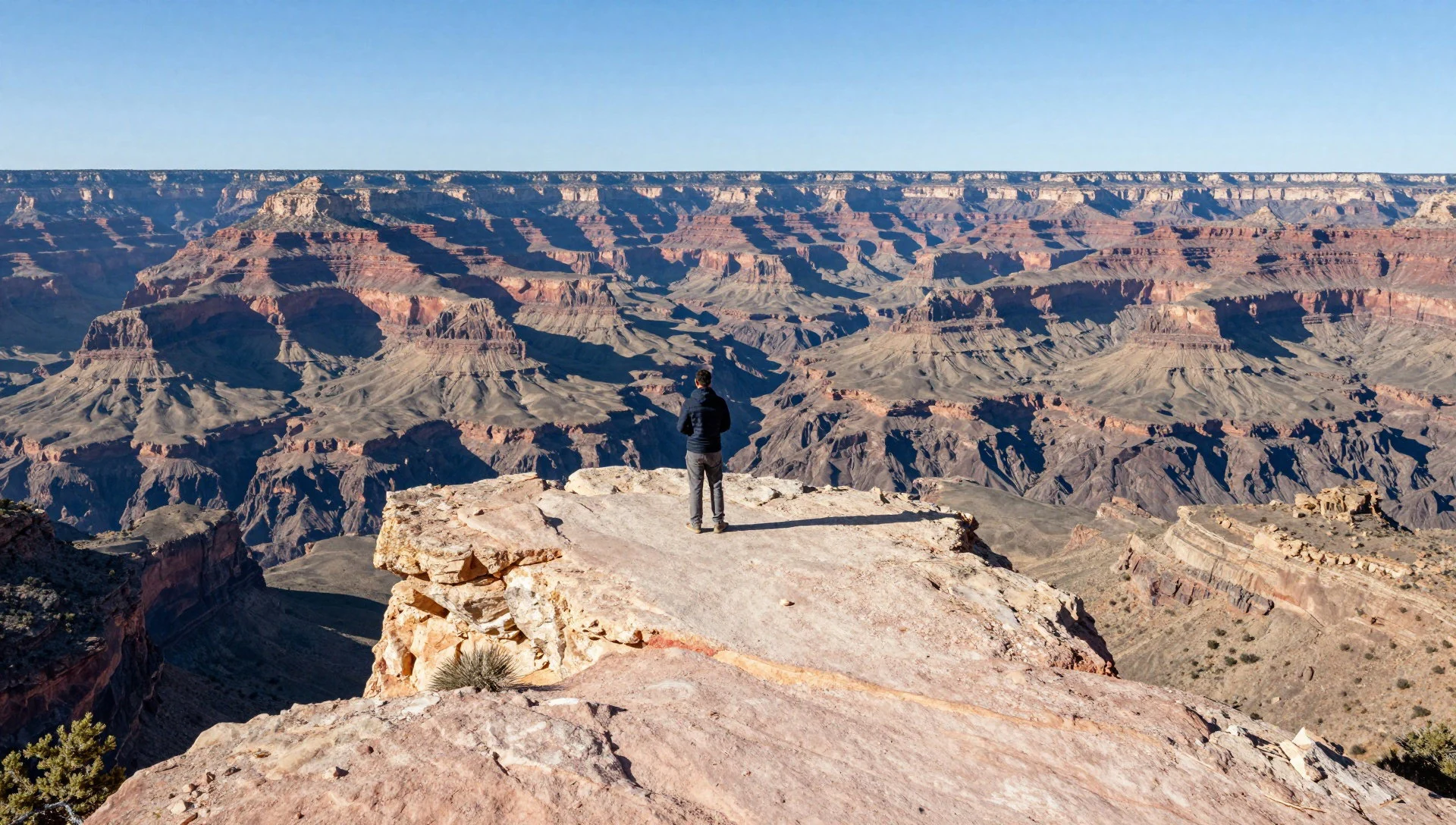
Culture
The cultural fabric of Havasu Falls is inseparable from the Havasupai tribe, who have served as the traditional stewards of this remarkable canyon environment for generations. Their identity, language, and social customs are deeply rooted in the preservation of the life-giving waters that sustain their remote community. Visitors entering this sovereign tribal land are stepping into a living homeland rather than a standard public park, making respectful engagement essential for a meaningful experience. The community places immense value on protecting the natural purity of the creek, which is viewed with deep reverence. Traditional craftwork, basketry, and oral histories reflect a profound connection to the surrounding red rock cliffs and mineral-rich streams. Travellers should always maintain an attitude of quiet appreciation, recognising that they are guests within a protected indigenous reservation where sacred traditions continue to thrive despite the challenges of modern isolation. Always ask for explicit permission before photographing local residents or traditional cultural activities within the village.
What to wear
Traditional clothing among the Havasupai historically utilised natural materials gathered from the canyon environment, including durable animal hides and plant fibres crafted to withstand the rugged terrain and warm desert climate. Modern residents dress in practical, contemporary casual wear suited for daily life, ranching, and community administration within the remote settlement. For visitors tackling the demanding hike down into the gorge, functional outdoor attire is absolutely essential rather than a stylistic choice. Sturdy, broken-in hiking boots with reliable grip are necessary to navigate the steep, rocky switchbacks and loose gravel along the trail from the plateau rim. Lightweight, breathable layers that protect against intense sun exposure during the day are recommended, along with a warm fleece or jacket for chilly desert nights in the canyon. Swimwear and quick-drying garments are useful for enjoying the turquoise pools, while a sturdy hat and sunglasses help guard against the harsh glare reflecting off the canyon walls. Modest casual clothing should be worn when walking through Supai village out of respect for local community standards.
What to eat
- Supai Cafe Basic Fare — Supai village centre
Enjoy simple, comforting hot meals and classic diner dishes prepared at the local gathering spot located right within Supai village. It offers a welcome chance for hikers to sit down, socialise, and enjoy a warm plate of food after completing the long trek from the plateau.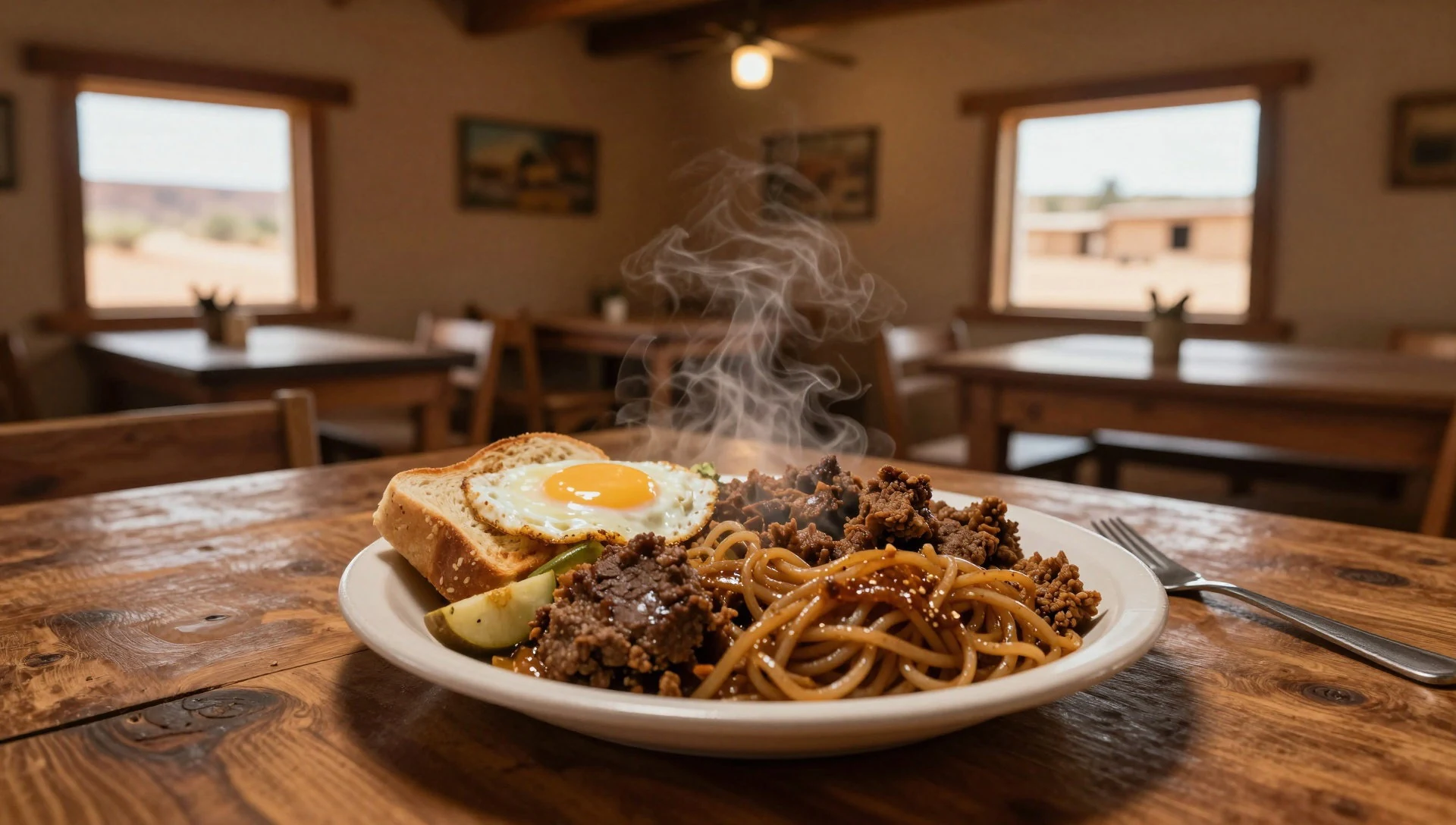
- Trailhead Energy Snacks — Brought from home or local provisions
Pack high-calorie dried fruits, nuts, and portable protein bars before setting off from the parking area to maintain stamina during the demanding eight-mile descent into the canyon. Carrying nutrient-dense snacks is vital for sustaining energy levels across the rugged desert terrain.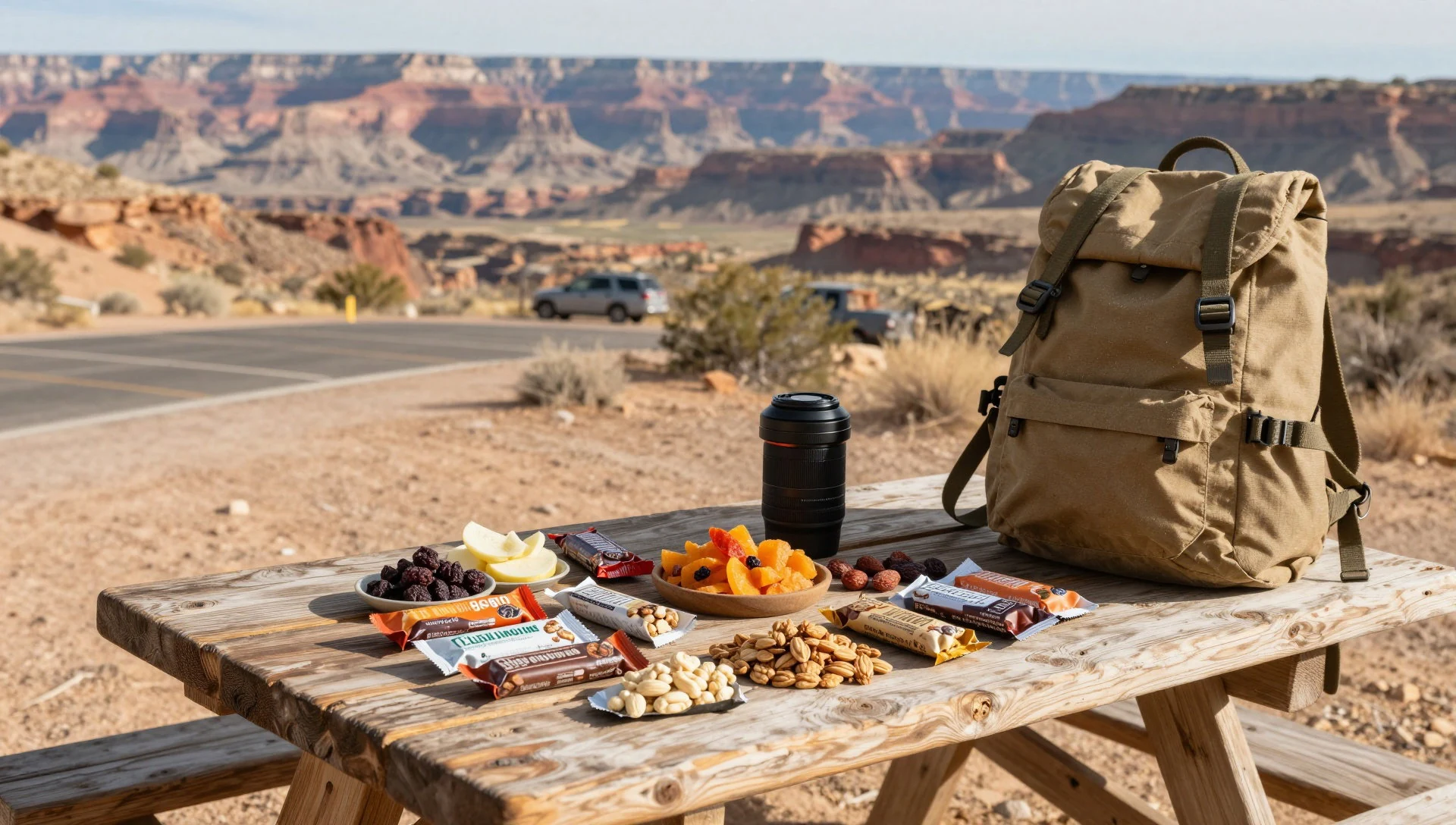
- General Store Provisions — Supai village marketplace
Browse the shelves of the community store in Supai village to pick up basic canned goods, packaged snacks, and bottled beverages to supplement your supplies during your stay in the canyon. It serves as the primary retail hub for all visiting hikers and campers. - Hydration Electrolyte Mixes — Carried in personal packs along the trail
Prepare your water supply by adding essential electrolyte powders to replace salts lost through heavy perspiration during the strenuous desert hike under the baking sun. Proper hydration management is critical for staying safe in the arid canyon climate. - Campground Simple Rations — Havasu Creek campground
Prepare lightweight, easy-to-cook camping meals over a portable stove at your tent site beneath the canyon cottonwoods as evening settles over the creek. Simple dried meals and hearty pasta dishes provide comforting sustenance after a full day of swimming and exploring.
Plan it
Best time. Spring (March to April) and autumn (October to November) offer the most comfortable daytime hiking temperatures, avoiding the extreme summer heat of the canyon.
How long. 3–4
Getting there. Drive to Hualapai Hilltop parking area at the end of the access road, then complete the eight-mile hike (thirteen kilometres) down into the canyon to Supai village.
Budget. mid
Tips
- Bring all your drinking water with you from the start, as there is no accessible water along the trail from the parking lot to Supai village.
- Secure all required permits and reservations well in advance through the official tribal channels before attempting any travel to the area.
- Start your hikes in the cool early morning hours to avoid the dangerous midday desert heat reflecting off the canyon walls.
- Pack out all your rubbish and leave no trace to protect the pristine environment of the fragile watershed.
- Carry sufficient cash or payment cards for any village purchases, though advance online booking is mandatory for entry.
Etiquette
- Always ask for explicit permission before taking photographs of local residents or community members.
- Respect all tribal regulations, restricted zones, and sacred cultural sites throughout the canyon.
Nearby
Sources
- Wikidata Q5683183 (CC0)
- Wikipedia (CC BY-SA 4.0)
- Photo 01-new-havasu-falls.jpg (CC BY 3.0)
- Photo 02-bridal-veil-falls-havasu-canyon-grand-canyon-ca-1900.jpg (Public domain)
- Photo 03-havasu-creek-campground.jpg (CC BY-SA 4.0)
- Photo 04-00191-grand-canyon-historicgrand-canyon-historic-grand-canyo.jpg (CC BY 2.5)
- Wikivoyage (CC BY-SA 4.0)


