Sardis
Sardis, Turkey
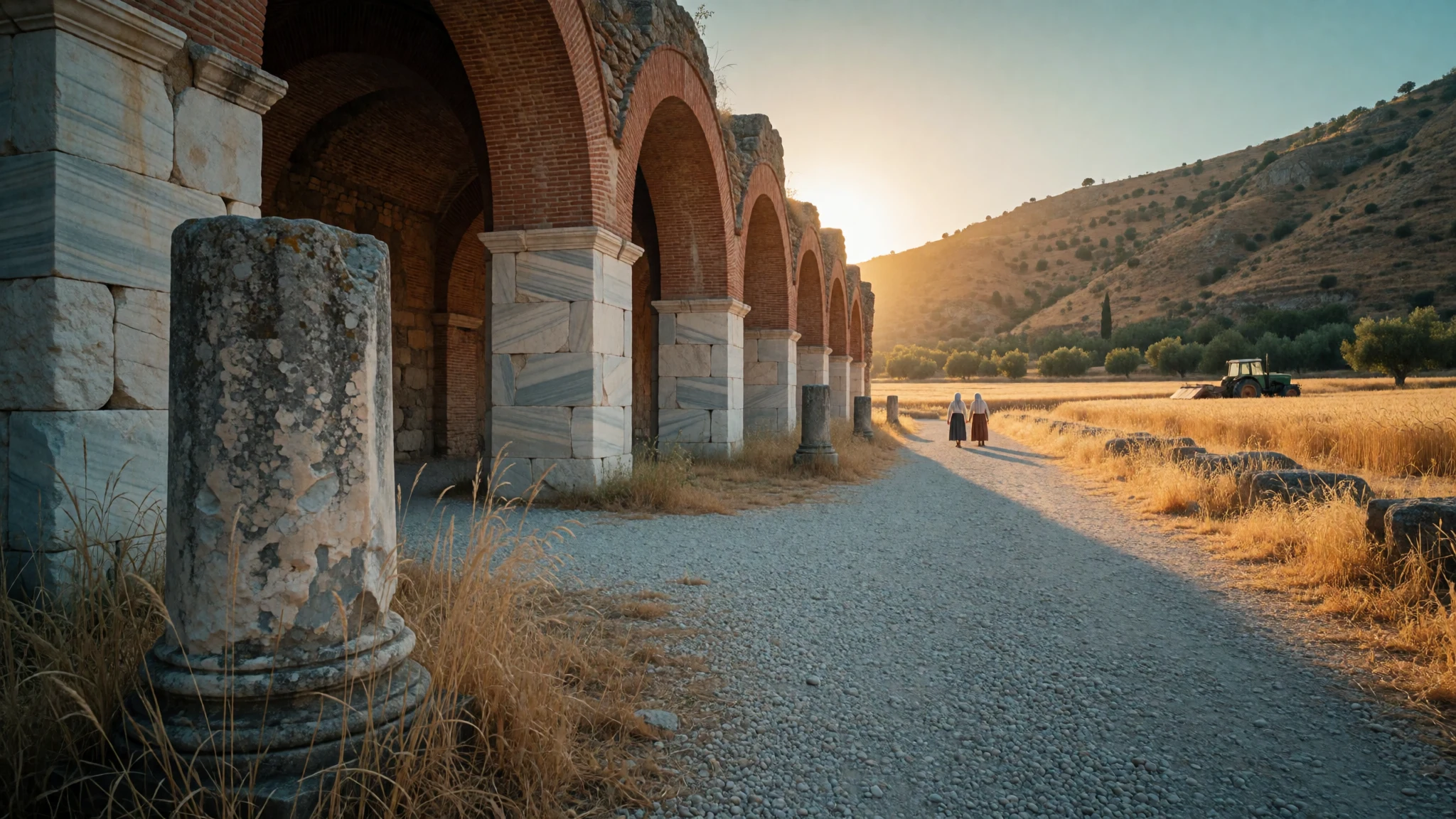
Sardis offers travellers a quiet journey through the monumental ruins of ancient Lydia, from grand Roman baths to Hellenistic temples.
The place
Sardis sits quietly in the Hermus River Valley of western Anatolia, resting near the modern Turkish village of Sart in the Manisa province. Travellers arriving from İzmir find the archaeological site positioned just off the main highway, presenting a striking contrast between rural village life and colossal classical ruins. The ancient settlement grew up along the foot of steep Mount Tmolus, stretching down towards the Pactolus stream where ancient streams famously carried alluvial gold. Today, this protected zone offers an unhurried encounter with layered Mediterranean history, far removed from the dense crowds of Turkey's major coastal resorts.
The layout of Sardis covers a wide valley floor and rising hillsides, meaning visitors should expect to walk across uneven earth and gravel paths between the primary excavation sectors. The backdrop of high ridges and agricultural fields gives the ruins a meditative atmosphere, particularly in the shoulder seasons when wildflowers bloom across the ancient terraces. Because the modern settlement of Sart is small and primarily agricultural, the surrounding landscape retains an open, pastoral character that lets the scale of the classical architecture sink in without urban interference.
Its story
Sardis has witnessed more than three and a half millennia of human occupation, shifting continuously between imperial capital, provincial hub, and quiet rural hamlet. Ancient traditions recorded by Herodotus attribute the founding of Sardis to the early sons of Heracles, launching centuries of legendary rule by dynasties such as the Mermnades, whose final monarch, the fabulously wealthy King Croesus, minted the ancient world's first pure gold and silver coins.
Following the collapse of the Lydian kingdom under Persian conquest, Sardis transitioned into a strategic satrapy administrative centre, eventually evolving through Hellenistic and Roman periods into a flourishing cosmopolitan city. It later served as a prominent Christian centre and a vital frontier town in the Byzantine era, before enduring centuries of gradual decline following regional earthquakes, floods, and shifting trade routes. Throughout its long history, the settlement also captured the imagination of later writers, appearing as the military campsite of Brutus and Cassius in William Shakespeare's Julius Caesar. Today, ongoing archaeological excavations continue to unearth the intricate layers of this remarkable Anatolian crossroads, revealing how successive civilisations rebuilt upon the foundations of their predecessors.
What to see
- Bath-Gymnasium Complex — Main archaeological site
Sardis features a remarkably vast Roman bath and leisure complex with partially reconstructed marble walls and soaring archways. Visitors can explore the impressive changing rooms, exercise courtyards, and the remains of an ornate ancient synagogue adorned with intricate mosaic floors that reflect the city's diverse cultural history.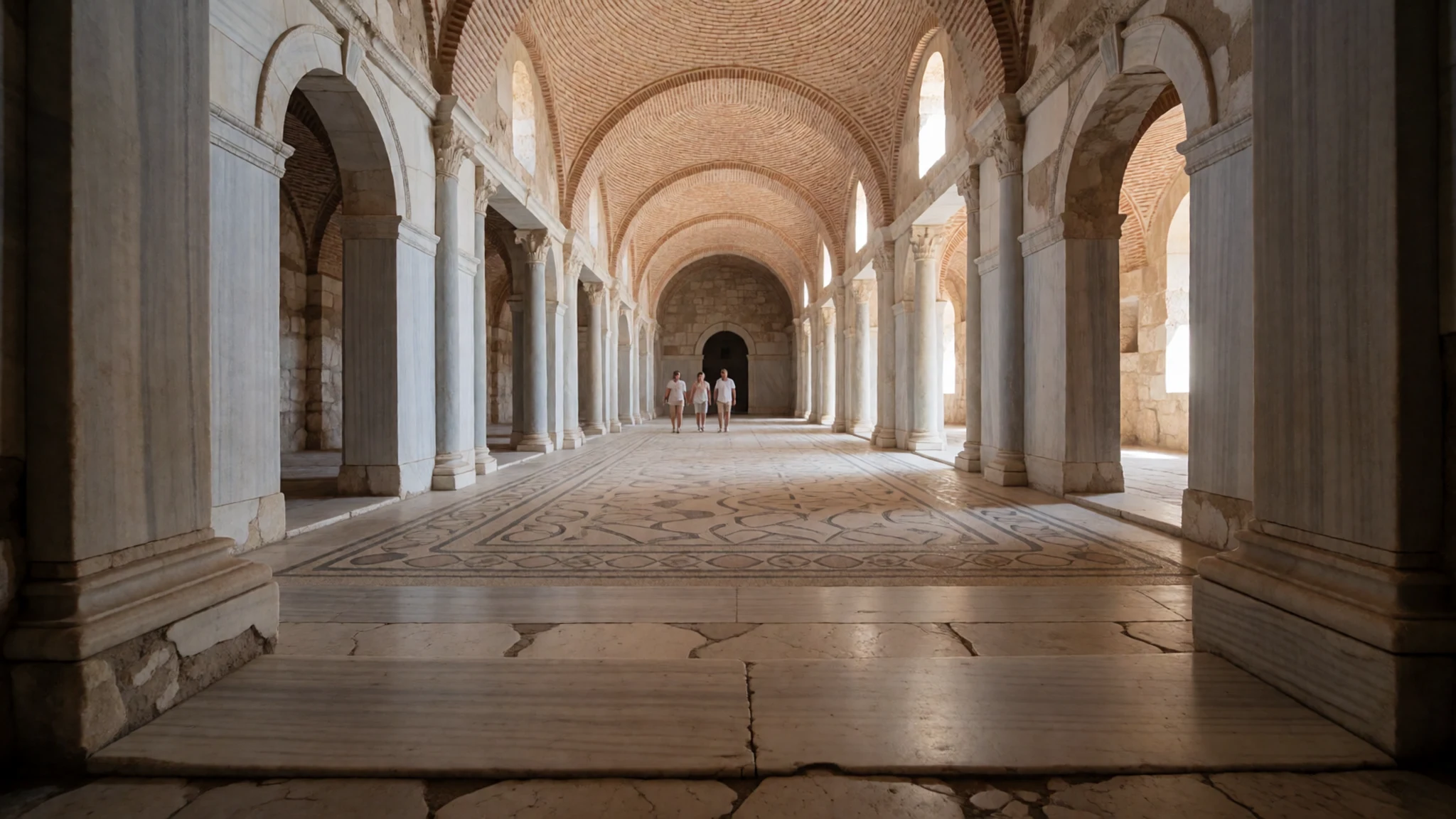
- Temple of Artemis — South of the main highway
Sardis preserves the monumental remains of the Temple of Artemis, a grand Hellenistic structure featuring colossal Ionic columns. Although construction began centuries before the common era, the temple remained unfinished and later underwent extensive Roman repairs following severe regional earthquakes and river floods.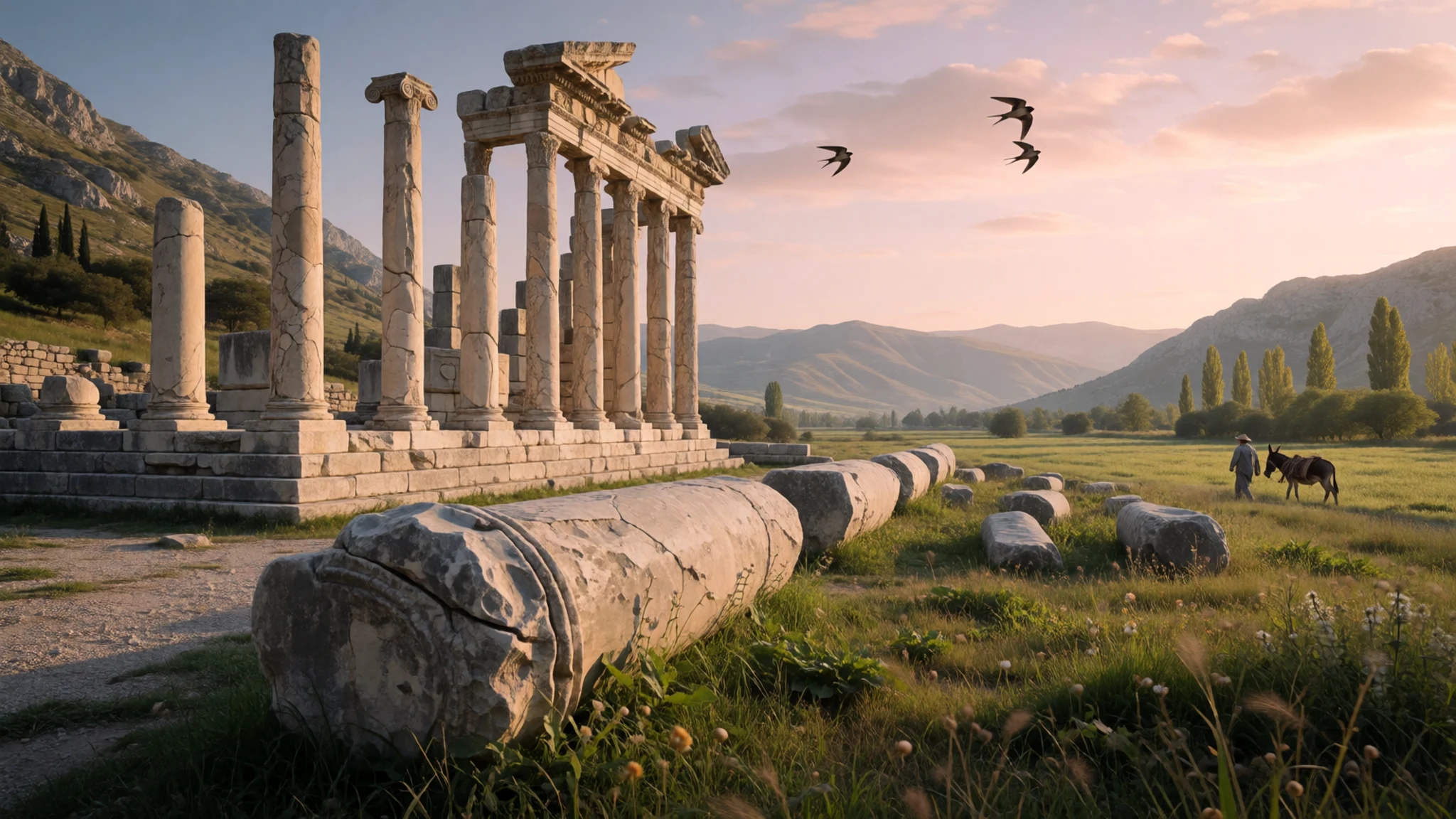
- Byzantine Shops — Adjacent to the Gymnasium
Sardis displays excavated rows of commercial storefronts operating directly against the walls of the great gymnasium complex. These modest merchant spaces offer a fascinating look into the everyday economic life of late antiquity, complete with stone counters, storage jars, and hearths left behind by tradespeople.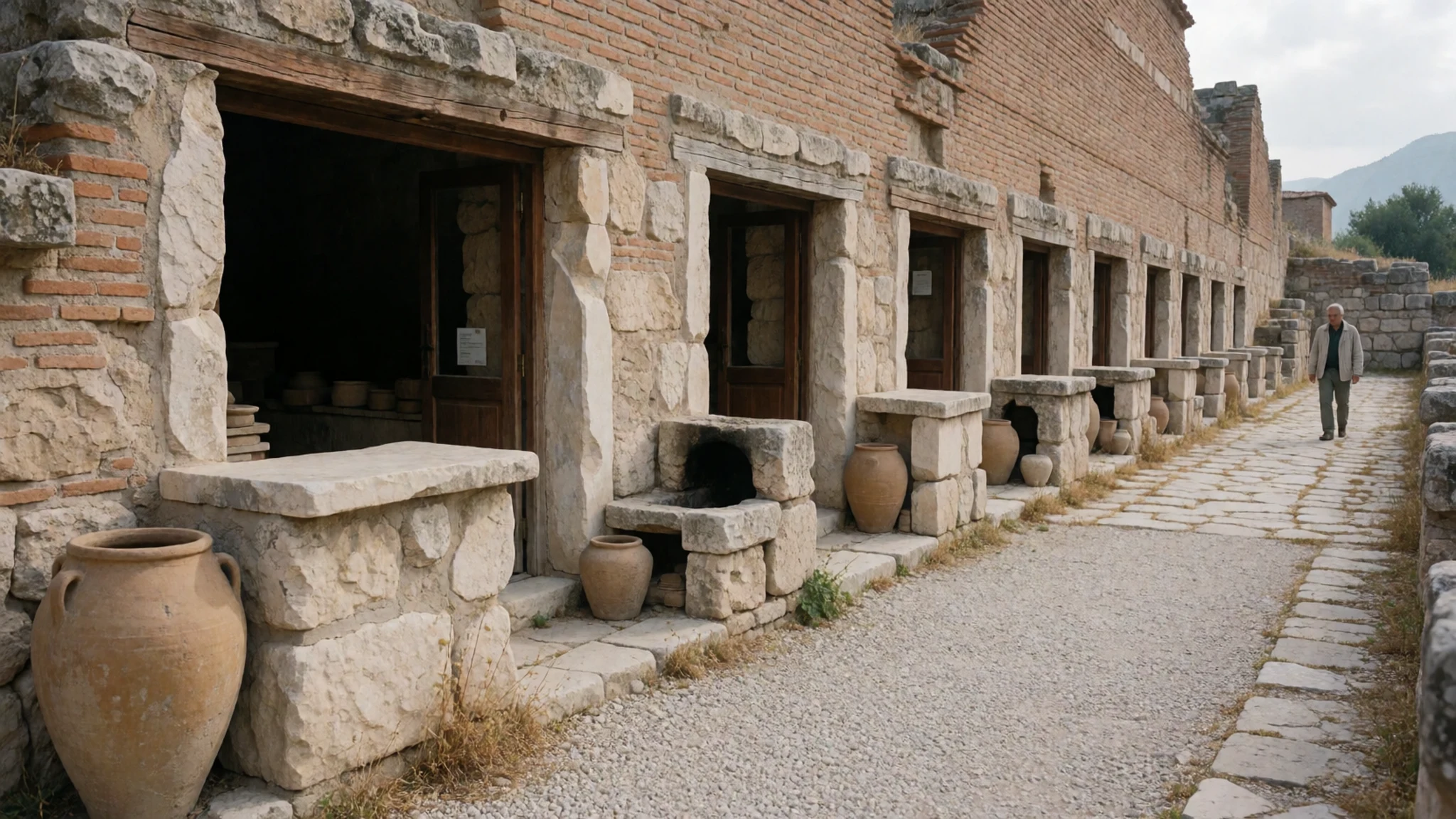
- Acropolis Castle — Mount Tmolus ridge
Sardis invites adventurous travellers to climb the rugged, tumbledown citadel ruins perched high above the valley floor. While the fortifications are largely ruined, the steep uphill trek rewards visitors with sweeping panoramic views across the entire Hermus River Valley and the surrounding agricultural plains.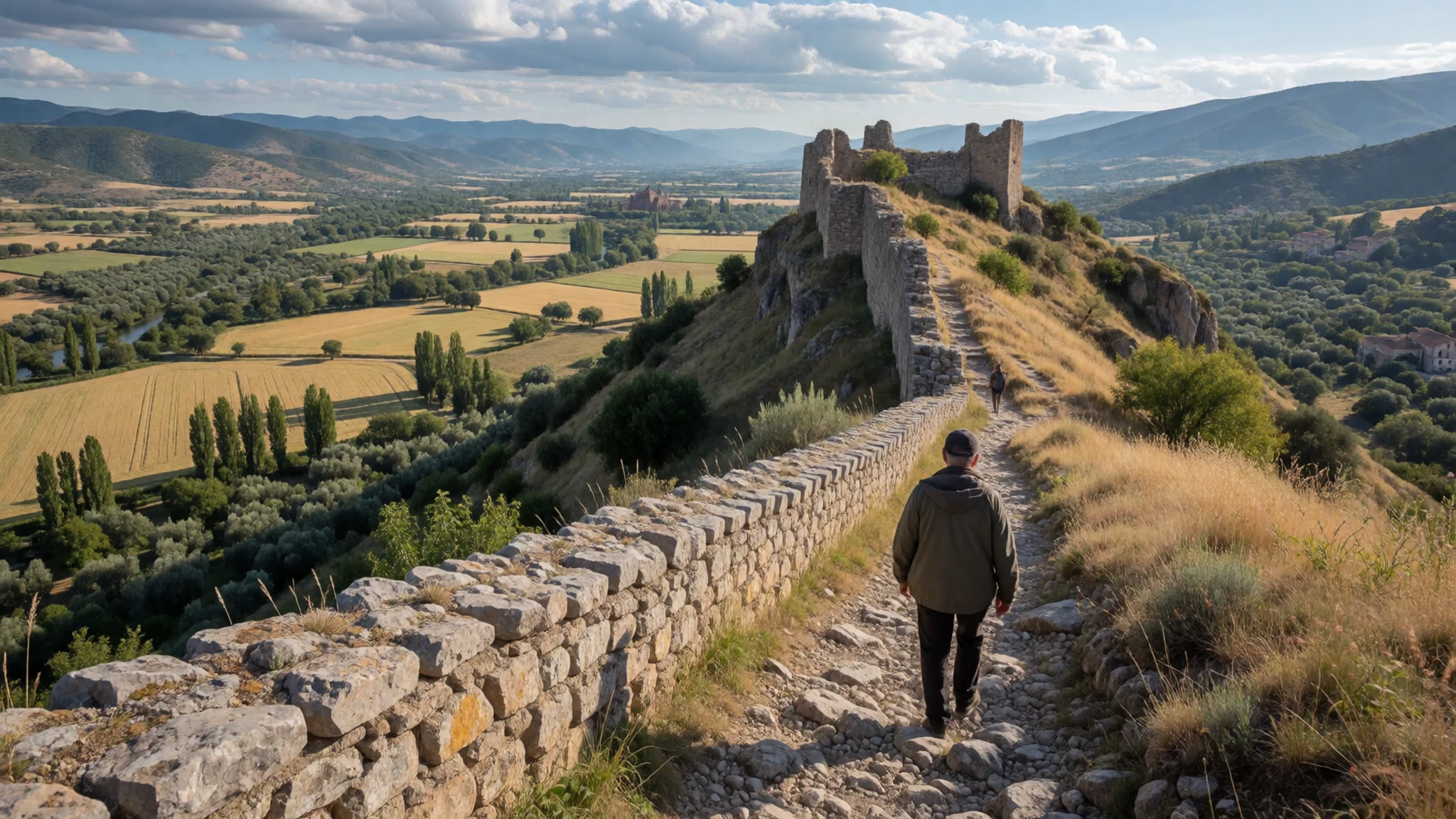
- Lydian Tumuli at Bin Tepe — North of the Hermus River Valley
Sardis is linked to the vast royal cemetery of Bin Tepe, where dozens of monumental earthen burial mounds dot the undulating landscape. These ancient royal tombs rise like green hills across the plateau, standing as silent testaments to the supreme power and wealth of Lydian kings.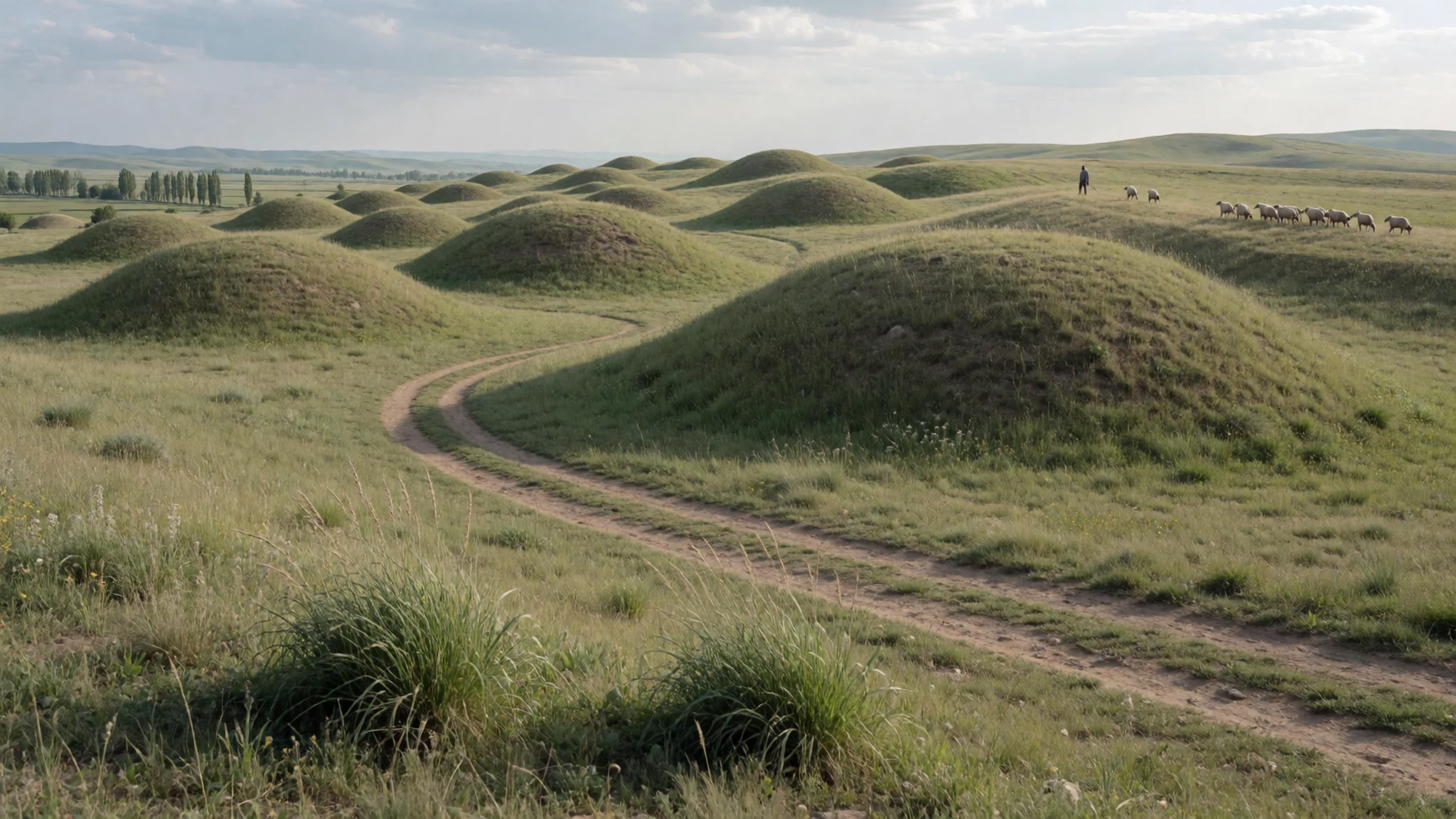
Culture
Sardis is embedded within the warm, hospitable culture of rural western Turkey, where local life moves at an unhurried, agricultural pace distinct from the bustling coastal tourism hubs. Residents in the nearby village of Sart maintain traditional Aegean customs, greeting visitors with customary hospitality, often offering a glass of black tea in open-air tea gardens while sharing local news. Traditional crafts such as carpet weaving and pottery have deep historical roots here, echoing techniques practiced since antiquity. Community gatherings often centre around local mosques, weekly markets, and tea houses where neighbours catch up under the shade of plane trees. Visitors will find that a polite greeting in Turkish, such as merhaba, immediately opens doors and warms interactions. Dress modestly when exploring village areas, ensuring shoulders and knees are covered out of respect for local conservative norms.
What to wear
Sardis and the surrounding Manisa province reflect the blend of modern Turkish casual wear and traditional rural attire found across western Anatolia. Older residents in Sart village frequently wear traditional regional garments, including headscarves and layered cotton trousers, while younger generations dress in practical, contemporary European-style clothing suited for everyday farm work and travel. Traditional Turkish textiles, particularly high-quality regional cottons and woven wools, remain central to local crafts and home furnishings. For travellers exploring Sardis, practical comfort is essential: lightweight, breathable fabrics are necessary to handle regional summer heat, while sturdy walking shoes or trainers are vital for navigating uneven archaeological terrain, dusty stone paths, and gravel tracks. Visitors should also pack a light jacket or scarf for cooler evening breezes coming down from the Tmolus mountains, and always carry a hat and sunscreen for protection against the open sun at exposed ruins.
What to eat
- Kardeşler Lokantası — Sart village centre
Sardis travellers can enjoy hearty, traditional Turkish homestyle cooking at this welcoming establishment located right in Sart village, making it the most reliable option for a sit-down meal featuring daily stewed dishes, rice, and fresh salads.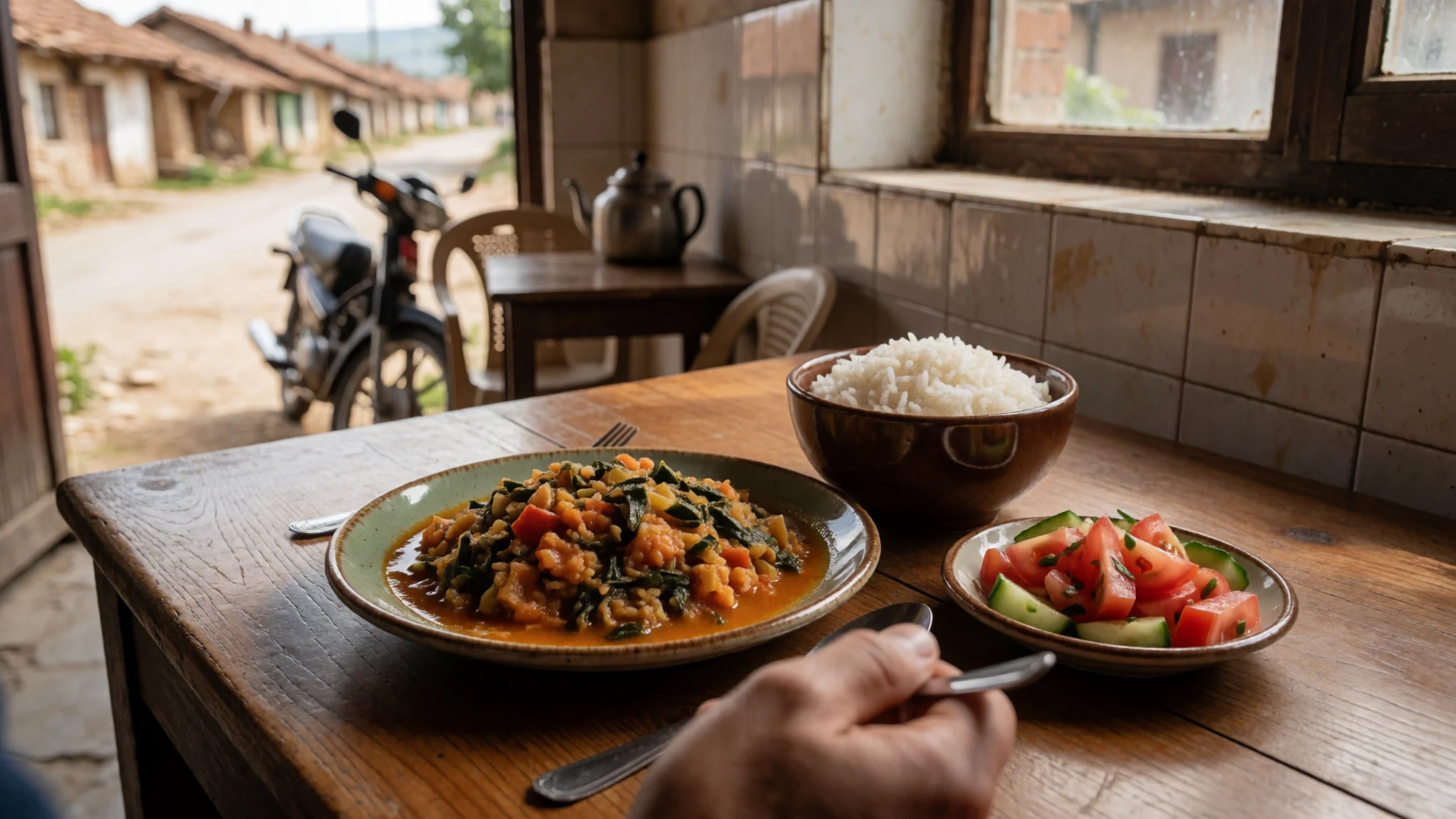
- Sardes Pide — Kenan Evren Caddesi, west of Sart village
Sardis visitors seeking a quick, savoury bite can stop at this local eatery situated just a short walk west of the village centre, where bakers pull boat-shaped flatbreads topped with minced meat, cheese, or vegetables straight from a hot stone oven.
- Highway Pide Shops — Highway crossroads near Sart
Sardis travellers passing through the main road junction will find a handful of small, unpretentious pide shops serving freshly baked Turkish flatbreads and grilled meats to passing motorists and hungry explorers.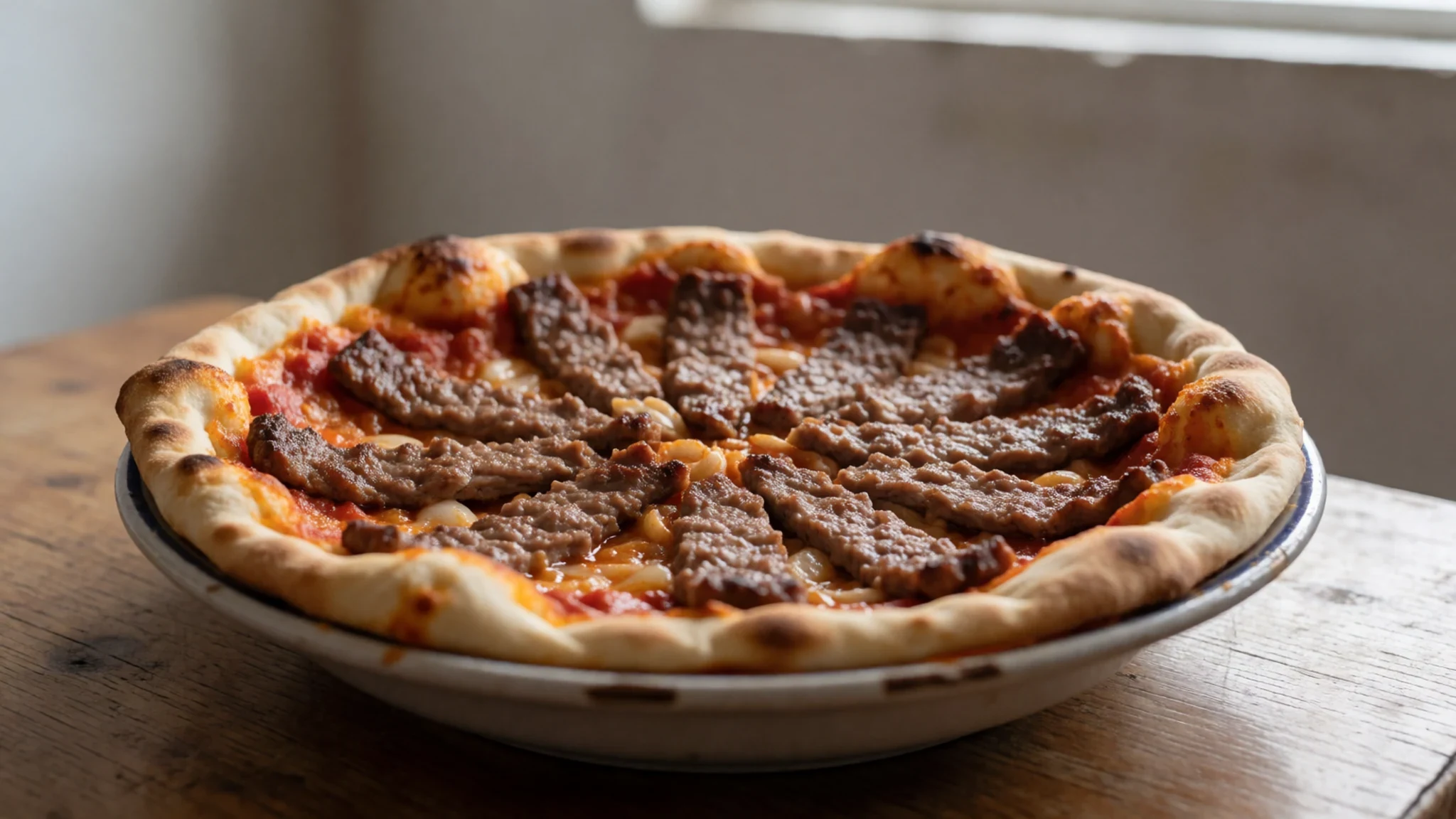
- Elf Restaurant — East junction of Kenan Evren Caddesi and the main highway
Sardis visitors looking for an evening drink can relax at this licensed restaurant located at the eastern junction of the main highway, which serves cold beverages and alcoholic drinks alongside standard local dishes.
- Salihli Local Markets — Central Salihli town
Sardis travellers can venture a short distance to nearby Salihli to sample regional Aegean cheeses, fresh olives, seasonal fruits, and local street snacks at the bustling town markets and tea houses.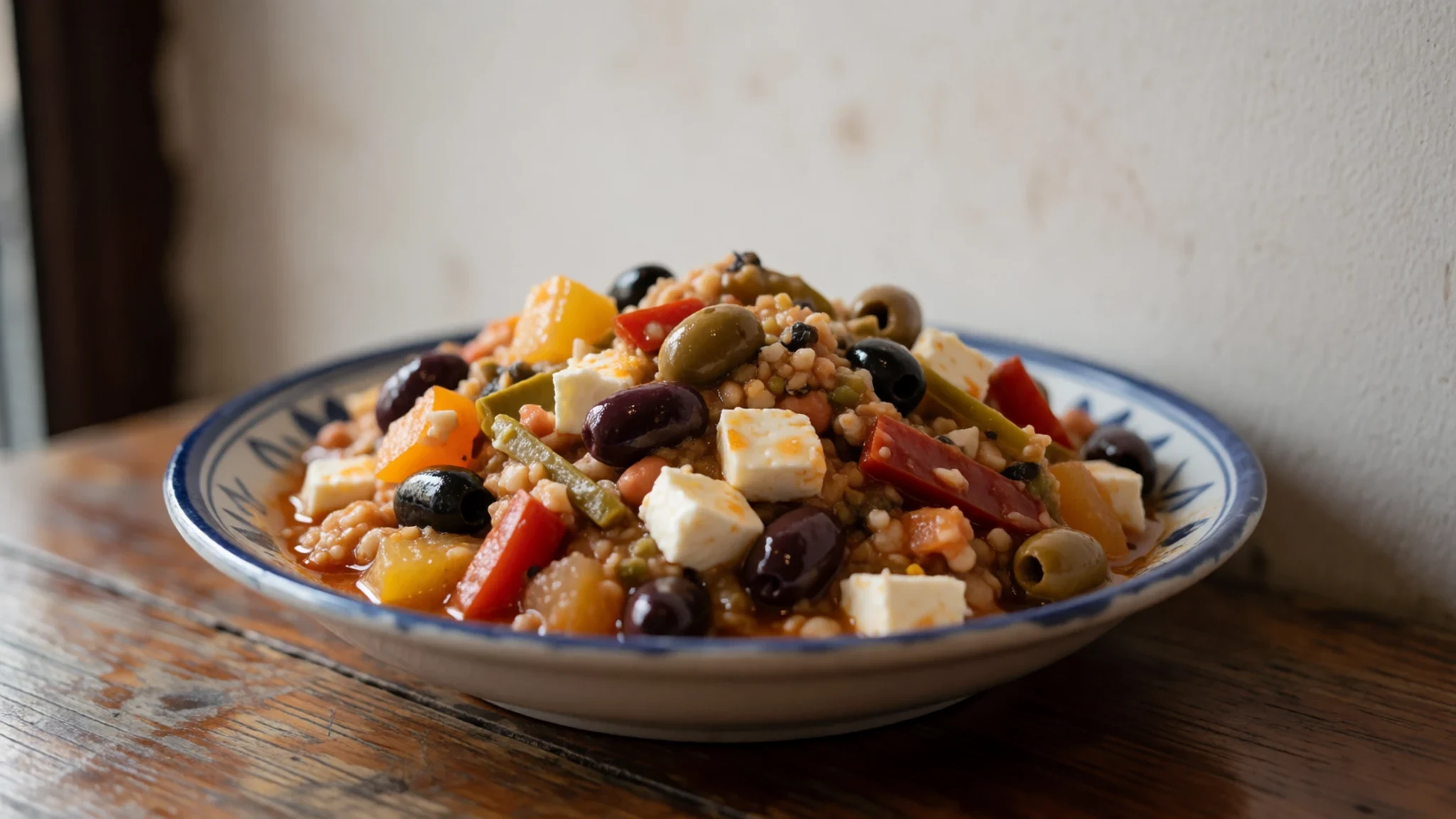
Plan it
Best time. March to April brings pleasant spring temperatures and blooming wildflowers across the ruins, while October to November offers comfortable autumn weather; summer months can be intensely hot and dry.
How long. 1–2
Getting there. Take a long-distance bus or train from İzmir to Salihli, then catch a local dolmuş minibus or taxi directly to the village of Sart.
Budget. low
Tips
- Wear sturdy walking shoes to navigate uneven gravel paths and ruined stone steps safely
- Bring plenty of drinking water, as facilities directly at the archaeological site are limited
- Carry cash in Turkish Lira for small village shops, tea houses, and local transport fares
- Start your visit early in the morning during warmer months to avoid midday heat
Etiquette
- Dress modestly with covered shoulders and knees when visiting rural village areas
- Always greet locals politely with a friendly 'merhaba' before asking for directions
- Ask permission before photographing residents in the local village
Nearby
Sources
- Wikidata Q232615 (CC0)
- Wikipedia (rev 1380943988) (CC BY-SA 4.0)
- Wikivoyage (rev 5302899) (CC BY-SA 4.0)