Samsø
Samsø, Denmark
Samsø is a quiet Danish island of farms, thatched villages, ancient graves and stony beaches, run almost entirely on wind and biomass.
The place
Samsø sits in the Kattegat, the sea between Jutland and Zealand, and is reached only by water or a small airfield. About 4,000 people live here, and the island divides naturally into three parts: a northern half, the Stavns Fjord area, and a southern half. The Kanhave canal, cut by hand long ago, separates north from south.
The north is the more varied side. Sand and gravel left by the melting ice give it rolling meadows, patches of heath and small woods, with a good deal of uncultivated land. The south is mostly farmland on clay and meltwater plains, flat and open, with fields running to the horizon and a sea breeze most days.
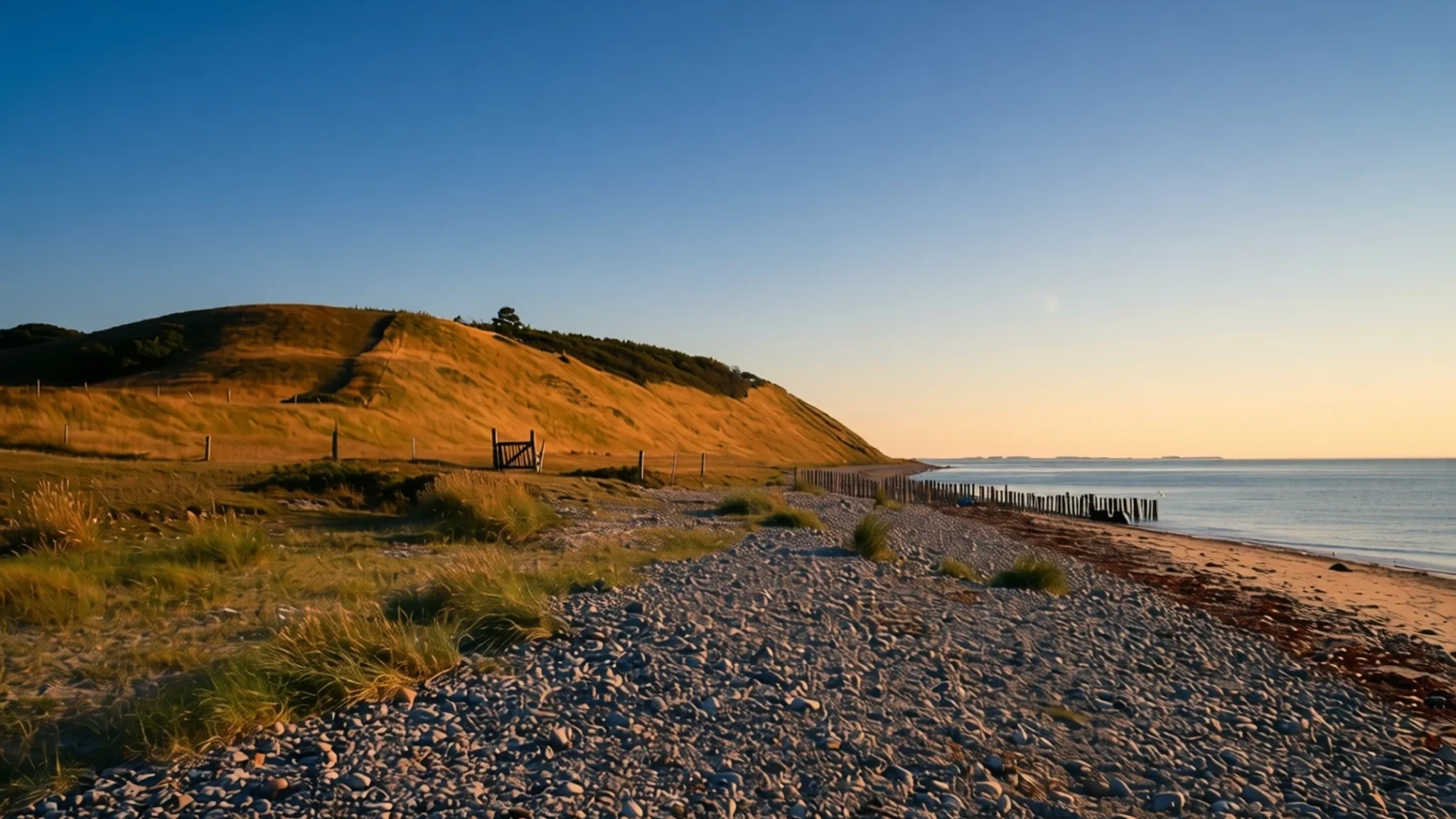
The coast is mixed. Steep cliffs and stony shores dominate, with sandy beaches tucked in between that suit swimming. Ballen, on the east side, is a beach village popular with visitors and is one of the ferry points. Issehoved, at the northern end, is often compared to a small version of Grenen at Skagen. On clear days the Helgenæs peninsula shows on the horizon.
Samsø has also made a name for energy. In 1997 it won a national competition to become a model renewable community, and its electricity now comes entirely from wind and biomass. Turbines stand among the fields as part of the ordinary view, not as a separate attraction.
A bus loops around the island and links the ferry terminals at Sælvig and Ballen, but distances are short enough for cycling, which is how most visitors get about. Expect a slow, rural pace, and busy summers.
Its story
Samsø has been lived on since the ice withdrew at the end of the last Ice Age. It became a true island about 9,000 years ago, and the landscape still carries the evidence: dolmens, burial mounds, passage graves and kitchen middens from the Stone Age and Bronze Age are scattered across it. Digs at Tønnesminde and Endebjerg show people living here from the Stone Age through to the Viking Age.
Its central position in the Kattegat made it a natural meeting place for the Vikings. The clearest sign of organised power is the Kanhave canal, dug across the narrowest part of the island and lined with timber in the years 726–729 AD. Roughly 500 metres in length and 11 metres across, it was deep enough for vessels with a shallow draught, and it ranks among the larger known engineering works from the Viking period. It shows that someone could command the labour for a project of this size.
Legend has attached itself to the island too. In the Middle Ages, the chronicler Saxo Grammaticus recorded a celebrated fight on this island. Hjalmar, a champion from Sweden, and his companion Orvar-Odd faced off against the twelve sons of Arngrim, a berserker. Icelandic sagas and Faroese ballads remember it as well. In the Hervarar saga the burial mounds of the slain were haunted, yet Arngrim's granddaughter Hervor went to them regardless and demanded the enchanted sword Tyrfing from her dead father.
Norse myth also names the island Samsey, where Odin, calling himself Jalk, is said to have learned seid magic. The origin of the name Samsø itself remains unknown.
What to see
- Museum Samsø, Tranebjerg — Tranebjerg
Museum Samsø is based in Tranebjerg but works as an eco-museum, with departments scattered across the countryside. It tells the island's cultural history through exhibitions, events and activities, so it makes a good first stop for putting the farms and villages in context before heading out.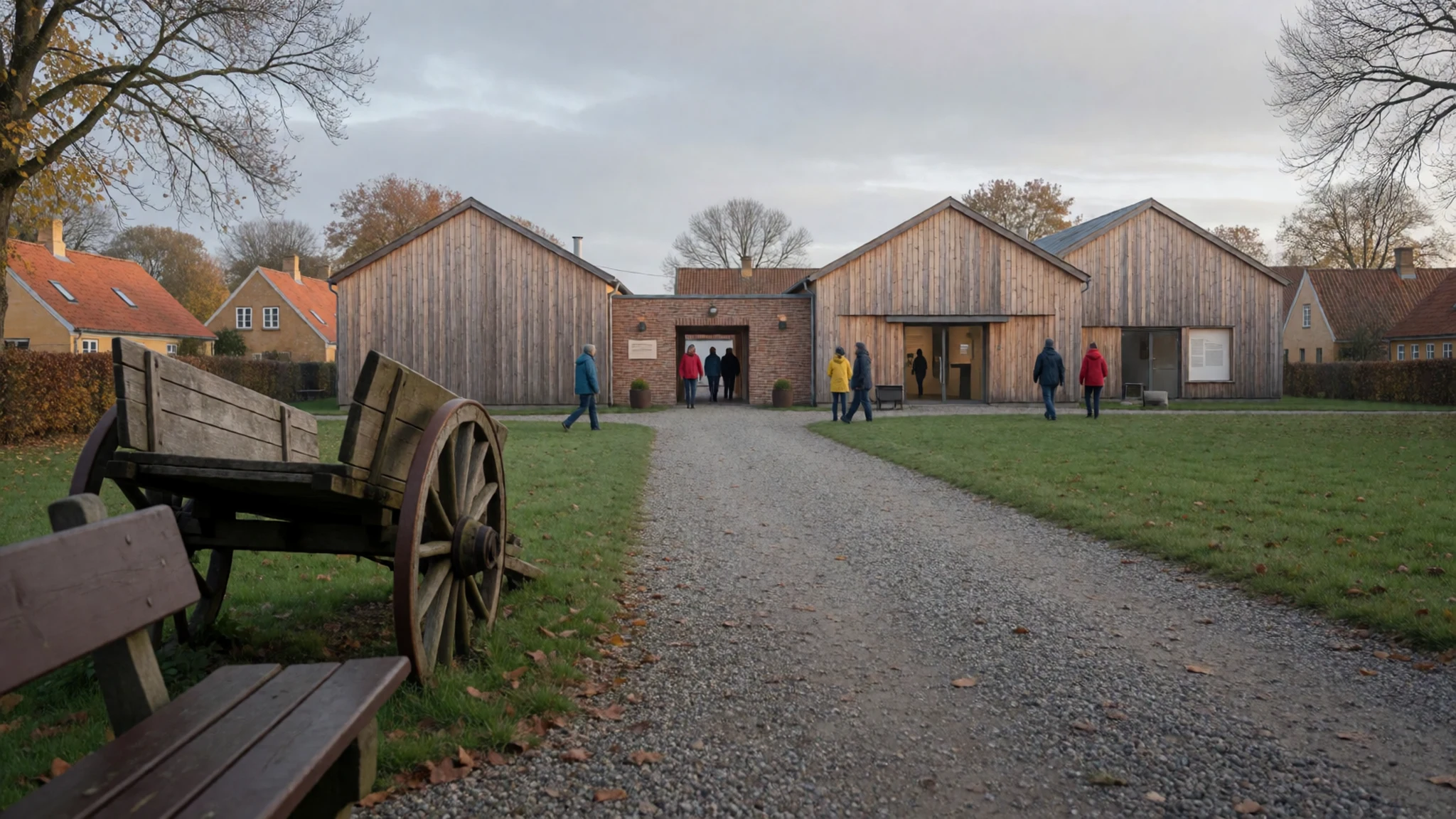
- Energy Academy — Near Ballen, south-east coast
The Energy Academy explains how Samsø came to run entirely on renewable power. It suits anyone curious about wind turbines and biomass, and it gives the turbines in the fields a story. Check the official site, samsoe.dk, for opening arrangements and any guided visits before you go.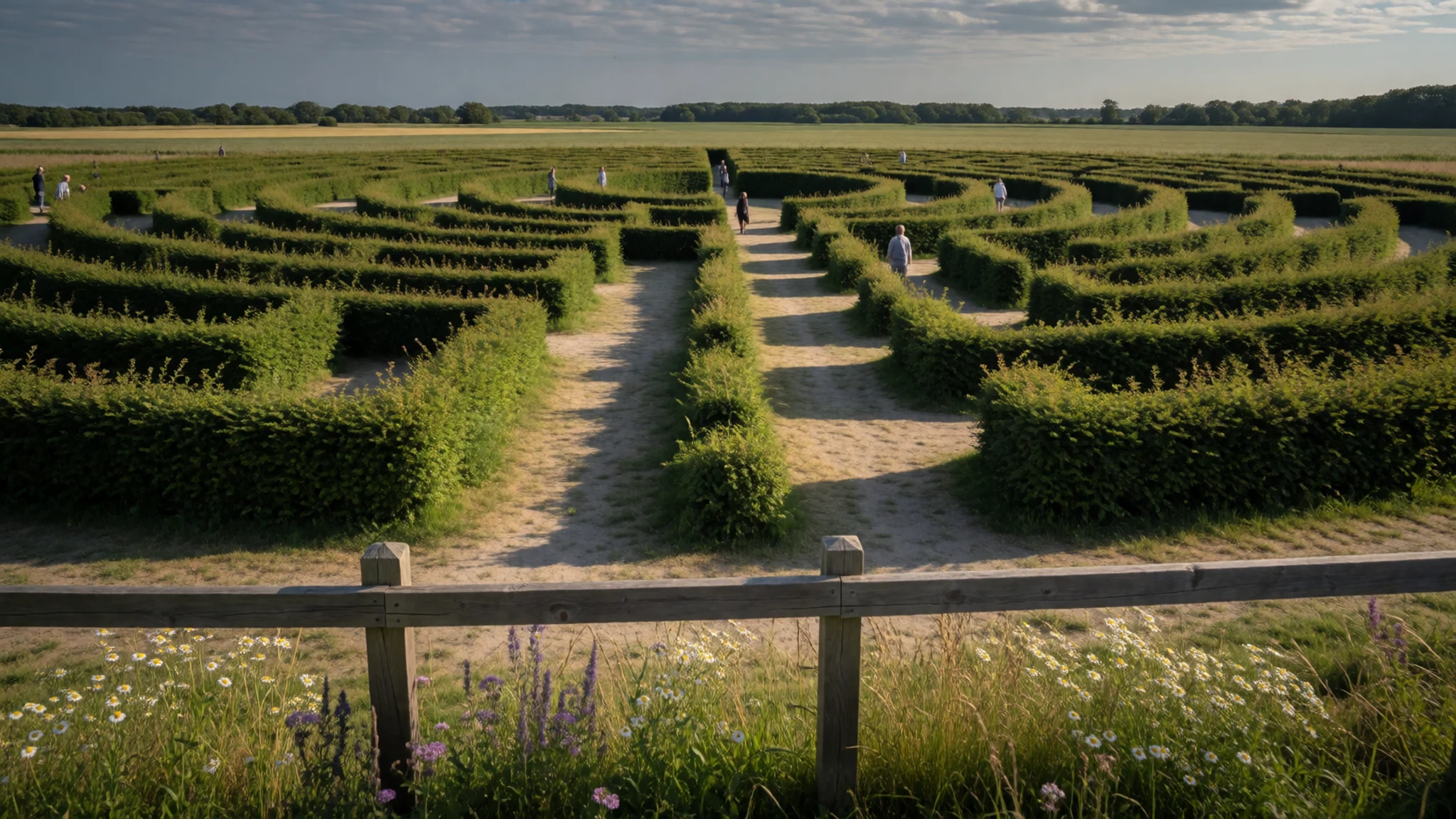
- Nordby village — North Samsø
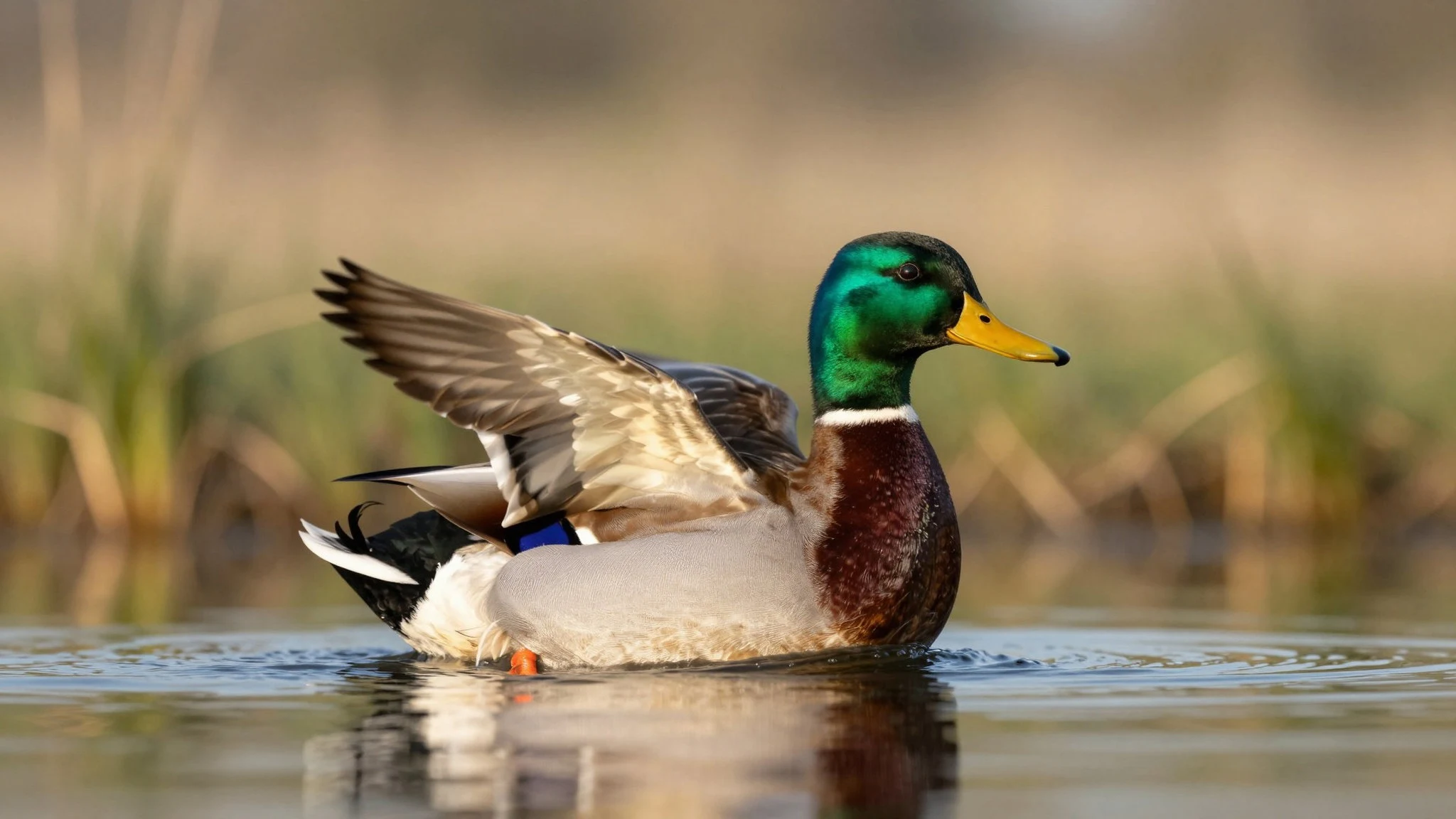
Nordby is the northernmost village on the island and keeps an old-fashioned look, with timber-framed houses, thatched farms and a central pond with ducks. It is a pleasant place to wander slowly, and it also has a traditional inn, which makes it easy to stay for a meal.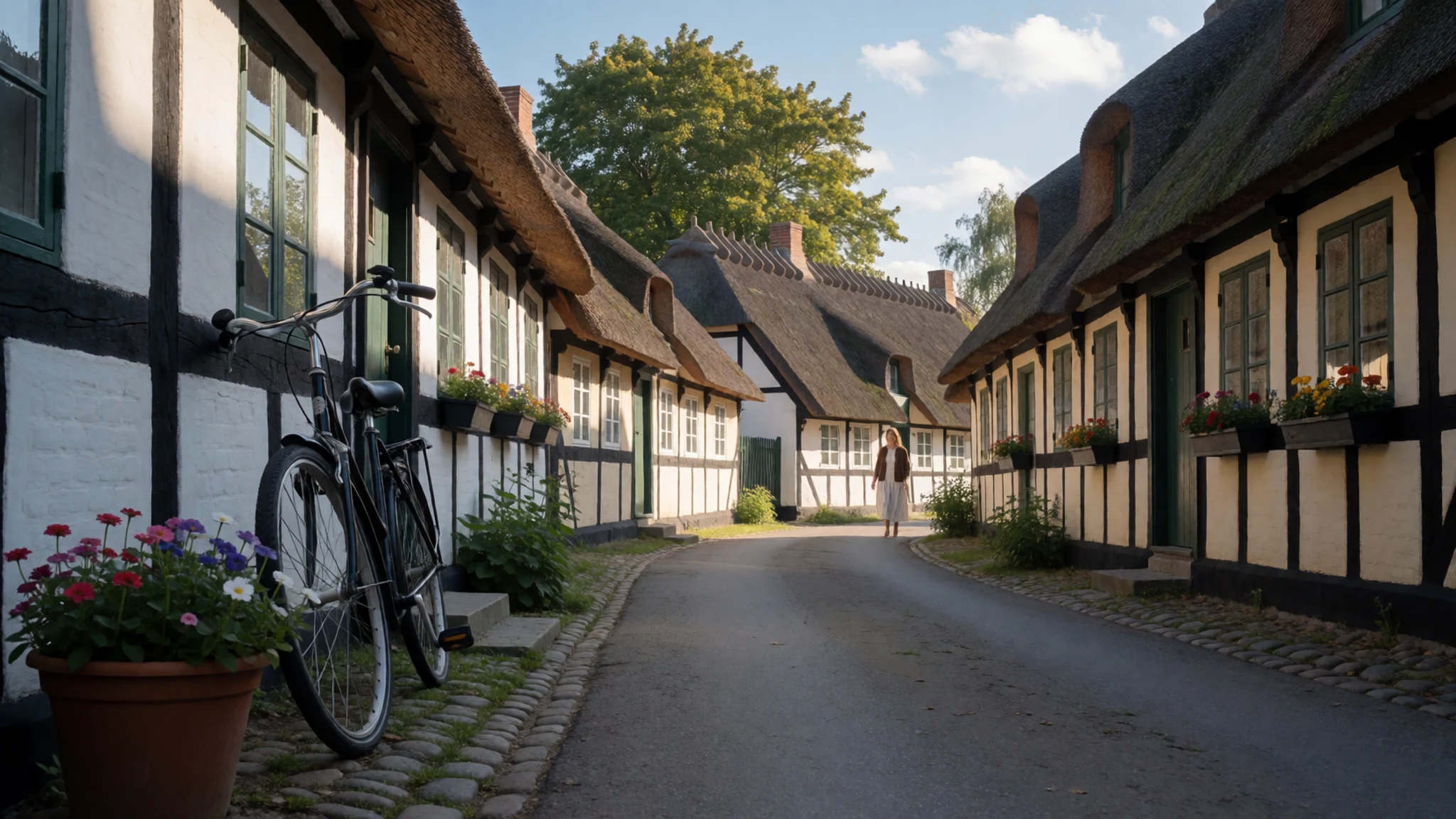
- Nordby Bakker — Northern tip
Nordby Bakker is open, rolling grassland at the northern tip of the island. The grassy slopes give wide views over the water, and it is good walking country, especially on a clear day. Keep to marked paths and respect any closed areas, as ground-nesting birds breed here.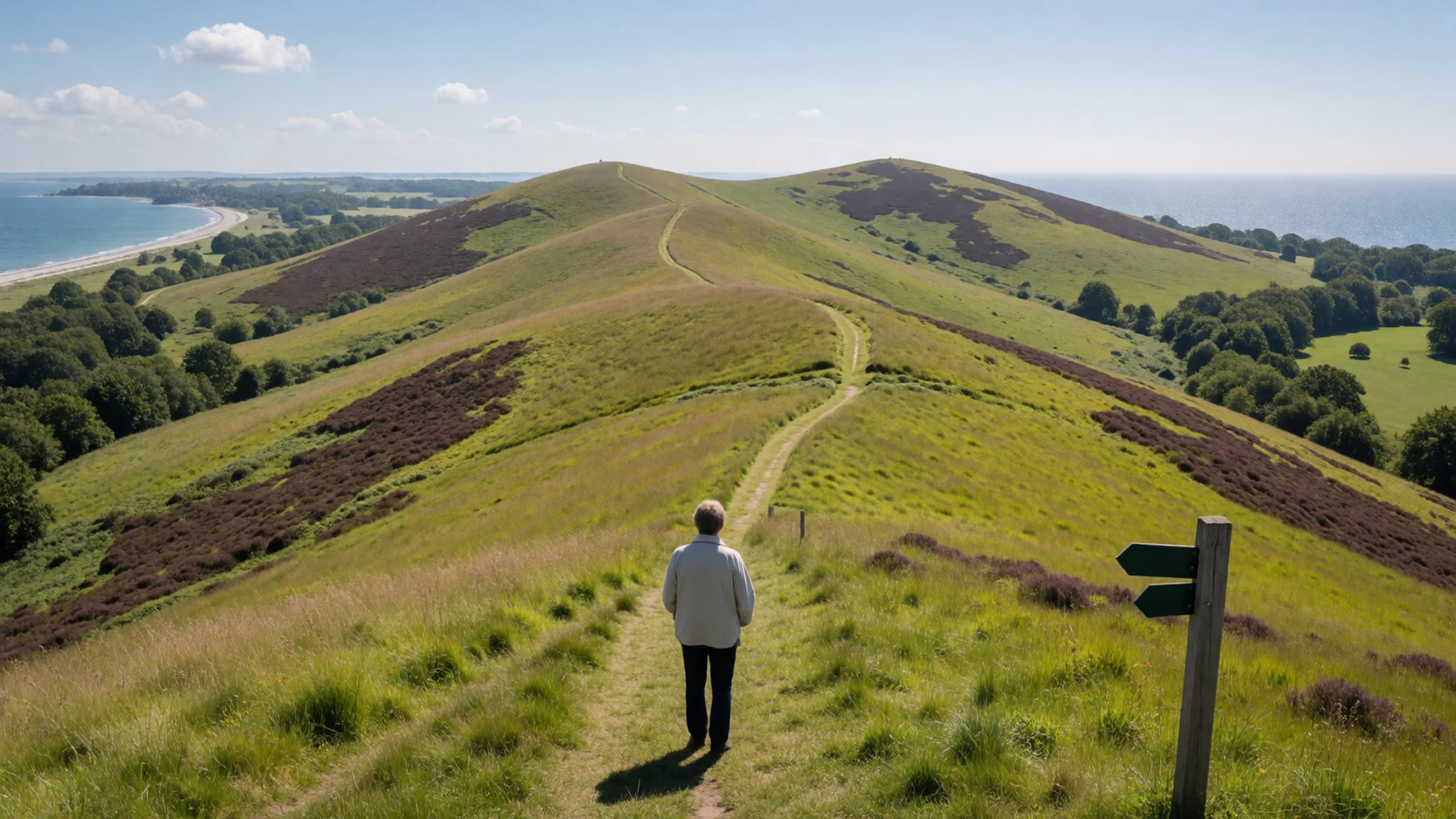
- Samsø Labyrinth — North Samsø
The Samsø Labyrinth is a very large maze laid out in the northern countryside and is described by Wikivoyage as the world's largest. It is an easy, family-friendly stop on a loop of the north, and works well alongside a visit to Nordby and the hills beyond.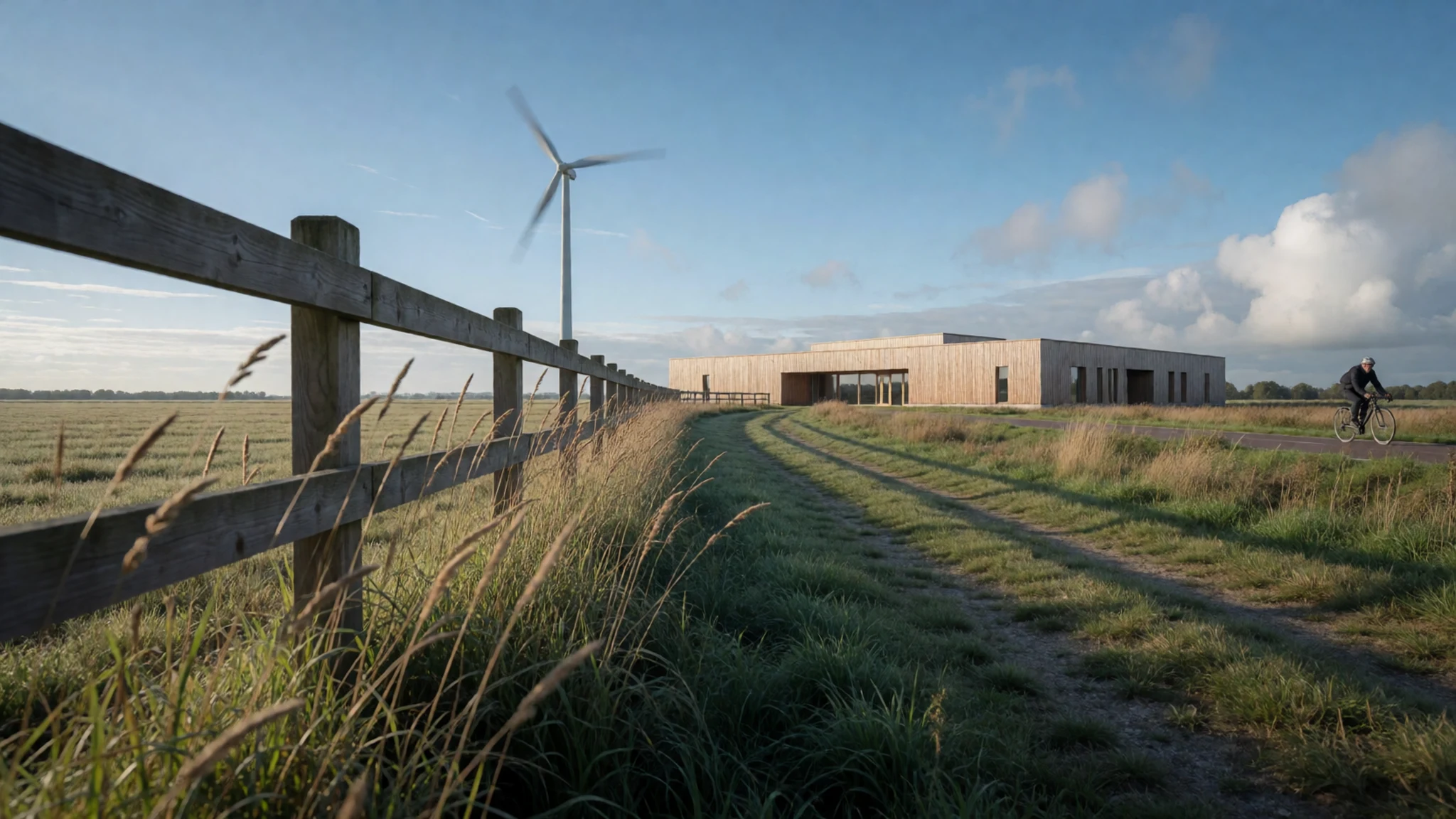
- Besser Rev — Besser, east coast
Besser Rev is a narrow isthmus reaching out from the island, with a small grassy hill known as the Skanse, meaning fortress. It is a good short walk for sea views and birdlife. Stay on the paths, and check for any seasonal restrictions during nesting time.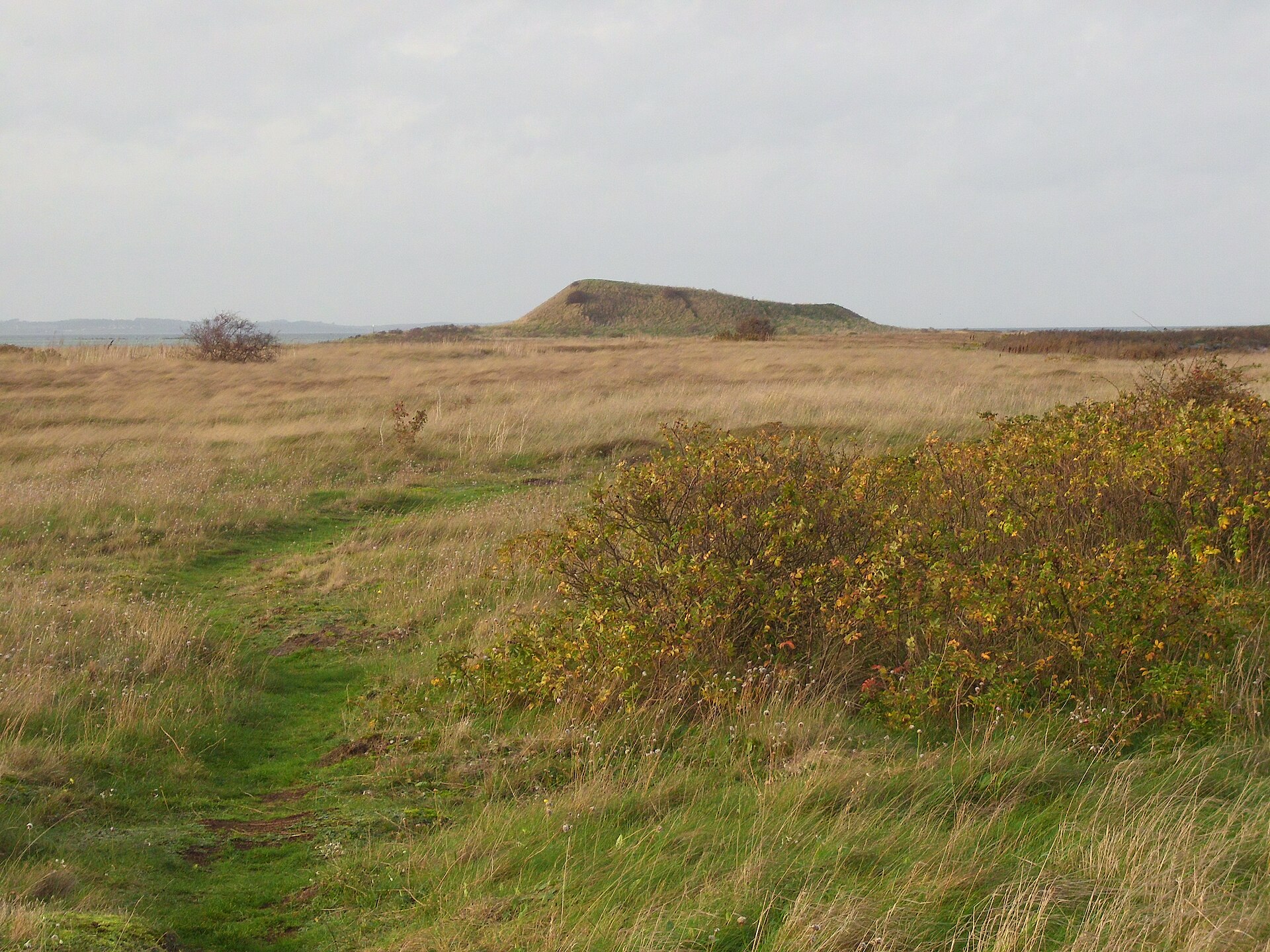
Culture
Samsø's culture is that of a small Danish farming island that has chosen to be self-reliant. About 4,000 islanders, called Samsings, live in villages and on farms, and community decisions carry real weight. The renewable energy project grew from local ownership, and many people still talk about it with pride, as a shared effort and not a slogan.
The past is visible everywhere. Burial mounds sit in fields, and village greens, ponds and thatched farmhouses survive in places such as Nordby. Timber-framed buildings are cared for, and the island's museum spreads its collections across the landscape instead of keeping everything in one building. Summer brings events, including an annual music festival near Ballen on the south-east coast, which draws a younger crowd to an otherwise calm place.
Daily life follows Danish habits: punctual, informal, and fond of cycling. Meals are simple and local, shops in small villages keep modest hours, and many people grow or buy produce from neighbours. Nature is treated seriously. Some areas close during breeding season because many birds nest on the ground, and fires outside marked fireplaces are not tolerated.
Visitors are welcome but are expected to blend in quietly. Keep your dog on a lead, stay out of any area closed for nesting birds, and light no fire except in a marked fireplace.
What to wear
Samsø has no distinct everyday costume of its own that visitors will meet. Like the rest of Denmark, older regional dress of wool and linen, with embroidered caps and aprons, survives mainly in museums, folk dance groups and occasional festivals. If you want to see it, ask at Museum Samsø about displays, events or local heritage days.
What people actually wear is practical and unfussy: waterproof jackets, wool jumpers, sturdy shoes, jeans and cycling gear. Islanders dress for wind and changeable weather more than for style, and in summer shorts, light cotton and sandals are common. Nothing is formal, even in restaurants, and a smart-casual shirt or dress is plenty for an evening at a village inn.
For a visitor, think layers. Even in summer the Kattegat breeze can be cool, especially on a bicycle or on the ferry, so carry a windproof jacket and something warm. A light rain layer is wise in any month. Comfortable closed shoes suit the stony beaches, heath and gravel tracks, while swimwear and a towel are needed for the sandy bays. There are no strict dress codes at the old graves or churches, but modest, quiet behaviour is appreciated. If you plan to walk in tall grass or heath in warm months, long trousers help against ticks and scratches.
What to eat
- Fresh and smoked fish — Smokehouse at Langør and harbourside restaurants such as Mårup Havn
Fish from the Kattegat is the island's natural speciality, often served smoked or simply pan-fried with bread and sauce. Try a smokehouse with a terrace on the north-east coast, where you can eat looking at the water.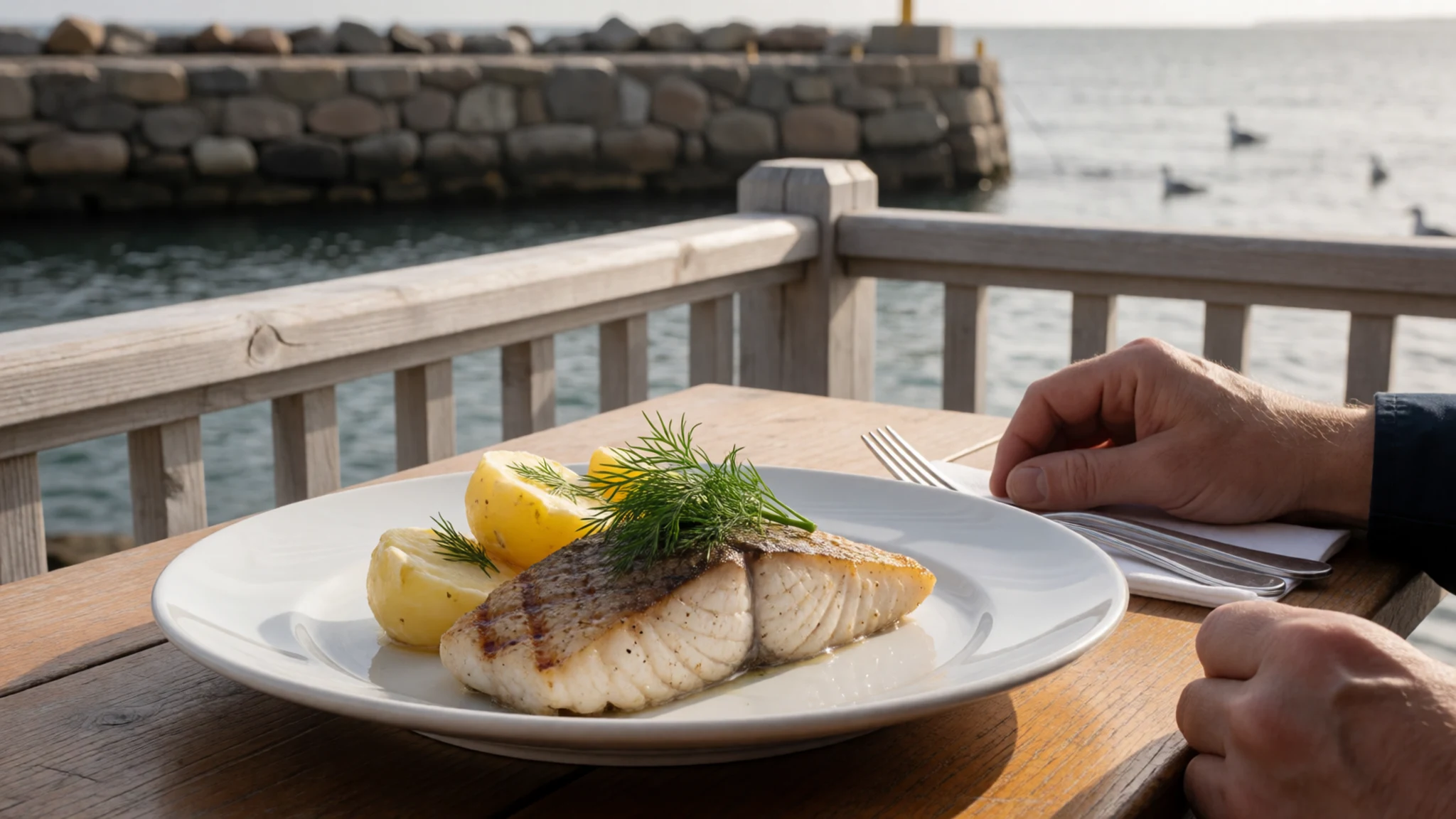
- Traditional Danish lunch plates — Village eateries such as Dokken, or Tranebjerg's lunch cafés
Expect familiar Danish home cooking: rye bread, fish, pork, potatoes and pickles, served as a plain lunch or a heartier evening meal. It is filling, unfussy food, and a good match for a day of cycling.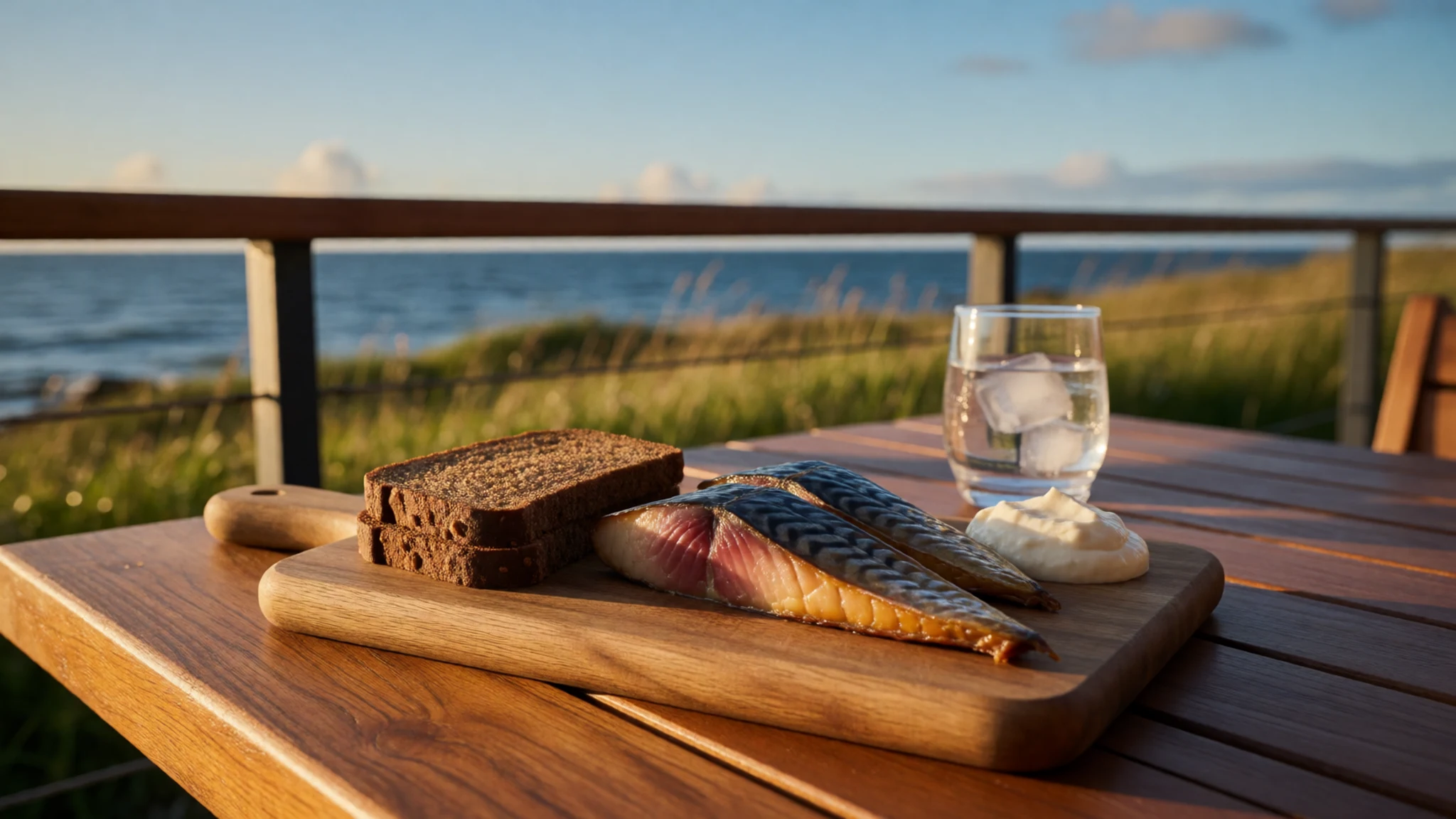
- Village inn dinners — Nordby, in the traditional inn
A traditional Danish kro is an inn with a restaurant, and Nordby has one serving lunch and dinner. The menu is usually seasonal and local, and the dining room is a quiet place to end a day in the north. - Harbour street food — Kolby Kås harbour, Himmel & Havn
On the south-west side, a harbour street-food spot offers an ever-changing menu and is known for sunsets. Menus shift with what is available, so ask before you go if you have particular dietary needs. - Island produce — Roadside stalls and farm shops across the island
Samsø is a farming island, and small farm shops and roadside stalls sell seasonal vegetables, potatoes, fruit and berries in summer. Carry a bag, keep some change, and pick up picnic food for beach days.
Plan it
Best time. May to September, when ferries and eateries are fully running and the sea is mildest for swimming; July and August are busiest and accommodation fills early, so late May, June and September are calmer.
How long. 2–4
Getting there. Ferry from Aarhus or from Hou, south of Aarhus, to Sælvig on the west coast (about an hour), or from Kalundborg on Zealand to Ballen. A taxi flight from Roskilde to the island's small airfield is possible but rarely used. A bus loops round the island between the terminals.
Budget. mid
Tips
- Book summer accommodation early, as the island is popular and fills up
- Hire or bring a bicycle, since distances are short and roads are narrow
- Check ferry times and booking rules on the official site, samsoe.dk, before travelling
- Carry layers and a rain jacket, because the sea wind can be cool
- Check card acceptance at small stalls, and carry a little cash for farm stalls
Etiquette
- Keep dogs on a lead and avoid areas closed for nesting birds
- Light fires only in marked fireplaces
- Drive slowly and give way to cyclists and walkers on narrow roads
Nearby
Sources
- Wikidata Q216422 (CC0)
- Wikipedia: Samsø (rev 1375923315) (CC BY-SA 4.0)
- Wikivoyage: Samsø (rev 5416895) (CC BY-SA 4.0)
- Besser Rev Hønsepold, Jan Pešula (CC0 1.0)
- Map of Samsø, Generalstabens Topografiske Afdeling (Public domain)
- Ørby Ingeborgs Høj, Christoph Rieder (CC0 1.0)
- Ørby Runddysse Knøsen, Christoph Rieder (CC0 1.0)
- Kyholm set fra skansen på Lilleøre, Nils Jepsen (CC BY-SA 4.0)
- Samsø field, L-BBE (CC BY 3.0)
- Samsø – The Energy Self-Sufficient Island, GDS Infographics (CC BY 2.5)
- View from an onshore wind turbine, DirectorOlav (CC BY-SA 4.0)


Wildlife
- Duck (animal)
The mallard is the wild duck that loves company, gathering in flocks to nibble water plants and tiny creatures. On Samsø, look for ducks on the pond at the heart of Nordby, a village of timber-framed houses and thatched farms. Watch from a comfortable distance and keep your voice low, so the flock stays calm and goes on with its day. Never feed them; they are happiest finding their own meals in the water.