Lolland
Lolland, Denmark
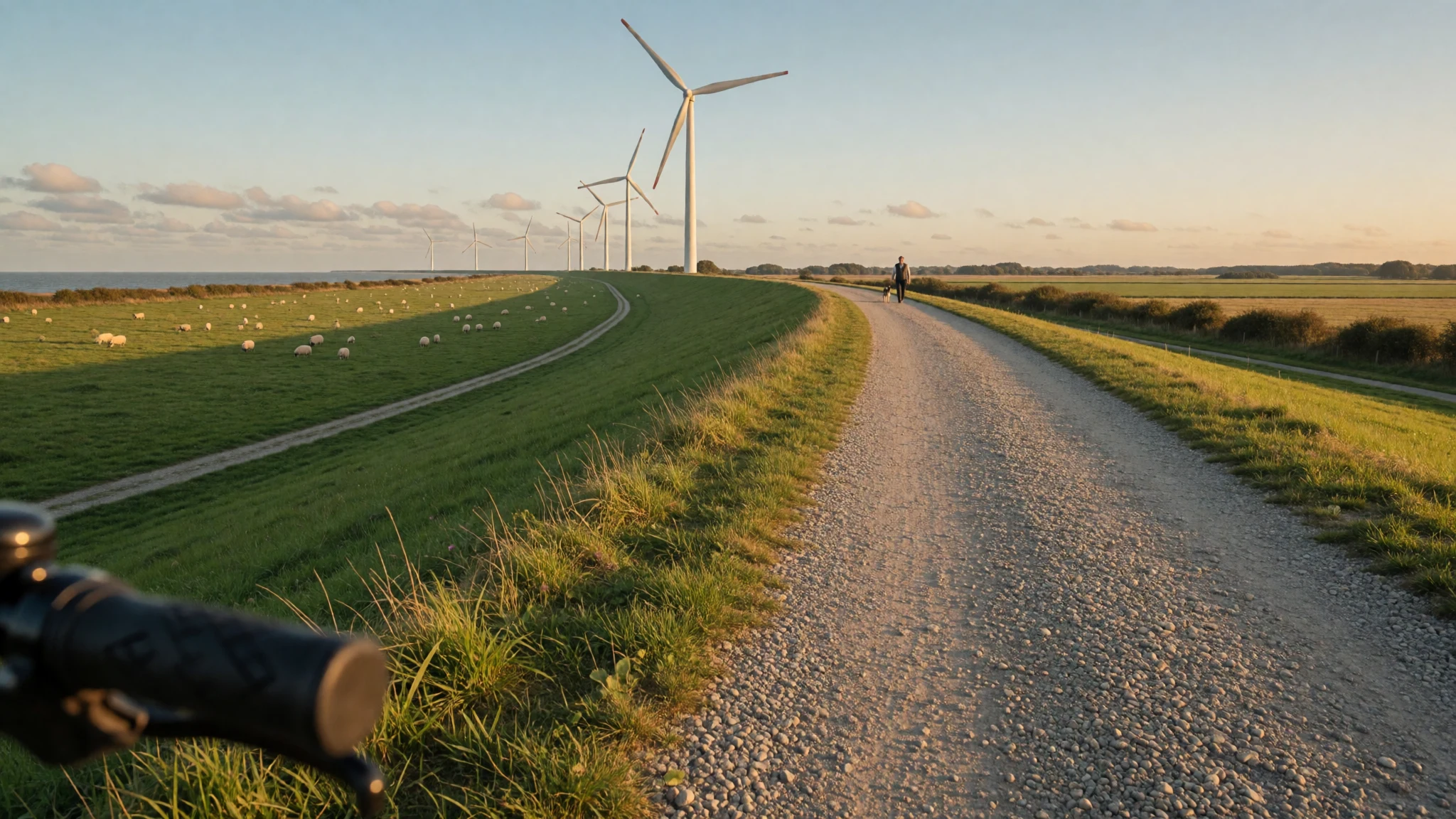
Lolland is flat, quiet farm-and-coast Denmark, with dyke cycling, a summer boat to a sandy spit and small old towns that most travellers drive past.
The place
Lolland sits in the south of Denmark, in the waters between the Baltic and the Danish straits, and belongs to Region Zealand. The name means low land, and the island earns it: apart from a small stretch of hills called Ravnsby Bakker in the north-west, the ground is flat, open and mostly given over to farming. Close to sixty thousand people live here, spread across small towns and villages rather than one big centre. Nakskov is the most populated settlement on Lolland proper, while Maribo, with its lakes, and Nysted, with its old-style streets, have the feel of market towns. Sundby shares an urban area with Nykøbing Falster across the water to the east, and the two islands are so closely tied that the join is barely noticeable on the ground. Dykes run along parts of the coast, and many carry gravel tracks that suit cyclists. Wind turbines stand over the fields. Most travellers cross Lolland on the way between Copenhagen and Germany and rarely stop, which leaves quiet roads, birdlife on the shore and a slow pace that is hard to find elsewhere in the country. It is not a place for big-name shopping or nightlife; the draw is space, sky and small-town Denmark. Summer is the easy season for boats and beaches, though the wind is a constant and the coast offers little shelter.
Its story
Lolland's story is that of a place people pass through. Its name, once spelled Laaland, simply means low land, and for centuries the island has been farmland with a handful of market towns on the coast and around inland lakes. Because it lies on a short sea route between the Copenhagen region and northern Germany, a ferry has long linked Rødby with Puttgarden across the Fehmarn Belt, carrying goods, cars and foot passengers. That crossing has shaped the island's modern economy and its reputation as somewhere to drive through. Now the route is changing again. A fixed link to replace the ferry is under construction, and the mainline trains that once ran to the Rødby ferryport have been sent a different way, via Kolding and Odense, until the new link opens later this decade. Local trains on the Lollandsbanen line still join Nakskov, Maribo and Sakskøbing to the main line at Nykøbing Falster. Older layers show too. Nysted keeps its eighteenth-century streets beside Aalholm castle, and at Sundby a medieval centre builds working siege machines and period crafts using old methods, a lively way to read the island's past. Fuglsang, a listed manor house, belongs to the estate side of rural Lolland. The result is an island where long, quiet history sits beside large modern engineering, and where change is arriving mostly from the sea.
What to see
- Dyke tracks, Næsby Strand to Rødbyhavn — South coast, near Rødbyhavn
Gravel paths run along sections of the sea dykes between Næsby Strand and Rødbyhavn, where the German ferry docks. With the land so flat, the riding is easy and the views are all sky, shoreline and wind turbines. The wind can be strong, so plan the return leg with a possible headwind in mind.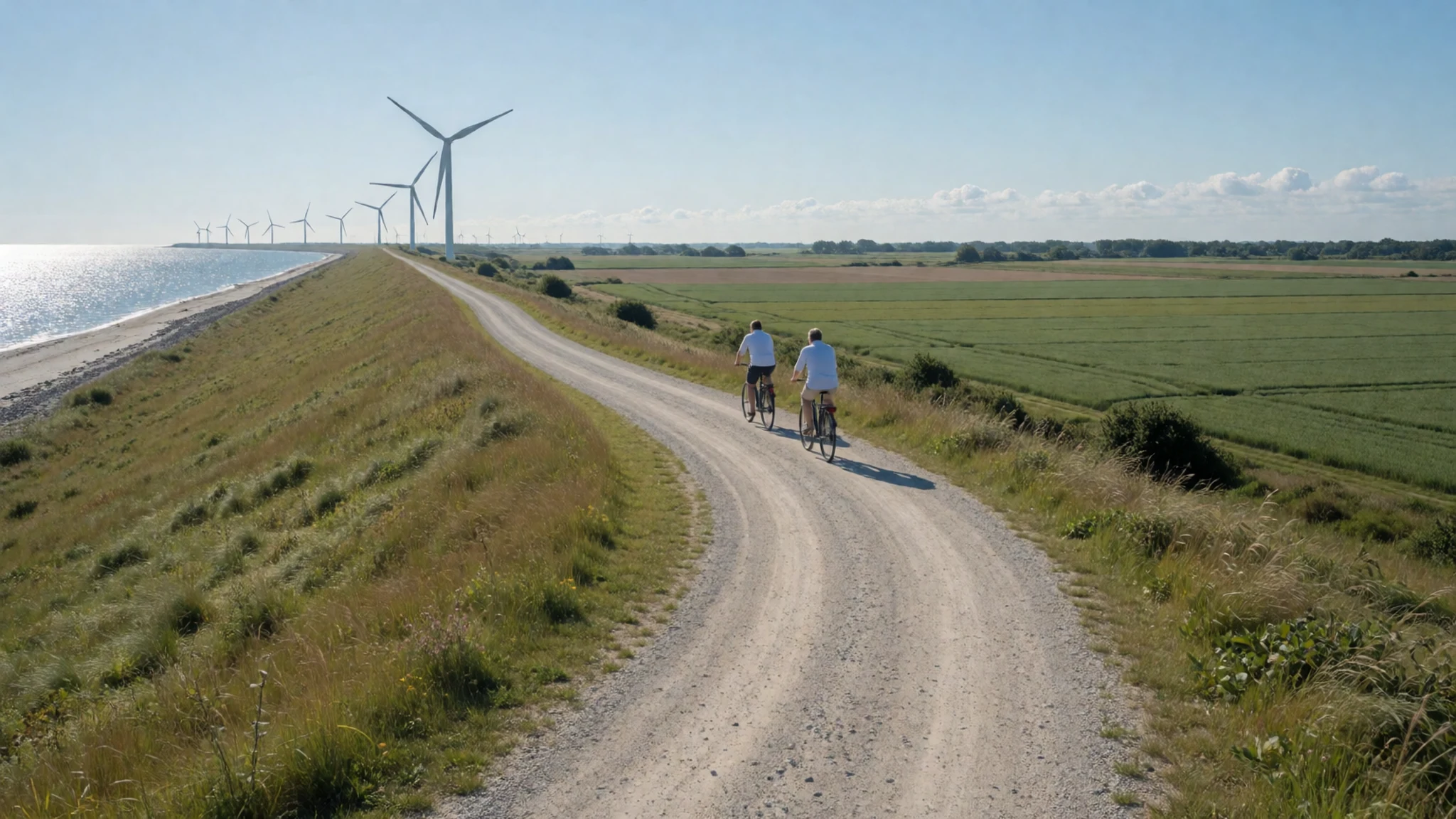
- Albuen and the Postbåden — Nakskov Fjord
Albuen is a sandy spit reached from Nakskov by Postbåden, a small passenger boat that once carried mail to this remote corner. The beach is pleasant, a lighthouse stands nearby and birds are plentiful. The boat runs only in the summer half of the year, with a return near sunset, so check the timetable before setting out.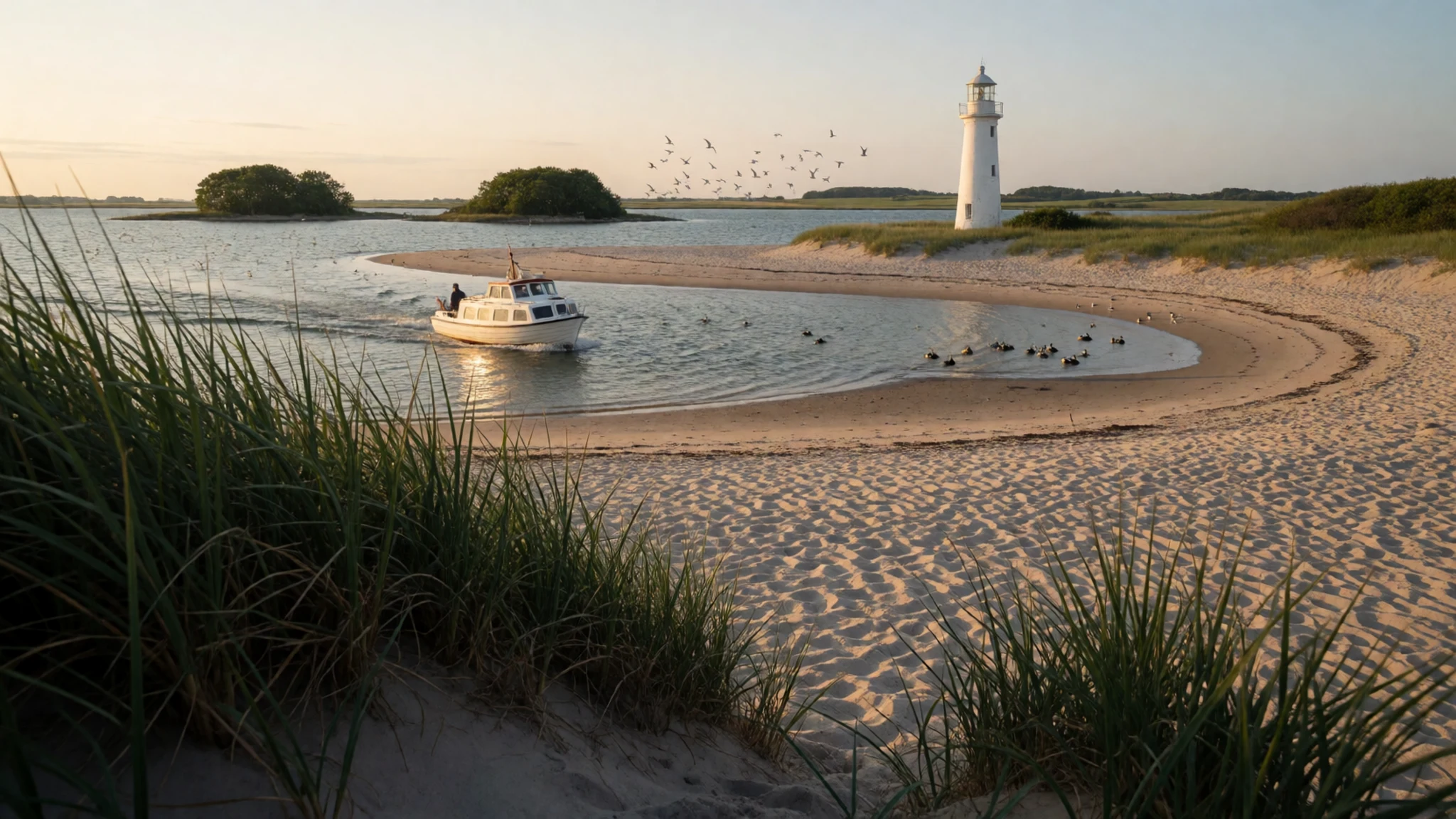
- Ravnsby Bakker and Kragenæs — North-west Lolland
Ravnsby Bakker, around Kragenæs in the north-west, is the one stretch of Lolland with real hills, so it makes a welcome change of pace for walkers and cyclists. Narrow lanes wind between fields and woods, and the small rises open out views over the surrounding farmland. It is quiet with few services, so carry water.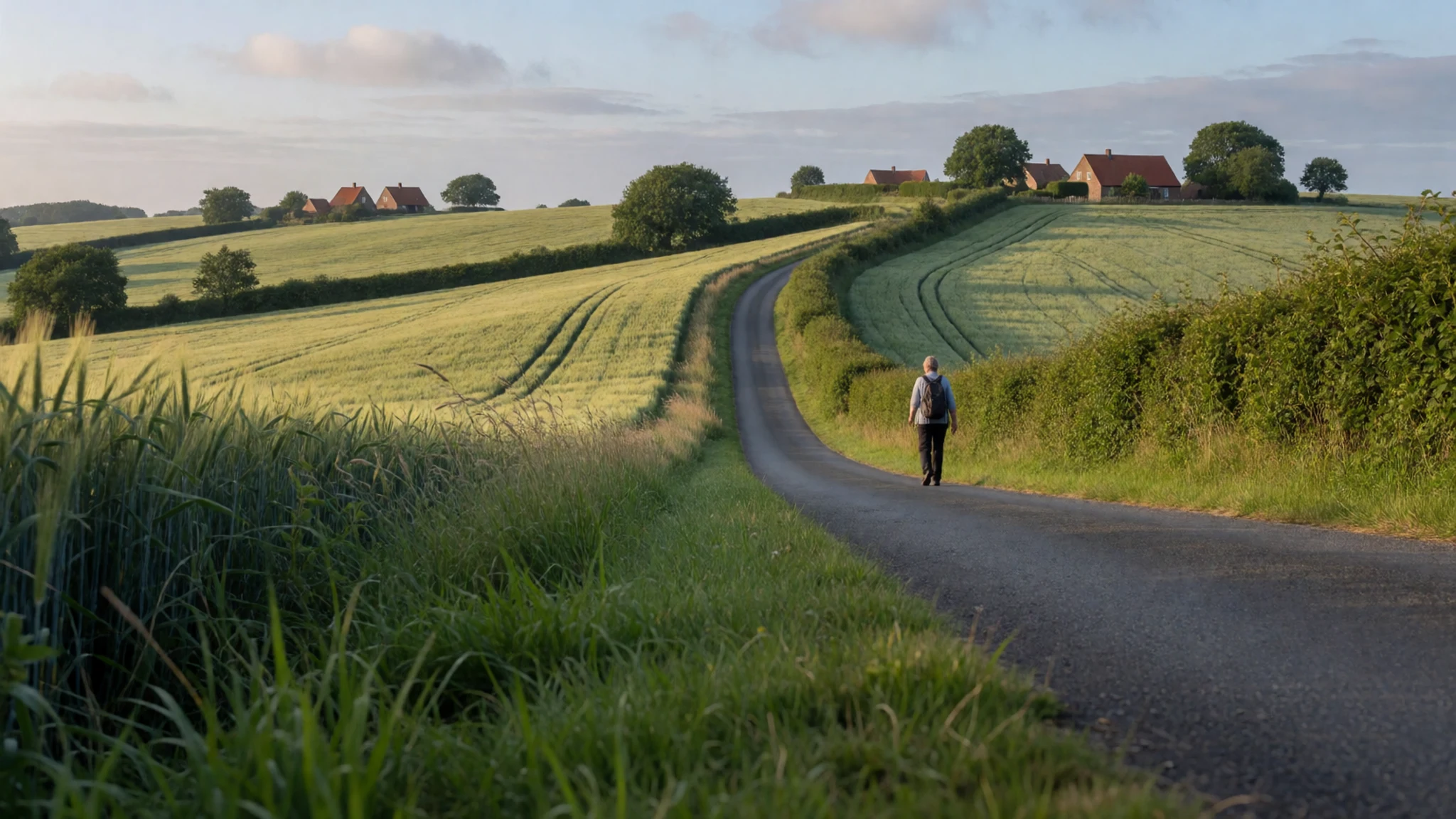
- Maribo and its lakes — Central Lolland
Maribo is a small old town set beside lakes, and the track around the water makes an easy half-day ride. Squares and old-style streets give the town a gentle, unhurried air. It is also home to Maribo Bryghus, the island's own brewery, so a stop for a local beer fits naturally into the day.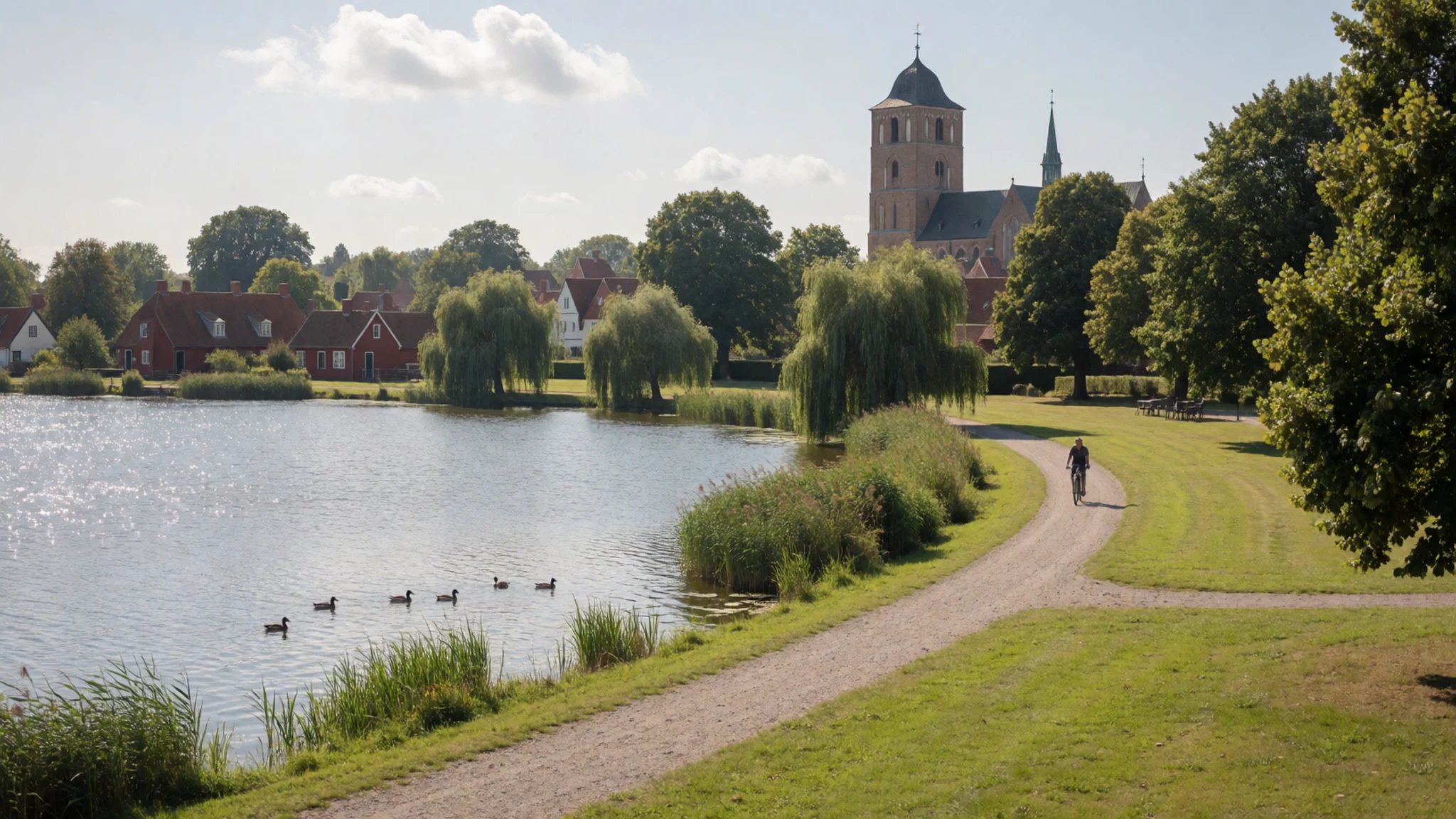
- Nysted and Aalholm castle — East coast
Nysted is a small harbour town of eighteenth-century buildings, with Aalholm castle close by and a forest to the north-east for walking. The streets are compact and pleasant on foot. Allow a slow afternoon, since there is little to rush for, and pair it with a ride through the surrounding farmland.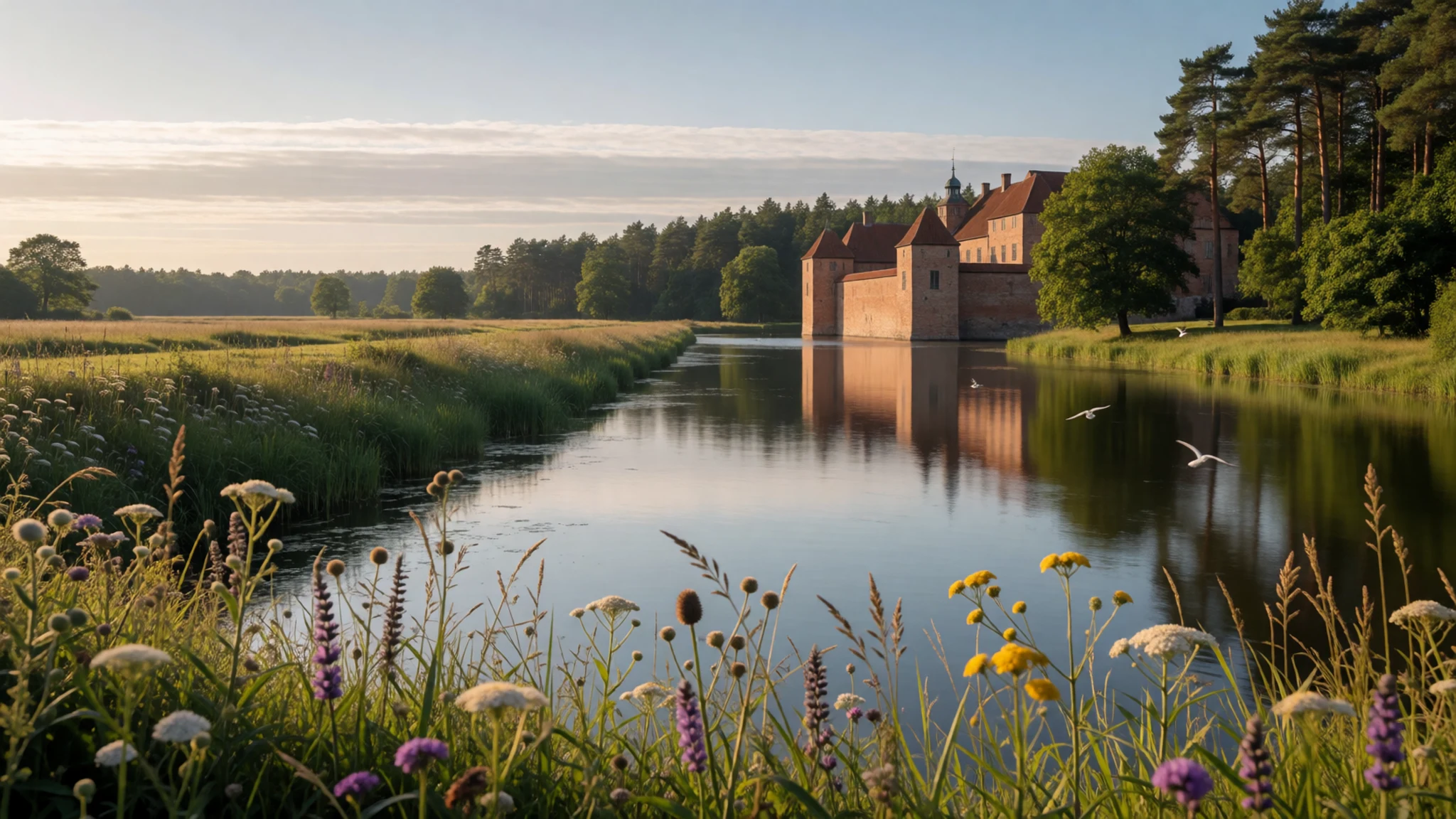
- Middelaldercentret, Sundby — Sundby, east Lolland
At Sundby, beside Nykøbing Falster, the Medieval Centre (Middelaldercentret) builds and fires working replica siege machines, including trebuchets, and demonstrates period crafts. It suits families and anyone curious about how castles were attacked and built. Opening dates and prices change by season, so check the official site before going.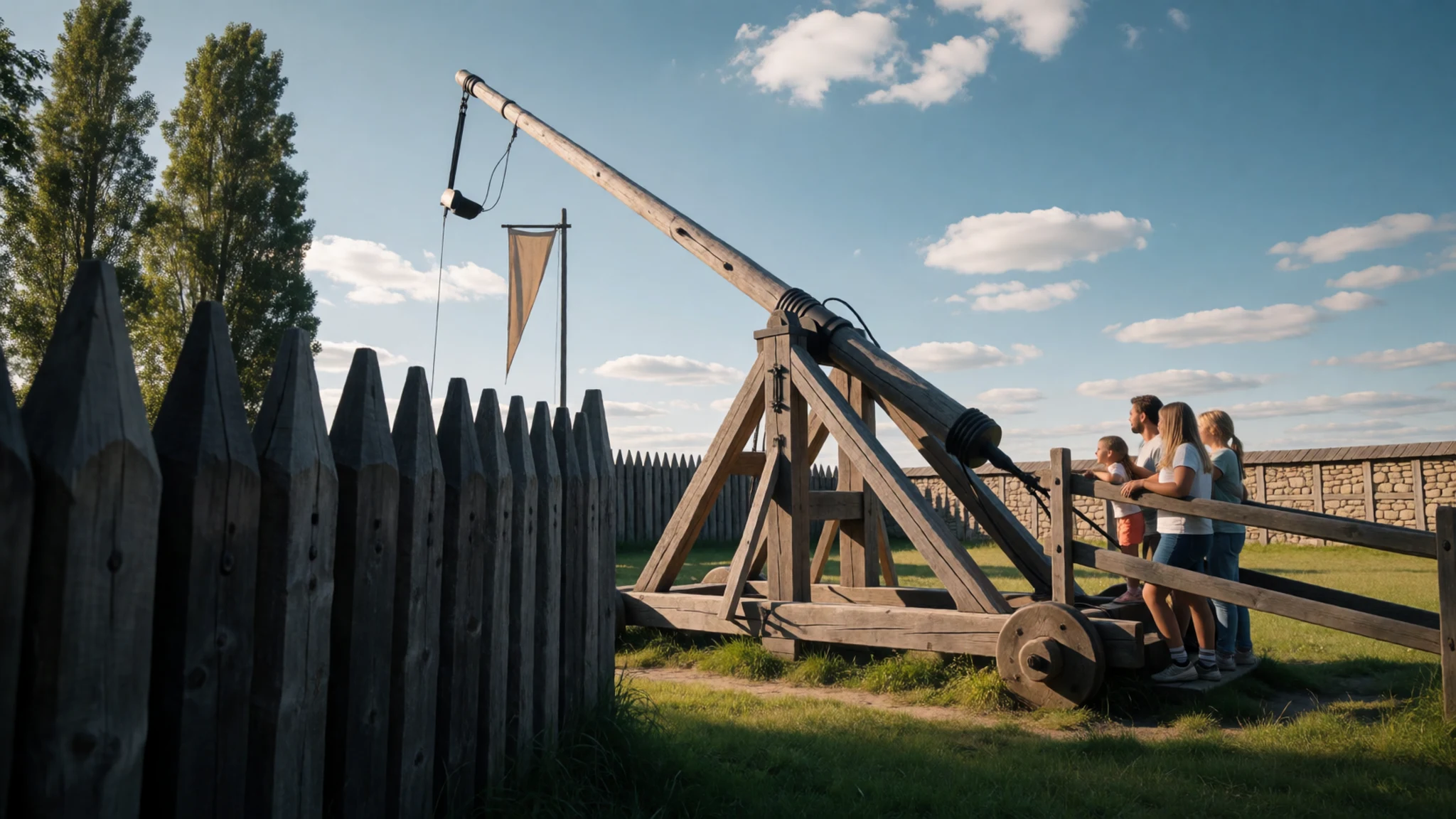
Culture
Lolland's culture is that of rural Denmark: practical, understated and tied to the land. Farming still shapes the landscape and the calendar, and the busiest working days come at harvest, when large machines move through the fields late into the evening. Daily life is built around bicycles, bakeries, village halls and local clubs, and small towns such as Nakskov, Maribo and Nysted keep a modest, old-style character in their squares and streets. Beer is a favourite pastime, and the island has two local producers, one in Maribo and one at the castle of Krenkerup, whose beers turn up in restaurants and larger shops. The island lacks big attractions, so people tend to spend time outdoors, on the dykes, by the lakes and on the beaches. Danes are generally reserved with strangers but helpful when asked, and English is widely understood. Silence on a quiet street or a train is normal, and queuing is orderly. The island's position on a major travel route means people are used to visitors passing through, but those who stop tend to be welcomed with curiosity. On dyke tracks and farm lanes, stay on the marked paths, close any field gate behind you and leave crops, fences and livestock alone.
What to wear
Lolland has no famous costume of its own, but it shares Denmark's regional folk dress, which appears at heritage days, folk dancing and local festivals. Traditional outfits use wool for skirts, waistcoats and jackets, linen for blouses and caps, and embroidered or woven trims, with colours and details differing by district. Few people wear them outside such events. Everyday dress on the island is plain and practical: dark or muted colours, jeans, knitwear, and waterproof jackets that go from farm to village shop without a change. Cycling is so common that people dress for it, with sturdy shoes and windproof layers. Visitors should do the same. The coast is exposed and the weather shifts quickly, so a windproof shell, a warm layer even in summer and a light rain jacket are sensible. Comfortable closed shoes suit gravel dyke tracks, while sandals are fine for the sandy beach at Albuen. Swimwear is expected only on the beach. Churches and small museums have no strict dress rules, though covering up a little and keeping voices low is polite. Sun hats and sunscreen matter on the open shoreline, where there is little shade.
What to eat
- Krenkerup Rauchbier — Restaurants and larger supermarkets across the island
A smoky, German-inspired beer made with smoked malt at the Krenkerup castle brewery near Sakskøbing, and praised abroad. It is poured across Lolland in restaurants and larger shops, but small pubs may not stock it, so ask first.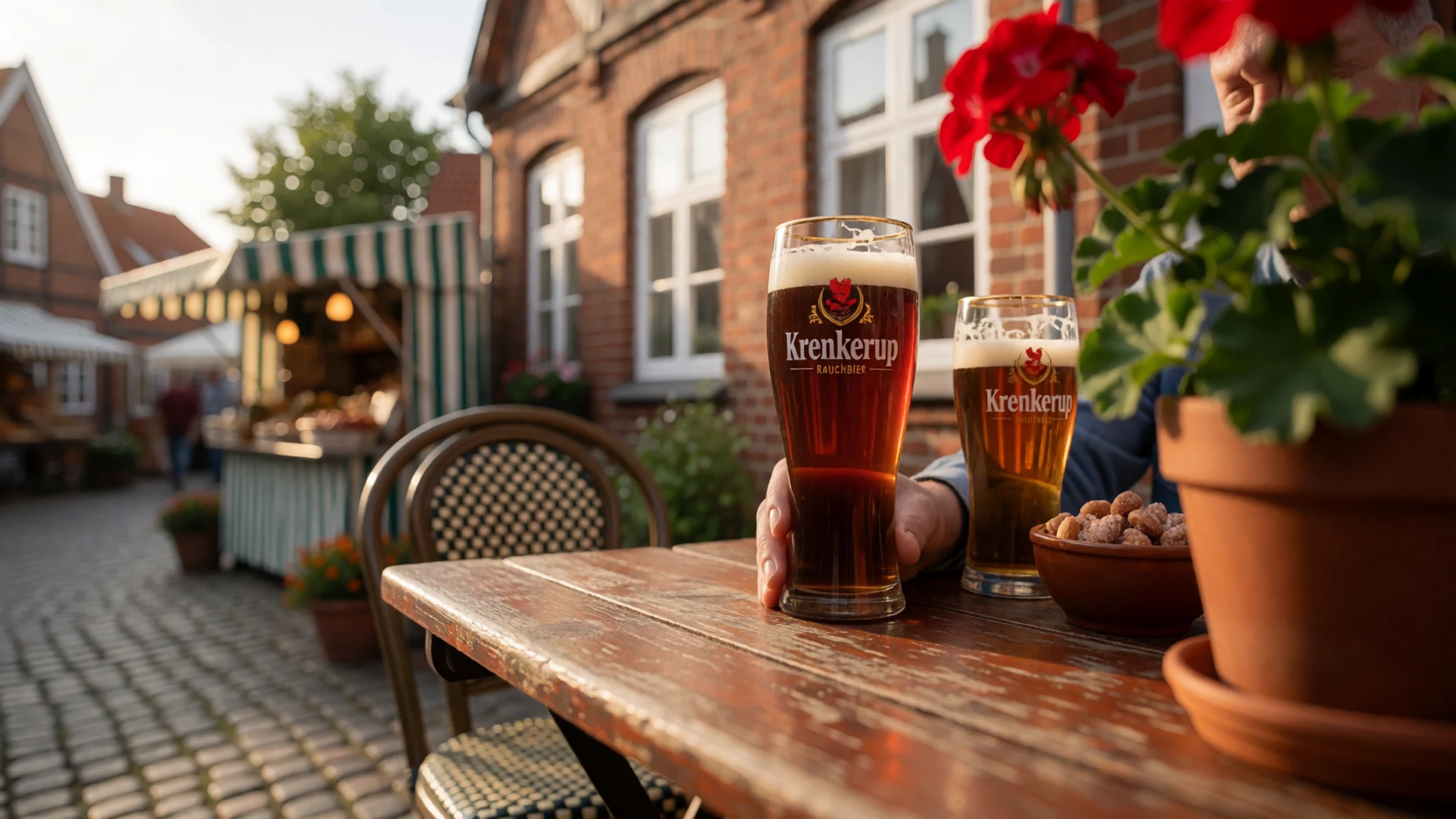
- Maribo Bryghus beers — Maribo and pubs and shops around Lolland
The island's own brewery in Maribo makes a range of beers that are sold around the region. They make a good alternative to the usual national lagers, and a tasting is an easy way to sample something genuinely local.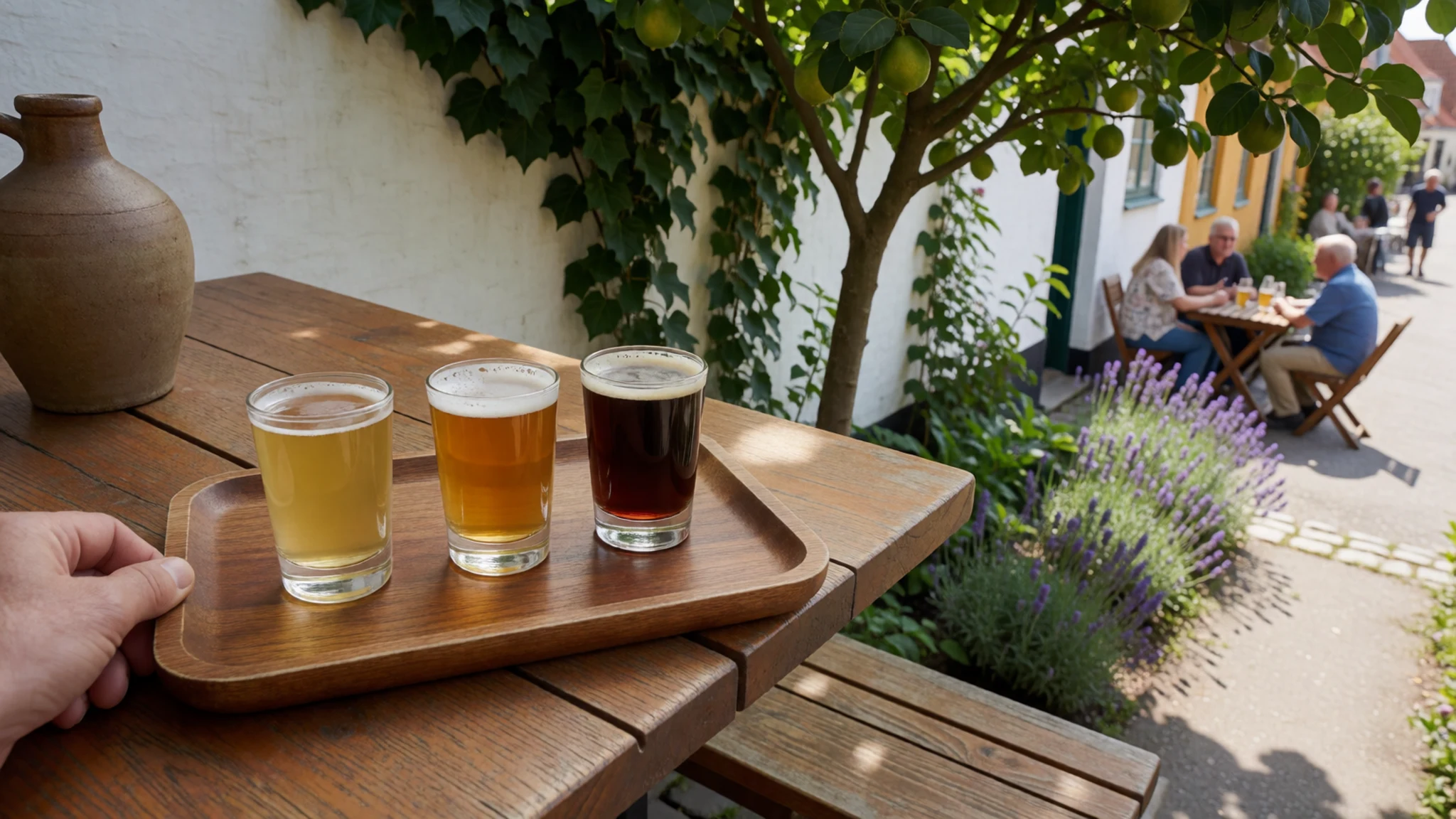
- Smørrebrød — Lunch eateries in Nakskov, Maribo and Nykøbing
Open rye-bread sandwiches topped with fish, cold meat or egg, eaten at lunch with a cold drink. Portions are neat but filling, and the toppings change by eatery, so choose two or three to share. - Frikadeller — Village inns and small-town eateries
Pan-fried Danish meatballs, often served with potatoes, pickles and rye bread. They are plain, hearty farmhouse food that suits a day of cycling in the wind. - Fresh pastries — Town bakeries in Nakskov, Maribo and Nysted
Danish bakeries sell fresh bread, buns and layered pastries each morning, and they are a good way to fuel a ride. Look for a queue of locals at opening time and buy to eat on a bench by the water. - Seasonal farm produce — Roadside farm stalls and small town markets
In summer, farms and roadside stalls on the flat farmland sell fruit and vegetables straight from the field. Stock varies with the weather and the month, and payment is often by card or mobile app, so carry some change as backup.
Plan it
Best time. May to September, when days are long, the boat to Albuen runs and cycling is comfortable; summer is the easiest season for beaches, while winter is cold, windy and quiet, with fewer services.
How long. 2–3
Getting there. Copenhagen Airport is the nearest main airport, about 200 km to the north; from Copenhagen take a train to Nykøbing Falster, then the local Lollandsbanen line to Nakskov, Maribo or Sakskøbing. Drivers can cross by motorway and tunnel from Falster, or take the Scandlines ferry from Puttgarden in Germany to Rødby; a smaller ferry links Tårs with Spodsbjerg on Langeland. Mainline trains from Copenhagen to Rødby are currently diverted, so check the rail operator's site.
Budget. mid
Tips
- Check the official timetable for the Postbåden to Albuen, as it runs only in the summer half of the year
- Bring a windproof layer and plan cycling routes so the wind is behind you on the way home
- Shops are plentiful in Nakskov, Maribo and Nykøbing, but small villages have few services, so carry water and snacks
- Check the Medieval Centre's official site for opening dates and prices before travelling
- Cards are widely accepted, but keep a little cash for small stalls
Etiquette
- Stay on marked paths and close farm gates behind you
- Keep noise low in small towns and on trains
- Give cyclists and farm machinery plenty of room on narrow lanes
Nearby
Sources
- Wikidata Q605839 (CC0)
- Wikipedia: Lolland (rev 1364047978) (CC BY-SA 4.0)
- Wikivoyage: Lolland (rev 5254225) (CC BY-SA 4.0)
- Photo: Case IH tractor with Hardi field sprayer, Lolland (Lars Plougmann) (CC BY-SA 2.0)
- Photo: Fuglsang 2008 (JGC) (CC BY-SA 2.5)
- Photo: Trebuchets at Middelaldercentret 2014 (Toxophilus) (CC BY-SA 4.0)
- Photo: Lundegårde, DK (wanghongliu) (CC BY 3.0)
- Photo: 24 uhr (J Diers) (CC BY 3.0)
- Photo: Claas combine in Denmark (Lars Plougmann) (CC BY-SA 2.0)
- Photo: Claas Lexion 460, Lolland (Lars Plougmann) (CC BY-SA 2.0)
- Photo: Cyklister vindkraftverk Lolland (News Oresund) (CC BY 2.5)


