Langeland
Langeland, Denmark
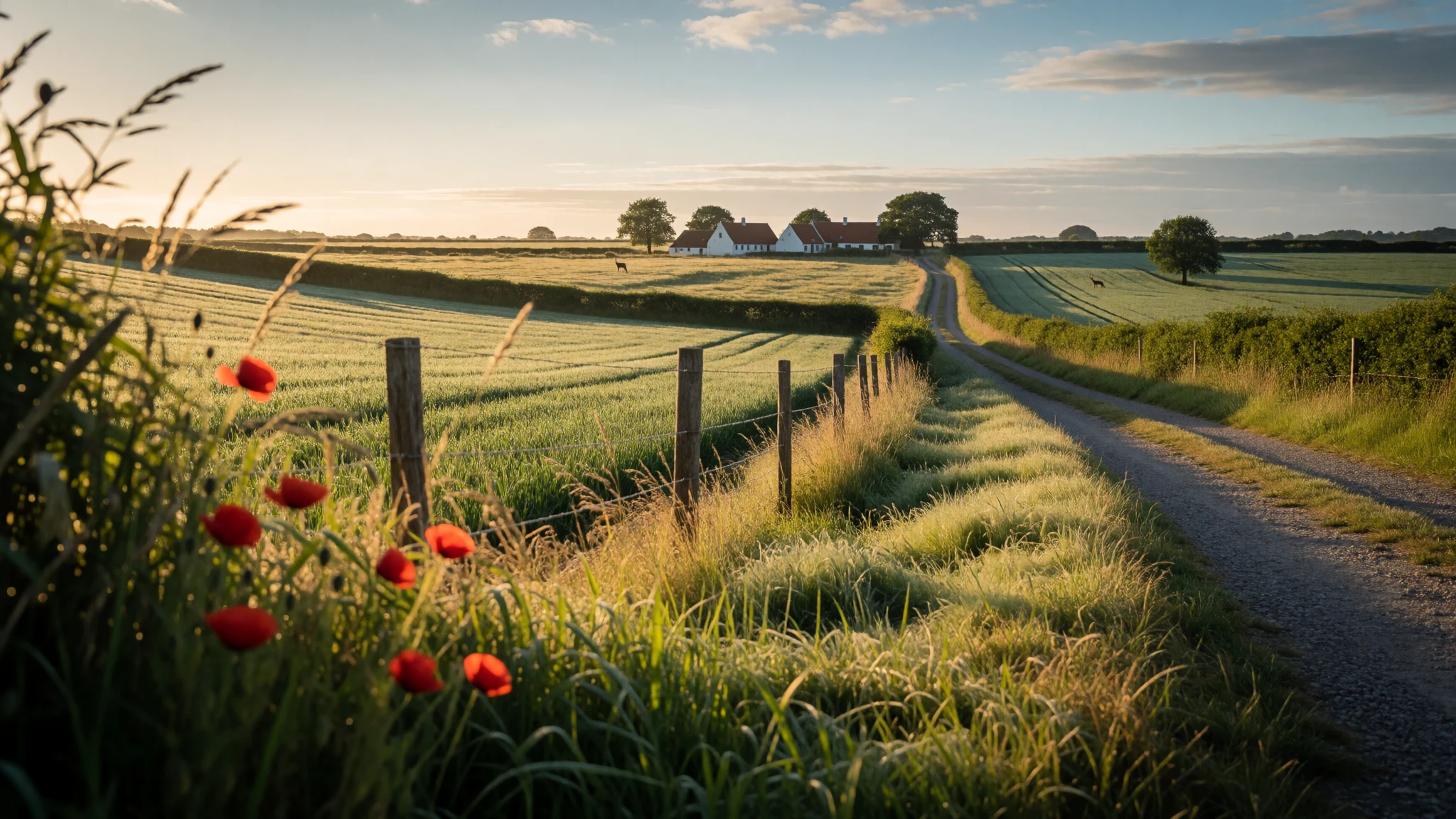
Langeland offers quiet Danish island shores, rolling agricultural land, historic castles, and fascinating Cold War history.
The place
Langeland is a stretched-out Danish island resting peacefully between the Great Belt and the Bay of Kiel. Known for its rich agricultural soil that yields steady harvests of grain, the island functions as a tranquil sanctuary for holidaymakers seeking wellness and unhurried coastal beauty. Bridges link the landmass northwestward to the smaller neighbouring island of Siø and onward to Tåsinge and Funen, creating a seamless journey for travellers approaching by road. Regular car ferries also ply the waters, connecting the island shores to Lolland, Ærø, and Strynø. The landscape gently undulates across its expanse, dotted with small rural settlements, historic estates, and sheltered harbours that welcome leisure sailors from across the Baltic Sea. Life here moves to the rhythm of the tides and seasons. Mornings bring a crisp maritime air across the fields, while afternoons invite leisurely strolls along coastal paths where wild ponies graze near dramatic sea cliffs. Visitors find an unpretentious charm in the quiet lanes and traditional villages, where red-brick houses and half-timbered cottages speak of centuries of coastal habitation. Whether you are watching sailboats bob in harbour basins or exploring wooded castle parks, the island provides an intimate glimpse into traditional Danish island life, far removed from the frantic pace of major European metropolitan hubs.
Its story
The heritage of Langeland is deeply intertwined with maritime trade, agriculture, and notable figures who left an indelible mark on Danish culture and governance. Rudkøbing, the largest town on the island, holds a proud place in intellectual history as the birthplace of the brilliant scientist Hans Christian Ørsted, whose pioneering experiments connected electricity and magnetism forever, alongside his brother Anders Sandøe Ørsted, who served as prime minister, and their talented nephew the botanist. For centuries, the island's strategic position in Danish waters made it a vital watchpoint, leading to centuries of defensive fortifications and noble estates. The most prominent among these is Tranekær Gods, whose surrounding parklands reflect generations of aristocratic landscaping and horticultural design. In more recent decades, the island's history shifted toward modern defence and peace preservation, most visibly seen at the massive naval fortress built during tense twentieth-century geopolitical standoffs. Today, former military installations serve as museums and educational spaces, reminding visitors of the changing tides of European history. Ancient heritage lingers just beneath the surface as well, visible in prehistoric burial mounds such as the stone barrow attributed in medieval legend to King Humble. Through these layers of time, from ancient chieftains to pioneering scientists and coastal villagers, Langeland has maintained a steady, enduring character rooted deeply in the soil and surrounding sea.
What to see
- Langelandsfortet — Southern Langeland
Explore this sprawling naval defence fortress built during the Cold War era. Visitors can walk through underground command bunkers, inspect decommissioned artillery, and view a genuine section of the Berlin Wall exhibited on site, offering a sobering look into twentieth-century European history and military strategy.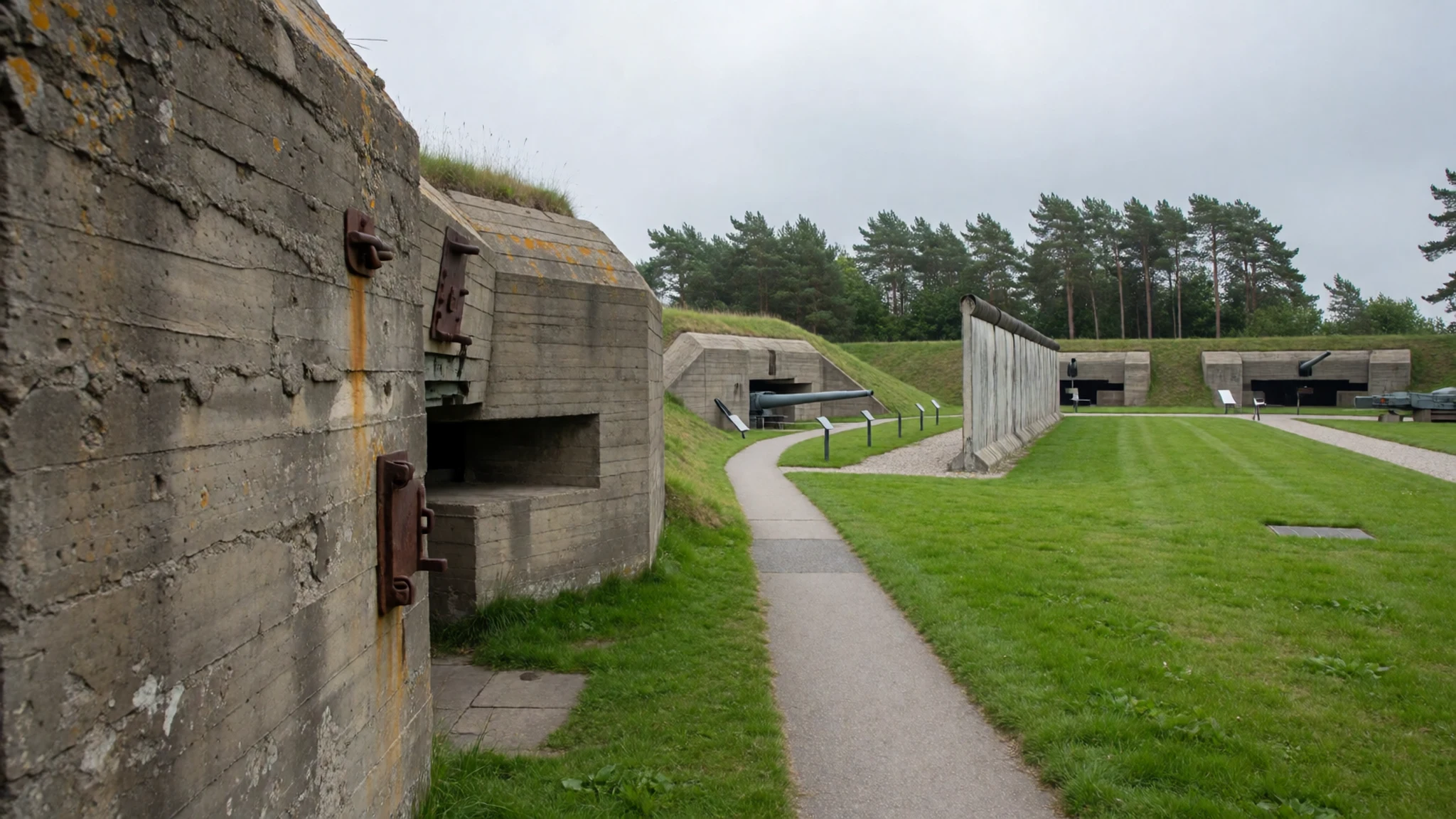
- Tranekær Castle Park — Tranekær
Stroll through the magnificent historical parklands surrounding the ancestral Tranekær estate. While the main residential castle remains closed to the public, the extensive grounds feature remarkable outdoor sculptures, exotic trees, and landscaped gardens that showcase centuries of aristocratic botanical curation.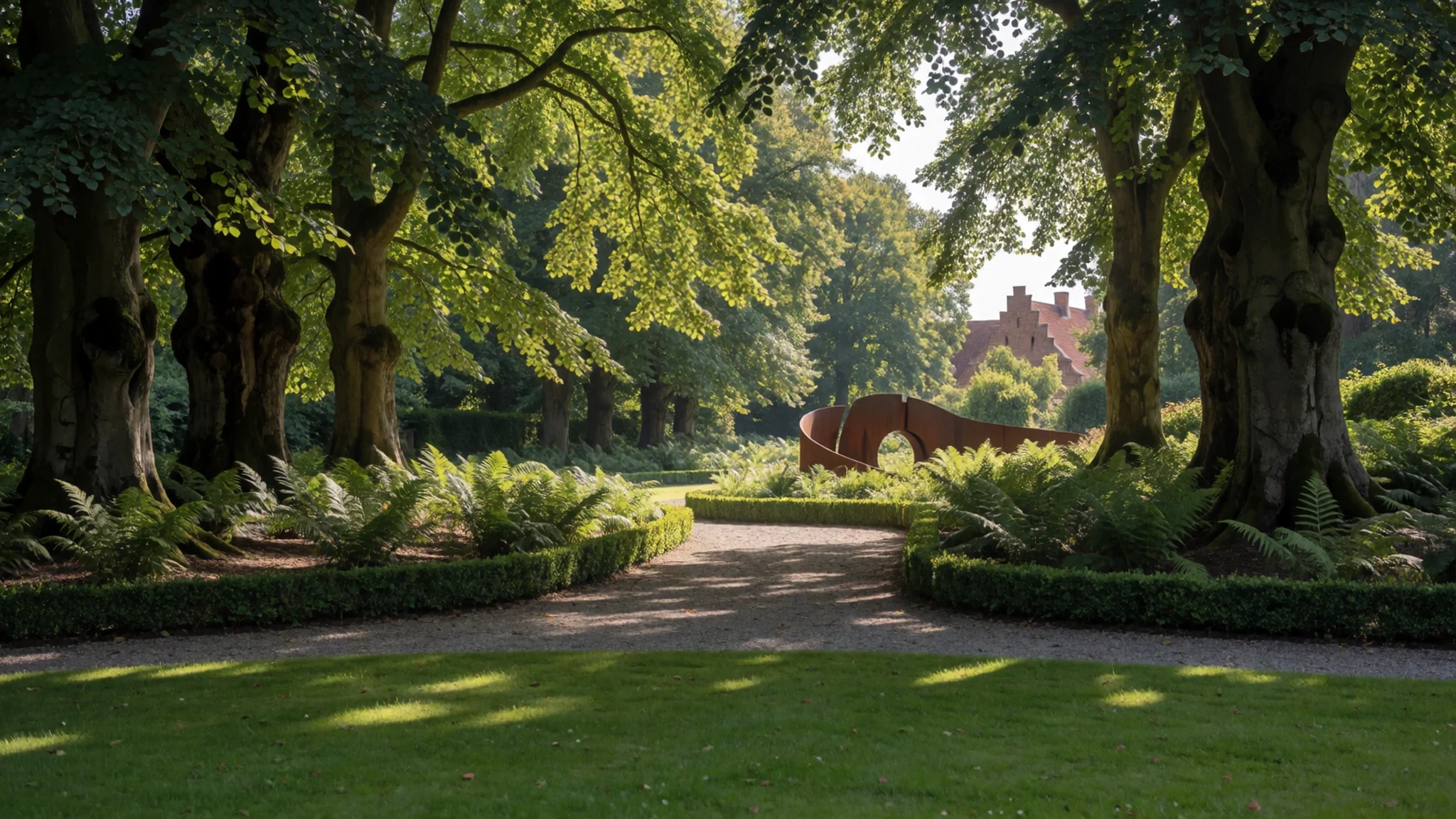
- De Langelandske Kunsttårne — Island-wide
Discover a uniquely creative public art project transforming utilitarian roadside infrastructure into cultural spaces. Twelve former electrical transformer towers scattered across the landscape have been converted into miniature art galleries, each featuring rotating exhibitions by local and regional painters and sculptors.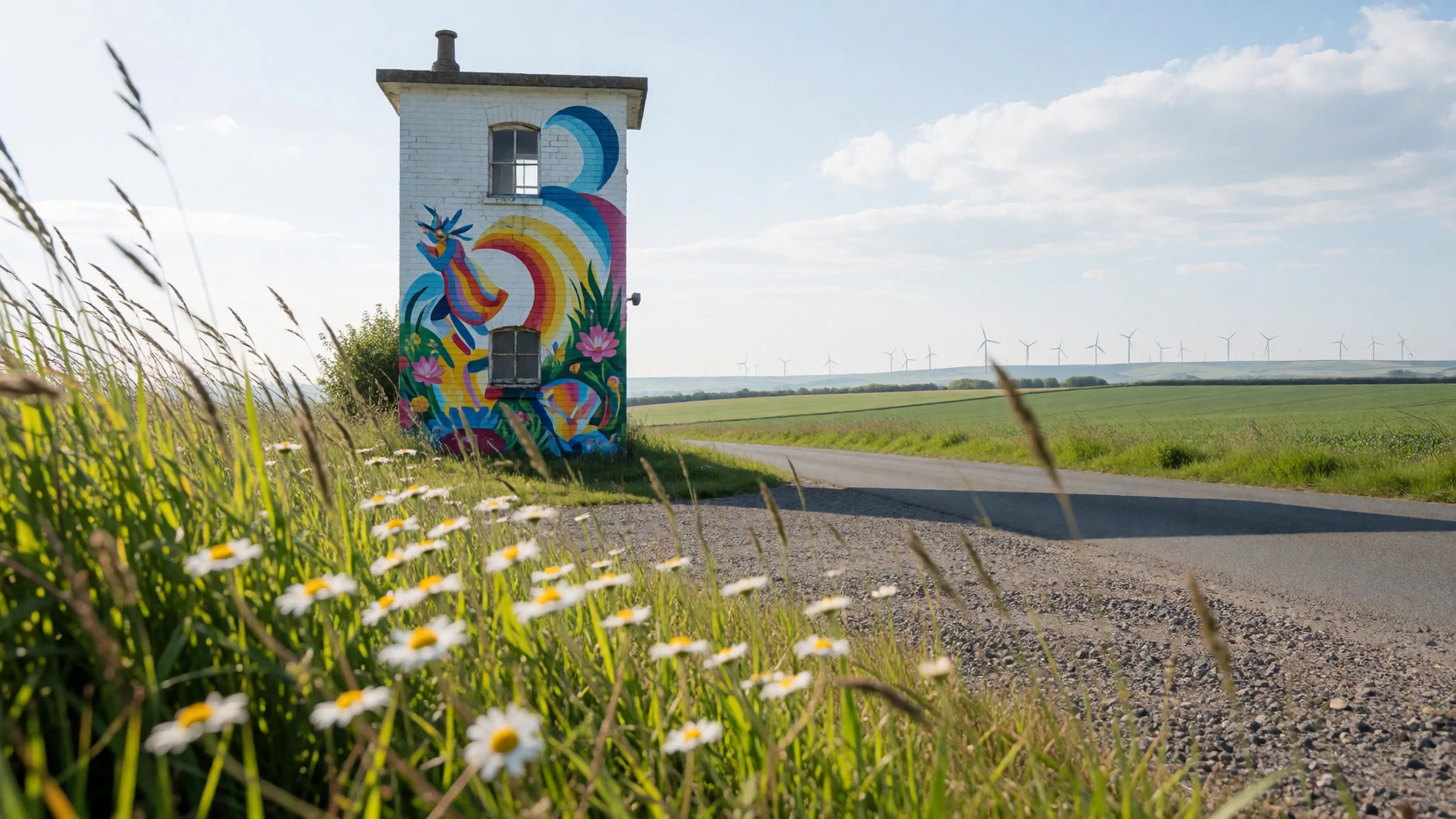
- Kong Humbles Grav — Humble
Visit an impressive neolithic passage grave dating back approximately four thousand years. According to medieval chronicles and local folklore, this megalithic long barrow serves as the final resting place of King Humble, offering a quiet, contemplative connection to the island's ancient pre-Christian past.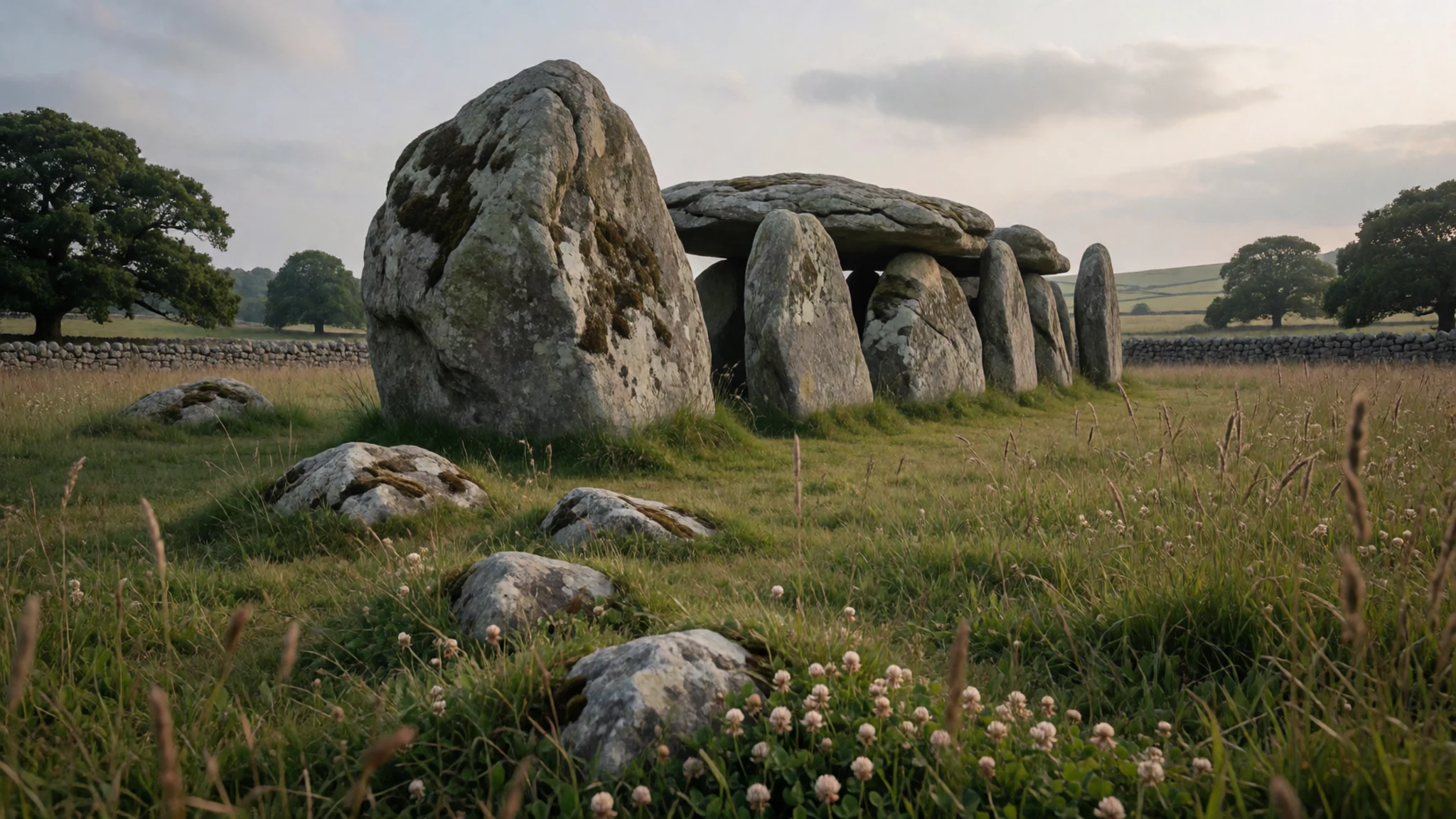
- Bagenkop Harbour — Southern Langeland
Wander around this lively southern harbour town where fishing boats and leisure yachts dock side by side. The bustling maritime atmosphere makes it an ideal spot to watch local fishermen unload their daily catch or enjoy a peaceful coastal walk along the southern breakwater.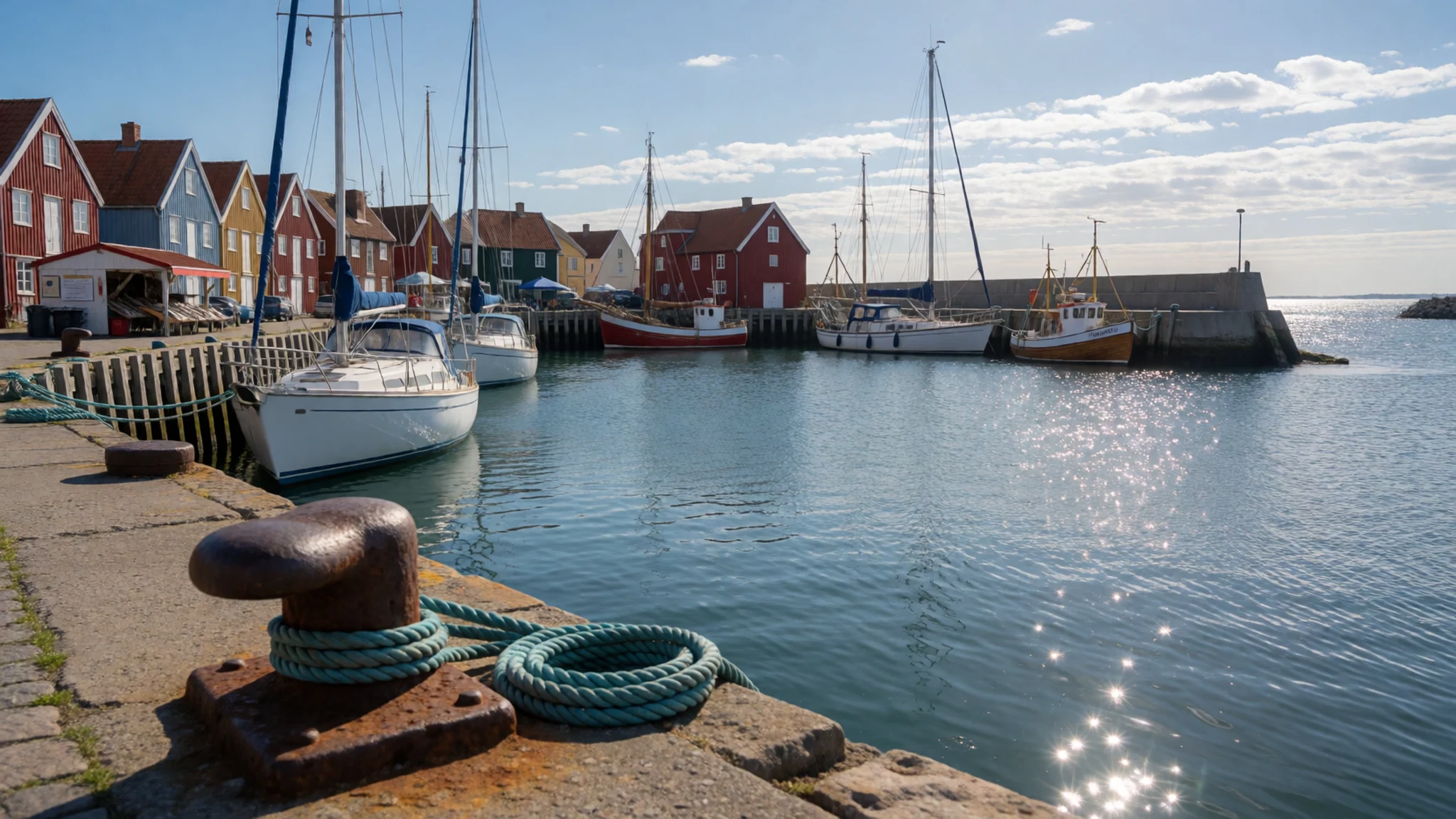
Culture
The social fabric of Langeland is defined by a deep sense of community, a relaxed pace of life, and a profound respect for the natural environment. Residents take great pride in their local heritage, maintaining historic buildings, coastal traditions, and community spaces with care. Social interactions are generally warm, polite, and unhurried, reflecting the gentle rhythm of rural Danish island life. Visitors will find that locals are welcoming and appreciative of polite greetings, often exchanging nods when passing on quiet country roads or in village shops. Environmental consciousness is paramount here; recycling, cycling, and protecting the fragile coastal ecosystems are daily habits shared by the community. Artistic expression thrives in the villages, with local makers and painters drawing inspiration from the unique quality of the island light and surrounding sea. When visiting local churches, historic sites, or neighbourhood establishments, a calm demeanor and quiet respect for private property are essential. Always ask for permission before photographing local residents or private residential gardens, ensuring that the peaceful atmosphere cherished by the island community is respected at all times.
What to wear
Traditional attire on Langeland historically reflected practical agrarian and maritime needs, featuring sturdy woollen garments, linen shirts, and durable leather footwear designed to withstand harsh northern winters and damp coastal winds. While traditional folk costumes are rarely worn in daily life today, they are carefully preserved for historical festivals, folk dancing gatherings, and national celebrations. Contemporary fashion among locals prioritises comfort, practicality, and weather resistance. Due to the island's coastal exposure, layering is a way of life; windproof jackets, woollen jumpers, and comfortable trousers are standard staples for everyday wear year-round. Visitors should pack versatile clothing suitable for changing weather conditions, including a reliable waterproof jacket, comfortable walking shoes or boots for exploring coastal paths and forest trails, and sturdy footwear for uneven cobblestone streets in historic towns like Rudkøbing. Casual, understated clothing is appropriate for all dining venues, museums, and public spaces across the island. Sun protection, including hats and sunglasses, is recommended during the bright summer months when spending extended periods exploring beaches or open agricultural landscapes.
What to eat
- Fresh Coastal Seafood — Harbour quaysides and local fishmongers
Sample freshly caught fish such as herring, plaice, and cod brought straight into local harbour towns like Bagenkop. These are typically prepared simply to highlight their natural ocean flavours, often served pan-fried with remoulade or pickled according to traditional Scandinavian recipes. - Danish Smørrebrød — Traditional country inns and cafes
Enjoy traditional open-faced rye bread sandwiches piled high with high-quality toppings such as smoked fish, boiled eggs, roast beef, and fresh herbs. It forms a quintessential lunchtime staple found in village inns and cafes across the island. - Classic Steaks and Grills — Tranekær and regional village eateries
Savour hearty meat dishes featuring locally sourced ingredients, prepared with classic culinary techniques. These substantial meals are particularly popular in historic coaching inns and family-run restaurants following a long day of outdoor exploration. - Artisanal Danish Pastries — Local bakeries in Rudkøbing and Humble
Indulge in sweet, flaky pastries baked fresh daily using traditional methods. Accompanied by freshly brewed coffee, they offer a comforting treat during afternoon breaks in village squares and bakeries.
Plan it
Best time. June to August offers the warmest weather, long daylight hours, and fully operational ferry services, making it ideal for cycling and coastal exploration.
How long. 3–4
Getting there. Arrive by bus from Svendborg across the bridge to Rudkøbing, or drive via the connecting road network from Funen and Tåsinge.
Budget. mid
Tips
- Rent a bicycle to explore the flat coastal roads and scenic countryside at a relaxed pace
- Check seasonal opening times for smaller museums and castle parks before setting out
- Carry some cash for small roadside farm stalls and independent craft shops
- Book accommodation well in advance if visiting during the peak summer holiday months
Etiquette
- Always greet shopkeepers and locals politely upon entering small village establishments
- Respect private property boundaries when walking near agricultural fields and farmhouses
Nearby
Sources
- Wikidata Q27524 (CC0)
- Wikipedia (rev 1364043752) (CC BY-SA 4.0)
- Wikivoyage (rev 5408221) (CC BY-SA 4.0)
- Photo 01 (CC BY 3.0)
- Photo 02 (CC BY 3.0)
- Photo 03 (CC BY 3.0)
- Photo 04 (CC BY 3.0)
- Photo 05 (CC BY 3.0)
- Photo 06 (CC BY-SA 4.0)
- Photo 07 (CC0 1.0)
- Photo 08 (CC BY 3.0)


