Als
Als, Denmark
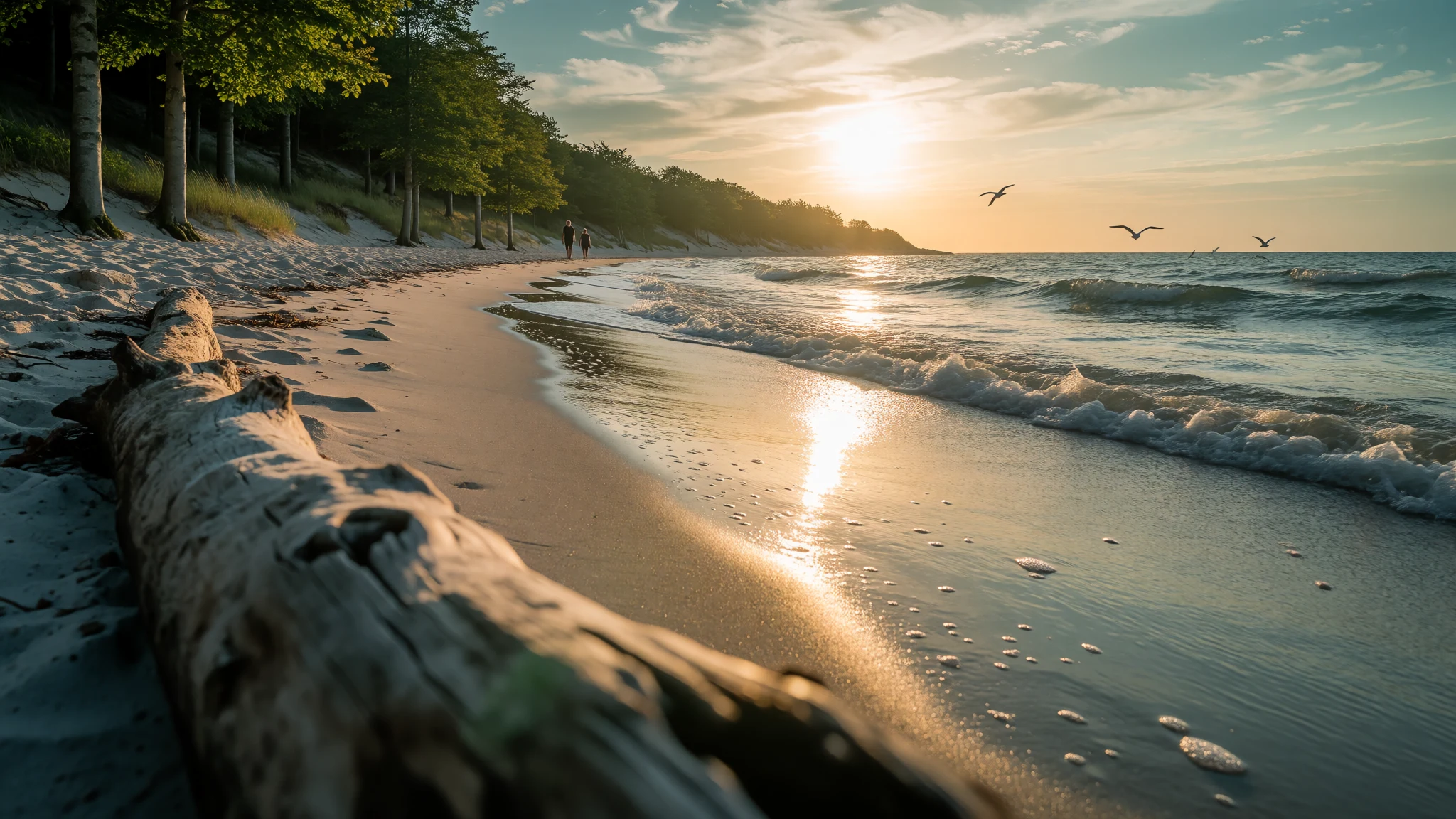
Als is a gentle Baltic island of orchards, bays and cycle routes, with Danish and German history layered into its small towns.
The place
Als is a Danish island in the Baltic Sea, home to about 50,000 people. It lies just east of the Jutland mainland and north of the German border, and it is part of Sønderborg Municipality. Water surrounds it in every direction: the Little Belt to the north and east, Flensborg Fjord to the south, and Als Fjord and the narrow Als Strait to the west. That strait is the only thing separating the island from Jutland, and two road bridges cross it at Sønderborg, the island's main town. Sønderborg has a working harbour and has spread over onto the mainland side.
The land is mostly farmed and fertile. Pigs are a major local industry, and the island was once known for fruit orchards, a few of which still operate. The west coast is the part to explore slowly, because it is cut into bays and coves with names like Sandvig, Dyvig, Stegsvig and Ketting Nor. Beaches here are modest in scale, with shallow water, woodland close behind and small harbours rather than resort strips.
This is not a place of dramatic scenery or big-ticket sights. Its appeal is in distances that suit a bicycle, in villages that feel lived in, and in the way the sea is never far off. Summer brings Danish and German holidaymakers, yet even then the island rarely feels crowded. Ferries link it with Jutland, Funen and the island of Ærø, which makes it easy to fold into a longer island-hopping route through southern Denmark.
Its story
Als has been settled since the late Stone Age, and archaeological finds tell of a long habitation. The best known is the Hjortspring boat, which dates to the Bronze or Iron Age and points to seafaring communities here long before any written record.
In the Middle Ages the island was split among several noblemen, each ruling their own share and the people on it. Later Duke John, a son of King Christian III, gained control and bought the other landowners out. The island was later divided again into smaller duchies, but that arrangement did not last.
The town of Augustenborg grew up around its palace, begun in the years after 1651 by Ernest Günther, a member of the Sønderborg branch of the ducal house of Schleswig-Holstein and a great-grandson of King Christian III. He named it after his wife Auguste. The palace became the principal seat of the family, who took Augustenborg as their branch name, and over the late eighteenth century the Duke of Augustenborg became the dominant figure on the island.
War left its mark too. In 1658 troops under Frederick William invaded and took the island back from the Swedes during the Dano-Swedish War. The ducal line ended its time at the palace when the last duke living there, Christian August II, sided with the pro-German Schleswig-Holstein nationalist movement against Denmark, and the Danish Crown took over the duchy. That mix of Danish and German loyalties still explains why the island has both names, Als and Alsen.
What to see
- Augustenborg Palace — Augustenborg
A baroque three-winged building dating from 1775, standing east of Sønderborg inside a public park. It is the old seat of the Augustenborg dukes and the reason the town exists. The park is free to wander, so it works as an easy first stop; check the official site for any access to the interior.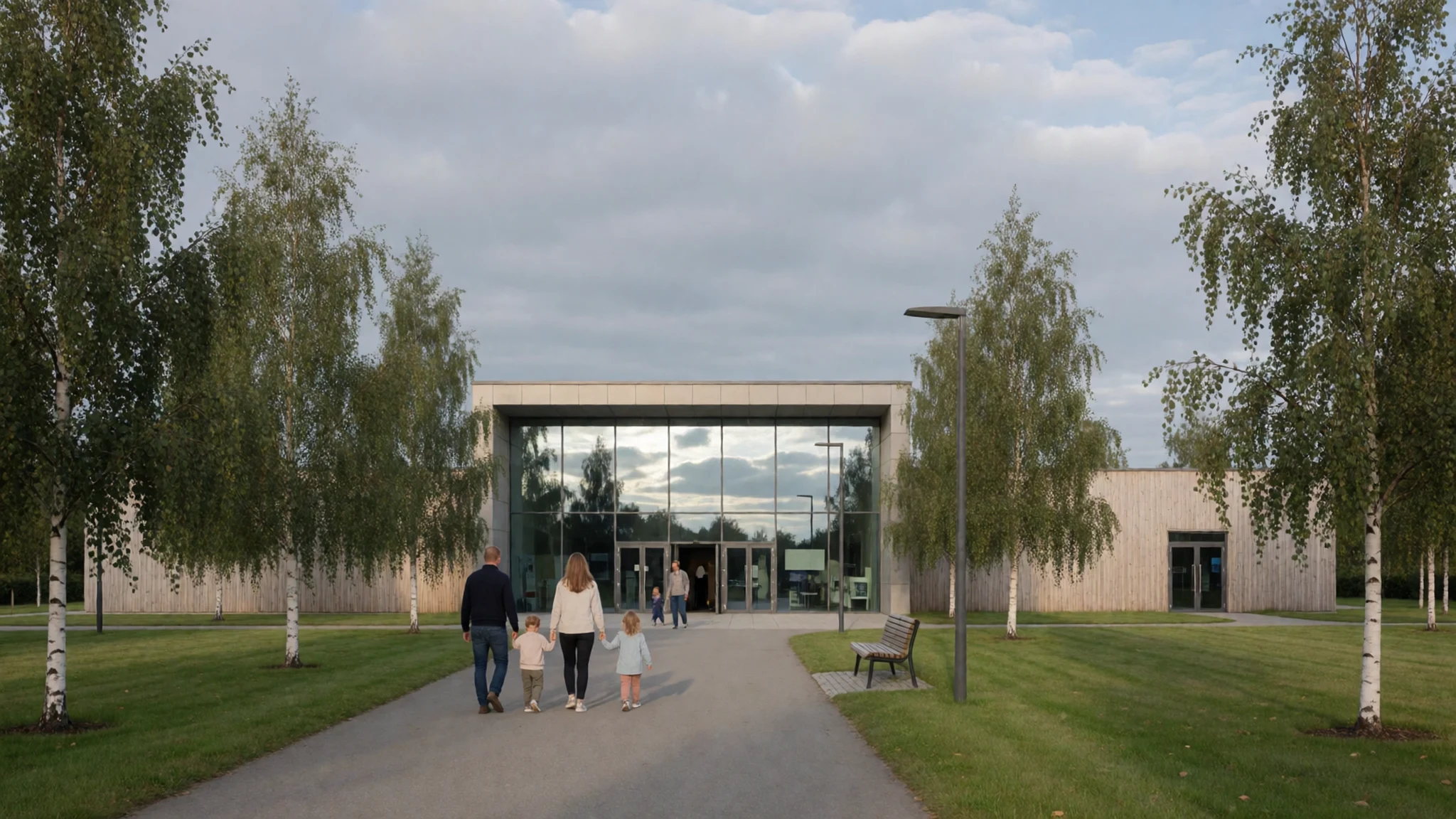
- Sønderborg harbour — Sønderborg
The harbour is the busy heart of the island's main town, set on the strait between Als and Jutland. Walking along the water gives a view of both bridges, the older King Christian X's Bridge and the longer, newer Als Strait Bridge. It is a good place for a coffee and for getting your bearings.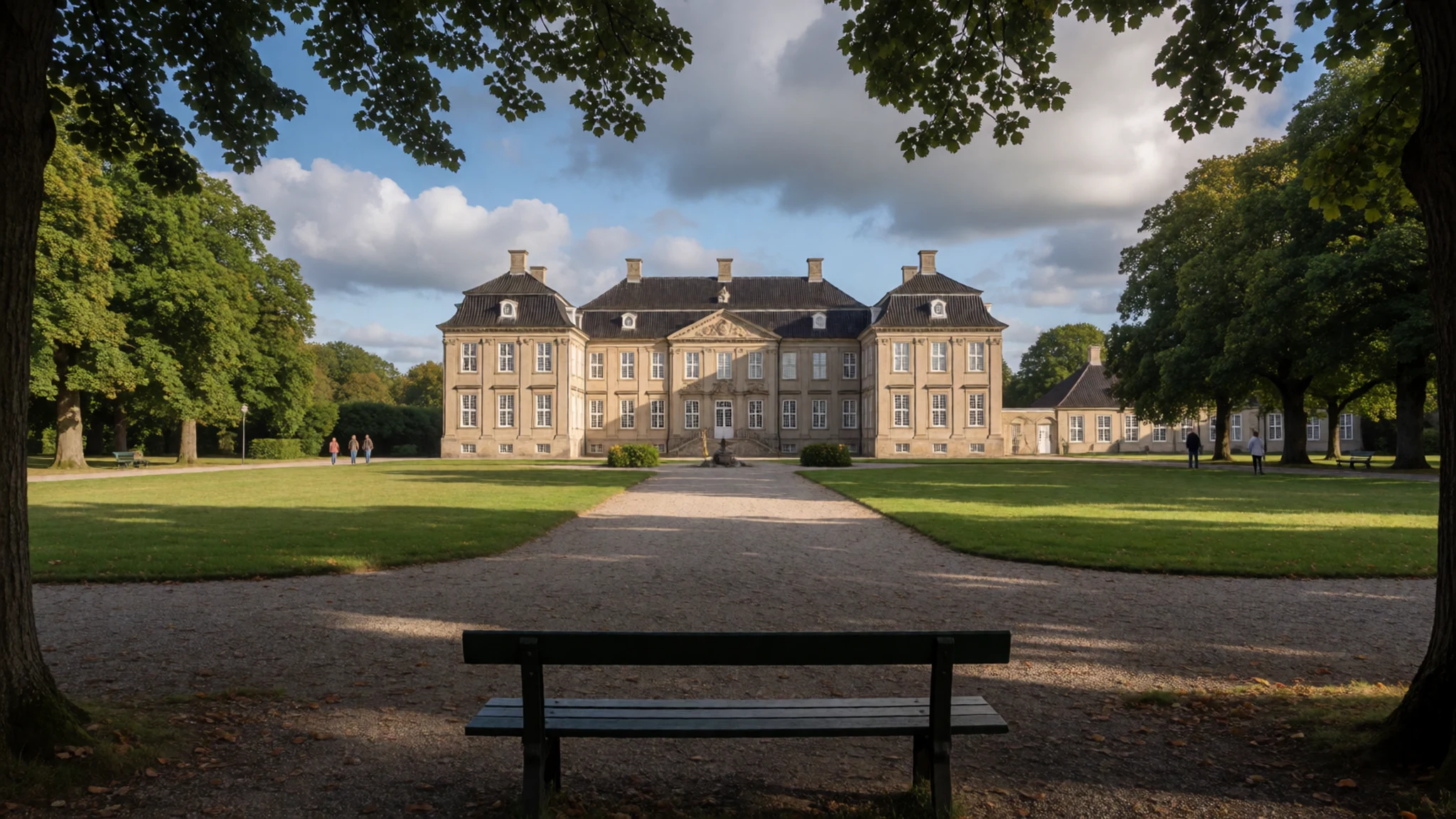
- Universe, Nordborg — Nordborg
A science and experience park in Nordborg in the north of the island, useful on a wet day or with children. Tickets are sometimes cheaper when bought online or in advance, so check the park's own site before travelling. Nordborg also has a village church and the Nørreskoven woodland close by.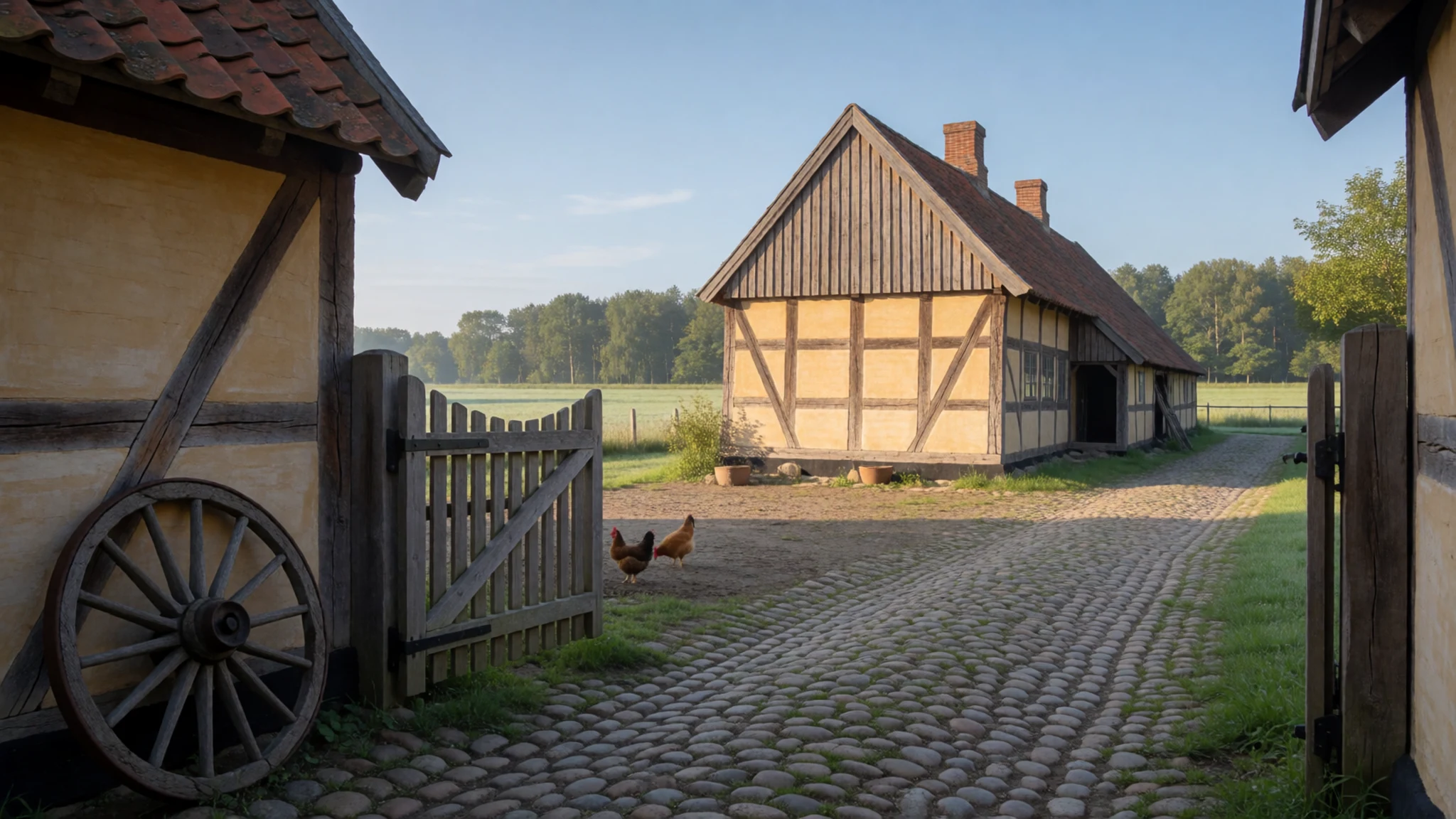
- Jollmands Gård — Sønderborg area
A timber-framed museum farm built in 1790, which gives a sense of how farming households on Als once lived. It suits a slow stop between beaches, particularly if the weather turns. Opening times change with the season, so confirm them locally before you set out.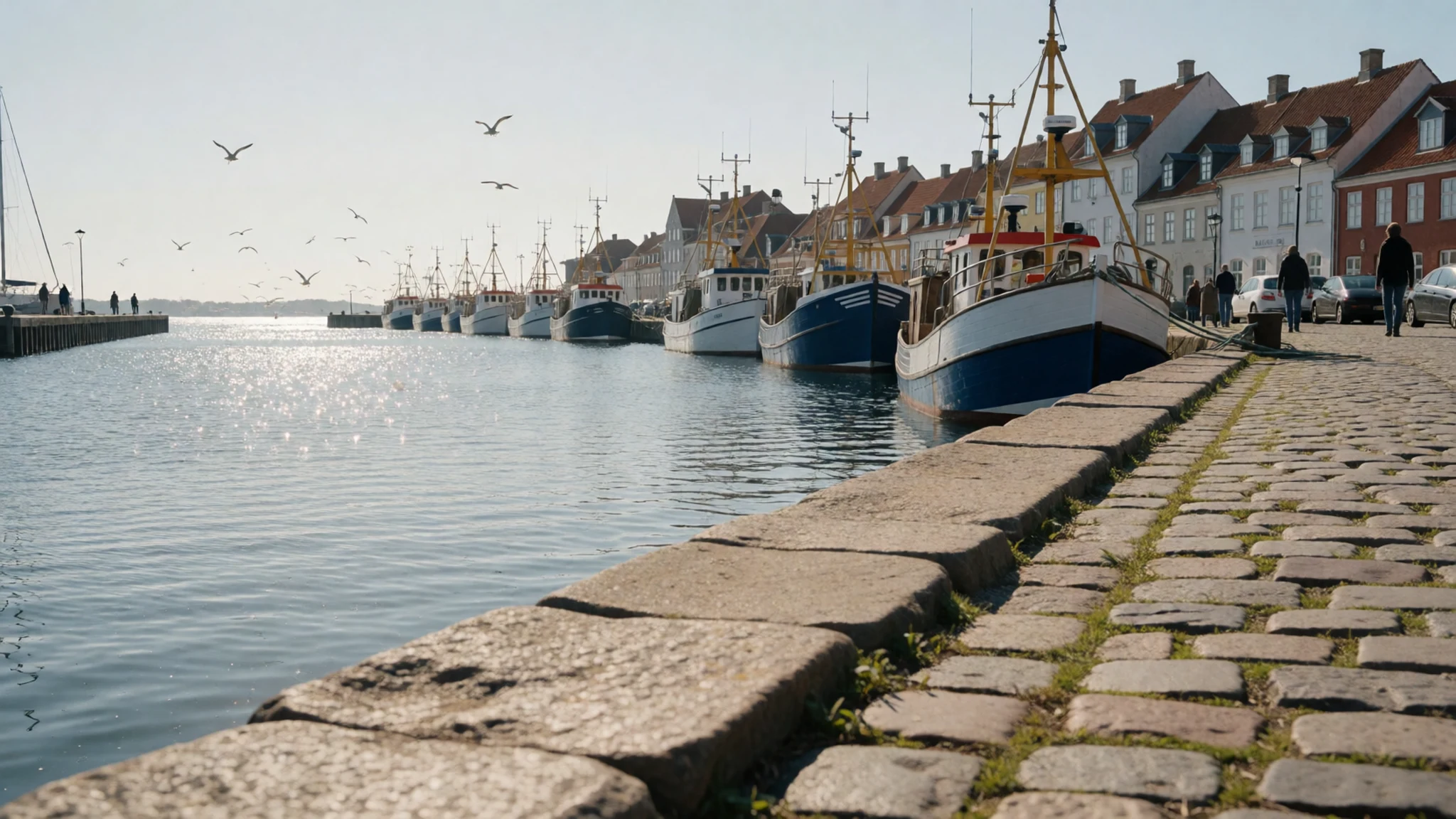
- Lusig and Sandvig beaches — West coast
On the west coast, the beach at Lusig looks across the water towards Sandvig and Stevning. These are quiet, shallow shores backed by fields and trees, better for a walk, a paddle and a picnic than for a lively beach day. Pack a windproof layer even in summer.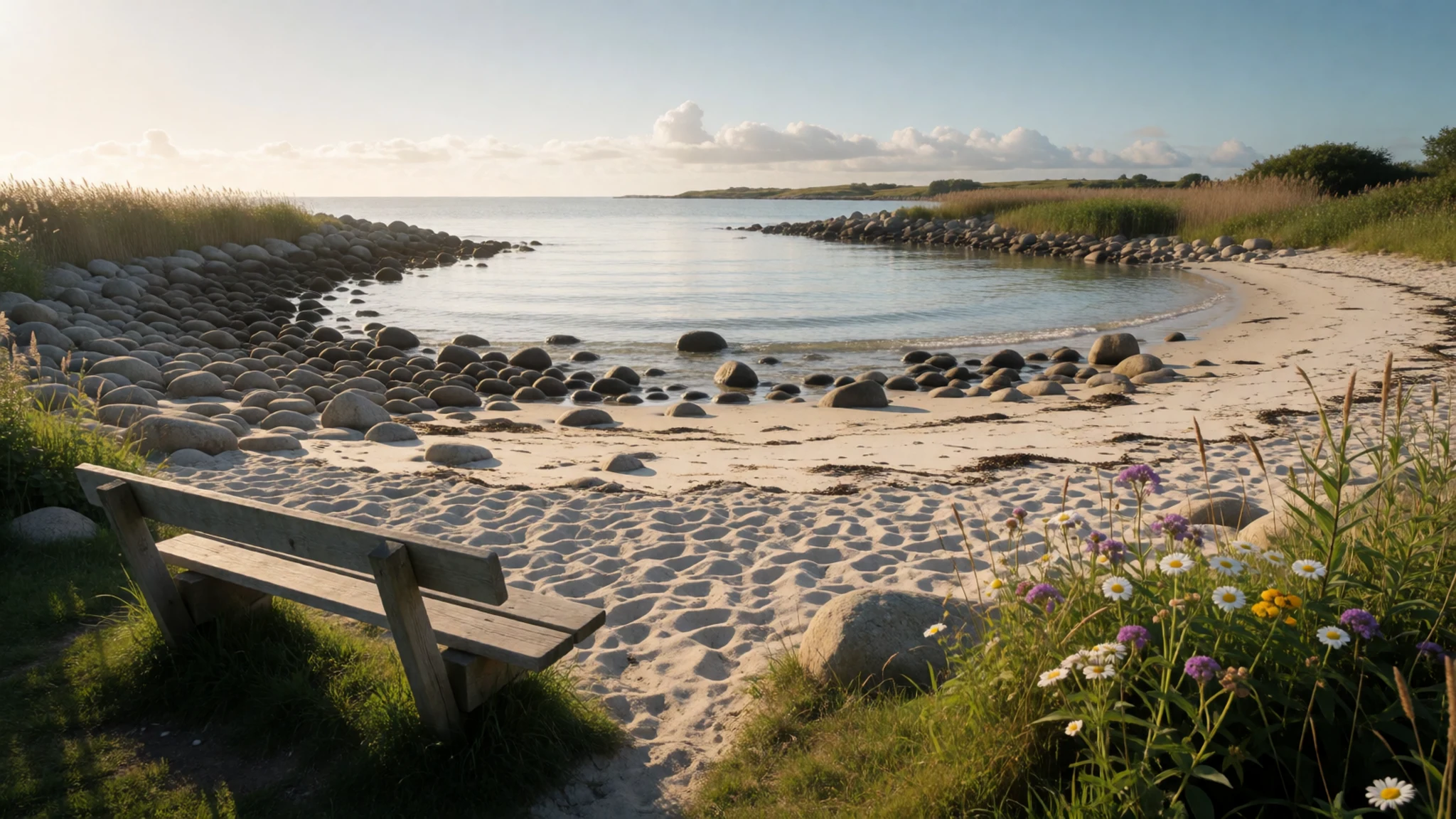
- Katholm, Augustenborg Fjord — Augustenborg Fjord
A small island out in Augustenborg Fjord, best admired from the shore or from a boat rather than visited. The fjord's sheltered water and low, green banks make the area good for paddling and for slow cycling along the inlets. Bring binoculars if you like watching birds.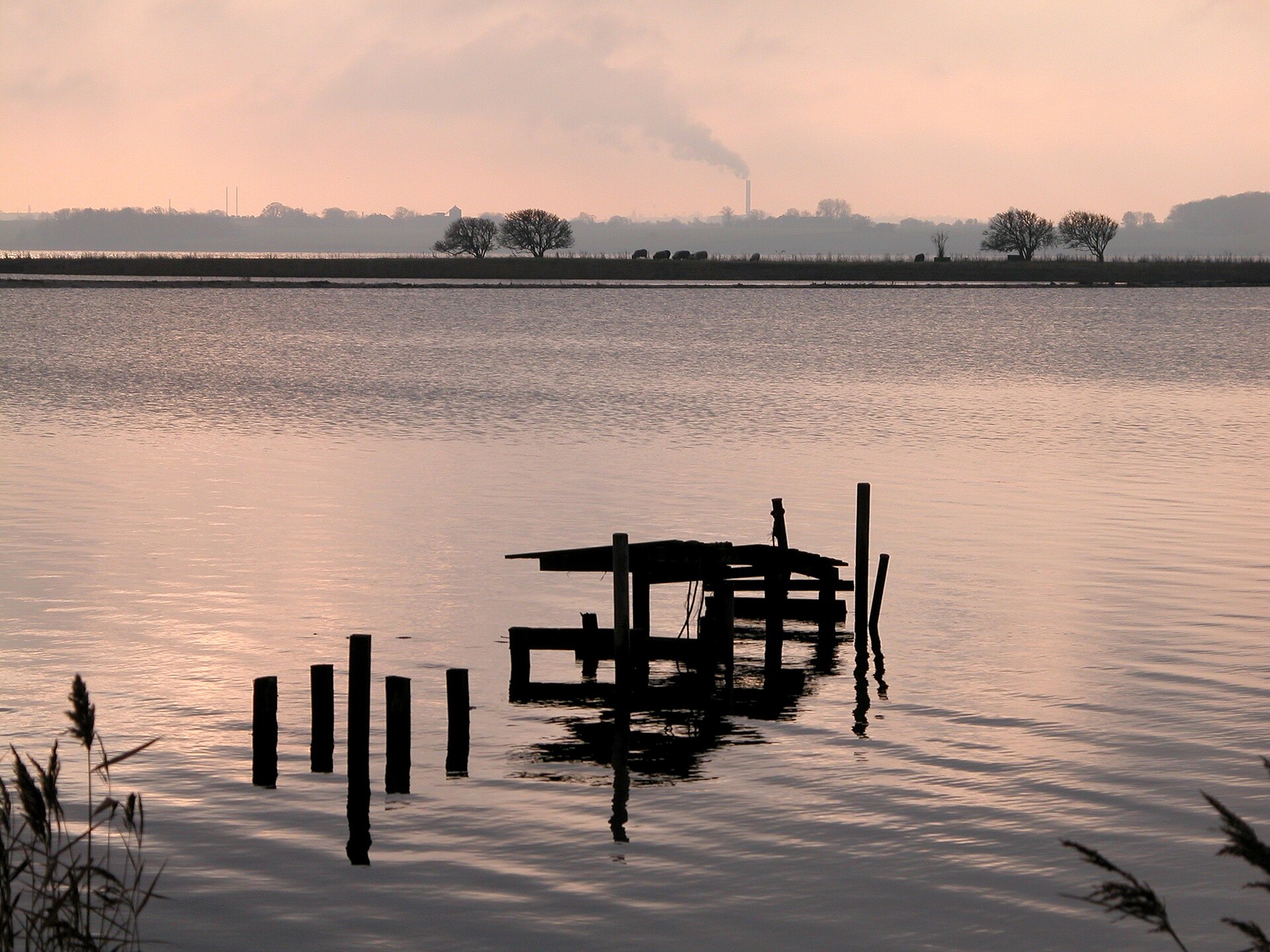
Culture
Als sits on the old border between Danish and German worlds, and that shapes its character. The island has two names, Als in Danish and Alsen in German, and the surrounding region has a history of shifting allegiances. Danish is the everyday language, but German is widely understood in the south, and many visitors arrive from across the border.
Life here runs at a calm, practical pace. Farming, especially pig rearing, still defines much of the countryside, and fruit growing is part of local memory. Villages tend to be tidy and low-key, with a parish church at the centre and gardens kept carefully. Outdoor life is taken seriously: people cycle, sail, swim in the Baltic and walk the woods, and the network of free shelters and camping spots for hikers and cyclists reflects a strong habit of using the countryside openly and responsibly.
Danes value quiet, fairness and punctuality. Queues are orderly, conversation tends to be understated, and small talk with strangers is friendly but brief. Cyclists have a clear place on the road, and bike lanes are treated as seriously as car lanes. Summer evenings are long and often spent outside with family, which gives the island a relaxed, unhurried feel.
If you use a shelter or campsite, leave it cleaner than you found it, take your rubbish with you, and keep to the booking you made.
What to wear
Als has no distinctive costume of its own that visitors will meet day to day. Older Danish folk dress, with woollen skirts, bodices, aprons and embroidered caps, survives mainly in museums, at festivals and in dance groups, and is worn on special occasions rather than in the street. Wool and linen are the traditional textiles, which suit a cool, windy maritime climate.
Everyday clothing is simple, practical and understated. Islanders favour muted colours, good-quality knitwear, waterproof jackets and sturdy shoes, and dress changes little between town and countryside. Cycling is so common that people dress for it, with trousers that cope with a bike seat and light rain gear kept close by. Smart-casual is enough for a restaurant, and nobody expects formal dress.
For a visitor, the main rule is layers. Even in July the Baltic wind can be cool, particularly on the coast and in the evening, so bring a light waterproof, a jumper and long trousers alongside summer clothes. Comfortable walking shoes or trainers suit cycling and woodland paths; sandals are fine for the beach, though some shores are stony. Pack swimwear, a towel and a sun hat, since sunshine can be strong even when the air is cool. Churches and the palace park have no special dress code, though modest, tidy clothing is polite in a church.
What to eat
- Smørrebrød — Lunch cafés in Sønderborg and Nordborg
Open sandwiches on dark rye bread, topped with things like pickled herring, roast pork, egg or smoked fish. They are a standard Danish lunch. Look for them at a lunchtime café or a bakery counter in Sønderborg and the larger villages.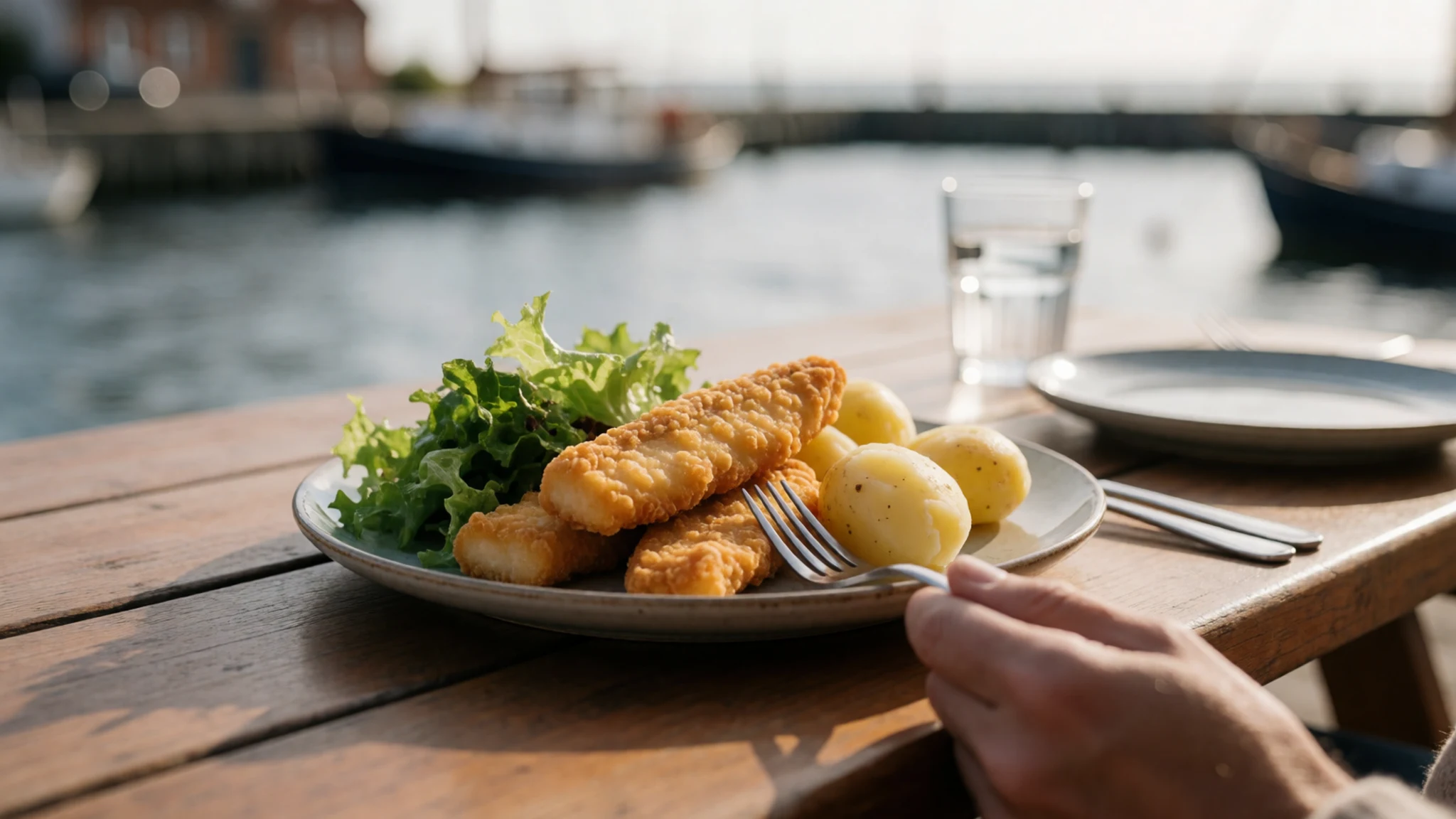
- Roast pork, flæskesteg — Village inns and traditional eateries
Pork is central here, given the island's pig farming. Flæskesteg is roast pork with crackling, usually served with potatoes and red cabbage. It appears on traditional menus at village inns and family-run eateries, especially in cooler months.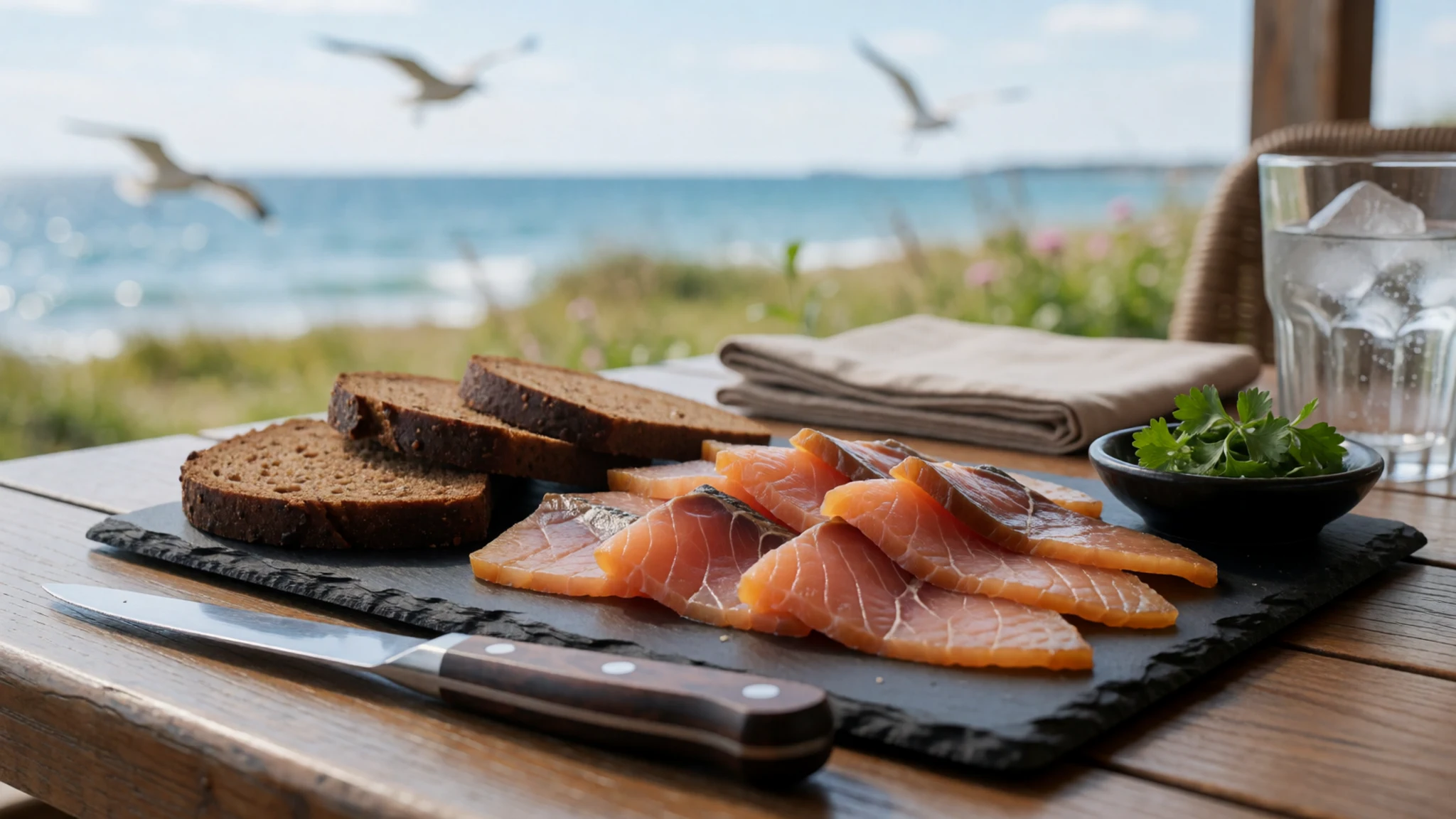
- Fresh Baltic fish — Harbour fish stalls and smokehouses
Herring, plaice and smoked fish come from the surrounding waters. Smoked fish is often sold simply, with bread, near the harbours. Eating it by the water is the best way to enjoy it. - Island apples and fruit — Farm shops and roadside stalls
Fruit orchards once defined the island, and a few remain. In season, look for apples, plums and juices sold from farm gates and roadside stalls. Cash can be handy for these small sellers. - Danish pastries — Local bakeries in any town
Called wienerbrød locally, these flaky, buttery pastries are a morning staple with coffee. Bakeries are found in almost every town and larger village, and are a good way to start a cycling day.
Plan it
Best time. June to August is warmest and best for beaches, sailing and cycling, with long daylight hours. May and September are quieter and cooler, and still pleasant. Winters are cold, grey and windy, and many seasonal places close.
How long. 2–3
Getting there. Fly into Billund or Hamburg, or travel by rail into southern Jutland, then continue by road or bus to Sønderborg, which sits on both sides of the Als Strait and is linked to the island by two bridges. Ferries also run from Hardeshøj to Ballebro on Jutland, and from Fynshav to Bøjden on Funen and to Søby on Ærø. Check timetables with the operators.
Budget. mid
Tips
- A bicycle is the best way to see the west coast bays; hire one in Sønderborg or bring your own
- Book shelters and campsites ahead through udinaturen.dk, as most require a reservation
- Check the official sites for opening times and ticket deals before visiting museums and Universe
- Pack a windproof layer even in summer, as the Baltic breeze can be cool
- Book ferries early in July and August if travelling with a car
Etiquette
- Leave shelters and campsites clean and take rubbish away with you
- Keep to bike lanes when walking, and give cyclists room
- Greet staff politely and queue in order
Nearby
Sources
- Wikidata Q165383 (CC0)
- Wikipedia: Als (island) (CC BY-SA 4.0)
- Wikivoyage: Als (CC BY-SA 4.0)
- Photo: Havnbjerg strand (Nis Hoff) (Public domain)
- Photo: Harbour of Sønderborg (CC BY 3.0)
- Photo: Schloss Augustenburg (Schnatzel) (Public domain)
- Photo: Lusig Strand mod Sandvig (Nis Hoff) (Public domain)
- Photo: Kegnæs Sønderby (Erik Christensen) (CC BY 3.0)
- Photo: Nordborg Kirke (Nis Hoff) (Public domain)
- Photo: Katholm (Erik Christensen) (CC BY 3.0)
- Photo: Nørreskovvej, Nordborg (Nis Hoff) (Public domain)


