Esbjerg
Esbjerg, Denmark
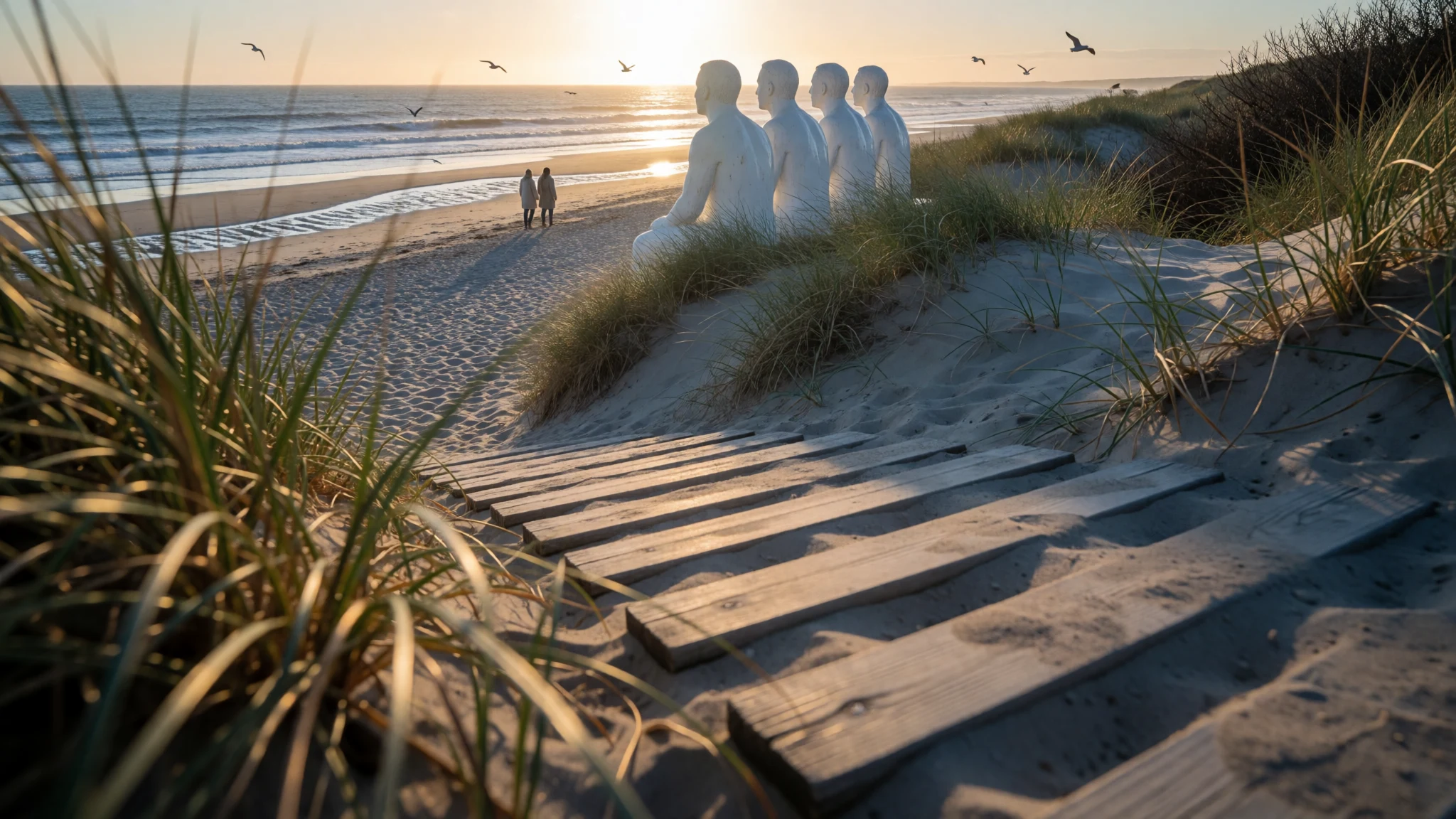
Esbjerg is a wind-battered port town where modern culture sits beside maritime history and big North Sea views.
The place
Esbjerg is a Danish port city on the west coast of the Jutland peninsula, a place shaped as much by tides and shipping as by parks and universities. With a population of 71,554 and an elevation of about 25 metres, it feels small and local compared with bigger Danish cities, but it also has a distinct “working harbour” energy that carries into museums, food and nightlife.
The town’s geography matters. Esbjerg sits out by the North Sea, so the weather can swing quickly: clear spells are often followed by sharp sea wind and cloud. That makes the harbour an all-season anchor—walkable viewpoints, industrial cranes, and the sense of constant movement even when the day is quiet.
A first visit usually pivots around the maritime side of the city. Esbjerg’s museums cover fishing, marine life, and coastal shipping, while the performing arts centre adds a modern beat to the seafront mood. Art is also present here, not just in galleries but in the way the coastline and the urban grid have been planned for a working port.
If time allows, Esbjerg works best as a base rather than a day trip: museum mornings, a long coastal stroll, and an easy evening meal. It’s also a sensible stop en route across west Jutland, with Denmark connected by road and rail.
The practical bonus: crowds are usually manageable. It’s the kind of trip where the hardest decision is how long to linger in the wind before heading back to warm interiors.
Its story
Esbjerg’s story starts with logistics. The town grew when a harbour decision reshaped the coastline, replacing an earlier North Sea port that had fallen under German control after the Second Schleswig War. Once the harbour plan was approved, the area that had been mostly farms began to develop rapidly, with streets laid out in a practical grid and the market square positioned between the harbour and the railway station.
From there, Esbjerg became more than a dock. Its growth was tied to fishing and shipping, and then to agricultural exports as well. Over time, the city gathered institutions that made it feel complete: civic buildings, utilities and industry, and later education. The harbour also remained central to the economy, and expansions are ongoing in response to the needs of sectors like wind energy and container traffic.
Even the monuments reflect this working relationship with the sea. “Man meets the sea” is a striking landmark of four seated men looking out to the horizon—industrial-scale symbolism, but calm in its delivery.
Culturally, Esbjerg did not grow only through commerce. Museums and a performing arts centre brought theatre, exhibitions and public events into the everyday rhythm of a port town. The result is a place where history isn’t locked behind glass: it sits in harbour buildings, in the museum galleries, and in the everyday movement along the water.
What to see
- Man meets the sea — Harbour and Sædding Beach area
A prominent waterfront monument of four white-coloured men sitting and gazing out to sea. The scale makes it feel like part of the landscape rather than something tucked away, so even a short harbour walk includes a strong “first impression” moment.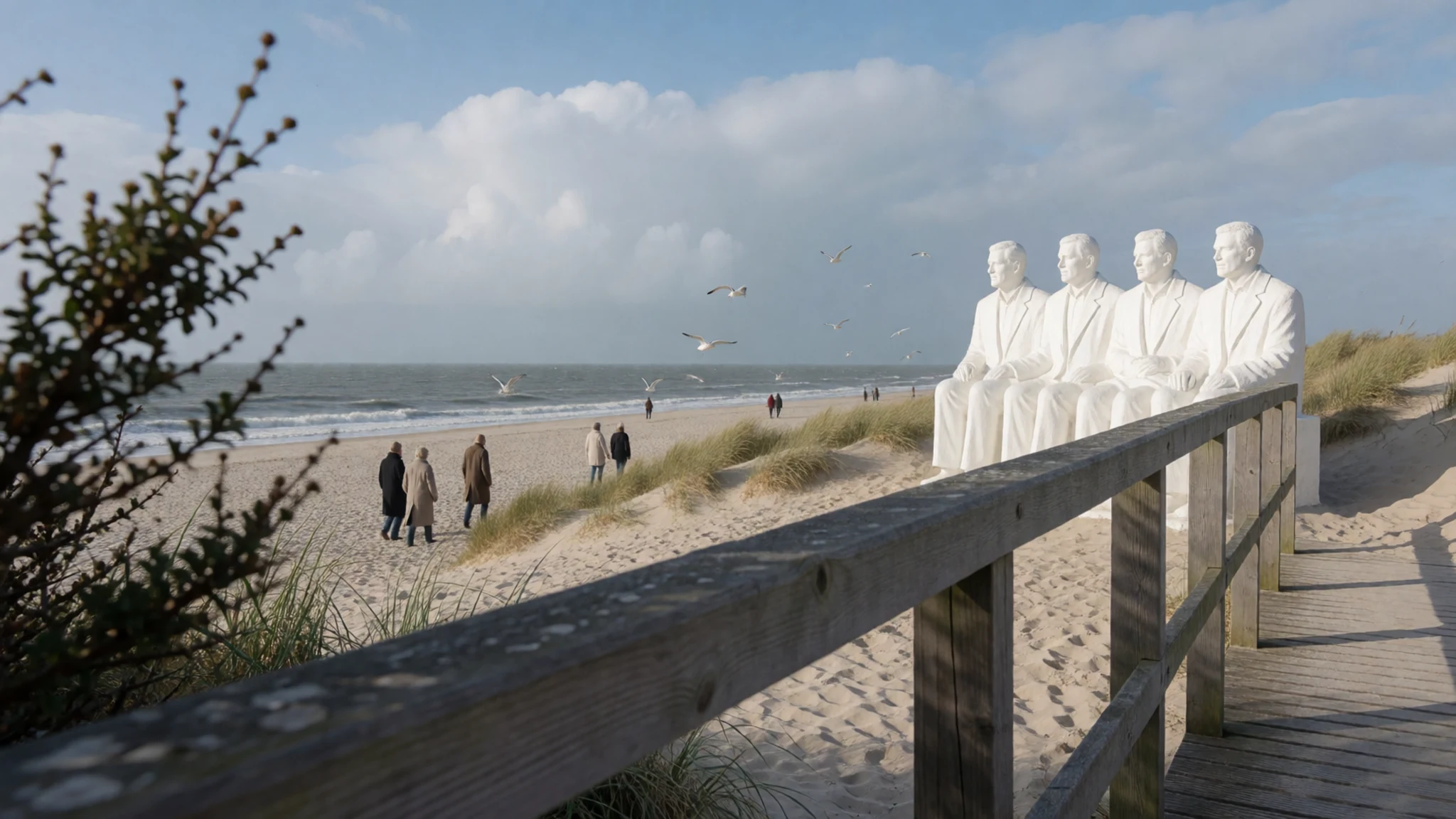
- Fisheries and Maritime Museum — Near the harbour
A deep-dive museum for Danish fisheries and marine life, with a focus on the coastal realities of west Jutland. Expect to connect Wadden Sea and North Sea themes to the working port that built Esbjerg’s identity, not just to abstract displays.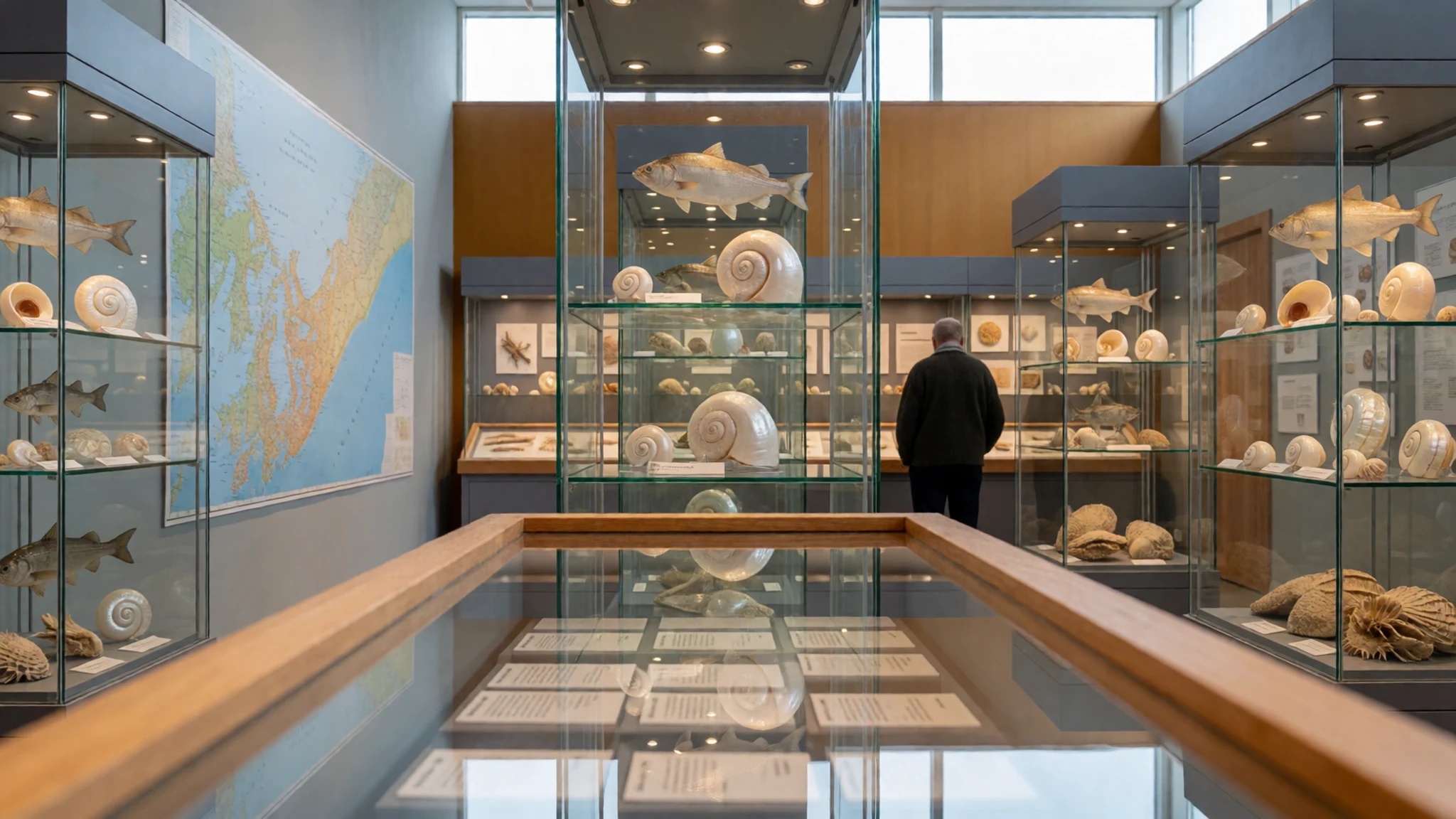
- Tirpitz — West-coast dunes
Tirpitz is an underground museum inside a bunker carved into the west-coast dunes at an abandoned World War II site. The setting is part of the experience: concrete, echoes and a sense of coastal strategy in a landscape that still feels open and windy.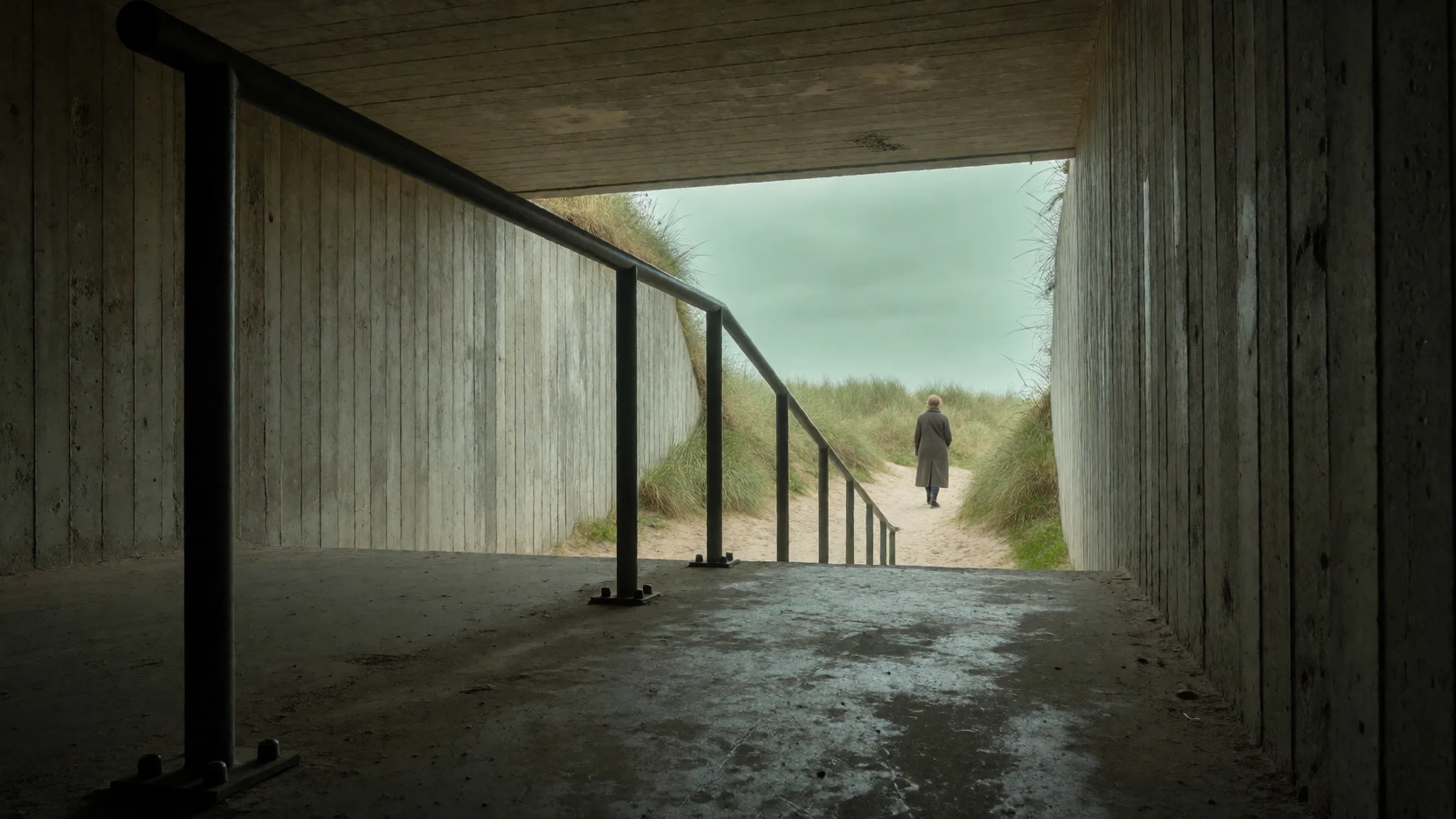
- Parks of Esbjerg — Byparken / Vognsbølparken / Møllerparken
Esbjerg has multiple parks that make it easy to slow down without travelling far: Byparken, Vognsbølparken, Møllerparken and Hjerting Strandpark. Vognsbølparken also includes Esbjerg Dyrehave, where wildlife interaction is possible inside the enclosed area.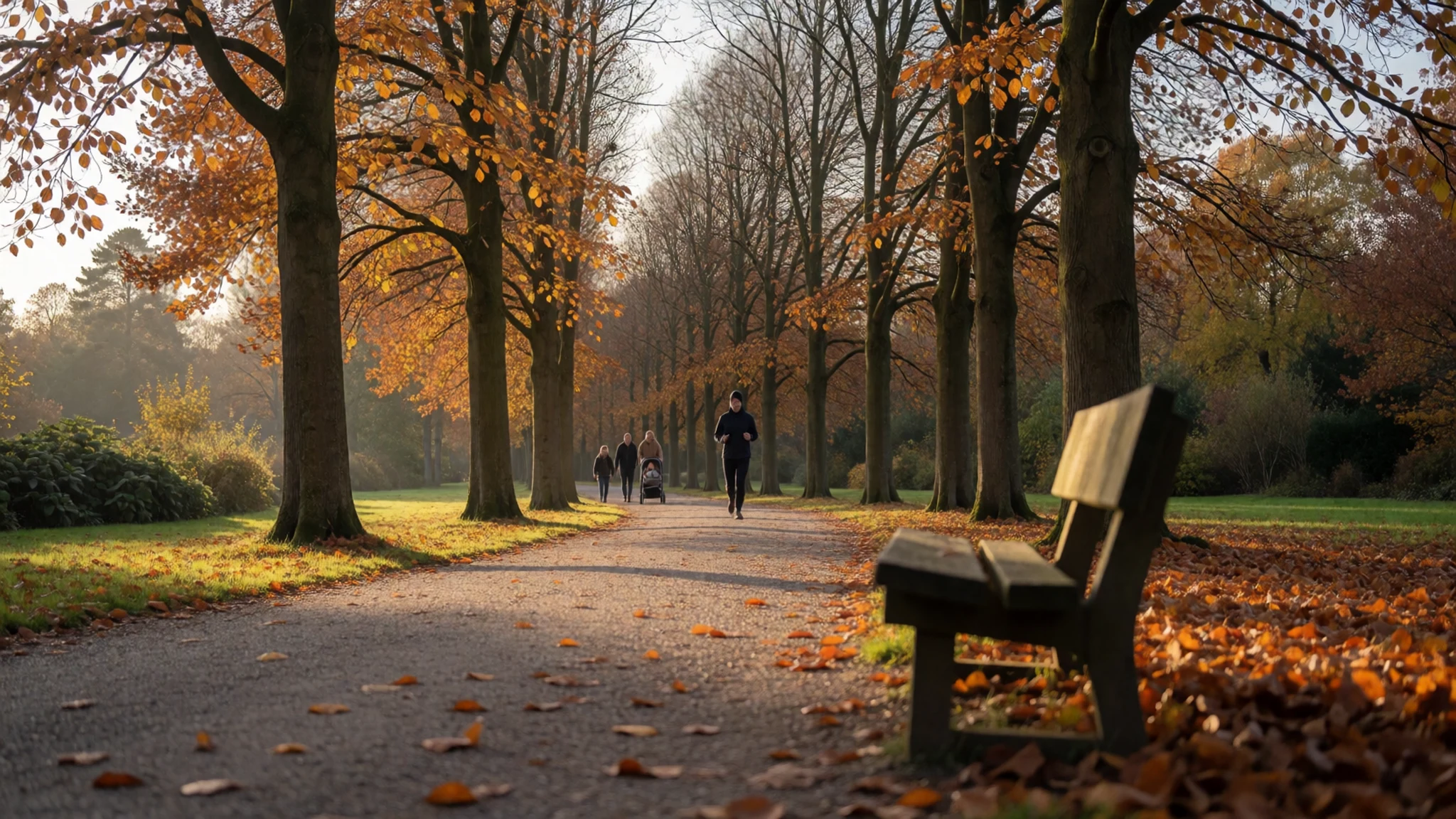
- Island of Fanø — Fanø (from Esbjerg Harbour)
From Esbjerg Harbour, a short ferry ride brings visitors to Fanø, a small island known for beaches and village life. It’s a straightforward way to add coastline time to a city itinerary, especially when the mainland feels too breezy for long stretches of exposed walking.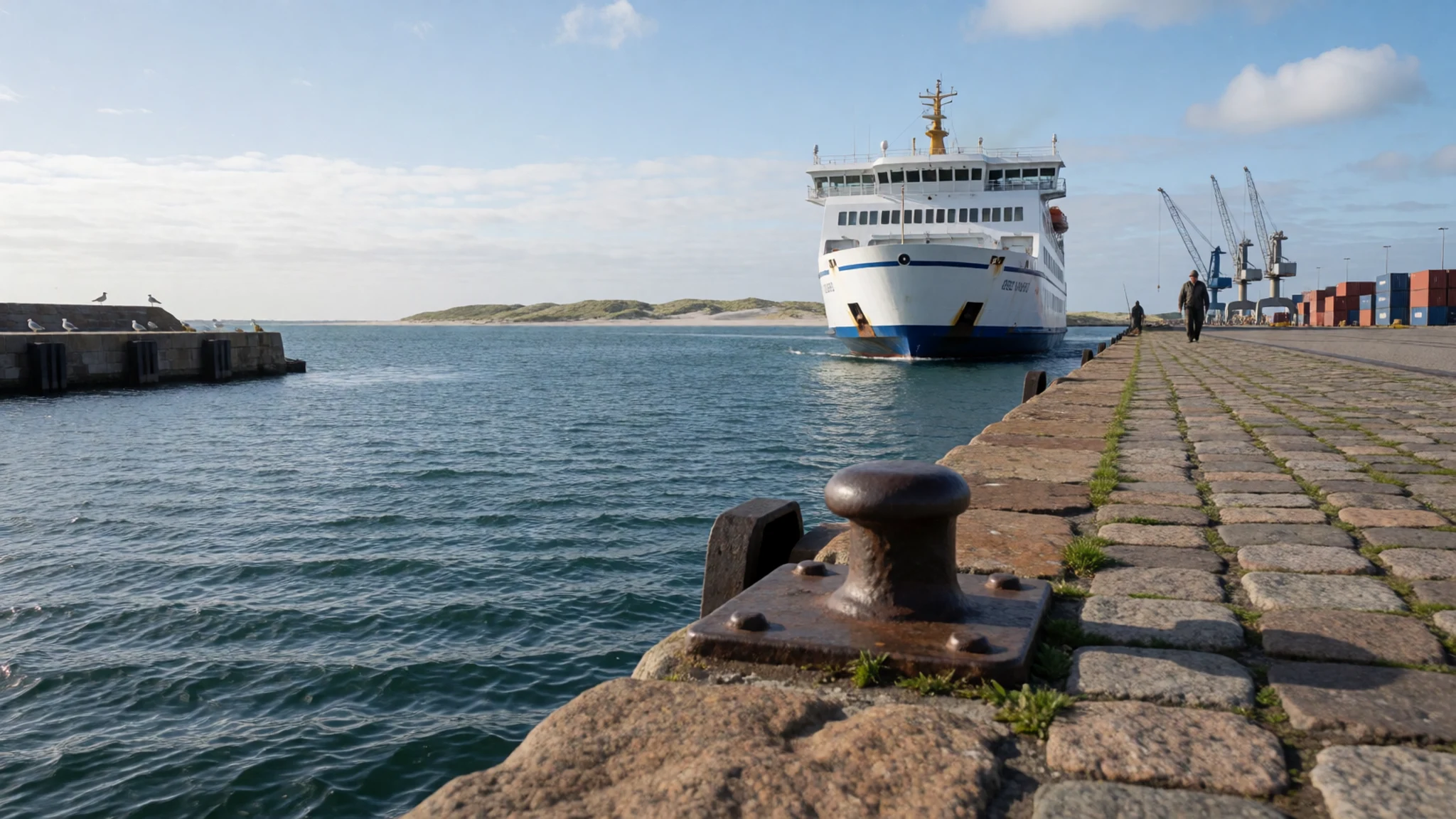
Culture
Esbjerg’s culture is a mix of harbour practicality and public spaces that encourage lingering. The city’s museum scene is the clearest expression of identity: maritime history and marine biology sit close to the modern port, so it’s easy to connect “what people do here” with “what people remember.” The performing arts side of Esbjerg also matters—there’s a dedicated arts centre that supports concerts and theatre, which helps the town feel more like a living city than a stopover.
Outside museums, local culture shows up in how the town moves at street level. The central streets, bar areas and everyday eateries keep evenings social, and the coastline parks are a natural counterbalance for anyone who’s spent too long indoors. Football and university life add another layer: not in a flashy way, but in the background hum of students and match-day routines.
For visitors, the main “culture check” is weather and wind. On the coast, plans should be flexible; a strong gust can turn an exposed viewpoint into a quick stop rather than a long sit. It’s also worth timing indoor stops early in the day when the weather is changeable, and leaving outdoor time for the calmer windows.
Visitor etiquette: keep voices low and respect quiet spaces in churches, museums and indoor venues.
What to wear
Esbjerg’s traditional clothing connects to Denmark’s wider heritage, but everyday style today is mostly modern and practical—especially on a windy west-coast trip. Historically, Danish folk dress often featured wool textiles and layered looks, with distinctive regional versions; for many visitors, the important bit is how the textiles relate to weather rather than the specific pattern.
What people actually wear now in Esbjerg is what tends to work anywhere in Denmark: comfortable layers, trousers or jeans, and outerwear built for wind. Even in shoulder seasons, sea breezes can cut through, so lightweight waterproofs and a warm mid-layer go further than one “nice” jacket. In the evenings, casual clothing is normal around restaurants and bars.
For a visitor wardrobe, focus on layers and footwear. Choose closed shoes suitable for coastal paths and museum floors, plus socks that can handle damp weather. If visiting churches or memorial sites, simple, modest clothing (covered shoulders and knees) usually reads well, and a hat can help with gusts if the sky clears. Sunglasses help, but a scarf is often the warmer, more practical choice when the wind rises.
What to eat
- Steak and fish at Den Røde Okse — Central Esbjerg
A popular option for Danish-leaning mains, with steak and fish on the menu. It’s the kind of place to go when the day has been windy and a proper sit-down meal feels worth it.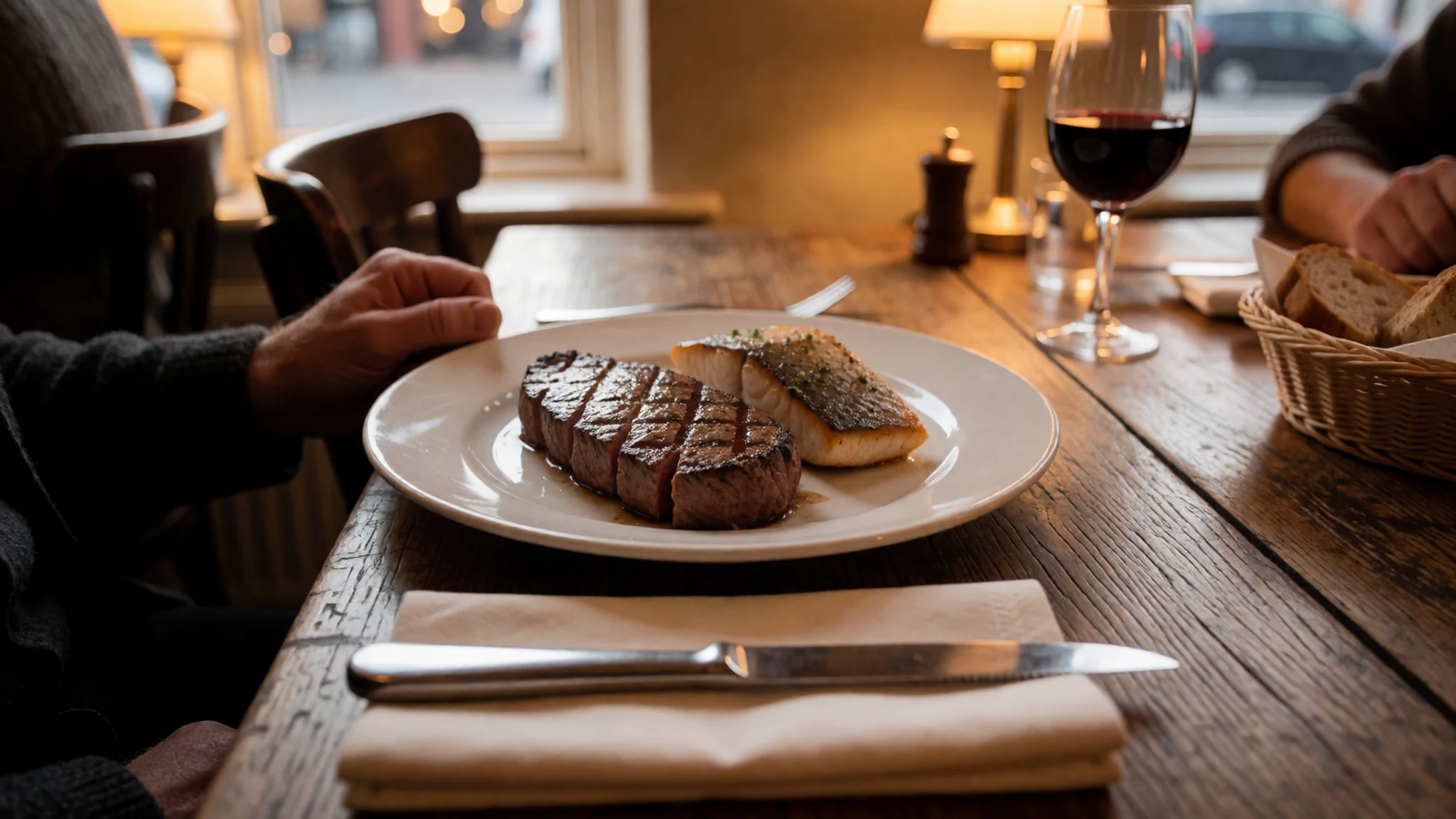
- Italian comfort at Mammas Pizzeria — Central Esbjerg
Mammas Pizzeria is known for inexpensive Italian food, which makes it a straightforward choice when pacing a museum-and-walk itinerary. Expect familiar flavours and a casual meal style that fits a port-town evening.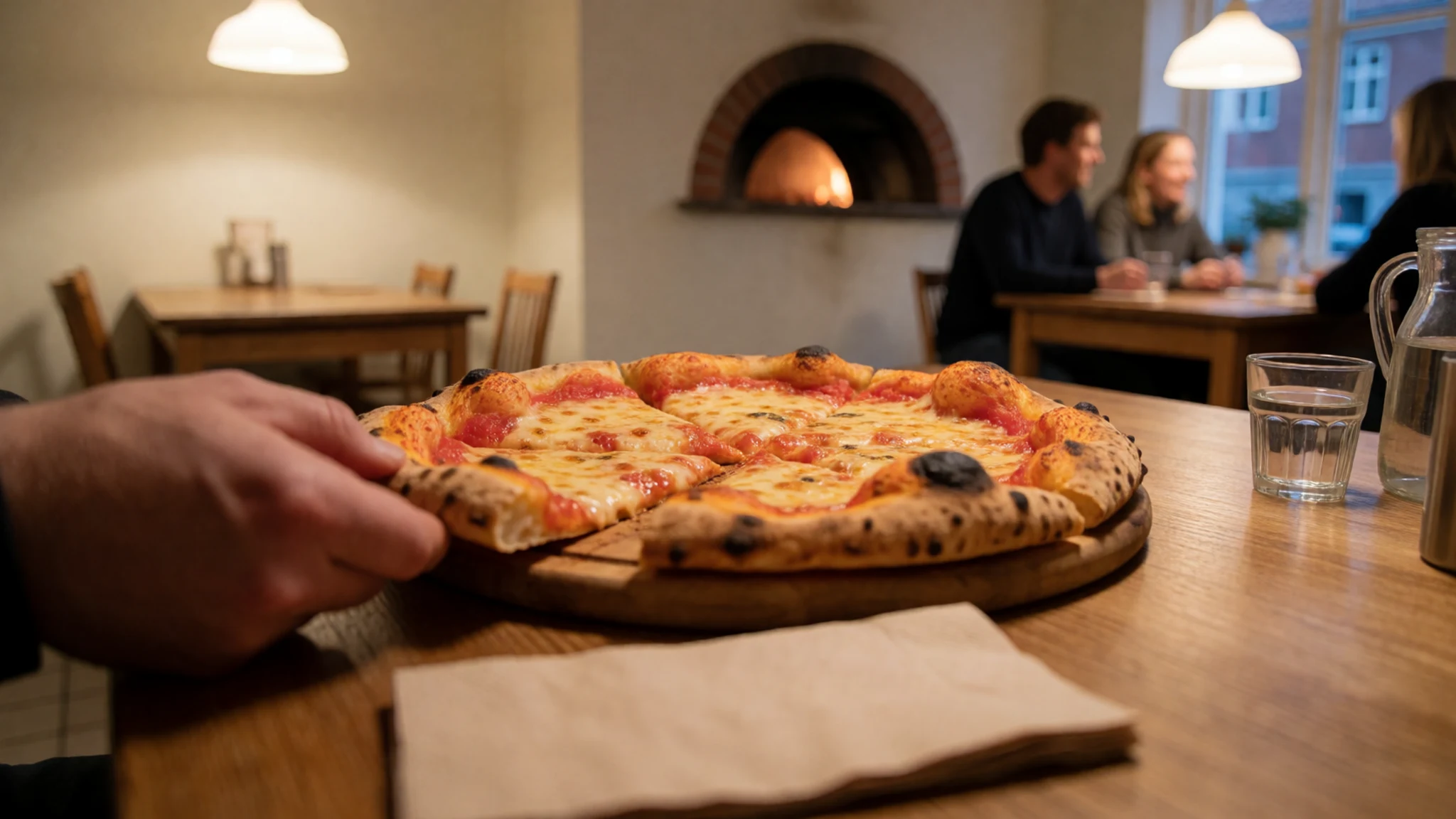
- Danish plates at Sands Restaurant — Esbjerg
Sands Restaurant serves Danish food and works well for travellers who want something local without overthinking the plan. It’s an easy dinner pick after a coastal walk and before a relaxed evening on the streets. - Friendly Brasserie B meals — Esbjerg
Brasserie B is an approachable restaurant option with an easy, friendly feel. It suits travellers who want a comfortable sit-down meal that’s not too formal, especially after a day spent mixing museums and parks. - Beer tastings at Esbjerg Bryghus — Esbjerg
Esbjerg Bryghus is a microbrewery with beer tastings on site. It’s a good add-on for evenings, offering a more local focus than a generic bar and a chance to try something that feels connected to the town’s community. - Pub evenings in Skolegade — Skolegade (city centre)
Skolegade is the bar and club street in central Esbjerg, handy for choosing a casual evening drink. If food is needed, the pub setting keeps things simple—good when energy is low after coastal wind.
Plan it
Best time. June–August are usually the hottest and most pleasant for walks, with mean daily highs around 26–28°C and lows mostly between about 5 and 10°C; February and December are the coldest, with lows around -12 and -10°C. August–November are the wettest stretch overall, with rain totals peaking in October at about 92 mm and November around 84–83 mm, while April and May are among the drier, milder months.
How long. 2–3
Getting there. Esbjerg has a train station in the town centre. Trains connect to Copenhagen via Kolding and Odense, and regional services connect via Fredericia to Aarhus; bus routes also link Esbjerg to other towns in Denmark. In the final stretch, local buses or short taxis cover distances within the city.
Budget. mid
Tips
- Start any harbour walks early in the day so wind and cloud feel less changeable
- Pair a museum in the morning with coastal parks for the afternoon
- If including Fanø, plan the day around the ferry timing to avoid a rushed return
- Carry cash for smaller spots around town in case card payments are limited
- Bring a windproof layer even in warmer months
Etiquette
- Dress modestly for churches and keep shoulders and knees covered when entering
- In museums, avoid blocking entrances and read the posted guidance for photography
- Keep voices low in quiet indoor spaces
Nearby
Sources
- Wikidata Q26234 (CC0)
- Wikipedia (rev 1384668557) (CC BY-SA 4.0)
- Wikivoyage (rev 5401758) (CC BY-SA 4.0)
- Photo photos/01-esbjerg-harbourfromwatertower.jpg (CC BY 3.0)
- Photo photos/02-esbjerg-harbour-8563661696.jpg (CC BY 2.5)
- Photo photos/03-esbjerg-fra-oven.jpg (CC BY-SA 2.0)
- Photo photos/04-skandi-fjord-in-esbjerg-dock.jpg (CC BY 2.5)
- Photo photos/05-s-dding-strandvej-2013.jpg (CC BY 2.5)
- Photo photos/06-sankt-nikolaj-kirke-esbjerg.jpg (CC BY 3.0)
- Photo photos/07-esbjerg-airport.jpg (CC BY 3.0)
- Photo photos/08-bohr-skolen.png (CC BY-SA 4.0)


