Falster
Falster, Denmark
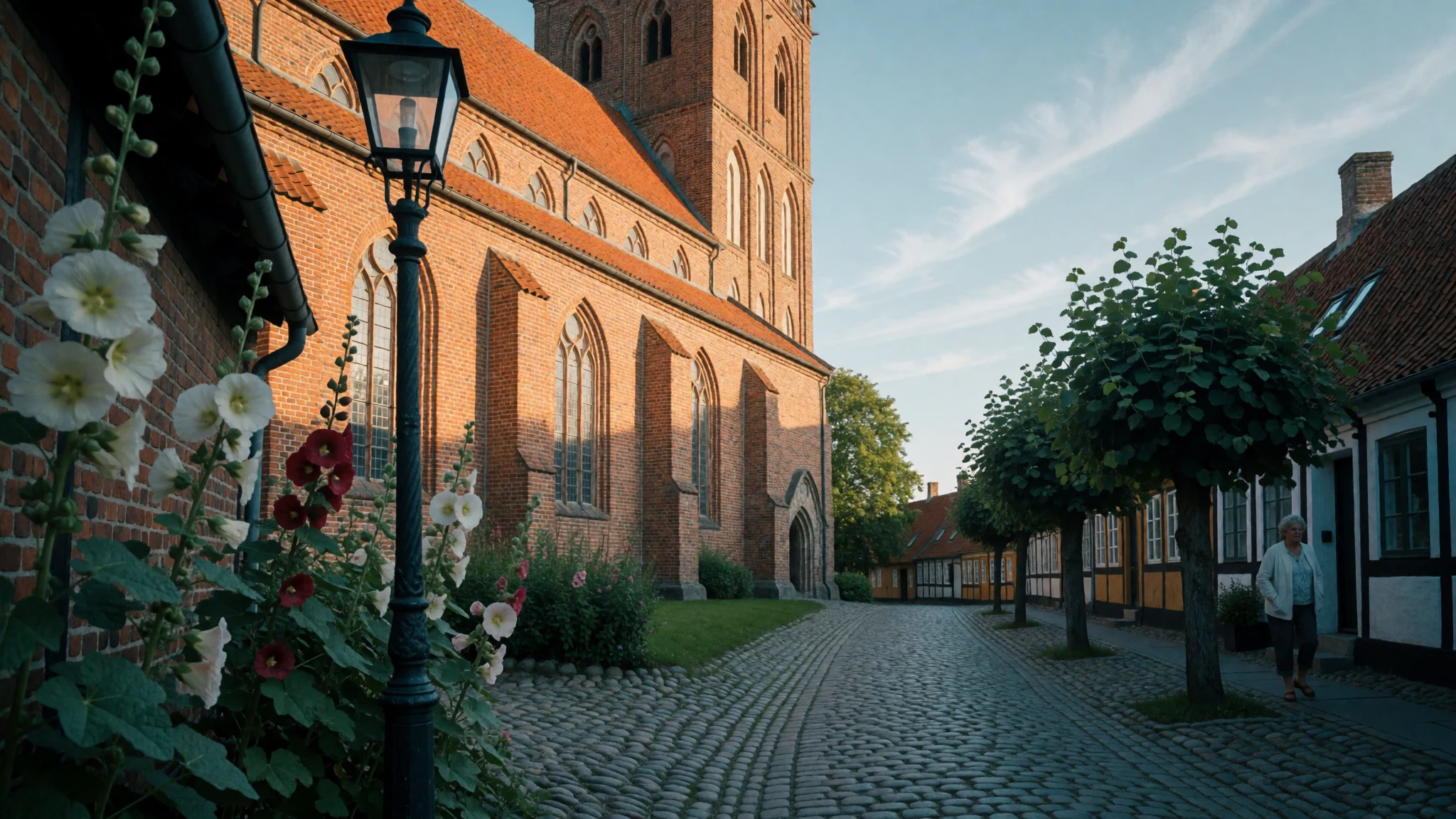
Falster is a quiet Danish island of sandy beaches, cycle tracks and a reconstructed medieval town, easy to reach from Copenhagen.
The place
Falster is a low-key island in south-eastern Denmark, in the Baltic, part of Region Zealand and run locally by Guldborgsund Municipality. About 43,500 people live here, and roughly four in ten of them are in Nykøbing Falster, the main town. Smaller centres include Stubbekøbing on the north coast, Nørre Alslev inland and Gedser at the southern tip, close to Gedser Odde, the southernmost point in Denmark.
The island is tied to its neighbours rather than cut off. Road and rail cross to Zealand in the north and to Lolland in the south-west, and the same links reach the small islands of Masnedø and Farø. The E47 motorway between Copenhagen and Hamburg runs across Falster, so many travellers see it only through a car window on the way to Germany. That is a pity, because the island rewards a slower look.
Its appeal is the ordinary Danish coast: marinas, sandy beaches, cycle tracks and farmland, with relaxed holidays rather than sightseeing as the point. Marielyst on the east coast is the best-known resort. Nykøbing adds narrow old-town streets, a fifteenth-century abbey church and a large open-air museum of medieval life. Beyond the towns, small and slightly eccentric museums are scattered through the villages, covering tractors, motorbikes, radios and crocodiles.
Falster suits a few days of cycling, swimming and eating rather than a checklist. The weather is mild but often breezy, the beaches are busiest in July and August, and the island becomes very quiet in winter, when many seasonal attractions close.
Its story
Falster's recorded history begins in the medieval period, when most of the island was crown land and royal clerks listed its parishes and villages in a census book. Nykøbing and Stubbekøbing, the two main towns, both grew up around the end of the twelfth century. The island was not peaceful: it was caught up in wars with the Wends and, later, with the city of Lübeck. A later census shows that some villages had disappeared while new settlements had appeared along the coast.
In the sixteenth century nobles held a number of farms, but these gradually returned to the crown, and Falster was then used as a dowry for Queen Sophie Amalie, wife of Frederick III. The heavy taxes that followed drove many farmers off their land. After a spell of management as a crown estate, the island was sold at auction in the eighteenth century and split into a few large farms. Because the new fields depended on the forced labour of local peasants, disputes were constant. Village land was reorganised over the following decades, and tenant farmers slowly became freeholders.
The biggest change came with cooperative dairies and slaughterhouses at the end of the nineteenth century, which turned farming towards livestock and fodder crops. Sugar beet became important too, processed in factories at Nykøbing and Stubbekøbing, and seasonal workers, many of them women from Sweden and Poland, arrived for the harvest. Some stayed.
Railways, ferries to Masnedø and to Germany, and later the Storstrøm and Farø bridges turned Falster into a crossing point between Copenhagen and the continent. In recent decades both farming and industry have struggled and unemployment has been high, which is part of why the island feels so unhurried today.
What to see
- Middelaldercentret — Nykøbing Falster
An open-air museum just outside Nykøbing Falster, built as a medieval town with timber houses, workshops and craft demonstrations. Jousting is staged here in summer, so check the official site for the current programme. It is the main attraction in the area, and half a day passes easily.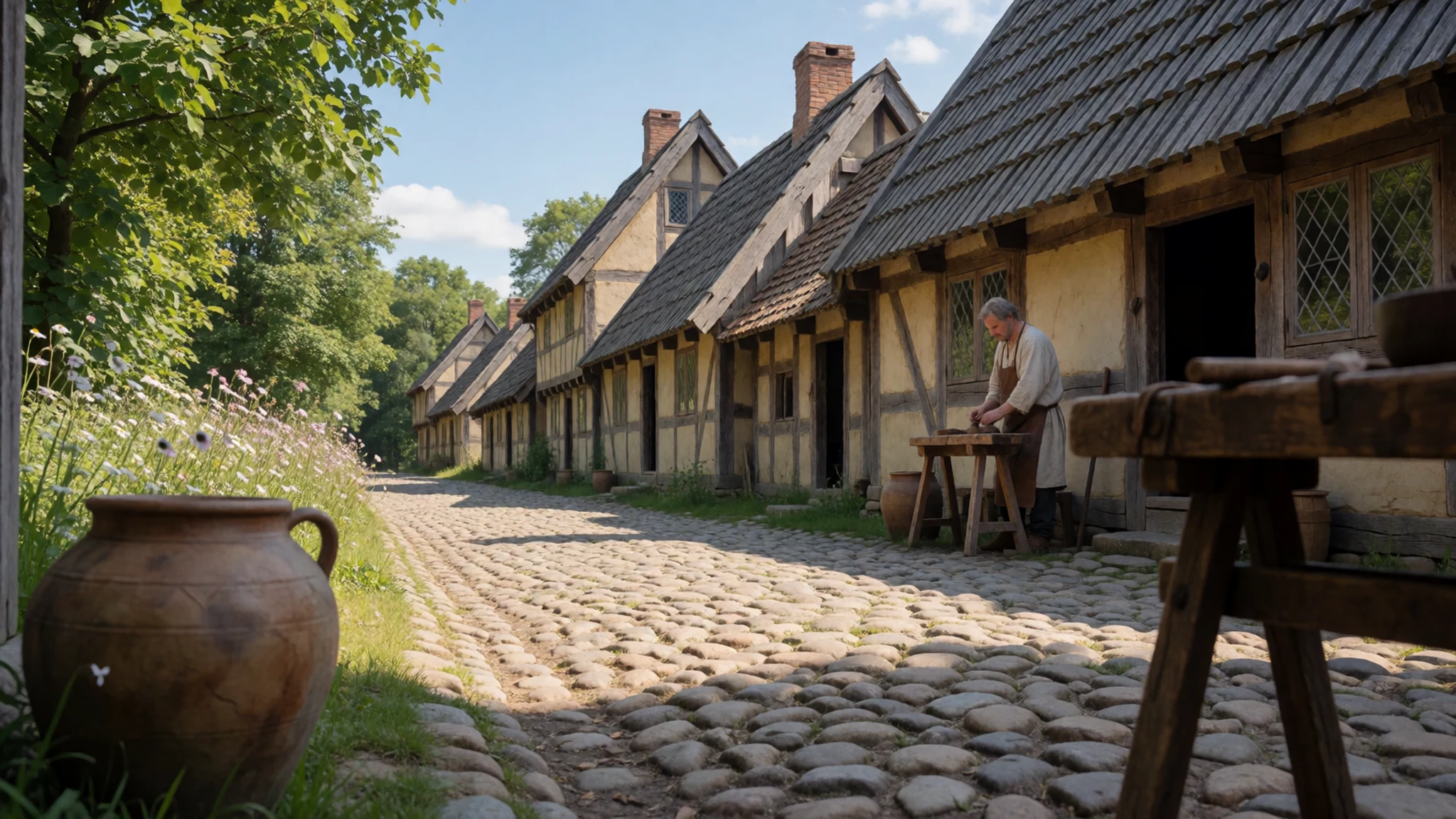
- Klosterkirken, Nykøbing — Nykøbing Falster old town
The abbey church in Nykøbing dates from the fifteenth century and is the town's main historic building. Walk to it through the narrow old-town streets, then add the city museum nearby. Opening arrangements for churches and museums vary, so check locally before making a special trip.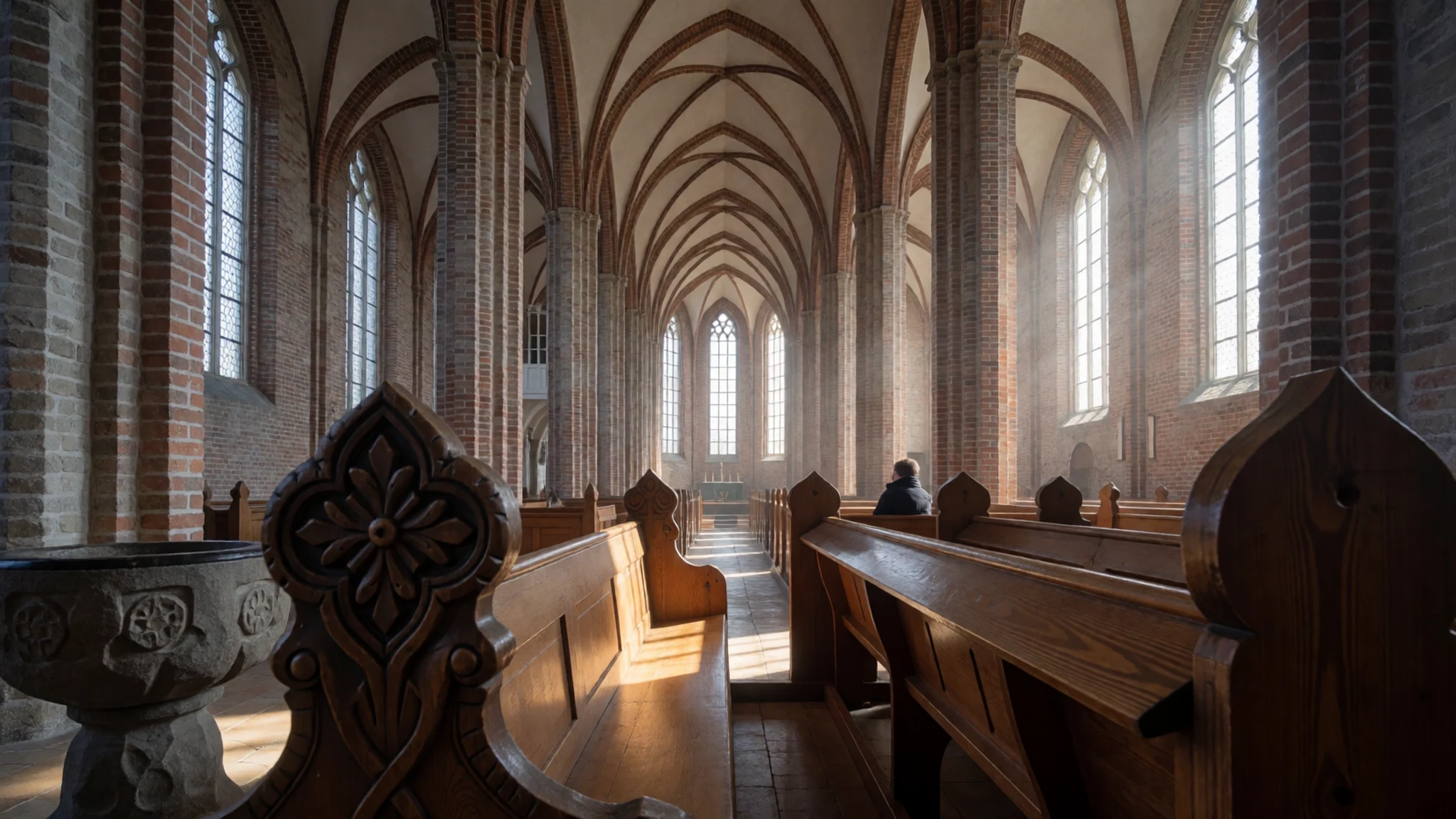
- Marielyst — East coast
The east-coast resort is the island's main beach destination, with sandy shores, marinas nearby and cycle tracks running behind. July and August bring the crowds and the warmest swimming, though the Baltic stays cool. Outside the summer months it is close to empty, which suits walkers.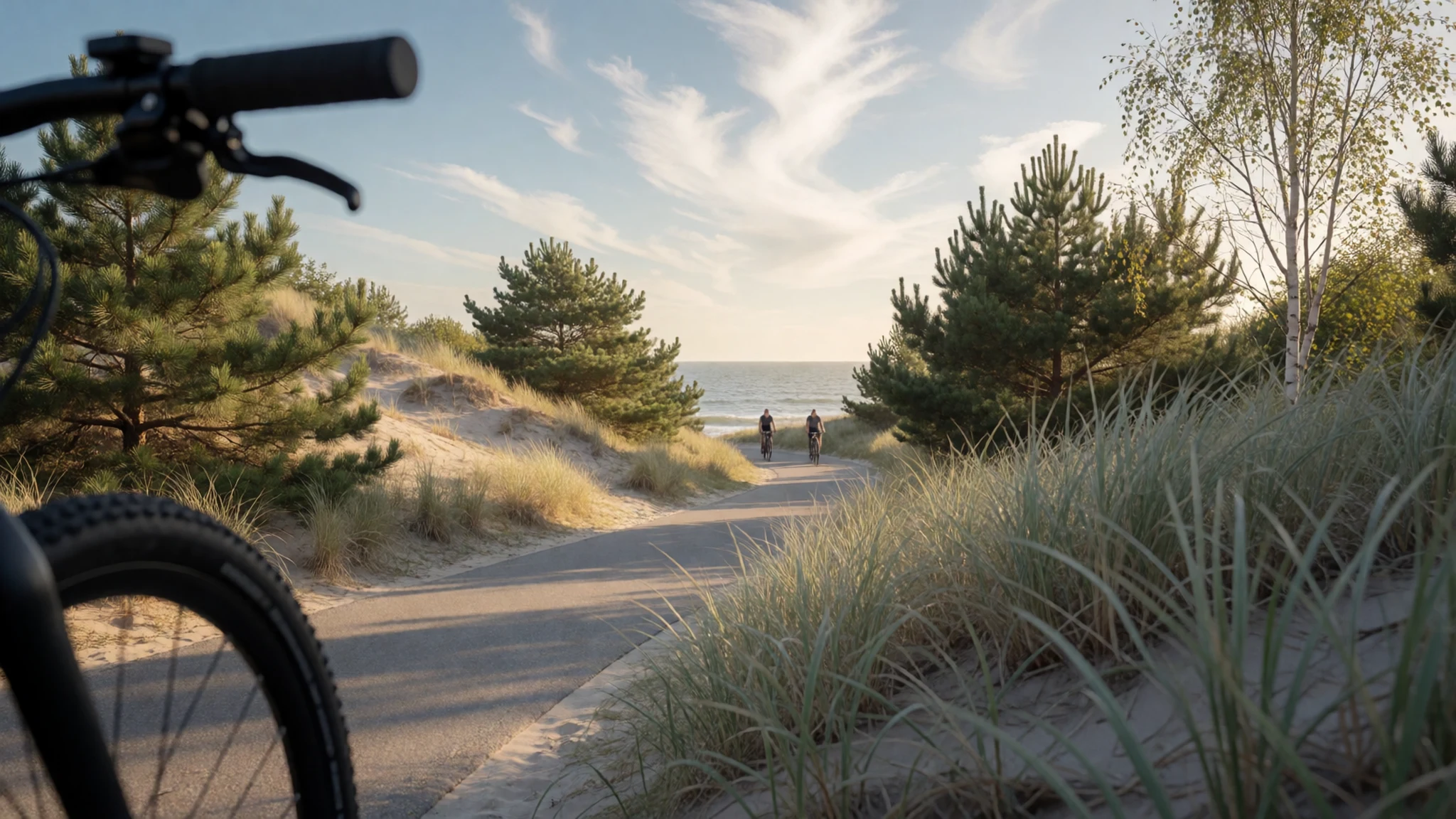
- Gedser and Gedser Odde — Southern tip
Gedser is the ferry town at the southern end, and Gedser Odde nearby is Denmark's southernmost point. The church was designed by the architect P. V. Jensen-Klint, and a small geological museum holds a polished garnet called Nordstjernen, the Northern Star. Come for the end-of-the-country feel and the sea wind.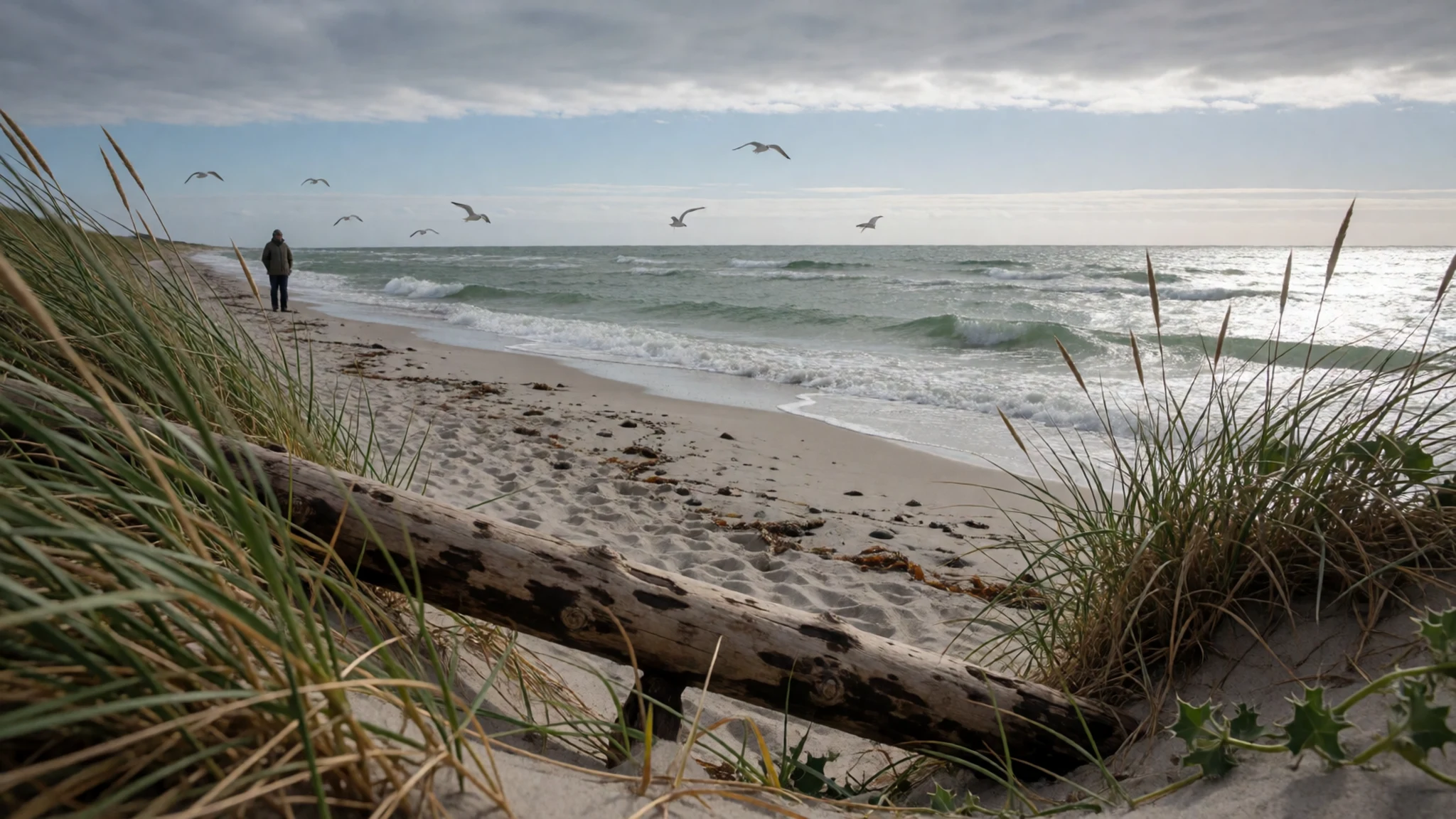
- Stubbekøbing — North coast
A small town on the north coast, once home to a sugar-beet factory and still a ferry landing for cyclists. The main street is low-rise and quiet, and the town has a museum of motorbikes and radios. It makes a calm stop on the Berlin–Copenhagen cycle route.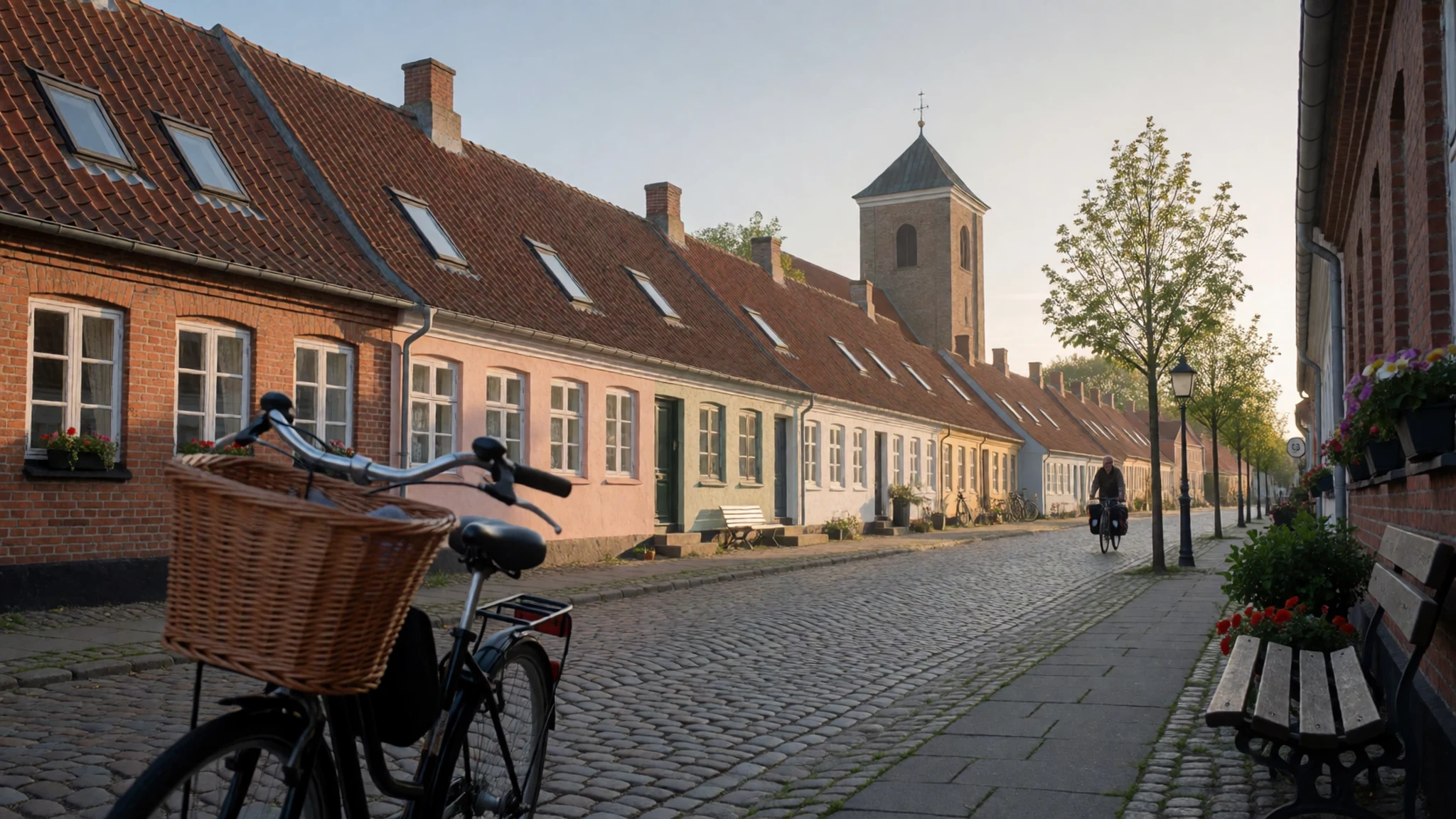
- Eskilstrup's quirky museums — Eskilstrup, central Falster
The village of Eskilstrup is home to the Danish Tractor Museum and a crocodile zoo, a good example of Falster's taste for the unexpected. Both are small, family-scale visits that fit a rainy afternoon. Check seasonal opening before going, as hours change through the year.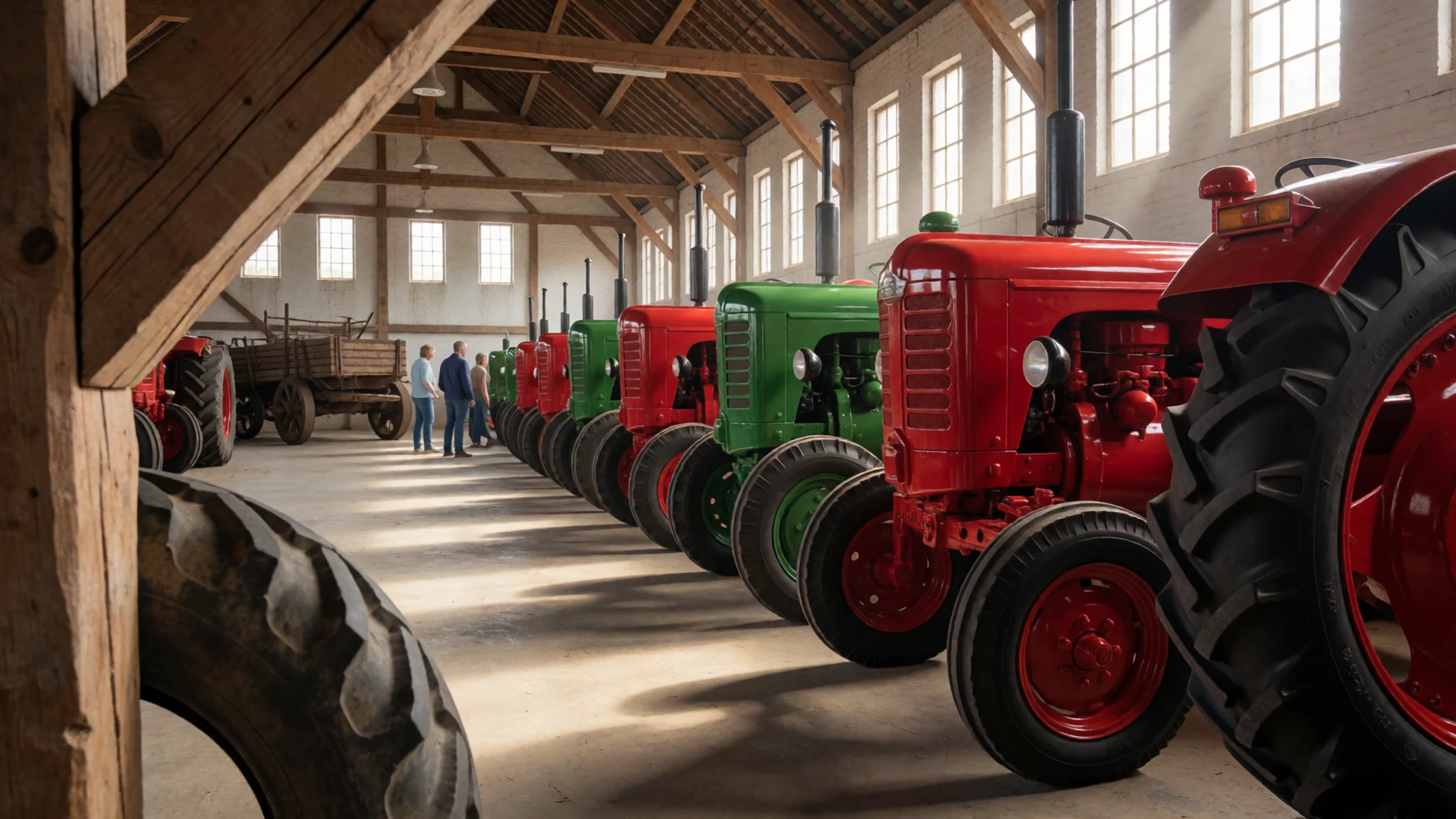
Culture
Falster's character comes from farmland, small market towns and a long habit of looking across the water to Germany and Zealand. For centuries the island was crown land and later a patchwork of large estates, and that agricultural past still shapes the landscape of fields, villages and harbours. The sugar-beet years brought seasonal workers from Sweden and Poland, and some settled, so the island's population has long been more mixed than its quiet image suggests.
Everyday life today is typically Danish and low-key: bicycles are ordinary transport, summer weekends revolve around beaches and boats, and people tend to be reserved at first but helpful when asked. English is widely spoken, though a few words of Danish are appreciated. Local pride in the medieval past shows at Middelaldercentret and the abbey church in Nykøbing, while the odd museums scattered across the villages reflect a taste for hobbies and collections. The island is liveliest in July and August and most private outside those months.
On Falster's cycle tracks, which carry part of the Berlin–Copenhagen route, walk on the pavement or verge rather than in the bike lane and always give way to riders.
What to wear
Falster has no single famous costume, and the sources behind this reading do not describe a local one, so the honest picture is the wider Danish one. Rural Denmark has regional folk dress, known as dragt, made mostly from wool and linen with embroidered or lace caps, aprons and shawls. It appears mainly at heritage days, folk dancing and festivals rather than in daily life. The reconstructed medieval town at Middelaldercentret shows the older layer, with plain wool and linen clothing of the kind worn by farming and craft households.
What people wear now is practical and understated: jeans or chinos, knitwear, rain jackets and trainers, with cycling kit on the tracks and swimwear and sandals on summer beach days. Muted colours are common in the towns.
Visitors should dress for wind and changeable weather: a windproof, showerproof jacket and a warm layer even in summer, plus sun cream and a hat for the beaches. Comfortable flat shoes suit cobbled old-town streets and long rides. Churches such as Nykøbing's abbey church have no strict dress code, but cover swimwear and take off a hat indoors. In winter add gloves, a scarf and waterproof footwear, as the coast is exposed and damp.
What to eat
- Nonner fra Falster — Bakeries and farm shops in the island's towns and villages
A local speciality named in Wikivoyage's Falster listing. Ask at a village bakery or farm shop what is being made that week and how locals eat it. It is the one dish worth hunting for specifically on the island.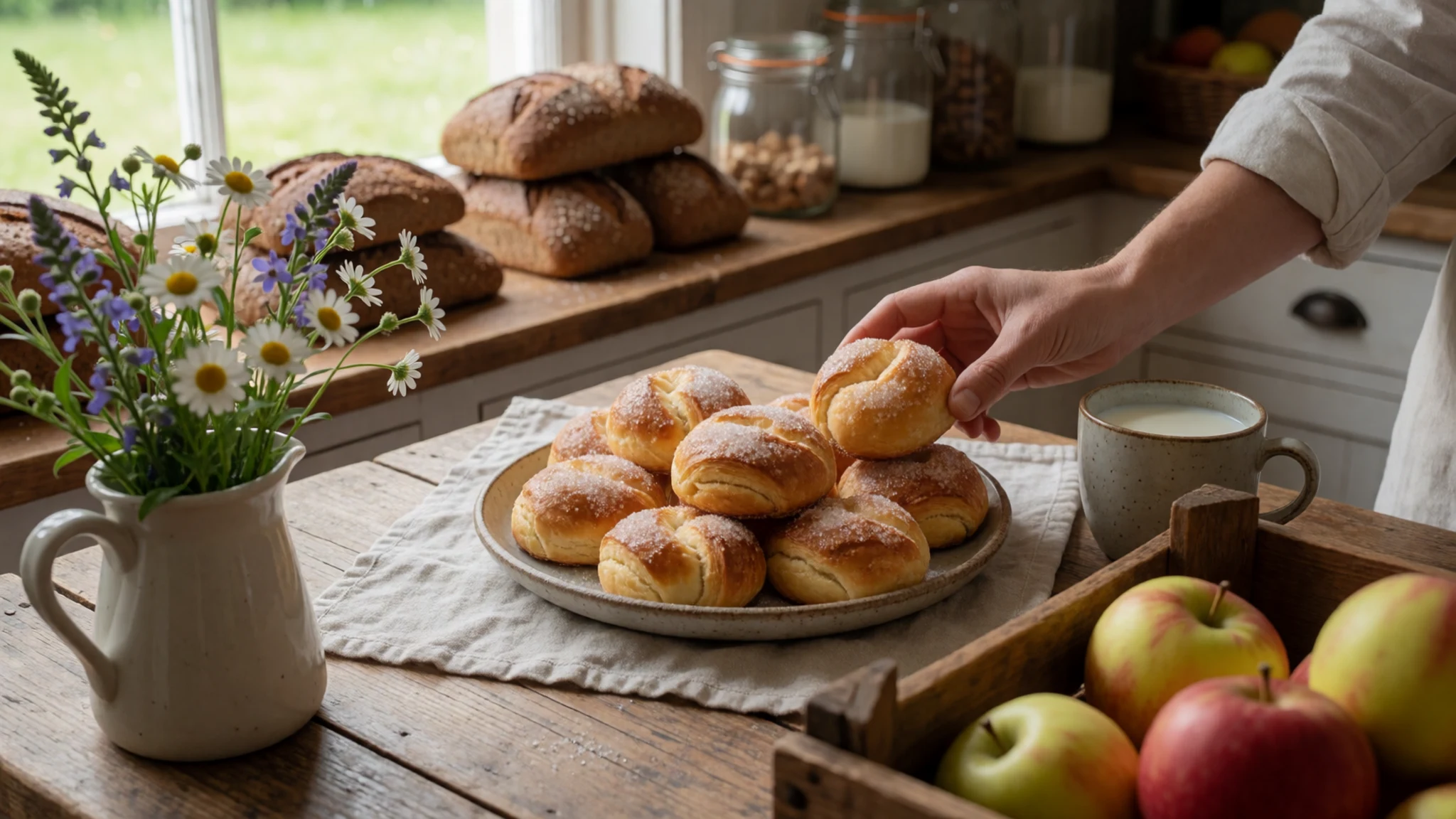
- Smørrebrød — Lunch cafés and eateries in Nykøbing Falster
Denmark's open sandwich: rye bread topped with fish, egg, cold meats or cheese and eaten with a knife and fork. It is a standard lunch order, and a cheap way to eat a proper Danish meal without booking ahead.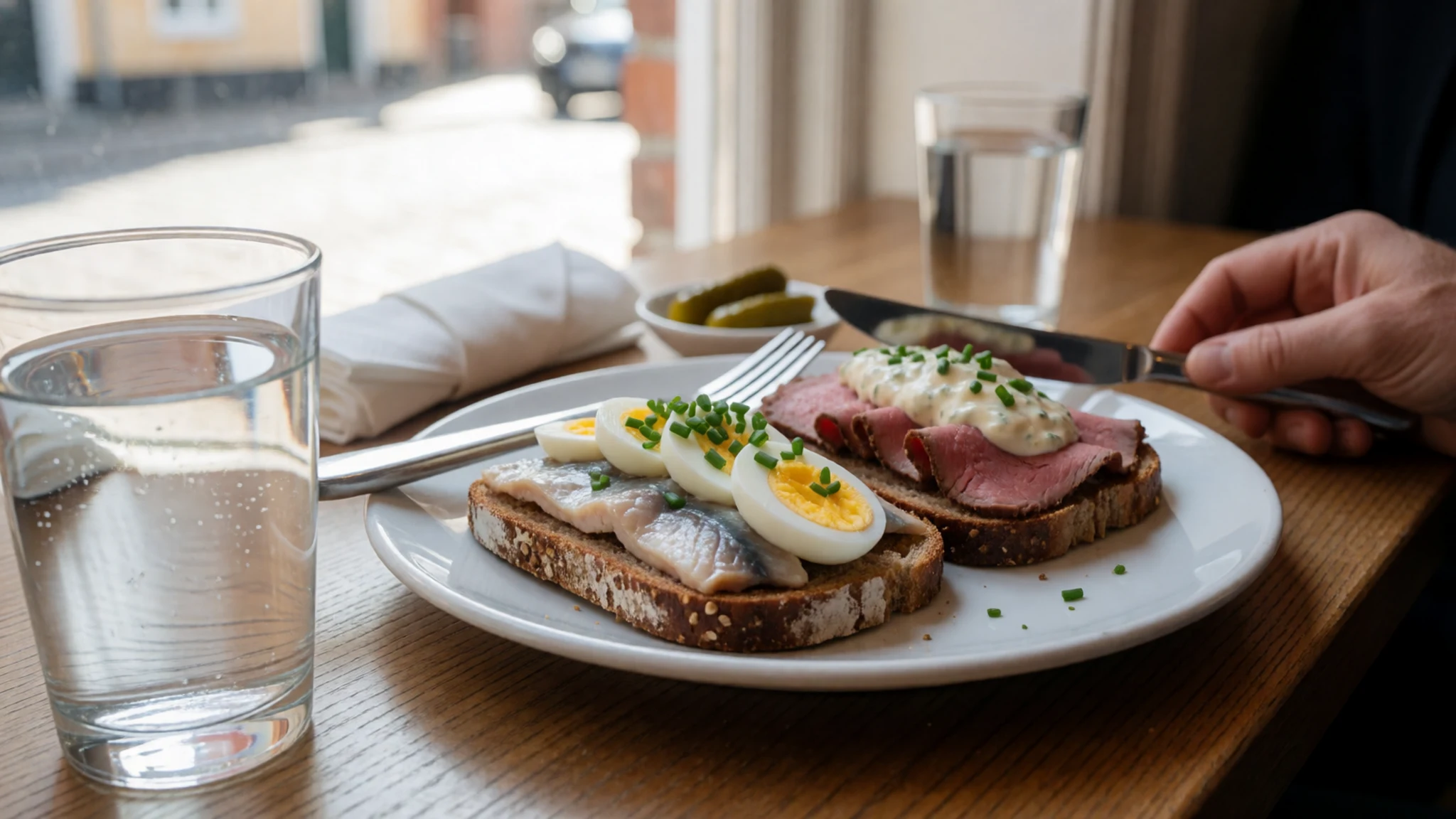
- Rugbrød — Town bakeries and supermarkets
Dense, dark Danish rye bread, sold sliced in plain bakeries and supermarkets. Buy a loaf with some cheese and fruit for a beach or cycle-route picnic. It keeps well in a pannier and is filling. - Smoked and fried fish — Harbour fish shops and kiosks, for example near Gedser and Stubbekøbing
Fish from Baltic waters is a coastal staple, often smoked or fried and eaten simply with bread and a sauce. Availability depends on the season and the day's catch, so ask what is fresh. - Pølser — Kiosks and hot-dog stands in towns and at Marielyst
Danish hot dogs, a quick, cheap snack served from kiosks and small stands with crispy onions, pickles and sauces. They suit cyclists needing fuel between towns and are easy to find in the busier summer resorts.
Plan it
Best time. May to September. June to August is best for the beaches and for summer events at the medieval centre, with May and September quieter and good for cycling. Winters are cold, grey and quiet, and many seasonal attractions close.
How long. 2–3
Getting there. Copenhagen is the nearest airport, about 180 km to the north. Nykøbing Falster is on the main rail line from Copenhagen to Hamburg, with frequent trains to Copenhagen. A car ferry from Rostock in Germany arrives at Gedser and takes under two hours; check Scandlines for current sailings. Cyclists can also arrive by ferry into Stubbekøbing in the north.
Budget. mid
Tips
- Book summer accommodation early, especially near Marielyst in July and August
- Bring or hire a bicycle: tracks cross the island and the Berlin–Copenhagen route passes through
- Check opening dates for small museums and the medieval centre, as many run seasonally
- Pack a windproof layer, since the coast is breezy even in summer
- Cards are widely accepted in Denmark, but carry a little cash for small stands
Etiquette
- Keep out of the bike lane when walking and give way to cyclists
- Queue patiently at kiosks and ferry desks
- Take litter with you from beaches and dunes
Nearby
Sources
- Wikidata Q735905 (CC0)
- Wikipedia: Falster (CC BY-SA 4.0)
- Wikivoyage: Falster (CC BY-SA 4.0)
- Cliffs on Falster, Denmark — Thomas Woodtli (CC BY-SA 2.0)
- Stubbekøbing (Falster), Main street — Wolfgang Sauber (CC BY 3.0)
- Gedser Church, interior — seier+seier (CC BY 2.5)
- Jousting at Middelaldercentret — Toxophilus (CC BY 3.0)
- Farø southern bridge — kallerna (CC BY-SA 4.0)
- Connie Kruckow, April 2008 — Claus Deichgræber (CC BY-SA 2.5)
- Nykøbing Falster, Middelaldercentret — Hubertus45 (CC BY 3.0)
- Nykøbing Falster, Klosterkirken — Hubertus45 (CC BY 3.0)


