Kronborg Castle
Kronborg Castle, Denmark
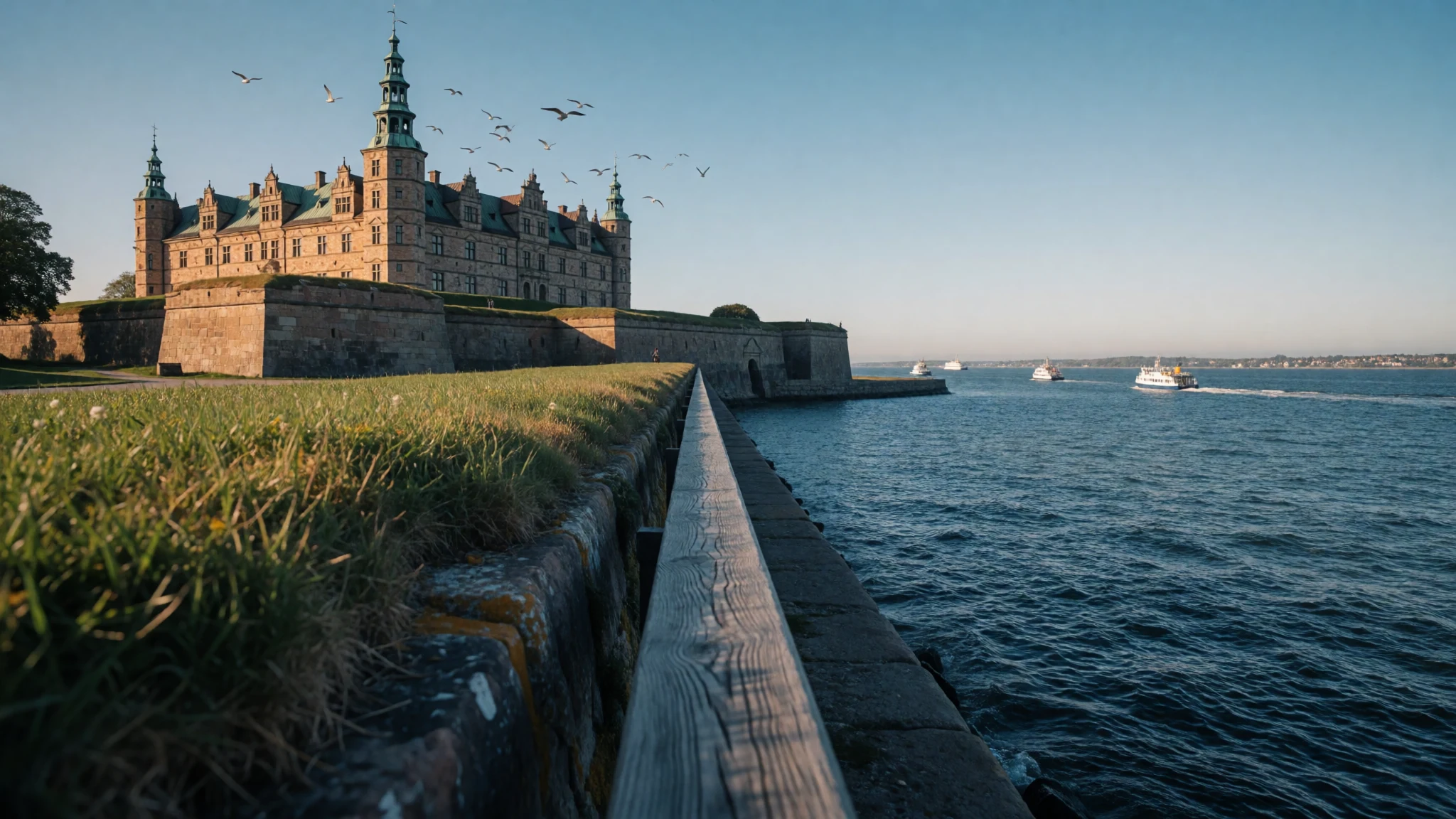
Kronborg turns a slice of Danish coastal strategy into Renaissance splendour, with Hamlet echoes in the stone.
The place
Kronborg Castle sits in Helsingør on the northeastern edge of Zealand, commanding a narrow stretch of the Øresund (the sound between Denmark and what is now Sweden). The setting is part of the point: the castle faces the water at a place where control mattered, so the walls feel less like decoration and more like purpose.
Kronborg’s foundations reach back to an earlier stronghold called Krogen, built under the Danish king Eric in the early 15th century. Later, the medieval fortress was dramatically reshaped into a Renaissance castle under King Frederick II, with Flemish architects credited for the transformation. Even after setbacks—there was a major fire in 1629—the castle was rebuilt, and it kept its character as both fortification and residence.
Today, Kronborg is easy to understand in layers. From the outside, it reads as a defensive coastal stronghold at a key waterway. Inside, the story shifts to courtly life: rooms, circulation, and monumental spaces designed for presence as much as protection. There’s also an extra cultural magnet here. Shakespeare’s Hamlet helped fix Kronborg in the popular imagination as Elsinore, so the experience has a slightly theatrical charge, especially when you notice how the castle’s courtyards and rooms lend themselves to dramatic framing.
Because it’s a famous name, crowds are usually the reality rather than a possibility, particularly around daylight and tour-group schedules. Visiting in the shoulder months helps keep the weather workable and the harbour air from feeling too busy.
Its story
Kronborg’s story starts with a strong reason to exist: controlling the movement of ships through the Øresund. Long before Renaissance façades, the site held Krogen, associated with the Danish king Eric and built on a sandy tongue of land reaching out into the sea from Zealand. The “hook” idea is tied to geography—at a narrow point, the sound becomes a chokepoint.
In that earlier era, Denmark’s reach stretched across both sides of the sound, which meant the two sides mattered strategically. Kronborg’s counterpart on the opposite coast, Kärnan in Helsingborg, helped Denmark oversee navigation, supported by guard ships. The castle’s early layout—courtyard-style with a curtain wall and stone buildings—was designed for visibility and control: residence at one corner, a major banquet space at another, and a chapel-like building suggested in the arrangement.
Then, in the later 16th century, the fortress persona grows a completely different face. From 1574 to 1585, King Frederick II transformed the medieval structure into the Renaissance castle now associated with Kronborg. Architects Hans Hendrik van Paesschen and Anthonis van Obbergen, with sculptural co-ordination credited to Gert van Groningen, shaped a more monumental, court-centred version of the stronghold.
Fire interrupts any perfect timeline: in 1629, much of the castle was destroyed. Christian IV then had it rebuilt, and the complex retained an internal church, a reminder that a castle could be both a military machine and a lived-in world.
And after all that real history, the castle gains a second biography through literature. Hamlet’s Elsinore gives Kronborg an added layer of atmosphere—less about accuracy than imagination—so walking the rooms can feel like stepping into a setting that people already “know”, even if the castle itself is stubbornly grounded in stone and salt air.
What to see
- Ramparts and the Øresund outlook — Helsingør harbour and castle waterfront
Kronborg Castle is built for watching the water, and the best vantage points make that obvious. Look out across the Øresund from the waterfront setting, where the narrow sound explains why this fortification mattered.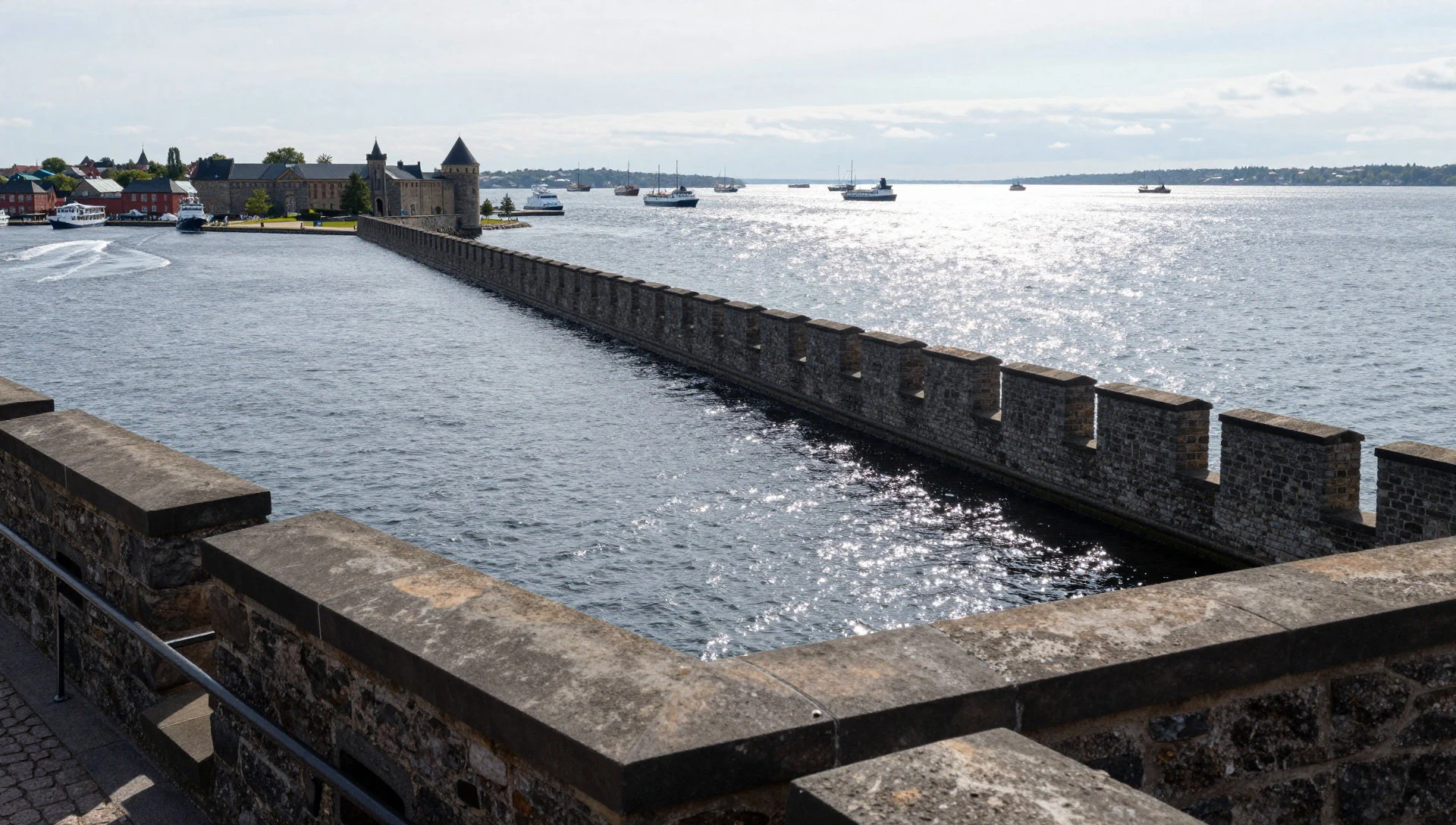
- Renaissance core of the castle — Kronborg interior courtyards
Inside Kronborg, the Renaissance rebuild is what holds the shape of the visit together. The monumental spaces and courtly layout reflect the period shift from fortress needs to display and residence.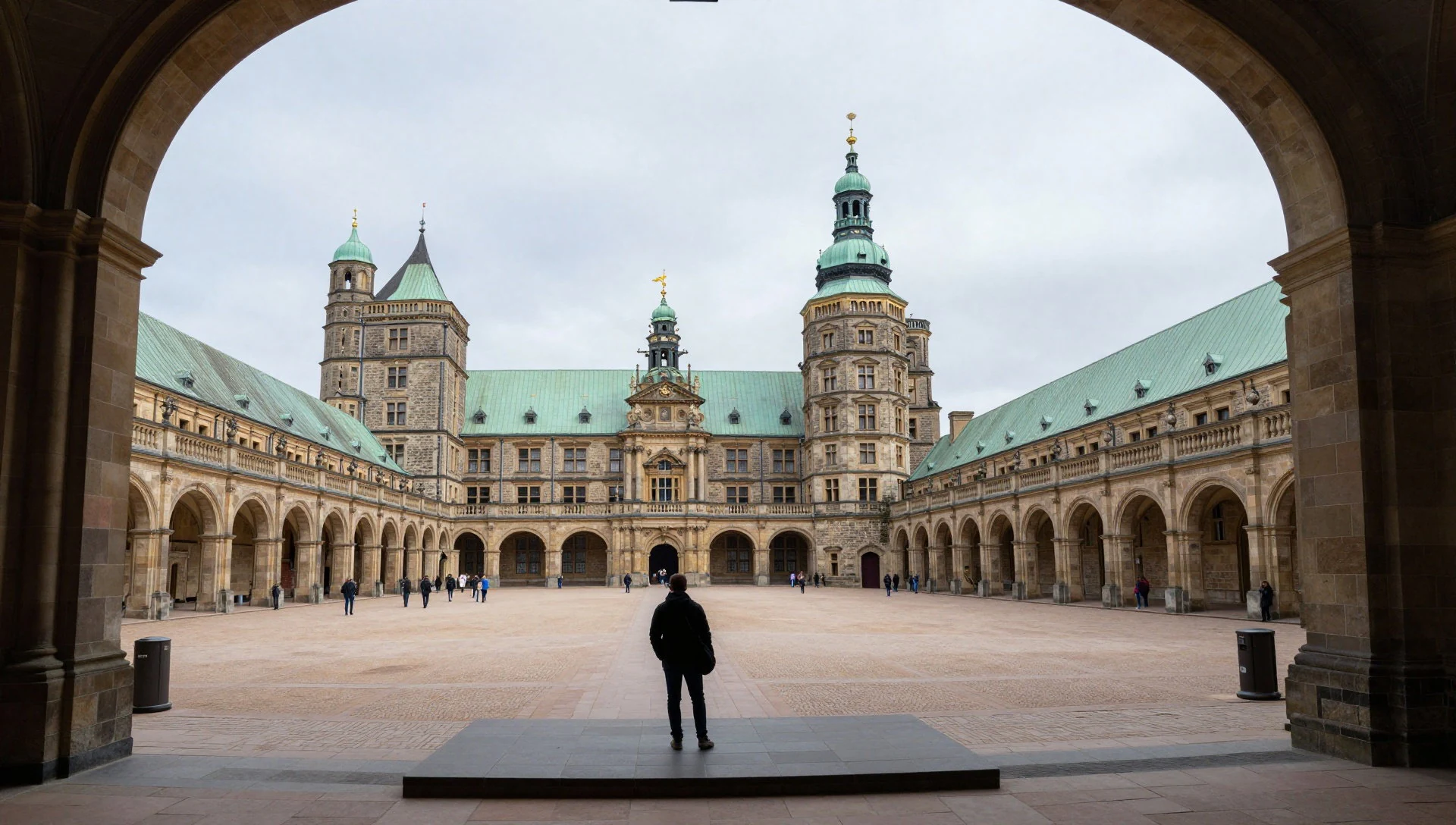
- Krogen stronghold beginnings — Castle grounds near the shoreline
Kronborg’s earlier story is the foundation layer: Krogen was built on a sandy tongue projecting into the sea from Zealand. Even when it’s not fully visible, the sense of a site engineered around the coastline comes through.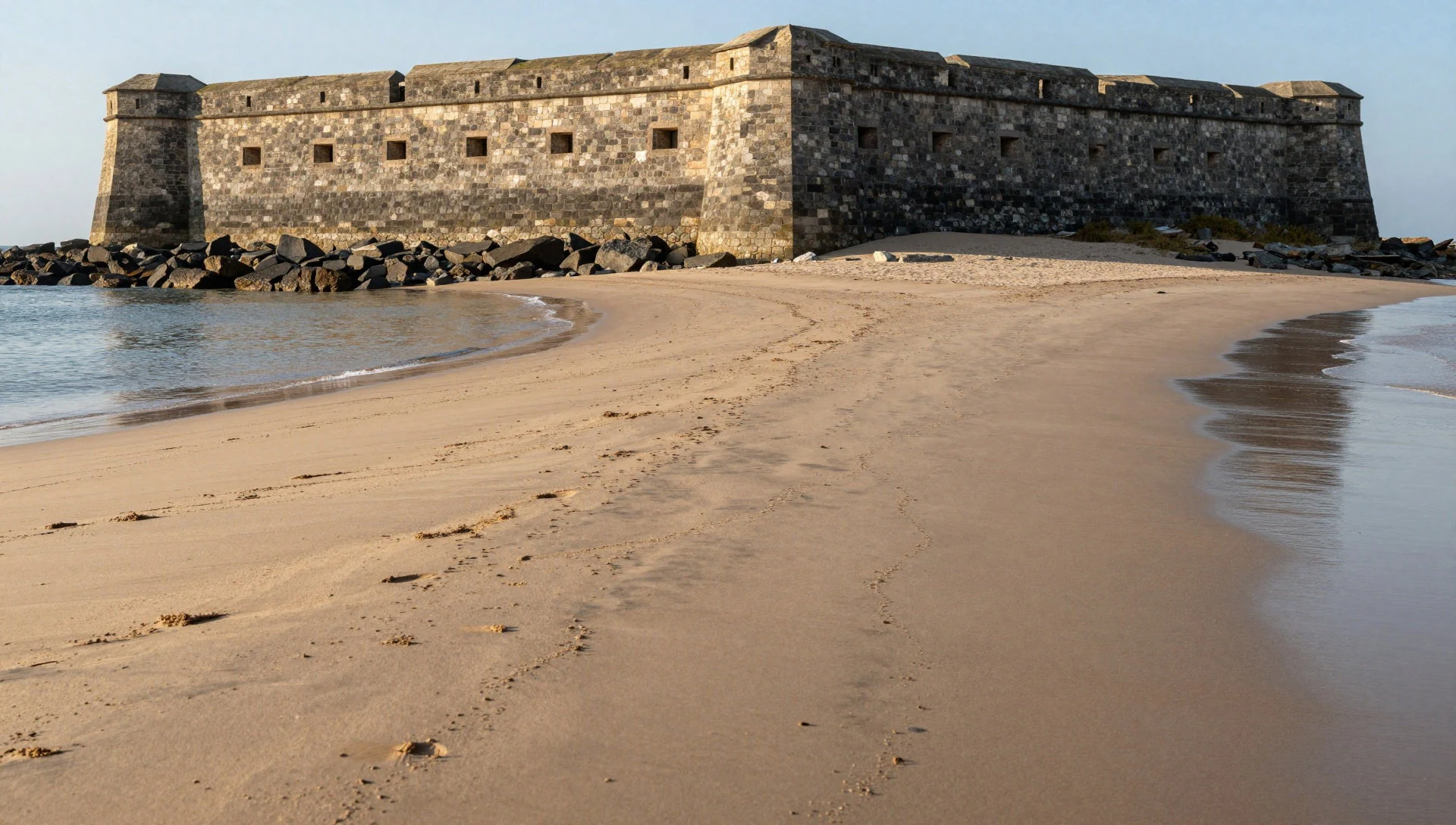
- Church within the castle walls — Within the castle perimeter
One quiet but telling element is the church placed within the castle complex. It reinforces how Kronborg worked as more than defences—there was a spiritual life alongside the political and military one.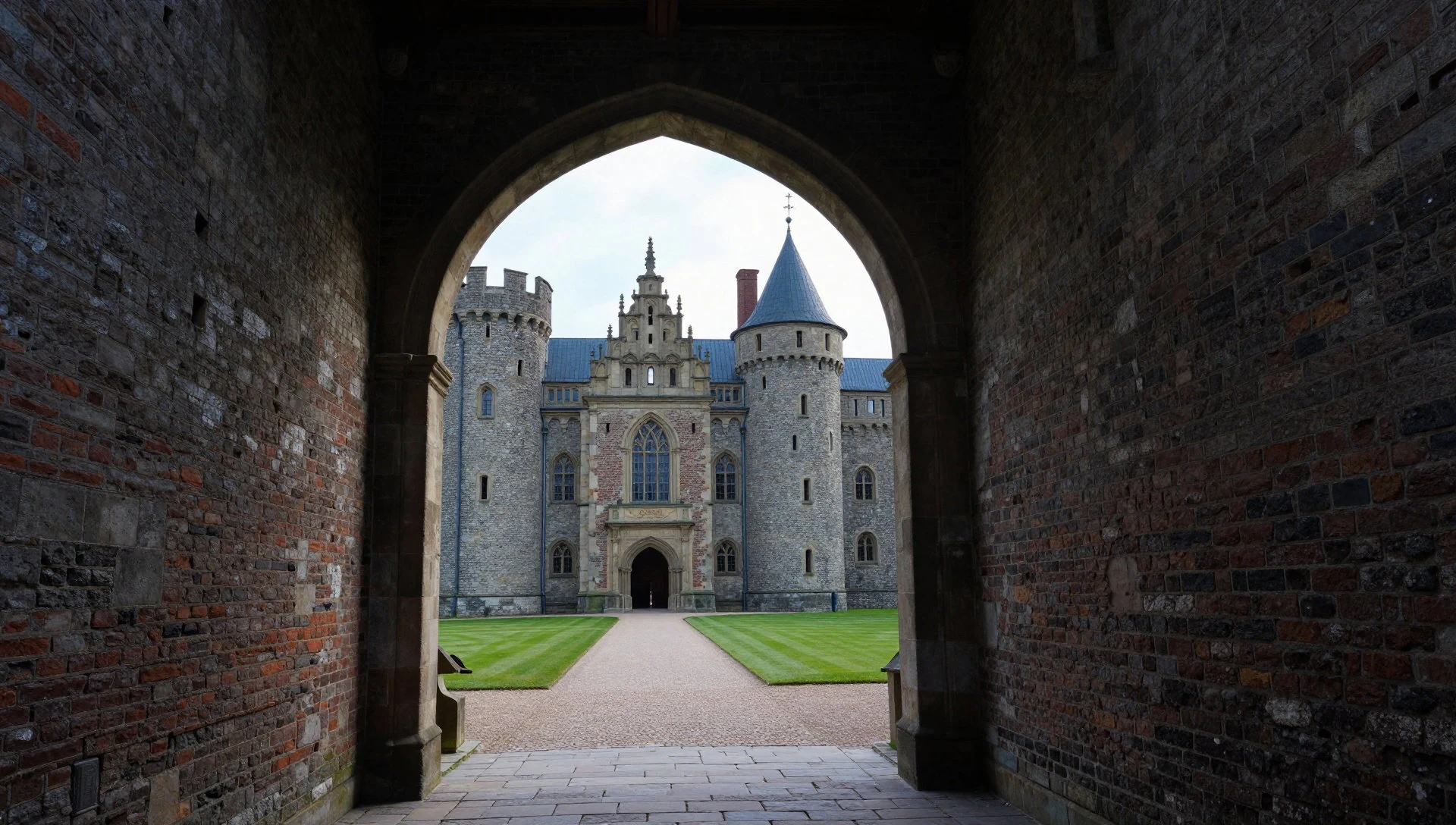
- Hamlet-atmosphere corners — Courtyards and passageways
Kronborg’s Elsinore identity leaks into the experience. Moving between courtyards, corridors, and rooms helps explain why people remember it theatrically—space feels staged, even before any performance begins.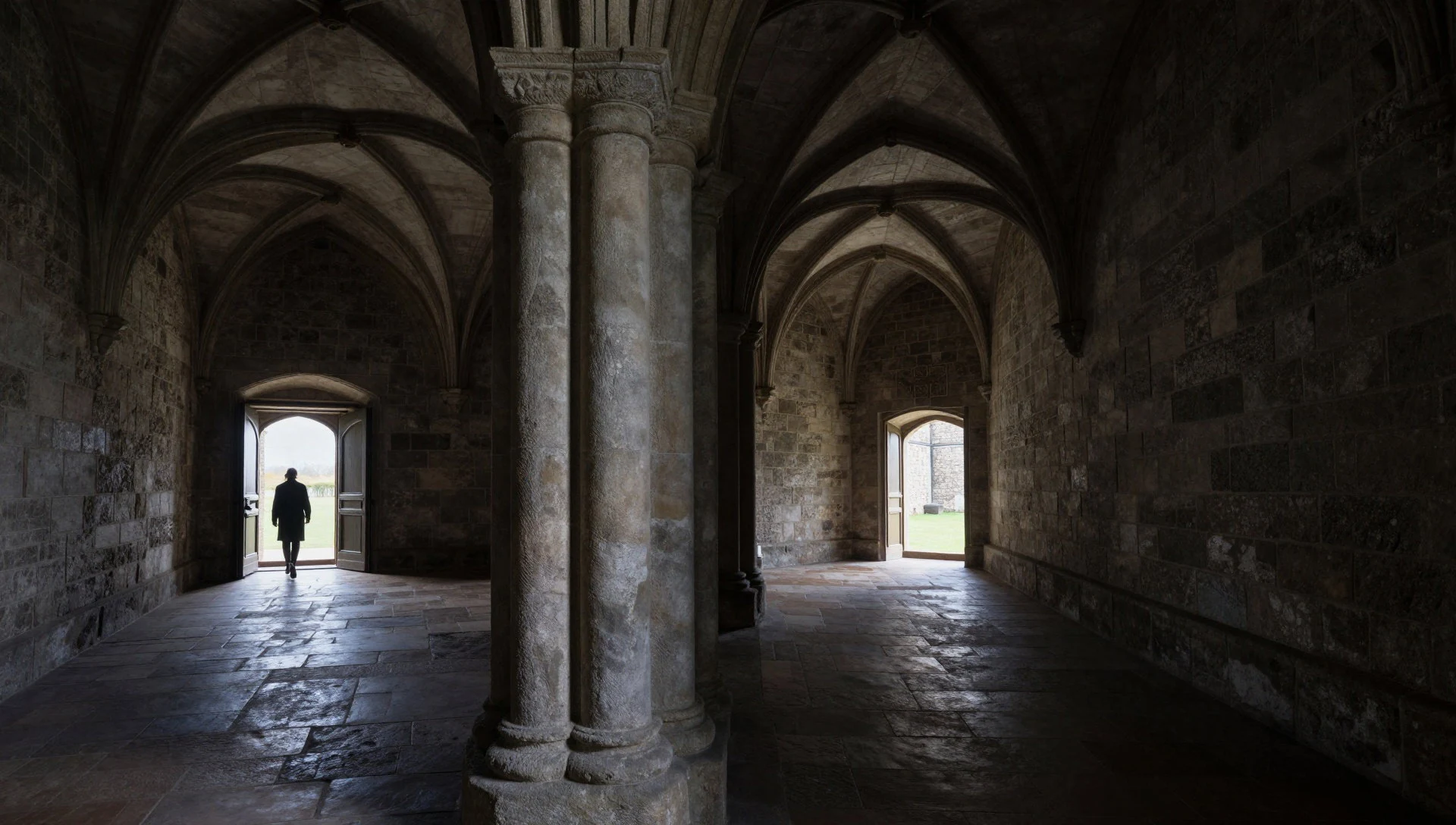
Culture
Denmark can feel formal on paperwork and paperwork alone, but everyday politeness runs on a quieter frequency. Visitors sometimes read that as brusqueness, especially when locals don’t soften conversations with lots of verbal ceremony. It helps to expect fewer “generic compliments” and to notice that titles like “Sir” and “Madam” are not commonly used between people.
At Kronborg specifically, the culture you’ll feel most is the mix of history and shared attention: it’s a working-feeling heritage site, with the castle’s preserved spaces drawing groups who want photos and timelines. That means the rhythm can be busy—wait for a gap before moving through tight corridors, and don’t stop dead in flows where other people are trying to read signage or reach the next room.
If Denmark’s style seems reserved, it’s usually about manners rather than hostility. You don’t have to force small talk, but a simple, calm interaction goes far.
Visitor etiquette: keep your voice down in rooms, pause to let other people pass in narrow halls, and don’t block viewpoints when posing for photos.
What to wear
Kronborg is a castle with real stone steps, outdoor stretches by the harbour, and indoor rooms that can feel cooler than the street. Traditional Danish dress is not a daily expectation here, but the story of the castle is Renaissance-era, and costume elements often show up during events or displays.
If people are wearing traditional outfits, you’ll commonly see textiles built for layers: woven garments and an emphasis on natural fibres, with dressier pieces tied to local tradition and festivals rather than everyday wear. Outside of those moments, modern Helsingør and Danish clothing looks practical: coats, jumpers, and weatherproof layers are normal because sea air can change the feel of the day quickly.
What to wear as a visitor: comfortable walking shoes with grip for uneven ground, a light waterproof layer, and something to cover shoulders if entering more formal-looking spaces or taking part in any guided sessions. In cooler months (the best visiting windows are typically spring and autumn), bring a warmer top—there’s often a chill that feels sharper near the water.
What to eat
- Smørrebrød — Cafés across Helsingør and the Copenhagen-area lunch scene
Danish open sandwiches are the classic, practical meal to slot into a sightseeing day. Look for them at cafés and traditional lunch spots, often served as a plate of different toppings rather than one single sandwich.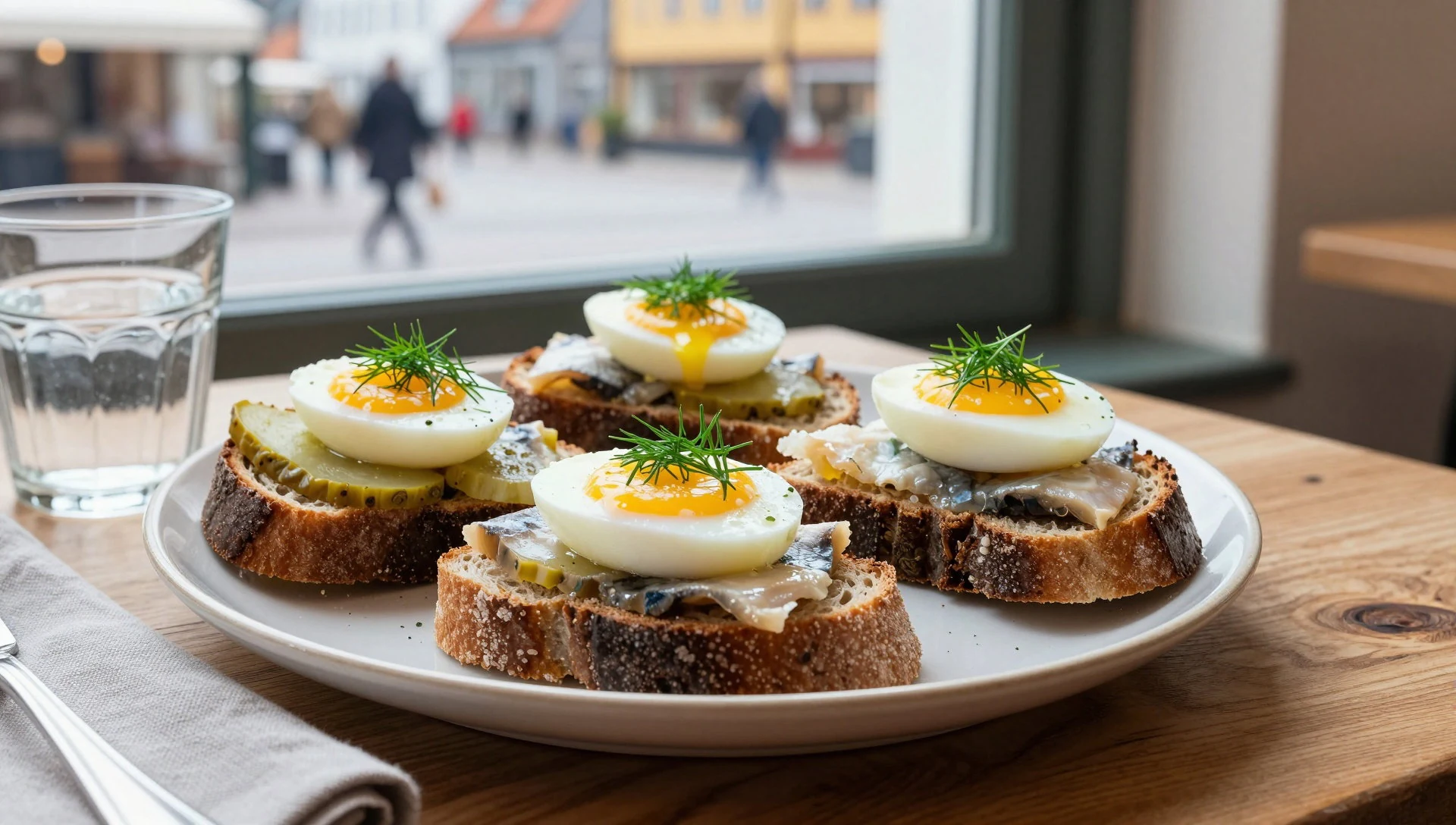
- Kebab and pizza takeaway — Around Helsingør town centre streets
Kronborg is historic, but the food scene is modern: kebab and pizza stands are common and easy when you just need something fast between viewpoints. They’re also a good option when the castle crowds make sitting down harder.
- Child-friendly café meals (børnemenu) — Most Danish restaurants and cafés
Many Danish cafés and restaurants offer a cheaper children’s menu option called børnemenu. Even if travelling without kids, it’s often a helpful way to keep portions straightforward and predictable for families. - International cuisine cafés — Cafés and restaurants in central Helsingør
Denmark’s cities have plenty of international options beyond the Danish classics. For a break from castle time, aim for sit-down cafés and restaurants that do varied menus, so group members can find something familiar.
Plan it
Best time. March–April for mild spring conditions and longer daylight; October–November for autumn colour and a calmer feel than peak summer.
How long. 2–3
Getting there. Fly into Copenhagen Airport, then continue by train towards Helsingør; the last leg is a short local transfer to reach Kronborg in town.
Budget. mid
Tips
- Plan around daylight: start earlier in the day to avoid peak tour-group movement through the main rooms.
- Build in time for the harbour-side sections, since breezes can make the walk feel cooler even when inland is comfortable.
- Check the official site before you go for entry timings and any seasonal changes to how the castle runs.
- Carry a small amount of cash for small purchases around town; card is common but cash is still handy on travel days.
Etiquette
- Keep queues tidy and don’t block doorways or narrow corridors while waiting for photos.
- Lower your voice in indoor rooms, especially when other visitors are reading interpretation boards.
- Be mindful when filming—move aside briefly so people can pass and view at their own pace.
Nearby
Sources
- Wikidata Q189358 (CC0)
- Wikipedia (Kronborg, rev 1377507327) (CC BY-SA 4.0)
- Wikivoyage (Denmark, rev 5413428) (CC BY-SA 4.0)
- Photo photos/01-kronborg-april-2026-10.jpg (CC BY-SA 4.0)
- Photo photos/02-kronborg-april-2026-12.jpg (CC BY-SA 4.0)
- Photo photos/03-kronborg-april-2026-03.jpg (CC BY-SA 4.0)
- Photo photos/04-kronborg-by-braun-hogenberg-middle-size-109097077.jpg (Public domain)
- Photo photos/05-vroom-hendrick-cornelisz-arrival-of-a-dutch-three-master-at-.jpg (Public domain)
- Photo photos/06-kronbergbel-gring.jpg (Public domain)
- Photo photos/07-kronborg-barracks-2018c.jpg (CC BY-SA 4.0)
- Photo photos/08-kronborg-pano.jpg (CC BY-SA 4.0)


