Aalborg
Aalborg, Denmark
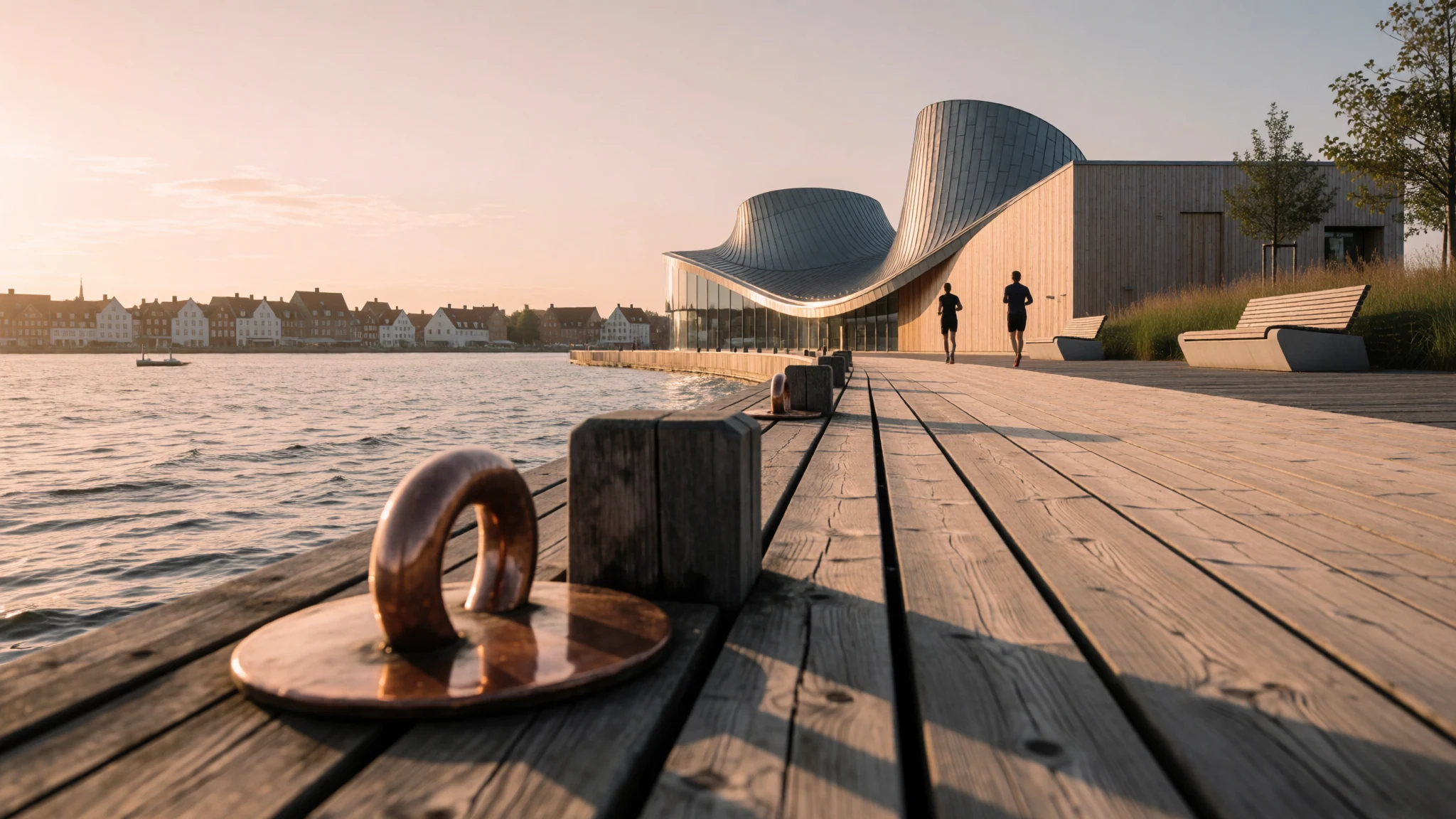
Aalborg pairs rich medieval maritime heritage and remarkable half-timbered architecture with a bold modern cultural shift along the Limfjord waterfront.
The place
Aalborg sits beside the narrowest stretch of the Limfjord in northern Denmark, functioning as a vital urban hub that bridges land routes across the region. Home to a population of about one hundred and twenty thousand residents, the city has evolved dramatically over generations from a heavy industrial powerhouse into a vibrant knowledge-based community centred on design, education, and culture. The urban layout reflects this layered history, where historic merchant lanes lined with preserved gables run right alongside contemporary architectural additions and open public squares. Low-lying geography shapes the cityscape, with elevations rising gently from the waterfront up to surrounding green hills. Maritime traffic long defined the character of the harbour, shaping local trade patterns and establishing connections across northern waters that persist to this day. Visitors walking through the central districts encounter an engaging mix of medieval ecclesiastical architecture, royal fortifications, and striking modern art galleries that utilise natural light and open spatial design. The transition from smokestacks to cultural venues is visible everywhere, turning former industrial zones into welcoming public parks, museums, and creative spaces where locals gather throughout the seasons. Paved pedestrian paths make exploring the historic core straightforward, while cycling infrastructure encourages slow travel along the water's edge and through neighbouring residential quarters.
Its story
Aalborg traces its origins back over a thousand years, beginning as an Iron Age trading post situated strategically where the Limfjord narrows. This natural bottleneck concentrated travel and commerce between different territories, allowing early settlements and a major burial ground to flourish on nearby heights. Royal trading privileges granted during the medieval period accelerated the town's economic growth, supported by a prosperous local herring fishing industry that attracted merchants from far and wide. Coinage minted in the era records early royal presence and settlement names that anchored the community in northern trade networks. Subsequent centuries brought periods of severe conflict and economic hardship, testing the resilience of local townspeople who relied on maritime commerce and craft guilds. Prosperity returned toward the end of the nineteenth century as new railway connections and bridging engineering spanned the fjord, stimulating industrial expansion and manufacturing sectors. For generations, heavy industries dominated local employment and urban development along the waterfront. In recent decades, however, civic leaders and educational institutions have successfully redirected the city's trajectory toward knowledge industries, contemporary arts, and sustainable urban renewal, transforming the historic harbour into a dynamic focal point for the entire region.
What to see
- Aalborghus Castle — Waterfront district
This historic half-timbered fortress was established as a royal stronghold during the sixteenth century by the crown. Positioned near the waterfront, it eventually transitioned into a regional administrative seat for royal governors overseeing northern territories. Today, visitors can explore the peaceful outer courtyard grounds, view the ancient defensive ramparts, and appreciate the distinctive timber framing style characteristic of the period.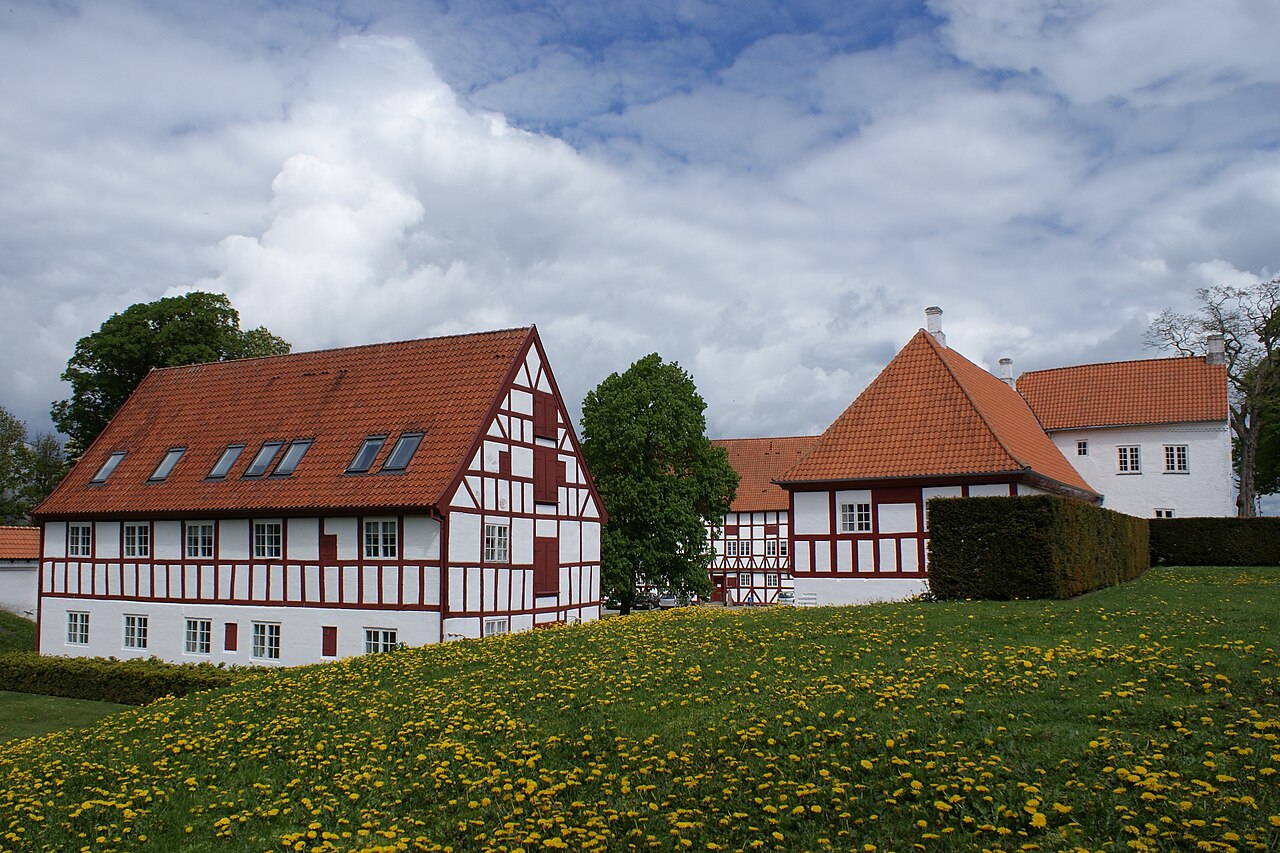
- Lindholm Høje — Northern hills
Overlooking the city from elevated ground, this remarkable archaeological site preserves extensive burial grounds and settlement traces dating from the Germanic Iron Age through the Viking era. Stone formations mark hundreds of ship-shaped graves aligned across the grassy slope, while an adjacent museum exhibits artifacts recovered from the excavations that illuminate ancient burial customs and daily life along the Limfjord.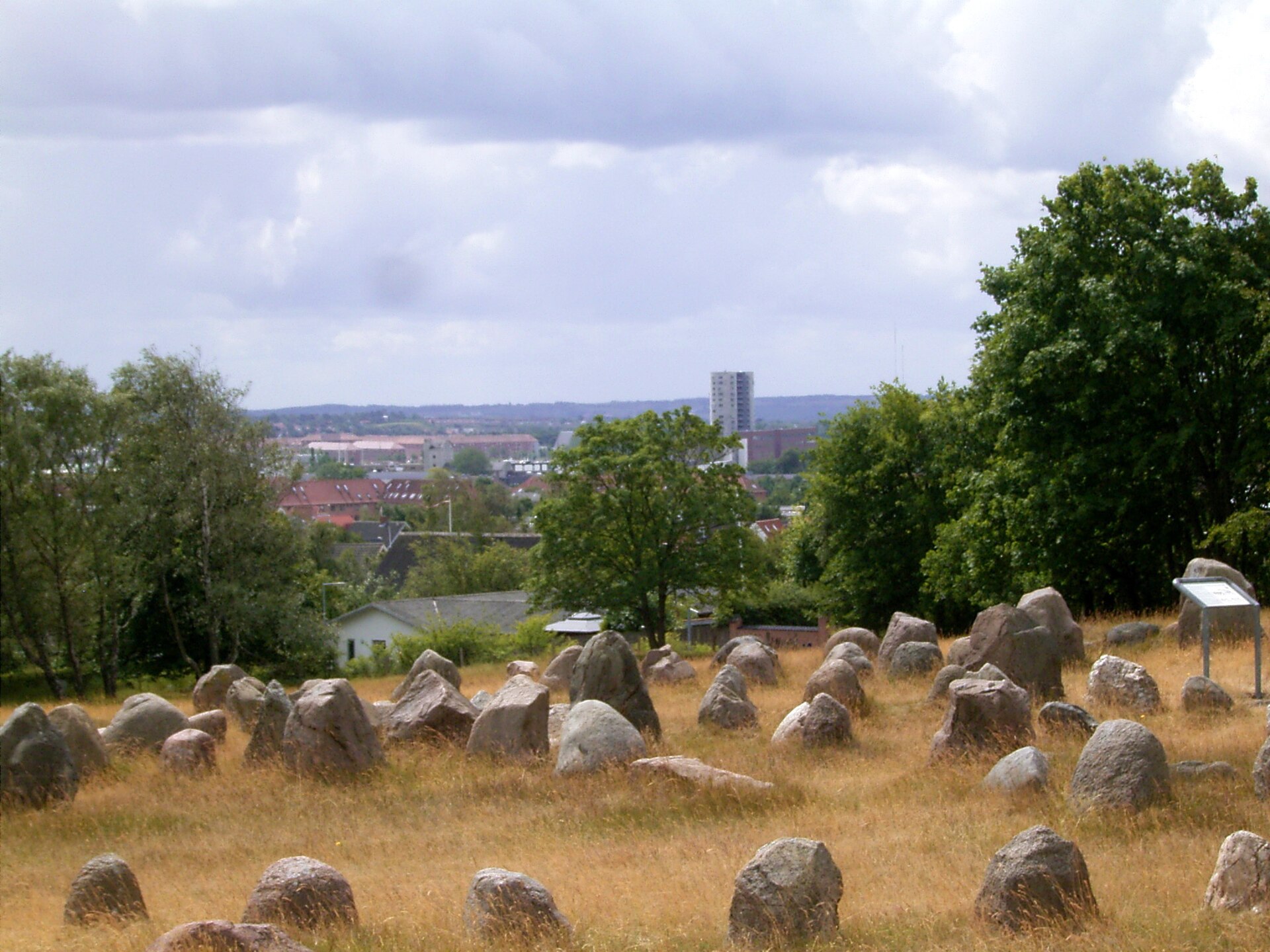
- KUNSTEN Museum of Modern Art — Park district
Set within a striking sculptural building crafted from white marble, copper, and glass, this renowned cultural institution showcases significant collections of modern and contemporary art. Designed by prominent modernist architects, the gallery integrates interior exhibition halls seamlessly with outdoor sculpture gardens and reflective pools, offering visitors an immersive experience of mid-century Scandinavian design principles.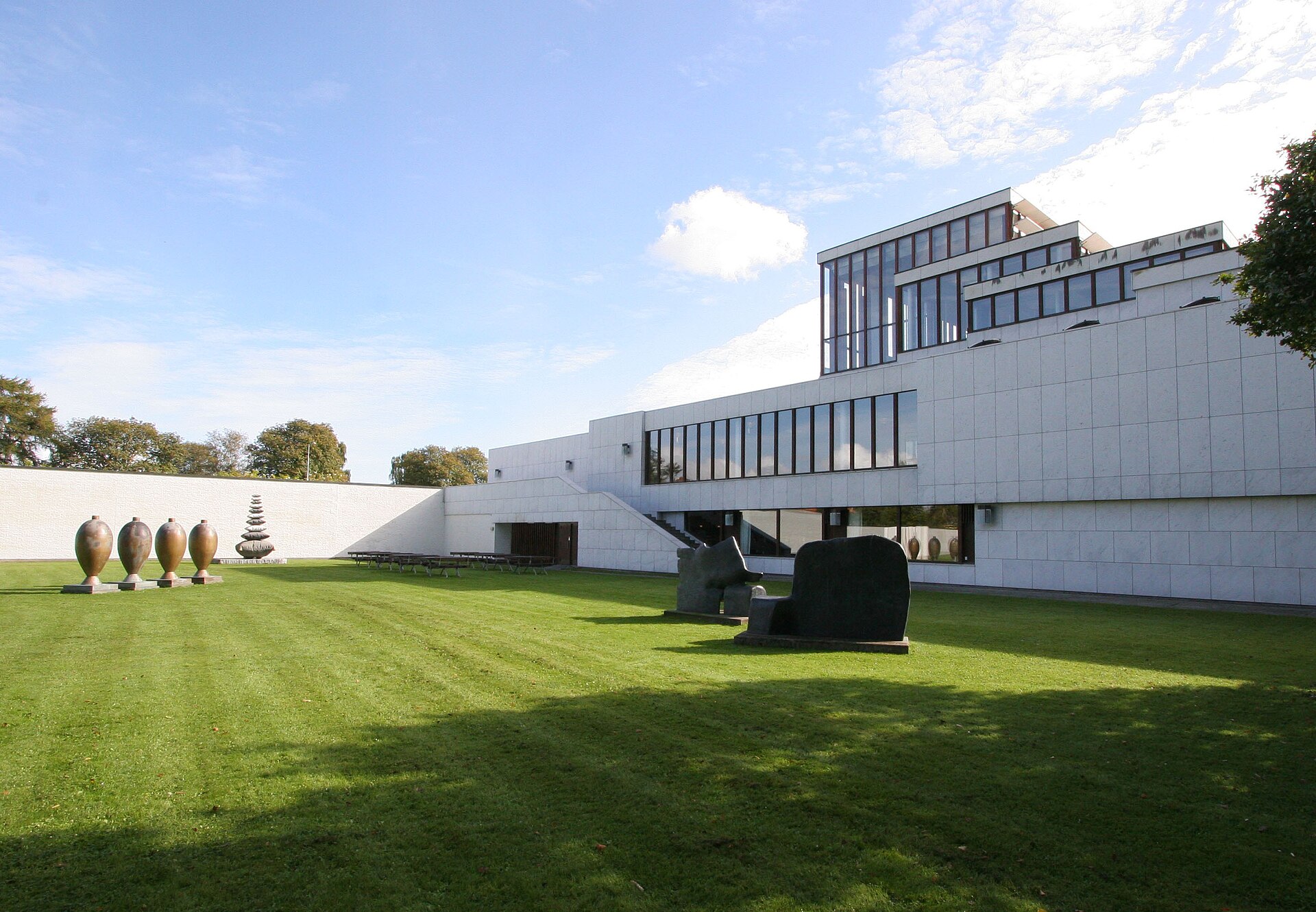
- Budolfi Cathedral — City centre
Dedicated to the patron saint of sailors, this historic ecclesiastical landmark anchors the medieval core with its distinctive spire and traditional white-plastered brick facade. Dating back in its earliest forms to the fourteenth century, the church features intricate interior woodwork, memorial tablets, and historic fittings that reflect generations of local craftsmanship and maritime devotion. - Aalborg Tower — Elevated parkland
Rising high above the surrounding terrain on an elevated hilltop site, this lattice steel observation structure provides panoramic views across the urban area, the Limfjord, and the wider northern landscape. Built during the early twentieth century, the tower lifts visitors above the canopy to take in the regional geography while offering a rotating vantage point for photography enthusiasts.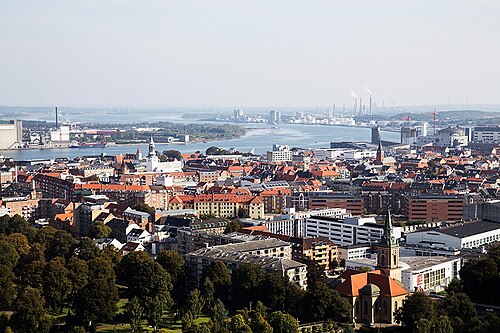
Culture
Aalborg sustains a lively cultural calendar that draws participants from across northern Europe, most notably during the annual spring carnival when colourful music bands and festive processions animate the streets. Maritime traditions are equally celebrated through periodic hosting roles in major international tall ship sailing races, which bring magnificent traditional vessels and international crews into the harbour basin. Traditional craftsmanship and livestock heritage find expression at ancient regional trading gatherings held in nearby rural districts. Within the urban core, public spaces, community cultural hubs, and historic municipal buildings foster an environment where creative arts, local design, and social gatherings thrive side by side. Residents value civic participation, environmental sustainability, and open-air recreation along the waterfront. When engaging with locals in shops, cafes, or public transport, greet others with a polite polite tone and observe local queueing etiquette in all service interactions.
What to wear
Traditional attire in the broader region historically featured heavy woollen garments, embroidered linen shirts, and layered skirts or waistcoats designed to withstand cool coastal winds and damp weather during agricultural and maritime labor. Modern dress in Aalborg follows contemporary Scandinavian sensibilities, favoring clean silhouettes, durable fabrics, and functional minimalism that transitions easily from indoor workspaces to outdoor cycling and walking. Locals prioritize practical comfort, wearing tailored wool coats, waterproof outerwear, breathable cotton layers, and sturdy walking shoes or boots suitable for cobblestone lanes and changing weather conditions. Visitors should pack versatile layers, including a reliable windproof jacket, comfortable footwear for exploring historical sites on foot, and smart-casual clothing for dining out in local restaurants.
What to eat
- Traditional Aquavit — Local distilleries and traditional taverns across the city centre
A distinct Scandinavian spirit distilled with caraway and botanicals, traditionally served chilled in small glasses alongside hearty meals or festive gatherings to complement cured fish and spiced dishes. - Classic Street Hot Dog — Kiosks around Nytorv Square and central plazas
A beloved local fast food staple served from traditional street kiosks, featuring a grilled sausage tucked into a soft bun and topped with remoulade, mustard, ketchup, and crunchy pickled cucumber slices. - Community Vegetarian Plate — Independent social spaces near the historic core
A wholesome, plant-based evening meal prepared collectively in an alternative cultural venue, offering seasonal vegetables and grains in a relaxed, communal atmosphere. - Daily Vegetarian Dish — Community cultural hubs in central lanes
A simple, fixed-price meatless meal served within a non-profit cultural house that supports local creative workshops, ceramic studios, and community gatherings. - Bistro Fare and Light Plates — Cafes along central pedestrian arteries
Casual daytime dishes featuring open-faced rye bread sandwiches, fresh salads, and hot beverages served at sidewalk tables overlooking lively street junctions.
Plan it
Best time. May through August offers the warmest weather, extended daylight hours, and vibrant outdoor events including the annual carnival.
How long. 2–3
Getting there. Aalborg is accessible via regional and intercity rail lines connecting from Copenhagen and Aarhus, or by road via the E45 and E39 motorways.
Budget. mid
Tips
- Check environmental regulations if driving a diesel vehicle within the city low emission zone.
- Book accommodation well in advance during major festival weekends and tall ship race events.
- Carry a durable umbrella or rain shell as coastal weather can change quickly.
- Utilize the extensive local cycling paths or walk on foot to explore compact central neighbourhoods.
Etiquette
- Always queue patiently when waiting for public transport or service counters.
- Respect quiet hours in residential neighborhoods during late evening and night periods.
Nearby
Sources
- Wikidata Q25410 (CC0)
- Wikipedia (rev 1382607719) (CC-BY-SA 4.0)
- Wikivoyage (rev 5423451) (CC-BY-SA 4.0)
- Photo 01-aalborg-nytorv-2004-ubt.jpg (CC BY 3.0)
- Photo 04-schloss-aalborghus.jpg (CC BY 3.0)
- Photo 05-kunsten-aalborg-2006.jpg (CC BY 3.0)
- Photo 06-aalborg-lindholm-h-je-10-ies.jpg (CC BY 3.0)


