Copenhagen
Copenhagen, Denmark
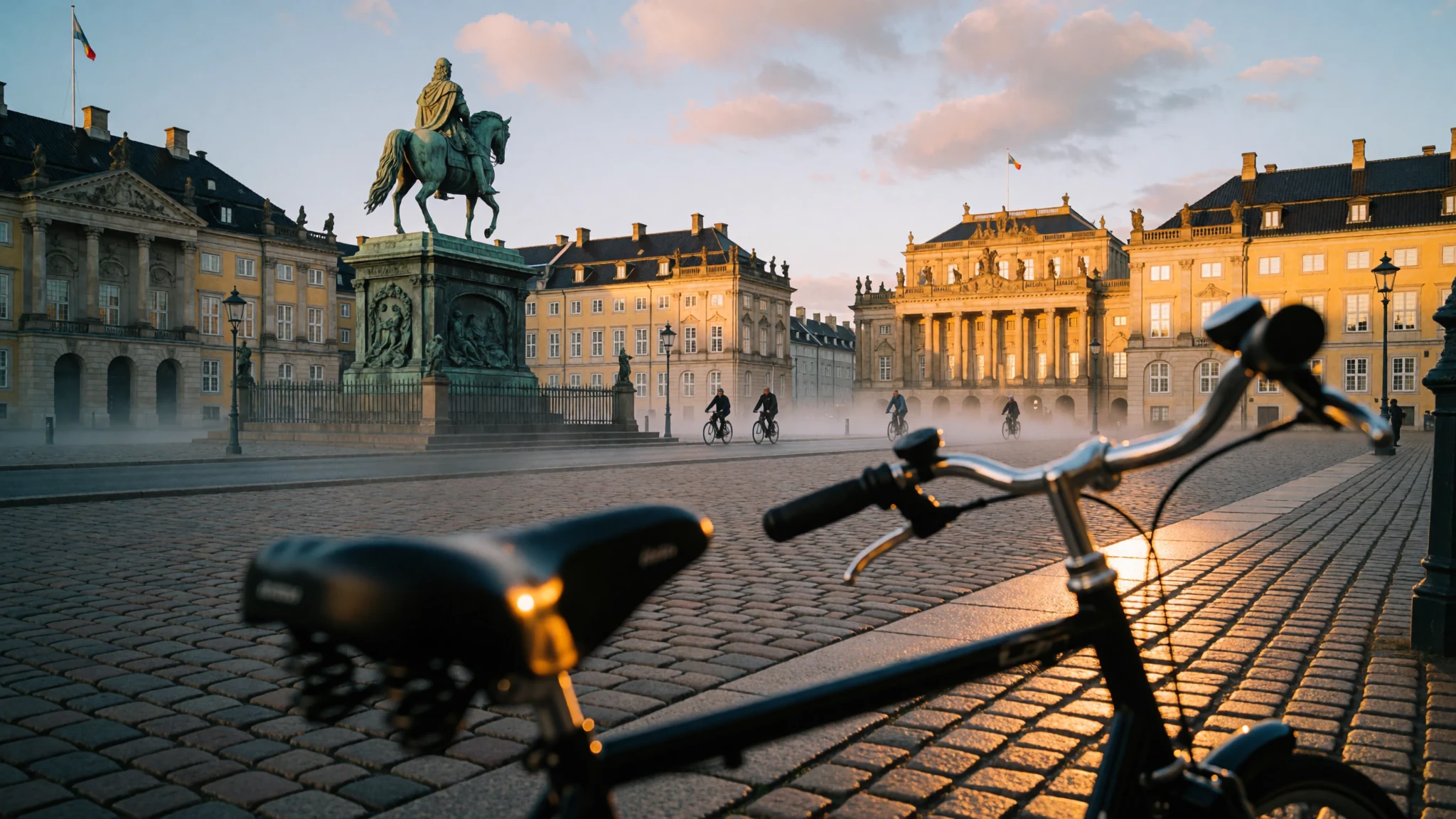
Copenhagen blends medieval maritime history with world-leading modern design, all easily explored by bicycle along scenic canals.
The place
Copenhagen serves as the capital and most populous urban area of Denmark, anchoring a regional population of over one million people. Situated primarily on the island of Zealand, with a smaller portion extending onto the island of Amager, the settlement is separated from Malmö across the water by the Øresund strait. A massive bridge and tunnel link connects the two nations by road and rail, reinforcing the area's position as a gateway between Scandinavia and the European continent. Originally founded as a modest Viking trading post beside sheltered waters, the city expanded through centuries of royal patronage, maritime commerce, and architectural ambition.
The municipal layout reflects layers of history, from narrow medieval lanes in the old quarter to grand neoclassical districts planned after earlier fires. Canals carve through the urban fabric, reflecting copper spires, slate roofs, and modern glass waterfront pavilions. Unlike many European capitals dominated by cars, this northern harbour prioritises two wheels; dedicated cycling lanes run alongside almost every major thoroughfare, carrying commuters and visitors alike past public squares, leafy parks, and harbourside swimming baths. The atmosphere shifts gracefully with the seasons, transitioning from long, sunlit summer evenings enjoyed outdoors by the water to cosy, candlelit interiors during the short, dark days of winter. Every neighbourhood retains a distinct character, from the historic maritime quays to creative quarters filled with independent galleries, artisan workshops, and neighbourhood bakeries serving traditional pastries.
Its story
Archaeological excavations reveal that human activity in the local area stretches back through the Stone Age, though the urban roots trace firmly to the late Viking era. Early settlers recognised the defensive and economic advantages of the natural harbour and the abundant herring shoals found in the coastal waters. Seasonal fishermen and merchants made temporary camps here from the eleventh century, but only in the thirteenth century did these settle into permanent dwellings centred around the shoreline known as Gammel Strand.
Written records first mention the growing port in twelfth-century chronicles by Saxo Grammaticus, who recorded the Latin name Portus Mercatorum, translating to Merchants' Harbour. As maritime trade expanded across the Baltic region, the settlement gained royal favour and eventually superseded older towns to become the primary seat of the Danish monarchy. During the Renaissance and subsequent centuries, rulers commissioned grand palaces, defensive ramparts, and prestigious academic institutions that shaped the royal capital's monumental skyline. Despite enduring severe setbacks from fires, plagues, and naval conflicts throughout its turbulent history, the community repeatedly rebuilt itself with greater architectural harmony. The legacy of these centuries remains visible in the preserved royal quarters, ancient foundation stones unearthed during modern transit projects, and the enduring maritime traditions that continue to define life along the northern sea lanes.
What to see
- Nyhavn — Inner City
This seventeenth-century waterfront canal is lined with brightly painted townhouses, historic wooden sailing ships, and lively outdoor seating areas where visitors gather to enjoy the maritime atmosphere. Once a busy commercial port handling ships from around the globe, it remains one of the city's most recognisable landmarks and a favourite starting point for canal boat tours exploring the surrounding waterways and modern architectural additions.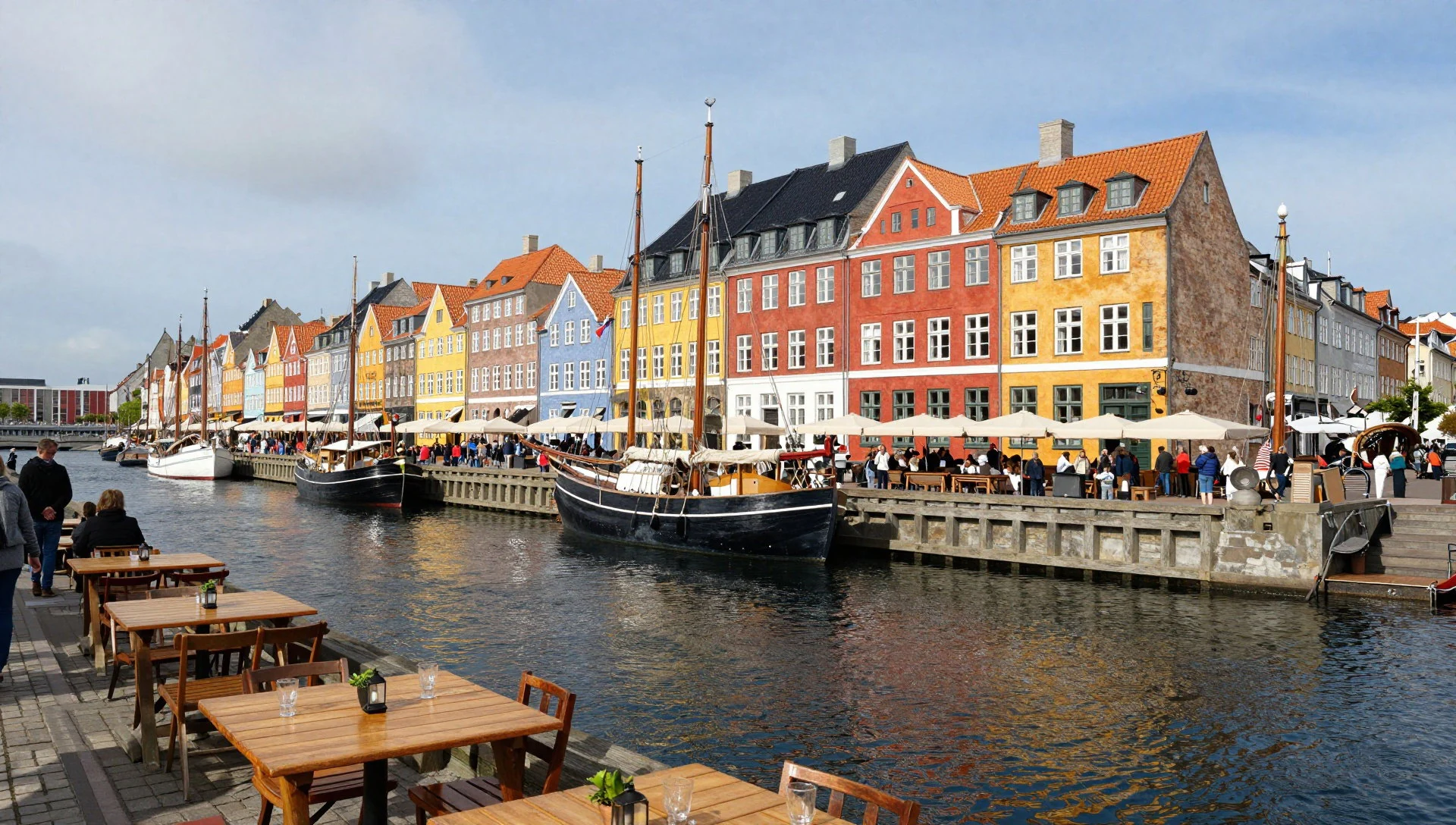
- Christiansborg Palace — Slotsholmen
Occupying the small island of Slotsholmen, this grand royal and governmental complex houses the Danish Parliament, the Prime Minister's office, and the Supreme Court alongside magnificent royal reception rooms. Visitors can climb the soaring stone tower to take in sweeping panoramic views across the copper roofs and winding canals of the capital, or explore the extensive medieval ruins preserved deep beneath the foundations of the current twentieth-century structure.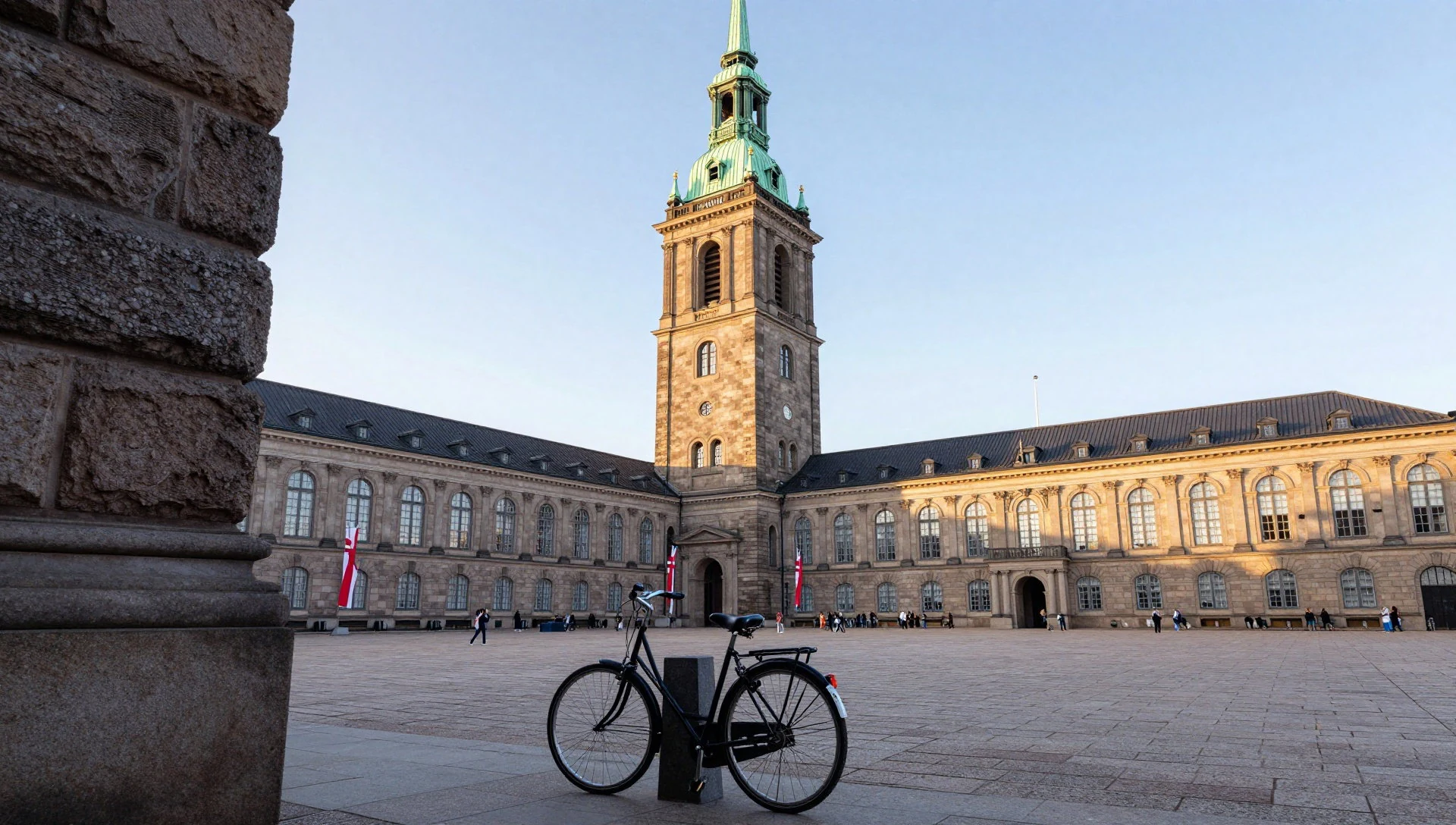
- Tivoli Gardens — Vesterbro
Opened in the nineteenth century, this historic amusement park and pleasure garden offers a charming mix of old-fashioned wooden rollercoasters, exotic oriental pavilions, lush flower gardens, and open-air performance stages. By evening, thousands of coloured lights illuminate the pathways, fountains, and concert halls, creating a magical atmosphere that has inspired amusement parks around the world for generations while remaining a beloved local sanctuary in the heart of the urban centre.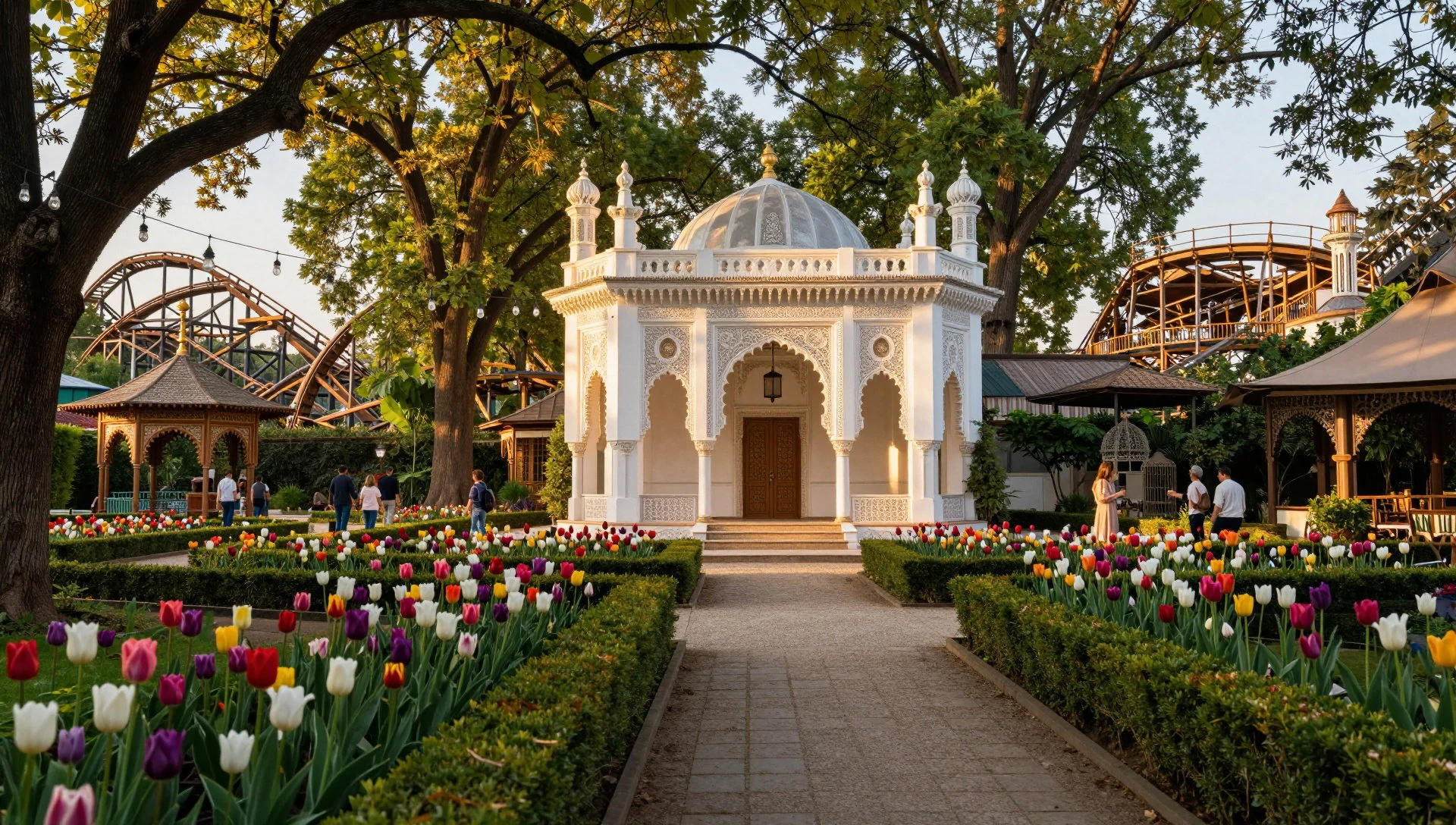
- Copenhagen Opera House — Holmen
Situated directly on the waterfront across the inner harbour from Amalienborg Palace, this striking contemporary architectural masterpiece features a dramatic overhanging roof and expansive glass facades designed by renowned Danish architects. Commissioned as a major cultural gift to the nation, the building hosts world-class opera and orchestral performances within acoustically superb wood-lined auditoriums, anchoring the city's modern reputation as a capital of innovative design and marine arts.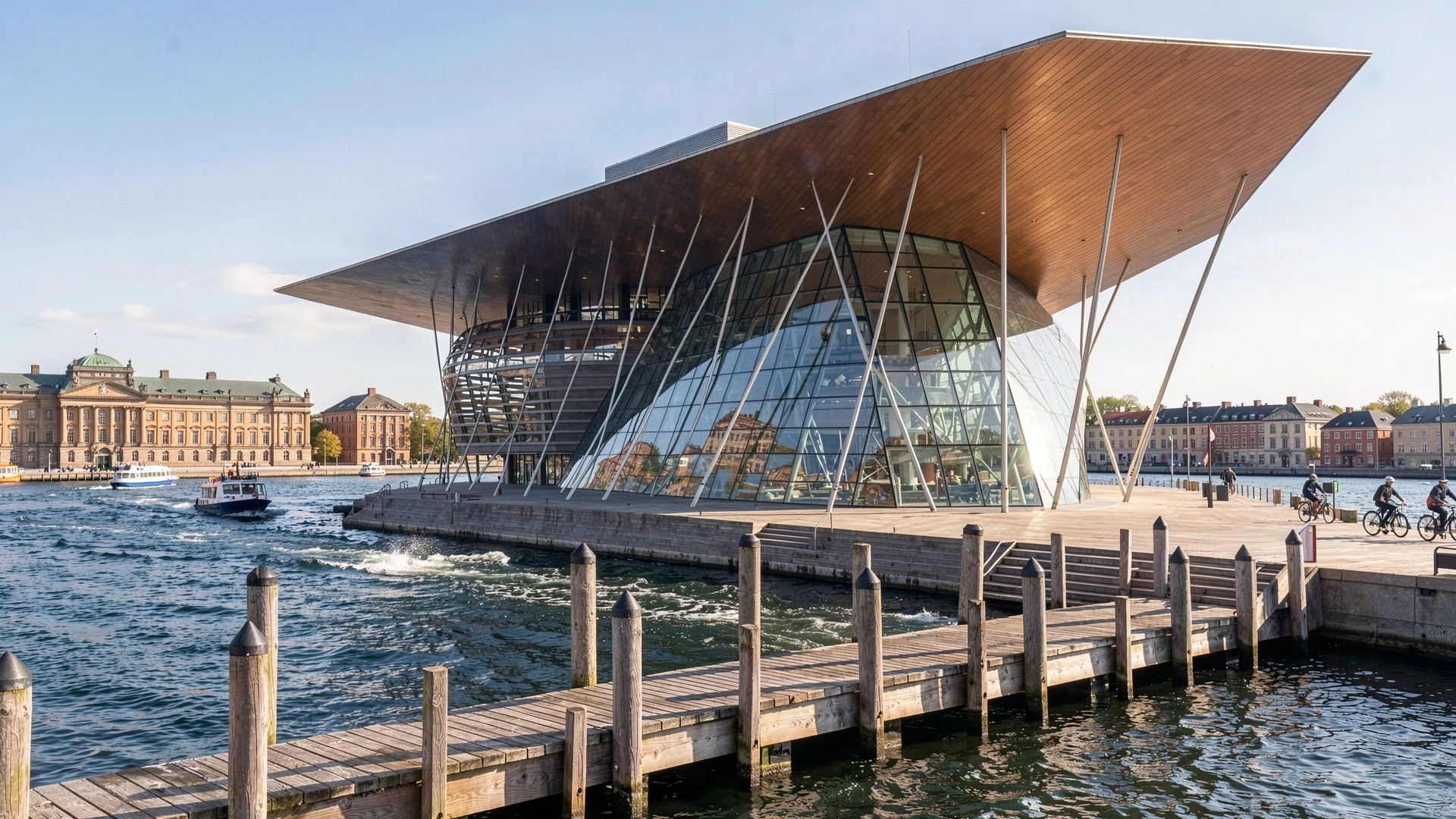
- The Lakes (Søerne) — Indre By border
This distinctive chain of three rectangular artificial lakes curves gracefully along the western edge of the historic city centre, providing a continuous scenic corridor for walkers, runners, and cyclists. Framed by nineteenth-century perimeter residential blocks and elegant bridges, the waters attract abundant waterfowl and serve as a vital recreational lung where locals gather to socialise, exercise, and watch the changing light over the urban skyline throughout the seasons.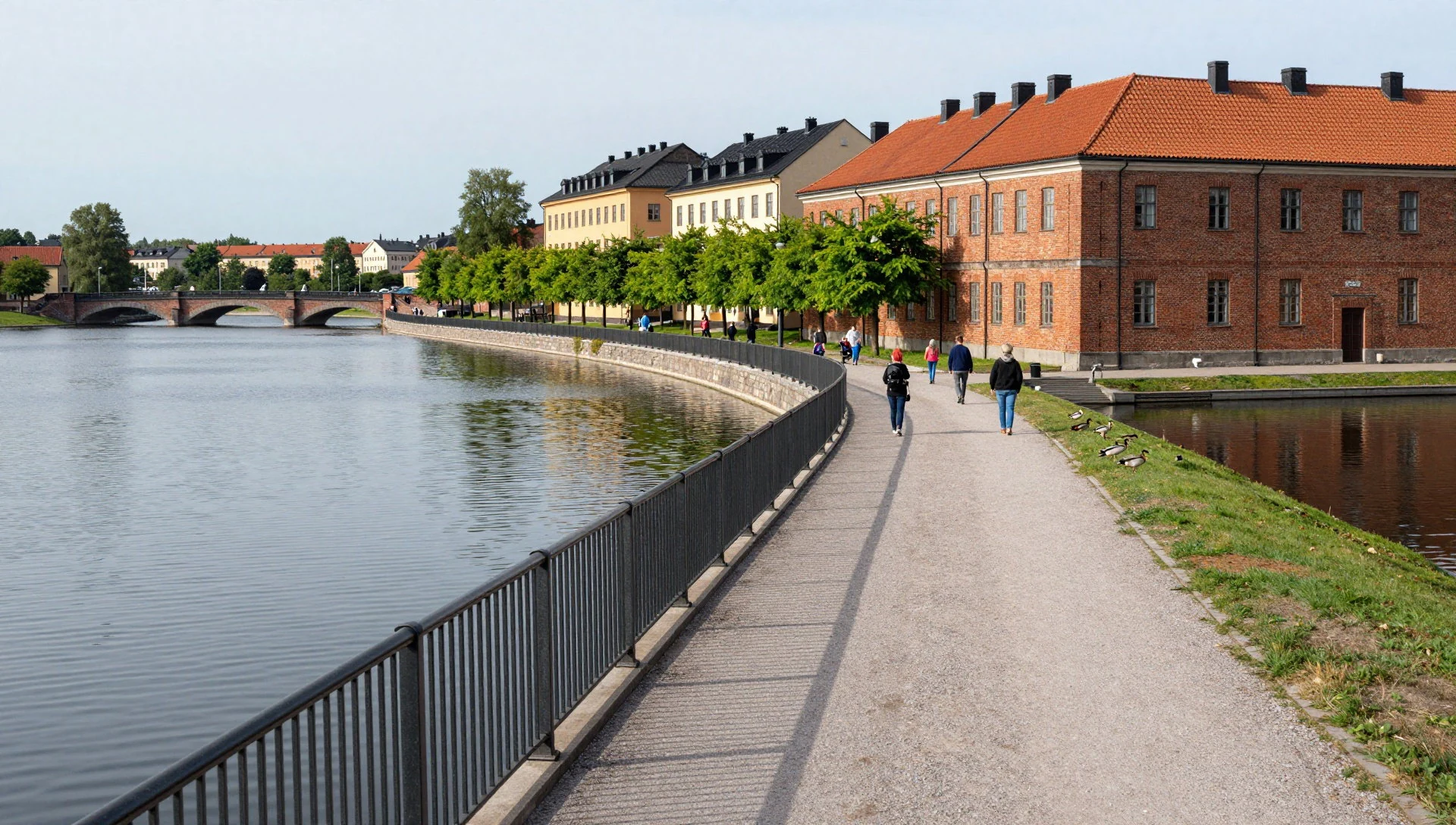
Culture
Copenhagen functions as the undisputed cultural heartbeat of Denmark and a major creative capital within Scandinavia. Over recent decades, the metropolis has undergone a remarkable evolution from a modest regional port into an internationally celebrated hub of contemporary architecture, innovative gastronomy, and avant-garde design. Public investment in cultural infrastructure, combined with the vision of local architects and world-famous chefs, has fostered a society that places a high value on aesthetics, functionality, and communal wellbeing. Museums of international standing, including extensive archaeological and cultural history collections at the National Museum, preserve centuries of Nordic heritage while showcasing global civilisations. Residents embrace the concept of hygge, an untranslatable term denoting a cosy, contented atmosphere shared with friends and family, particularly during the darker months. Social interactions tend to be egalitarian and polite, with a strong emphasis on personal privacy and respect for public order. When riding a bicycle or walking on footpaths, stay strictly in your designated lane to avoid colliding with fast-moving local commuters.
What to wear
Traditional Danish folk dress, historically varying by region with embroidered woollen waistcoats, pleated skirts, and decorative silver buckles, is rarely seen outside of historical folk dance ensembles and national celebration days. In contrast, contemporary fashion here is internationally influential, driven by a minimalist, functional aesthetic that prioritises clean tailoring, sustainable textiles, and effortless versatility. Locals favour neutral palettes—blacks, greys, navy, and muted earth tones—layered smartly to withstand changeable maritime weather without sacrificing style. Footwear is universally practical, as cobblestone streets and extensive cycling demand comfortable trainers or sturdy leather boots rather than high heels. Visitors should pack versatile, weather-resistant layers including a reliable windproof and waterproof jacket, comfortable walking shoes for cobblestones, and smart-casual clothing that transitions smoothly from daytime museum visits to relaxed evening dining establishments.
What to eat
- Smørrebrød — Traditional lunch restaurants across the city
These traditional open-faced rye bread sandwiches are meticulously piled high with gourmet toppings such as pickled herring, cured salmon, roast beef with remoulade, or spiced pork liver pâté, often garnished with fresh herbs and crisp vegetables. Find them at traditional lunch restaurants and historic eateries across the inner city.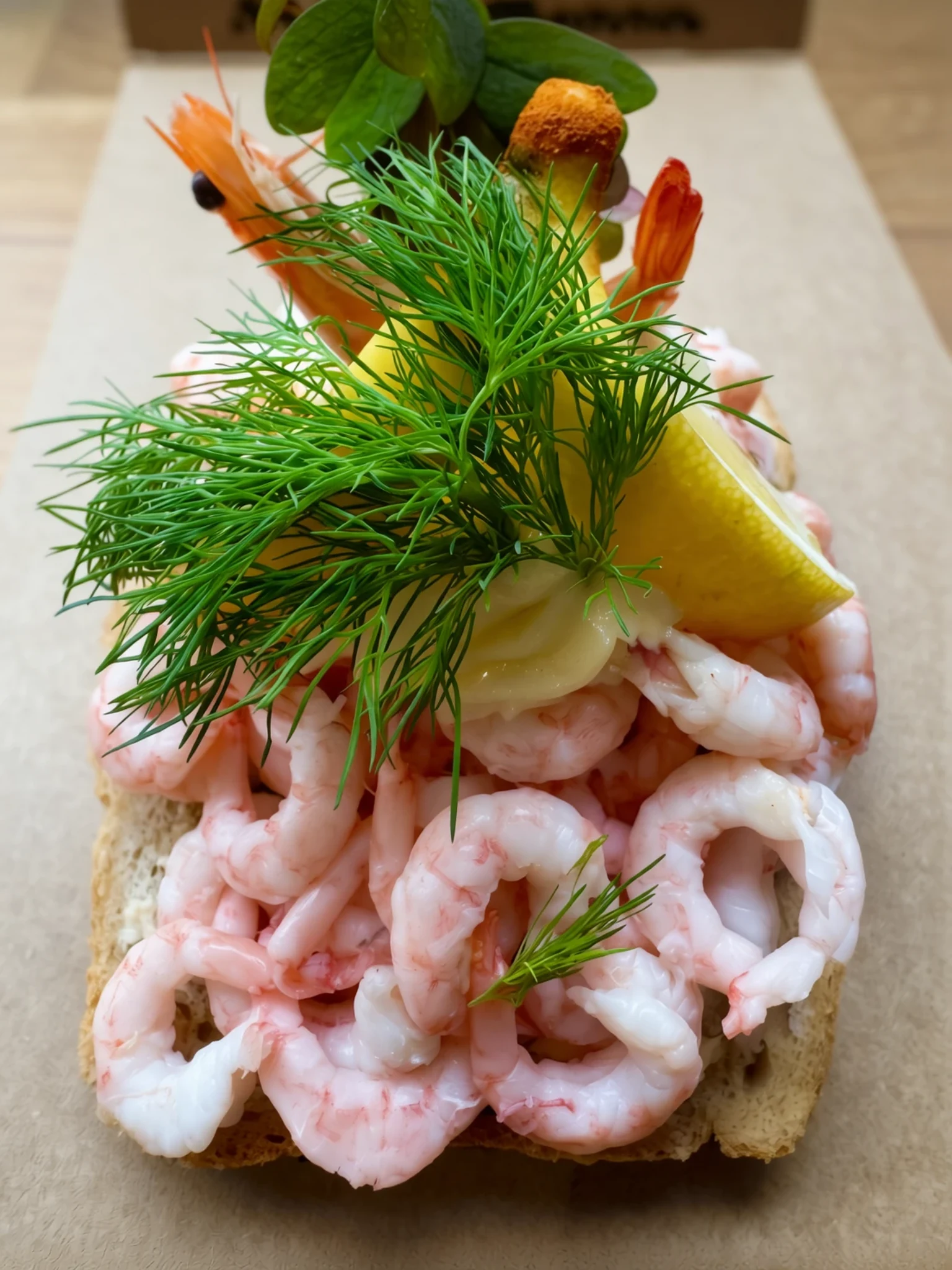
- Wienerbrød — Local artisan bakeries across all neighbourhoods
Known internationally as Danish pastry, these flaky, butter-laminated pastries come filled with rich custard, almond paste, or fruit preserves, and are typically iced or glazed. Purchase them fresh from local artisan bakeries scattered throughout every neighbourhood.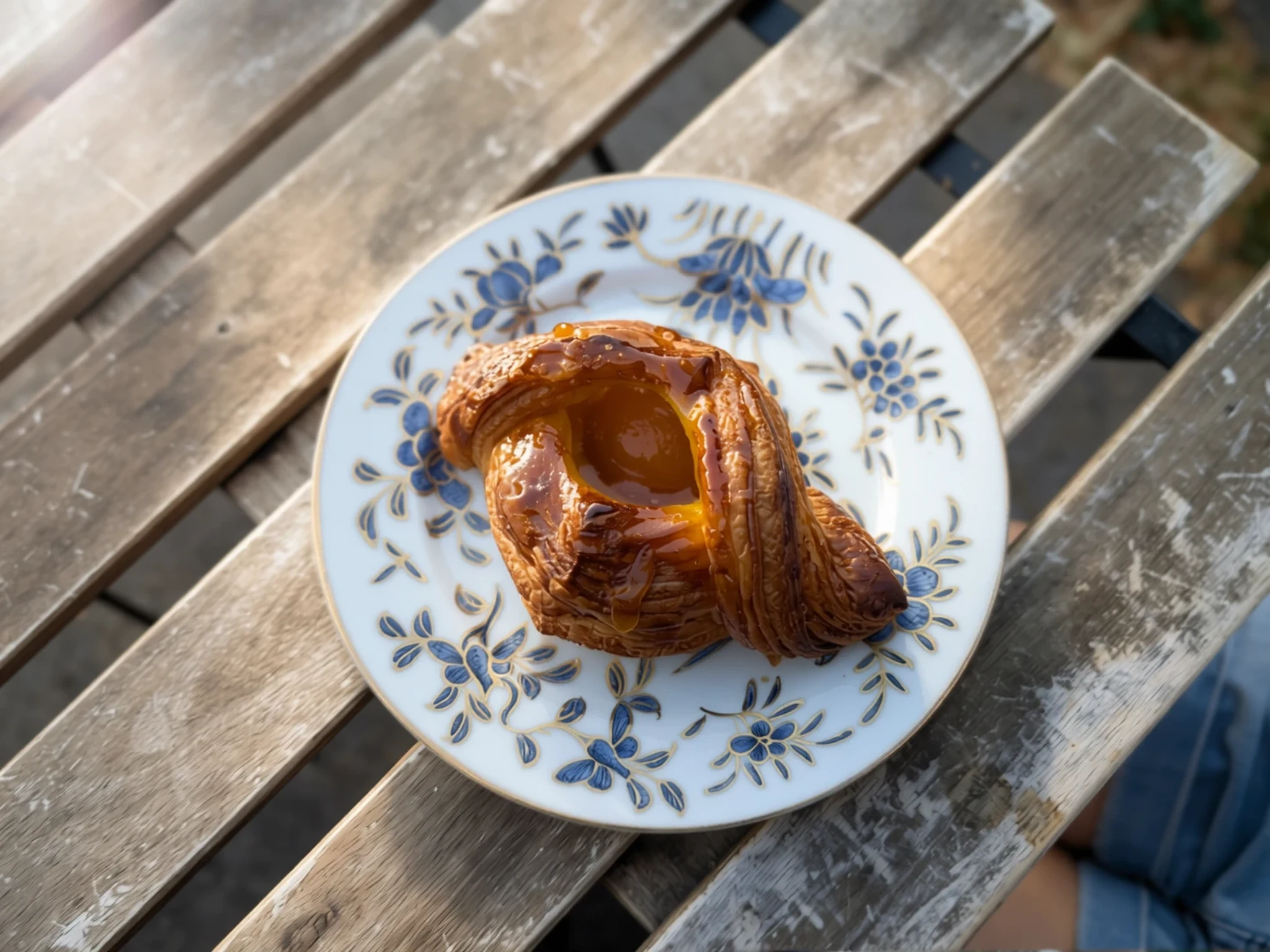
- Pølser — Traditional street-side kiosks near major squares
These classic red or grilled pork sausages are served hot from traditional street-side kiosks, traditionally tucked into a soft bun or accompanied by mustard, ketchup, remoulade, and crunchy pickled cucumber slices. Look for mobile sausage stands stationed near major squares and transport hubs.
- Stegt Flæsk — Traditional neighbourhood taverns and heritage dining rooms
Recognised as the national dish, this comforting meal consists of thick-cut pork belly strips fried until exceptionally crispy, served alongside boiled potatoes and a creamy parsley sauce. Enjoy this hearty classic at traditional neighbourhood taverns and heritage dining rooms. - New Nordic Cuisine — Cutting-edge dining establishments across the inner districts
Pioneered by local culinary innovators, this high-end gastronomic movement focuses entirely on hyper-seasonal, sustainably sourced native ingredients such as foraged wild plants, Nordic berries, and fresh coastal seafood prepared with inventive modern techniques. Experience these tasting menus at cutting-edge establishments across the inner districts.
Plan it
Best time. June to August offers the warmest weather, longest daylight hours, and vibrant outdoor street life, whereas winter brings fewer crowds and a cosy, candlelit atmosphere.
How long. 3–4
Getting there. Copenhagen Airport handles international flights and connects directly to the central railway station via a fast train or metro link taking roughly fifteen minutes.
Budget. high
Tips
- Rent a bicycle immediately to navigate the city safely and efficiently like a local.
- Book tables well in advance if you plan to dine at acclaimed New Nordic restaurants.
- Most establishments operate entirely cashless, so carry a reliable credit or debit card.
- Take advantage of free open-air film screenings and cultural festivals during the summer months.
Etiquette
- Always yield to cyclists in dedicated lanes and check your blind spot before stepping off the pavement.
- Observe quiet hours in residential apartment buildings during the late evening and early morning.
Nearby
Sources
- Wikidata Q1748 (CC0)
- Wikipedia (rev 1382526252) (CC BY-SA 4.0)
- Wikivoyage (rev 5400492) (CC BY-SA 4.0)
- Photo 01-copenhagen-view-from-christiansborg-castle.jpg (CC BY-SA 4.0)
- Photo 07-nyhavn-copenhagen-20220616-1930-6610.jpg (CC BY-SA 4.0)

