Same
Same, Timor-Leste
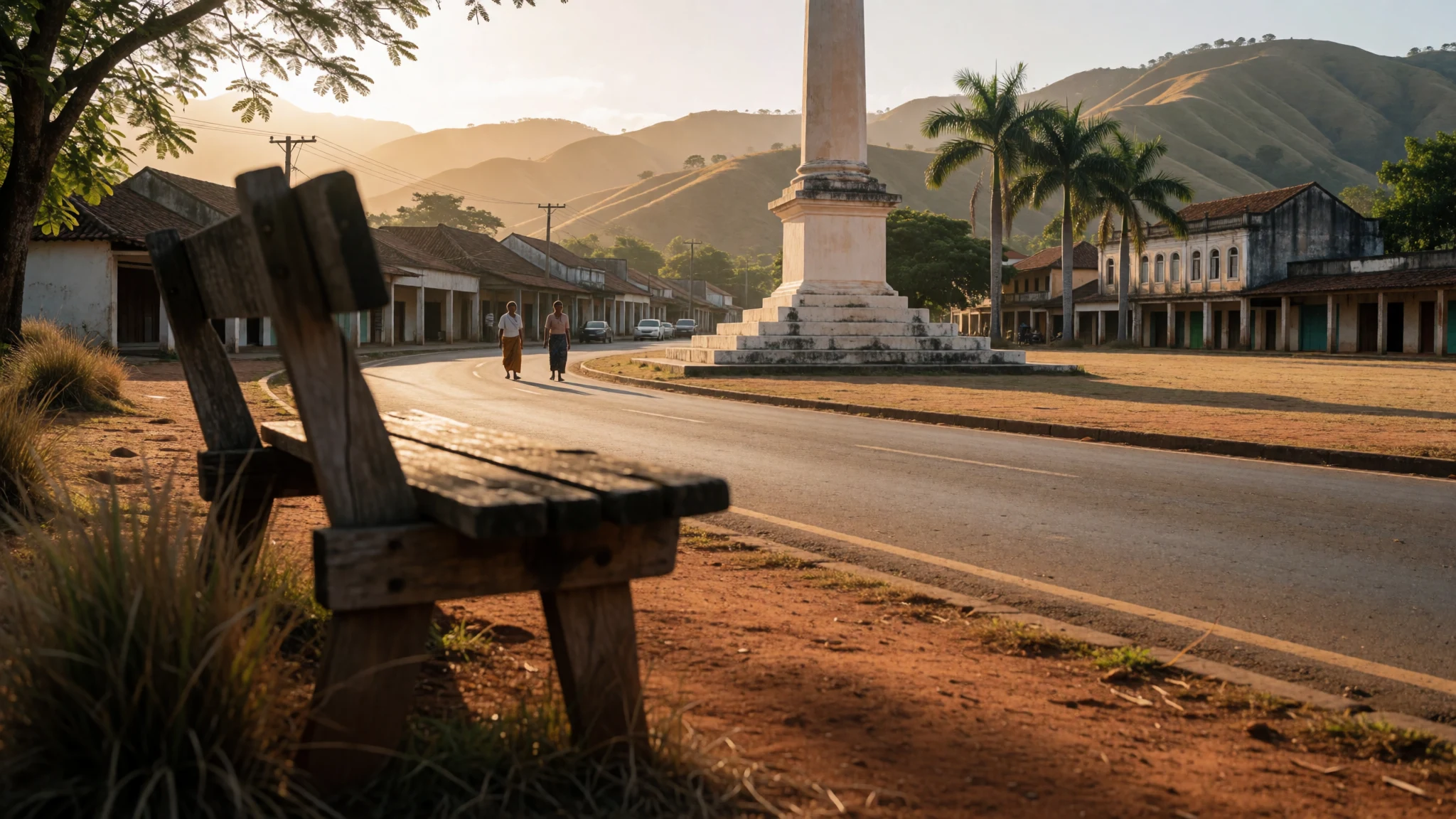
Same is a quiet mountain town in Timor-Leste where Portuguese-era monuments and a fierce resistance history sit among cool hills, far from any tourist trail.
The place
Same is the capital of Manufahi municipality, a small hill town in the interior of Timor-Leste. It stands at 368 m above sea level, home to about 2,100 people, and lies south of Mount Cabalaki (Foho Kabulaki). The altitude matters: after the sticky coast, the air in town is noticeably softer, especially in the mornings and evenings. Same is not a resort and does not try to be one. It is a working administrative town with government offices, a Portuguese-era monument in the centre and neighbourhoods spread over the slopes around it. During the Estado Novo period it was renamed Vila Filomeno da Câmara, after a former governor of Portuguese Timor. The centre lies in the Letefoho area, while outlying neighbourhoods such as Babulo, Manikun and Raimera run up into the hills. Roads define how people get around. One route climbs north towards Maubisse, another drops south to Betano on the coast, and a branch heads east towards Alas. Travel on them is slow, winding and weather-dependent, so distances on a map say little about the time a journey takes. Visitors who come tend to be crossing the south on a longer trip, or are interested in the history of the Manufahi resistance. Facilities are modest, English is not widely spoken, and Tetum and Portuguese are far more useful. The reward is a town where ordinary life carries on at a local pace, with few other travellers in sight and plenty of time for conversation.
Its story
Same was once the seat of the kingdom of Manufahi, and much of its history is the history of resistance to Portuguese rule. Duarte, the Liurai (ruler) of Manufahi, and then his son Boaventura, led repeated revolts against the colonial administration from the 1890s onwards. Boaventura drew several Timorese kingdoms into a single movement, which made the uprising a serious problem for Lisbon. It ended in the rebellion of 1911–1912, when he was captured near Betano by a force of loyal Timorese and Portuguese colonial troops, some brought from Mozambique and Angola. He died soon afterwards on the island of Atauro. Timorese accounts put the death toll of that last revolt in the tens of thousands. In the Dai-Sua area in August 1912, about 3,000 men, women and children were killed in a massacre that is still a heavy memory in the region. The twentieth century brought more upheaval. During the Second World War Japan occupied Portuguese Timor, and Australian troops fought a guerrilla campaign; reinforcements came in through Betano, where the destroyer HMAS Voyager was lost. Decades later, as Indonesian rule ended, militias almost completely destroyed Same. A rebuilding effort called Friends of Same, with United Nations support, helped bring the town back, and a later political crisis also brought fighting to the area. The present town is therefore young in its buildings but deep in its memory.
What to see
- The Portuguese monument — Town centre
Same has a Portuguese monument in the middle of town, and it is the obvious place to begin. It is a reminder of colonial rule and a useful landmark for orientation. Stop for a few minutes, look at how the town is arranged around it, and ask locals what they remember of the place.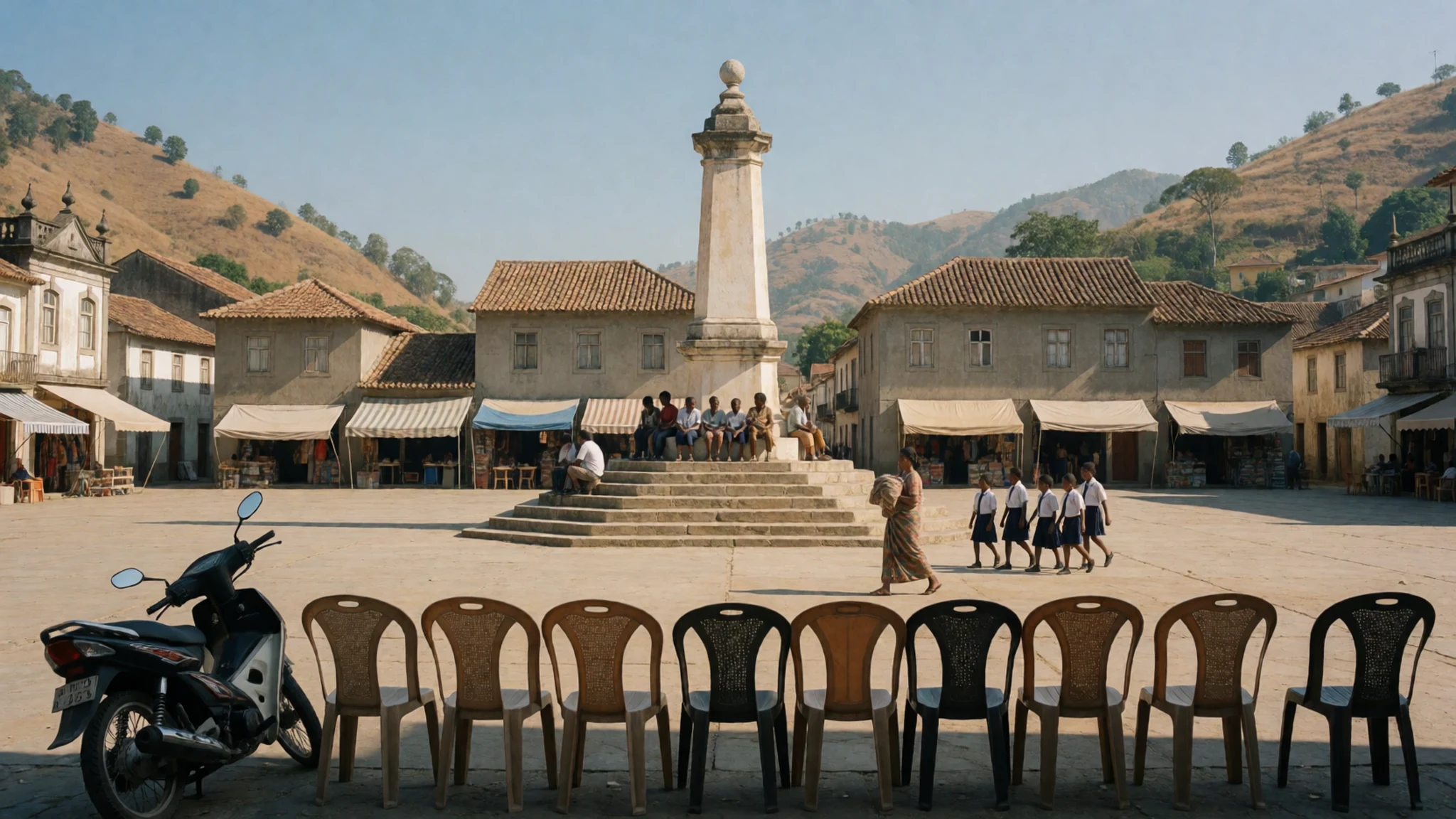
- The town centre on foot — Centre, Letefoho area
Same is small enough to walk through in an hour or two. The centre mixes rebuilt concrete buildings, older Portuguese-style frontages and everyday shops, with the hills visible at the end of most streets. Mornings are the best time, when the air is cool and people are out.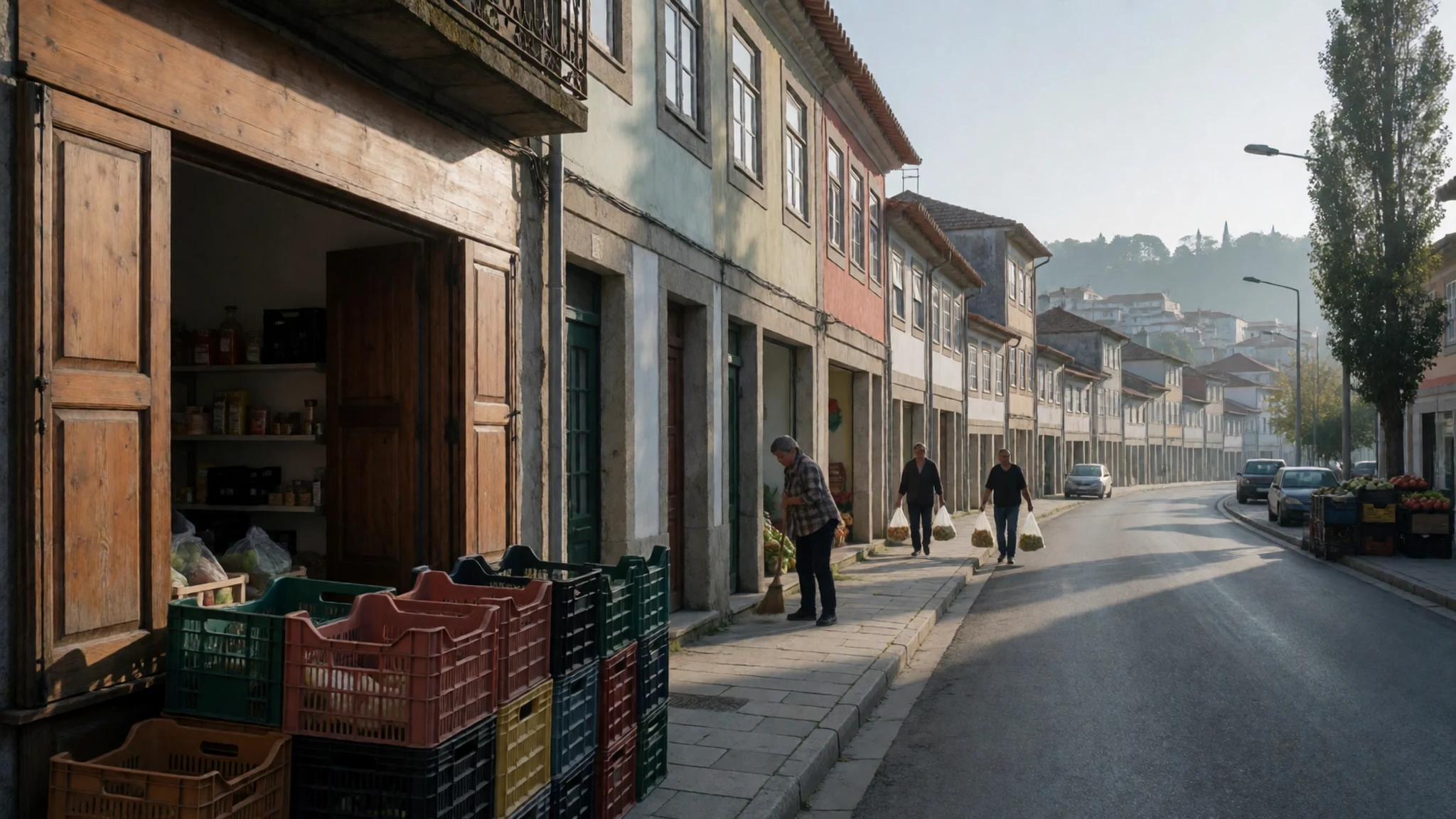
- Casa dos Escuteiros — Town centre
Same has a scout house, the Casa dos Escuteiros, which is worth a look as an example of the community buildings that make up daily life here. It is not a formal attraction, so treat it as a quick stop while exploring the streets nearby.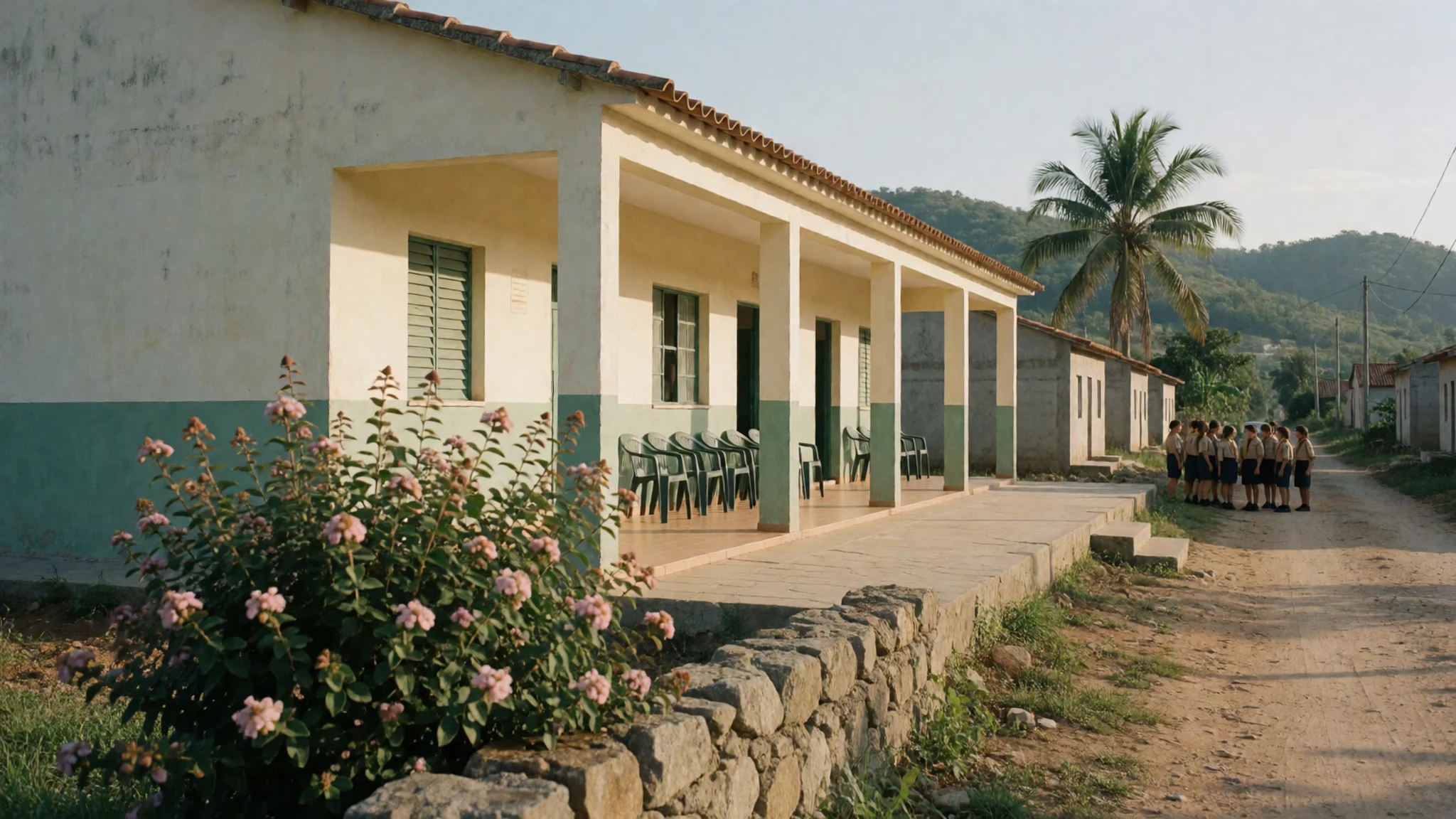
- The old military command — Town centre
Same's former Manufahi military command building is a historic photograph more than a visiting site, but it points to the district's long record of conflict. Ask locally what the building is used for now, and keep a respectful distance from any official premises.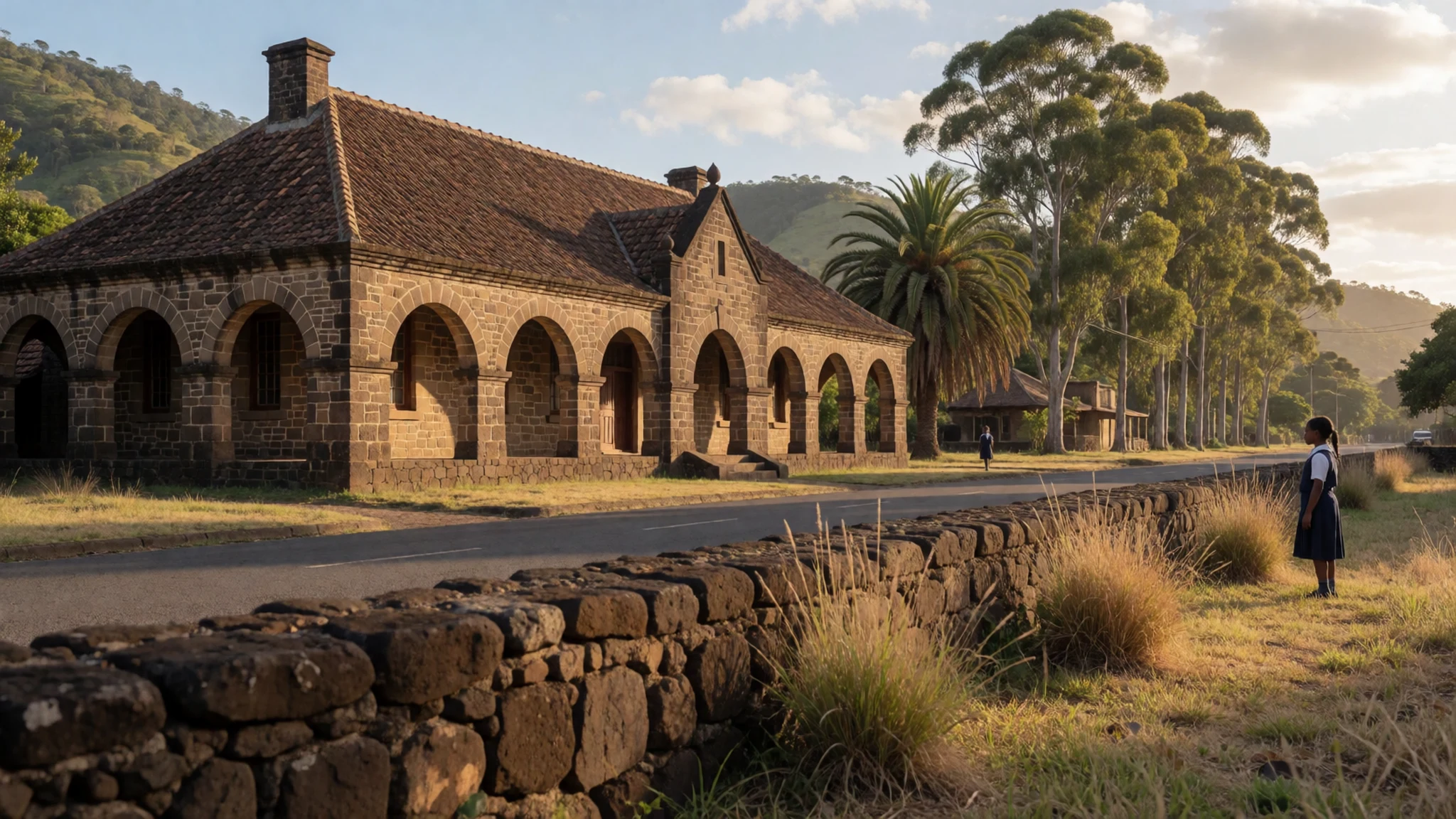
- The hills around Mount Cabalaki — North of town
Same sits beneath Mount Cabalaki (Foho Kabulaki), and the slopes around it offer the best views over the town and its neighbourhoods. Walking routes are informal, so ask a local for a guide or at least directions before setting off, and go early in the dry season.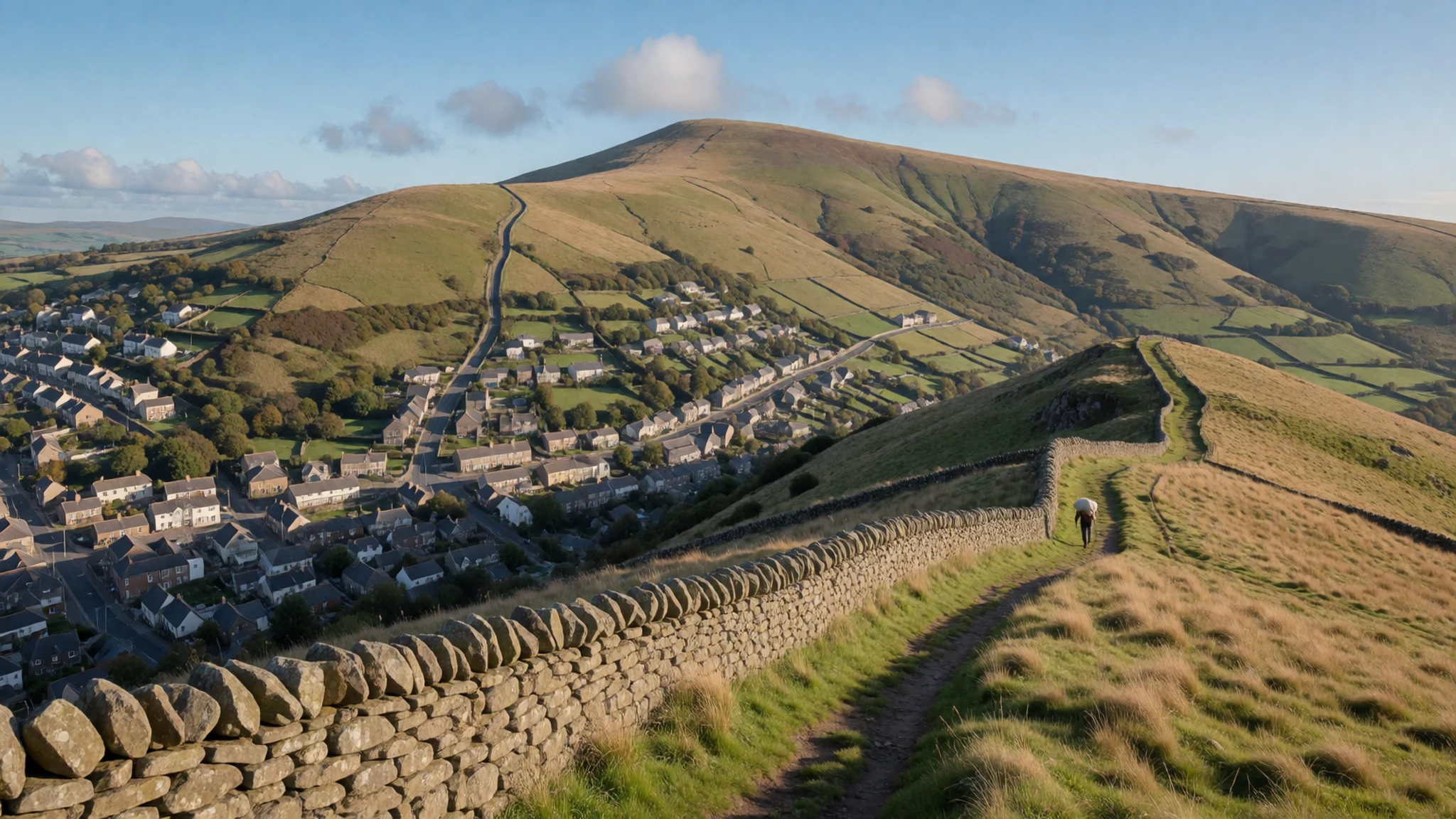
Culture
Same is a place where history is part of everyday conversation. Manufahi was the heart of a long anti-colonial movement, and families here remember the revolts, the Second World War and the destruction that came as Indonesian rule ended. Timor-Leste as a whole lost a huge share of its people during the occupation, and visitors will find that opinions on the period are strong and often personal. Praising the occupation or the idea of joining Indonesia will not be well received, although relations between the two countries are positive today. Many people feel a quiet affection for the Portuguese era, when communities were largely left to run their own affairs, and Portuguese remains one of the country's official languages alongside Tetum. Life moves at a relaxed pace, greetings matter, and conversations often begin with family and where you have come from. The Catholic church is central to community life, and weddings, funerals and festivals bring people together, often with traditional woven cloth and shared meals. A traveller who is curious, patient and willing to listen will usually be welcomed warmly. As with politics anywhere, if you are unsure whether a topic will go over well, leave it alone. Greet people politely, ask before photographing anyone or any ceremony, and let local people raise the subject of the occupation before you do.
What to wear
Same keeps the textile traditions that run through Timor-Leste, above all tais, hand-woven cloth made on a back-strap loom, usually from cotton and often dyed with plant colours. Each region has its own patterns, and the cloth is worn as a wrapped skirt or sarong, a shoulder scarf or a ceremonial sash. It appears most at weddings, funerals, church festivals and gatherings where the community wants to mark respect, and it is also given as a gift. In daily life, people in Same dress simply and practically: T-shirts, shorts or trousers, football shirts, school uniforms and rubber sandals, with a jacket on cool evenings. Women often wear skirts or long trousers, and covering the shoulders and knees is the usual norm outside the home. A visitor should pack light, breathable clothes that cover shoulders and knees, plus a warm layer for the evenings at this altitude and a lightweight rain jacket. Sturdy closed shoes or good sandals suit the uneven streets and hill paths, and a hat helps in the sun. Dress a little more formally for church or any ceremony, and if someone offers you a piece of tais, accept it with thanks.
What to eat
- Rice with root vegetables — Simple local eateries and family-run food stalls
Rice is the staple in Timor-Leste, often served with taro, cassava, sweet potato or maize. In Same, a plate of rice and vegetables is the most common everyday meal, filling and mild, and a good way to taste local home cooking.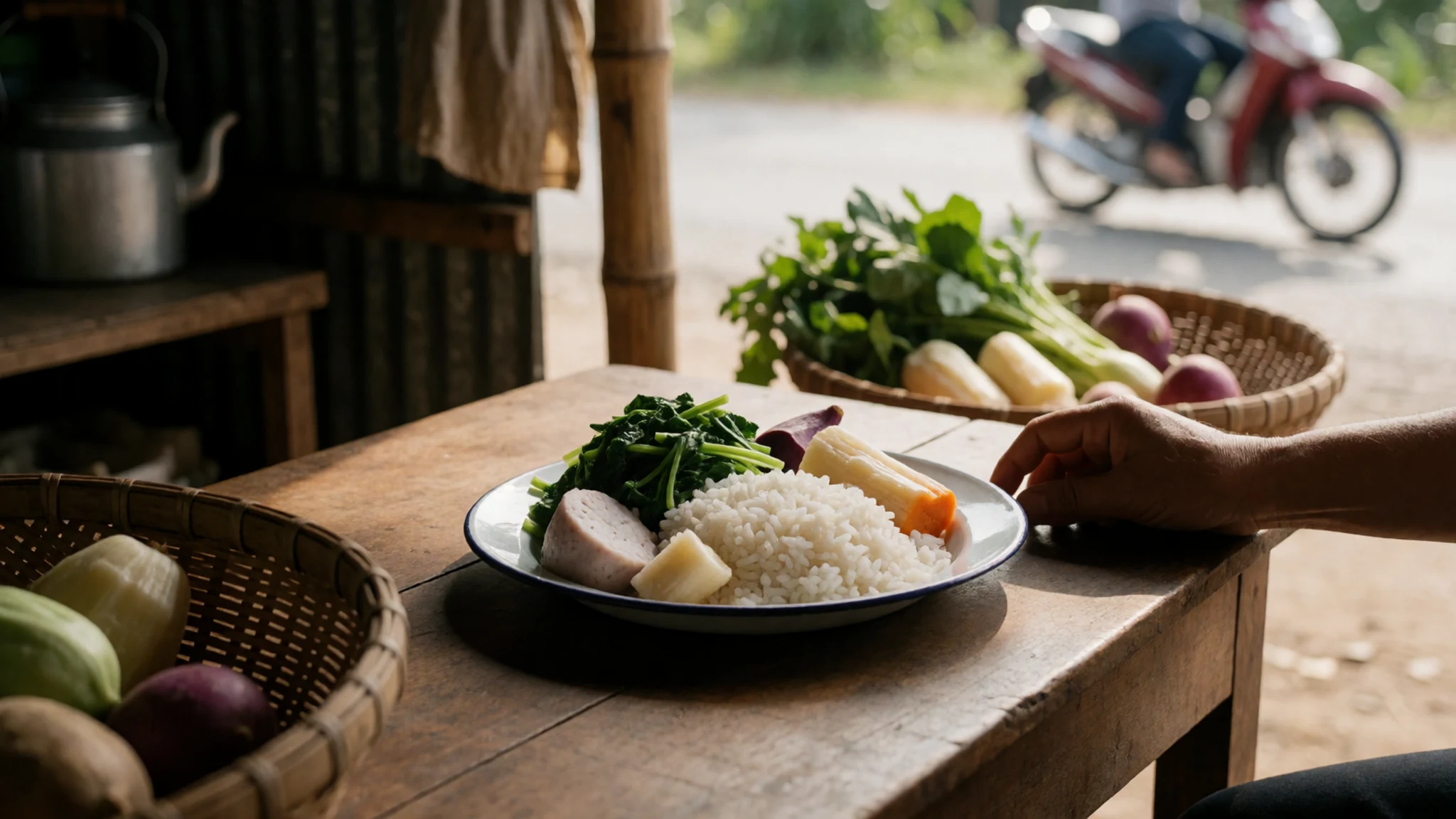
- Fried fish — Roadside stalls and small eateries in the town centre
Fried fish is a popular dish across the country, and fish is treated as a standard part of a meal. In Same it is usually served with rice and a spicy sambal-style relish, often brought up from the coast.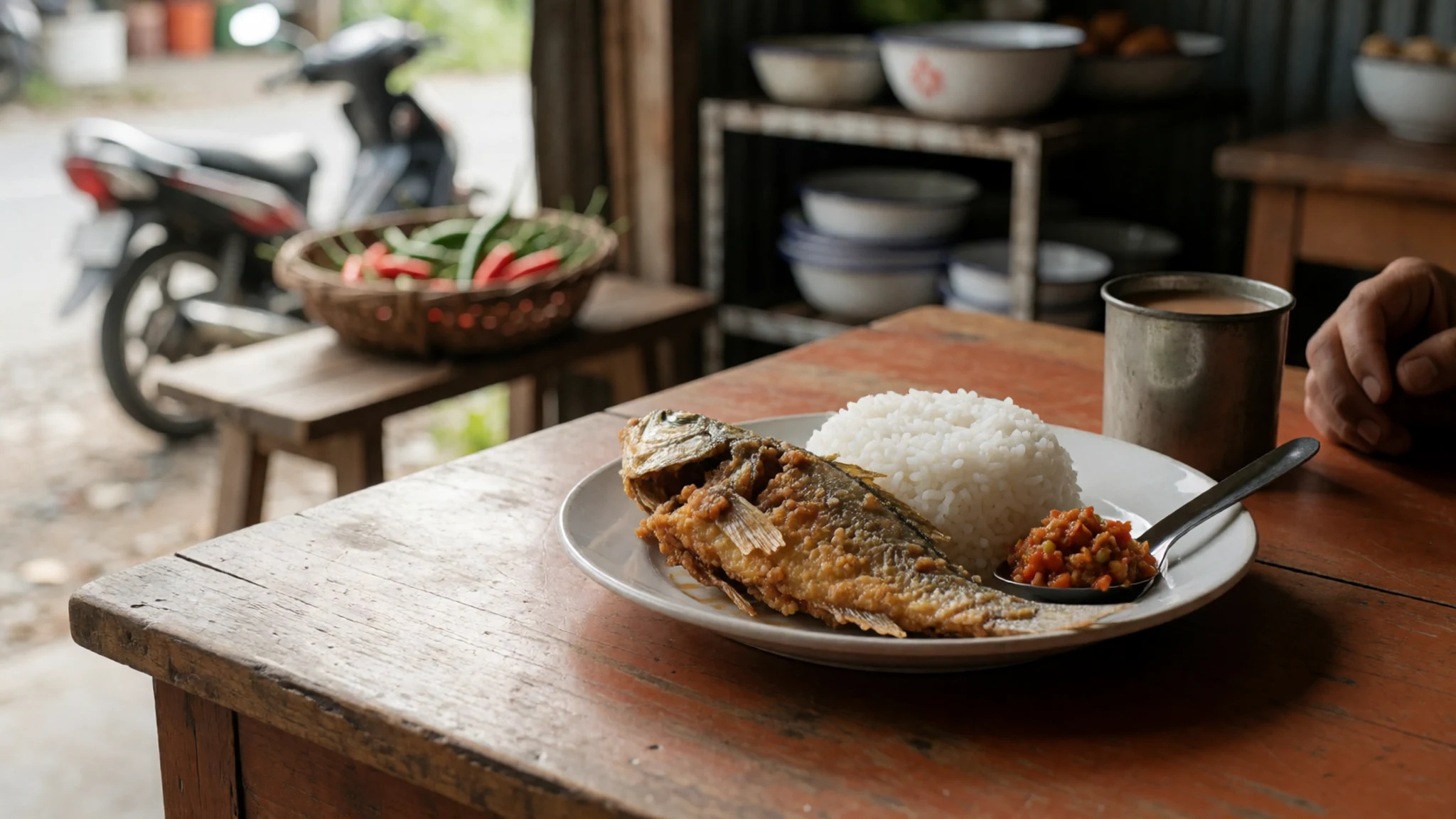
- Chicken curry — Local eateries and family gatherings
Chicken curry is a widespread favourite and a standard dish at celebrations. Recipes use a generous amount of spice, and the sauce is usually eaten over rice. It is a reliable choice when there is little else on offer. - Prawns — Small eateries when stock arrives from the coast
Prawns are considered a delicacy in Timor-Leste, usually fried or cooked in a spiced sauce. Availability in an inland town depends on deliveries, so ask what has come in that day rather than expecting it on every menu. - Timorese coffee — Homes, roadside stalls and local cafés
Coffee is grown organically in Timor-Leste, and a small, strong cup is the natural way to start a morning in the hills. Many households serve it sweet, with sugar added, and sharing a cup is part of any visit.
Plan it
Best time. May–October, the drier months, when roads are more reliable and walking in the hills is easier. The wet season, roughly from December to April, can bring heavy rain, slippery tracks and delays on the mountain roads.
How long. 1–2
Getting there. Fly into Presidente Nicolau Lobato International Airport in Dili, then continue overland by road. The route south runs through the mountains via Maubisse, and a second road reaches Same from the coast at Betano. Ask locally about current transport and road conditions before setting off.
Budget. low
Tips
- Check the official Timor-Leste immigration guidance for visa and passport rules before you travel
- Carry cash, as cards and cash machines are scarce outside Dili
- Start journeys early, because mountain roads are slow and weather can change the day's plan
- Bring water, sun protection and a warm layer for the evenings
- Learn a few words of Tetum or Portuguese, which are more useful than English here
Etiquette
- Greet people politely before asking for anything
- Ask permission before photographing people, ceremonies or official buildings
- Dress modestly for church and community events
Nearby
Sources
- Wikidata Q932640 (CC0)
- Wikipedia, Same, Timor-Leste (rev 1377044926) (CC BY-SA 4.0)
- Wikivoyage, Timor-Leste (rev 5406324) (CC BY-SA 4.0)
- Photo: East Timor Portuguese Statue, john.hession (CC BY 2.5)
- Photo: Casa dos Escuteiros de Same, Jose Fernando Real (CC BY-SA 4.0)
- Photo: Same 01, Jose Fernando Real (CC BY-SA 4.0)
- Photo: Same 02, Jose Fernando Real (CC BY-SA 4.0)
- Photo: Same 03, Jose Fernando Real (CC BY-SA 4.0)
- Photo: Zentrum von Same, Jose Fernando Real (CC BY-SA 4.0)
- Photo: Comando Militar de Manu-fáhi, unknown author (Public domain)
- Photo: Duttaphrynus melanostictus, Mark O'Shea (CC BY 3.0)


